
From the Travely-Family archive · Other Entries
Tierra del Fuego. Clearing In by Yacht
An original publication from the former Travely-Family website. This English translation was preserved from the technical-site archive without editorial rewriting.
Tierra del Fuego. Clearing In by Yacht
Chile has two ends of the Earth. The western end is the planet’s most remote island from inhabited lands— Easter Island —that’s one. The southern end of the Earth is the southernmost town on Earth—Puerto Williams, in the Tierra del Fuego archipelago—that’s two. The formalities are handled differently in each place. Here are the Easter Island formalities.
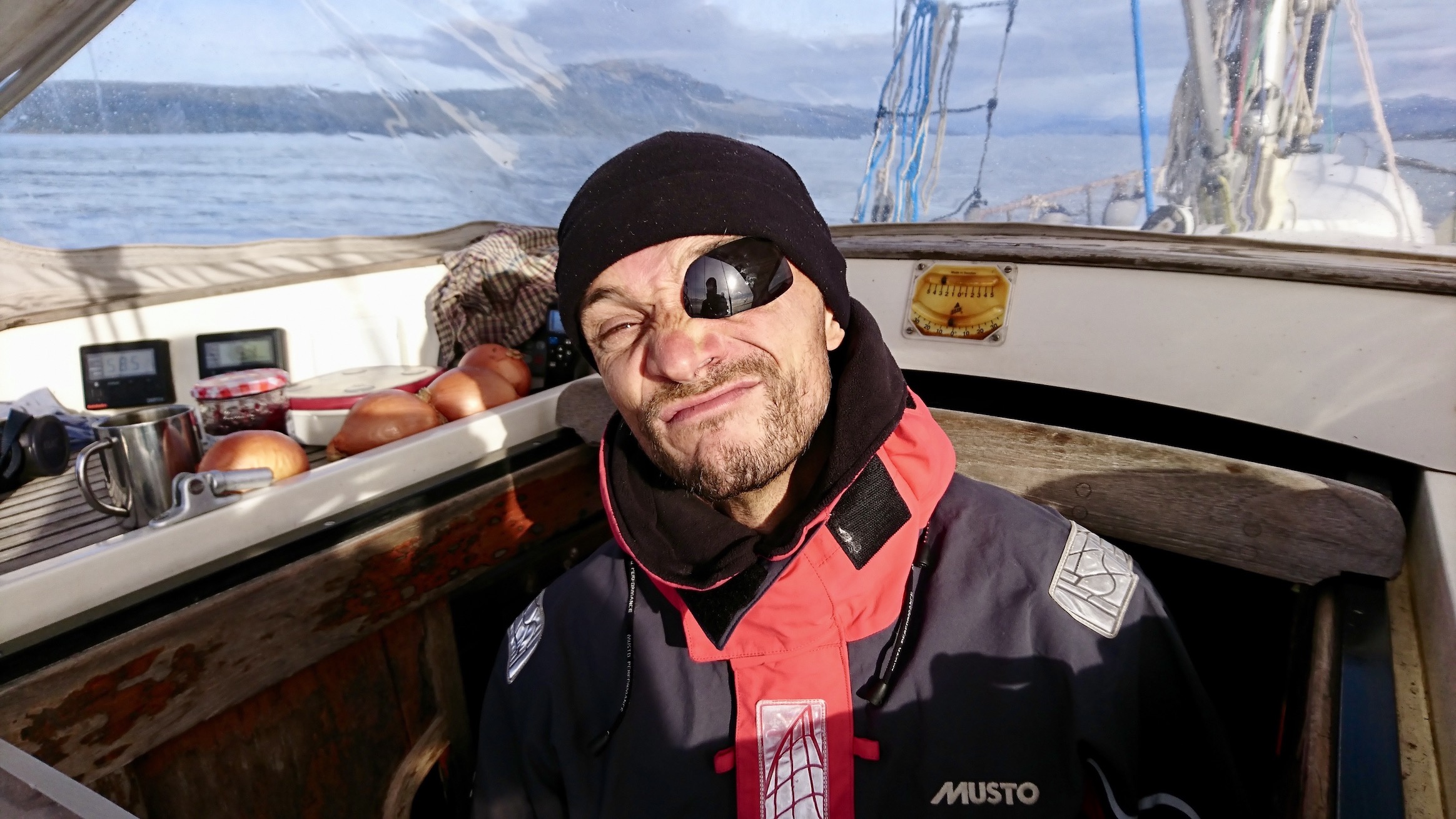
And here are the formalities after Cape Horn.
Harbourmaster’s Office
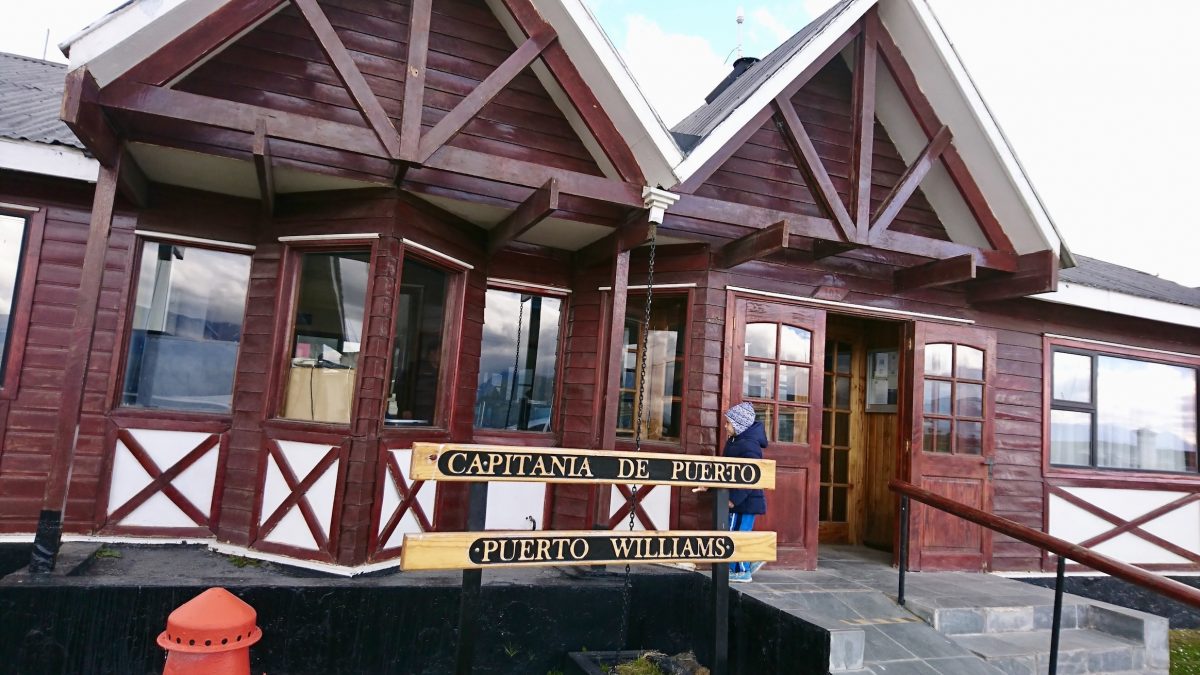
Chile, Puerto Williams, Tierra del Fuego
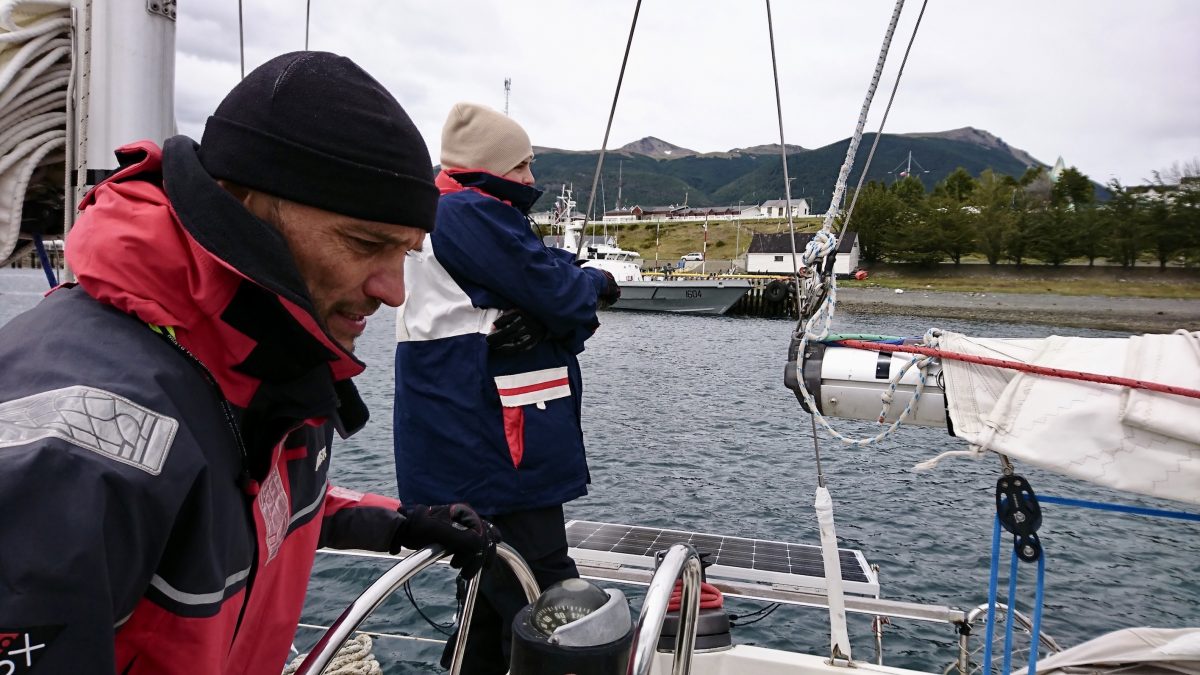
Our preparations for clearing in consisted of hiding 16 enormous, half-eaten pomelo grapefruits from the eyes of justice. They went into an outside locker, beneath the fins and masks. The little limes followed them, and the captain sealed those away so securely that now nobody knows where they are. We’ll be in for a surprise in the form of crushed clumps of mould. And I’ll have a fresh excuse to nag my husband to my heart’s content. We hid the onions and a sack of garlic too. We dressed ourselves up a bit (swapping our unwashed, salt-encrusted clothes for sporty, city-style outfits) and set off for the harbourmaster’s office and the Armada de Chile.
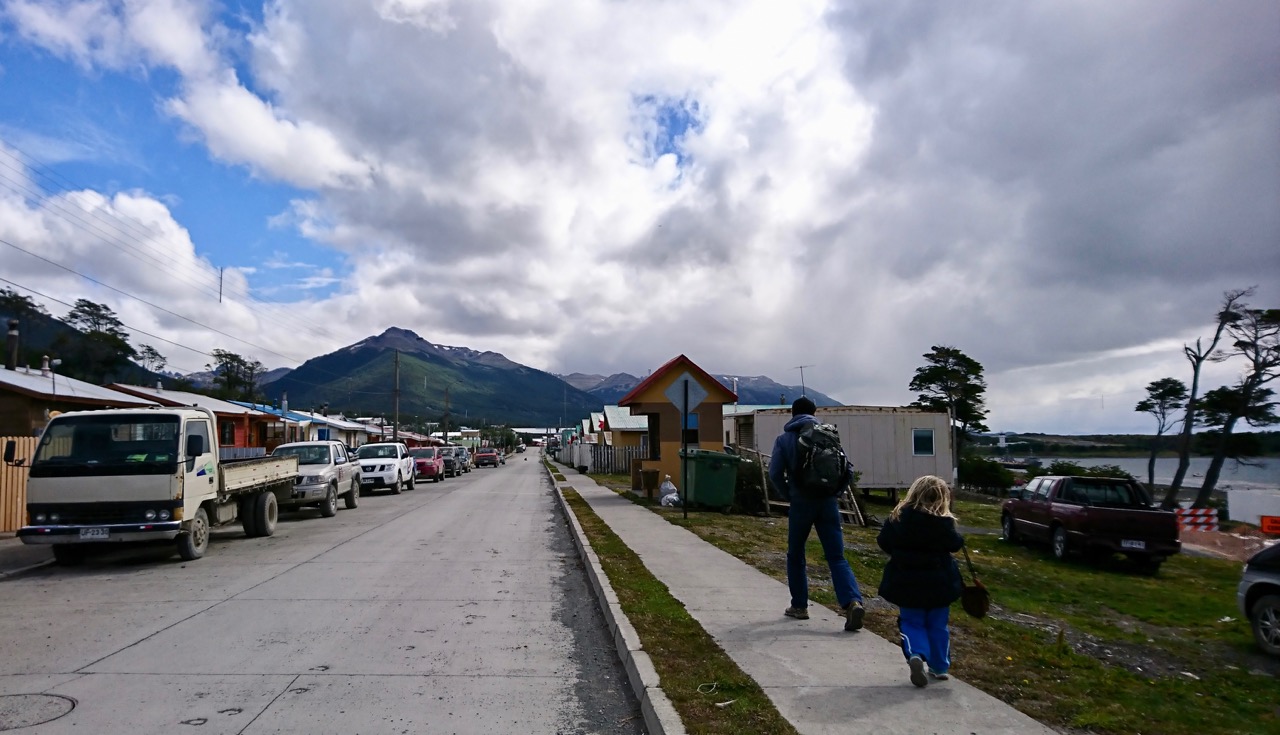
It was about 800 metres away along the main road, which was under repair. Then up a goat track worn by lazy yachties to a sweet little building, where a soldier guards the Chilean Navy’s golden bell. It makes you want to tug the rope.
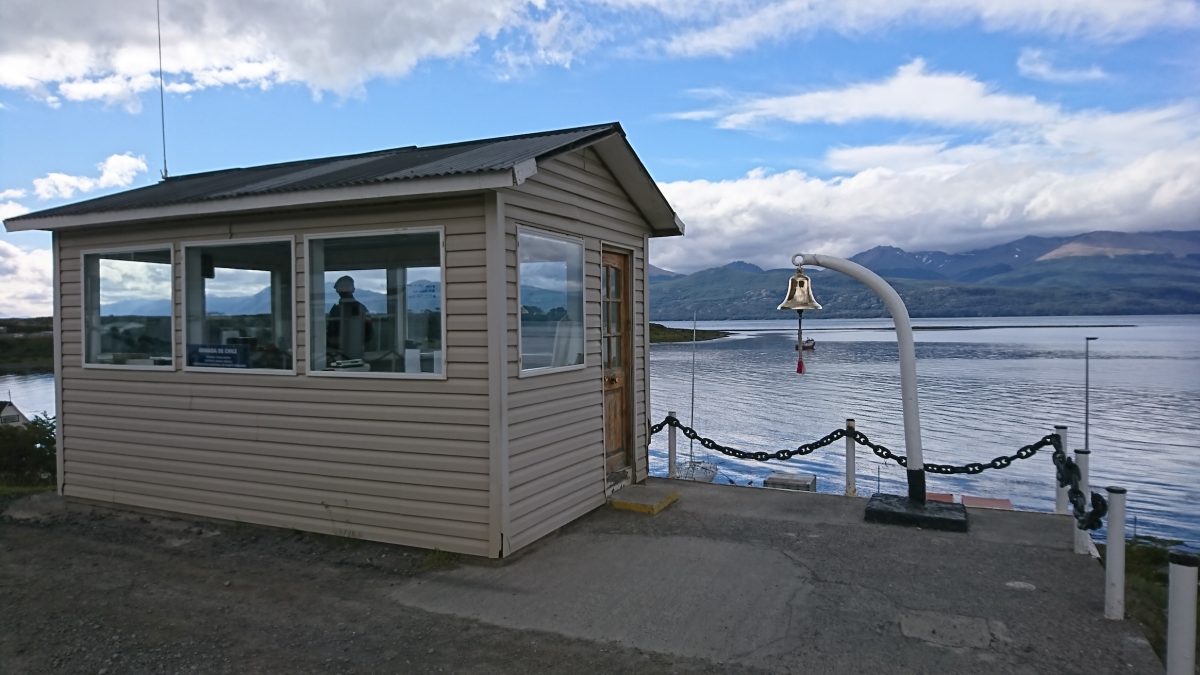
Opposite it is a little summer-house-like building containing the harbourmaster’s office.
While we sit bored on the chairs, Andryukha practises his somewhat rusty Spanish, since English isn’t held in high regard here. Some Germans come in to obtain permission for Antarctica. And I immediately confess to Nastya the reflex that animated German speech triggers in me, having first heard it in the war films of my childhood. I feel an irresistible urge to blurt out, “Hitler kaput!” Nastya laughs and says she has more or less the same reflex:). It’s a good thing we’re speaking very quietly, because a minute later the young woman says in broken Russian:
I’d like to speak Russian with you, but I’ve already forgotten the language.
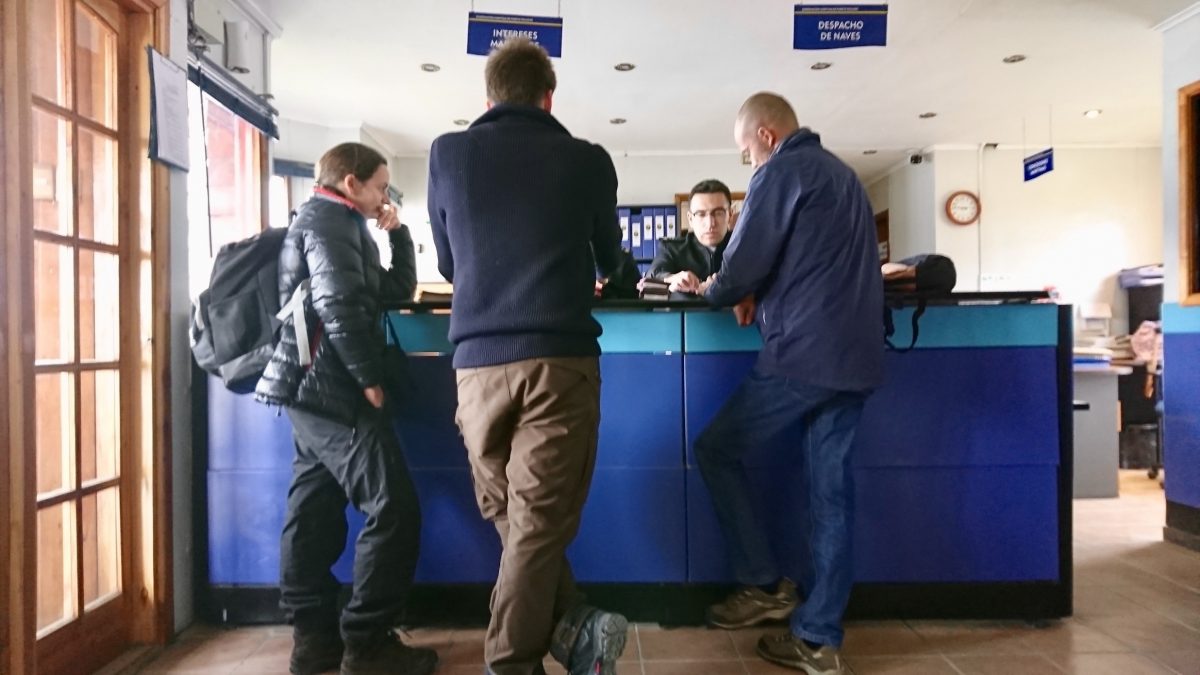
It turns out she studied Russian at Dresden University. Just imagine if she’d caught us with that “kaput” and everything behind it!.
Ports of call
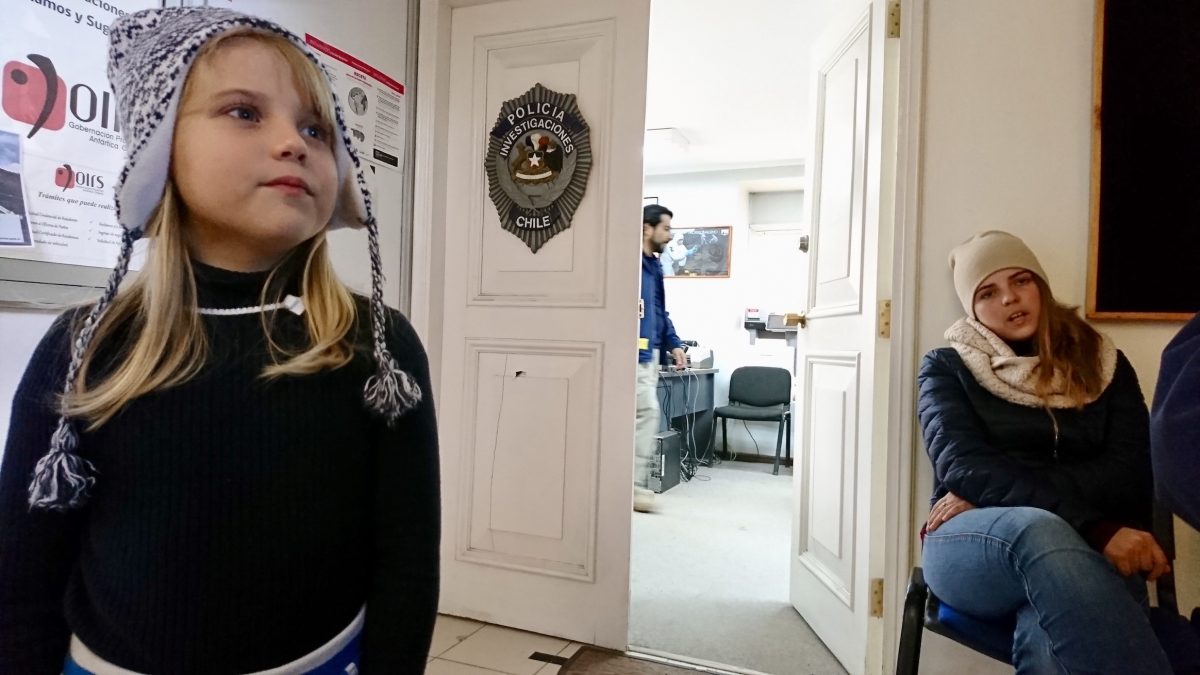
After the harbourmaster’s office, you have to visit three authorities:
Immigration
Agricultural Control
Customs.
Immigration hides out in the local town hall behind a barely recognisable sign on the door. A formidable plaque reads Policía de Investigaciones.
Because of the language barrier, the officials decide that since our clearance papers from Tahiti list Argentina as our destination, we have already been there and have now barged in on them, on the Chilean side, with the same documents. It takes them about an hour and a half to untangle these suspicious circumstances, during which I successfully fall asleep across several chairs pushed together. The captain runs off to look for some stamped yacht crew list from Papeete or Rimatara, but no such document can be found. Fortunately, in the meantime the immigration lads have established with the coastguard services that we only rounded Cape Horn two days ago and came straight through the channels to them, not to Argentina.
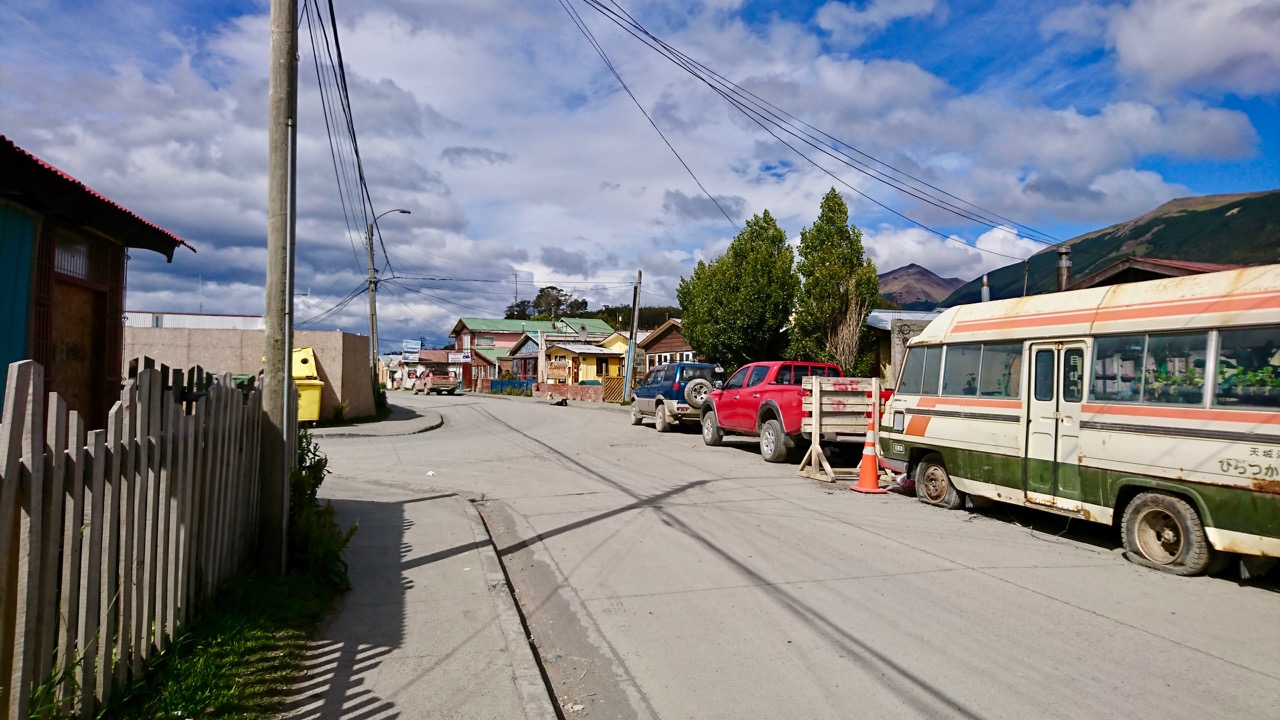
Things went more briskly after that. We skipped off to Agricultural Control, which also looks like a summer house. It is freezing in there too, with penguin posters and an imposing woman in tracksuit bottoms. We assured the latter that we had no food aboard that might interest them, in return for which she gave us a time for an inspection.
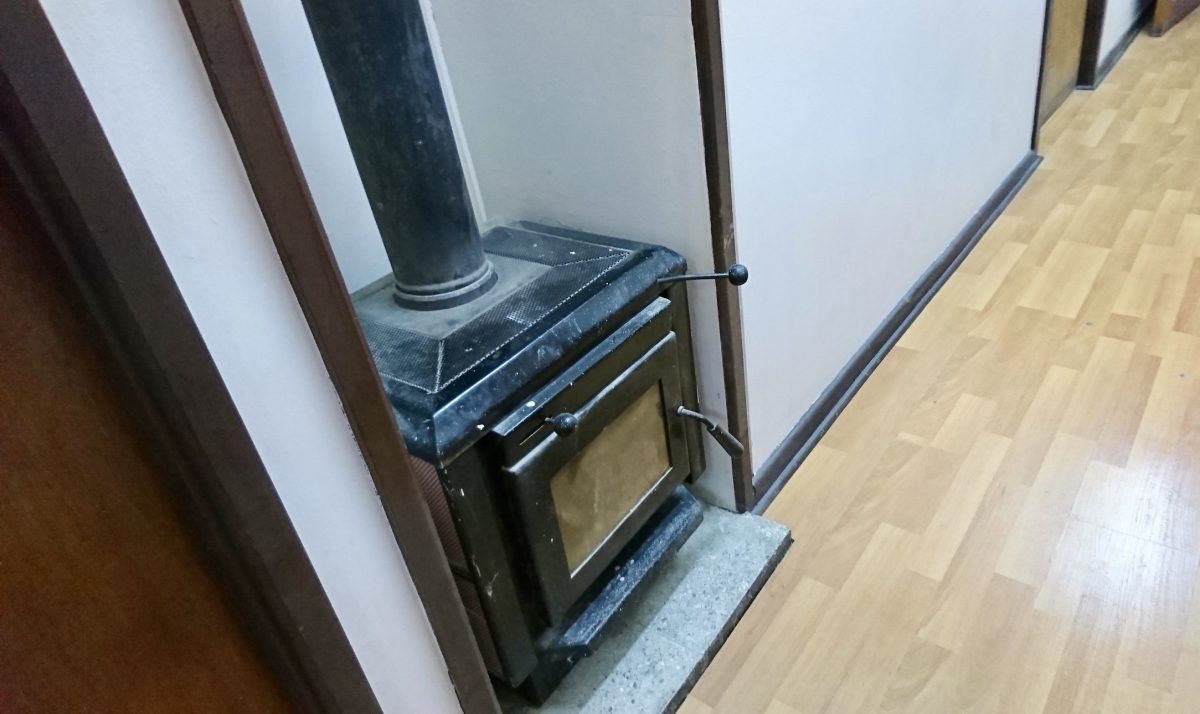
We dashed off to Customs—another almost plywood building, resembling a cabin at an Altai holiday camp. The customs officer was stern and looked at us suspiciously. The children and I wandered around the corridor, wondering how often they had to fire up the potbelly stoves whose chimneys studded the low roofs. And how they managed to live here in winter if, at the very height of summer, it was only +10–15°C. The walls of the houses were like plywood sandwich panels about 8 centimetres thick. I suspect not all those sandwiches contained anything in the way of foam insulation.
There was no central heating, of course, just modern potbelly stoves with glass doors. Back home, we put ones like that in country saunas. So the moral of this tale about warmth is this: folks, you can live in any of our summer cottages in winter too. The main thing is not to take off your coats or shoes indoors—the people of Tierra del Fuego don’t.
The potbelly stove at Customs
Meanwhile, the customs officer let the captain go after applying the required stamp, and we raced home via the village shop to wait for the agricultural inspector. Two hours later, a young man arrived, sat in the cockpit and asked whether we had anything fresh.
Oh, come on—we went to sea two months ago. Where would we get any?—a hungry tear glinted in Andryukha’s eye.
Okay, replied the agricultural inspector, and wrote something down.
At this point Andryukha grew sentimental and confided:
We have flowers (this was the proud name he bestowed on Alejandro, bristling from his life at sea, and the considerably emaciated aloe, Hatter).
Oh, said the agronomist, perking up slightly, where did you get them?
On Easter Island, lied the captain.
Ah, well, that’s Chile too! And the agronomist slapped whatever needed slapping wherever it had to go, then departed to warm himself by the potbelly stove.
The town.
Our first evening on solid ground
Meanwhile, we furrowed our brows over how to turn food from the village shop into the world’s most delicious arrival meal without a stove (we had run out of gas). We washed a head of lettuce and pushed aside the heap of mattresses and blankets spread out on the table to dry. The captain ran an electrical cable across the line of yachts moored alongside one another. We poured boiling water over a packet of instant noodles and, over sandwiches with cheese and sausage, salad and fresh herbs, began nodding off without even leaving the table. It had been a long day, starting at half past four in the morning. Sixty-four days in the ocean were behind us, and we could hardly believe it.
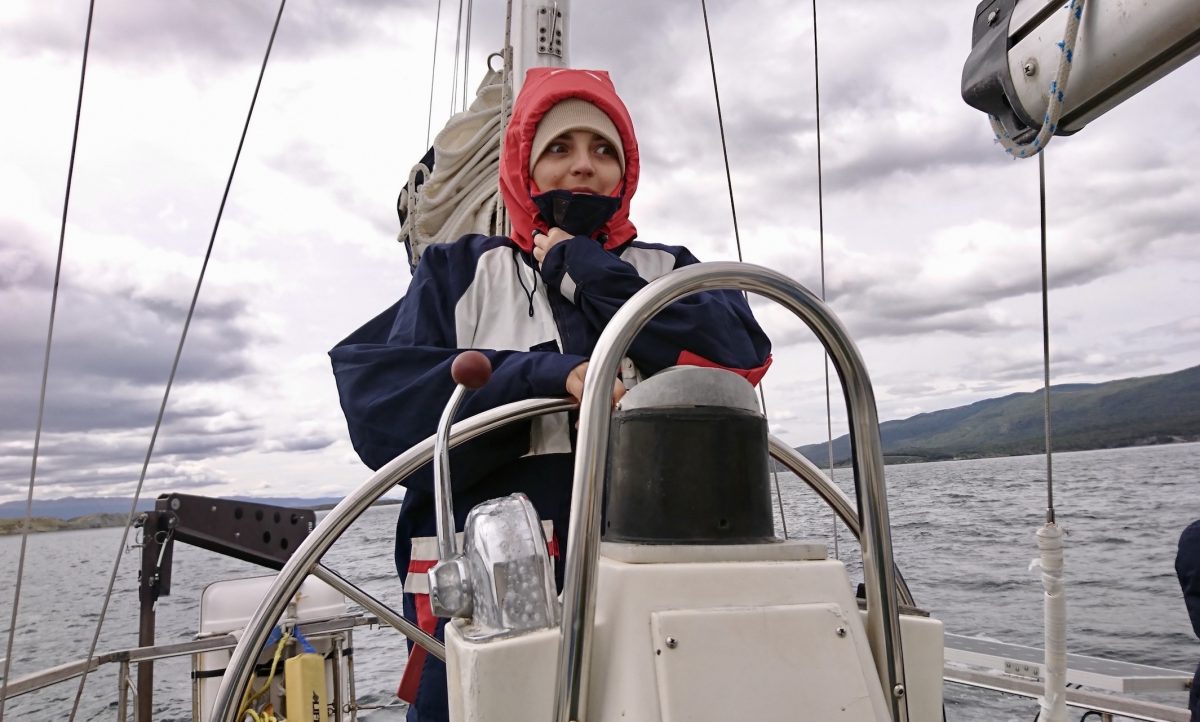
Approaches to Puerto Williams
In the morning we got to work. I started a new journal entitled “Patagonia.” The previous one was called “37th Parallel.” As a bold full stop to the previous one, the captain used the internet last night to upload the first four episodes of the series “Expedition to the Phantom Islands”; the first will be released this Wednesday, 30 January, on our YouTube channel:
https://www.youtube.com/c/ travelyfamily.
There’s already plenty to watch there. We’re moving to a regular schedule of one video a week, on Wednesdays. Look for the red “Subscribe” button and click it quickly. There’s also a bell in the upper-right corner of the screen—click that and you’ll receive notifications about new releases, so you won’t miss a thing. You won’t get bored with us, we promise:).
A huge thank-you to all of you, dears, for your warmth and support through your kind words and comments! We can now reply to them promptly, and we’re very happy about that:).
And special thanks to the wonderful people who have become part of our expedition, fuelling it from shore through PayPal.me/TravelyFamily! Andrei A. from Kyiv, Marina S. from Chelyabinsk and Artemy V. from Ulan-Ude—you are now part of our shore team! Hugs to you, friends, from the southernmost inhabited point in the world!
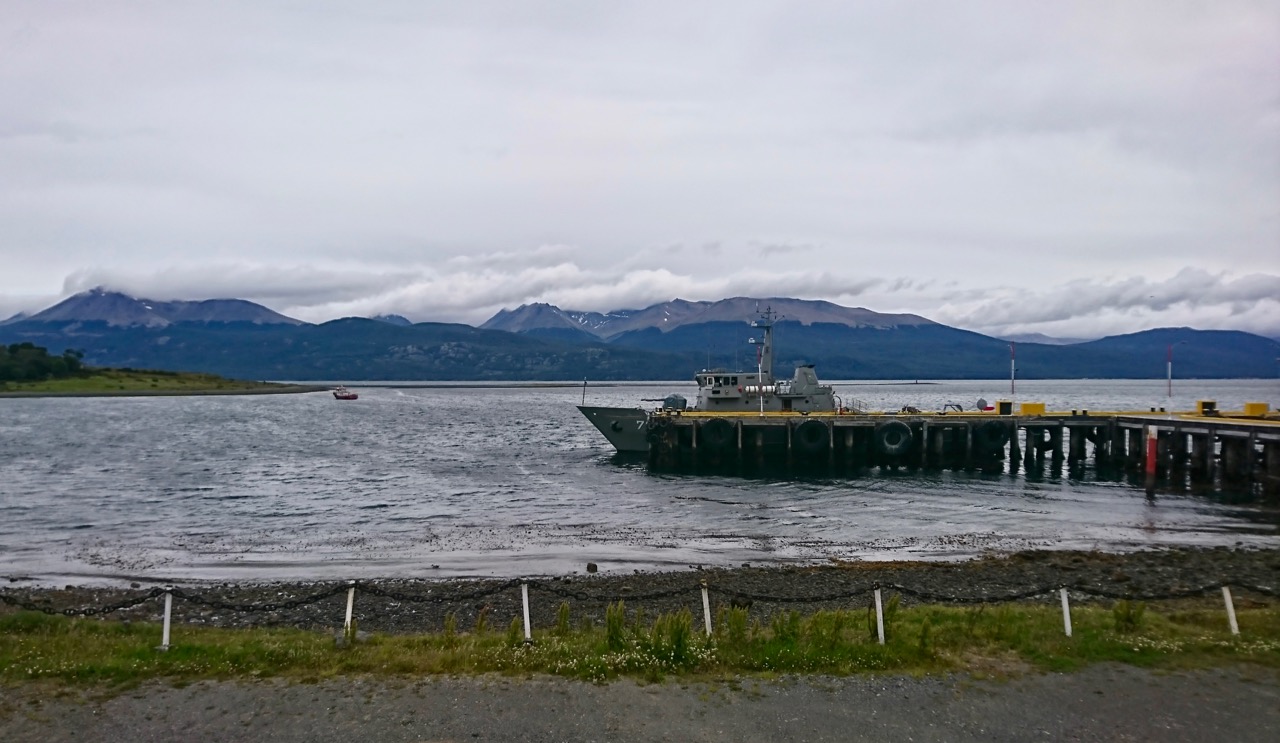
May everyone have easy formalities and happy encounters! To be continued.
Tierra del Fuego in the first photographs
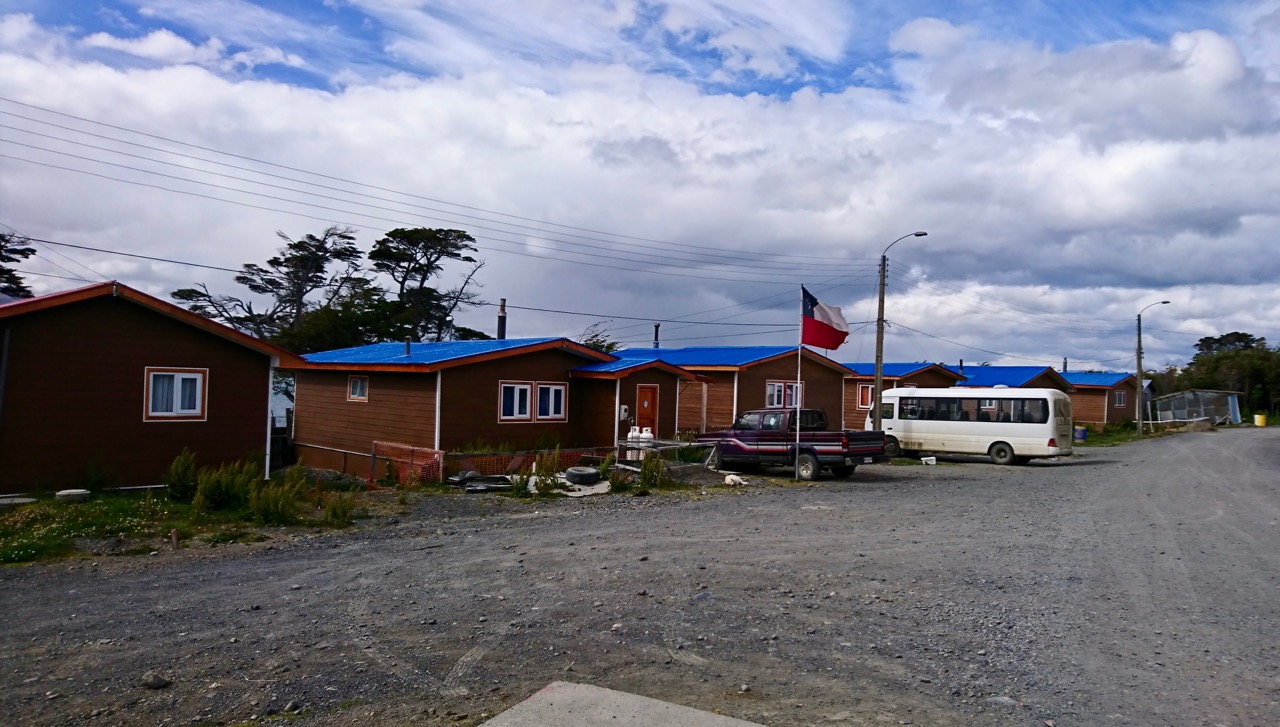
The road to the authorities
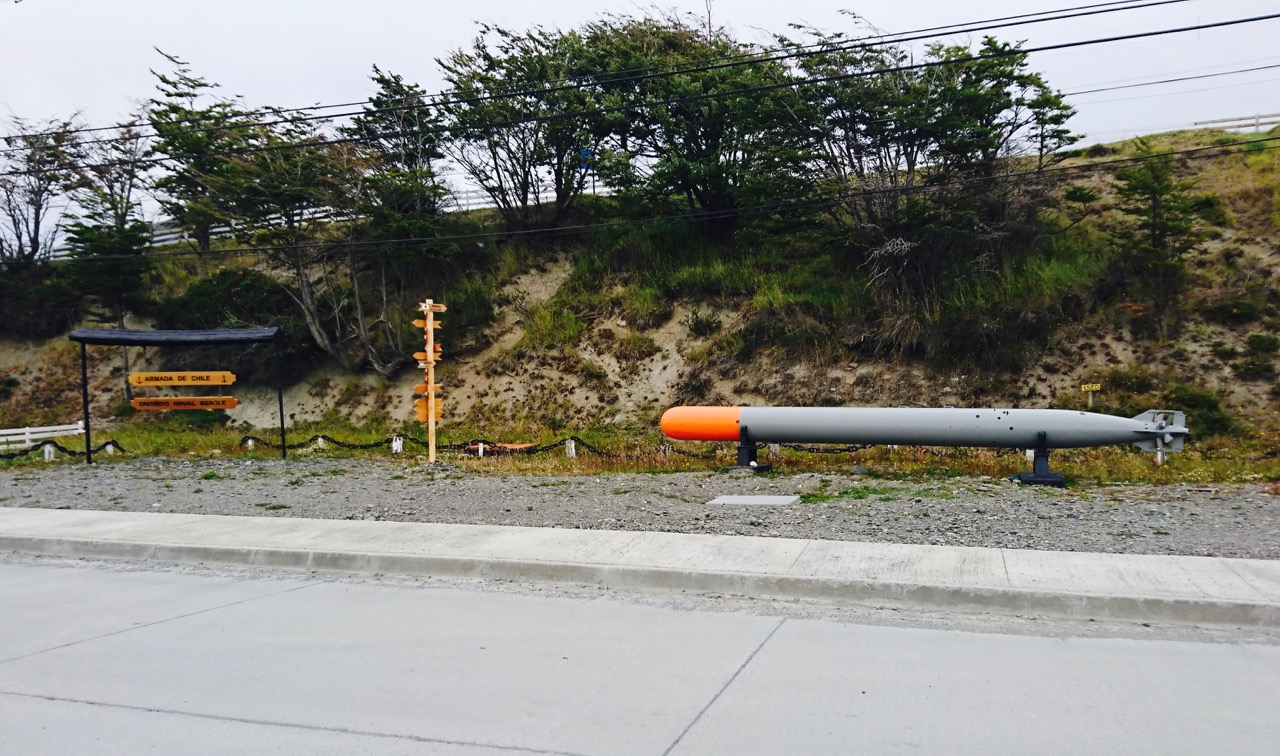
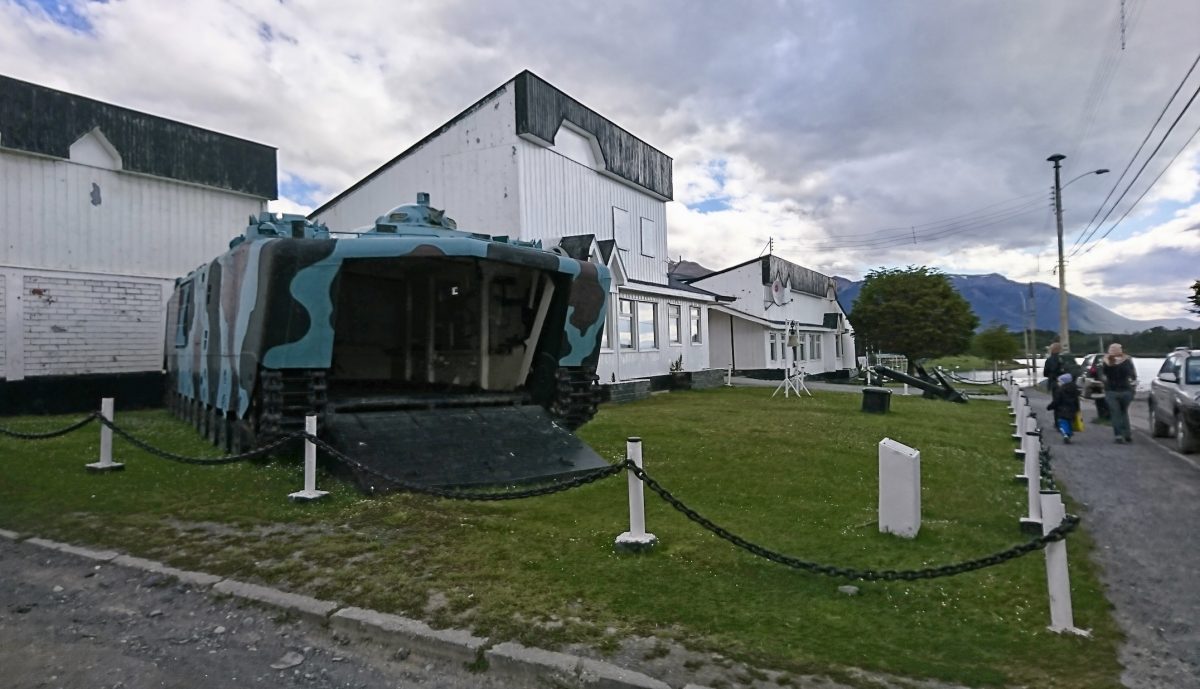
Monument by the Armada de Chile
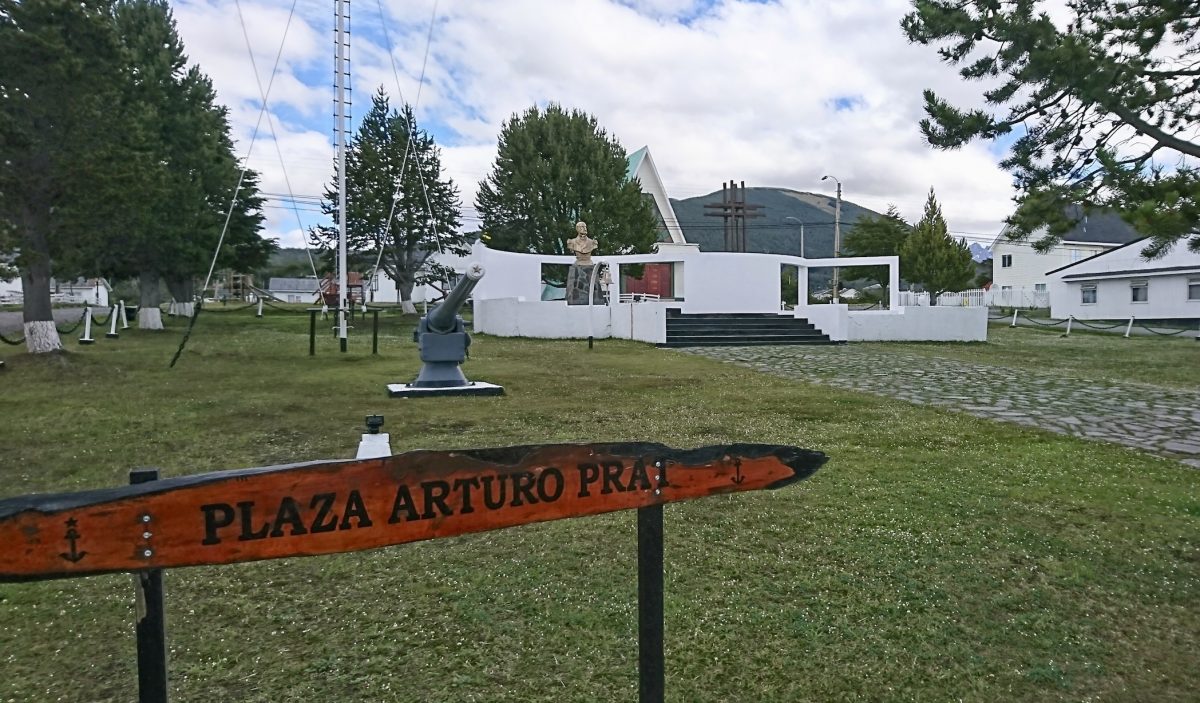
A square—not the main one
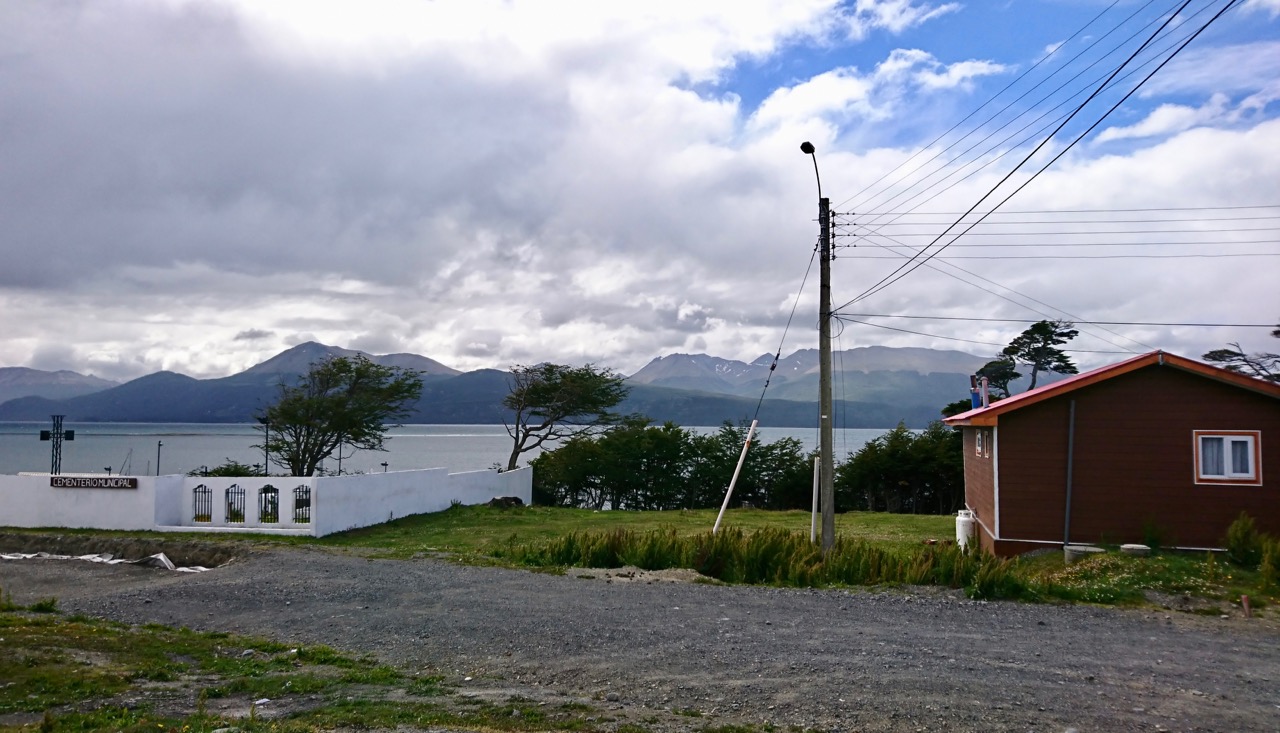
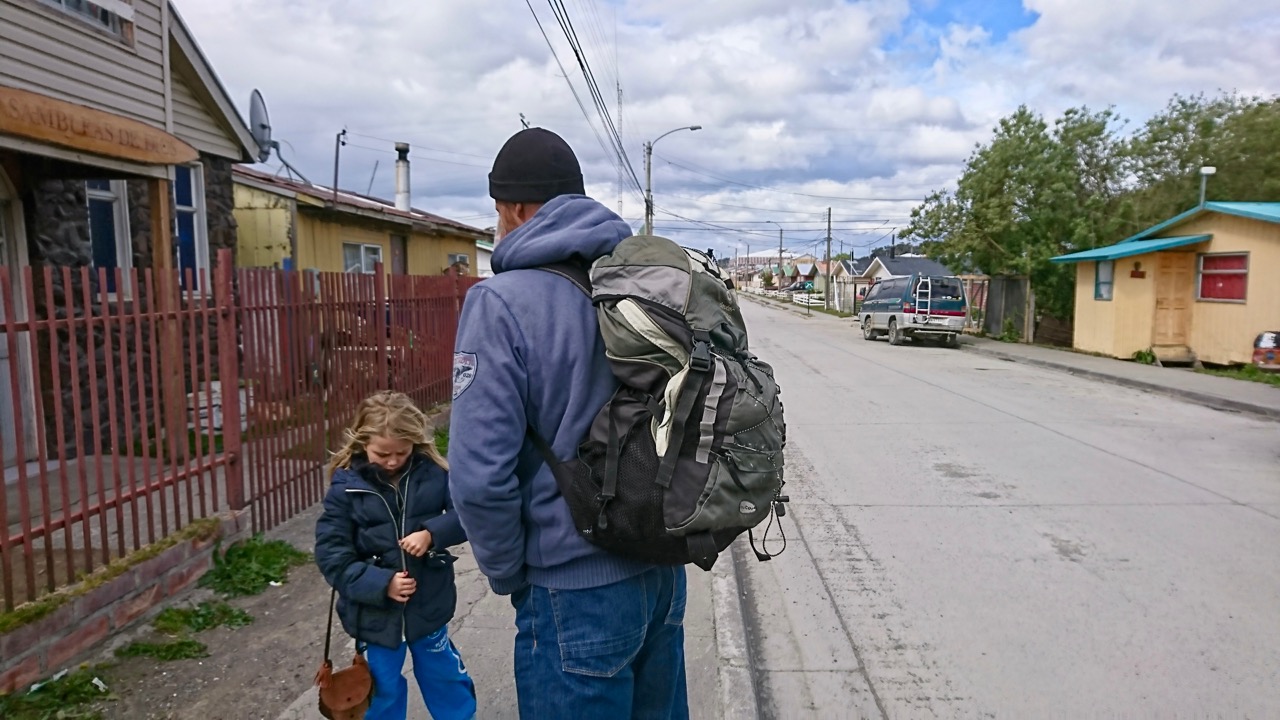
Summer in town
Coming alongside
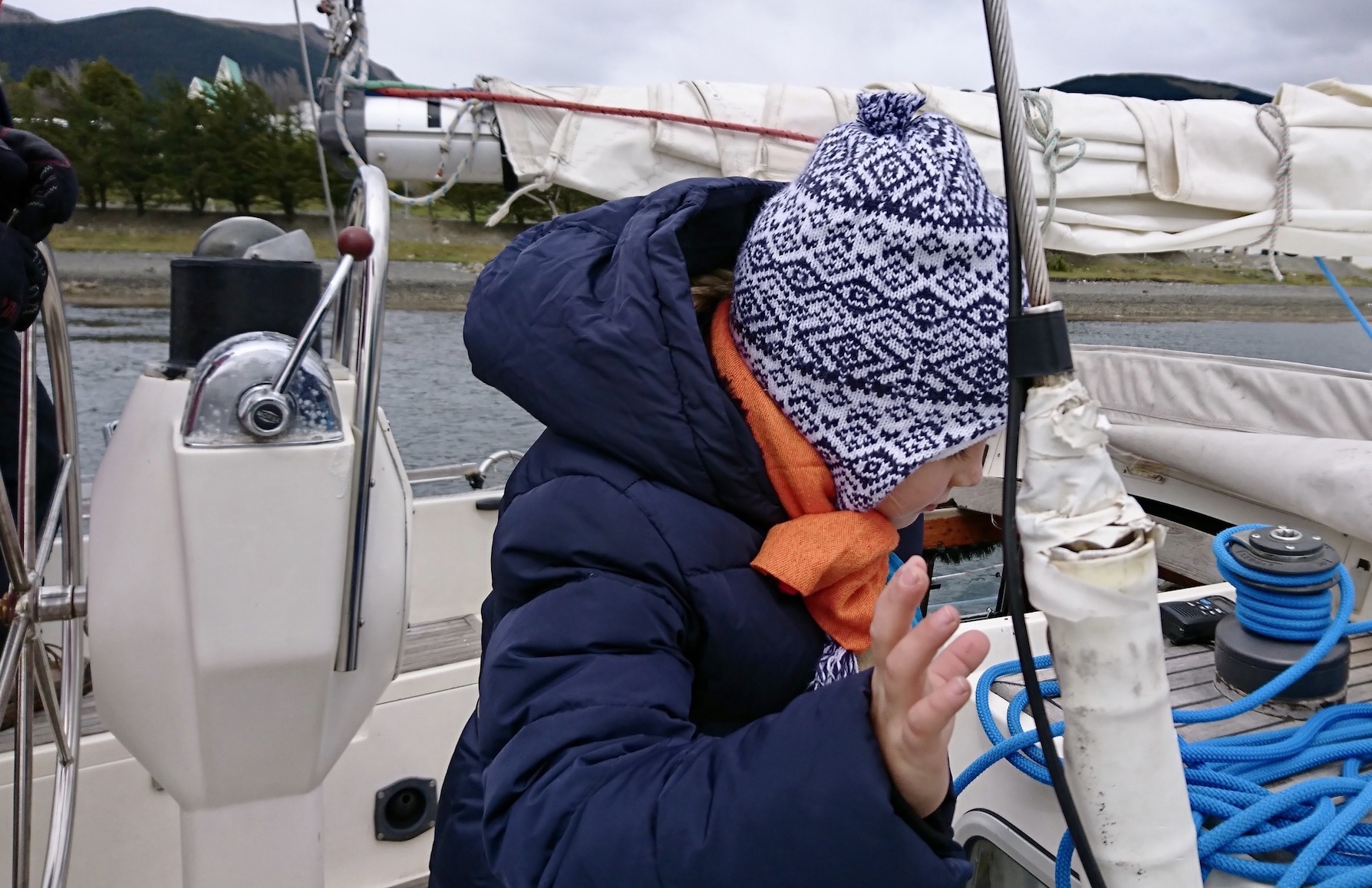
The young sailor’s summer outfit
On the other side of the Beagle Channel is the main island of the Tierra del Fuego archipelago Holiday-camp-style houses
The little armoured vehicle is open
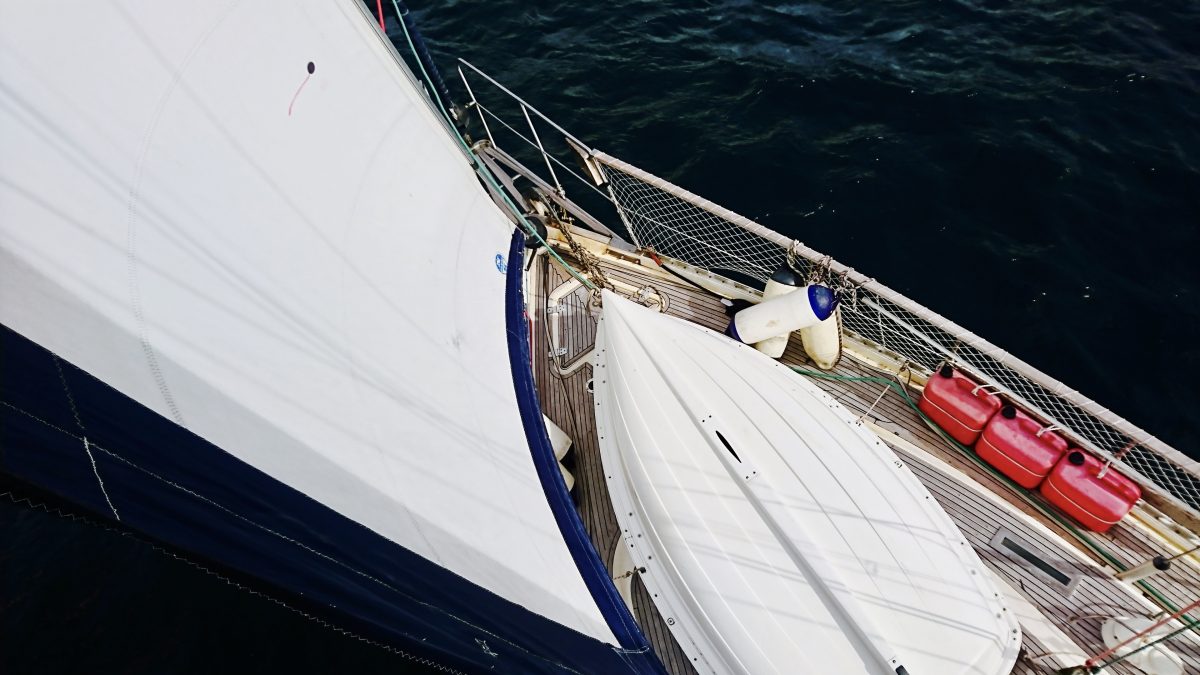
Tierra del Fuego under sail
Today we broke our record for uploading a report—2 hours 36 minutes. How wonderful! Is there more of this to come?