
From the Travely-Family archive · Atlantic
Cuba. Clearing In by Yacht. Visa and Customs Formalities
An original publication from the former Travely-Family website. This English translation was preserved from the technical-site archive without editorial rewriting.
Cuba. Clearing in by yacht. How we covered the final miles, what American aircraft ask Russian yachts, and who is interested in the crew’s body temperatures..
Repairs and provisions
So, we had already sailed straight past Cuba once; to make sure we hit the target the second time around, some field repairs to the engine were in order. Our cap doesn’t like leaving things to chance, so whenever there was a lull, a calm, or we were simply stuck in the middle of the Great Bahama Bank, Andrey would climb into the hold with a mysterious look and obviously sorcerous intentions. Only Poseidon knows what he tightened and loosened down there, but at some point the engine, transmission, and propeller were reunited in all the right places, and everything started working again!
We even began regarding the cap with superstitious awe as we watched the engine revs increase and, as they should, the yacht’s speed rise with them.... Well, so much for our beautiful entrance under sail into the narrow channel of Havana’s Hemingway Marina. We’d go in like everyone else, under power.
Approaching the customs quay
The approach to Havana was tough. Either the waves were too strong, or after three weeks everyone was getting tired and had begun to notice things: the bedding was salty (we had failed to close the windows in time a couple of times), the boat was pitching and rolling desperately, and we had run out of fresh fruit (for the last few days, the entire crew’s daily ration was one apple and one banana. On Saint Martin, we had bought enough provisions for one week, but spent three on passage—the same amount of time it had taken us to cross the Atlantic. If only we’d known how hard vegetables are to come by in Cuba, we would have stocked up for six months)..
A hundred miles from the States
70 miles to Havana. An aircraft marked “US” and bearing the number 1517 roared over the masthead. The radio immediately spoke in a human voice—without a trace of interference—calling on us to respond. The crew perked up and poured out onto the deck, while the US Air Force aircraft came around for a second pass: “Lady Mary, Lady Mary, this is aircraft 1517 calling!” After asking who we were, where we were going, and where we had come from, the pilots told us to take care and vanished into thin air. Amid jokes and banter, we decided that our next boat absolutely had to be named after the current president of Russia. Well, why not? We’ll scare people:), and then no one will need to ask who we are or where we’re from.
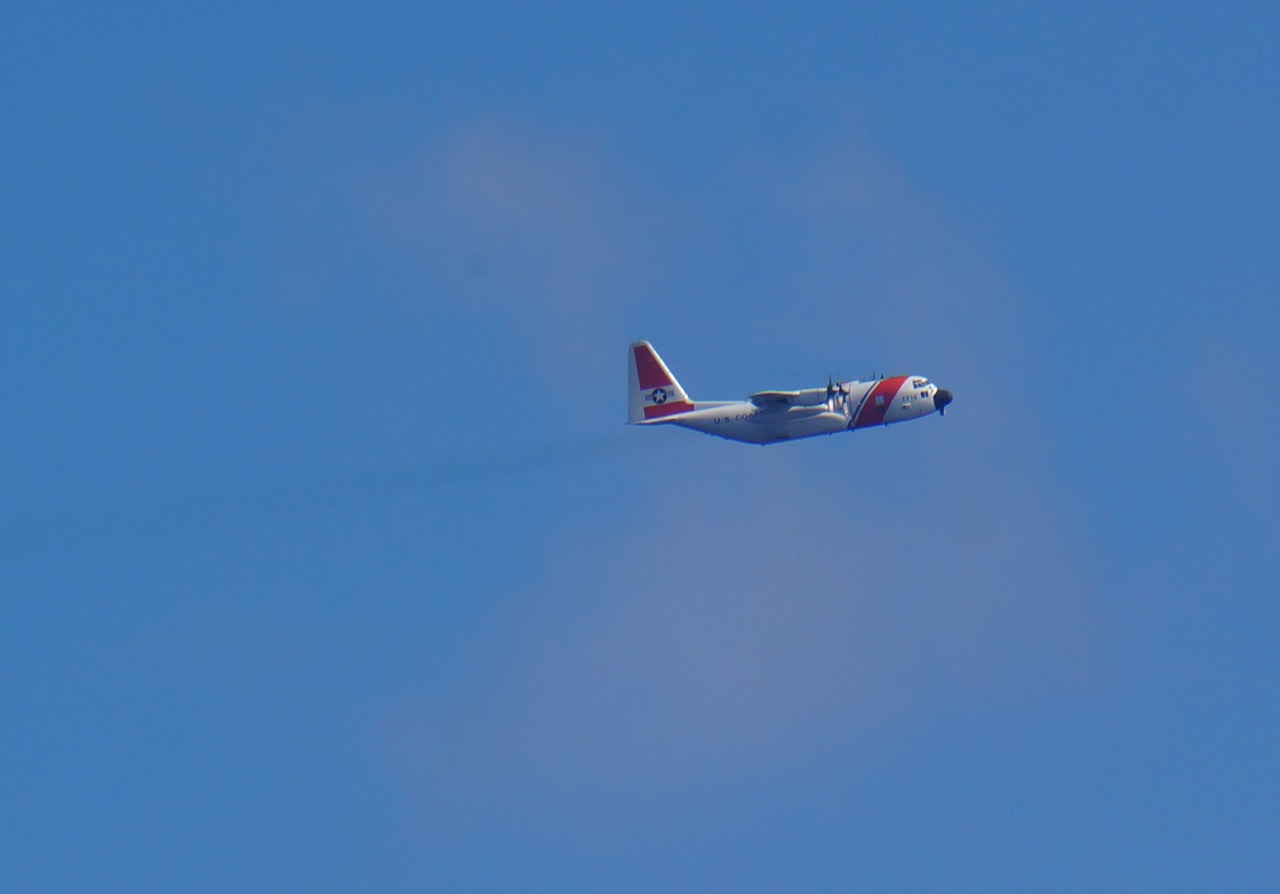
Answer the United States Air Force aircraft!
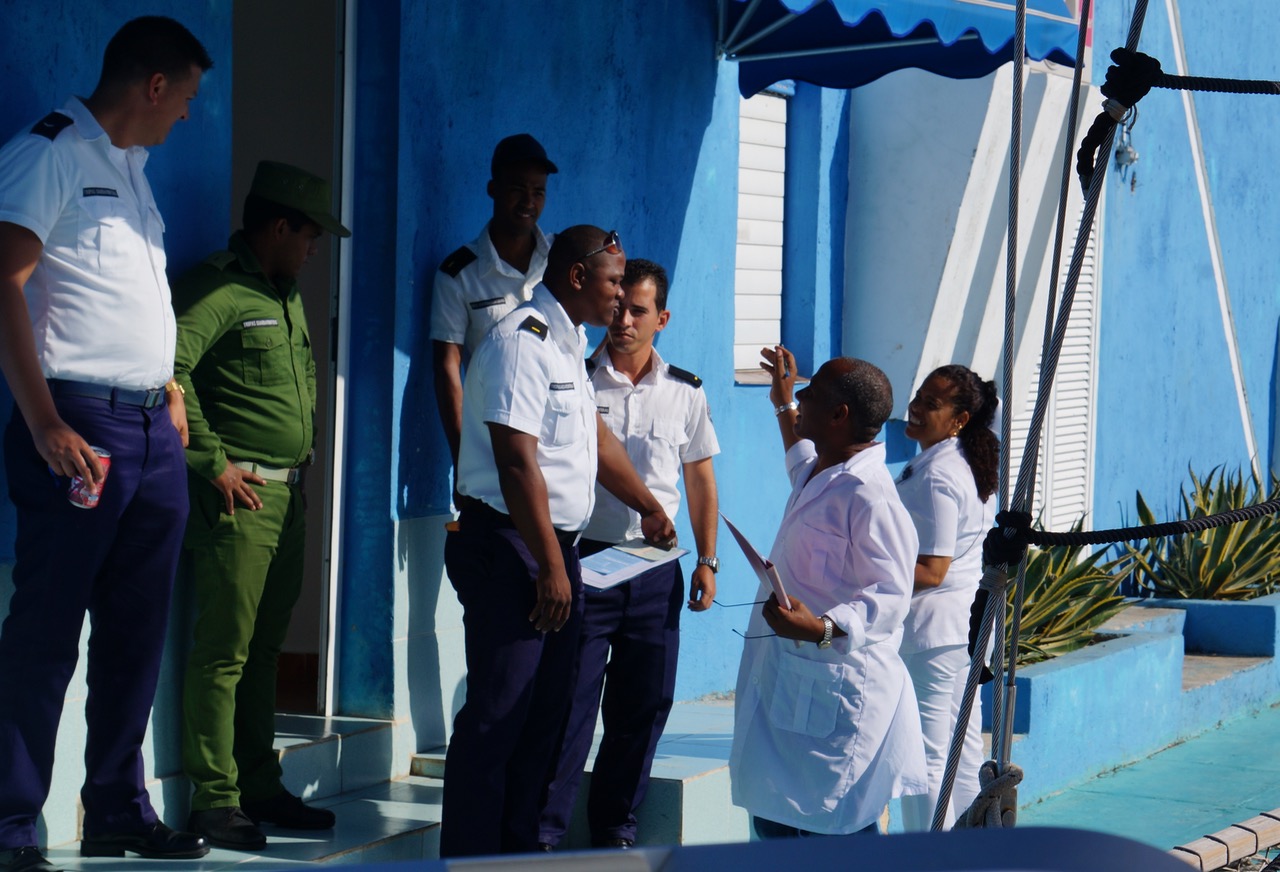
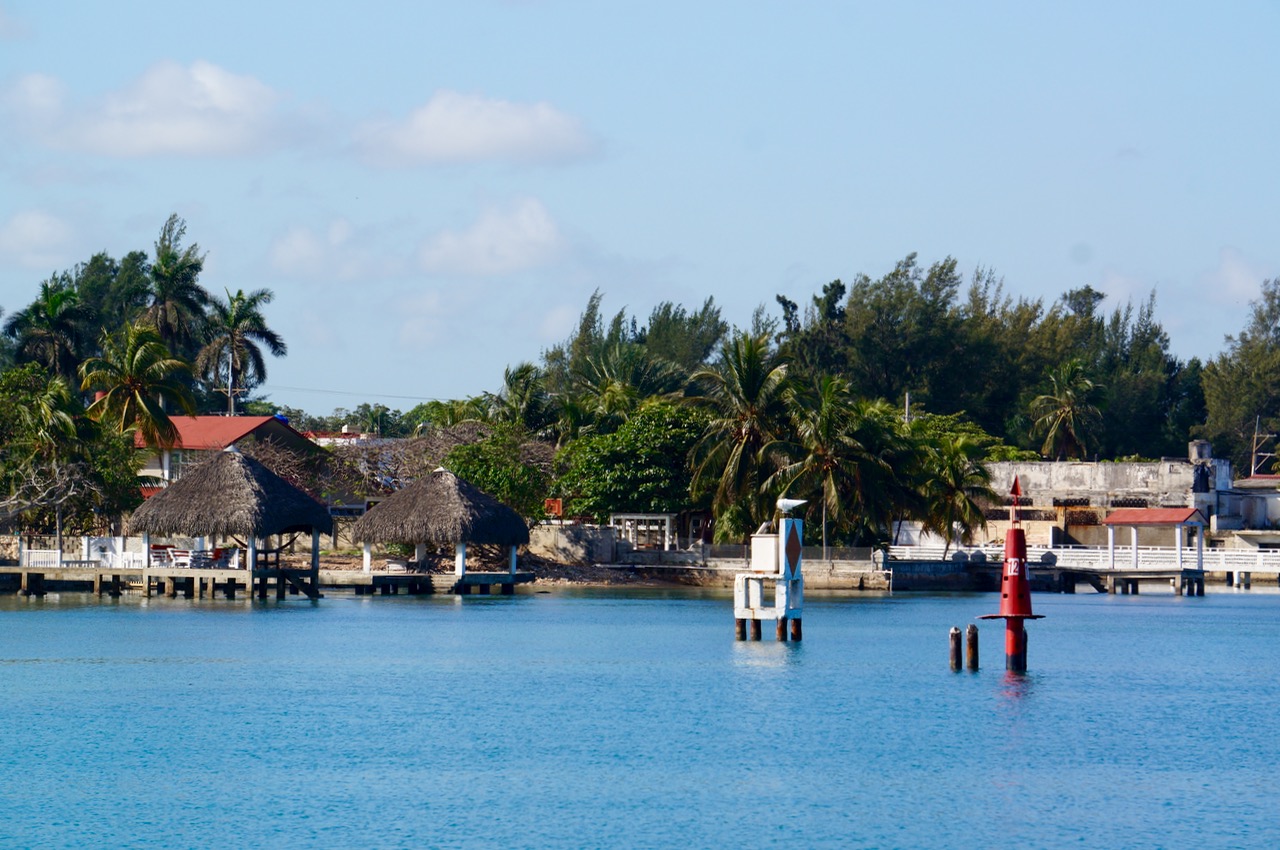
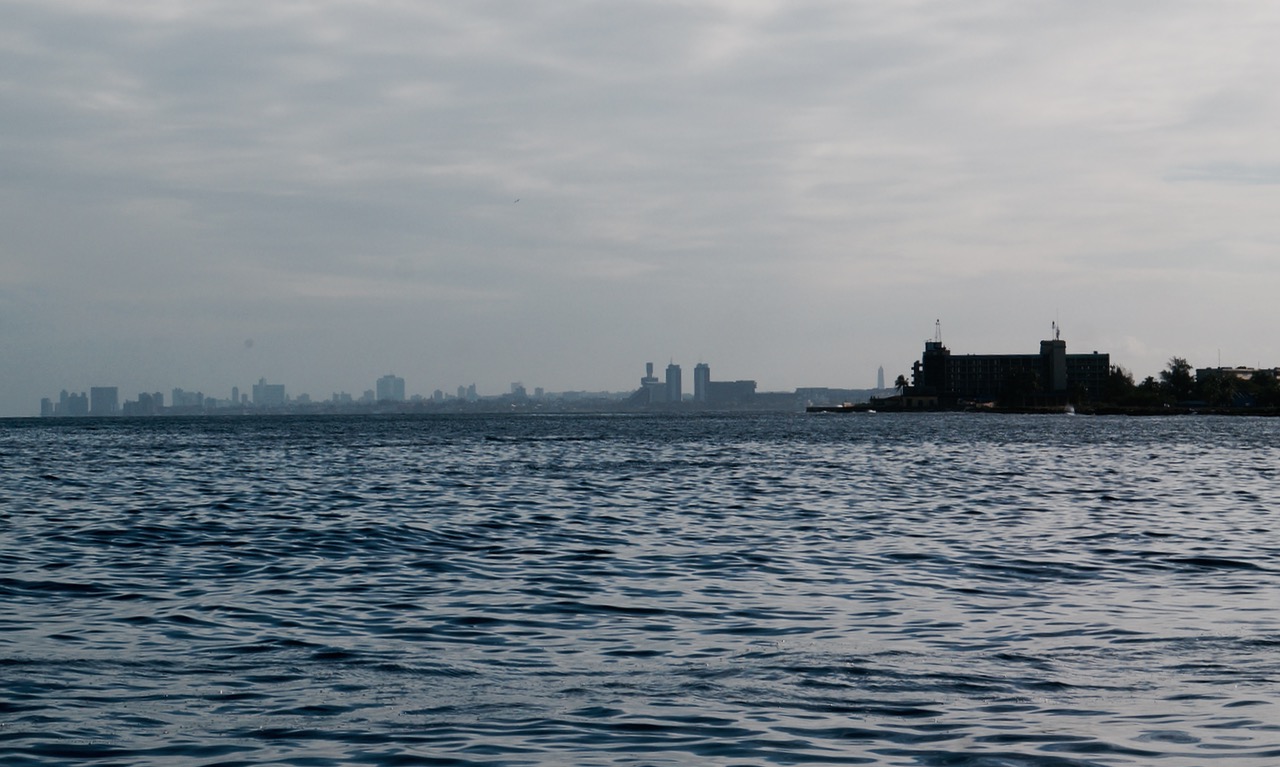
The approach to the customs quay looks sweet and homely: the Soviet Svetly Put sanatorium welcomes a vessel from Russia.
You cannot set foot on Cuban soil until all the formalities have been completed, so we toss our lines to the courteous dockhands, hoist the yellow flag, and wait on deck for the quarantine and other authorities..
Formalities
ONE:
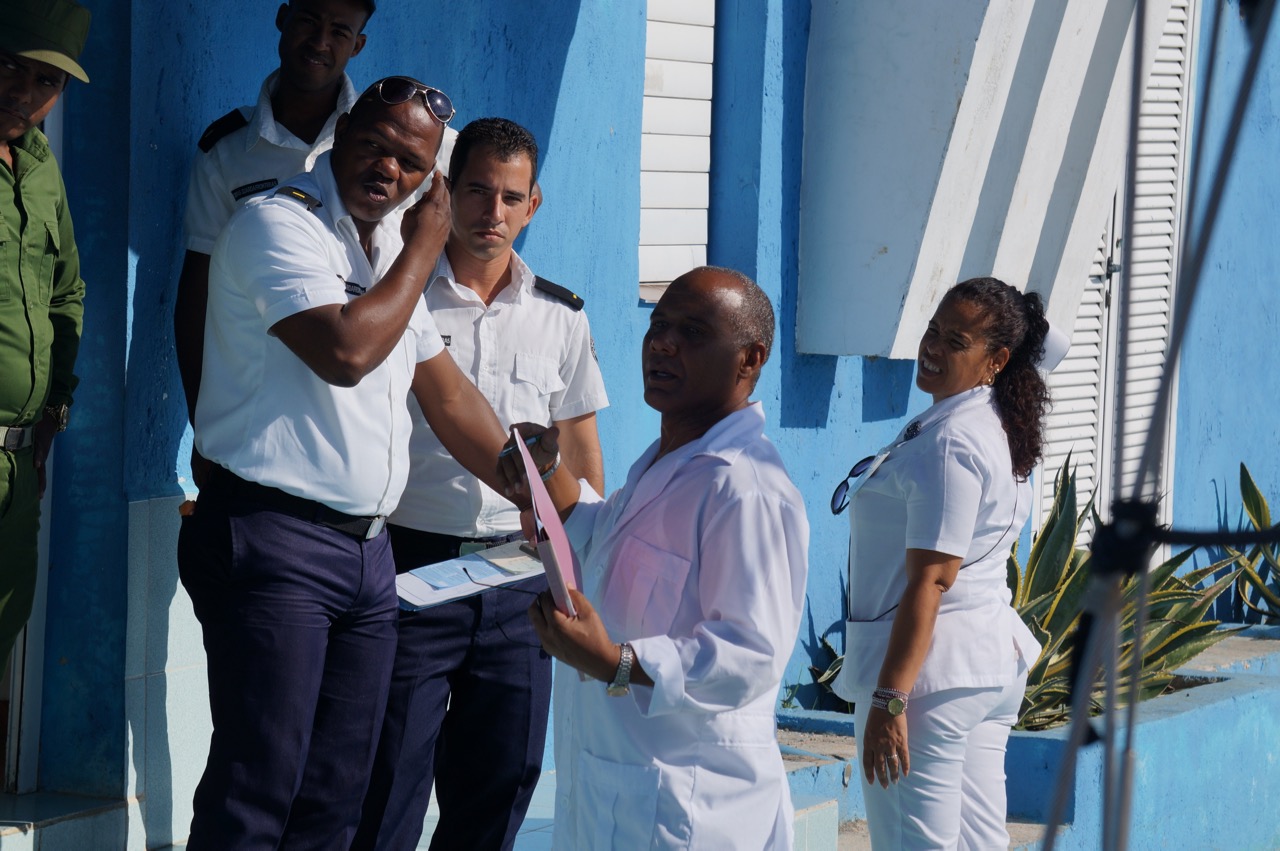
The friendly doctor and nurse were the first to arrive. They took off their shoes ashore (wouldn’t want to soil their white socks on our deck—that would be awkward).
First up! The immigration officers let the medical staff go ahead
They spoke almost no English, and no Russian either:). They asked how long we were staying and did not immediately believe we meant two months. They asked again in every language available to them. We stood firm. The nurse pointed the violet beam of a special little device at everyone’s forehead; the average temperature aboard was within the normal range, and this was duly recorded.
“Any animals aboard the yacht?”
“No, the children are quite enough for us:).”
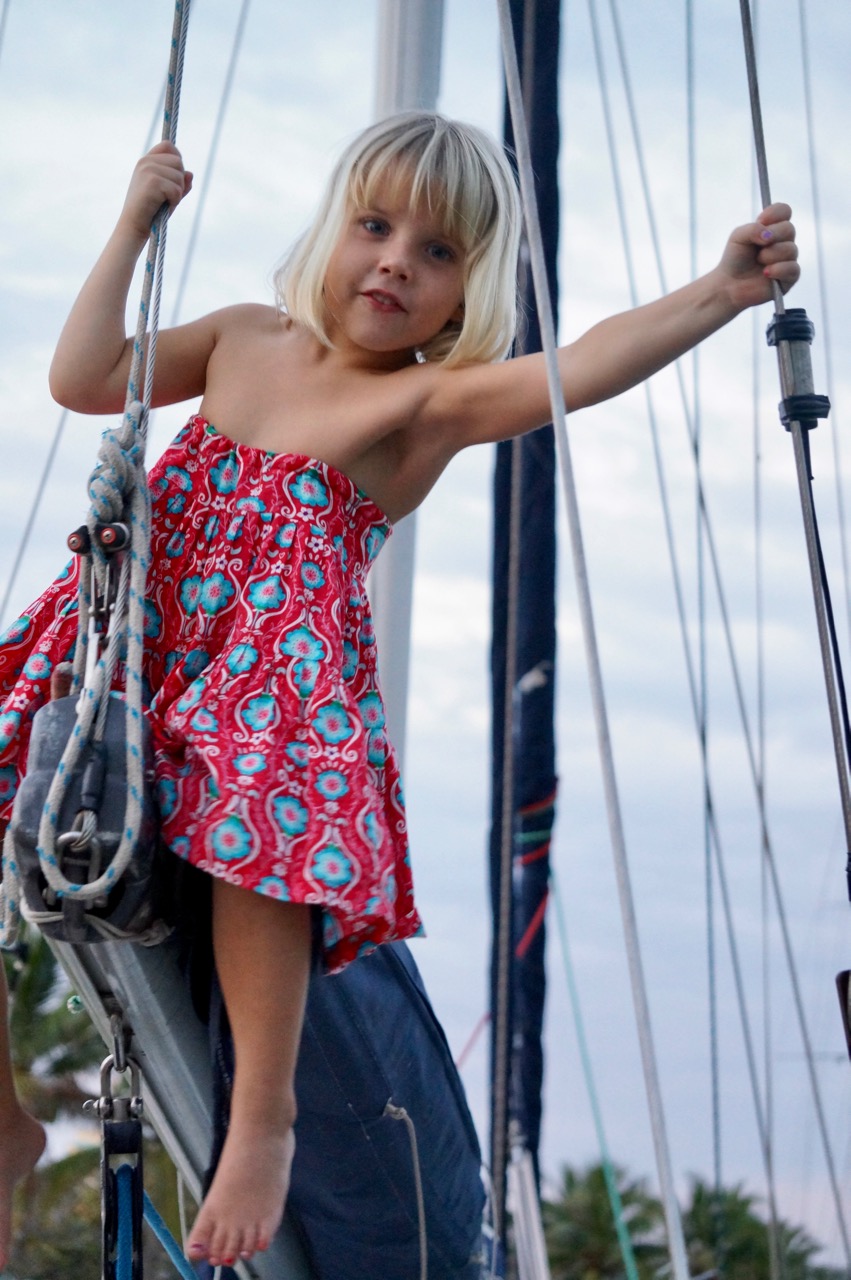
While all of us were roasting in the wheelhouse, Lada enjoyed showing off to the customs officers and border guards to her heart’s content—climbing onto every boom, sliding down every mast, making dramatic disappearances and reappearances through the hatches... In short, she did everything in her power to make a favourable impression on the authorities.
TWO:
The medical staff left, and the customs officers arrived. They took off their shoes in the cockpit. They spread their papers out on the table. At that point, the first mate stopped taking part in the inspection and sat down to read in the saloon. About 20 minutes later, all crew members were summoned one by one to their office for a photo session. They asked whether they could put the arrival stamp on this particular page. We were taken aback and gave them permission..
A brief introduction to Hemingway Marina
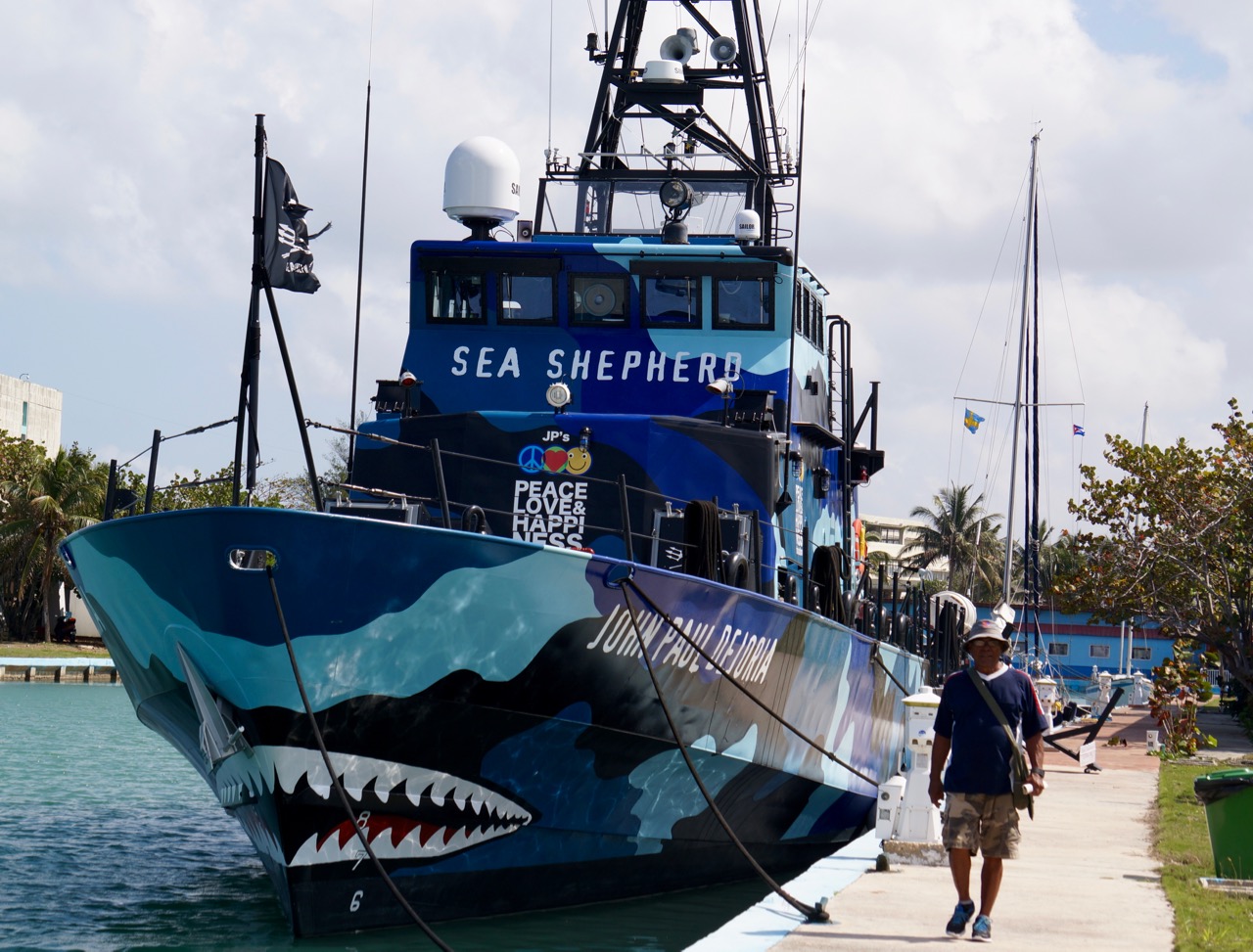
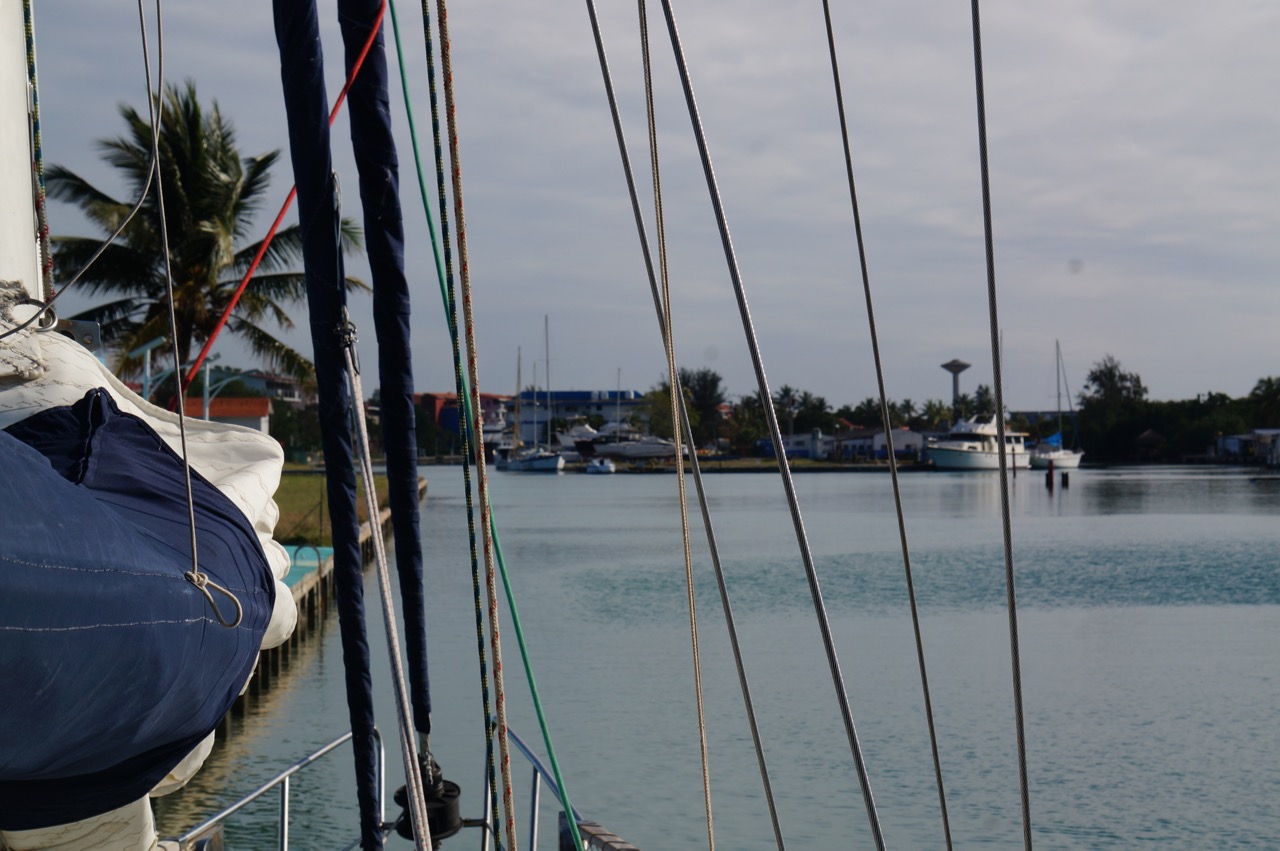
Hemingway Marina has four narrow, straight channels lined with yachts on both sides. Water, electricity, lighting. Attendants in white shirts make regular rounds, stopping at the service pedestals and writing something in their notebooks. Food grows between the first and second channels—short coconut palms. The prime channel for showers and entertainment at the marina is the second one (its western bank has the showers; its eastern bank has the entertainment, with the main hotel, music, a bar, and a swimming pool). We had actually been assigned to the first channel, but we desperately wanted endless hot showers and asked to go into the second one. “Okay, wash to your hearts’ content.”
You can’t berth on the right-hand side in the shade of the hotels; all the most convenient spots are taken. Ninety per cent of the yachts belong to the nearest neighbours of small but proud Cuba—Americans from Florida. We proceed decorously down the narrow channel. A voice rings out from a balcony: “Comrade!” We wave back. The chief dockmaster, in a white shirt, appears on the concrete edge and shouts for us to keep going.
A welcoming smile at a Havana quay
We berth beside a coconut palm that we’ve been eyeing for three days, though we still haven’t got round to pinching any coconuts: the grounds are brightly lit day and night (we did not yet know that picking coconuts is perfectly permissible).
THREE:
After we had moored, chief dockmaster José came aboard. In the cockpit, he asked whether he should take off his shoes. He did.
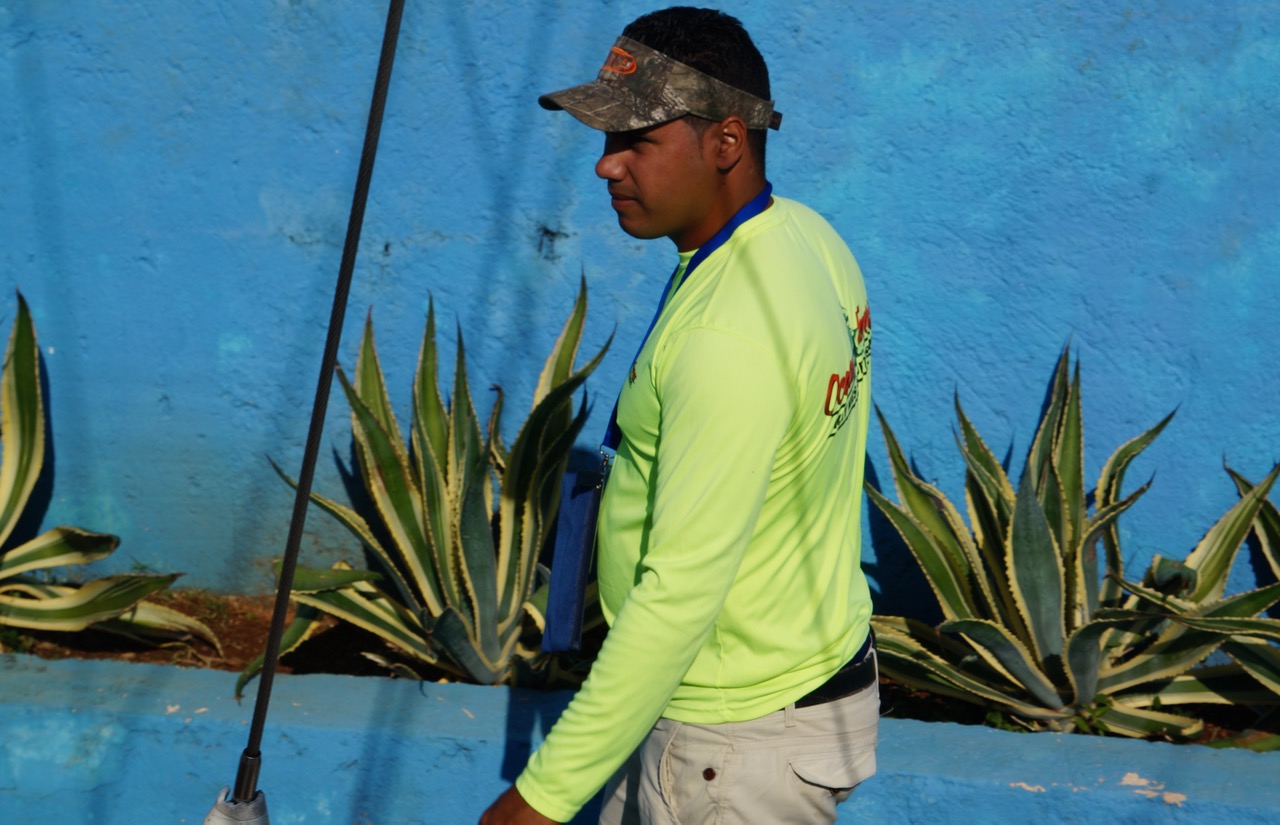
The berth will cost us 28 dollars per day. There are no discounts for longer stays.
“We have socialism,” José says with a smile. “If you want to leave the boat for a long time and go away, be sure to pay in advance and notify immigration. Boats whose fees go unpaid for 50 days are confiscated by the state. This is Cuba.”
FOUR:
An hour later, the veterinary and agricultural service arrived, two officials in all. They were the only ones who did not take off their shoes. They asked about fruit and vegetables, animals and plants (we had hidden our flora, Shlyapnitsa and Alejandro, between a curtain and a napkin, which is why these feeble flowers of life are still with us). The agricultural inspectors looked in the fridge. No meat, but there was fish soup. Soup was allowed. “Any fruit or vegetables?” “No, we ate it all on the way” (which, incidentally, was absolutely true; only potatoes and garlic remained, and those were in the hold). “Any bicycles? For a fee, the wheels have to be treated.” “No, no bicycles. Where would bicycles come from on a boat?”
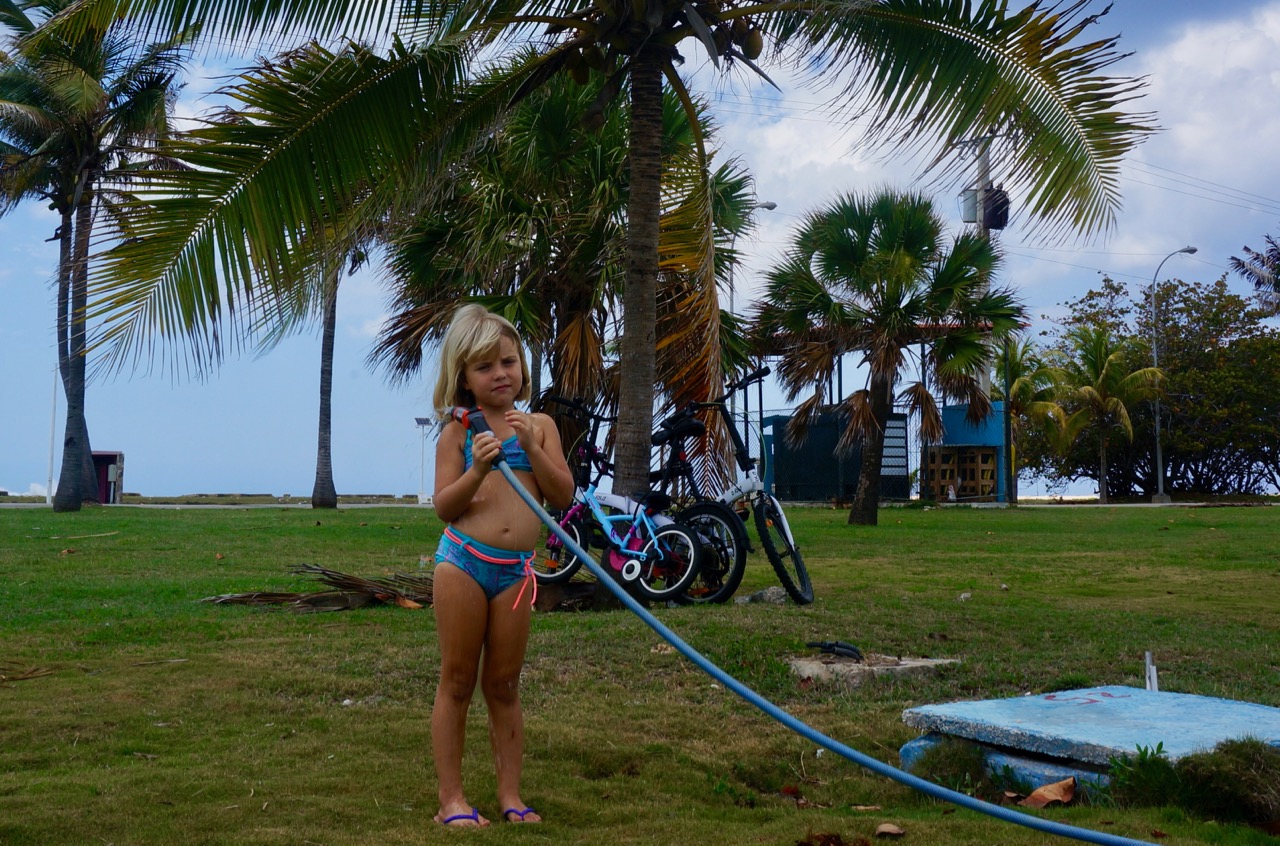
A palm tree with coconuts, transport, and waterside bathing at the quay
They carefully looked into the fore and aft cabins and hinted to the captain:
“Arriving boats usually tip the inspectors.”
“Okay, great,” said the captain, pleased for the inspectors. The guys realised there would be no tip.
That’s it—we’re in Cuba!
As for expenses: Russian citizens do not need a visa for Cuba. The marina berthing invoice included an item marked “Permiso Especial”—the cruising permit formalities—55 CUCs (in these parts, 1 CUC is equivalent to 1 euro. $100 = 87 CUC)...................
Our first impressions of Cuba are here >>. The second batch is right here >>
(you may hold your breath at this point—the adventures continue... ). How we flew into Cuba by plane, and what we got hit with at border control, is here >>.
More photos
We can smell the land. Hooray!
A modest dockhand
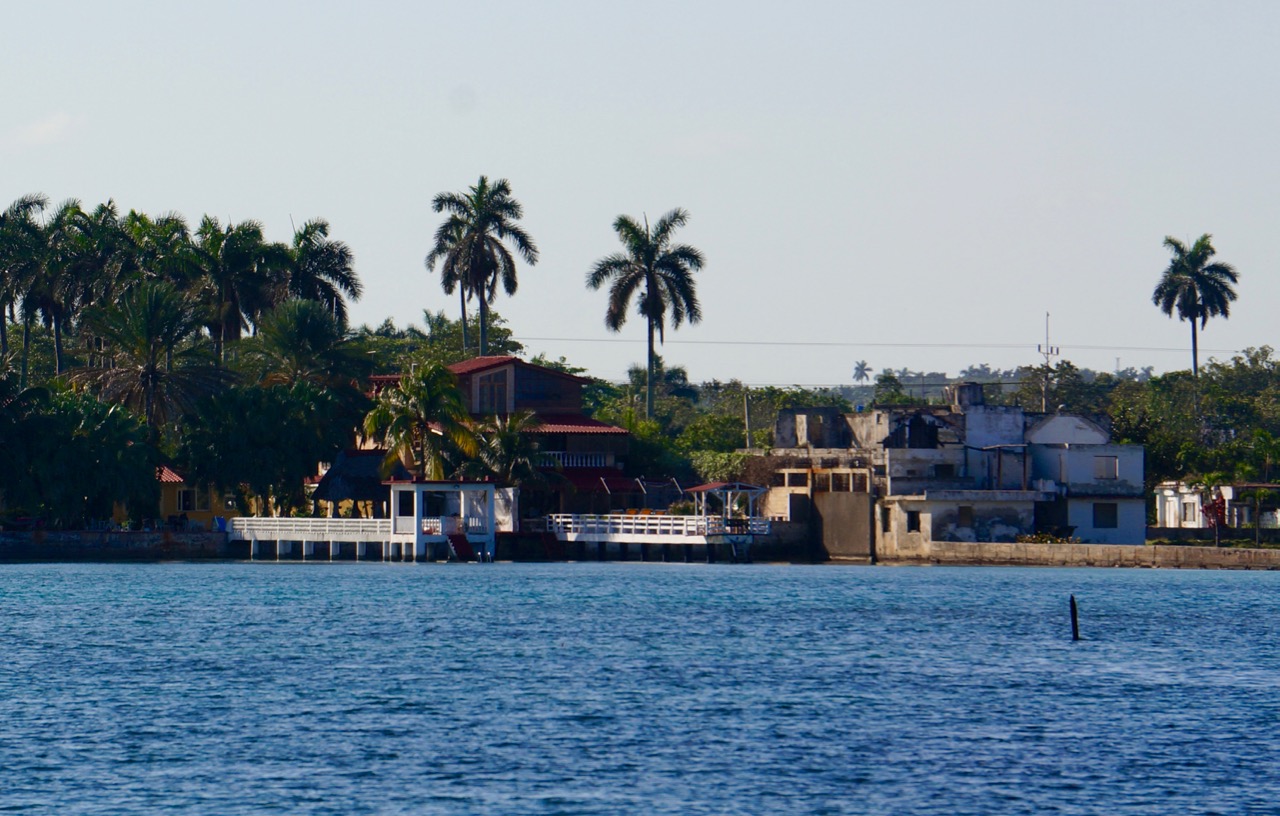
Entrance to Hemingway Marina
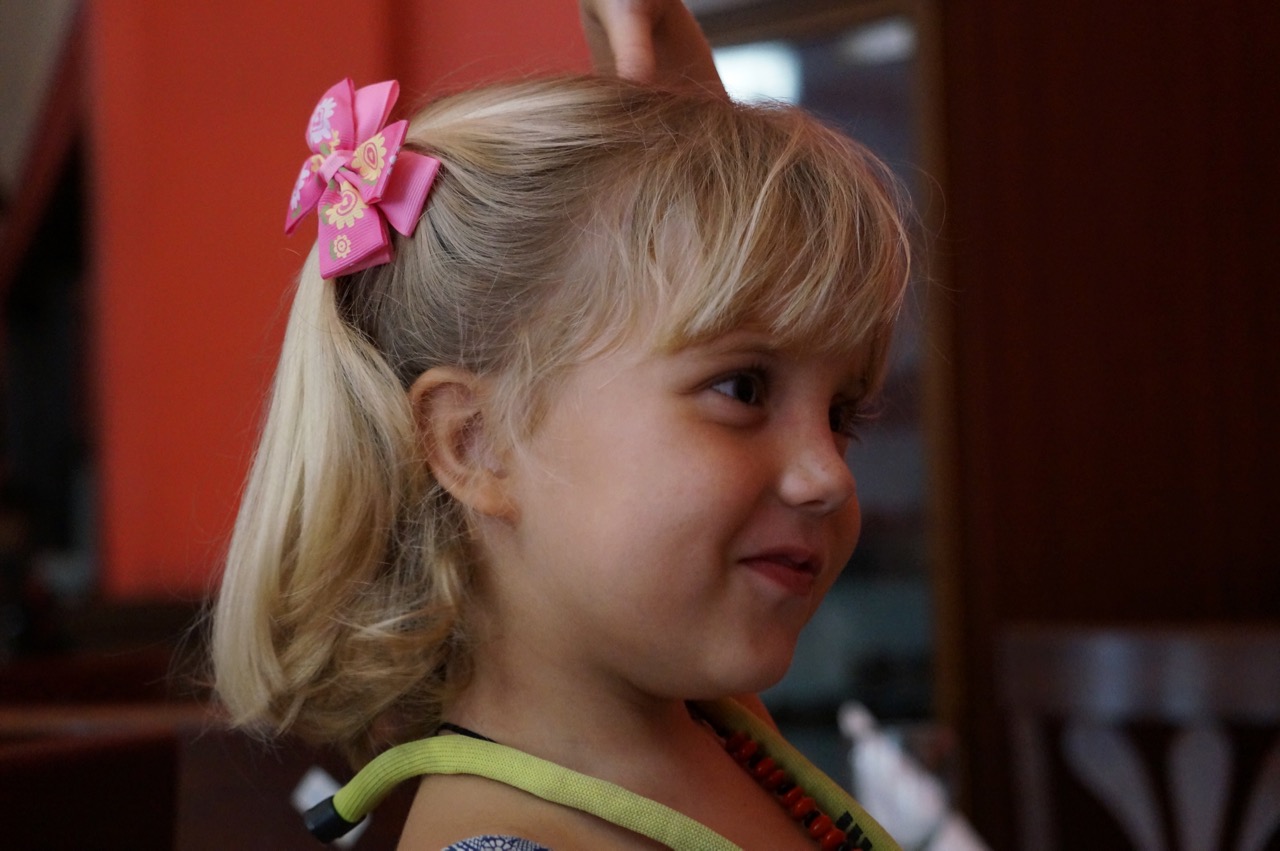
Our young sailor makes eyes at the camera
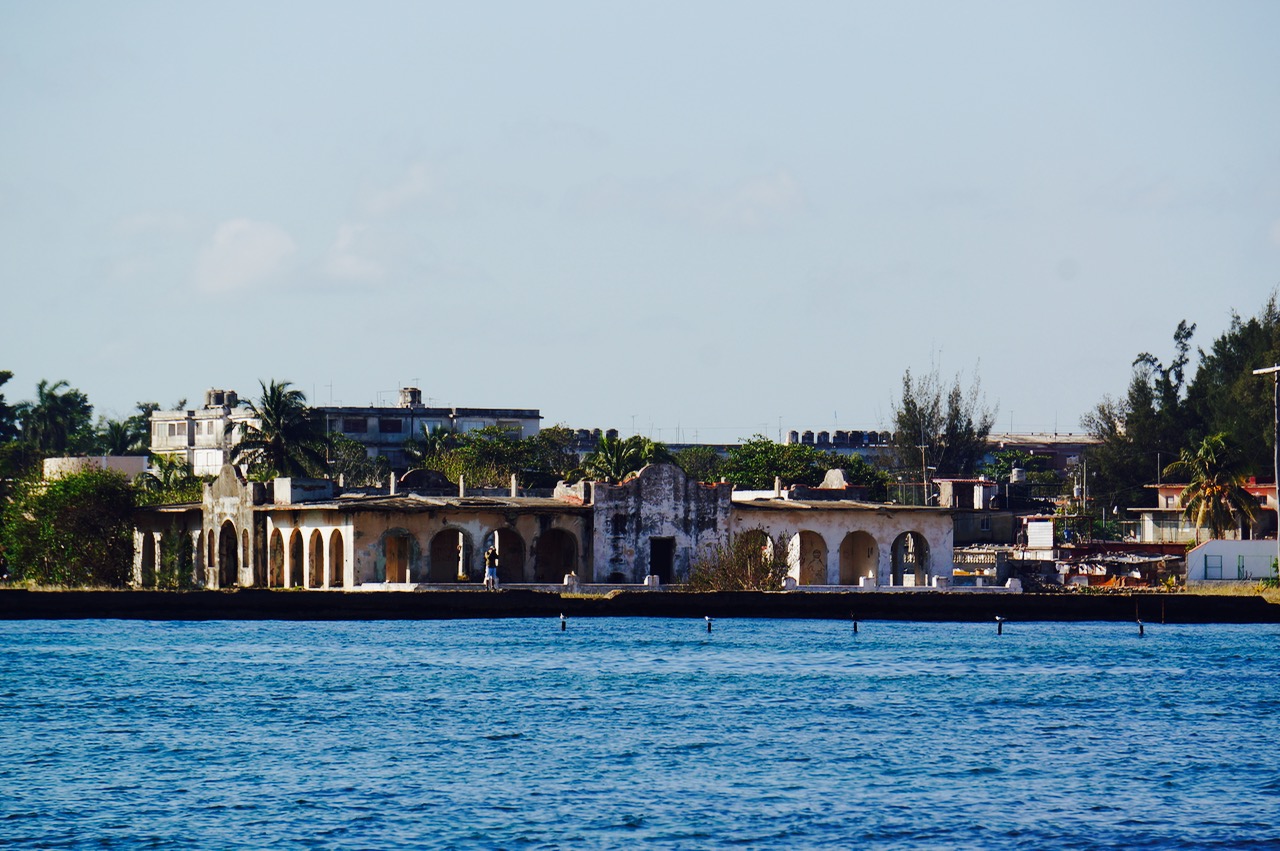
Picturesque colonial ruins—they’re everywhere here, in Havana
Havana Mama )
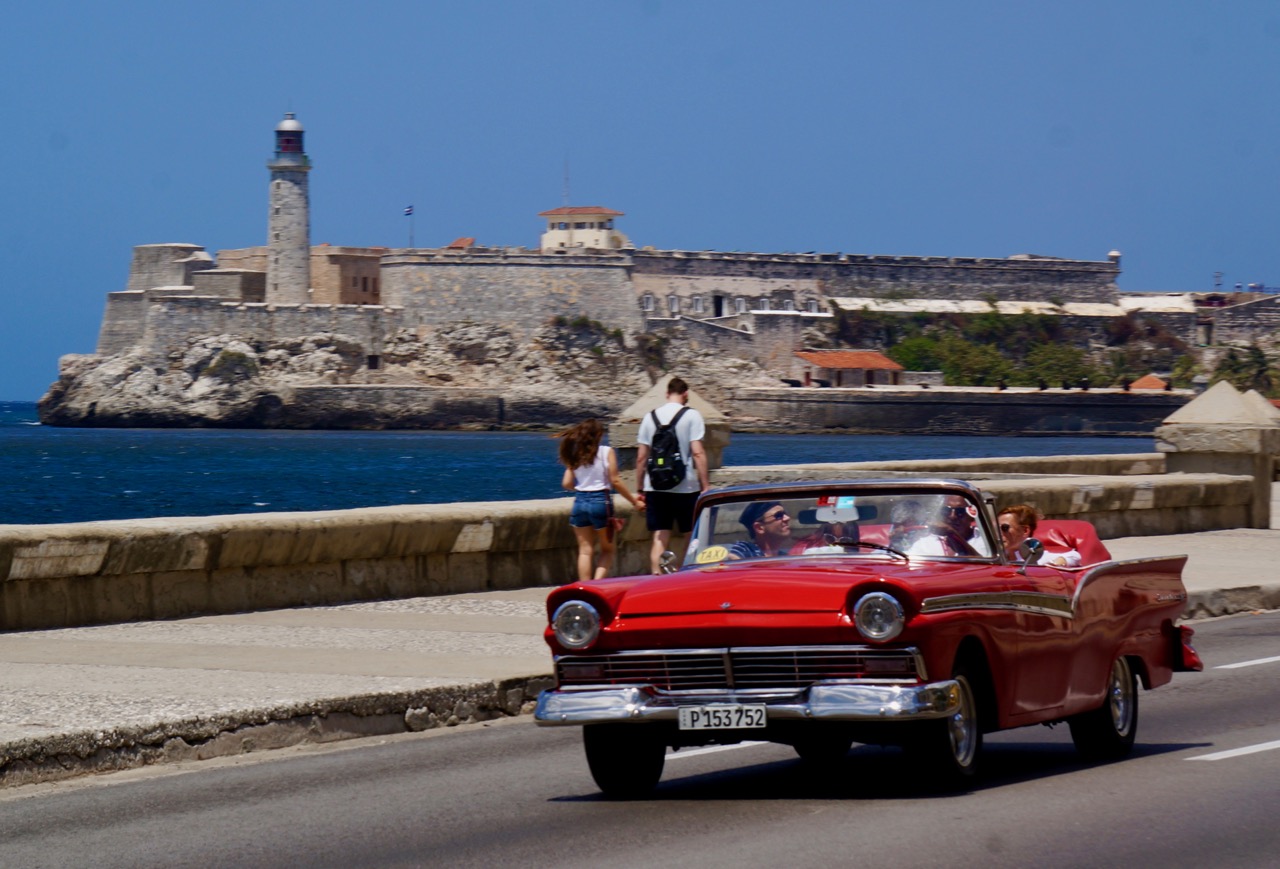
The main waterfront of the Cuban capital
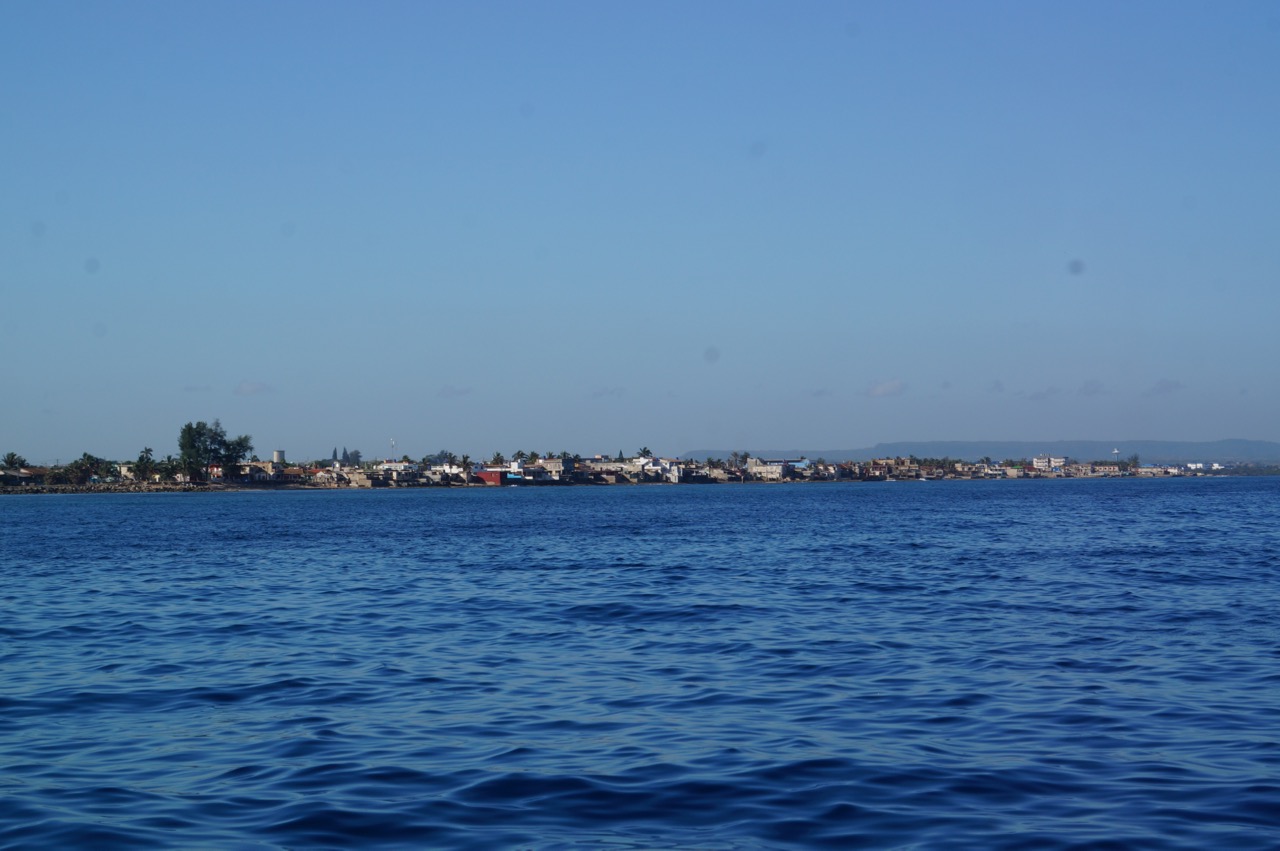
And the shore is getting closer!
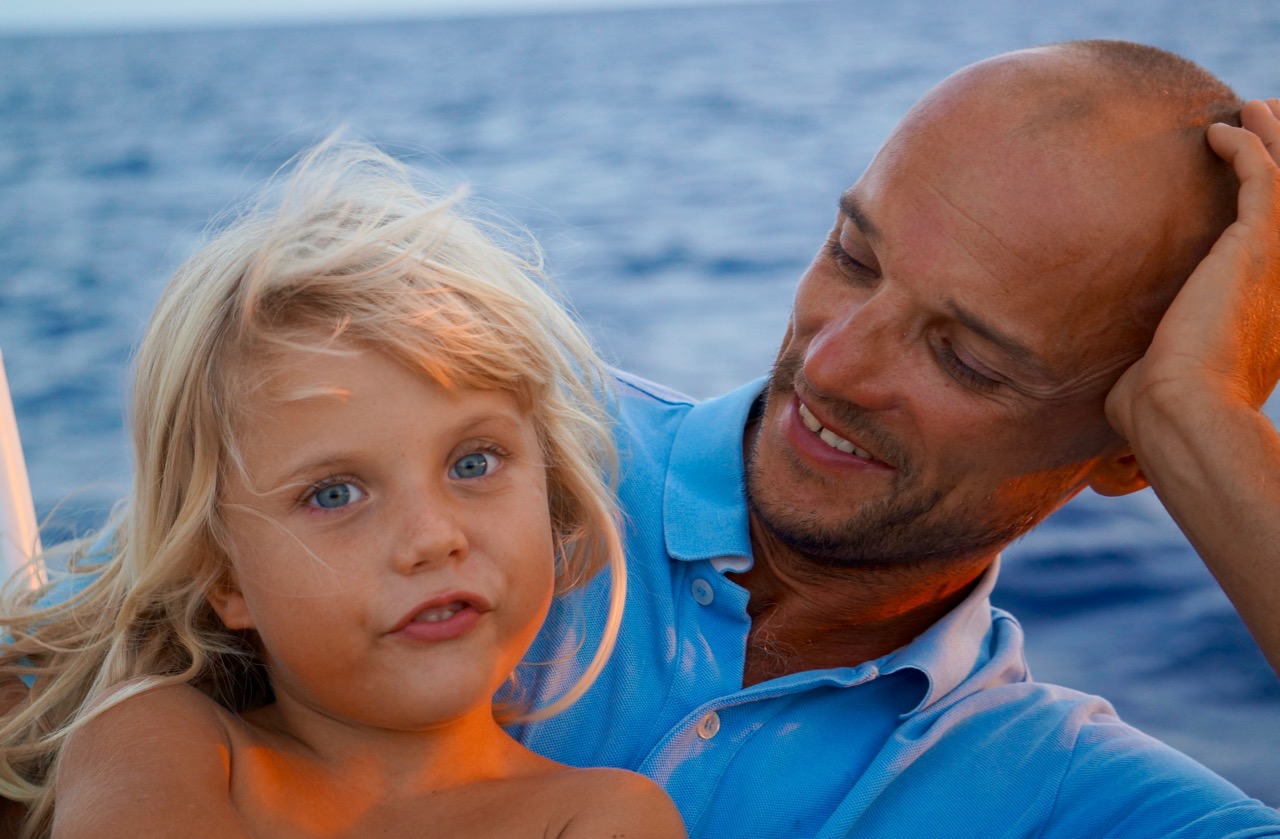
Our young sailor and her dad sing songs as they wait to reach land
Oh, yes—because of the peculiarities of the local internet, the photographs were uploaded considerably later than the post itself, alas (three years ago there was no internet here at all, so the very fact that we’re writing a blog from Cuba is a breakthrough:)).
If you found this article useful and would like to thank the authors but don’t know how, click the button below 🙂