
From the Travely-Family archive · Atlantic
To Cuba by Plane: How We Nearly Got Busted for Importing Drugs
An original publication from the former Travely-Family website. This English translation was preserved from the technical-site archive without editorial rewriting.
To Cuba by plane. How we nearly got busted for importing drugs. Can you bring a mountain of dried herbs into Cuba? The crew returns to its floating home
“What’s this?” demands a customs officer at Havana Airport, pulling a huge bag of dried herbs from the depths of a backpack.
“Tea,” Andrey replies.
“And this?”
“Tea.”
“And this?”—a tenth large bundle of herbs lands on the table.
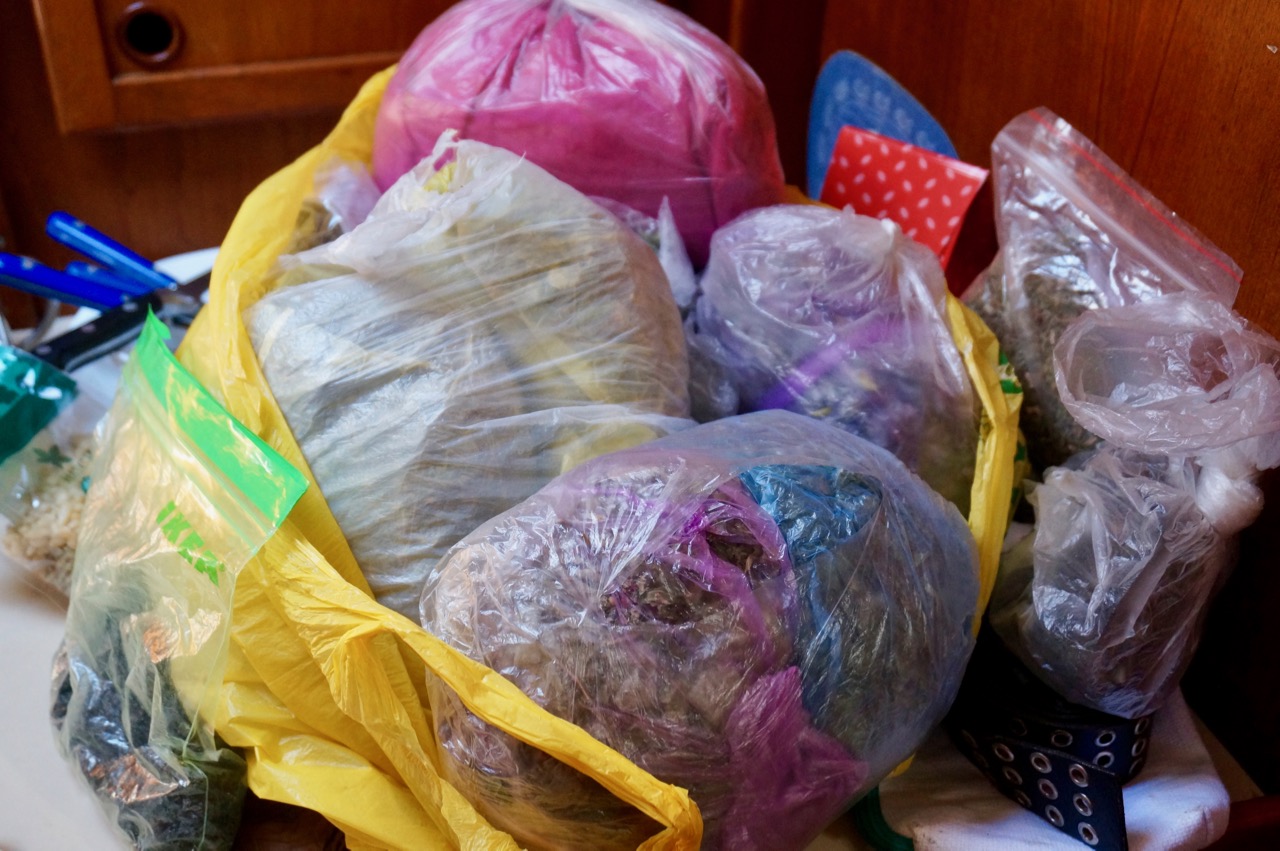
“Tea,” says the captain, unruffled.
“You really like tea that much?”
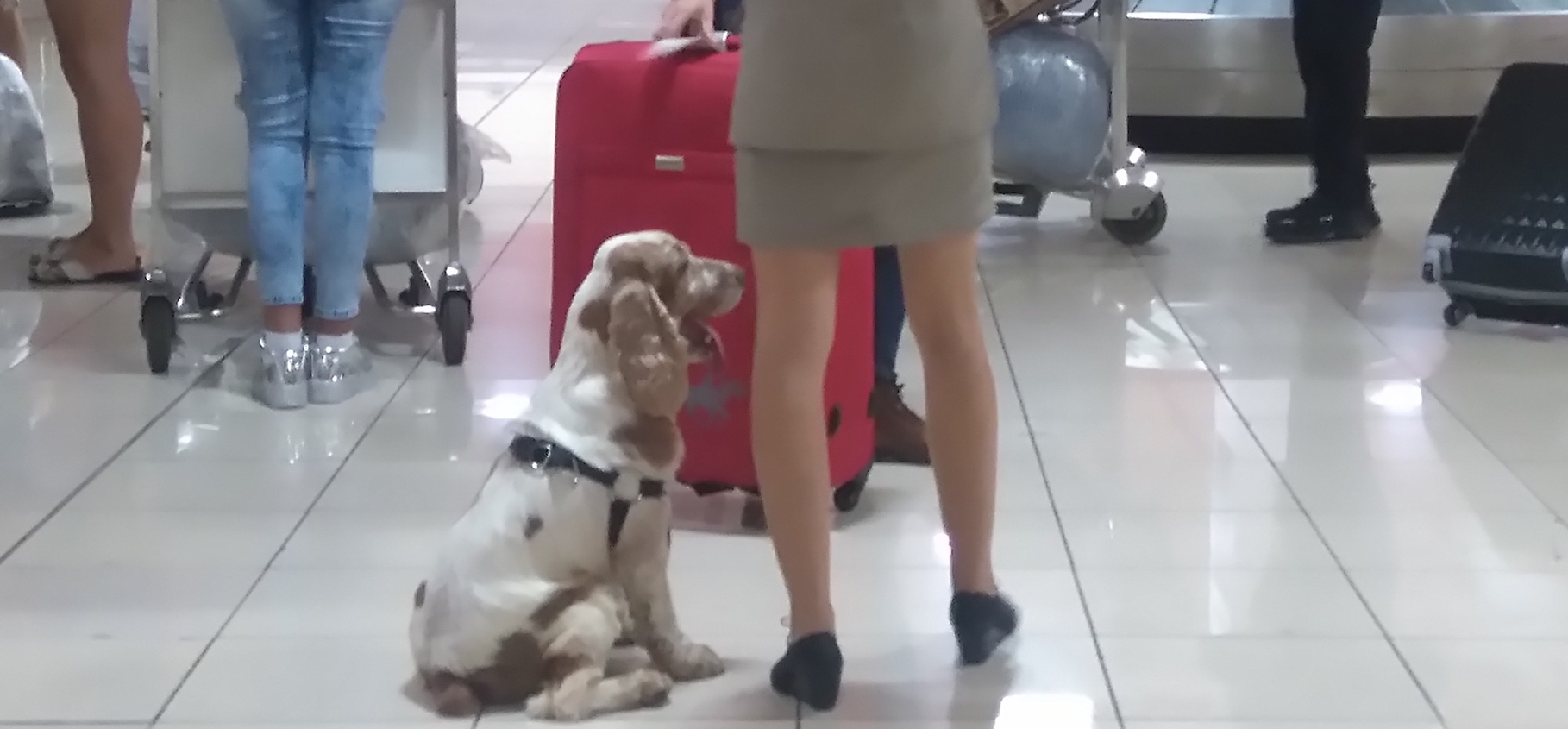
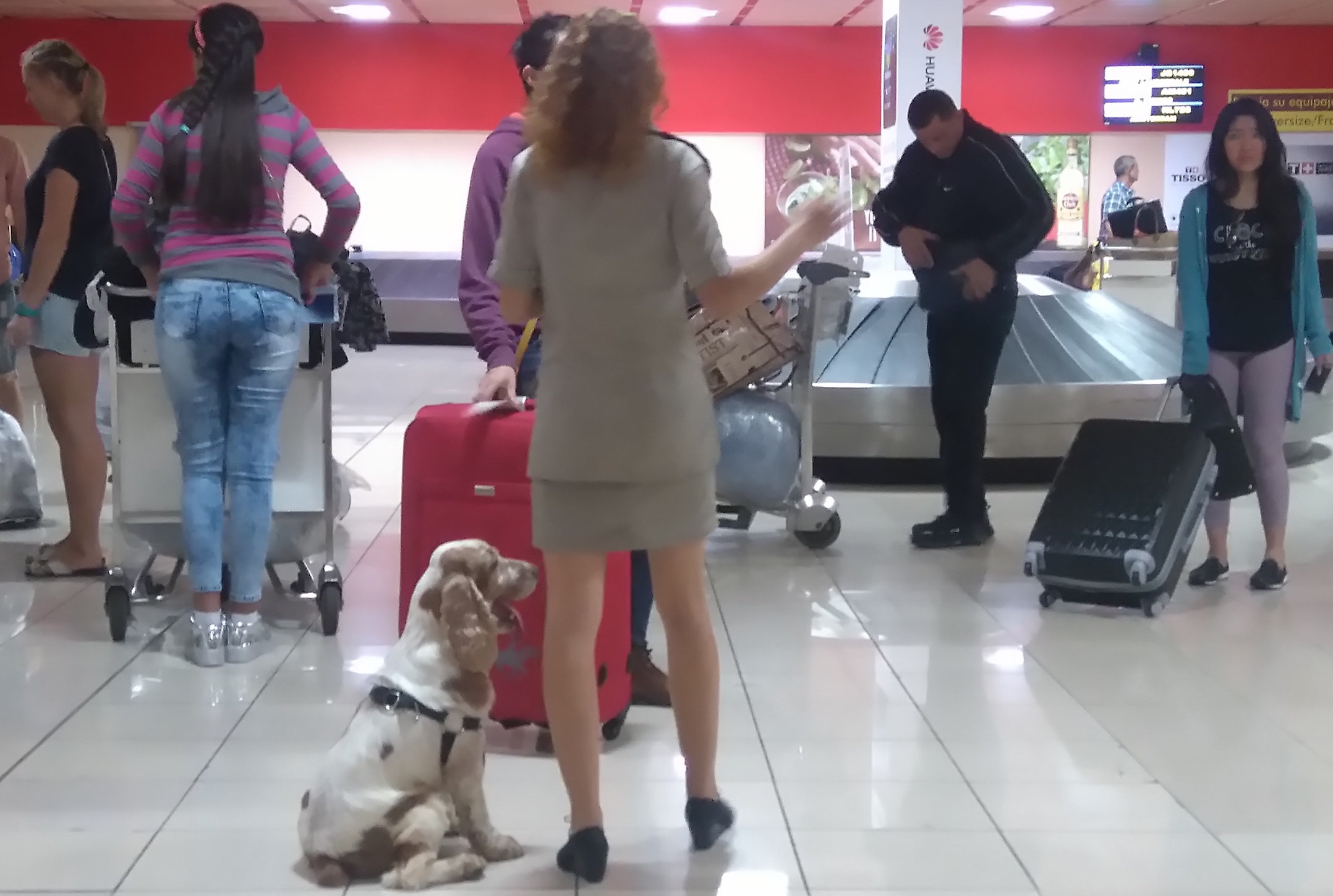
A sharp-nosed spaniel trots up to the table, where the hundred-litre backpack has been turned inside out. The bags of tea are placed in a crate on the floor. The chief taster will now deliver the verdict....
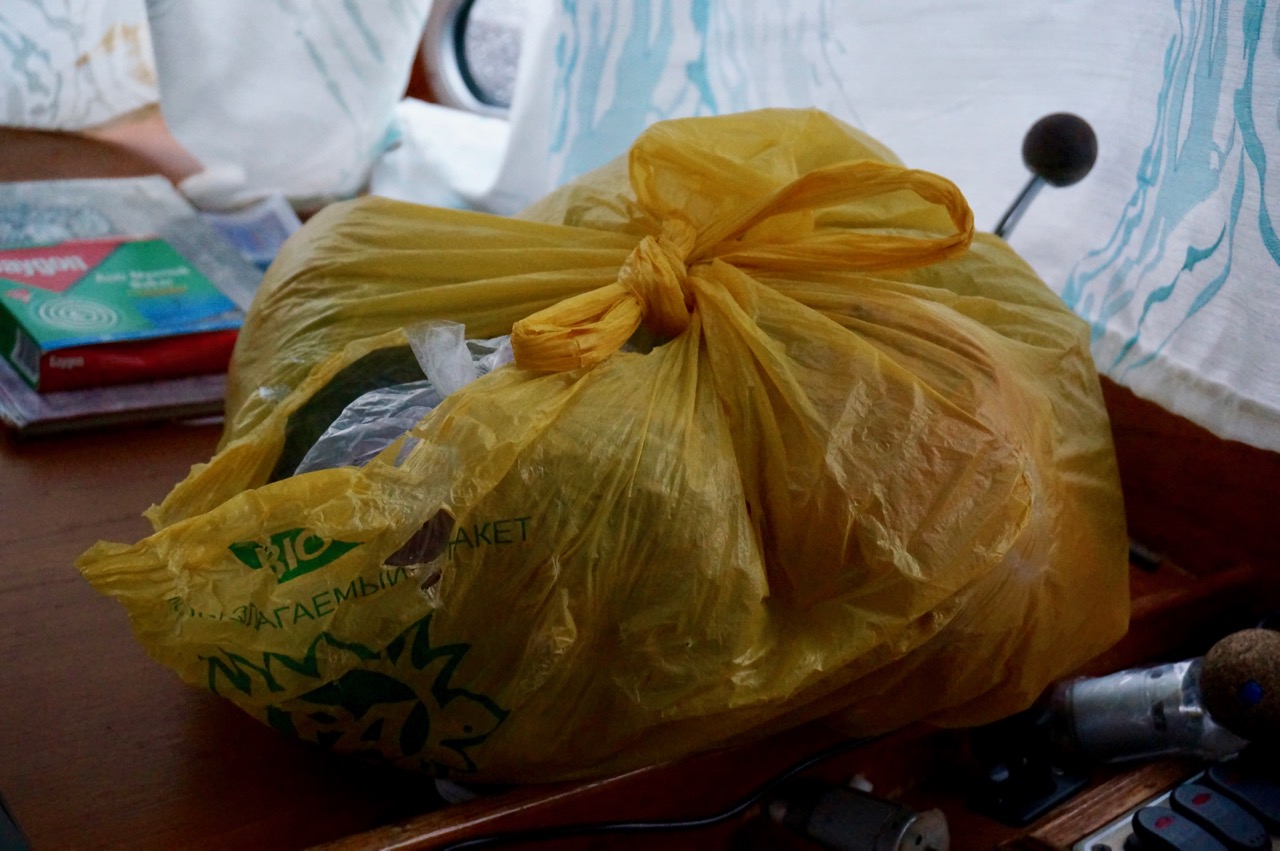
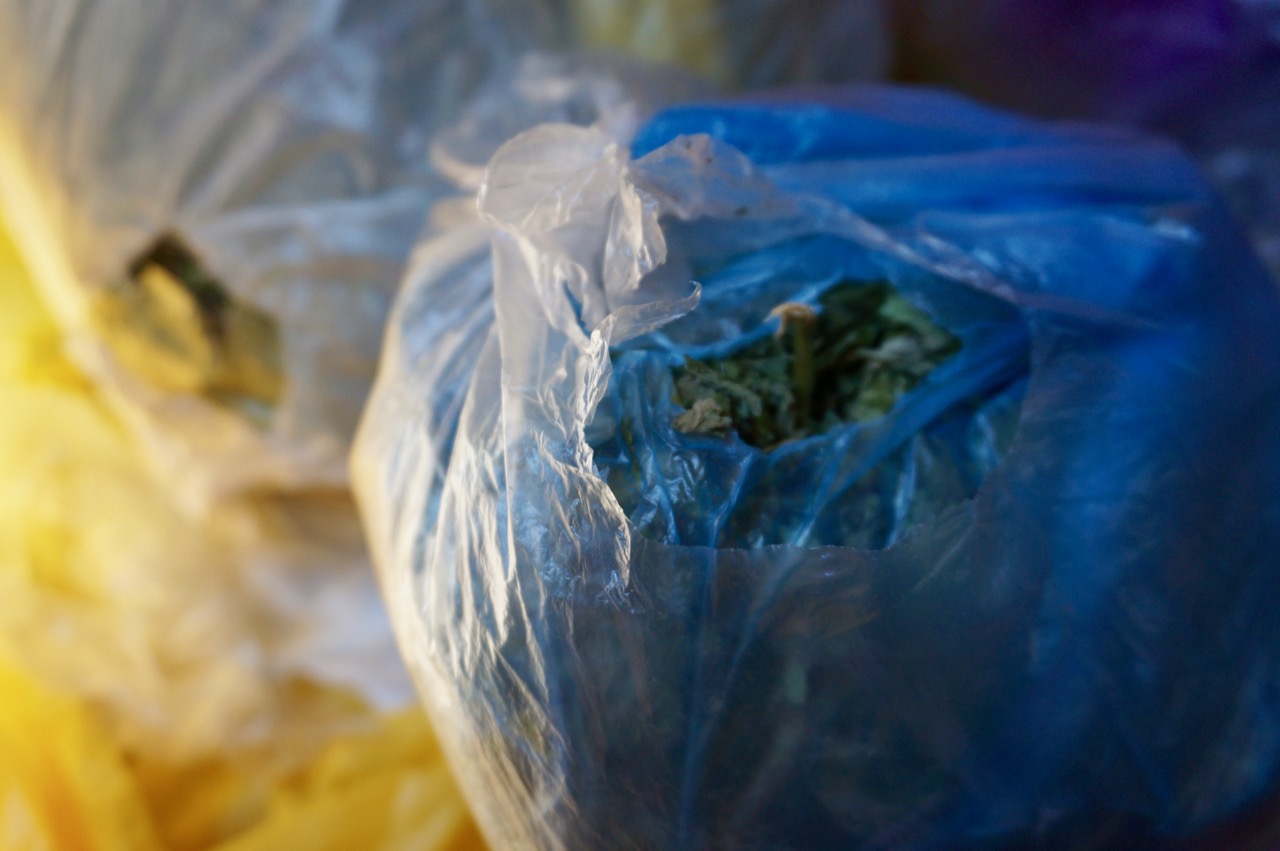
And that was how we arrived in Cuba after a short holiday in Siberia. Amid the whirlwind of events back home, the crew did not even manage to see all the friends we had planned to meet, let alone stock up on Russian provisions as we had naively intended at first. By chance, the only exceptions were the children’s library and the dried herbs, generously bestowed on us by our Altai friends and neighbours. Once crammed down, these gifts of nature took up a good third of the hundred-litre backpack.
Touchdown!
And so we crossed the Atlantic for the third time:). Only, unlike our first crossing under sail aboard Lady Mary, the second and third Atlantic crossings were on Aeroflot planes. That was what we had been hurrying to catch in Havana, having dashed across half the Caribbean. The cheapest tickets in the whole region that could be bought in advance were to be found here.
Twelve and a half hours instead of twenty-three days, two meals, slippers and an eye mask, and countless films. As we discovered en route, Ladka had already grown into an independent young lady capable of watching cartoons for hours on end—something we normally nip in the bud—so the flight was easy on her parents.
But we liked arriving by plane rather less than arriving in Cuba by yacht. On a yacht, all you have to do is sit there and wait for the next visitors; you can drink tea over a book if you feel like it, or not if you don’t. But here...
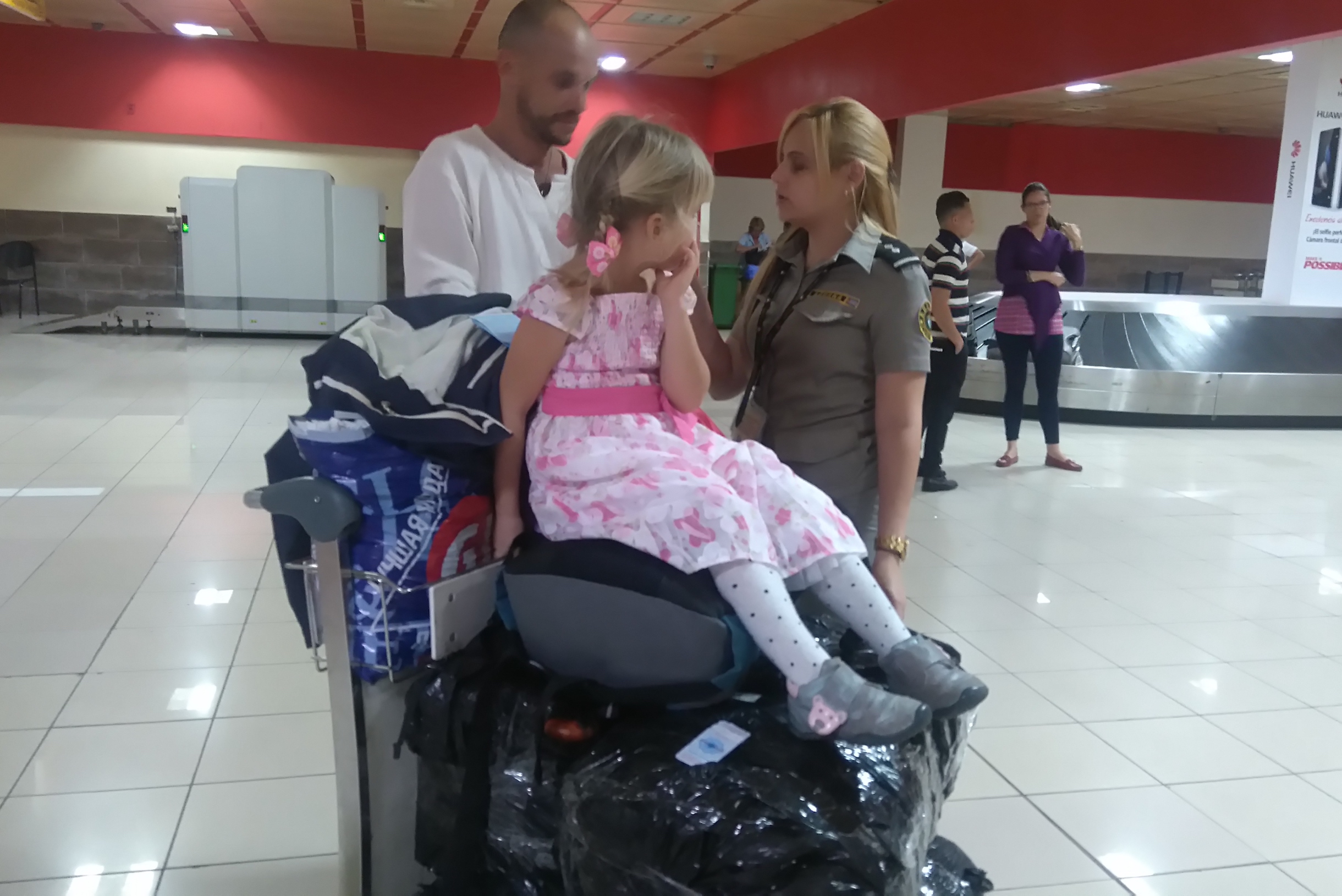
No, on the whole it was just like any other airport. Check, search, stamp—they even took us through the VIP entrance because we had children with us. Everyone smiled, unlike the border guards back home. But as we were leaving the baggage area, someone deciphered some secret markings, apparently left by those who had scanned the luggage between the plane and the Cuban airport’s baggage hall. We were stopped and sent for an additional search. There, a young woman who spoke almost none of the language of Shakespeare and Donald Trump picked that one backpack out of our three-storey pile and ordered the captain to haul it onto the operating table, taking his passport with him.
Andryukha dragged the backpack over—the enforcers would not let him take the trolley—heaved it onto the table and began dissecting it. Or rather, they would not let him dissect the contents himself; they merely ordered him to remove the plastic wrapping that we had so lovingly taped around it at Novosibirsk Airport.

The woman opened the backpack herself, occasionally asking its owner for guidance. The rest of the crew watched from a safe distance.
The search
Under the rules, bringing food into Cuba is prohibited. What if you started selling it here and Cubans discovered that elsewhere in the world food exists in a somewhat different form and quantity from what is displayed on the shelves of socialist shops? Well, we were not carrying food. Thyme and oregano, dried at that—how could that possibly count as food?
The proximity of Colombia’s fertile drug lands encourages border guards to remain vigilant. Of course, the fact that you have arrived from Moscow rather than Cartagena is a mitigating circumstance in this matter, but rules are rules.
“What’s this?” The Cuban customs officer pulled a huge bag of dried herbs from the depths of the backpack.
“Tea,” Andrey replied.
“And this?”
“Tea.”
“And this?”—a tenth large bundle of herbs landed on the table.
“Tea.” Not a single muscle twitched on the captain’s noble countenance.

“You really like tea that much?”
“Well, of course! You see, my family and I are sailing around the world on a yacht. Where else are we going to gather fragrant Altai herbs for an invigorating cup of tea? Just think about it—how often can you fly back to Russia from the Pacific? So we stocked up for three years. You can’t find proper tea everywhere—oh no, not everywhere! And before bed, some people are better off drinking herbal tea anyway, so there’s no caffeine! We’re not here for a week or a month—and we’re not even coming to you, but going home to our yacht!”—this, and much else besides, was roughly what the captain could have told the pretty customs officer in answer to her question. He could have, and had even begun.
But the young woman could not digest so many English words in a row and quickly became distracted by something else, never hearing about the boat, the circumnavigation under sail, or how fragrant the herbs in Altai are this year.
Instead, she called over a man who looked like an experienced taster of suspicious dried substances. The official carefully inspected the packets, bags and little sachets, sniffing and even tasting them while rolling his eyes upward. They say that better activates the parts of the brain responsible for identifying flavours. This went on for about fifteen minutes, until another man arrived whose nose had not yet been dulled by our herbs, so he too could spend a while sniffing and tasting. That was the thing: there was nothing suspicious, but the sheer quantity!...
And so the chief sniffer was invited to the tasting site—a cheerful spaniel with ginger patches.
All this time, the first mate and the young sailors waited anxiously for the outcome. Well, it would be a shame if the suspicious cargo were confiscated just in case, leaving us without the teas so lovingly gathered and given to us by those dear to us.
Meanwhile, the spaniel waited for his sniffing instructions. With some cunning manoeuvres, his specialist handler sent him in. The dog snuffled purposefully around the crate of herbs, and wherever he could not get a proper whiff, he gnawed holes in the bags. Licking his chops with the satisfaction of a job well done, the spaniel stared at his handler in boredom and turned his nose towards other important business. Customs relaxed and, after checking whether there was any “tea” in the other backpacks, gave us the go-ahead.
He did gnaw through it, after all 🙂
Epilogue
As we discovered while unpacking aboard the yacht, there was tea in the other backpacks too. But no one except us ever found out.
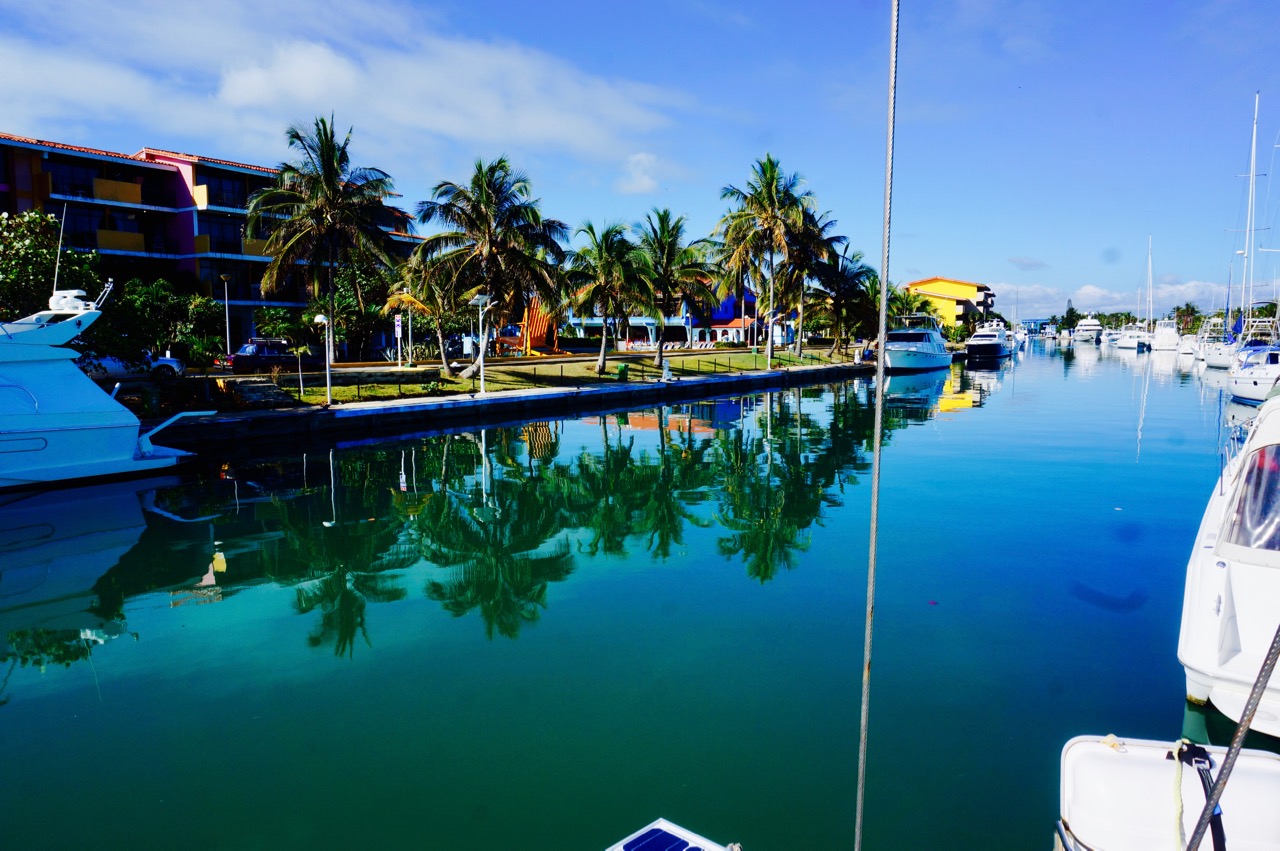
We are home. Lady Mary is doing well, the flowers are almost alive, and the unwelcome animals left the boat while the crew was away. Amen.
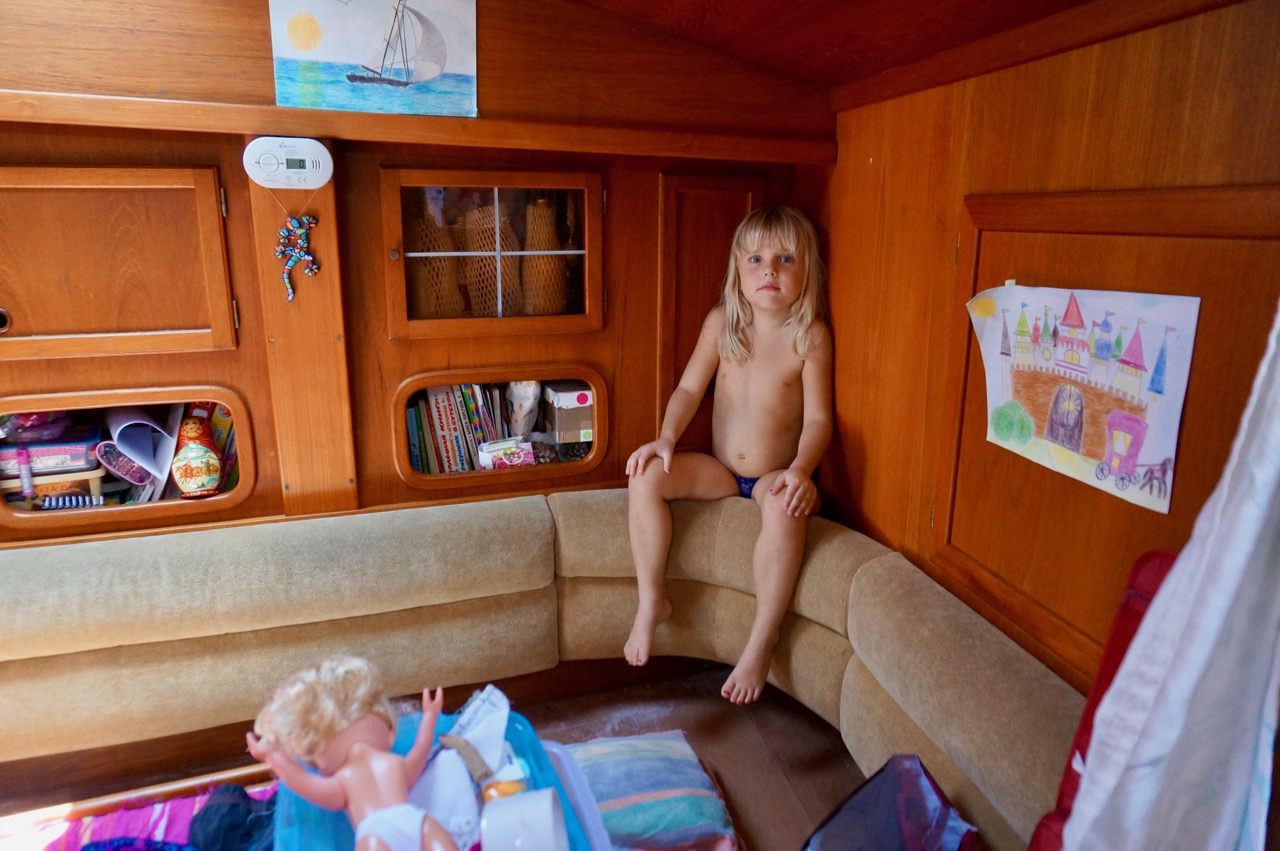
We have settled back in, got over the twelve-hour time difference and unpacked. The young sailors have even sat down to their lessons, despite it being +35°C in the shade. Now we are waiting for a fair wind to Mexico. And oh, how badly we need it! With the two of us together, we can definitely handle the Gulf Stream running against us. Without it... we had better wait another week. In the meantime, we’ll repair the awnings, sort out the autopilots and whatnot, pop over to Havana, and write something as well.
Joy to you all!
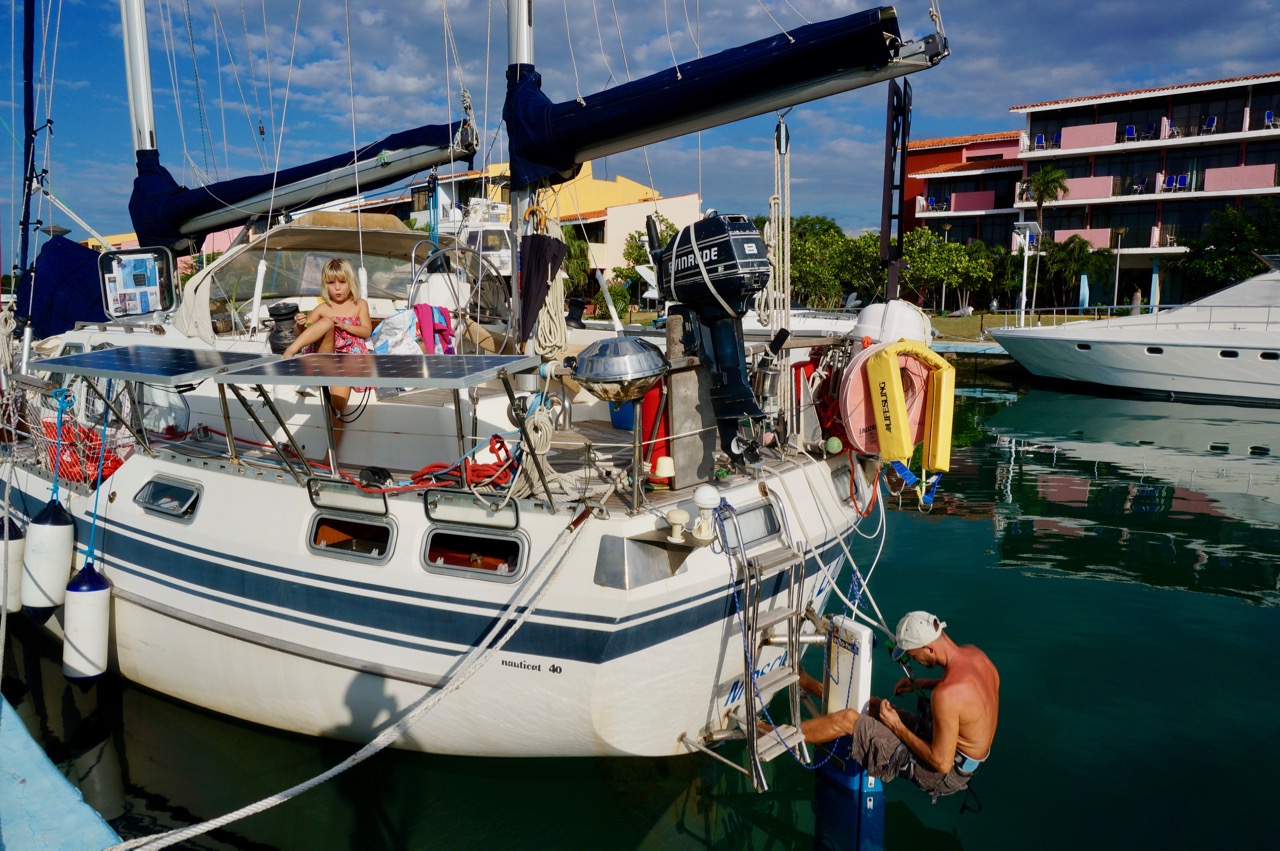
Morning at Marina Hemingway
Installing the windvane self-steering gear
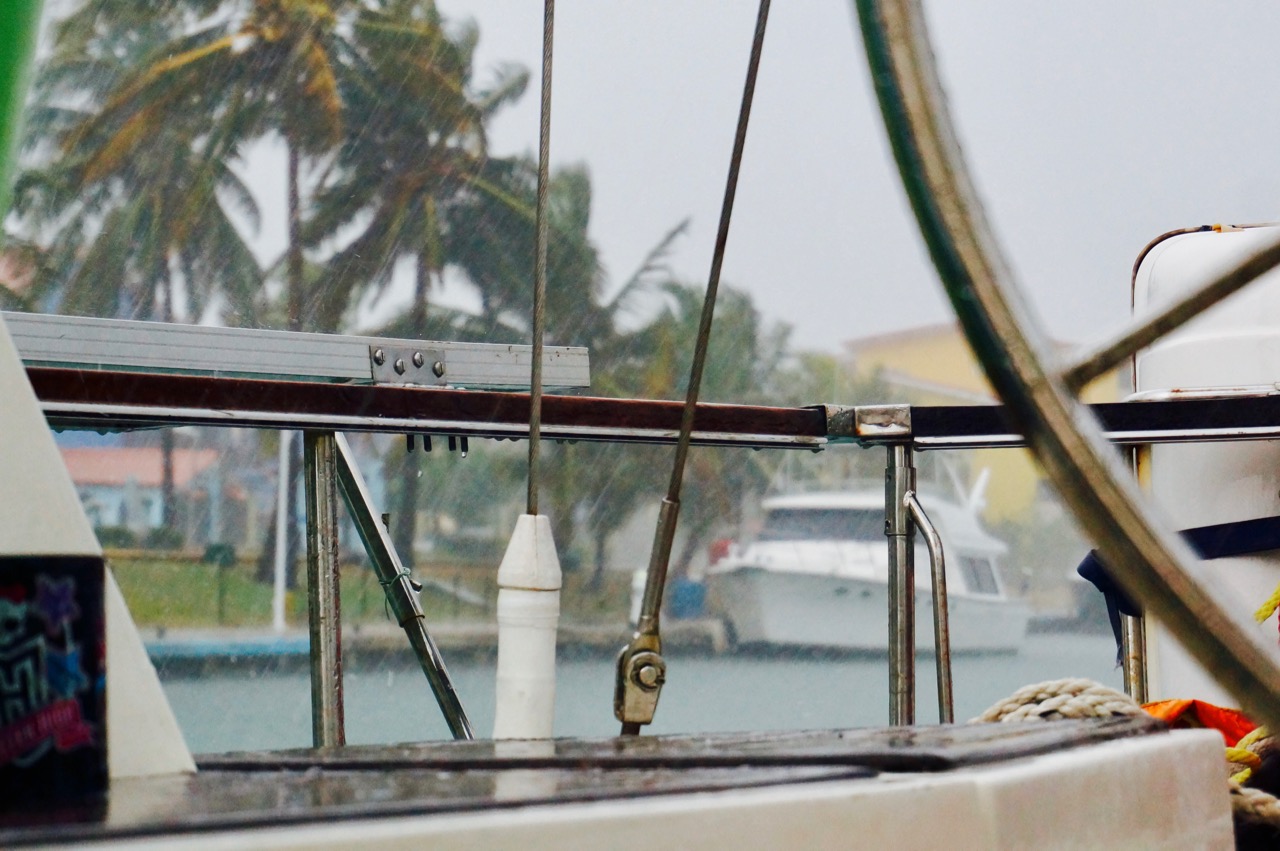
Havana welcomed us with rain
The view from our window
All worn out
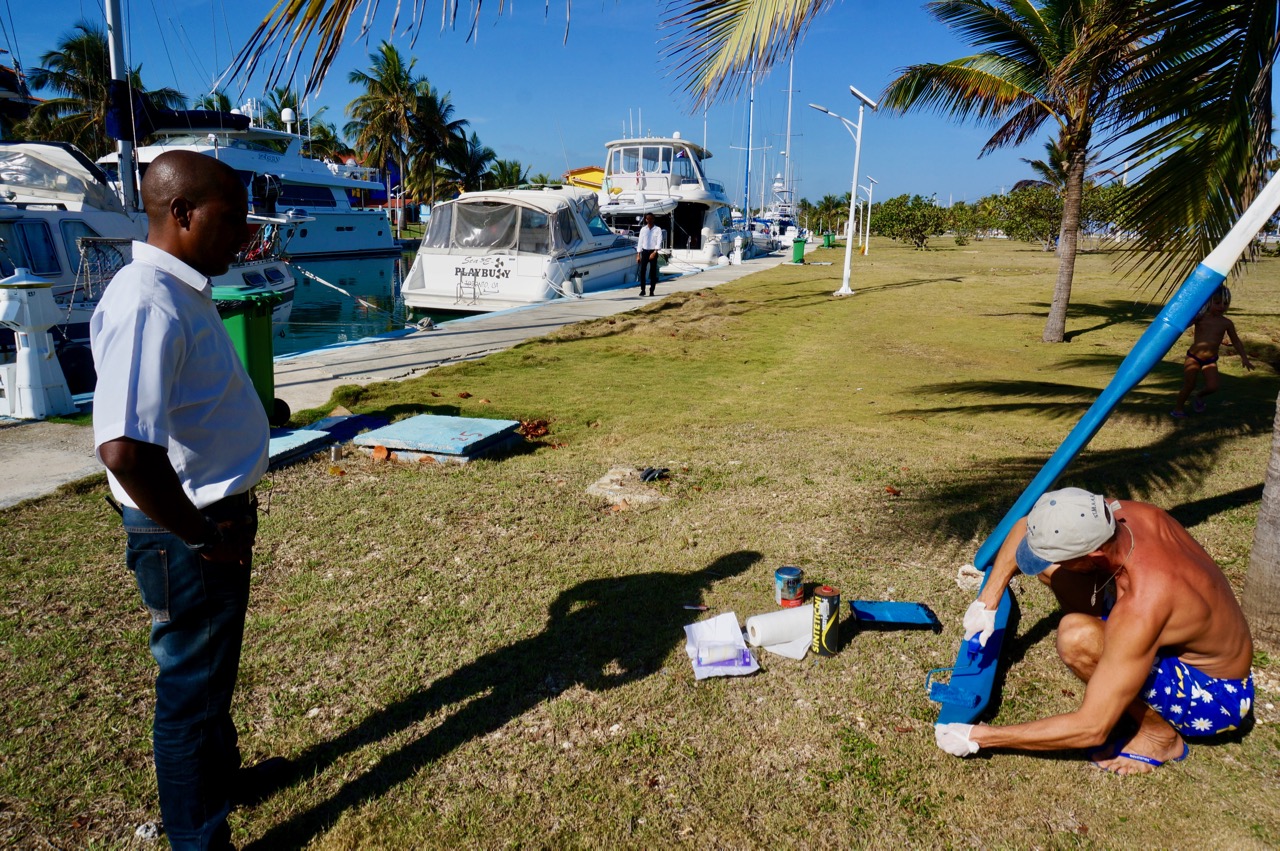
Painting the windvane self-steering gear, with our first spectator—the marina attendant