
From the Travely-Family archive · Atlantic
The Plywood over Paris, or How We Sailed Right Past Cuba
An original publication from the former Travely-Family website. This English translation was preserved from the technical-site archive without editorial rewriting.
The Plywood over Paris, or How We Sailed Right Past Cuba. How, on Dad’s special day, just before entering port, Lady Mary’s engine died in a stiff headwind—and where we ended up being carried after that 🙂
As we approached the Cuban coast, the forecast promised a headwind. We strained every sinew trying to get alongside before it arrived, but the “wind-in-your-face” switched on 20 miles from the entrance. Then things got serious: 25 knots, with rain. Plus a short, vicious sea that knocked a deck plank out of the bowsprit. We kept only the reefed mainsail up, started the engine, battened down all the hatches and, defying the laws of physics, sat down to celebrate Defender of the Fatherland Day. To do this, three Spider-People and one little Spider-Person braced their limbs against every remotely vertical surface and tried to sip tea with jam while simultaneously stabilising their mugs’ leaps—in antiphase to the boat’s.
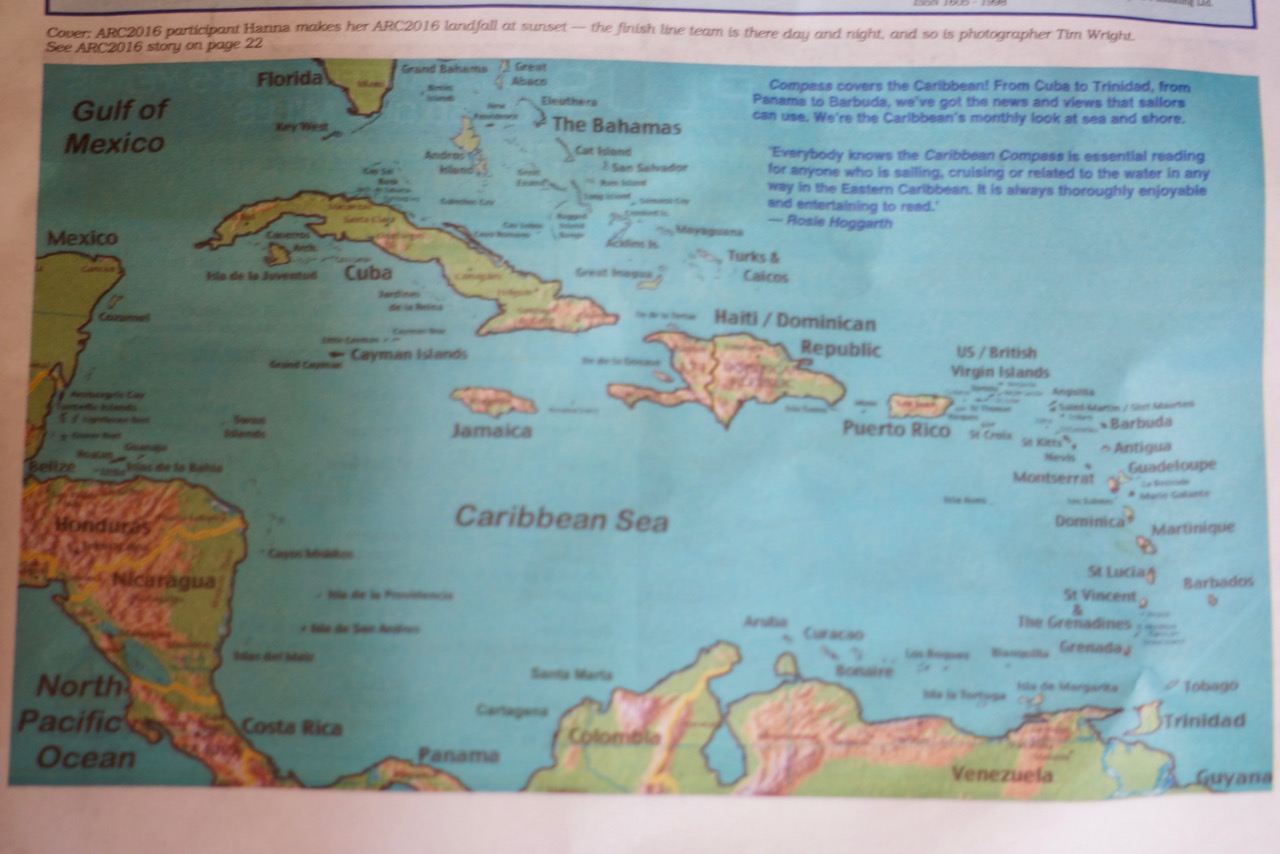
Map of the Caribbean—a picture from a newspaper:). We were aiming for the right-hand side of Cuba, but ended up having to sail towards the left 🙂
Our celebratory tea remained unfinished when the boat’s speed stopped responding to increased engine revs. The Captain climbed down into the bilge, then did it again... For the next couple of hours, the open engine compartment blasted heat from the engine into the battened-down cabin while Andrei diagnosed the machine. In short, it was just like Bruce Willis on the asteroid: the transmission was gone, with no promise of coming back. The wind was blowing from precisely the point we needed to reach, the entrance to the port was tricky and winding, and... Resigned to our fate, we set sail and watched the coast slide past.
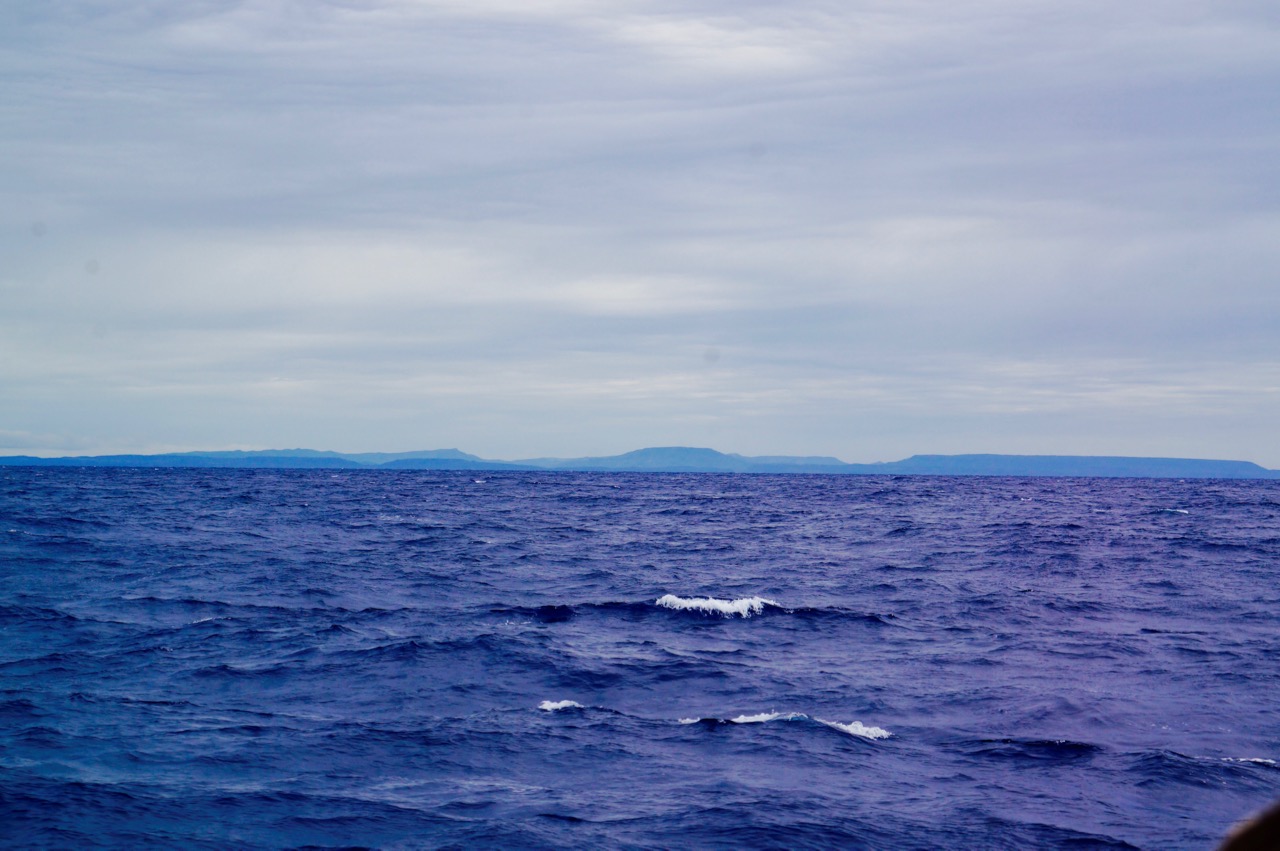
The Cuban coast slides past. Past us, Carl!
The chief defender of the Fatherland and the crew decided to take Lady Mary to Havana. Having expected to set foot on Cuban soil in three hours, we discovered that we now wouldn’t see land for another five days or so. Seeing that we had changed course, the wind subsided dejectedly to nothing—which, however, was no longer of any help in getting Lady Mary into Puerto de Vita. And so we are now the owners of a classic sailing yacht, unencumbered by an engine, and are heading for Havana, where it will be easier to enter and berth under sail. ).
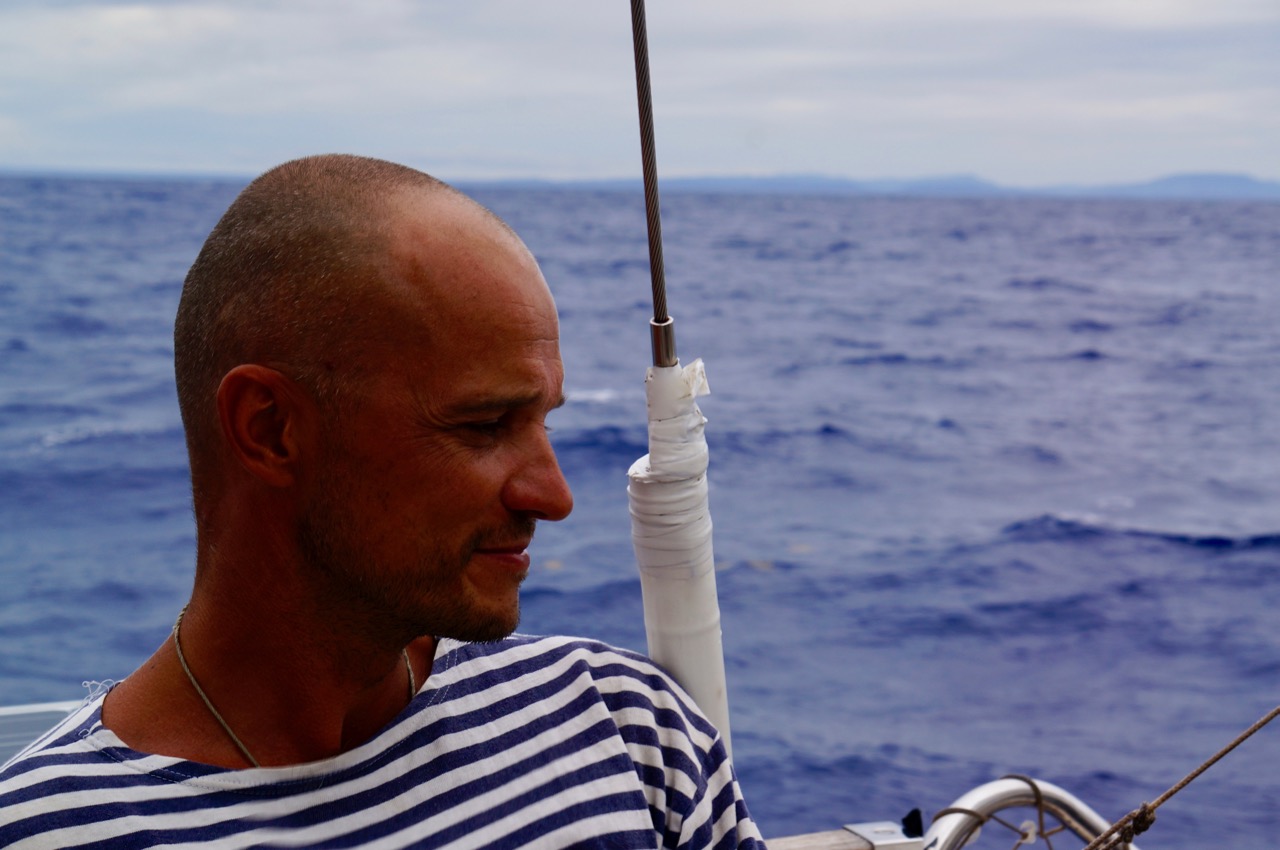
If we’re sailing right past, then right past it is!—the Captain remains unruffled
Since our festive evening to Cuban tunes had been cancelled, the junior crew and I set about conducting culinary experiments in a confined space and with little variety in the way of fresh ingredients, all in an effort to lift our spirits. Nastya baked unleavened bread, while Marina conjured up a magical festive lunch from pumpkin, tinned spinach, powdered milk and the last onion. The quinola came out especially well—a hitherto unknown grain of American origin introduced to us by friends on Martinique. Tomorrow we’ll cook green lentils using their recipe too. We only need to work out what to substitute for the red onion and feta cheese—perhaps garlic and powdered milk curdled with citric acid?:).
Though perhaps the culinary refinements will have to stop for now, because after a temporary lull, the powerful headwind—contrary even to the trade wind (!)—has returned (the very one we had planned to sit out for three days in Puerto de Vita), and we are bounding over the waves at a steep heel, sometimes with sour expressions on our faces:).
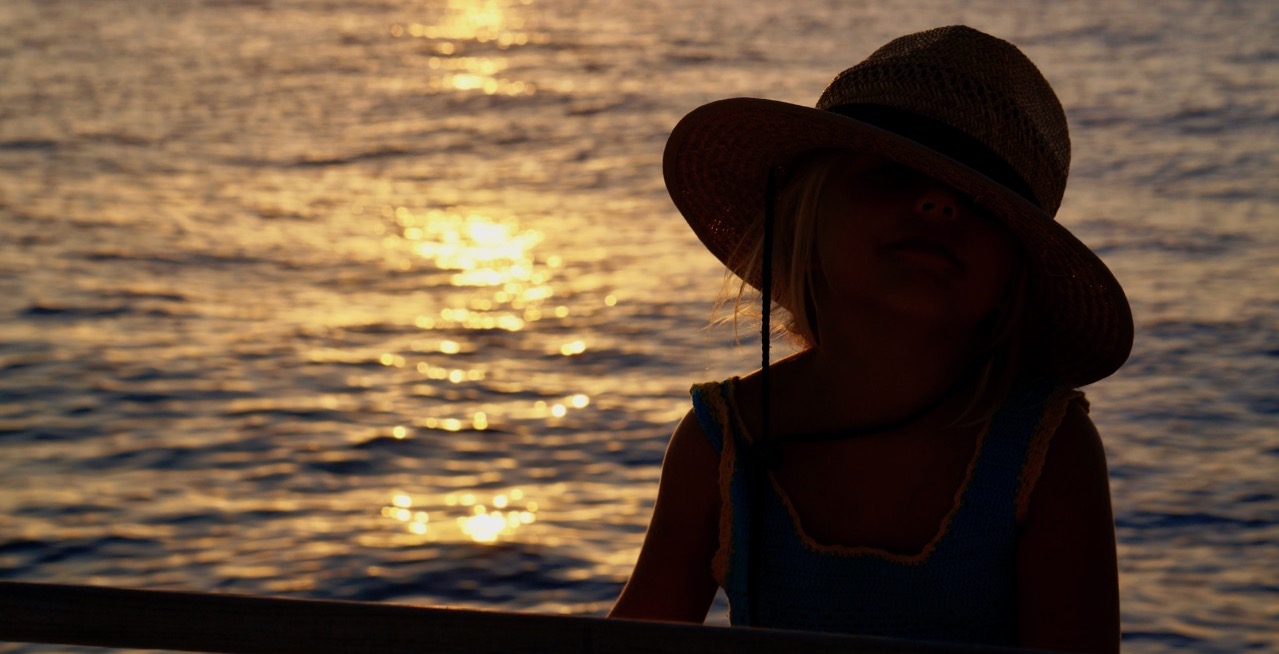
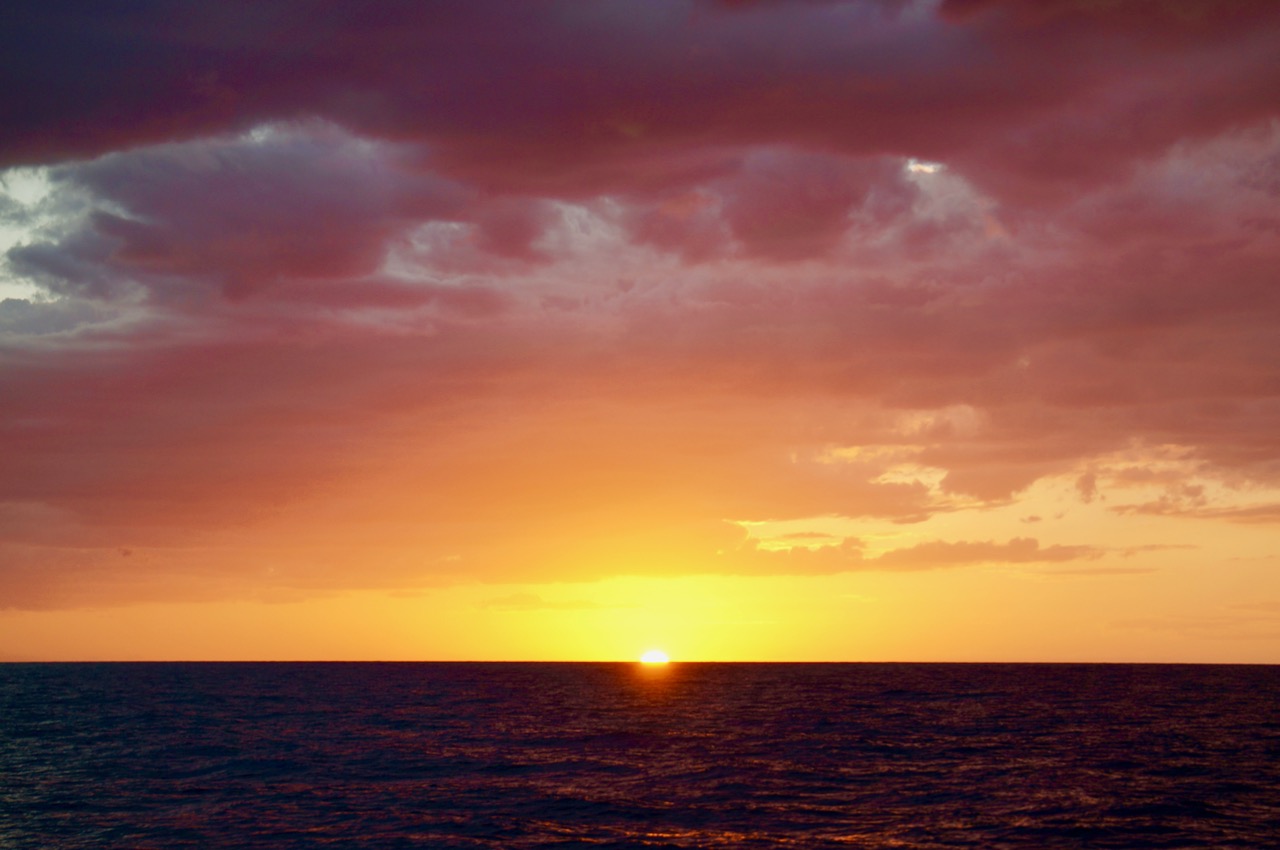
Another ocean sunset arrived together with... a complete calm
Oh well, it’s only a week or so—and we’ll finally set foot on the Cuban shore. We just need to wait out the headwind and try to revive the engine, if Neptune allows. 🙂
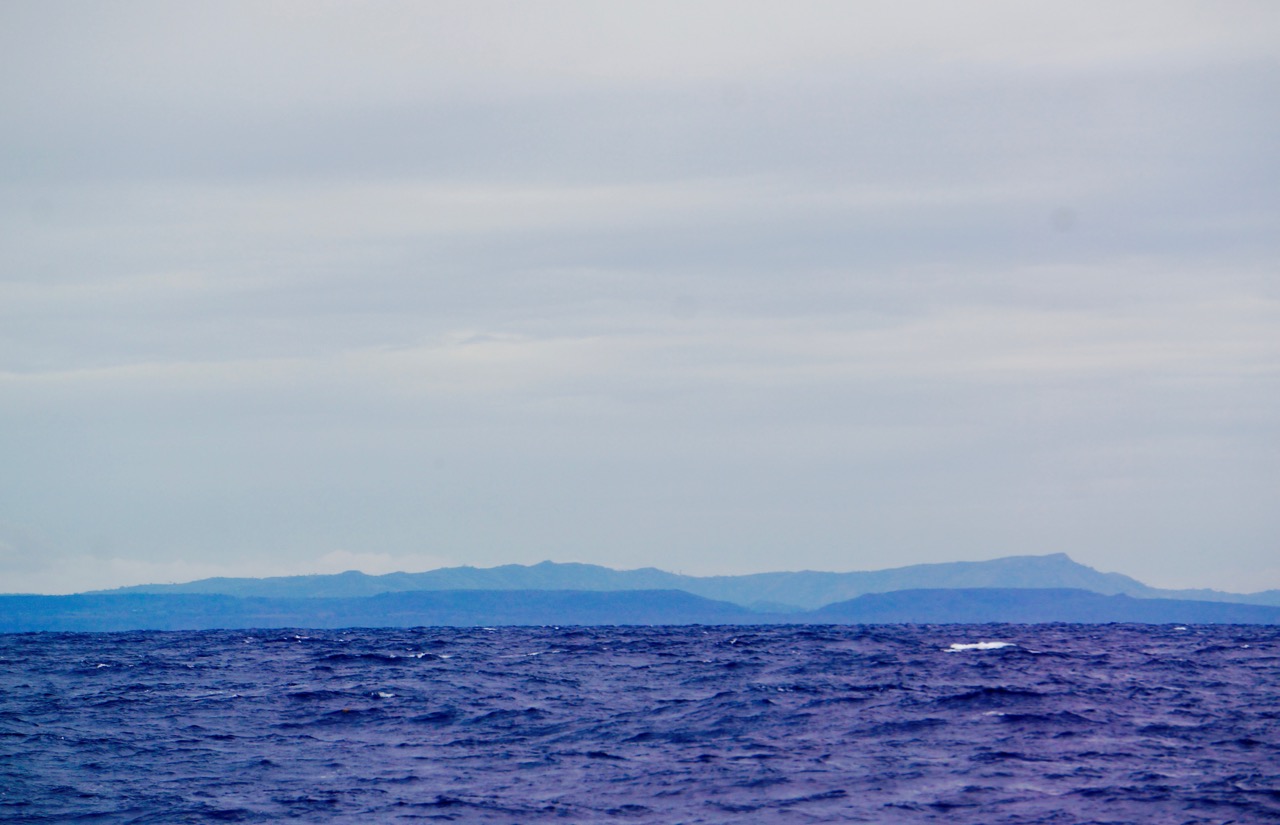
The southern coast of Crimea slides past... Sorry, the northern coast of Cuba 🙂
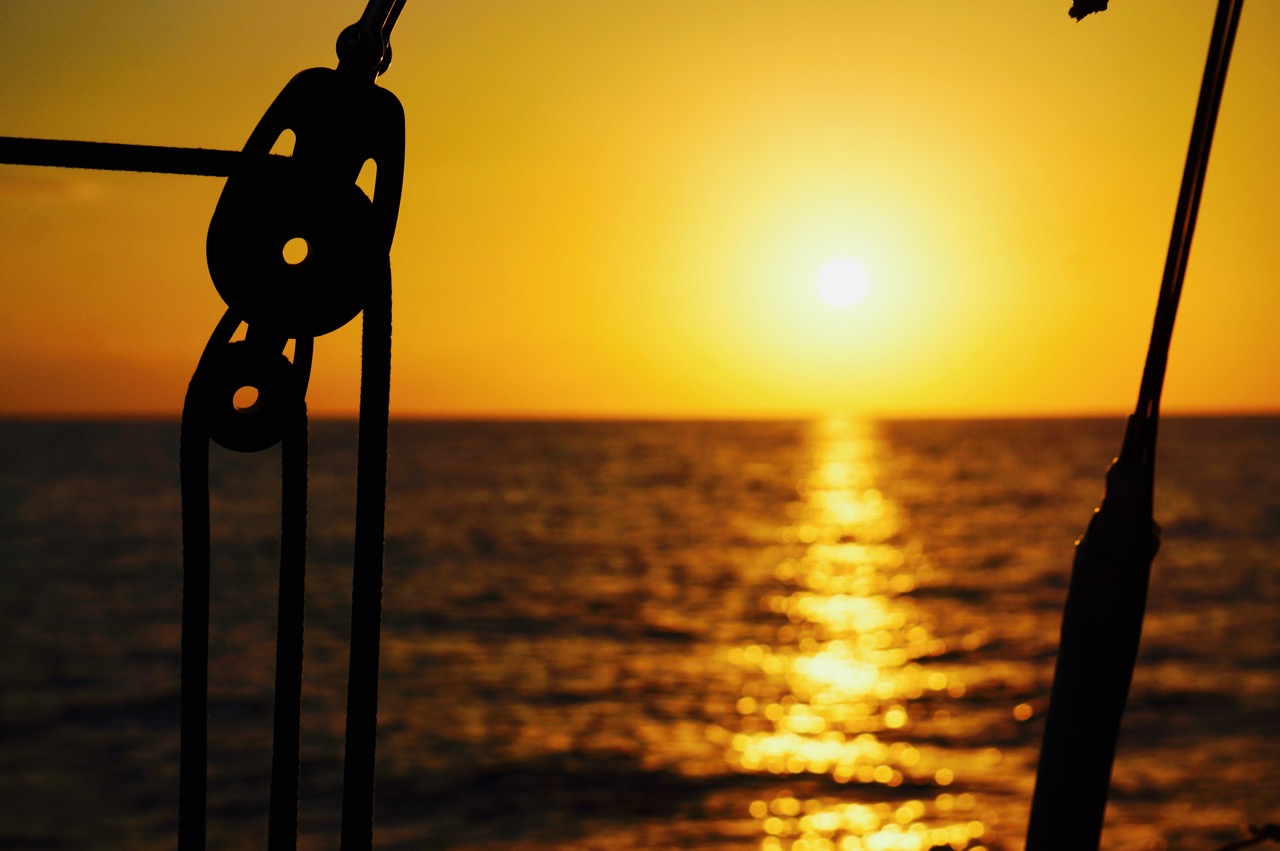
The infinity of the ocean and the boundlessness of the sky... and not a single vessel anywhere around us. It’s strange, really, given that Cuba is not far away.