
From the Travely-Family archive · Atlantic
Cuba. A Second Look
An original publication from the former Travely-Family website. This English translation was preserved from the technical-site archive without editorial rewriting.
Cuba. A Second Look.
How a planned economy affects digestion, what the shops, cafés, ice-cream parlours and public toilets have to offer, and why, after her first walk, the first mate cried and begged to go home.
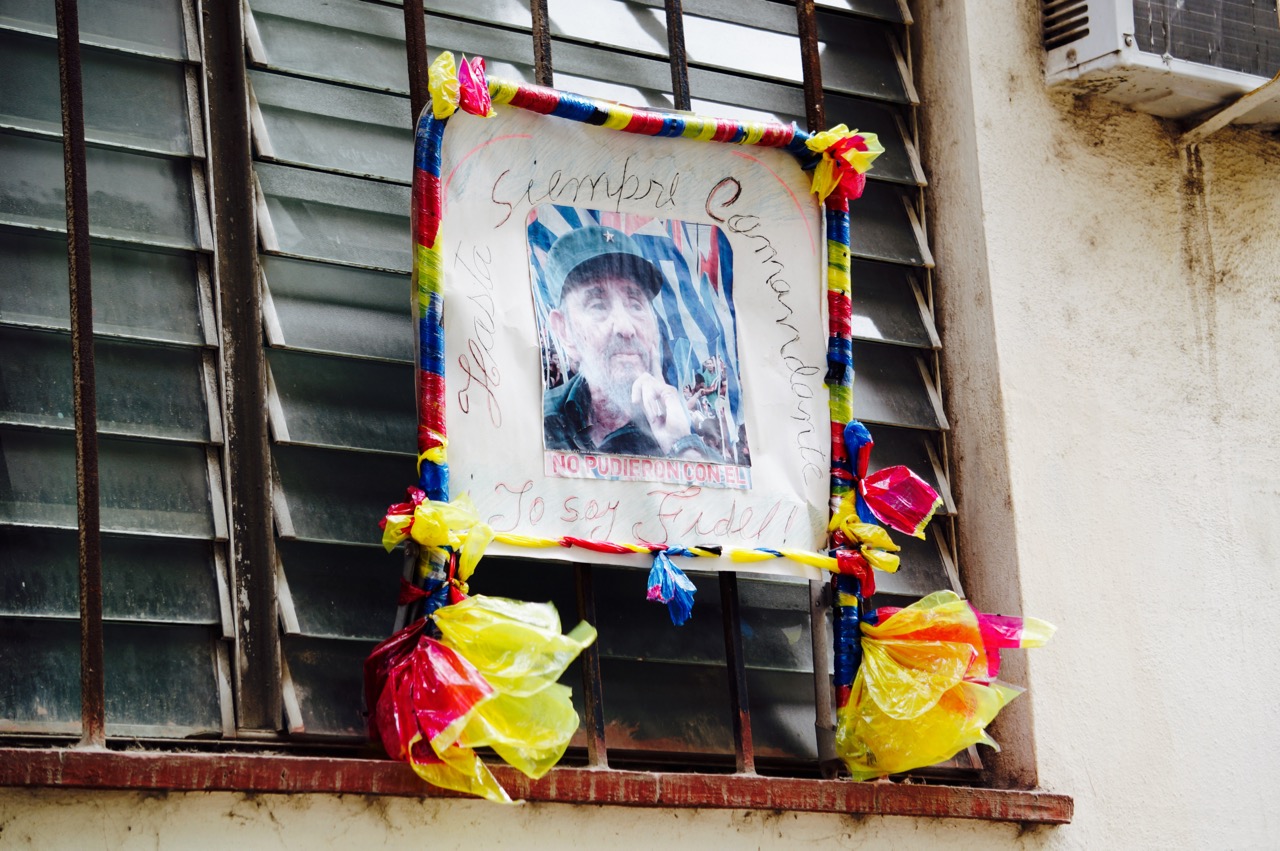
Three weeks in a sea hardly overflowing with fruit had, for the third day running, been nudging (and finally nudged) the captain and first mate into replenishing our food supplies and cash reserves.
We saddled up a local bus that looked like a yellow box-bodied military truck and set off for a place with the telling name of Playa.
Four stops later, the passengers became suspiciously animated and made a dash for the exit. It turned out we were already at the terminus. The early-1990s bus station greeted us with broken pavements, shabby kiosks and the smell of fried meat pies. No beggars in sight (socialism?), queues for buses, police on foot and motorcycles. The savings bank was no more than a kilometre away along a broad pavement.
Cities benefit enormously when you can actually see them. When you have a clear view of the streets ahead, the buildings and the roads, and foliage is not squeezing its way between garish exhortations to “Buy nappies and sleep easy.” You become more forgiving of the broken pavements, the lack of rubbish bins and pedestrian crossings. Even the poverty and greyness of the urban landscape feel different—not like squalor amid the information overload of stupid wrappers, traffic jams and overcrowded car parks, but like a simple life without the race for unnecessary things and packets full of monosodium glutamate.
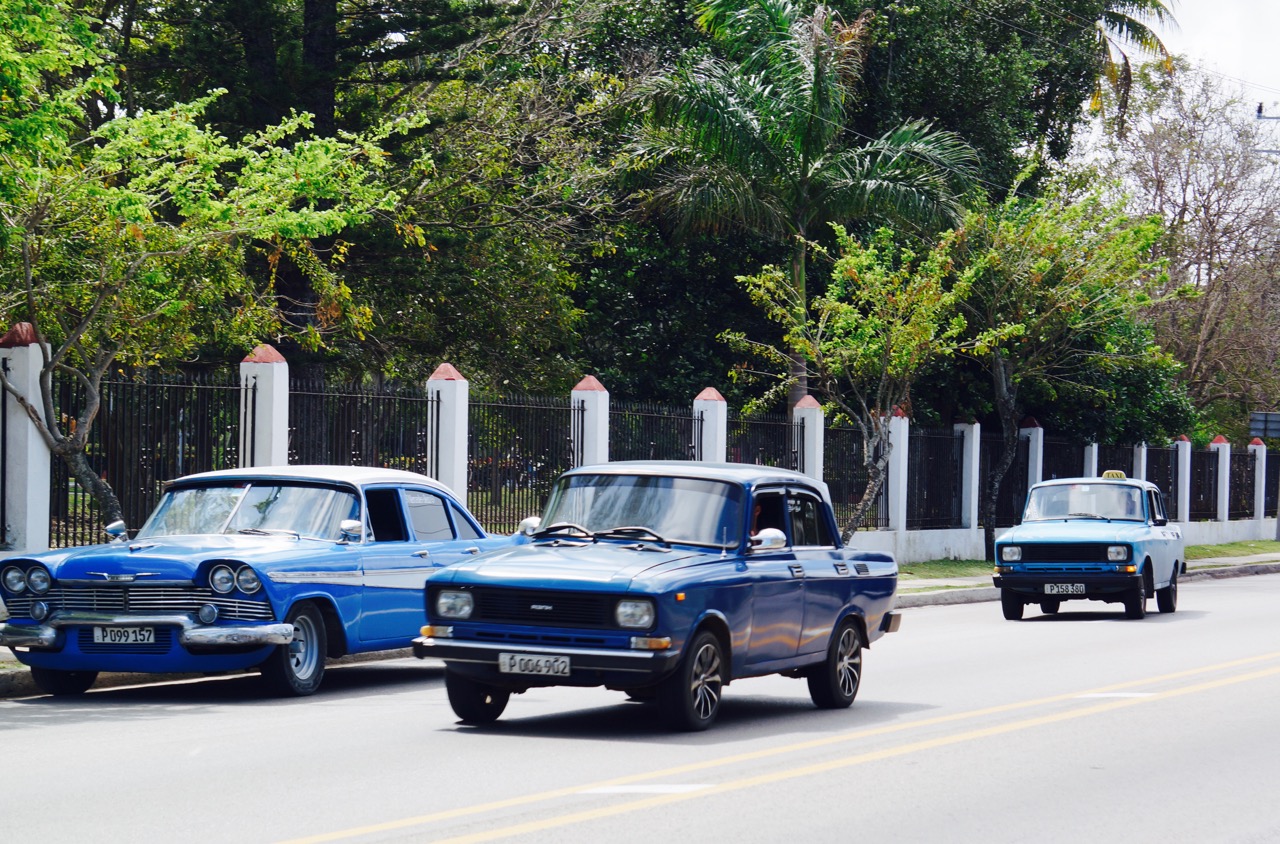
A main road outside Havana
Cafés and shops
An “Ice Cream” café and a workers’ canteen look out onto the road through their open doors. Through the greenery we can see a large children’s park and the red-and-white tents of the Havana Circus. We have not started missing the circus yet, but we decide to drop into the café on our way back.
By the bank’s glass wall, a dodgy-looking fellow hints that he could do with something to eat. At the bank entrance, an elderly security guard asks why we have come and directs us to the right queue.
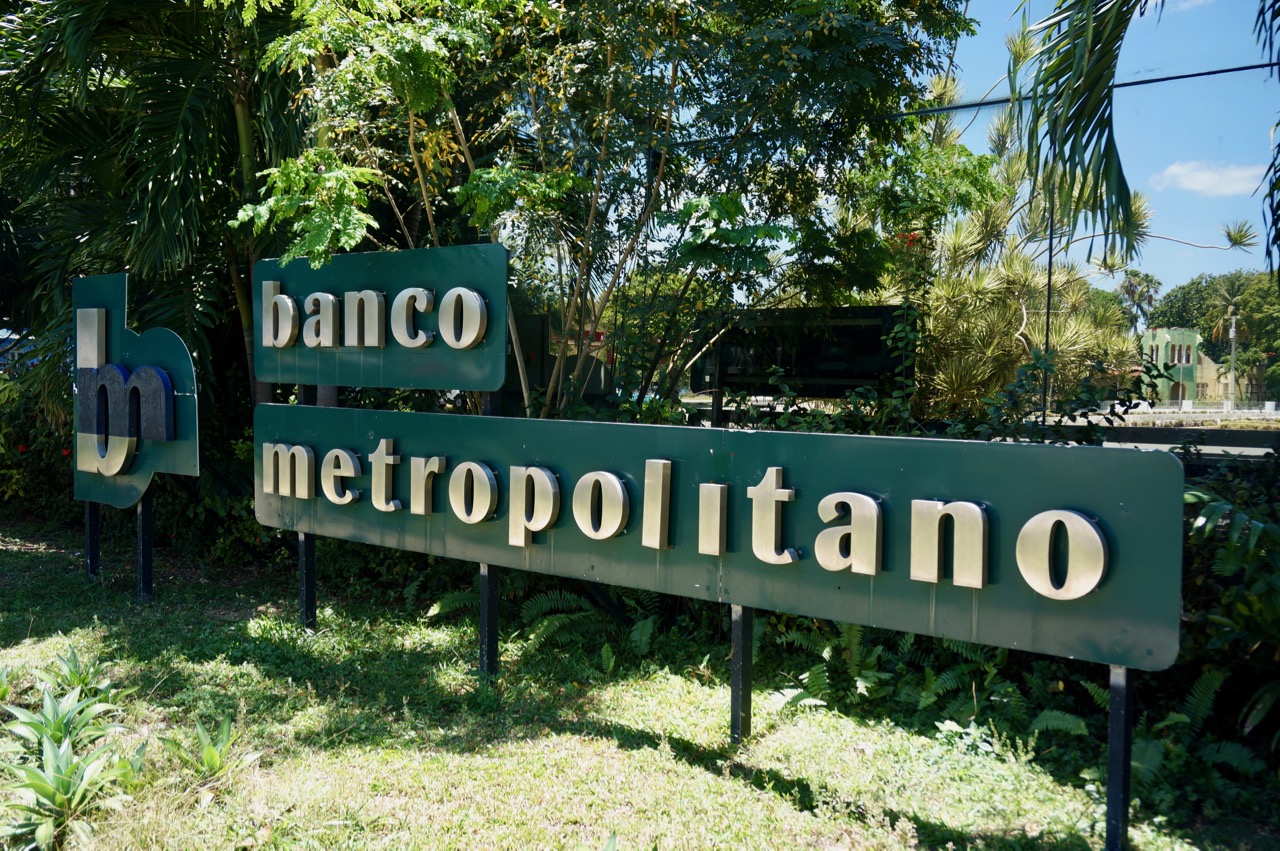
1970s Constructivism—tall windows, a vaulted ceiling, and the management sitting behind glass in a kind of loft gallery. A yellowish-grey CRT monitor box on the desk and piles of papers. A portrait of Che Guevara gazes down at the customers sitting in air-conditioned coolness on torn armchairs among tubs of artificial flowers. The first mate gradually drifts off to sleep while the captain waits his turn and exchanges euros for local pesos.
And so, our pockets full of money, we enter the supermarket (though no, it was really more of a grocery shop). Every five metres of shelving are occupied by a new product—biscuits, identical pasta or juice. There are four kinds altogether. Things are better in the tinned-goods department—you can count about a dozen different products.
The partitioned-off meat counter offers customers bright-red beef tenderloin (with no queue), frozen chickens and grey sausage offal. There is no bread. Without spending a single peso, we go back outside—surely there must be bakeries and greengrocers somewhere!
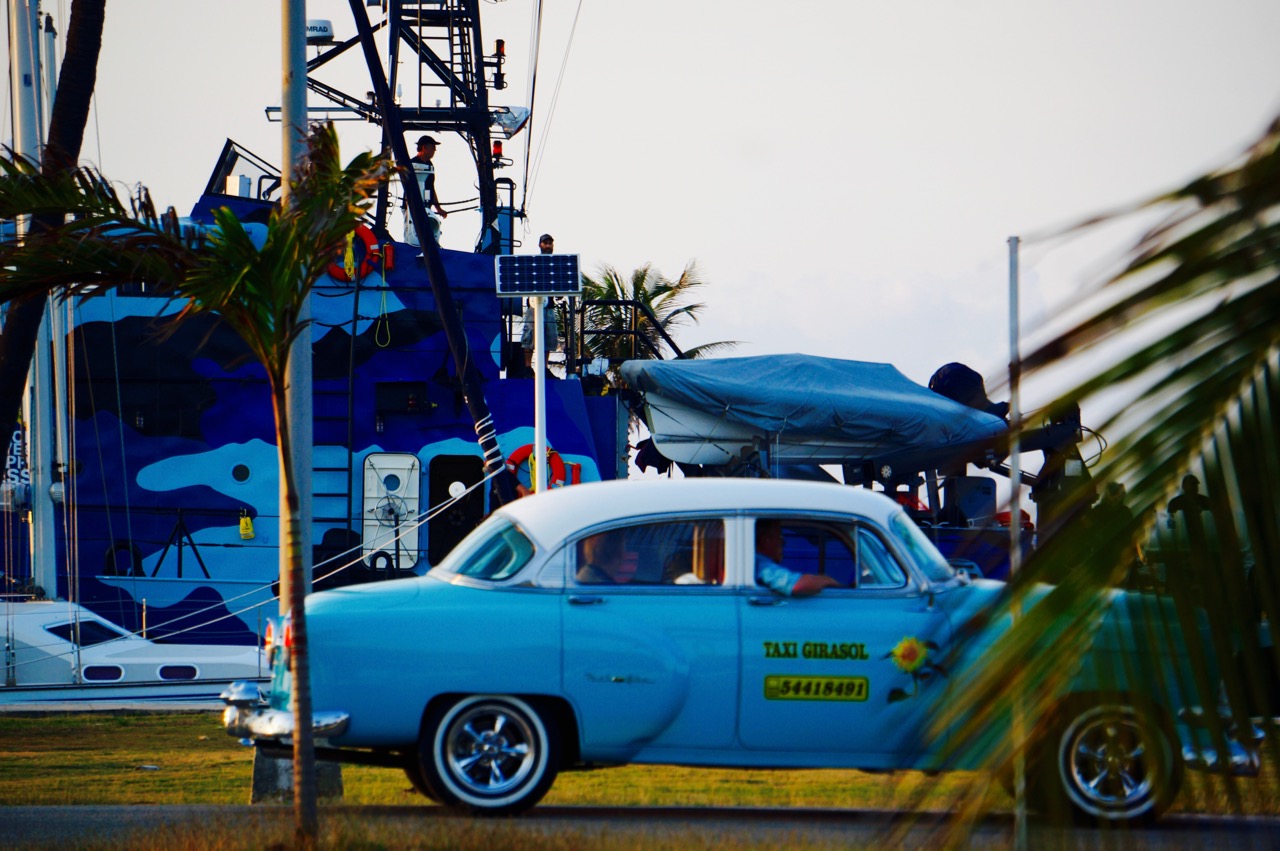
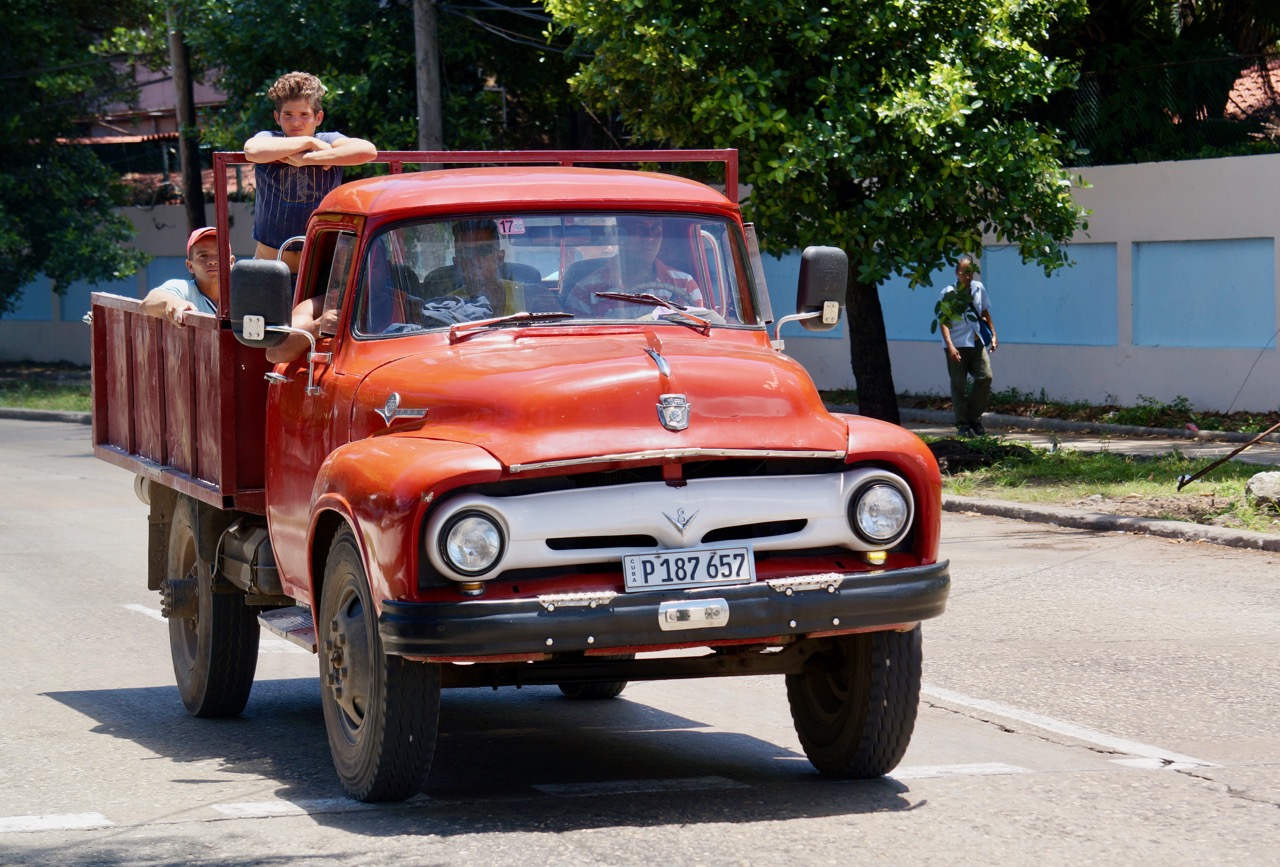
1960s chic—the calling card of Cuban roads
The bright but modest sign outside the “Ice Cream” café promises a couple of colourful scoops with syrup. And a café (pardon me) ought to have a toilet, after all.
I remember perfectly how every Saturday my girlfriends and I, dressed in our best, used to go to a Soviet ice-cream café, where there were little cakes with fluffy cream, frothy milkshakes, and ice cream served with honey, jam, grated chocolate or nuts. When we entered the Cuban ice-cream parlour bearing the proud name “Himalayas,” we stopped dead in astonishment. The first room gaped with the brown squares of empty tables; in the second, a fluorescent tube squinted drearily over a long tiled counter crowned by a solitary baking tray of unappetising rectangles of sliced cake. At the far end of the counter, against a bare concrete wall, a person could just be made out. There was no sign of toilets or drinks (logical enough: nothing to drink means nothing to pee). We burst into tears and left.
Cuban-style conveniences
The toilet turned out to be by the bus station. At the entrance, an auntie collected one peso per person for the service, but when we tried to head to opposite sides of her post, the old dear shouted, “Stop!” It turned out that both M and F were in the same room. At that moment, F was using the facilities, so the captain and two other men who had just arrived were told to queue.
The room smelt of bleach, and the floor was wet—and that was the only water in the... lavatory. The tap in the sink was broken, and none of the porcelain thrones flushed; from their contents, it was clear that you were not the first person to come in that day. Or even the eighth. Only one of the three cubicles had a door....
The first mate passed the baton to the captain with a single pithy word of farewell, roughly translating as “It’s a total nightmare.” “Go on, in there... it’s a total nightmare,” was exactly what she said.
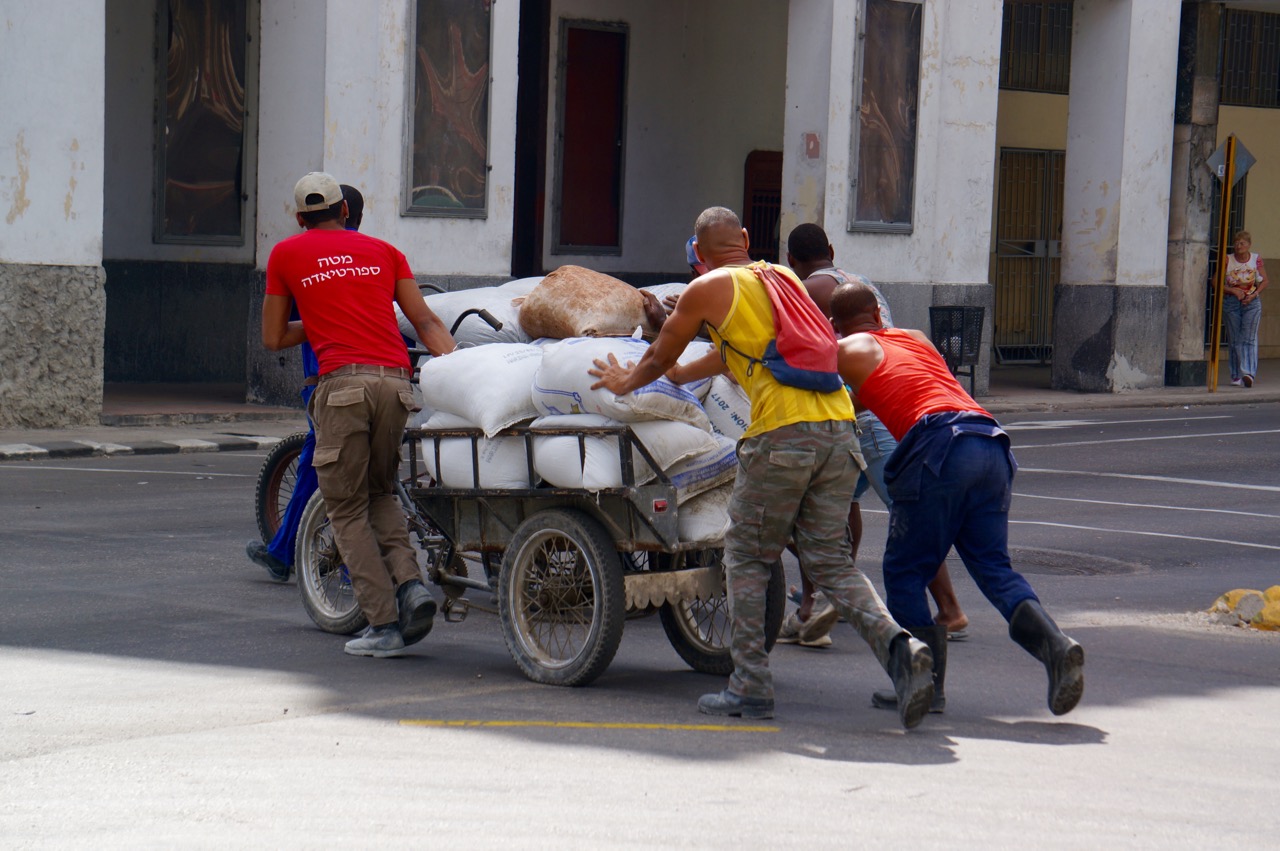
Flour has arrived!
Vegetable tango
Not far from the bus station, we found a greengrocer’s. Behind a partition, two shop assistants handed out earth-coloured potatoes, cucumbers (apparently they grow in soil here), unripe tomatoes and bananas that were green but already battered by the revolution to the expectant masses—seven or eight people at each counter.
“Let’s buy them closer to our place; there’s a queue here, and it’s a long way to carry them,” ordered the captain, who had not yet absorbed the Cuban folk wisdom: “If you see a vegetable, grab it at once.”
In our suburb, we found two bakeries—small counters built onto private houses. At one of them, a young man sold bread through a grille. When we asked about a vegetable market, the woman at Bakery No. 1 sent us closer to Havana, while the young man at Bakery No. 2 sent us down the next street, where we finally found the place we were looking for.
The queue for vegetables and a porter in a canvas coat )
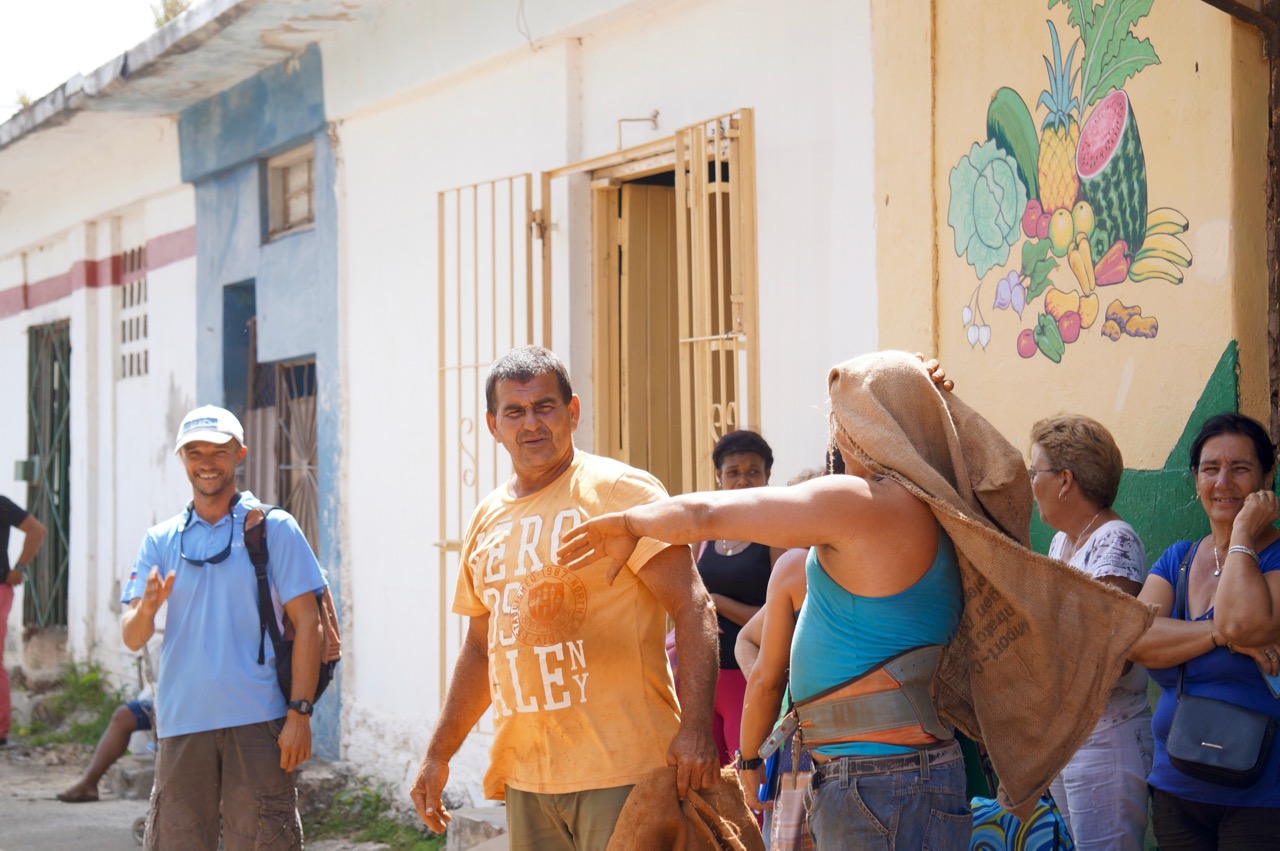
A truckload of potatoes had just arrived there, and all the staff set about unloading it. A queue of twenty people waited meekly for sales to begin—of the same frightening-looking tomatoes and something else the colour of earth. The first mate remembered how, as a child, she had hated going to the greengrocer’s two stops from home. Her grandmother would queue for carrots for two hours while her granddaughter trudged gloomily from the display window to the entrance and back again. The same smell, the same socialist quality.
“I don’t want socialism,” whined the first mate, exhausted by the sun, and the captain led her by the hand the rest of the way back to the boat.
Passing the young sailors through the window the single bag of bread obtained during half a day of wandering, the parents announced:
“Nastenka, do you remember how we promised you that after the Canaries we would start reaching cities and countries where there was nothing to buy, or everything was very expensive? Well, we’ve sailed to a place where there is nothing.”
Thus, provisioning in the Havana suburbs was officially declared worse than in the Moscow region in the 1980s, and the crew set about chopping down coconuts right under the noses of the marina staff.
A regatta from Florida arrived at Marina Hemingway. In the background—a camouflaged expedition vessel Not a ZiL, of course, but its foreign cousin
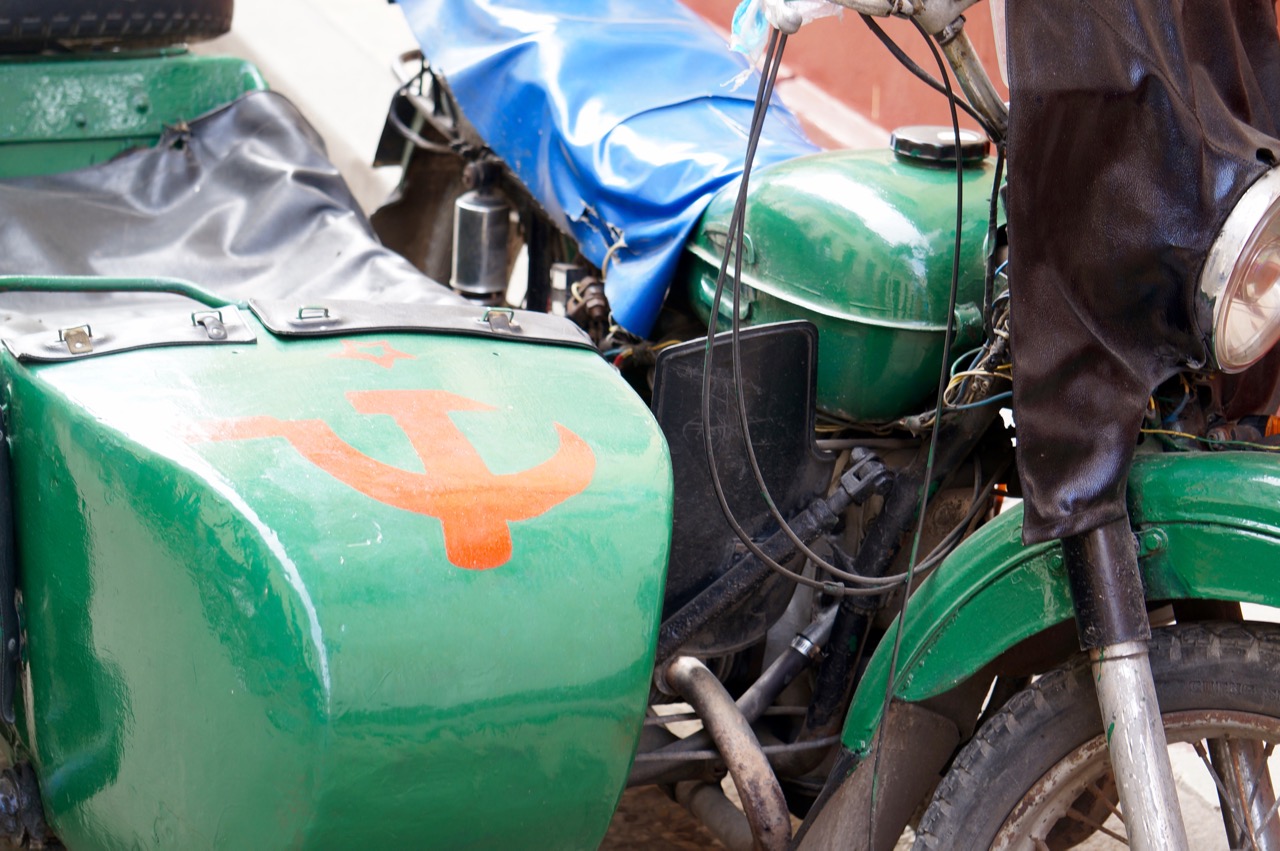
How to connect the USSR, the Urals and Havana
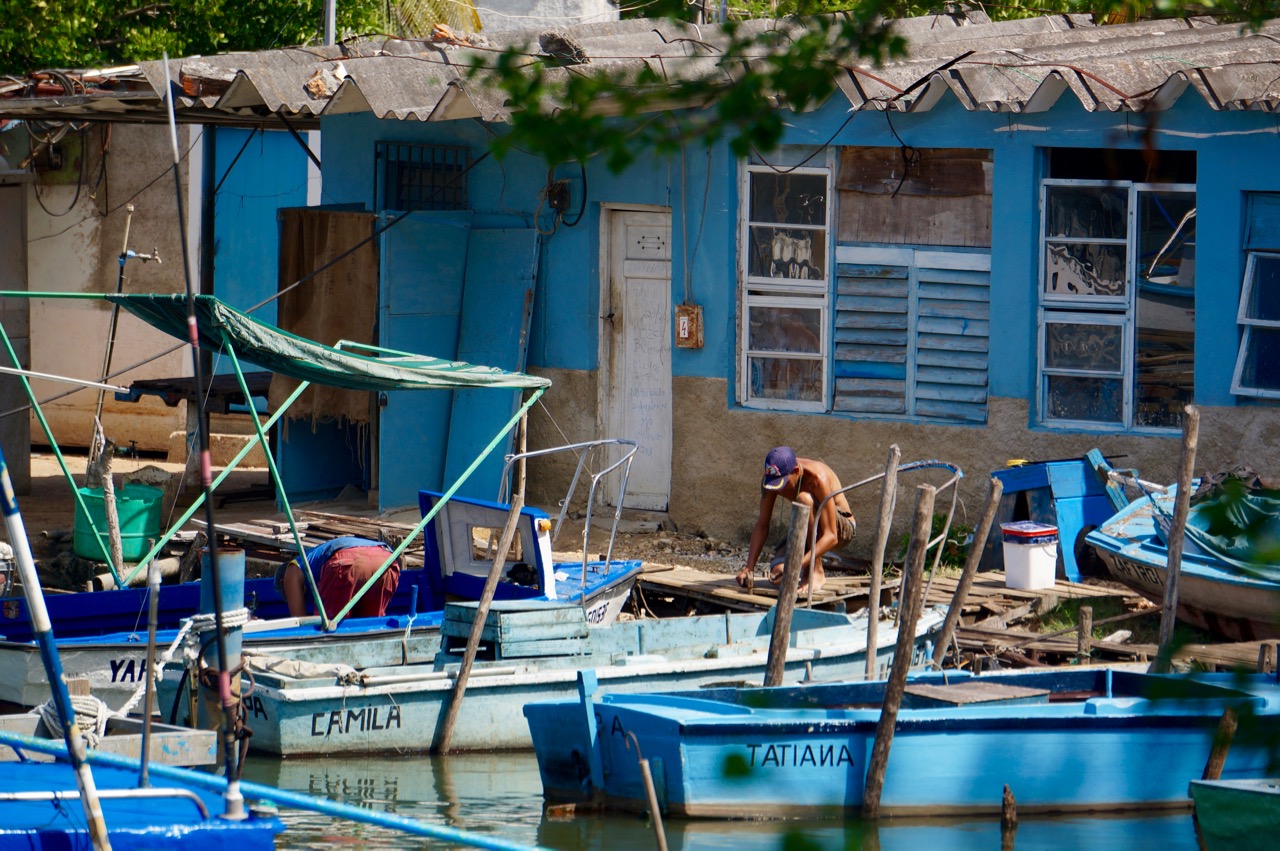
A fishing quay outside Havana
____
Two days later, we set off for the Cuban capital with our new friends Pasha and Olya, bikers and wonderful people from Moscow. In Havana, we finally found both bread and circuses. But that will be the next story.
Other reports about Cuba:
Cuba! Shuba-duba 🙂
Cuba. First Impressions