
From the Travely-Family archive · Atlantic
Provision List for a Transatlantic Passage and How Long Food Keeps in Tropical Seas. Fresh-Water Supplies and Consumption, Waste Aboard a Yacht. Our Experience
An original publication from the former Travely-Family website. This English translation was preserved from the technical-site archive without editorial rewriting.
Provision List for a Transatlantic Passage and How Long Food Keeps in Tropical Seas. Fresh-Water Supplies and Consumption, Waste Aboard a Yacht.
Our experience
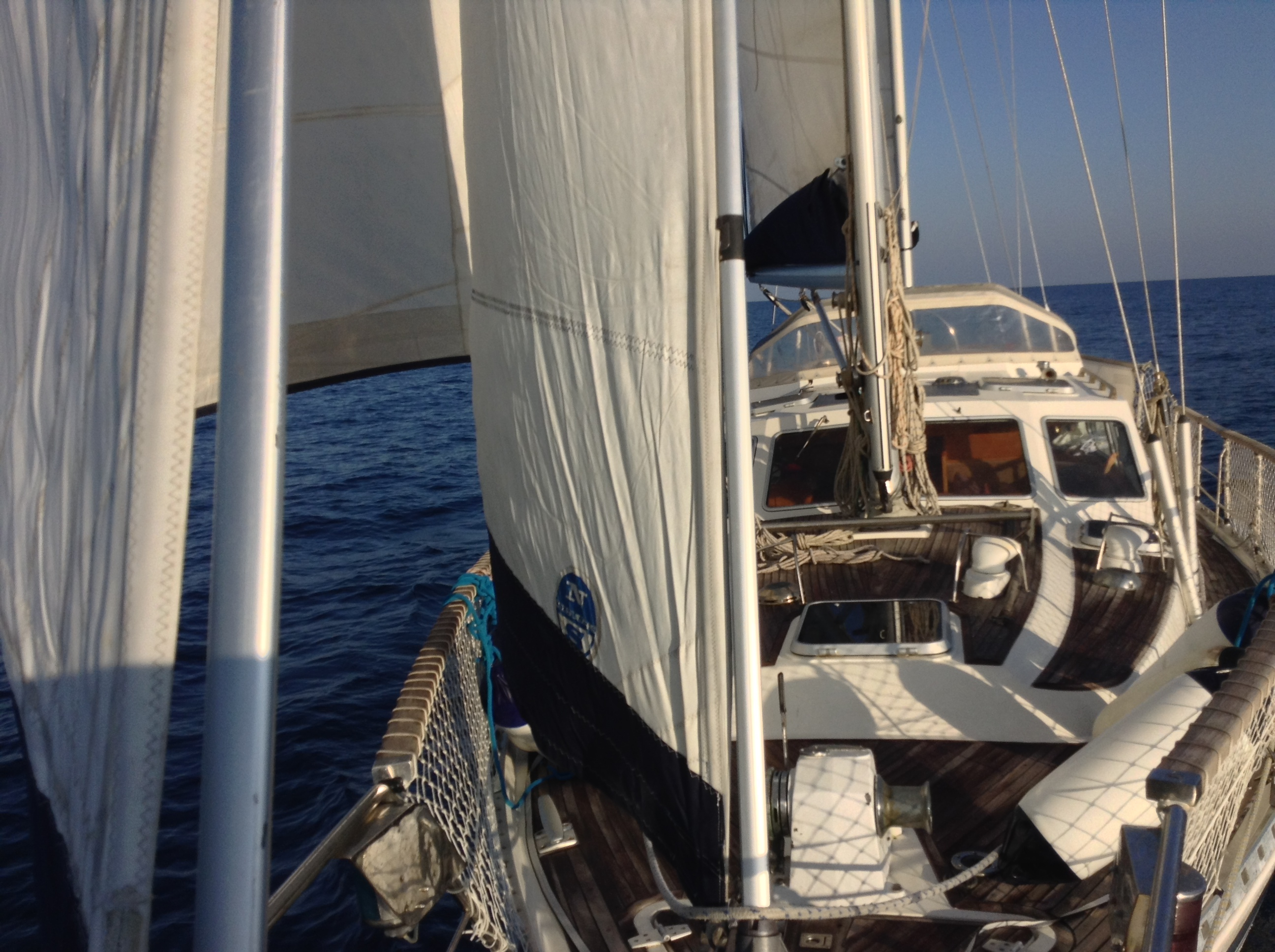
Lady Mary set out for the western shore of the Atlantic Ocean in late September
2016. Our Atlantic passage from Cabo Verde to French Guiana took 22.5 days and covered 2,300 nautical miles by the track log.
We bought fresh vegetables and fruit, cheeses, and other perishables in Mindelo (the Cabo Verde Islands). We began buying the rest of our provisions in the Canary Islands, then continued in Senegal and The Gambia because we expected prices to be high in the Caribbean.
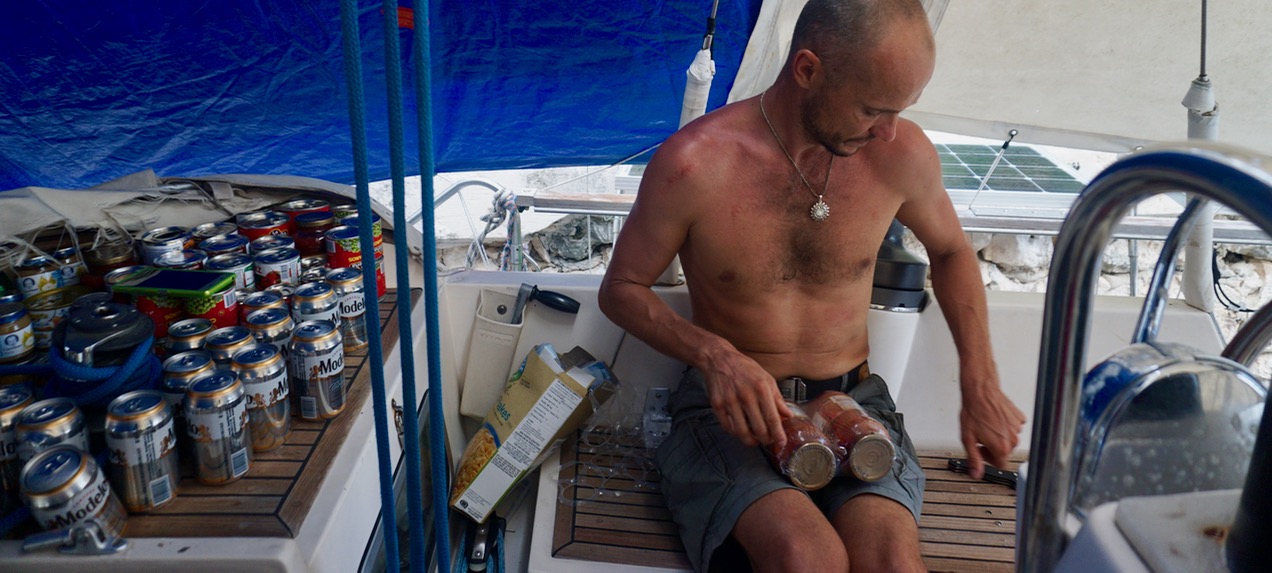
Food and how long it lasted
1. Fresh perishables:
Bananas at different stages of ripeness
7 kg — we ate the last one on day 12
Passion fruit, 2 kg — 6 days; they wrinkle on day 4 and begin to spoil on day 5
Tomatoes, 2 kg — 10 days
Pears — begin to spoil on day 4. Best kept in a net that does not swing about.
Kiwifruit, 10 — 10 days
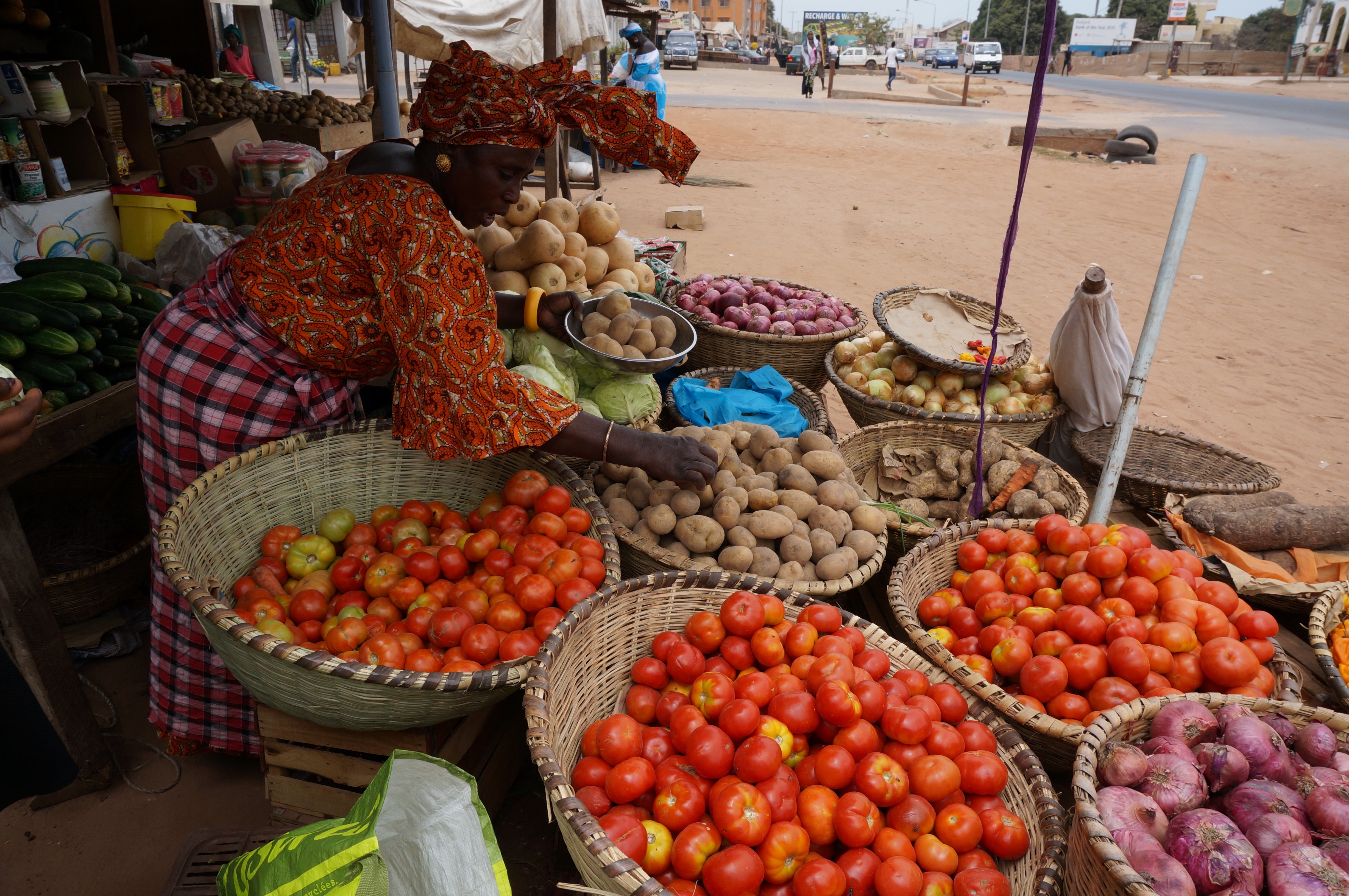
Lemons, 6 — 20 days
Carrots, 1 kg — 17 days (carrots bought in the tropics may not even last a week; it is the luck of the draw)
Oranges — the hardiest last three weeks, while the weak links must be found and eaten every day:).
Cheese — three rounds of Lamber. They keep beautifully in the refrigerator; unopened and unrefrigerated, at a temperature of around 30°C, they hold up splendidly for three days. We did not try any longer than that—we switched on the refrigerator.
Toward the end of the passage, the task was to eat it (the cheese) as quickly as possible so we could switch off the refrigerator, which was guzzling more electricity than the solar panels generated.
The cheese with the longest shelf life is vacuum-packed Parmesan. It can keep unrefrigerated for about a month without losing quality or appearance.
Bread — we bought a lot, but did not dry it out; on day 4 it went mouldy and became fish food.
N.B.: anything that does not dry out will rot if you are sailing through tropical latitudes in the rainy season..
Slow-to-spoil food
Squashes (long, bottle-shaped calabashes): we took too few, only 2. They seem able to keep forever; for a couple of months, they remain entirely unaware that they have been picked from the garden.
Potatoes, 2 kg — ran out on day 17, but would easily have kept for a month. We took only a few because the previous lot, bought in Africa, had spoiled quickly in the hold. Store without plastic, in the dark, in a bucket, crate, or net.
Sweet potatoes, 1 kg — keep perfectly happily for a month
Eggs, 84 — remained in good health for a month. Every three days, they need to be turned upside down. Otherwise, they will die of boredom.
Apples — one large crate yellow-and-red, firm ones. They behaved impeccably for four weeks and were duly eaten as a reward.
green Granny Smith–type apples still look brand new in their second month. Are they real? 🙂
Onions, 2 kg — keep for a long time, suspended in a net or a breathable muslin bag
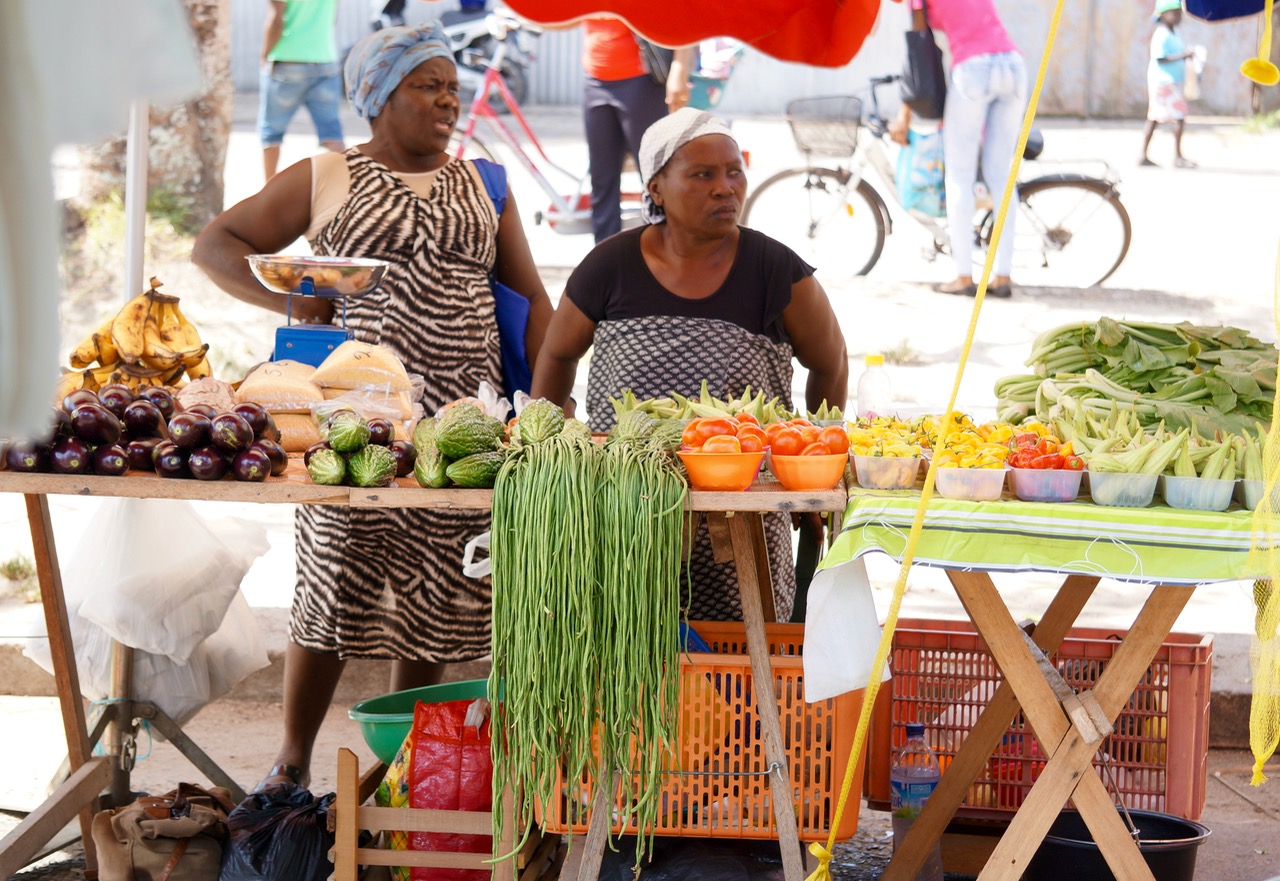
Garlic — same..
Long-life provisions
Grains, pasta, lentils, beans, flour, sugar, biscuits, chocolate bars, canned food, tea:
— take as much as you can if you have somewhere suitable to store it. Knowing Caribbean prices, we filled the lockers as much as possible on the eastern side of the Atlantic, taking plenty of everything:
buckwheat — 20 kg millet — 10 kg rice — 15 kg cornmeal — 7 kg rolled oats — 10 litres beans — 8 kg lentils — 8 kg chickpeas — 3 kg various kinds of pasta — 10 kg flour white — 5 kg wholemeal — 10 kg canned fish and seafood — 20 small tins and 4 large 500-gram tins of tuna.
Milk: long-life liquid milk — 4 cartons; powdered milk — 20 kg.
We did not take any other meat products, including convenience foods and frozen meat, poultry, or fish, for two reasons:
most of our crew do not eat meat, we do not have a freezer..
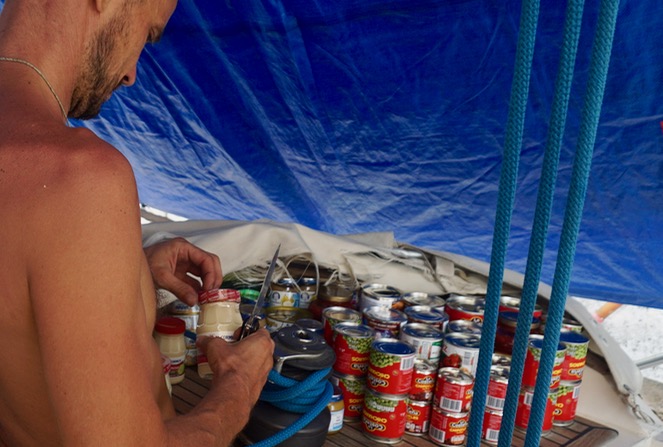
Water
Fresh-water supplies aboard the yacht before the transatlantic passage:
570 litres — tank capacity +
210 litres — in jerrycans we collected about 50 litres of rainwater over the whole passage.
We do not buy drinking water. To turn ordinary water into drinking water, the yacht is fitted with a four-stage filter and a separate drinking-water tap.
Fresh-water consumption:
For cooking, we used seawater mixed with drinking water in a ratio of approximately 1:3.
For washing ourselves, we used an average of one to three litres per person per day.
We wash dishes in seawater (a tap with a foot pump is fitted over the small sink), then rinse them in fresh water. If you put them away salty, the wooden shelves will begin absorbing moisture and every bit of metal will start to rust.
Total fresh-water consumption over 23 days was 500 litres.
To learn HOW to store the foods listed above in humid heat so that they end up feeding you rather than the fish and fungi, see — Food Storage>>
(article coming soon)
Waste during the passage
The following goes overboard on a transoceanic passage:
food waste; glass, broken up beforehand; paper (without a polyethylene coating); tin cans.
Everything else is cleaned of food residue and other decaying matter with seawater, compressed as compactly as possible, and stored in bags until we reach rubbish bins ashore. Because we favour food with as little packaging as possible when buying provisions, we accumulated little waste during the passage.
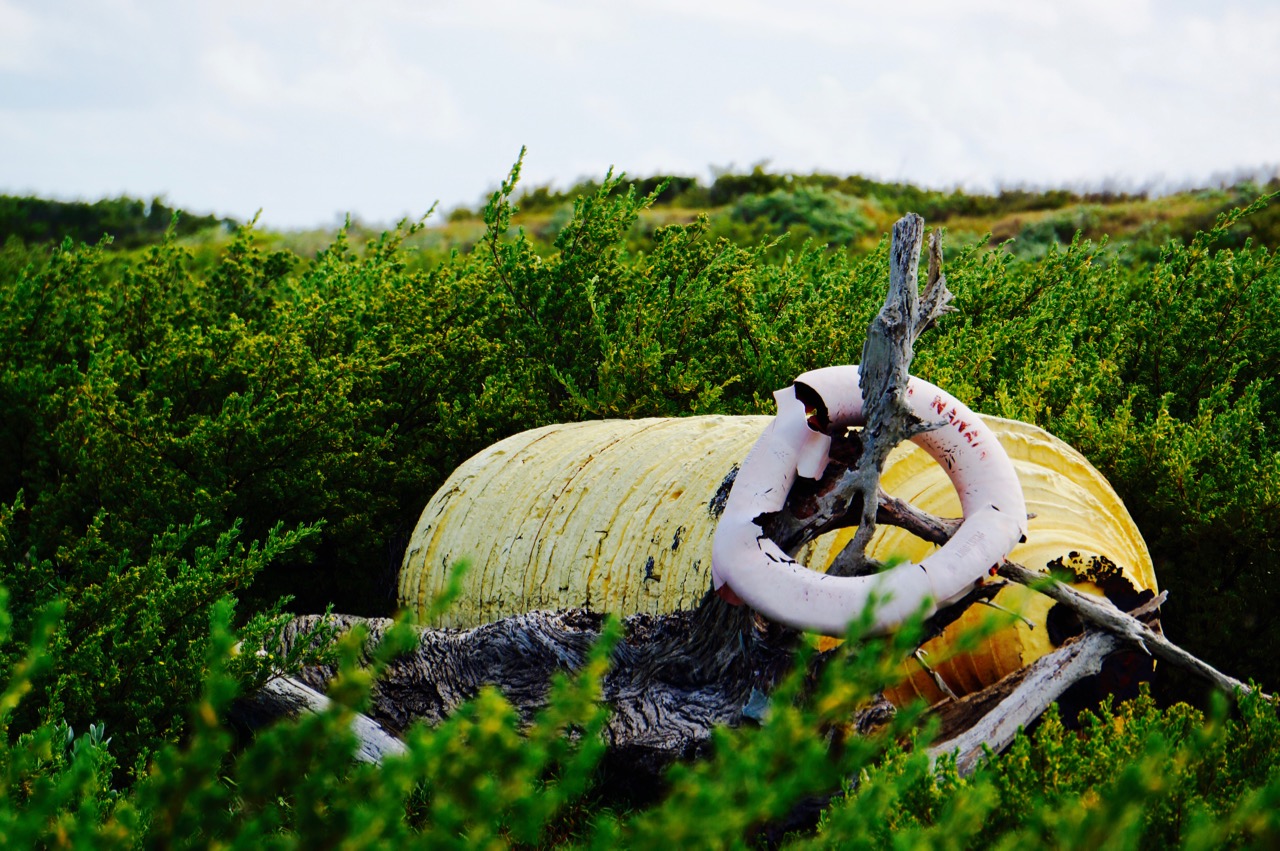
Never throw overboard under any circumstances!
plastic in any form rubber and the like cigarette filters sanitary products, unless they are made of paper.
Do you know how many marine animals die every year from swallowing plastic waste? About a million. Including whales, seals, birds, and dolphins.
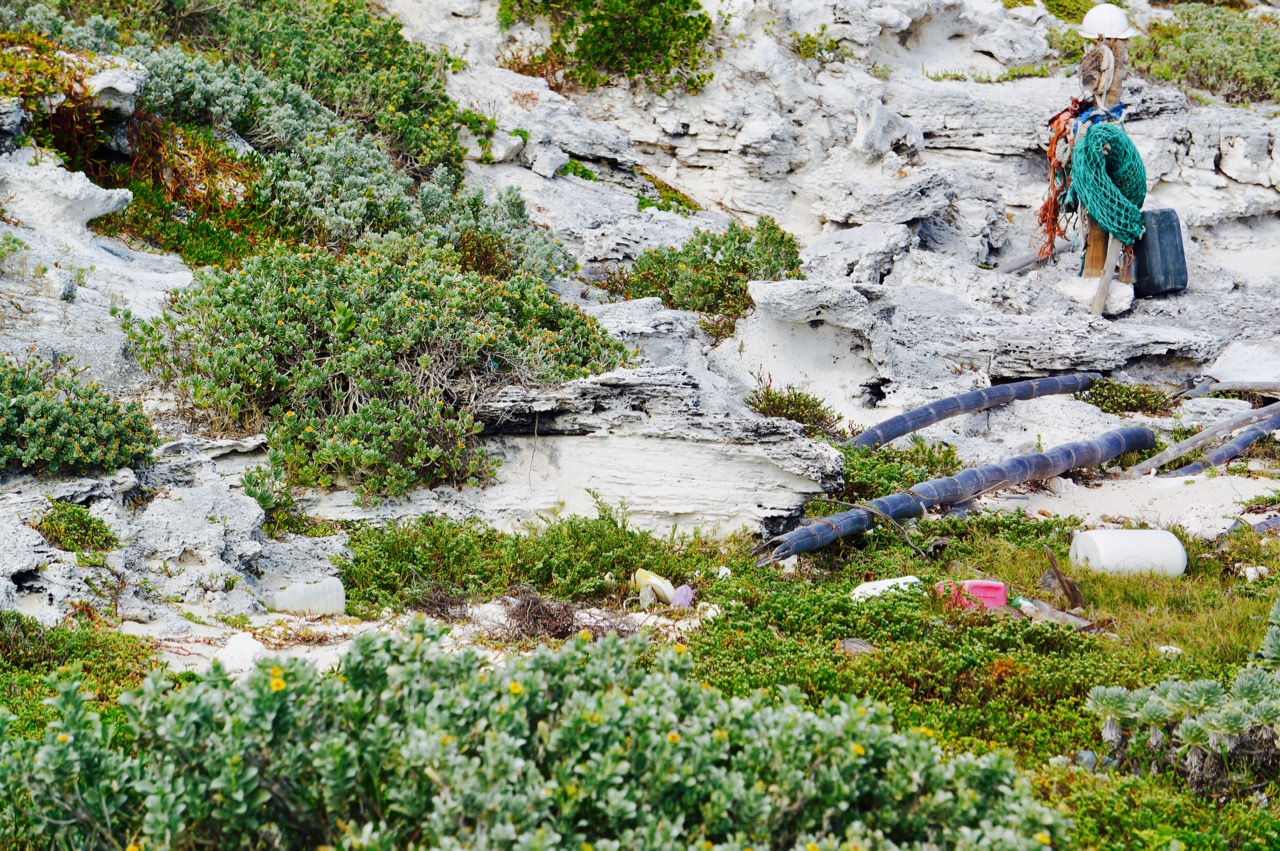
Signs of human presence on uninhabited Caribbean islands
But we know this island is uninhabited...
What we ate during our Atlantic passage
The passage was sunny, wet (we left after the start of the rainy season, had a rainy first week, and then further intermittent rain both during and after that), and hot. Straight out of Cabo Verde, we set a course toward Brazil or Suriname, farther south than the usual Caribbean route, with different winds and temperatures.
That is why we had two proper meals a day. In the heat, three meals a day do not go down very well.
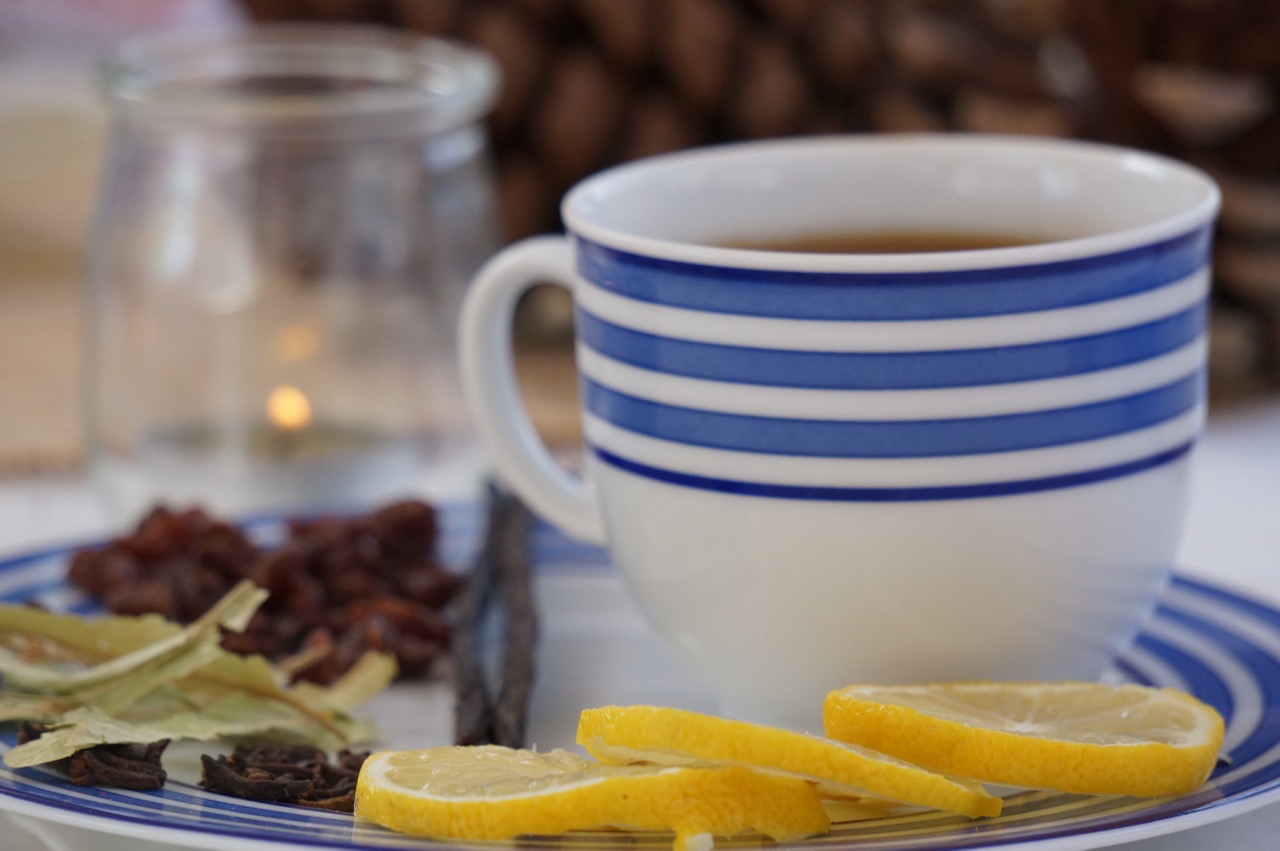
In addition to the two main meals, the children demanded an evening snack—tea and buns. And after lunch, fresh fruit (while it lasted) and canned fruit—peaches, pineapples, and the like—were a compulsory part of the programme, to keep up the crew’s morale and for sheer enjoyment.
That last point is very important on a long passage, where one day resembles the next and food not only fills you up but also provides a pleasant diversion.
An observation: on a long sea passage, people often forget to drink plenty, especially when the boat is rolling and there are signs of seasickness. Pay attention to this.
At sea, drink plenty! Your stomach and intestines will thank you.
For more about food at sea, read:
Transatlantic Menu
The Galley
If You Don’t Have a Dog, or How Not to Throw Food into the Sea
Other articles in this section (coming soon!):
Recipes from Around the World That We Picked Up Along the Way
A Fabulous Yacht-Style Menu (Exclusive Recipes from the Crew)
If you found this article useful and would like to thank the authors but do not know how, click the button below 🙂