
From the Travely-Family archive · Atlantic
Caribbean Islands. Clearance
An original publication from the former Travely-Family website. This English translation was preserved from the technical-site archive without editorial rewriting.
Caribbean Islands. Clearing In on a Yacht
The most interesting yacht clearance procedure is in Trinidad and Tobago. On the other Caribbean islands, the formalities are fairly straightforward so far (or insurmountable if a US visa is required); the list and details will be updated as the yacht travels north through the Caribbean Caribbean Islands. Trinidad and Tobago
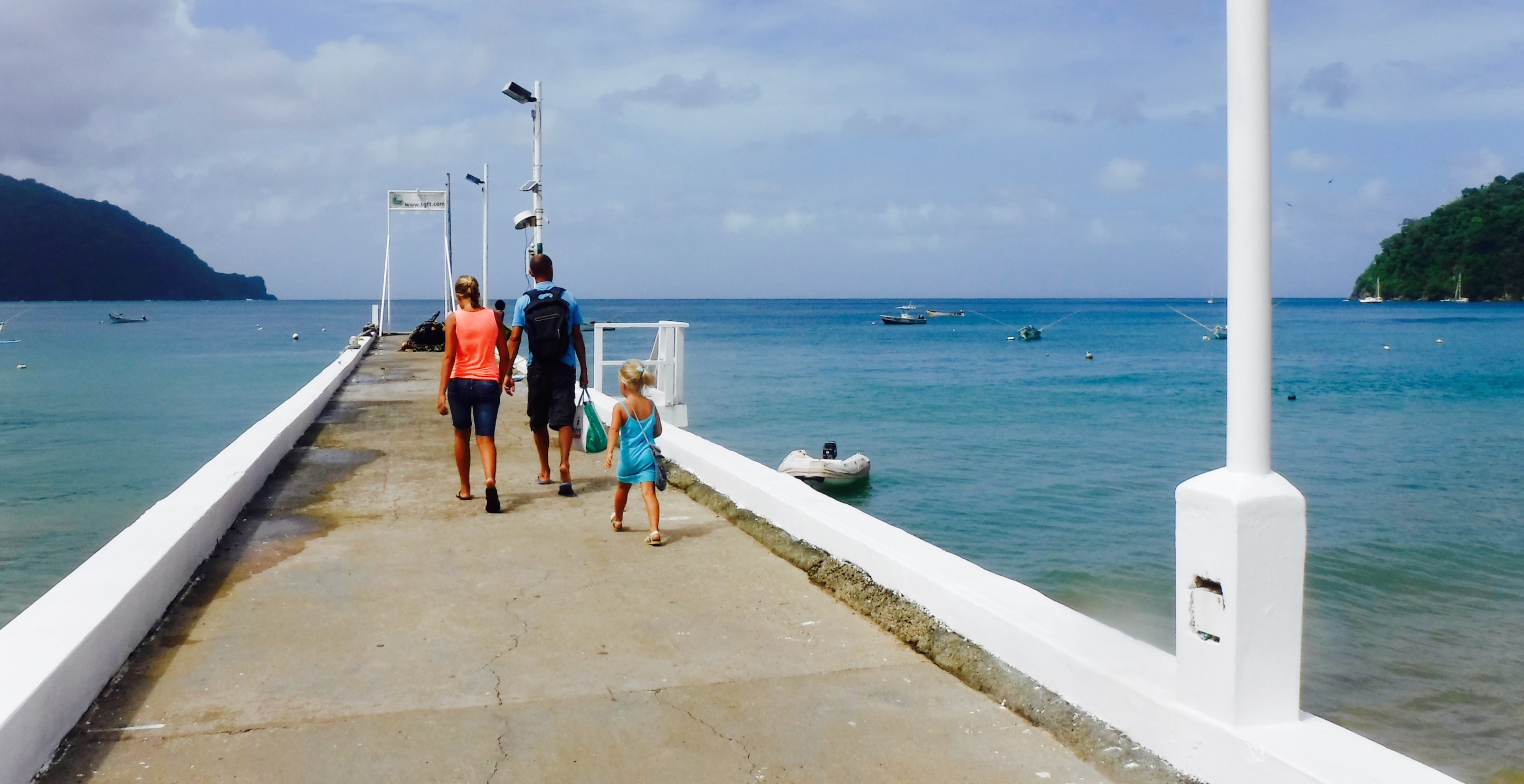
For us, the Caribbean islands began in the far south—with Trinidad and Tobago. The republic consists of two islands: Trinidad is large, home to the capital and, according to sailors, not very friendly when it comes to clearing in. Tobago is green, rural and jungly, and more welcoming. Or so they say. We believed them and sailed straight from Guyana to Tobago.
Young sailor on a boat trip around Tobago
Tobago has two ports of entry:

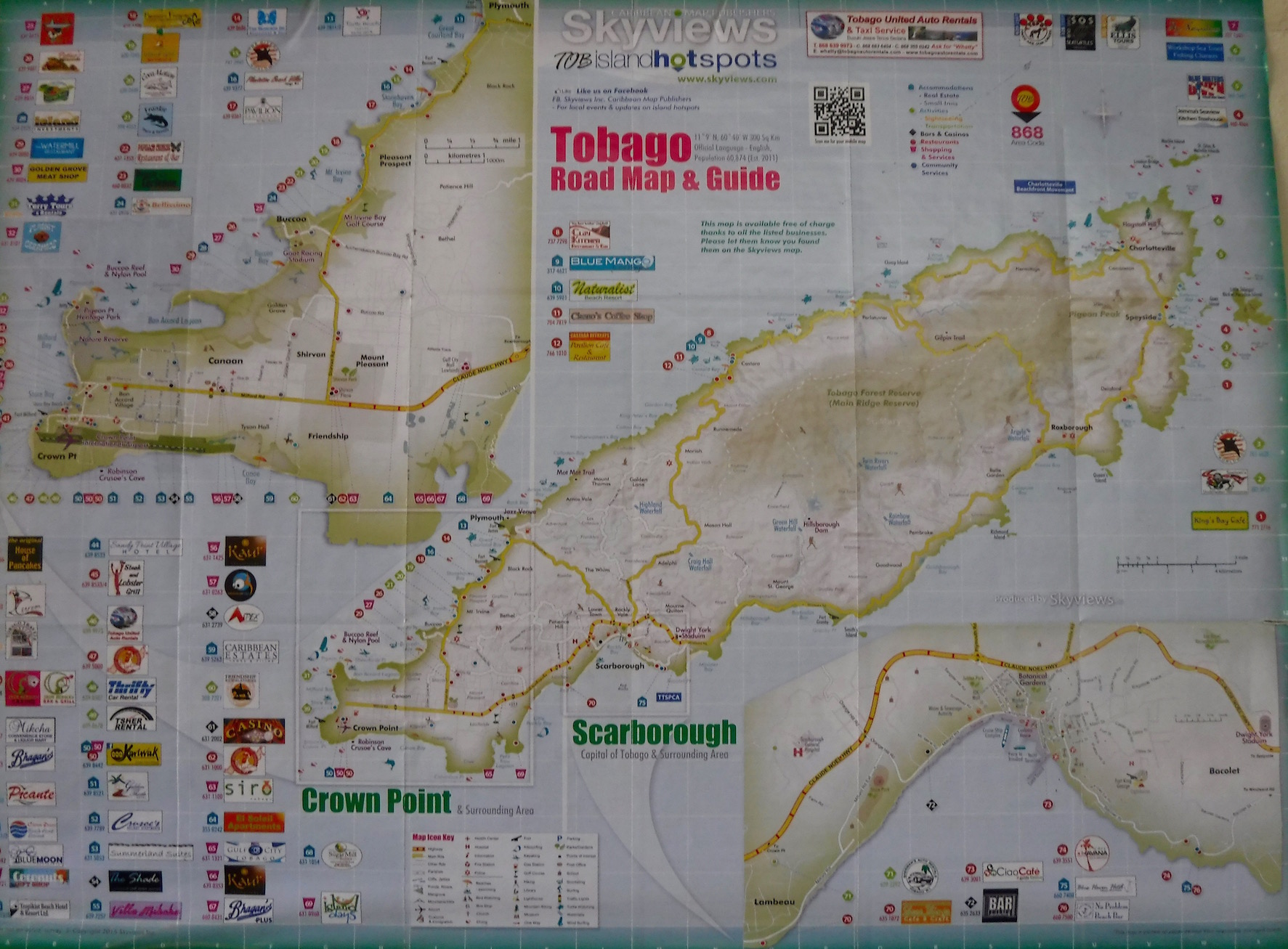
southeast: the capital, Scarborough, on the Atlantic coast north: Charlotteville, on the Caribbean coast
The country’s yacht clearance procedure has some peculiarities we had never encountered before. When leaving one port before entering another (say, if you sail north from Scarborough to Charlotteville), you have to clear out with both Customs and Immigration; on arriving at the other port, you must report immediately to Immigration and Customs and clear in again. In other words, while you are sailing between the north and south of the island, you are formally checked out of it, and on arrival you are required to register again. You may stop overnight in bays along the way, provided you notify the Immigration officer in advance.
Immigration wants to see every member of the crew (this was the first—and so far the only—country in three years where we all had to go and clear in together).
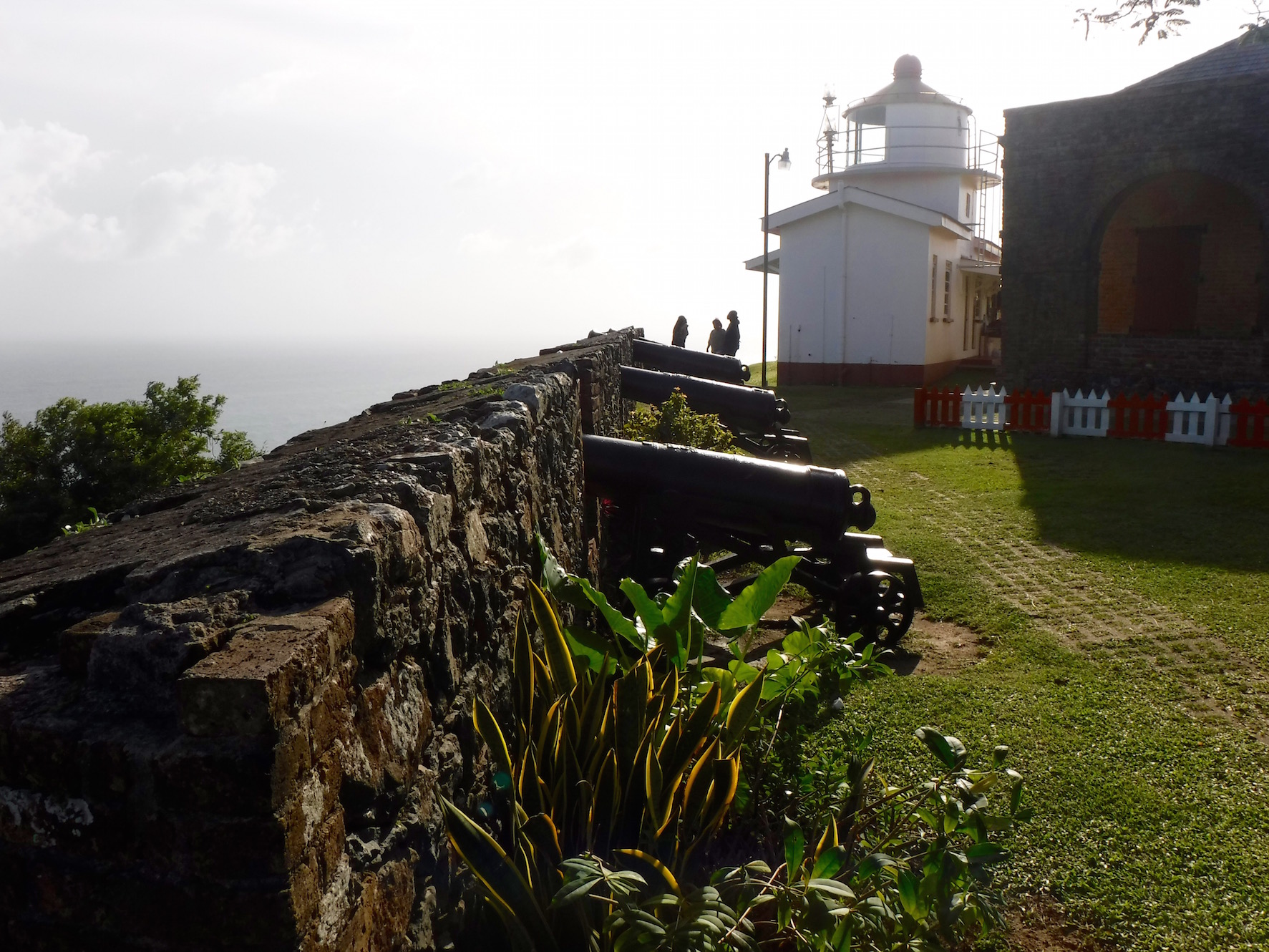
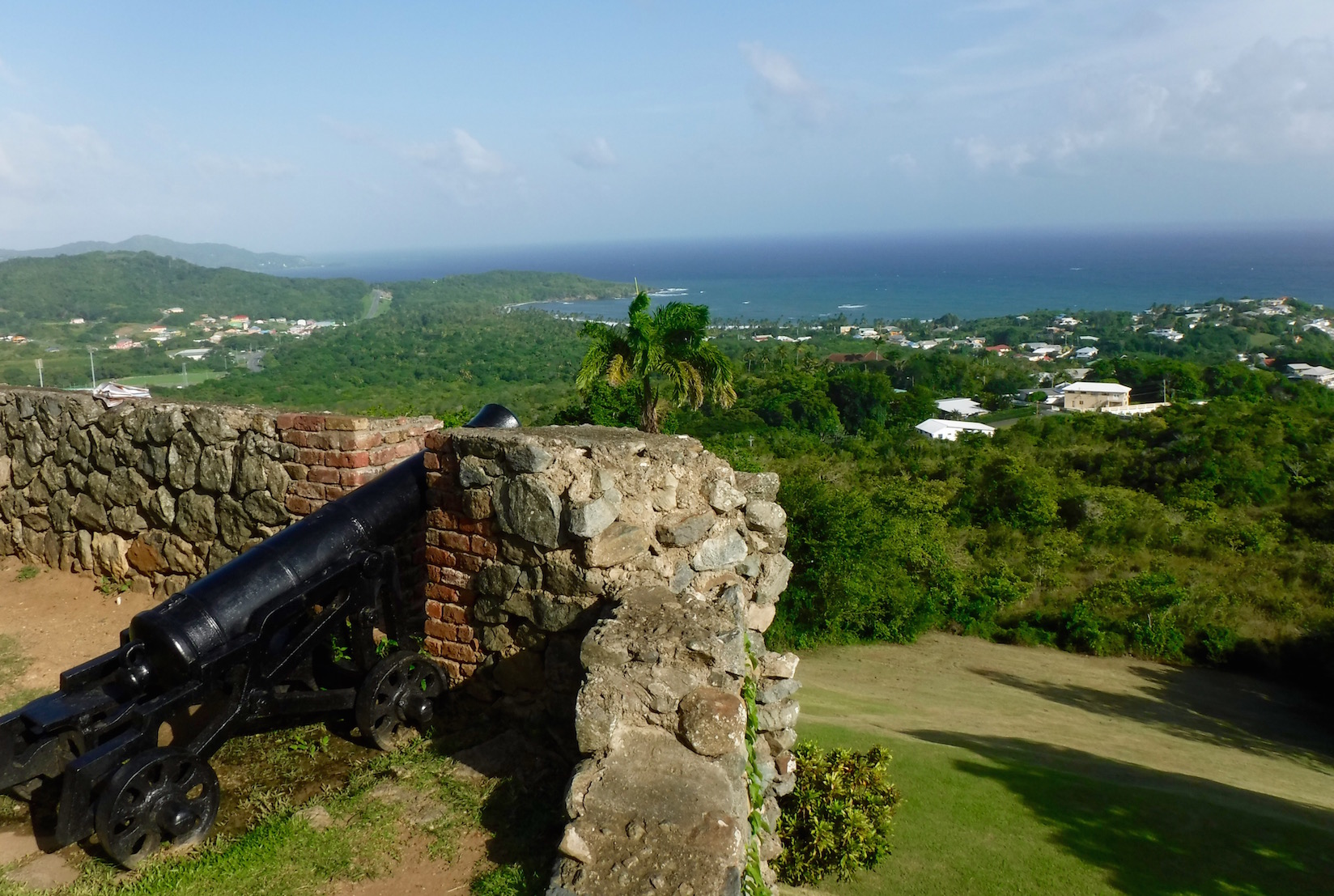
Fort King George bristles with cannon pointed towards the channel between Trinidad and Tobago. Guarding the peace of Scarborough Scarborough
Recommendation: Even if you arrived yesterday evening, say you arrived this morning.
By law, you must notify the authorities immediately upon arrival, so enter the territorial waters of Trinidad and Tobago during office hours on a weekday. An additional fee is charged for clearance outside office hours.
As usual, there are two places to visit:
Immigration
Customs
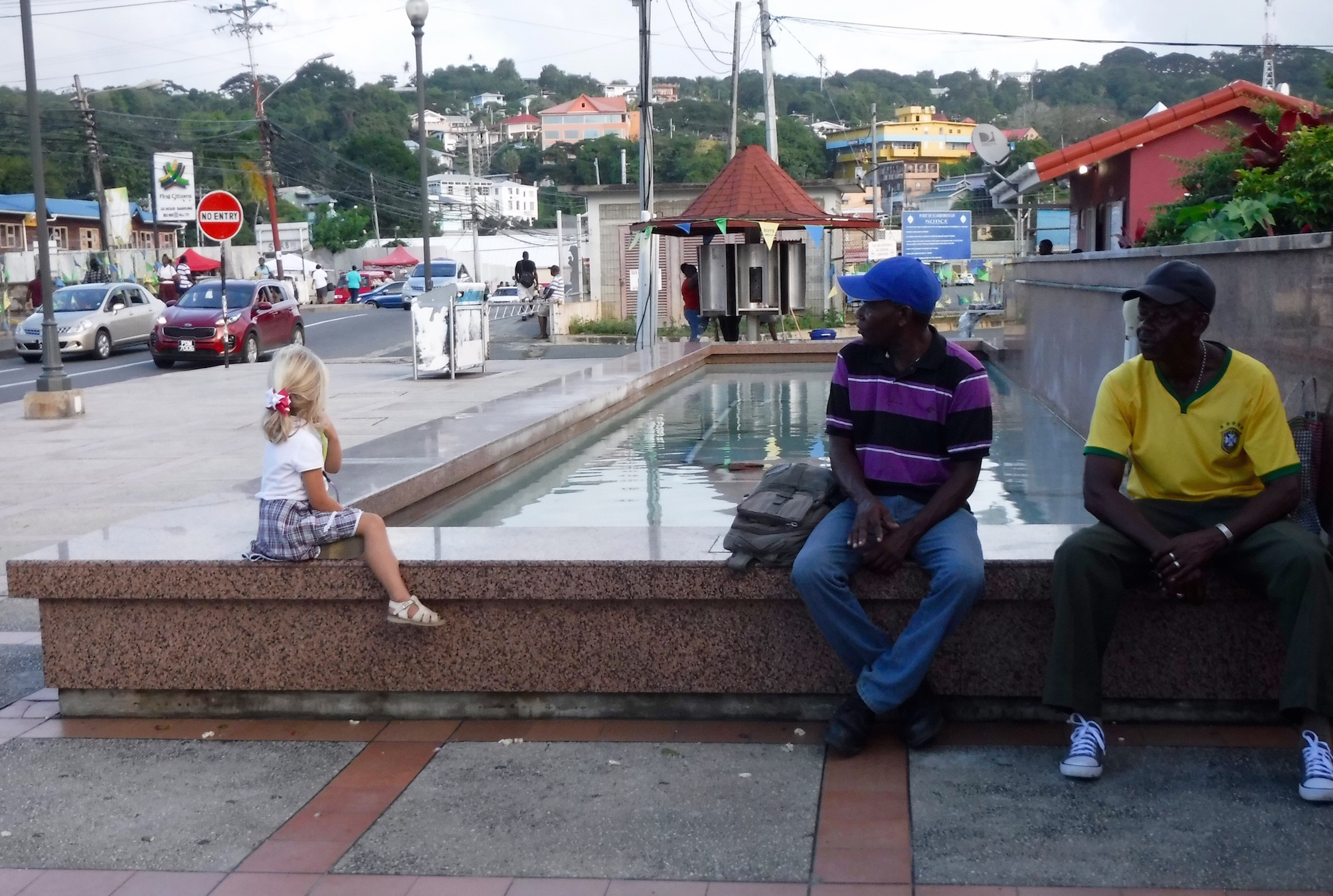
Fountain by the port building in Scarborough
Immigration is located in Scarborough’s passenger terminal. The security at the entrance is almost like an airport, with a metal detector arch and an X-ray scanner for luggage. They let in passengers with tickets, or people going to Immigration. Apart from us, nobody is there to clear in.
A stern, imposing lady at the entrance examined our passports carefully and handed us a stack of clearance forms.
This time there was one unusual detail in our papers: the last port where we had officially been recorded was Mindelo (on the other side of the Atlantic), almost three months earlier. From the Cape Verde Islands we had officially cleared out for Suriname, but never entered it. Instead, we went to French Guiana and did not clear in there, anticipating visa problems:). Only later did we hear that a French Guianese Customs stamp on the crew list is accepted as sufficient documentation in Tobago.
We had no such document to present, so when the stern lady asked, we had to reply that our Atlantic crossing had taken two months and twenty days. Even someone who knows nothing about the sea would understand that this was... umm... rather a long time.
“How long? When did you leave Mindelo?” the lady asked for clarification.
“On 20 September,” the captain replied, looking the official honestly in the eye. “Well, there was no wind, and then we had a breakdown too. We sailed almost without any canvas.”
“Okay,” said the lady, and disappeared through a door.
The only splash of colour on the wall at Immigration
For 40 minutes in the waiting room, the first mate and senior young sailor studied the map of the island, mentally conjuring up scenes on the theme of “Russian illegal immigrants in a Tobago prison.” We had recently read about a Russian traveller who had spent several months in prison in Trinidad for violating the visa regulations. And he had not enjoyed it there.... The captain chuckled, adding his own generous half-kilo of pepper to our already pitch-black humour.
The lady reappeared and asked again how long it had taken us to sail from Mindelo.
“Two months and twenty days.” The captain stood firm. A man in uniform appeared in the doorway. “He’s bringing handcuffs—they’re about to haul us away,” the captain whispers. “Shh, what if he understands Russian?”... We quietly snigger into our fists, though we are a little apprehensive: what if we are right?
There were no handcuffs at Immigration that day. After taking another couple of signatures, they let us go in peace and explained how to find Customs. We grabbed our things and vanished.
Customs
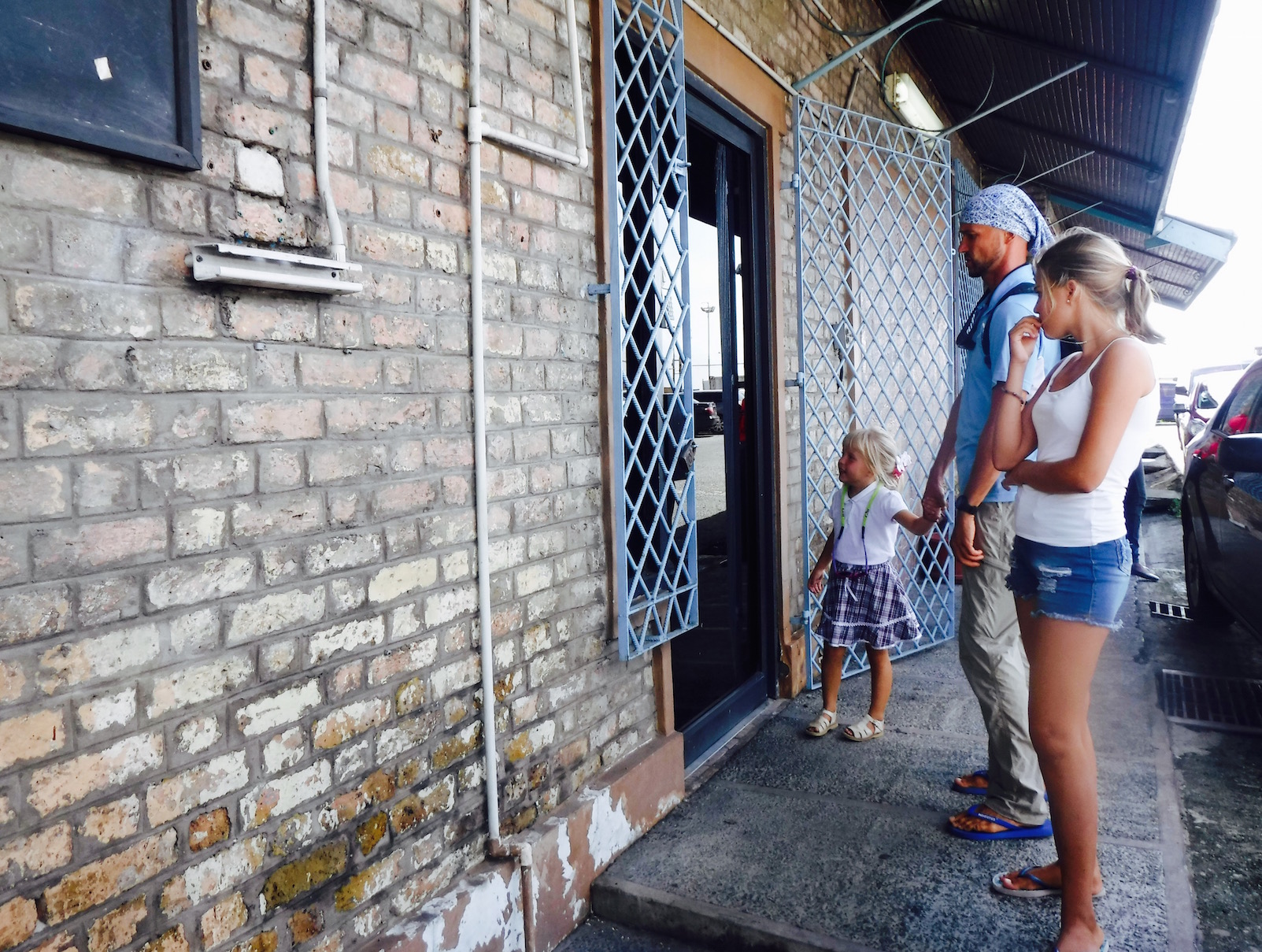
The welcoming Tobago Customs building
The single-storey Customs office stands about 200 metres from the port. Between the two offices are a long fence and a taxi rank. The Christmas wreath at the entrance told us that “kind-hearted folk live here.”
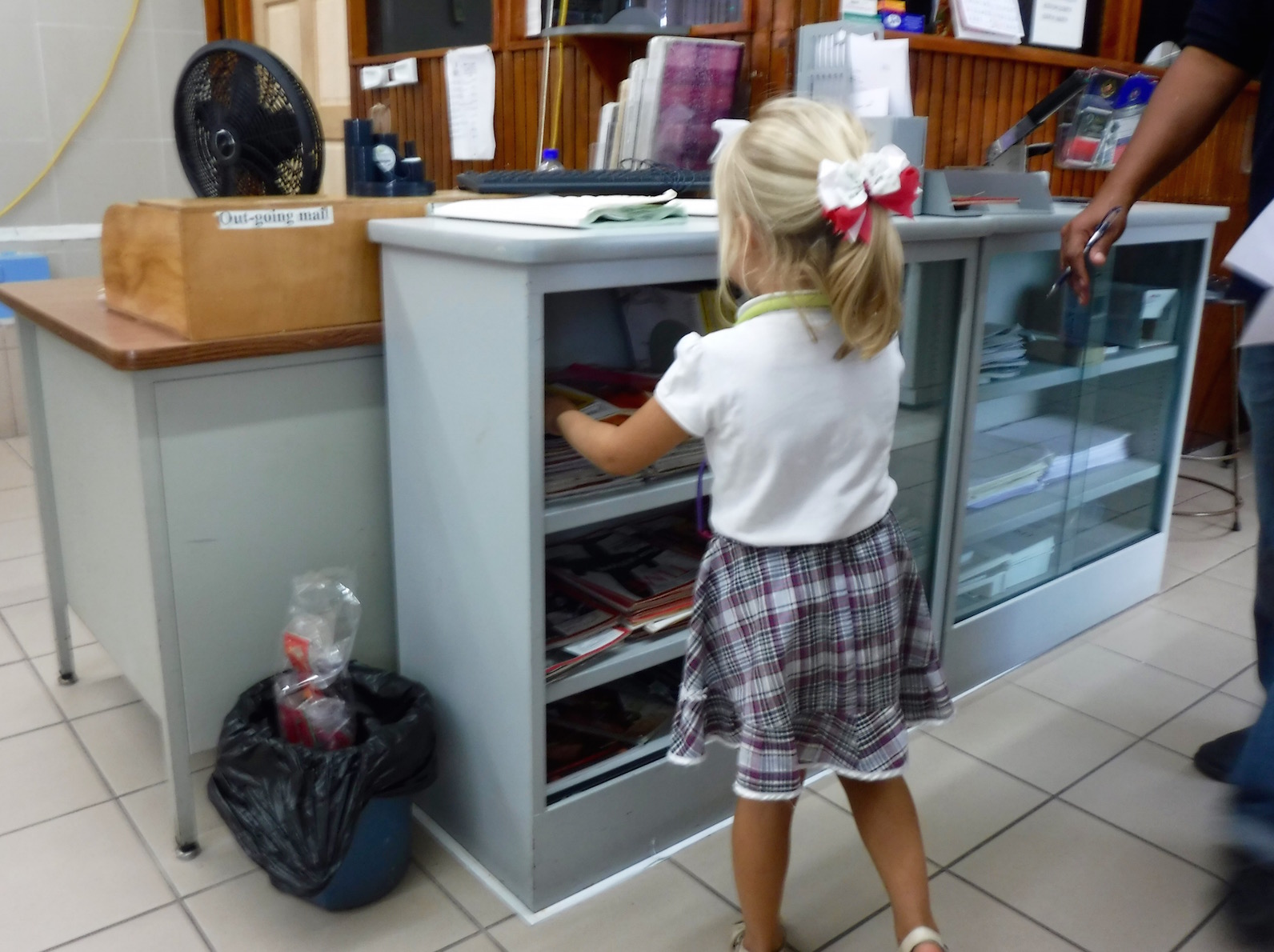
Customs smells like a Soviet post office. There is a Christmas tree, and the few visitors while away the wait by rummaging through two shelves of old magazines.
What shall we pick to read?
Seeing how interested Lada and I were in our reading—she in a cosmetics company catalogue, I in an environmental issue of GEO magazine—the officer gave us both copies as gifts.
The formalities are completed quickly, and the pleasure costs TT$50 (Trinidad and Tobago dollars; TT$1 = 10 roubles). While the stamps are being applied, we switch to studying the posters on the walls:
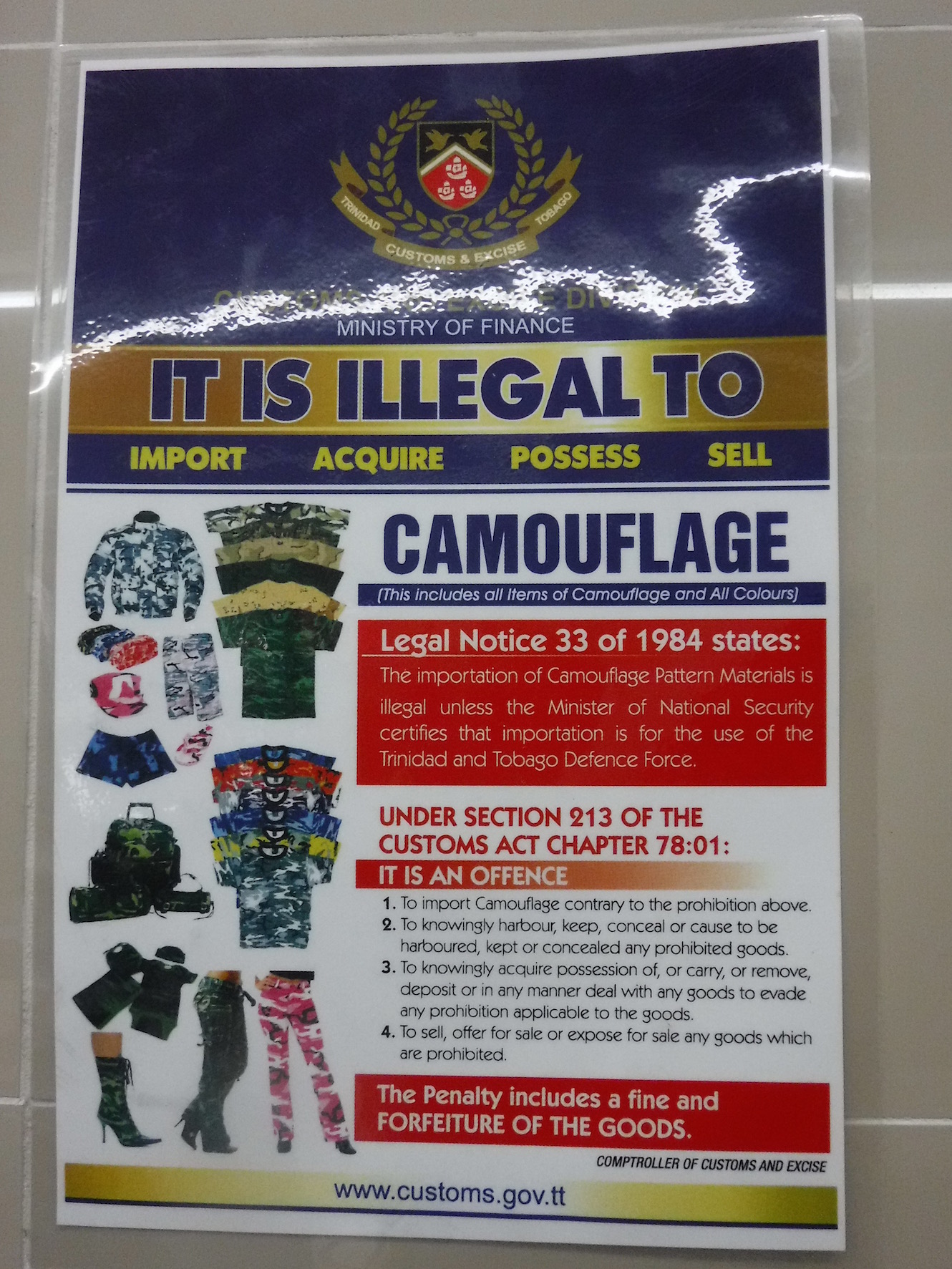
This one prohibits wearing, possessing or selling camouflage clothing, even if it is a pair of high heels or a miniskirt.
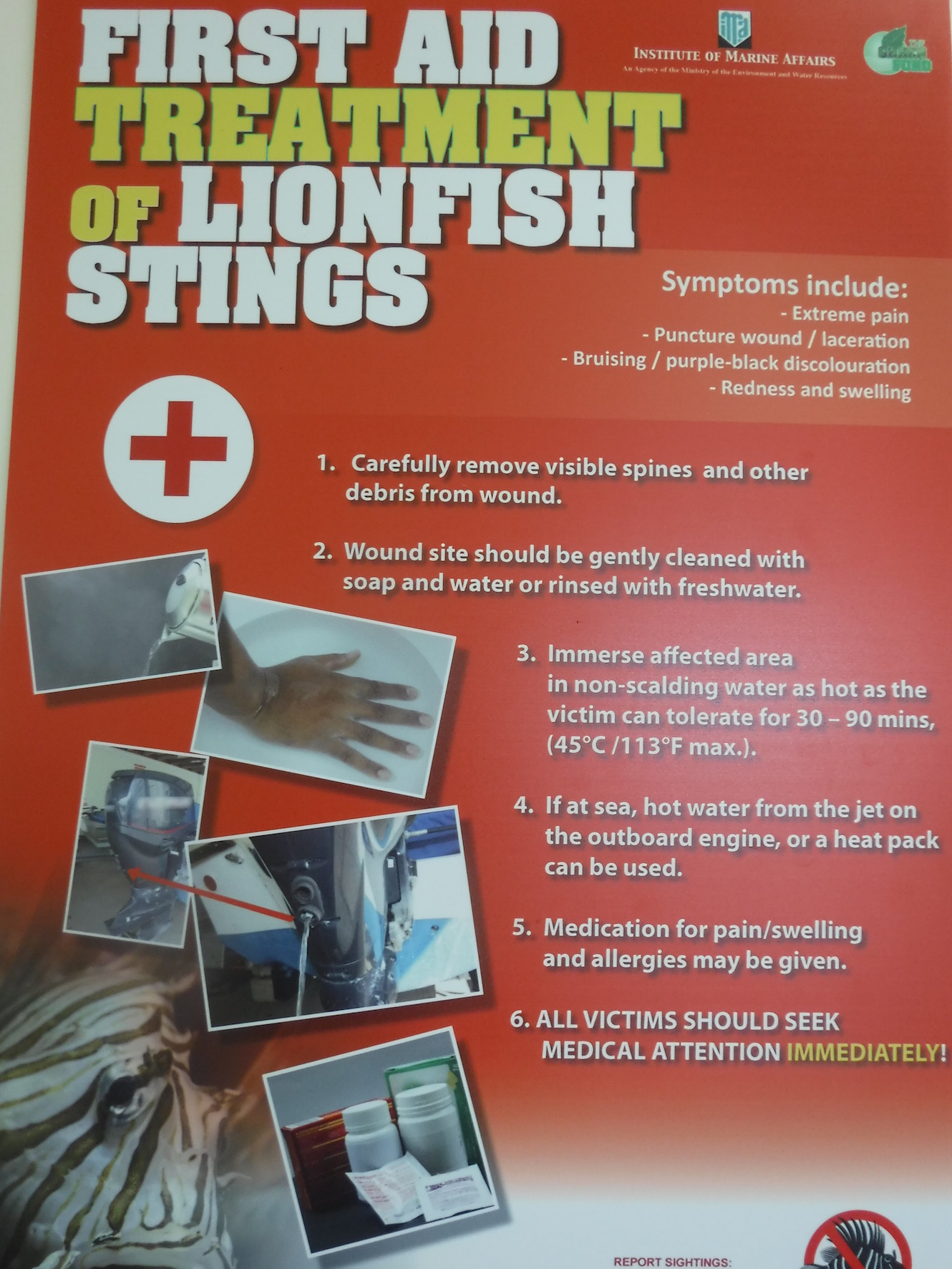
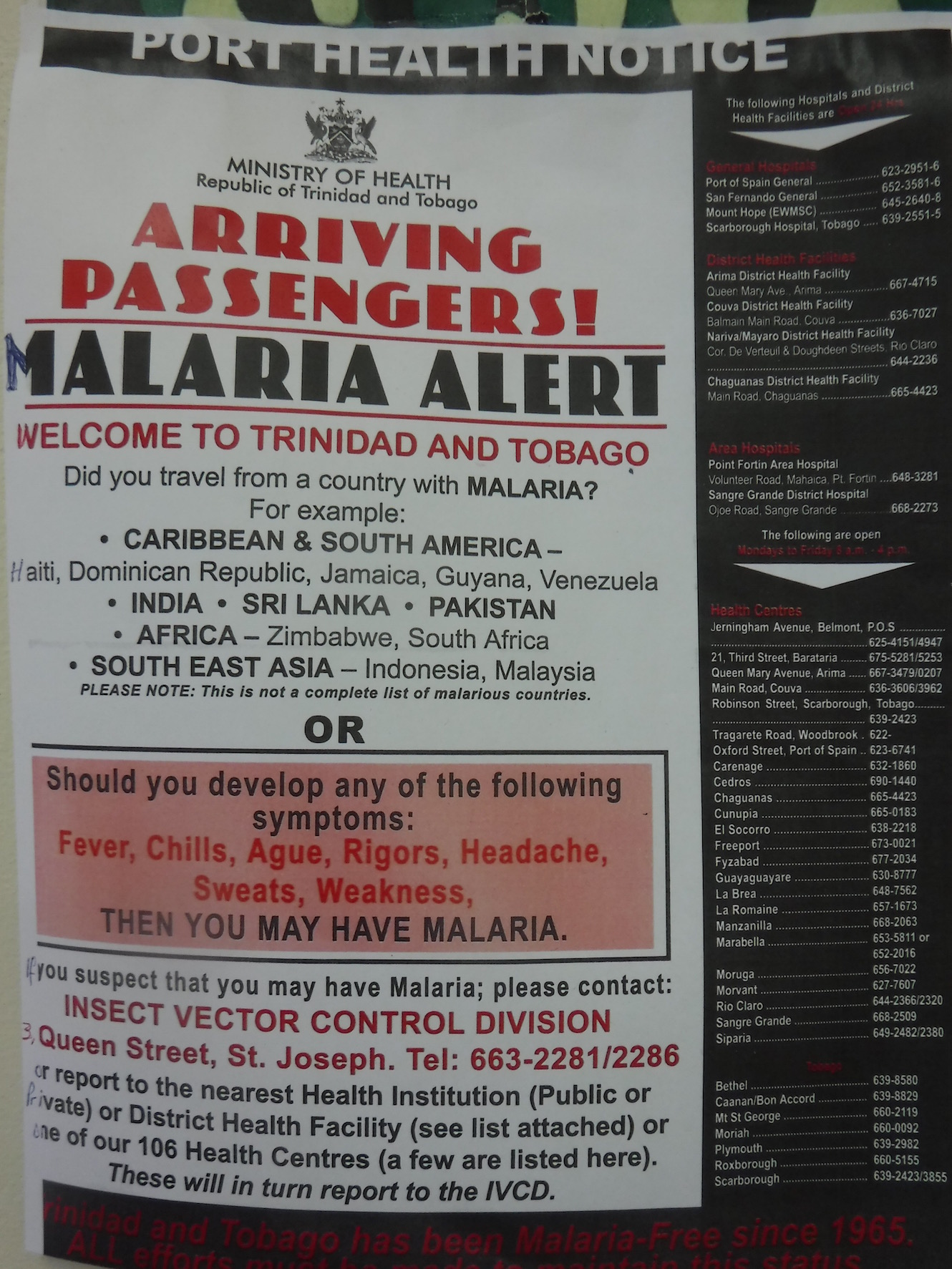
The others are about malaria and wounds inflicted by the beautiful and terribly dangerous lionfish—see the end of the article.
Before we left, everyone wished one another a merry upcoming Christmas.
Before leaving our current anchorage (in our case, Store Bay in the south) for Charlotteville, the procedure took even less time. We were no longer afraid of prison, and the officials were quite nice.
Keeping up our tradition of sending our nearest and dearest a postcard from every country, we asked the staff where their post office was. The question proved so difficult that the Customs officer had to phone a friend and ask the audience for help. An elderly lady who was there as a customer saved the day; apparently, she was the only one who still remembered the pre-internet era:).
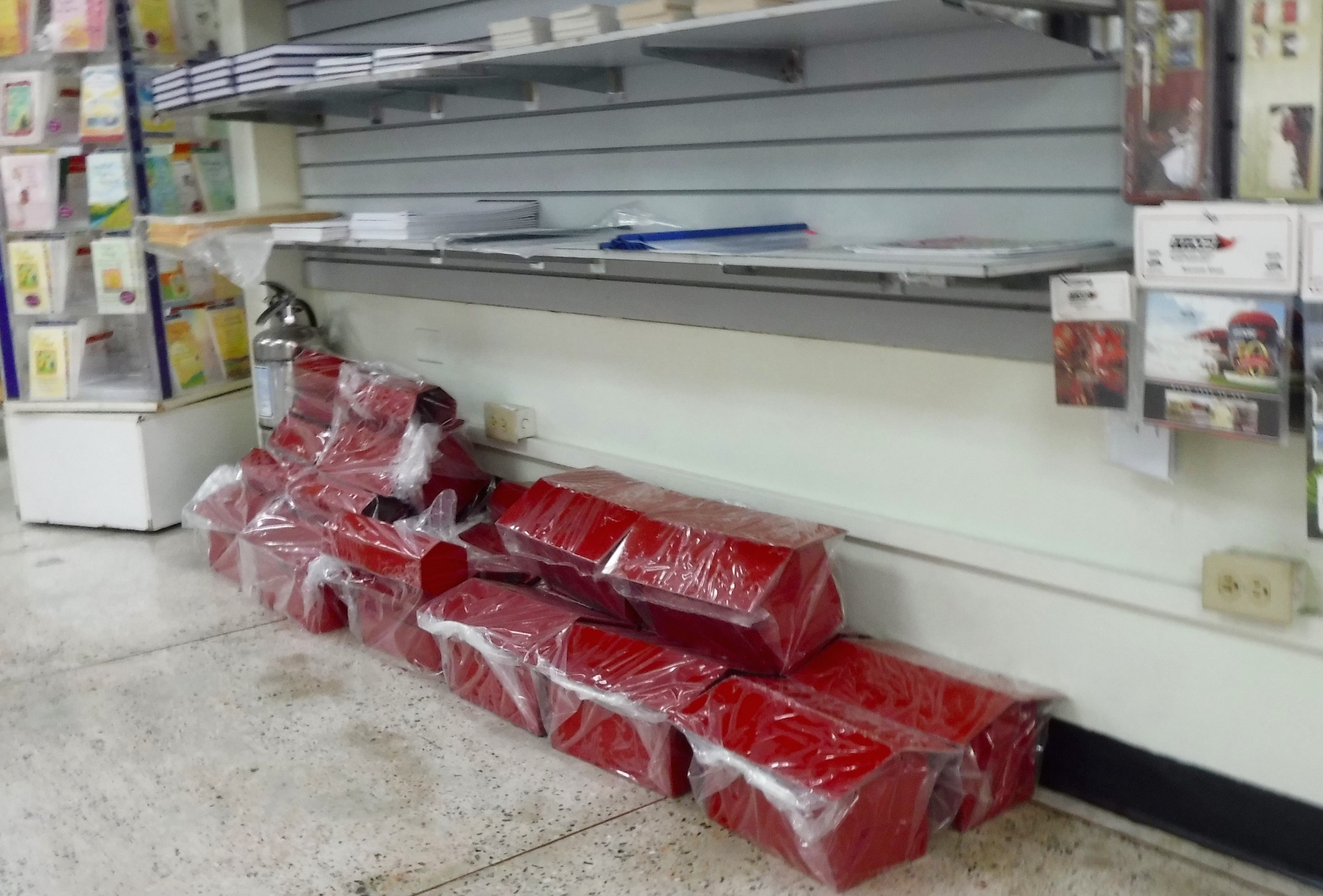
Photo from the post office by Lada. Mailboxes in the English style, apparently—long, narrow little houses into which a newspaper or magazine will fit only when rolled up. These “birdhouses” stand or hang outside every home After
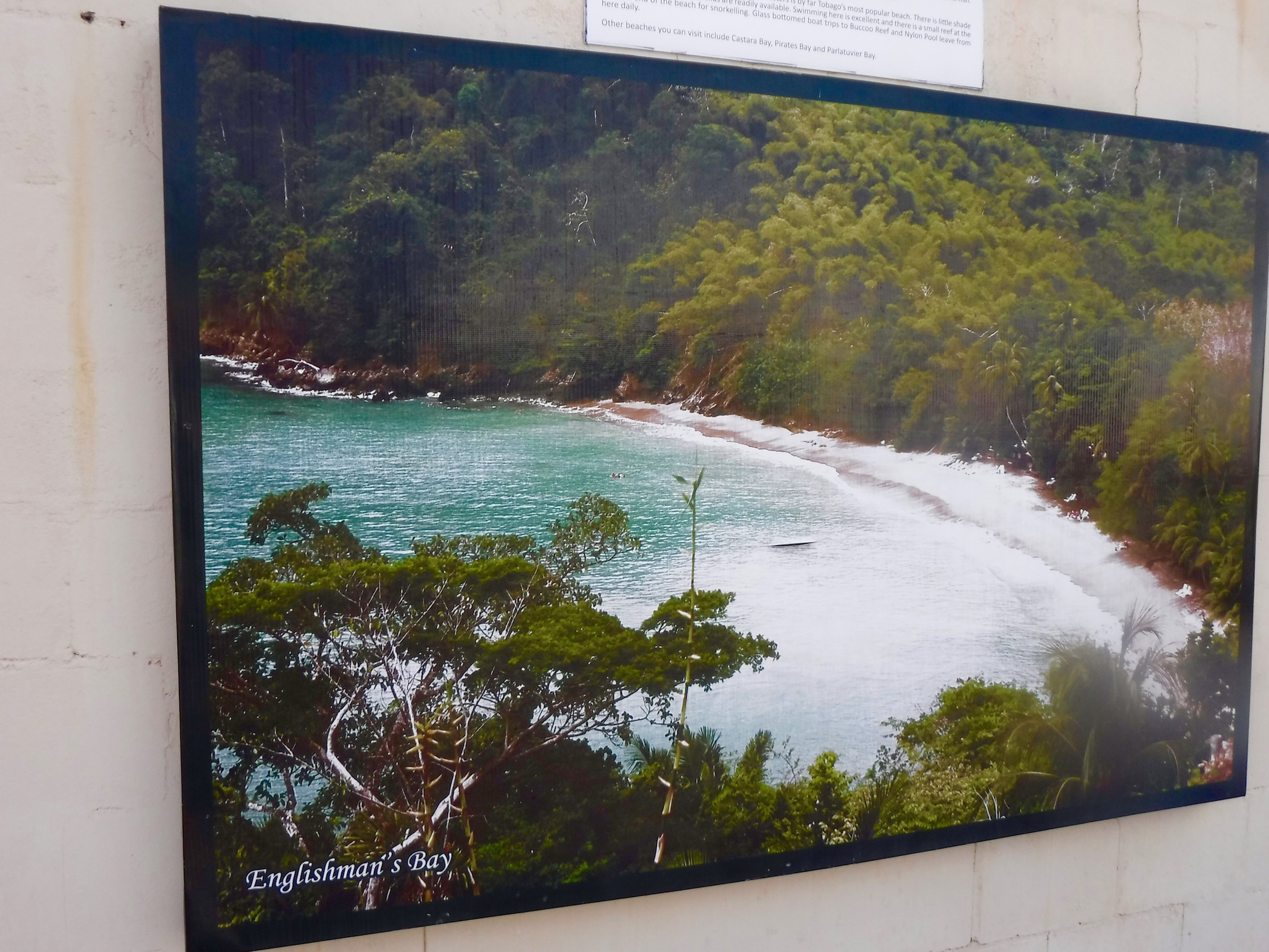
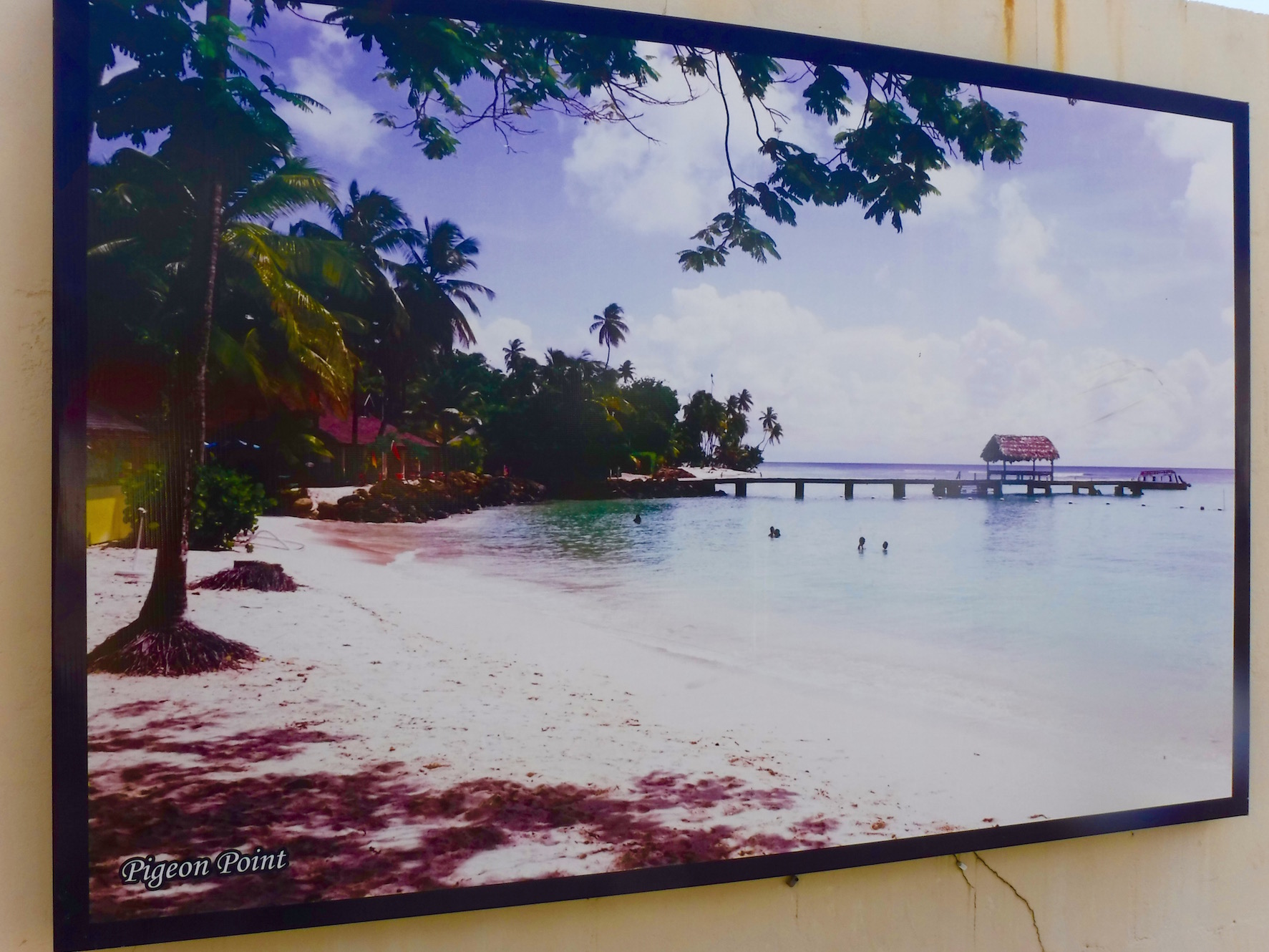
Store Bay, where we had stayed in the south of the island, Lady Mary dropped anchor in Englishman’s Bay (the Immigration and Customs officers had been notified in advance). Here is a poster of that very bay, displayed on the fence that delights the eye of everyone walking from the port to Customs in Scarborough:
Tobago, secluded Englishman’s Bay. One of the posters on the long fence
Charlotteville
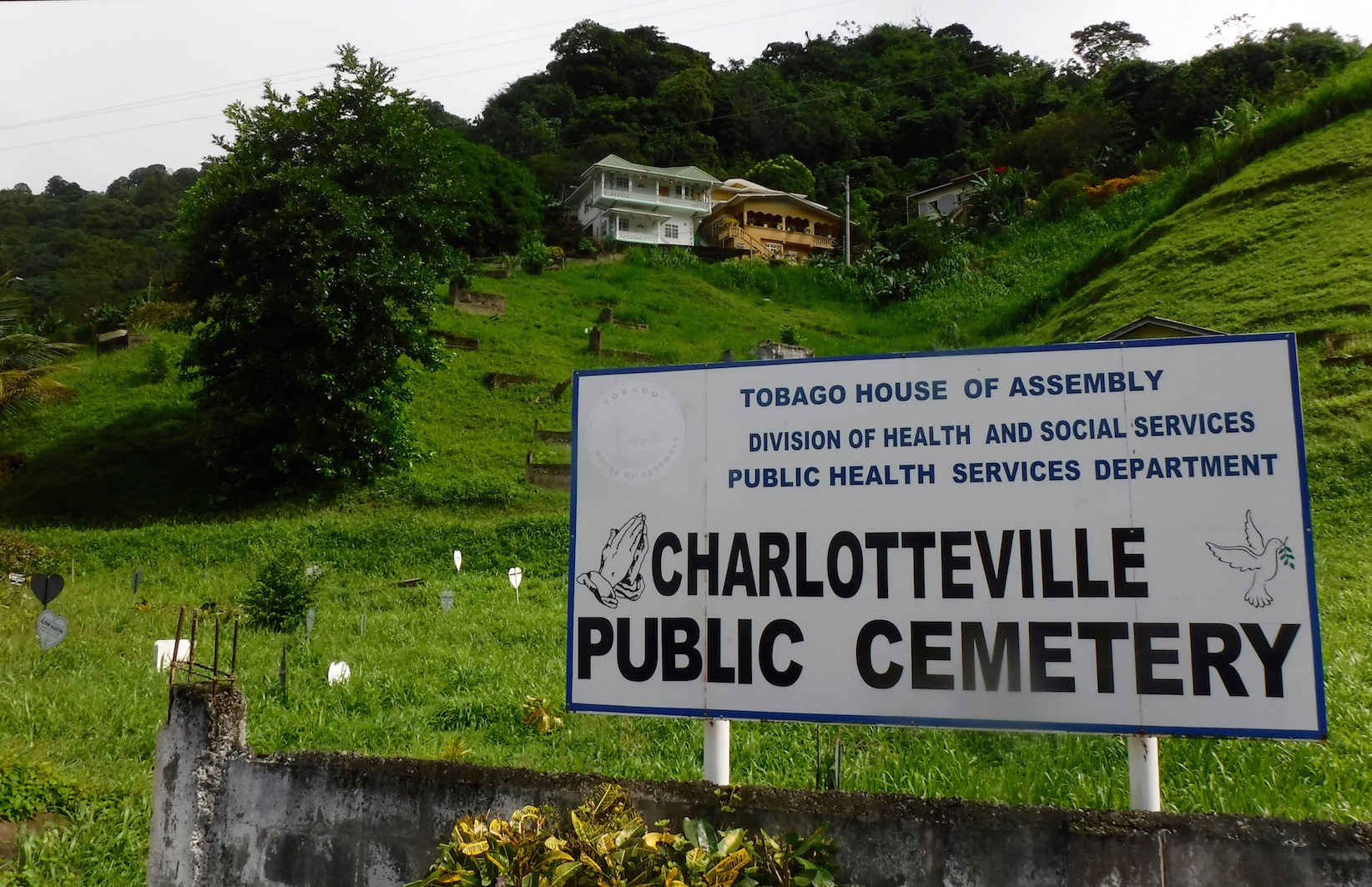
Customs and Immigration are in the same building, directly opposite the cemetery. The cemetery sign tells us that the same department is responsible for both healthcare and funerals in the country. For some reason, we immediately felt like avoiding any dealings with the local healthcare system.
The cemetery entrance and simple monuments in the shape of metal hearts among the grass
For clearance, it is important to report to the offices at the proper time (from 9 a.m. to 5 p.m. on weekdays), and not try to shave a couple of hours off your arrival time. Our neighbours arrived in Charlotteville at dawn but said they had arrived at ten. In response, they were shown a photograph, accompanied by the polite question: “Here is a photo taken at 7:40 a.m. This is your yacht, isn’t it?”
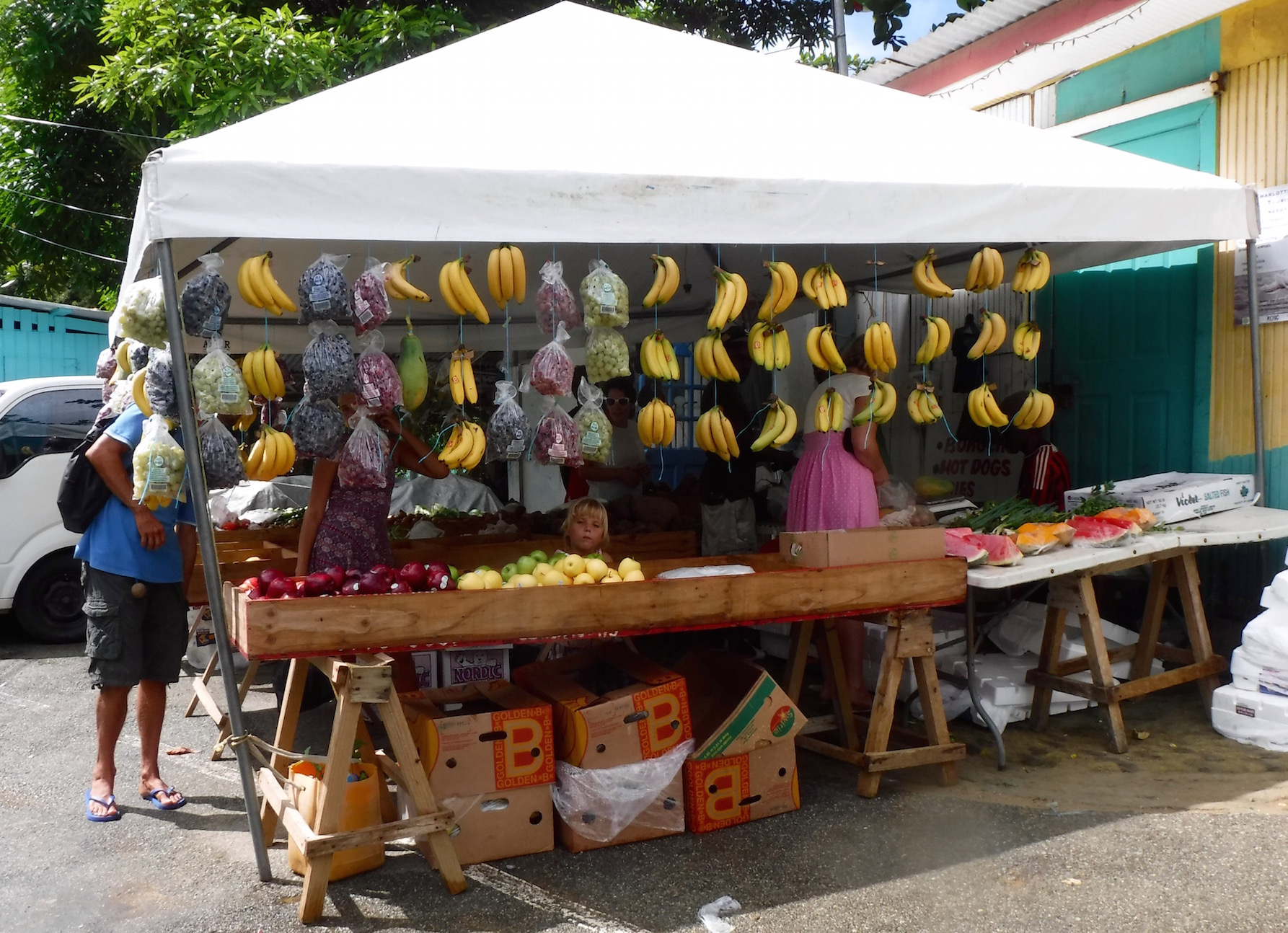
The friendly woman at Immigration asked how long we were planning to stay, told us the holiday opening hours, and advised us to run straight from the office to the market for fruit, because it was held only on Fridays and tomorrow was Christmas Eve. The official wished us a merry Christmas and treated the young sailors to biscuits.
Customs in the next room gave us the all-clear very quickly, and we headed to the market.
“Get it while you can”—a mobile mini-market in Charlotteville
Clearing out of Tobago follows the same sequence. There are no queues, though you may have to wait a little for an official if they have stepped out. It is a village, after all:). But it is not tiresome.
Once the formalities are complete, you have another couple of hours to sail away.
The other Caribbean islands will be covered in the next post (the link will be active soon) Wishing everyone less bureaucracy!
More photos
Fort King George defended the entrance to the bay and controlled the channel
Poster at Customs. If you have been stung by a lionfish (commonly known in Russian as a “winged fish”)
Poster at Customs. If you have been in regions with malaria...
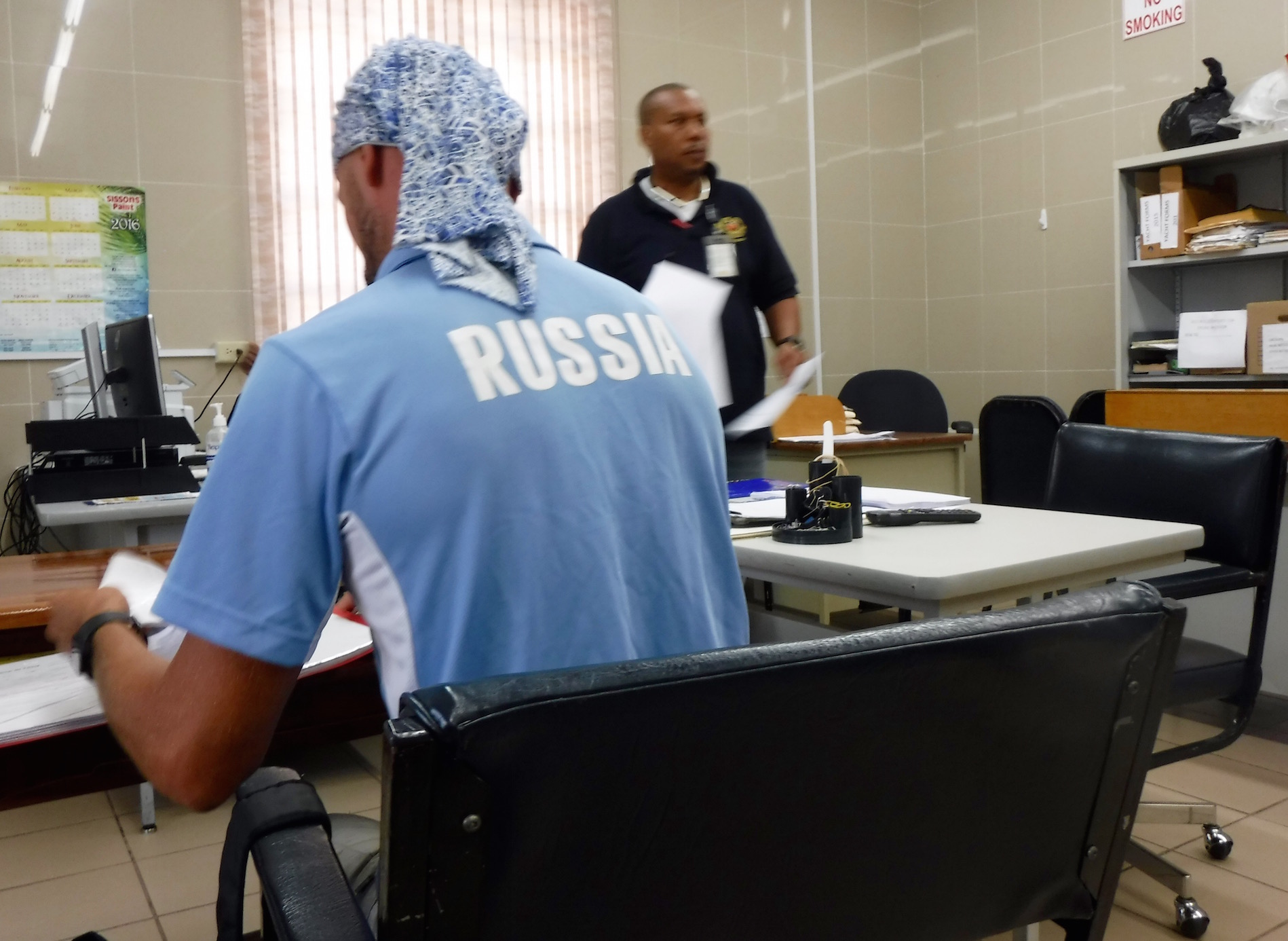
Filling out documents at Customs in Scarborough
Another poster on the port fence in Scarborough
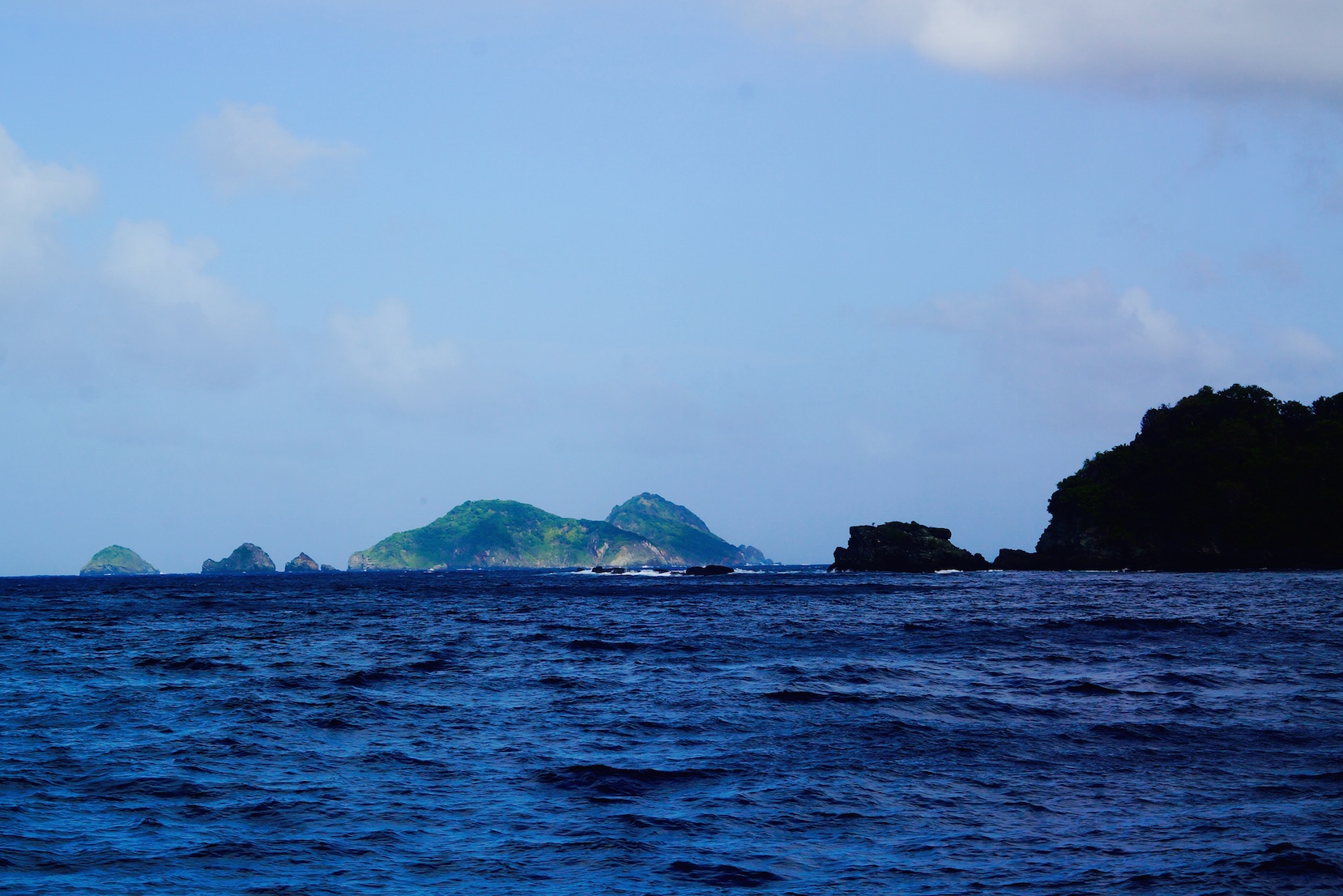
Heading out to the open sea from Charlotteville