
From the Travely-Family archive · Atlantic
Of the Canaries and the Gardens of Eden
An original publication from the former Travely-Family website. This English translation was preserved from the technical-site archive without editorial rewriting.
Of the Canaries and the Gardens of Eden
We managed to slip across from Gran Canaria to Tenerife before the storm. The marina staff actually congratulated us on it.
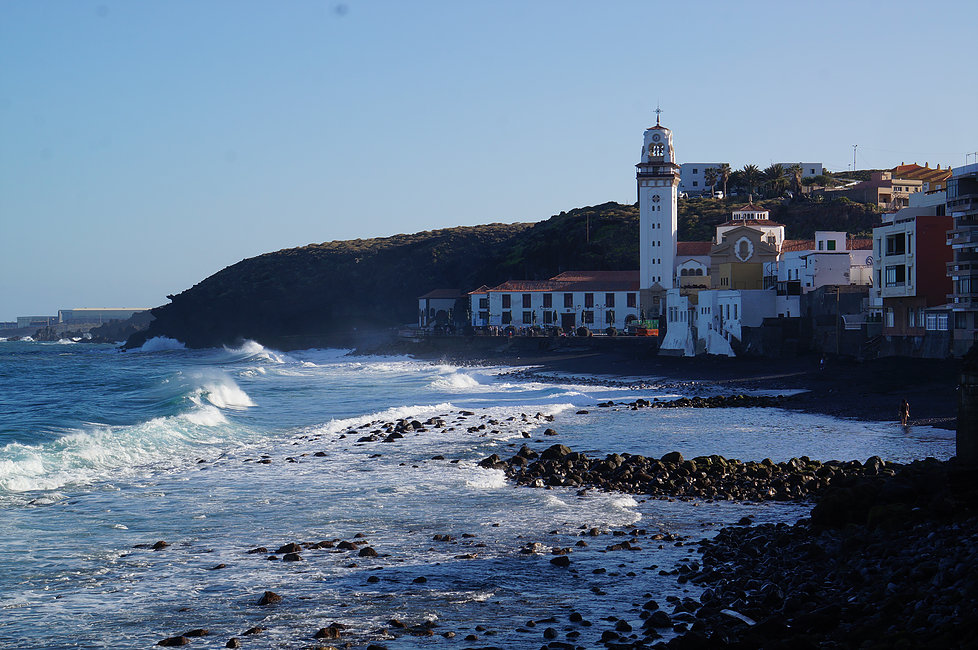
A bloke with Alexander Buinov’s face and the mannerisms of a young Celentano dashed out to meet our yacht at San Miguel Marina. He was quick off the mark because he thought we were heading for the fuel dock. Once the paperwork had been sorted out in the office, Buinov-Celentano cheerfully gave Laduska a ride in his little electric cart to our berth, took our lines and sped off to carry on Celentano-ing elsewhere.
That same day, we hired a car and set out to explore the island.
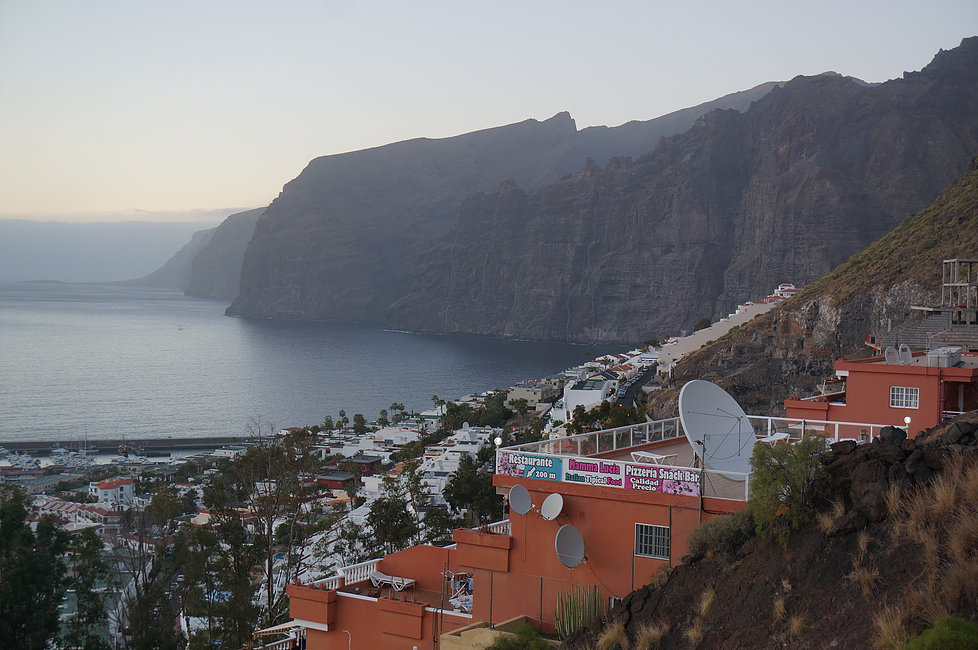
People often call the Canaries “paradise.” I have no idea who first decided to apply that word to everything under the sun. In the past twenty-four hours alone, I have come across it in reference to Thailand, the Maldives, the islands of French Polynesia, Altai and the Canaries. While the first three places may fit the definition of “paradise” (if we take nature adjoining a strip of white beach, air and water temperatures, and then subtract the human factor), Altai and the Canaries are clearly a stretch. It simply cannot be minus thirty in paradise, as it is in Altai! Nor can paradise be as harsh and otherworldly as the Canary Islands!
Paradise
In paradise, everything should be soft and blissful: curly little trees, fluffy clouds, angels fluttering about... The all-encompassing word “paradise” robs a place of its individuality. What exactly is a “paradise spot”? Personally, I picture a tropical island with one edge of its beach sinking into an azure sea and the other into lush vegetation. Palm trees hang right over the ocean; the water is as warm and calm as a bath, and as azure as a swimming pool.
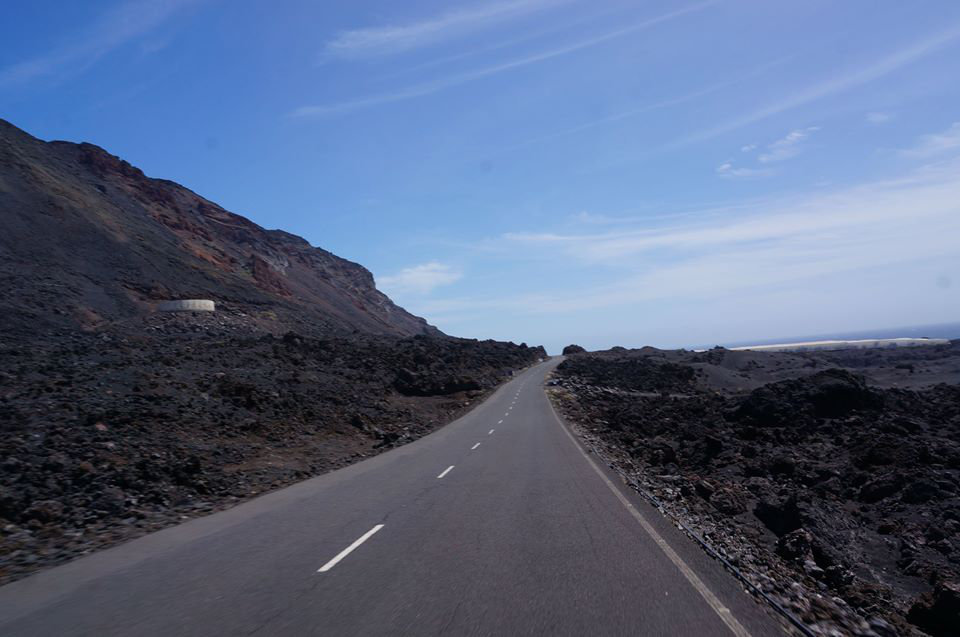
Brace yourselves and breathe out: none of that exists in the Canaries. Or rather, the only thing they do have is the azure.
If all you want is a beach holiday, there is no reason to come here: you can have a warmer and cheaper blast somewhere in Egypt or Thailand. Yet plenty of fans of the “I spend two weeks drinking Margaritas in the pool” kind of holiday stubbornly come here simply because the Canaries are cool (that tired dolce vita cliché: “a yacht and a villa in the Canaries”).
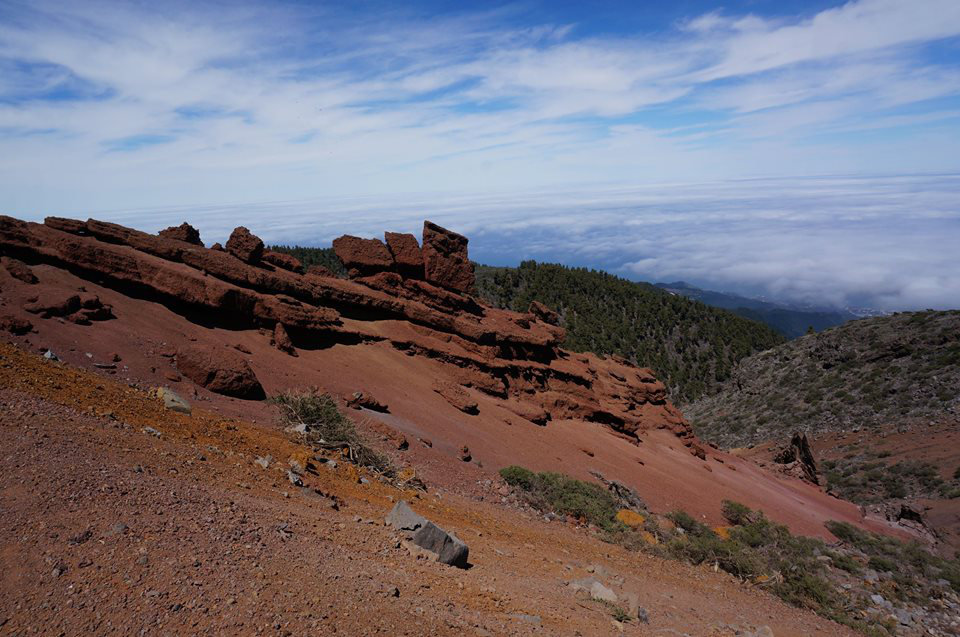
Meanwhile, the shores of most of the islands—especially on the southern side—are thoroughly uninviting and almost devoid of vegetation.
Trees grow luxuriantly along the coast only where they have been planted and watered. Dreary cactus skeletons and emaciated thorn bushes stick out of the volcanic soil. The sand is often black; the ocean is cool and mighty. And there is a lot of wind here. In short, these shores have very little in common with the Gardens of Eden.
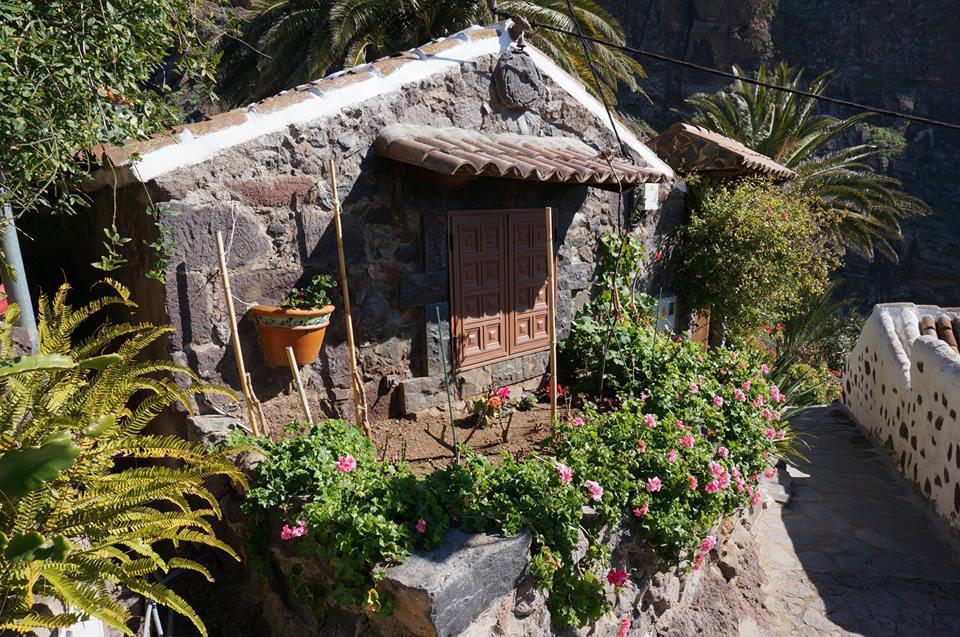
And yet, despite all that, the archipelago is magnificent. All the islands’ beauty begins inland. Here you will find taiga and Martian desert, volcanic hills and villages straight out of a film.
Mars and the Moon
Even the cacti inland look livelier, alternating with bonsai-like trees and clouds of flowering shrubs. Winding mountain roads, enormous canyons, near-vertical walls covered in green velvet... then, in an instant, the lush greenery suddenly gives way to lifeless shards of outer space: welcome to an asteroid. A frozen cauldron of many-coloured paints that once boiled and poured forth in rivers. In places, those rivers are already blooming; elsewhere, they look as though they have only just cooled. They say the lion’s share of science-fiction films about space are shot right here. You do not have to go far to find Mars and the Moon. Or an asteroid.
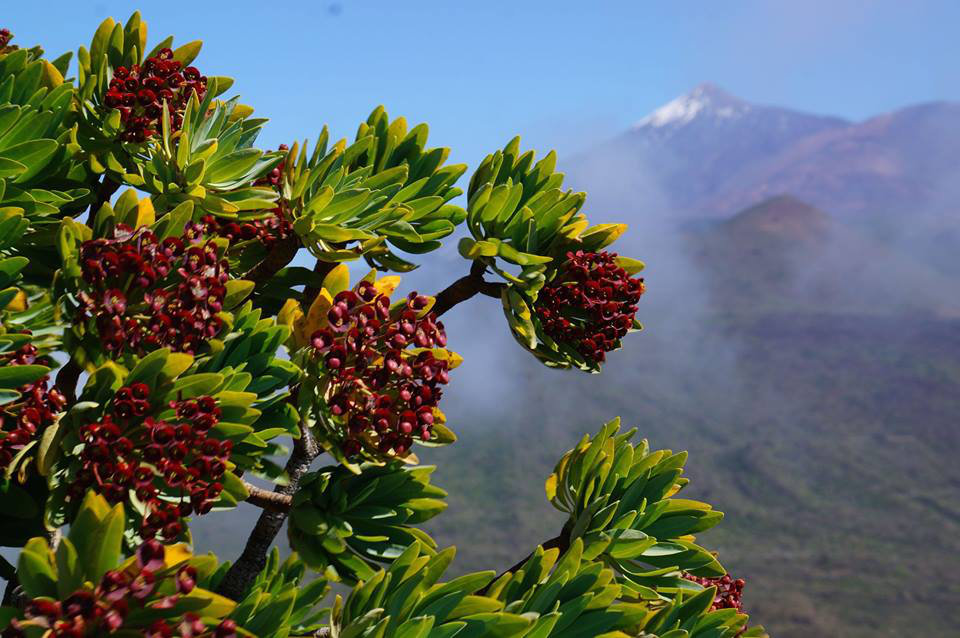
To hell with coach tours! Hire a car or a motorbike. A bicycle will do too, if you have strong legs and a tough backside. Personally, I admire the heroism of cycling tourists in the Canaries: after climbs that long, do they have any strength left to admire the scenery?
Teide
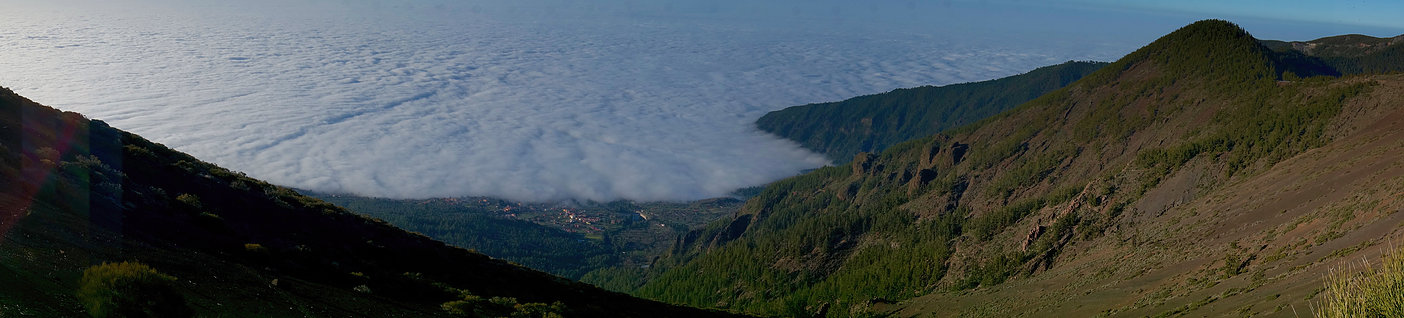
Teide, a mighty giant, watches over the islanders’ peace like an elderly father, sheltering Tenerife beneath his vast bulk. It can be seen from almost everywhere. Sometimes it merely signals its presence with the summit of its crater peeking between the mountain ranges. From another vantage point, however, the peak seems larger than the entire rest of the island.
The winding ascents sometimes pierce the clouds, slicing through them. After breaking through into the sunshine, the traveller is rewarded with an endless white field of milky cotton wool lying at their very feet, and the sunlit summit. And they will see, a few dozen miles away, the dark crowns of the neighbouring islands—La Gomera, La Palma and El Hierro—rising from that cotton wool.