
From the Travely-Family archive · Other Entries
Thailand
An original publication from the former Travely-Family website. This English translation was preserved from the technical-site archive without editorial rewriting.
About visas
Russians do not need a visa for a 30-day stay in the “Land of Smiles.” To find out what to do next, read here >> 🙂
About the King
A kingdom ruled by the world’s longest-reigning monarch, Bhumibol Adulyadej. The King ascended the throne in 1946, at the age of 19, and took the title Rama IX. Incidentally, he is the only monarch entitled to US citizenship by birth. The King’s fortune is estimated at somewhere around 35 billion dollars. In Thailand, Rama IX is revered as a semi-divine figure. Despite his ceremonial status, Bhumibol Adulyadej has made important political decisions on more than one occasion.
Curiously, the King’s mother was a commoner, not of noble birth. And Prince Bhumibol became king only because he had been born several years before a decree issued by his uncle, Rama VII. The decree stated that a king’s children born to commoners would receive the lowest status of all princes and princesses. In short, had the King been born a little later, he would not have had a hope of taking the throne until all his brothers and sisters had sat on it first.
Once, we had the good fortune to see the royal couple. Opposite Bangkok Zoo, there is some sort of ministry building, or council building. And the King’s motorcade happened to drive along the cordoned-off road while we were standing on the pavement. The royal motorcade was led by motorcycle police, followed by several identical cars. Then a vintage golden limousine appeared, and—wait for it!—there were two people in the back seat: a man and a woman dressed in yellow and gold.
31 October 2010—the day we saw the top of the living King’s head and the edge of his clothing:). God grant him good health. Which, incidentally, has sadly deteriorated badly of late.
About independence
Thailand is the only country in Southeast Asia never to have been anyone’s colony.
About everything else
Here you will find smiling Thais and low prices. More and less convincing fakes of designer clothes, electronics and watches. A country where monosodium glutamate is sold by the sack alongside sugar and salt. A country where untouched jungle and beaches not yet overrun by tourists can still be found. But, fortunately for the economy and unfortunately for nature, tourism keeps growing, and there are fewer and fewer places like that. As everywhere, though.
We spent our winters, studied, lived and travelled in Thailand for a full seven years, until we moved aboard the yacht.
Places we have stories to tell about:
The north of the country
Chiang Mai
Pai
Central Thailand
Ayutthaya
Bangkok
The south and far south
Pattaya
Hua Hin
Prachuap Khiri Khan
Islands
Phuket
Ko Samui
Ko Chang
Ko Pha-ngan
Ko Lipe
So, here we go! A brief tour 🙂
Chiang Mai
The northern capital, a centre of traditional and contemporary art, as befits northern capitals:).
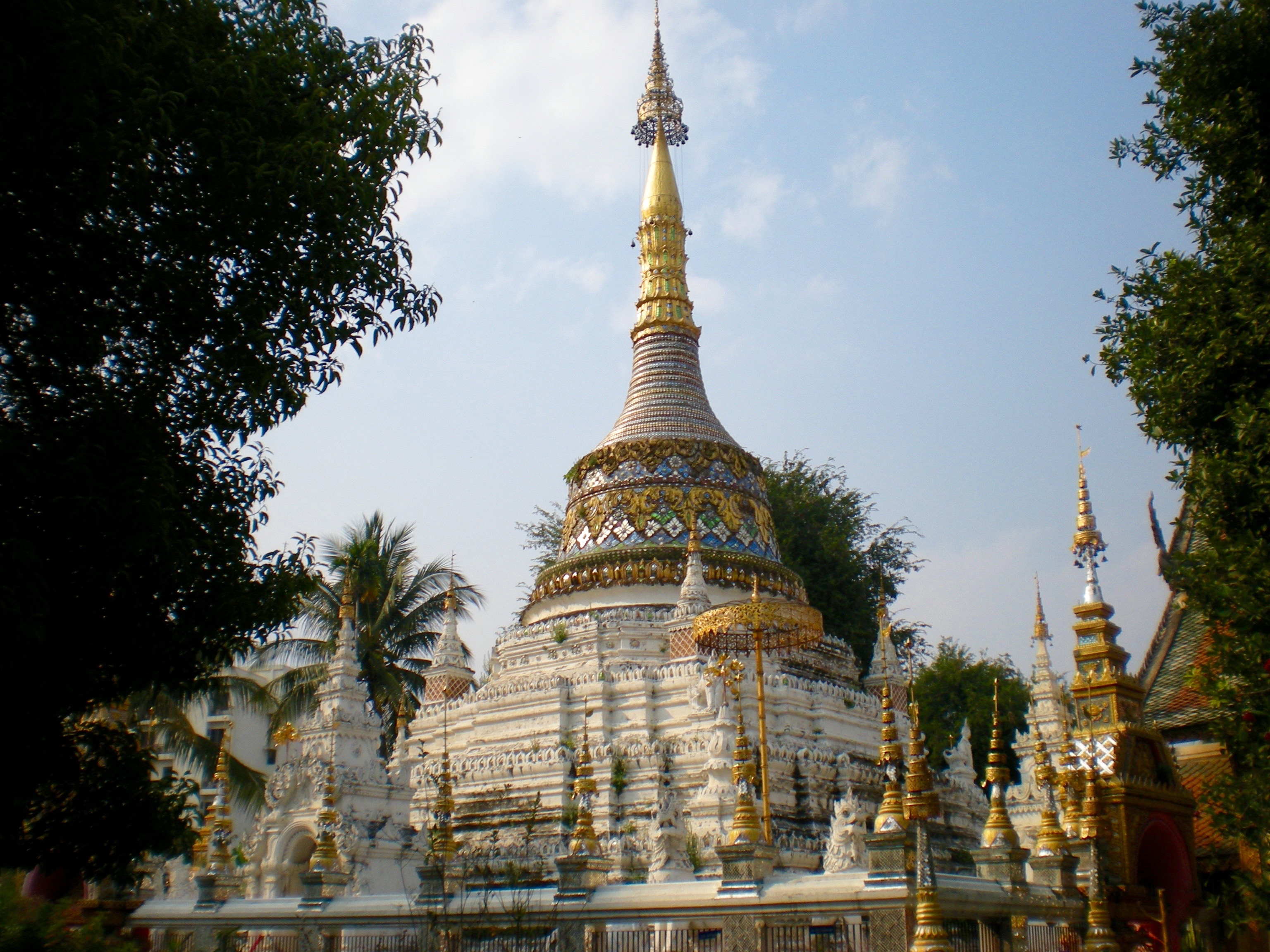
The remains of the city walls around the perimeter of the Old City and a royal palace. Lower accommodation prices and few Russian tourists. There are good Thai massage schools here, as well as genuine independent masters. In Chiang Mai and the surrounding area, there are monasteries and temples where no European has ever set foot. Cheap handicrafts at Sunday markets. Natural fabrics and various art festivals.
Pai
If you ride from Chiang Mai to Pai on a motorbike, your... umm... backside gets extremely stiff (and even goes numb!). But you get to enjoy views of mountain switchbacks and natural forest-covered canyons, while retaining a sense of being right there in the landscape—something you simply cannot achieve when travelling by car or bus.
Pai is a lovely little town, provided you are not looking for a raging party scene in its narrow streets. Handicraft markets and Rastafarian suburbs. Dreadlocked downshifters and backpack-toting backpackers flock here to smoke weed and merge with the laid-back, smiling atmosphere of northern Thailand to the music of Bob Marley.
Getting to Chiang Mai: by plane from Bangkok, Malaysia..., or by bus from Bangkok.
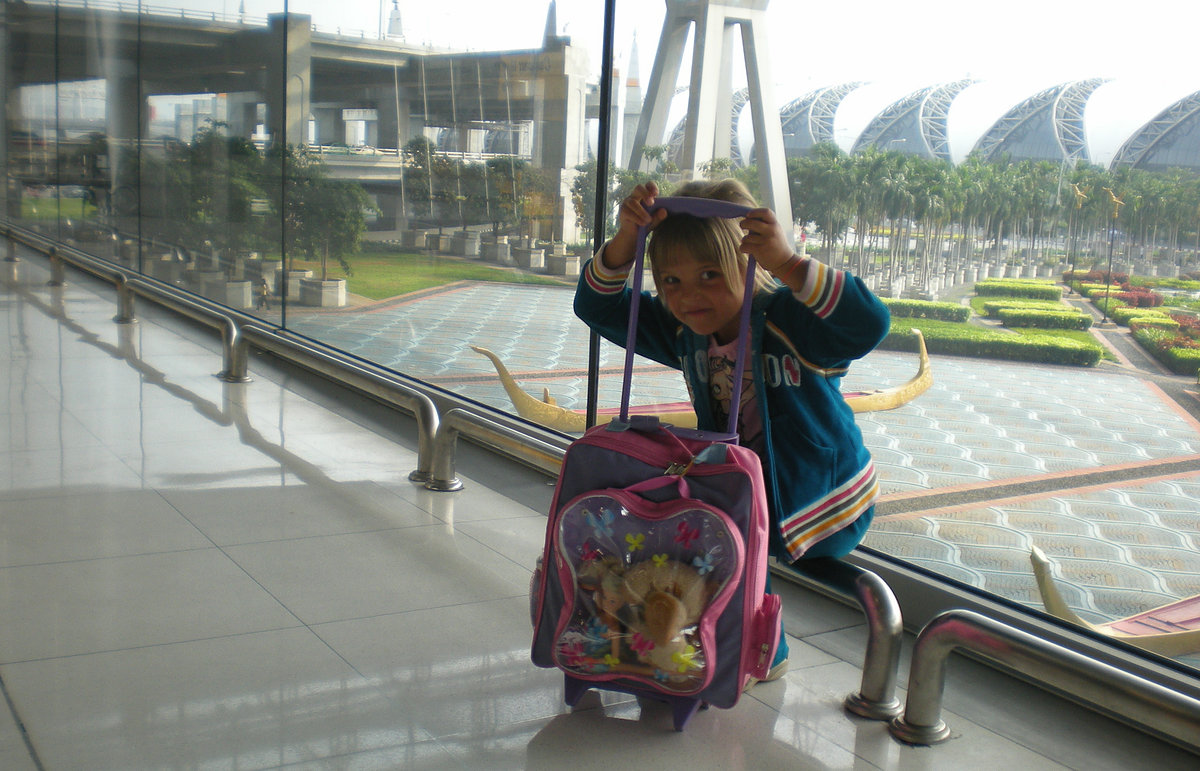
It is an overnight trip by road and a one-hour flight.
Getting to Pai: from Chiang Mai by scheduled bus, car or even motorbike.
Bangkok
The capital of the Kingdom of Thailand and a city without a sky. If you approach the capital by air from the sea, about 20 kilometres from the coast the transparent turquoise air turns into an opaque grey haze.
Three-tier streets, crowds of people and melting asphalt. Huge shops, gigantic hotels and complicated road interchanges. Well, you get the idea—we are not overly fond of Bangkok:).
Although the Grand Palace museum and several other beautiful sights are worth seeing. You should also take a river bus along the Chao Phraya River, see the floating market and have dinner in the restaurant at the city’s tallest hotel, Baiyoke Sky (do not confuse it with the plain Baiyoke Hotel).
Pattaya
If you do not want to ruin your impression of coastal Thailand, you should not come here. Our own Sochi is much more beautiful. And cleaner.
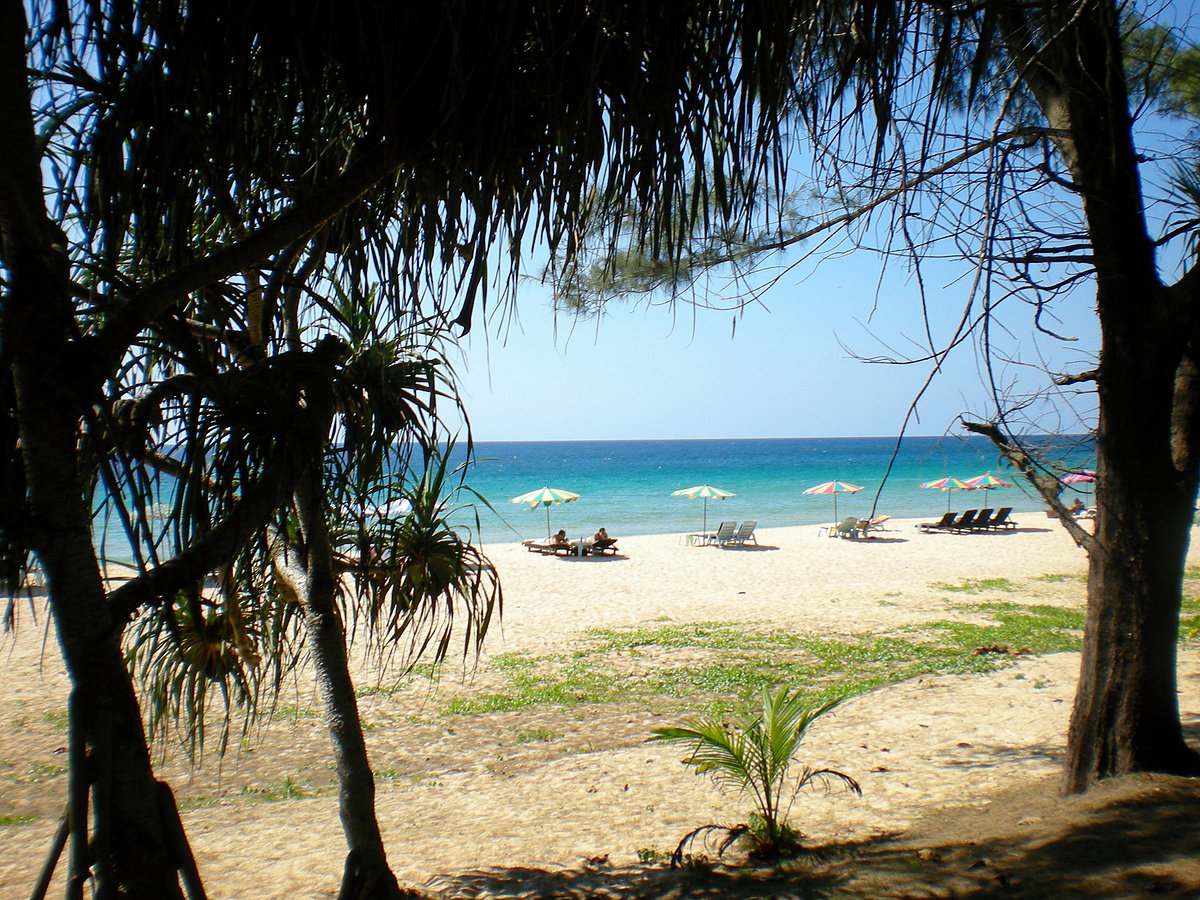
If you do not care whether Siam has any nature left or whether the sea is clean, and just want to let your hair down, Pattaya will do.
Shops and nightclubs, transvestites and alcohol, and all kinds of shows, from respectable to not so respectable. The famous “Alcazar” is one of the respectable ones. Do not expect Alla Dukhova’s ballet. “Alcazar” is smartly dressed people—boys or girls, it is hard to tell—walking prettily and flapping their wings amid pyrotechnic and laser sets.
The sea in Pattaya is dirty, and the beaches are packed with sun loungers and bars. There are plenty of tourists and entertainment. Prices are slightly lower than at other Thai resorts.
Phuket
Almost an island off the west coast of Siam, in the Andaman Sea of the Indian Ocean. It offers both town and countryside. You can rent a bungalow with a sea view or an apartment on the twenty-first floor. However, there are hardly any houses or hotels right on the seafront here: the ring road separates the beaches from the residential part of the island. So you will have to run across the road to get to the beach, no matter how many blocks back you live.
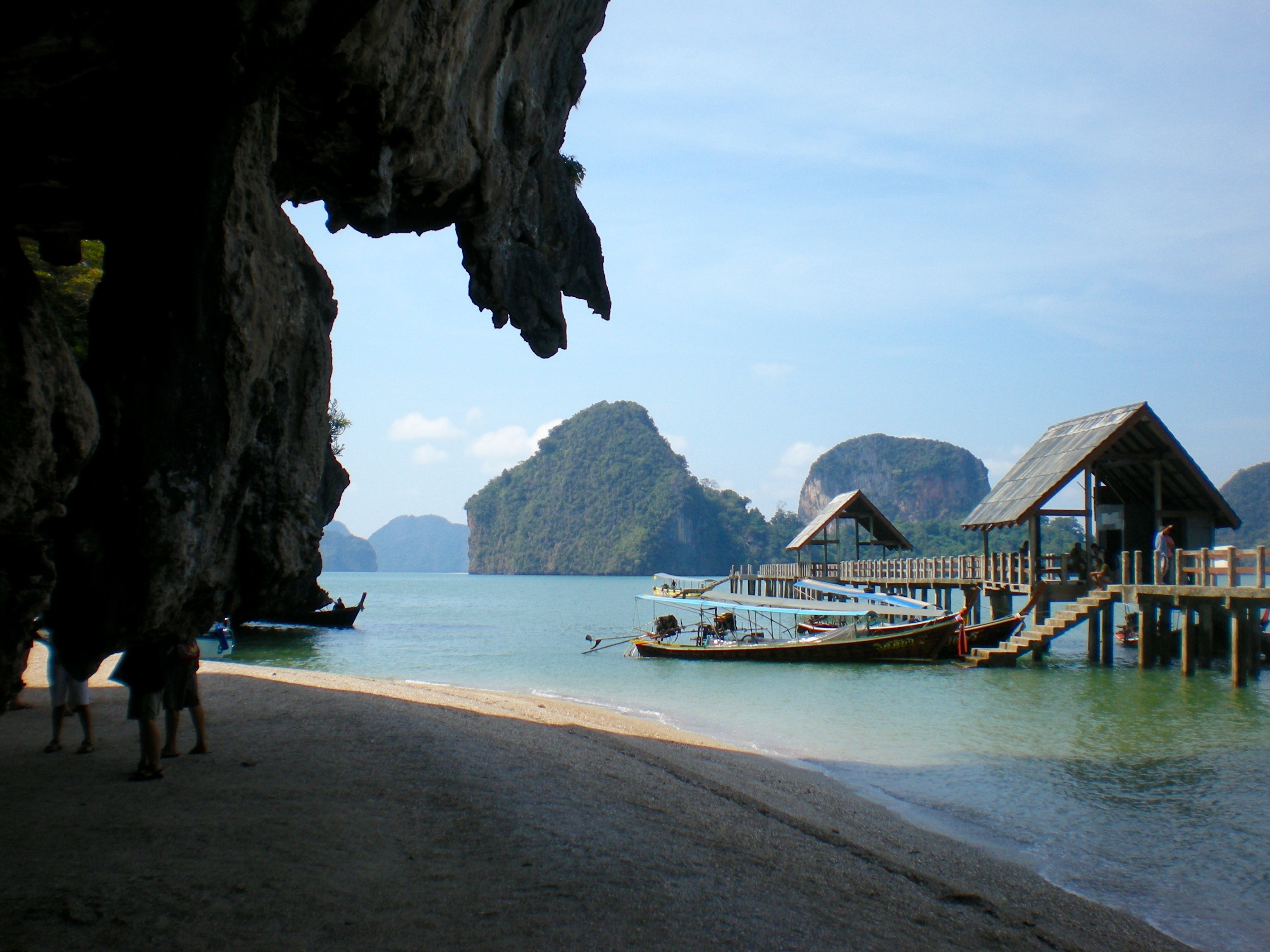
From here it is not far to Phang Nga Bay (home to James Bond Island) and the Phi Phi Islands. Trips from Phuket also go to neighbouring Myanmar (Burma), as do diving tours to the Similan Islands. Incidentally, this is one of the best diving destinations in the world. Here you can swim with giant rays and turtles.
If you are passionately fond of partying but still want to live close to nature, Phuket is the place for you.
There are direct flights from Moscow, Novosibirsk and other cities, as well as buses from the mainland. There are surely ferries and speedboats from various parts of Thailand and the wider world too.
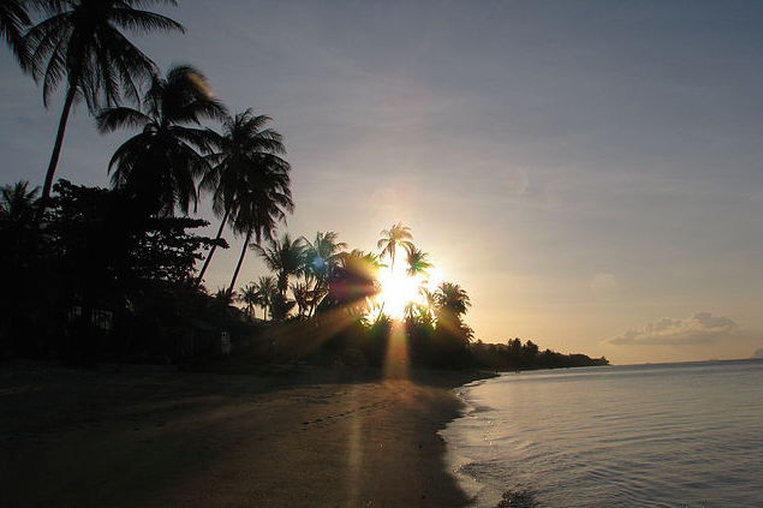
Prices are higher than in Pattaya but lower than on Samui.
Samui
Located in the Gulf of Thailand in the South China Sea (across the Malay Peninsula from Phuket). There are no large ocean swells here and no tsunami risk. The vegetation is lusher than on Phuket. Samui was once the world’s largest coconut-palm plantation.
Here you can still find landscapes where palm trees lean towards an azure sea across a strip of white sand. There are durian and jackfruit orchards, waterfalls and mountain roads that end in the middle of nowhere, deep in the forest. During the dry season, the water does not fall from the cliffs but merely trickles down in a feeble, boring stream. After the rainy season, however, Samui’s rivers run full and the waterfalls are impressive.
Samui is an excellent compromise between civilisation, with its shops and beach discos, and a rustic holiday beneath a palm tree. There are still beaches here unburdened by sun loungers and bars. You can still rent a bamboo hut in the mountains for 5,000 baht a month. Samui also has some of the best spas in the world.
Accommodation and entertainment prices are slightly higher than in Pattaya and Phuket, and lower than on Ko Chang.
Ko Pha-ngan
Located 20 kilometres north of Samui. It is cleaner, charmingly rustic and less developed for tourism than neighbouring Samui. It abounds in cosy little coves with crystal-clear water.
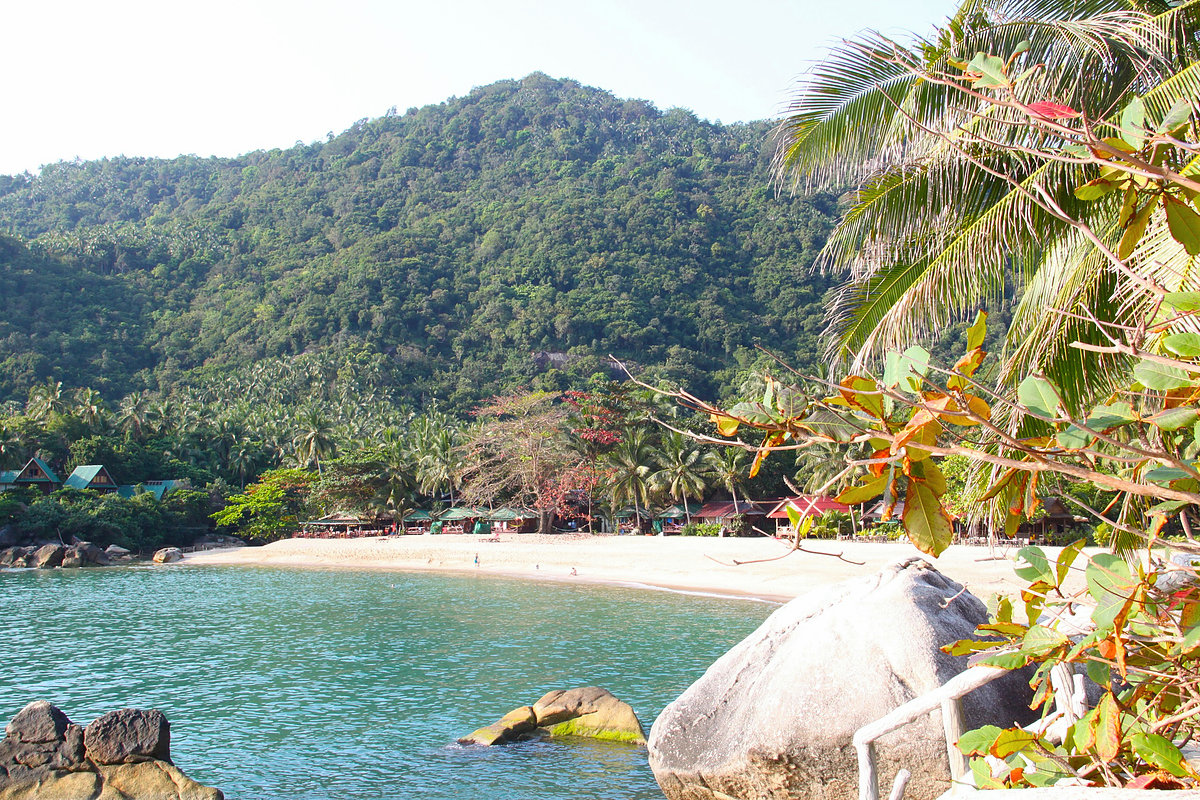
Pha-ngan is famous for its Full Moon Parties—a celebration of the full moon. So people do not have to wait a whole month until the next party, they celebrate the half moon as well. And anyone yearning for unbridled fun heads to Pha-ngan to party. As we know, drug use and trafficking in Thailand are punished in the most severe manner, up to and including life imprisonment and the death penalty. Yet, for some reason, these strict prohibitions do not apply to the Full Moon Party on Pha-ngan. There, in addition to alcohol, partygoers actively consume mushrooms, marijuana and, we suspect, things quite a bit stronger. All of this, naturally, under threat of the death penalty.
Ko Chang
The island named after the elephant. It lies about 250 kilometres from Pattaya. It is almost half the size of Samui. The ring road is broken in one place and is essentially a horseshoe rather than a ring.
Less crowded and wilder than Samui. Mountains and hills begin almost immediately beyond the shore, limiting building opportunities but offering tourists trekking routes of varying lengths and difficulty. There are not that many reasonably priced, comfortable beachfront cottages on the island, and in 2011 accommodation prices were about one and a half times higher than on Samui. There are fewer coconut palms than, once again, on Samui, and more tall, shaggy trees that look like a cross between a pine and an araucaria.
Getting there: by bus or car from Bangkok or Pattaya to the ferry. The ferry crossing takes 20 minutes. The ferry is included in the bus ticket price.
Ko Lipe
Thailand’s southernmost island. Purple sea anemones still grow in its harbour waters off Pattaya Beach, the island’s main beach. Speedboats bringing people from the mainland and the islands—from Malaysia and Thailand—drop anchor. Local “ferrymen” in their long-tail boats then collect people from the speedboats and take them ashore.
The customs checkpoint is housed in a small hut on the shore. And no one will follow you around trying to establish whether you arrived from another country or from Thailand.
The island lies low above sea level and is covered with snow-white sand and the same shaggy trees as Phuket. There are palm trees too, of course. There are not very many hotels, ranging from expensive ones (even though they are only ***) to budget bungalows. But overall prices are higher than on Samui and even Ko Chang.
In the centre of the island, nomadic Chao Lay—sea gypsies—live in cardboard houses and tents. Sadly, there are also heaps of plastic rubbish and other waste of modern life there.
It takes 10 minutes to cross the whole island from one side to the other, and about 40 minutes to walk the length of Ko Lipe.
In the small coves, you can find enormous seashells in shallow water. The snorkelling is a feast for the eyes. There is also plenty for divers to see without going straight from the checkout far out to sea.
On the island’s main street, tourists take their evening stroll, lingering at souvenir stalls and pavement cafés. There are no cars on the island, only motorbikes.
That was how it was here in 2010... Back then, we called Lipe the island of Robinson Crusoes.
Perhaps by now it has all been built up with hotels and guesthouses, and its sandy shores have been covered in concrete... We hope not.
Getting to Ko Lipe: by speedboat from Langkawi
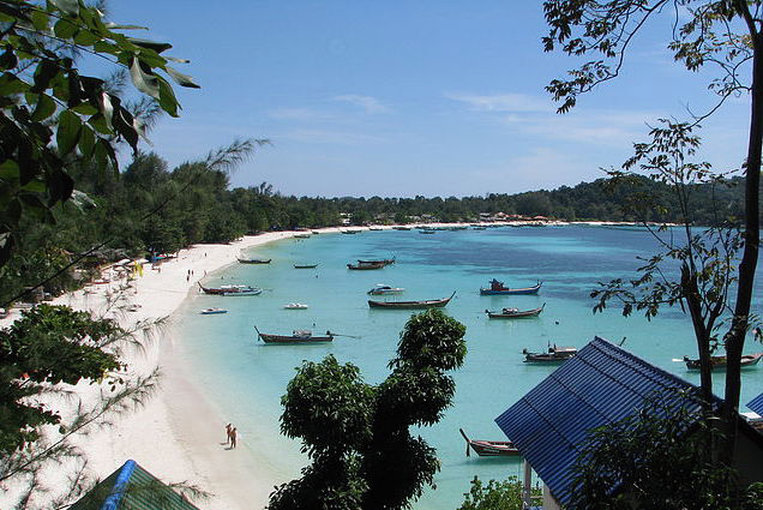
(Malaysia), or from Satun (Thailand).
Notes about Thailand:
Tropical Fever (Dengue)
Witch-Hunt and Police Raid
Samui Information