
From the Travely-Family archive · Atlantic
La Isla Bonita
An original publication from the former Travely-Family website. This English translation was preserved from the technical-site archive without editorial rewriting.
Next stop — La Isla Bonita
Up at 4 a.m., and just fifteen minutes later we weigh anchor and leave Masca for La Palma. 52 miles, and so far there is not a breath of wind. We have to round the lighthouse, which we are motoring towards; it will most likely pick up there. Only now do I realise that we should have left during the day: all that beauty can only be guessed at from the dark fabric of the sky dotted with silver polka dots and the black outline of the mountains.
Beyond the lighthouse, the trade wind kicked in. Of course, Columbus and his followers may have found it quite helpful: both the waves and the wind come from the north-east, aimed squarely at your stern. But we were not heading west; we were bound for La Palma, so the trade wind, together with a three-metre beam sea, ordered Nastya and me to lie still and quiet for the first thirty miles. I even moved onto the saloon floor so I would not have to crawl all the way back to the cabin.
Arrival
We arrived in Santa Cruz de La Palma 11 hours later. At the marina, they honestly told us that cars were hard to come by at the moment: they had all been snapped up for the Easter celebrations (is celebrating Easter in a car some sort of tradition here?). We trudged dejectedly out of the port grounds and... immediately rented a cherry-red Ford Focus for a reasonable price. We decided not to put off exploring the island we love until after Easter.
La Palma is the greenest, lushest and most succulent of all the Canary Islands.
This is the island Madonna sang about in “La Isla Bonita” (meaning “the beautiful island”).
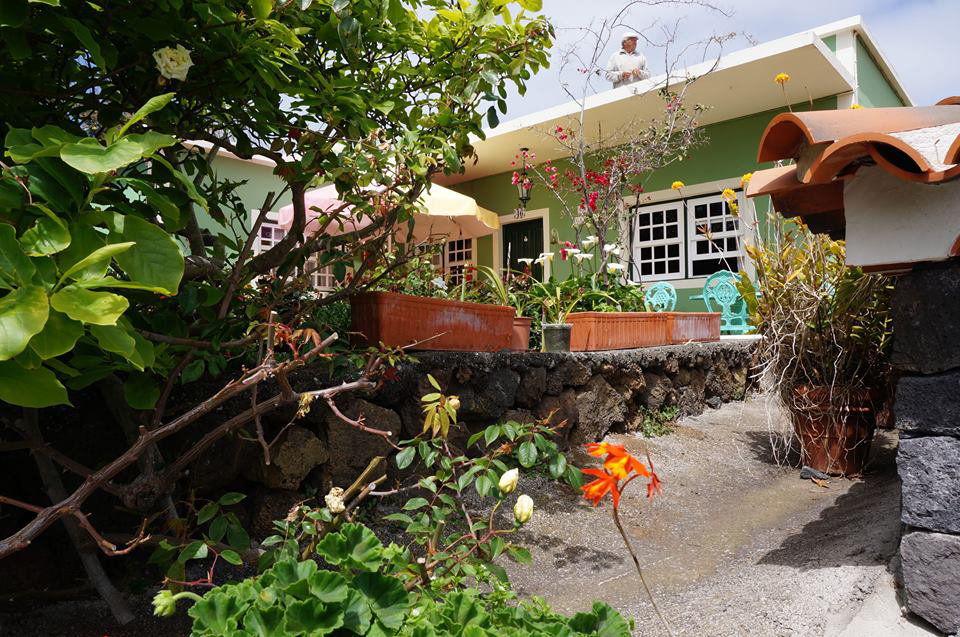
There are several volcanoes on the island. But as you drive past the toy-like little houses nestled cosily on volcanic terraces, volcanic eruptions do not even cross your mind! The scenery is so bea-au-tiful it makes your cheekbones ache!
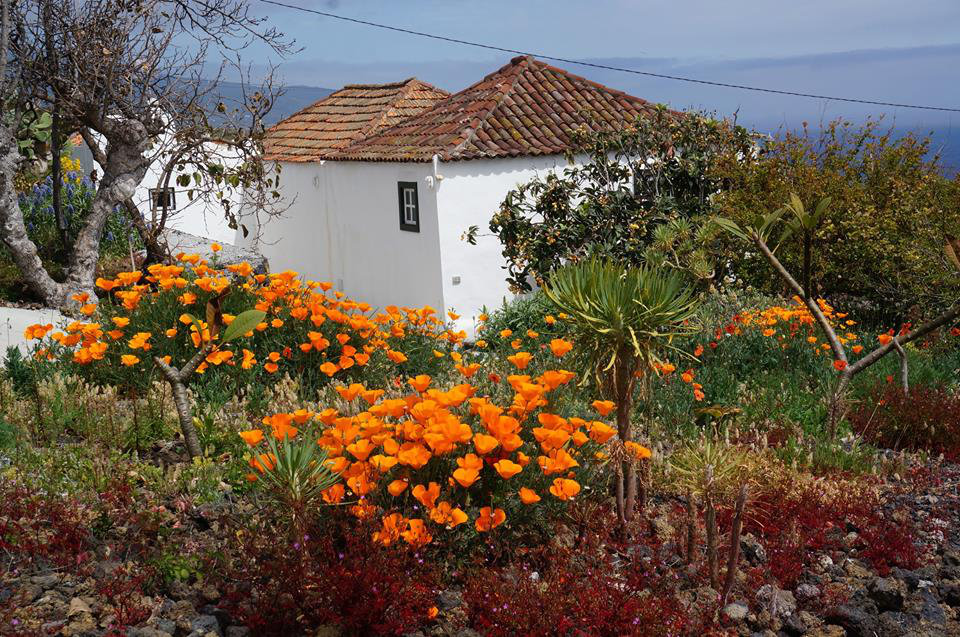
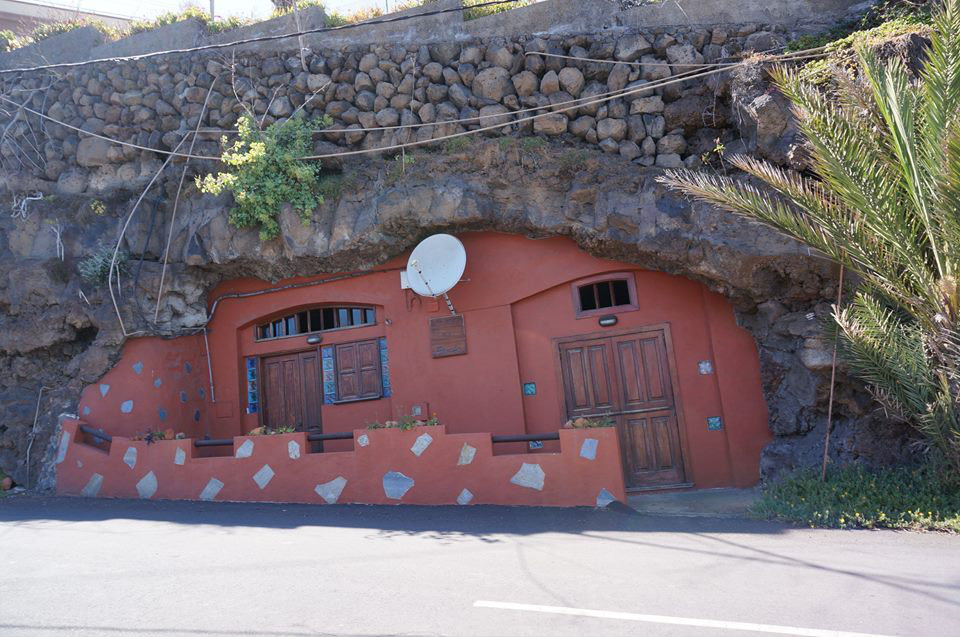
Flowers spill into the courtyards in bright globes. On the green slopes away from the towns nestle villages where hobbits still live to this day. Such tiny, pretty little houses, with one wall disappearing into the ground or a volcanic rock face, simply could not belong to anyone else. Curved tiled roofs, chimneys and a sea of flowerpots. A storybook stillness and cosiness peep through the open doors. Inside, the low little houses are surprisingly spacious. The front door opens into a combined living room and kitchen, with carved shelves and lace curtains. The homes are surrounded by small gardens with spacious terraces. Looking at all this, you realise that you do not need a huge house at all to be happy.
It is hard to imagine that literally just a couple of hundred metres from this toy-like little world begins a coal-black field of solidified magma. The last volcanic eruption here was in 1971. The lava flowed south, and this tip of La Isla Bonita is not yet ready to rise from the ashes.
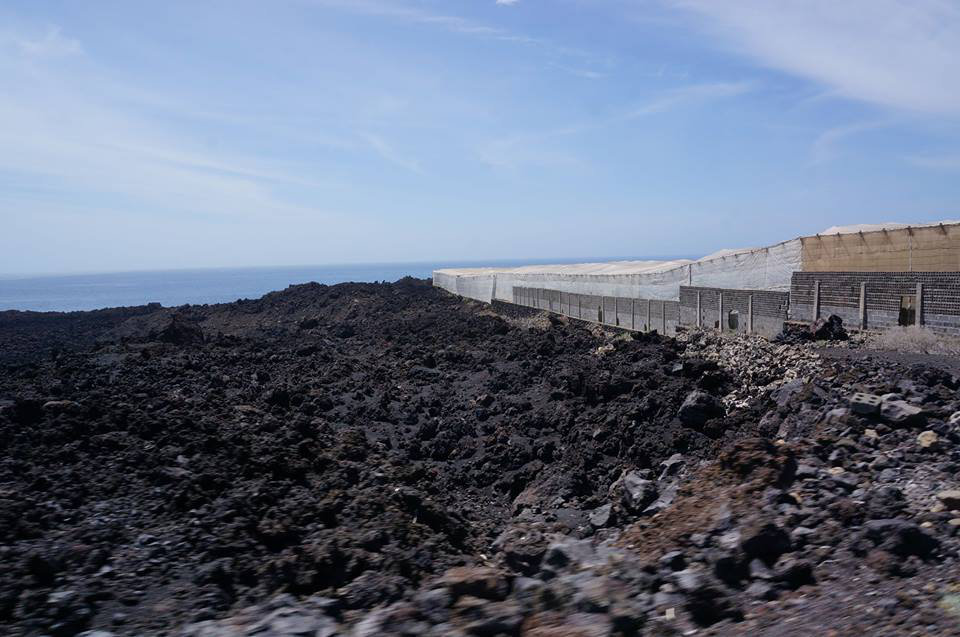
Right on the lava fields, the locals have created banana plantations, partly covered with grimy netting that looks like plastic sheeting (last photo). How much soil must they have brought onto this lifeless blackness to make anything grow there at all! Perhaps the island is called La Palma precisely because of the hordes of banana palms marching in neat rows across terraces, ravines and every possible nook and ledge. Incidentally, bananas here are one and a half times cheaper than on Tenerife.
We make our way along winding lanes between the plantations, where the farmers who tend them live. They greet us and carry on with their business. Boys play football right in the road—which, admittedly, no outsiders ever drive along—and they too call out to us, “Hello!”
Above the plantations, small towns perch on the ridges between shady ravines. They are less cosy than the villages, though they have their own charm too. Farther inland begins the realm of laurel and pine forests. We left those for next time, because the sun had gone down, and somehow it would have been improper to go prowling through dark realms in the middle of the night.