
From the Travely-Family archive · Other Entries
Malaysia
An original publication from the former Travely-Family website. This English translation was preserved from the technical-site archive without editorial rewriting.
Malaysia. About the Country
Malaysians are friendly and disinclined to conflict. The main ethnic groups in Malaysia are Malays, Chinese and Indians.
English is widely spoken here, as it is used for business communication.
Islam is the state religion, but everyone is free to follow any faith. Mosques and Christian churches stand alongside Buddhist and Hindu temples.
The country’s highest point is on the island of Borneo: Gunung Kinabalu (4,095 m).
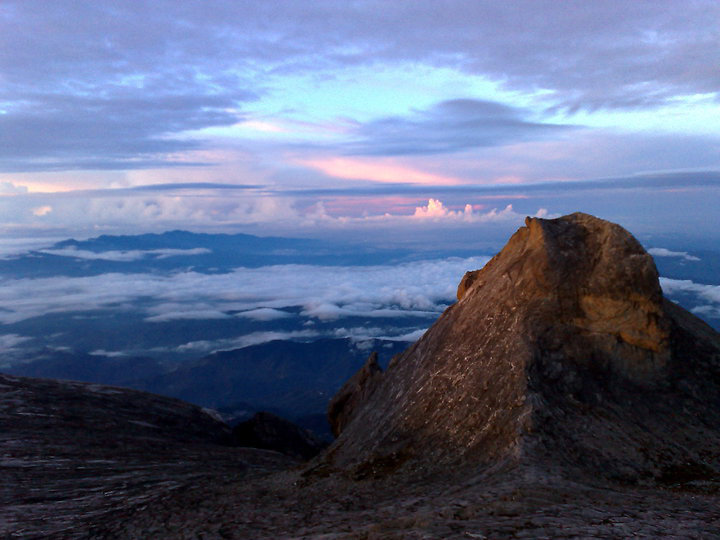
Nature and Weather
The country is divided into two parts by the South China Sea, with more than 600 km between them. These are West Malaysia (the southern part of the Malay Peninsula) and East Malaysia (the northern part of the island of Borneo).
It is a great place for lazing on beaches and trekking through the jungle. There are resorts in the mountains and colourful fishing villages by the sea.
People visit the national parks for caves, geysers and diving.
Luxury hotels on the coast, little bungalows under palm-thatched roofs, village houses on stilts—stay wherever you like.
Oil-palm and rubber-tree plantations cover vast areas. Incidentally, the country accounts for 25% of the world’s rubber production.
Food and Shopping
Malay and Indian cuisine are the favourites. That means herbs and hot spices. Chinese cuisine is more neutral. Even European food in Malaysia has a slightly Eastern flavour. And a sea of seafood:).
Expensive clothes and utterly unimaginable handmade outfits. Pewterware, songket or batik (hand-painted fabric). At flea markets you may even come across antiques from colonial times.
Kuala Lumpur
Kuala Lumpur is the most pleasant of Asian cities and one of the greenest capitals on the planet. It has the cheapest five-star hotels in the world.
Once, we splashed out and spent a couple of nights at the Traders Hotel right in Kuala Lumpur City Centre. A double room in the VIP zone cost 5,500 roubles per night. At the time, a Soviet-style hotel in Novosibirsk cost only half as much.
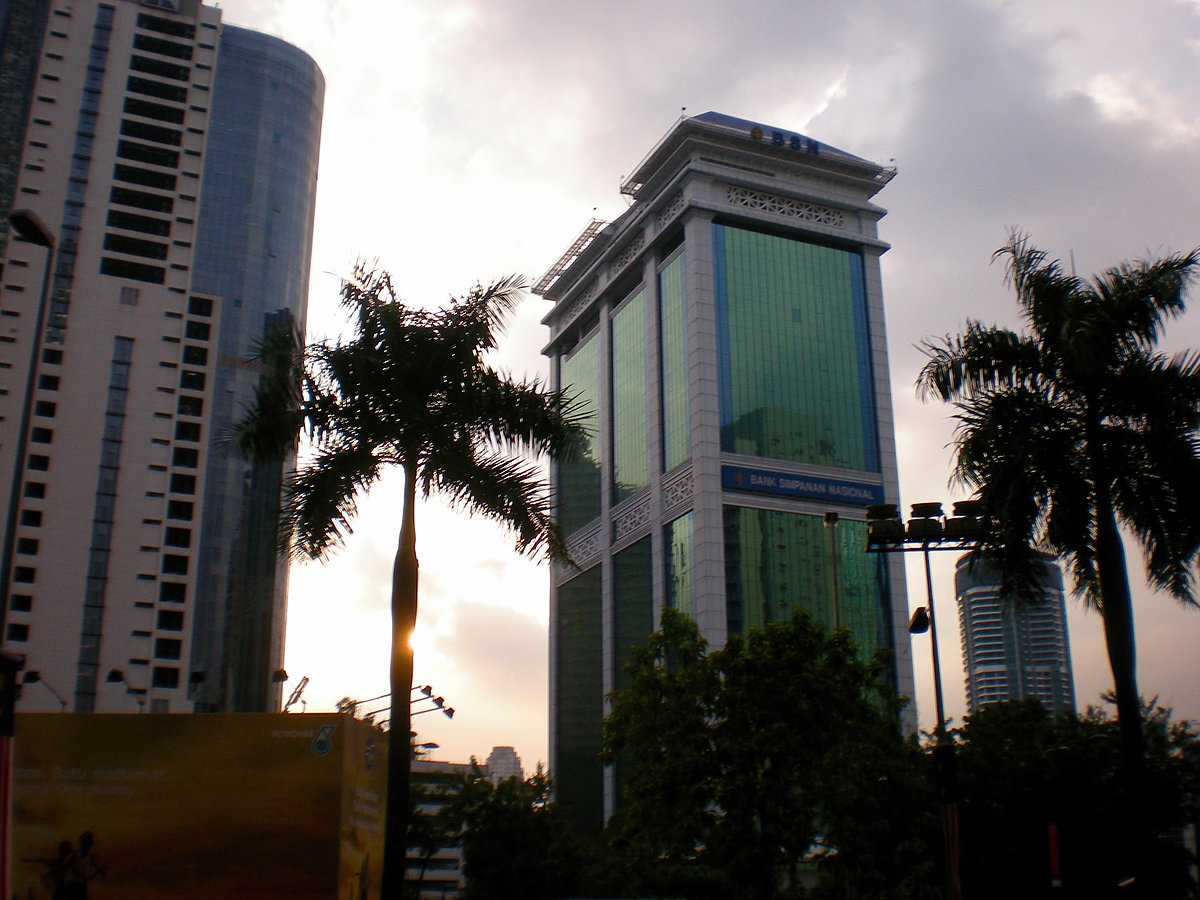
Moorish-style mosques and Buddhist temples are reflected in the mirrored façades of skyscrapers. Shady parks and temples filled with the scent of incense. Chinatown, with its traditional flea market, bustle and the night-time aromas of exotic dishes.
Once we checked into one of its hotels, with a view of the wall of the building opposite. But the next day we moved to Traders, deciding that it simply would not do to stay in one of the most beautiful cities in the world with a view of a wall.
Sights — The gleaming Petronas Twin Towers can be seen from anywhere in the city. They are among the tallest buildings in the world, a whopping 452 m high. The lower part of the buildings houses a shopping complex, cinemas, restaurants, art galleries and even an aquarium (Aquaria).
At the foot of the towers is the wonderful green park of Kuala Lumpur City Centre (KLCC).
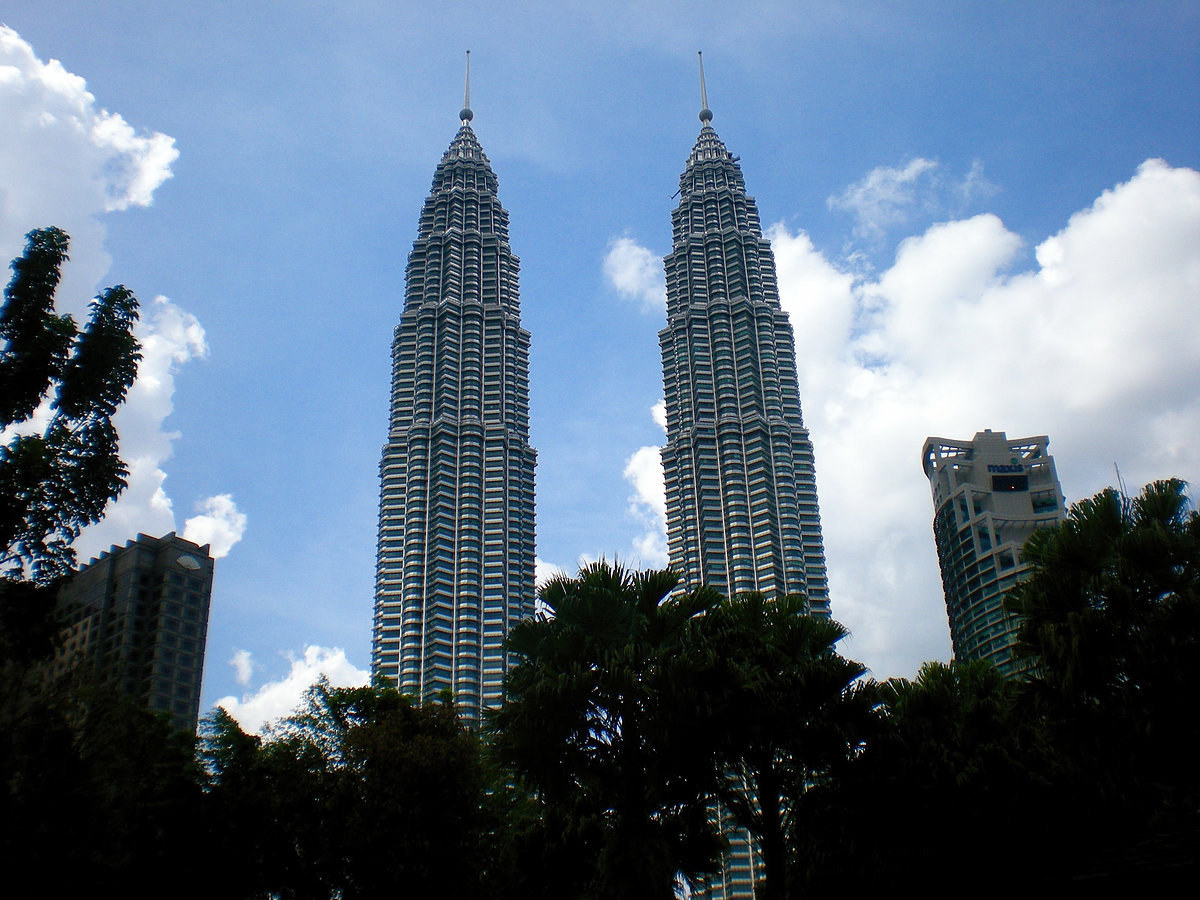
Every day except Monday, visitors can access the Skybridge observation deck, which links the two menara towers at the 41st floor.
One dark evening, we tried to reach the towers from some fairly remote area and ran into a wall topped by a motorway. We spent more than an hour looking for a way out, trudging along the blank wall. On the other side stretched the slums, where ordinary people were having dinner, listening to the radio and visiting one another. Nobody paid any attention to us. We were pleased:).
— There is a good observation deck at the Kuala Lumpur Tower. Above it is a revolving restaurant. But you need to reserve a table about three days before your planned dinner.
— One of Kuala Lumpur’s most beautiful buildings is the Moorish-style Sultan Abdul Samad Building, dating from the late 19th century.
— Indian gods dance across the façade of the Sri Mahamariamman Temple. Hindus bring garlands of fresh flowers and other offerings here. Every year, during the Thaipusam festival, it is from here that a colourful procession sets off for the Batu Caves.
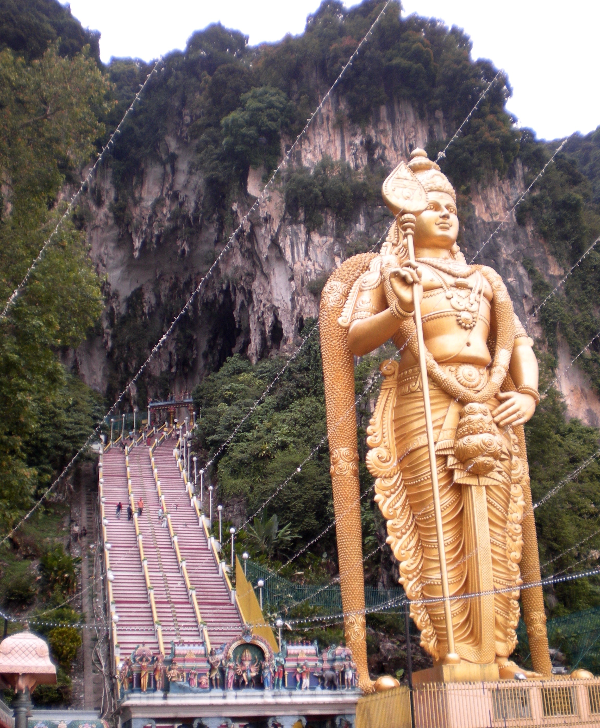
— Batu consists of stalactite-like limestone hills with sheer walls. They are 12 km from the city. Deep inside the hills are spacious caves. A flight of 272 steps leads to one of them—the Temple Cave. Beneath its vaults is a shrine to the Hindu god Subramaniam.
Getting There
KLIA International Airport is 75 km south of the city. It takes about an hour to reach the city by taxi.
Domestic routes are served by Subang Airport, 20 km west of the capital. Flights depart hourly from here for Kota Kinabalu, Penang, Johor Bahru, Kota Bharu, Langkawi Island and Singapore.
Singapore, Johor Bahru, Malacca and other places can be reached by bus.
Malacca
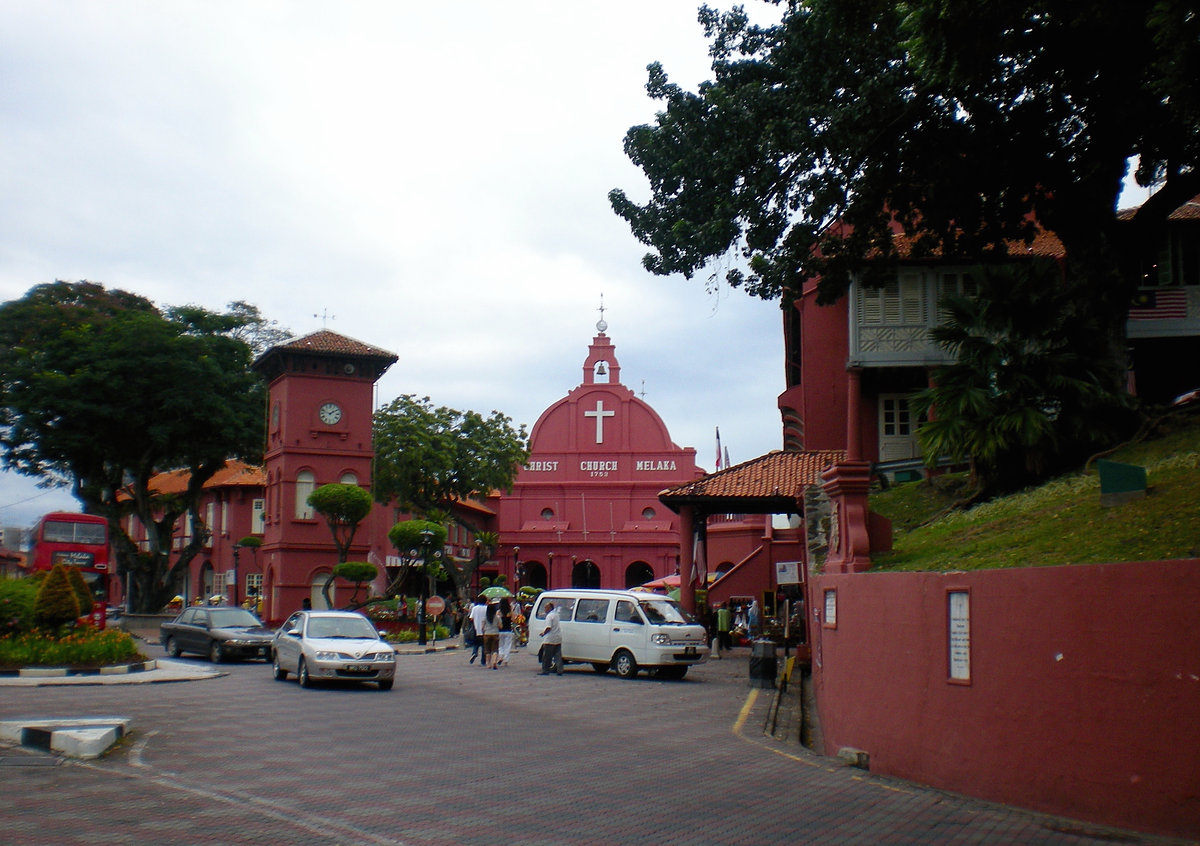
A colonial-style city on the coast of the Andaman Sea. Singapore is only a stone’s throw away. It has the most cheerful cycle rickshaws and the most beautiful carriages on the peninsula. Malacca was once a major trading hub for all of Southeast Asia and a large port. Today it is a fairly quiet city with beautiful streets and low-rise historic houses.
Malaysia. Islands
The Island Named After the Eagle—Langkawi
The Langkawi Archipelago is known as the Archipelago of Legends.
It is washed by the Andaman Sea, where the Strait of Malacca merges with the Indian Ocean. The archipelago’s main island, Pulau Langkawi, is surrounded by a hundred small islands. Most are uninhabited, and some are protected by coral reefs.
Langkawi is a tax-free zone.
There are huge business centres and duty-free shops here, along with high-rise luxury hotels. White sandy beaches and vibrant underwater life—for divers. There are still some sparsely populated stretches of coast. The Malaysian government is doing everything it can to turn Langkawi into a world-class resort.
Pangkor, Pangkor Laut
The islands lie off Malaysia’s west coast, at the mouth of the Strait of Malacca.
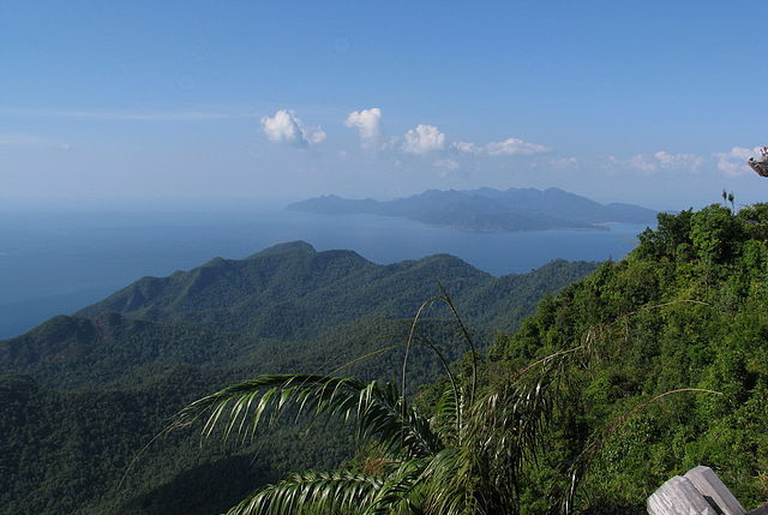
Nature here is one continuous sweep of beautiful hills and jungle.
Azure lagoons, bizarre rock formations, exotic flowers and birds.
Huts on the sand and eye-wateringly expensive hotels. Incidentally, at the height of the season (November–January), rooms must be booked in advance.
Prices for everything except petrol are slightly higher than in Thailand
(on Koh Samui, petrol was more expensive).
Getting There
By bus to Lumut, then by ferry or speedboat. By air—on a flight from Kuala Lumpur.
Our Malaysian notes:
Warmth and bright adventures to everyone!