
From the Travely-Family archive · Other Entries
7 Things About Antarctica We Didn’t Know
An original publication from the former Travely-Family website. This English translation was preserved from the technical-site archive without editorial rewriting.
7 Things About Antarctica We Didn’t Know.
Who is eagerly awaiting the end of the Antarctic Treaty. How easy is it for a Russian yacht to sail to Antarctica? Where king penguins live, and why an eternal flame burns at the end of the world. And a little about our immediate plans.
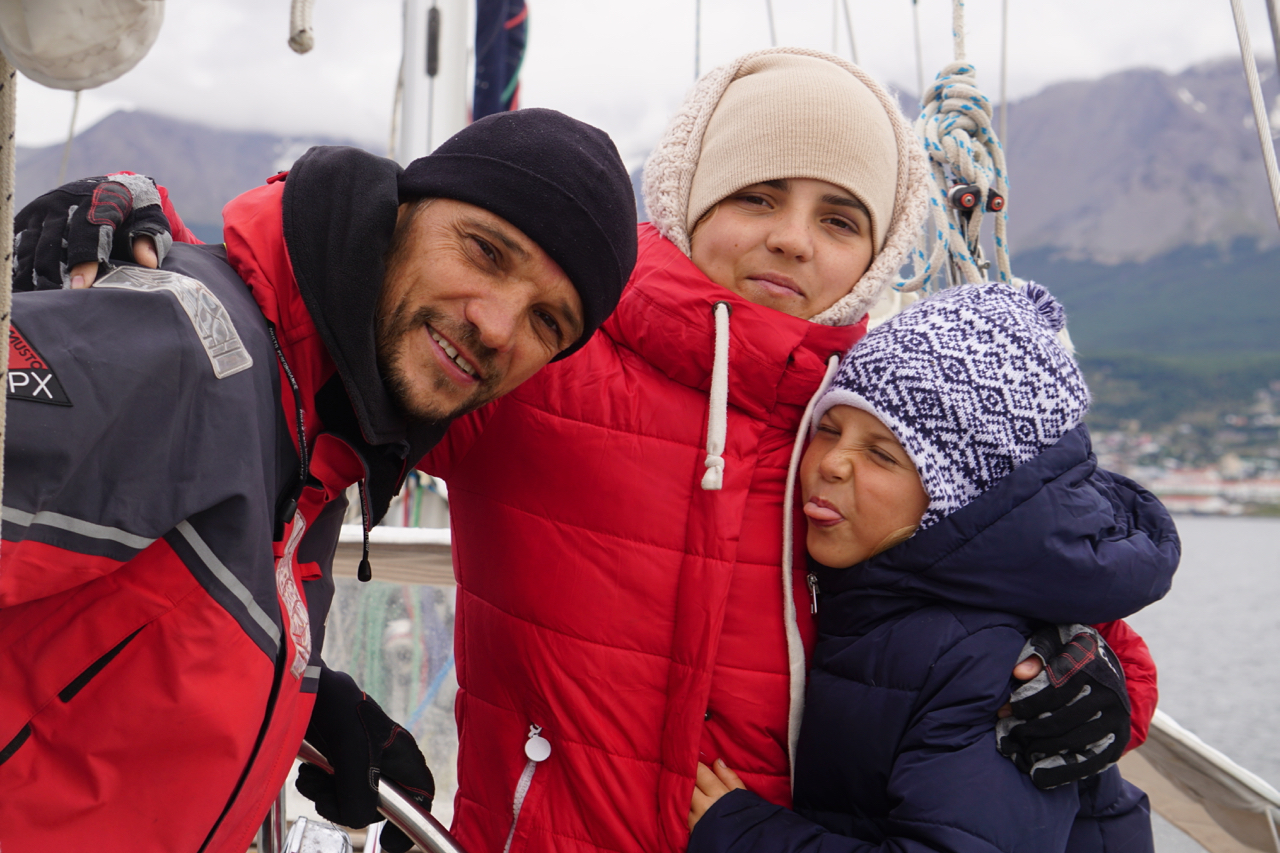
Weather off Cape Horn
Autumn is bearing down on the Southern Hemisphere. Ahead of it, cyclones are chasing one another past Cape Horn through the Drake Passage, and right now the eye of a cyclone is passing over us—the proverbial calm before the storm. The storm won’t be too bad, with winds no stronger than 25 metres per second.
Yachts are still sailing to Antarctica; some have set off on their final tourist voyage, while the most specialised ones will continue departing from Ushuaia until the end of March. After that, the ice will set in around Antarctica, icebergs will drift north, and the cyclones will come barrelling through with three times the force.
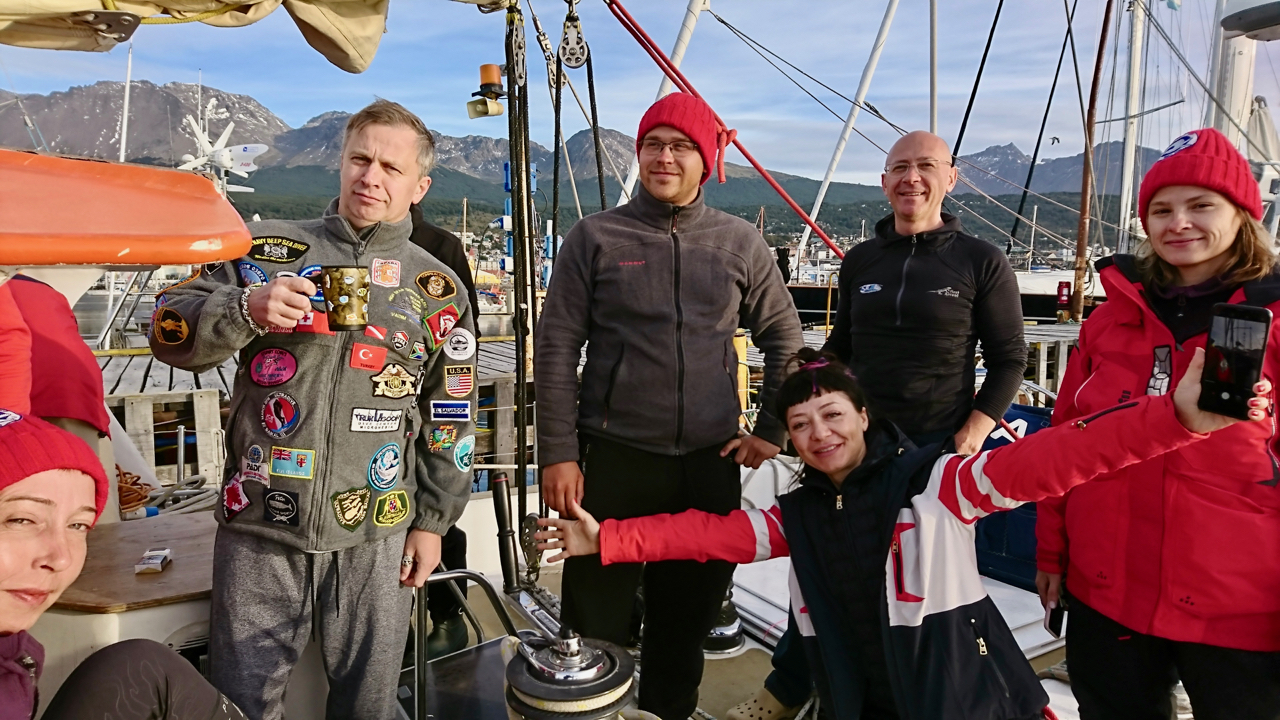
Even now, expedition yachts are crossing the world’s most difficult passage in winds that we personally have never yet sailed in. While our Lady Mary tries to ride out a storm with winds of 40–45 knots by heaving to, the local sailors race towards the southern continent in 60 knots, and even in hurricane-force 70 (wind speeds of around 35 metres per second, Force 12 on the Beaufort scale). So what? Hoist the storm trysail, as Daniil Gavrilov (RusArc Aurora) writes, and off you go! This time, our friends flew to Antarctica in three days.
Guests aboard RusArc Aurora.
Immediate Plans
We’re leaving
Ushuaia tomorrow night, if the forecast doesn’t chang.... And the list of unfinished jobs makes our hair stand on end: finish installing, trim, unload, send, find, forward, finish writing, record, edit, publish...—start and finish everything, in short. And time is flying. Oh yes, we still need to buy fresh food and complete our outward clearance. The national park? Laguna Esmeralda? Nope, never heard of them!
We have received permission from the Argentine authorities to visit the Malvinas Islands. Their other name is the Falkland Islands. The islands lie at 51° south, in the drift-ice zone, and are inhabited by more than just sea lions. Everything about these islands is complicated. It turns out there are king penguins there—the very ones found only in Antarctica; and in the Falklands. But that isn’t all.
Here are a few more “It turns out!” facts about Antarctica and its environs:
It turns out
The Falkland Islands used to be the Malvinas.
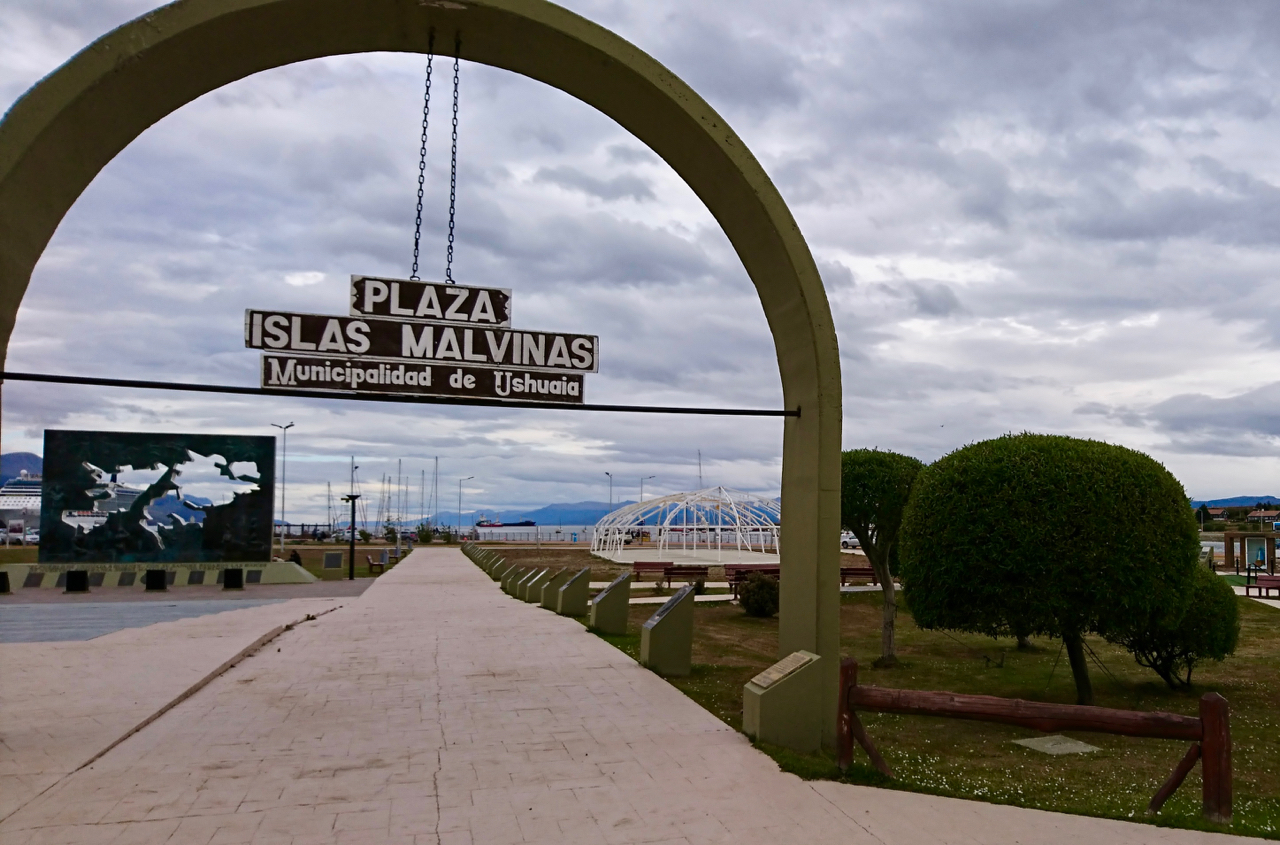
And every Argentine Patagonian still considers them part of Tierra del Fuego Province; Argentina winces at the word “Falklands” and isn’t terribly fond of the British. An eternal flame burns on Ushuaia’s waterfront. A semicircular granite slab bears hundreds of names of those who fell fighting the British for the Malvinas Islands.
Malvinas Islands Square
The square is called Malvinas. Wartime photographs form a circle around its perimeter. And that war happened quite recently—in 1982. That was the year when Britain finally wrested the archipelago from Argentina once and for all, which greatly buoyed British spirits by providing fresh confirmation that they were citizens of a great maritime power. Most of the international community, including neighbouring Chile, recognised British sovereignty over the Falklands. Only Panama spoke out against it, while the Soviet Union abstained. To avoid problems with Argentina, you need permission to visit the Malvinas Islands, which do not in fact belong to it.
Relations between Argentina and Chile are strained
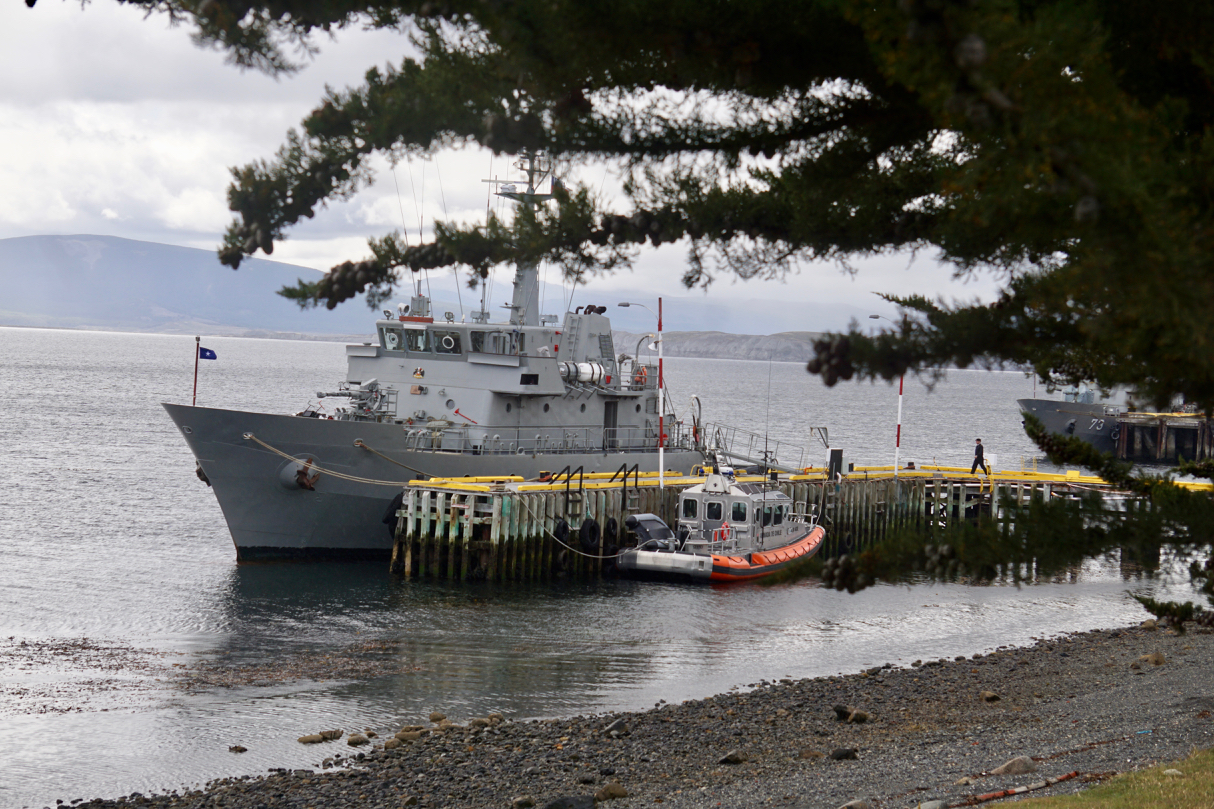
The countries have several disputed border territories. That is why cruisers of the Armada de Chile patrol some of the fjords and channels between the islands of Tierra del Fuego so diligently.
At the Chilean end of the world
There is an international Antarctic Treaty from 1959, with a term of 90 years
Under the treaty, all military activity is prohibited on the icy continent, and no country in the world may declare Antarctica its territory. On the continent and in Antarctica’s coastal waters, it is forbidden to exploit mineral deposits, leave rubbish, throw food waste or human waste overboard, or approach birds and animals closer than 4 metres, along with a number of other protective restrictions without which the icy continent would have been trashed long ago.
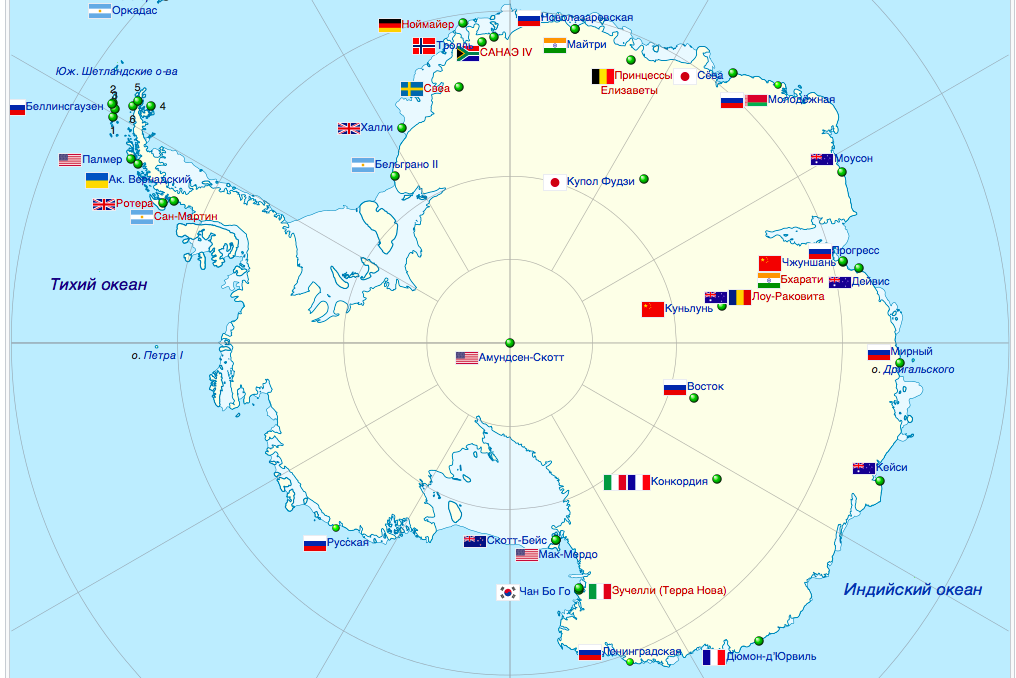
There are around 90 scientific and “sort-of-scientific” stations in Antarctica
Global research and meteorological observations are carried out at them. The number of fraternal nations represented on the continent is off the charts. The geopolitical struggle for Antarctic resources is making every Tom, Dick and Harry stake a claim on the southern continent.
Of all the Antarctic territories and stations, the most accessible to ordinary mortals are the bases on that same long-suffering Peninsula—the Antarctic Peninsula. These are Russia’s Bellingshausen, Ukraine’s Vernadsky, America’s Palmer, Britain’s Rothera, as well as Chilean and Argentine polar stations. Life here is easiest and freest for polar researchers, thanks to the relatively mild climate and proximity to the mainland. Although perhaps, if there were fewer tourists on the peninsula, there would be more opportunity for science and contemplation of the eternal..
Many countries dream of grabbing at least a piece of the southern continent once the treaty expires.
Chile and Argentina in particular are very concerned about this. Both powers consider the Antarctic Peninsula—the Peninsula—a logical continuation of the South American continent, which in their view gives them rights to the Antarctic Peninsula. Argentines even wear hats with the mysterious number 2041 woven across the forehead—they are anticipating the end of the Antarctic Treaty seven years early. The treaty expires in 2048. After that, our world, having consumed every accessible resource, will rush after the minerals of the last untouched continent. And it is terrifying to imagine what might happen...
Australian expedition vessel Australis
The Antarctic Peninsula is Antarctica’s most tourist-infested corner
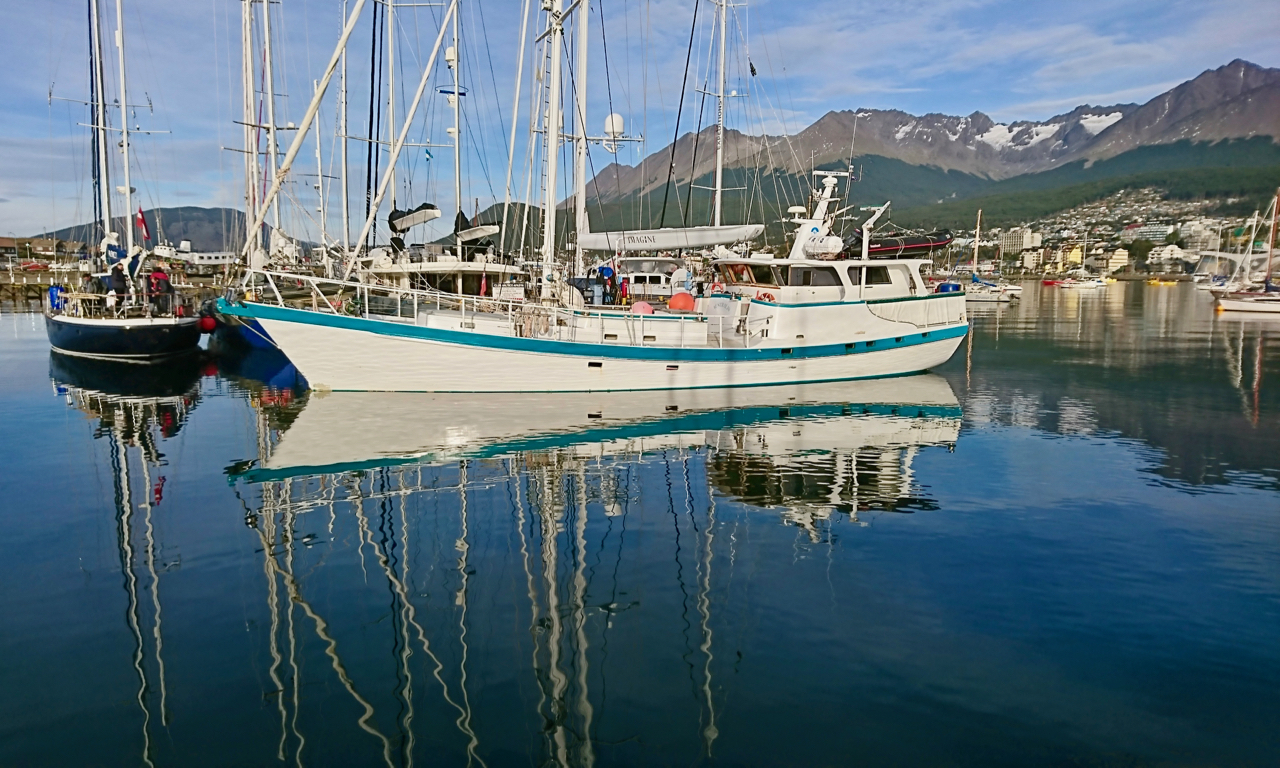
Only the lazy haven’t set up a station there; during the summer season, tourist ships arrive almost every day, and at least three of them proudly bear the names of Soviet academicians—Akademik Ioffe, Akademik Vavilov and some other Akademik (I’m writing this post without checking Wikipedia, drawing solely on the treasure trove of my own knowledge. Wikipedia won’t open. So, guys, don’t hold it against me). A tourist ship carrying 50 passengers is considered small. The first two Akademiks bring 100 people every two weeks. Around 15 yachts shuttle back and forth from Ushuaia across the Drake Passage, taking up to 12 passengers every three weeks.
Most manage four voyages during the season. We personally know the crews of two “Russian” yachts, two Polish ones, one Australian and one British. Another 10–15 yachts take people to Antarctica from Chile’s Puerto Williams. The cost of a trip to Antarctica on different vessels ranges from 5 to 13 thousand dollars per person.
Pelagic Australis departs from Chile
For a private yacht under the Russian flag to obtain permission to sail to Antarctica... is almost impossible. Permission must be obtained from Roshydromet; the yacht has to be presented in person, you have to get through a pile of inspections, wear out two pairs of shoes trudging from office to office, and spend several months on the whole process. Or so say those who have been through it and are no strangers to Antarctica.
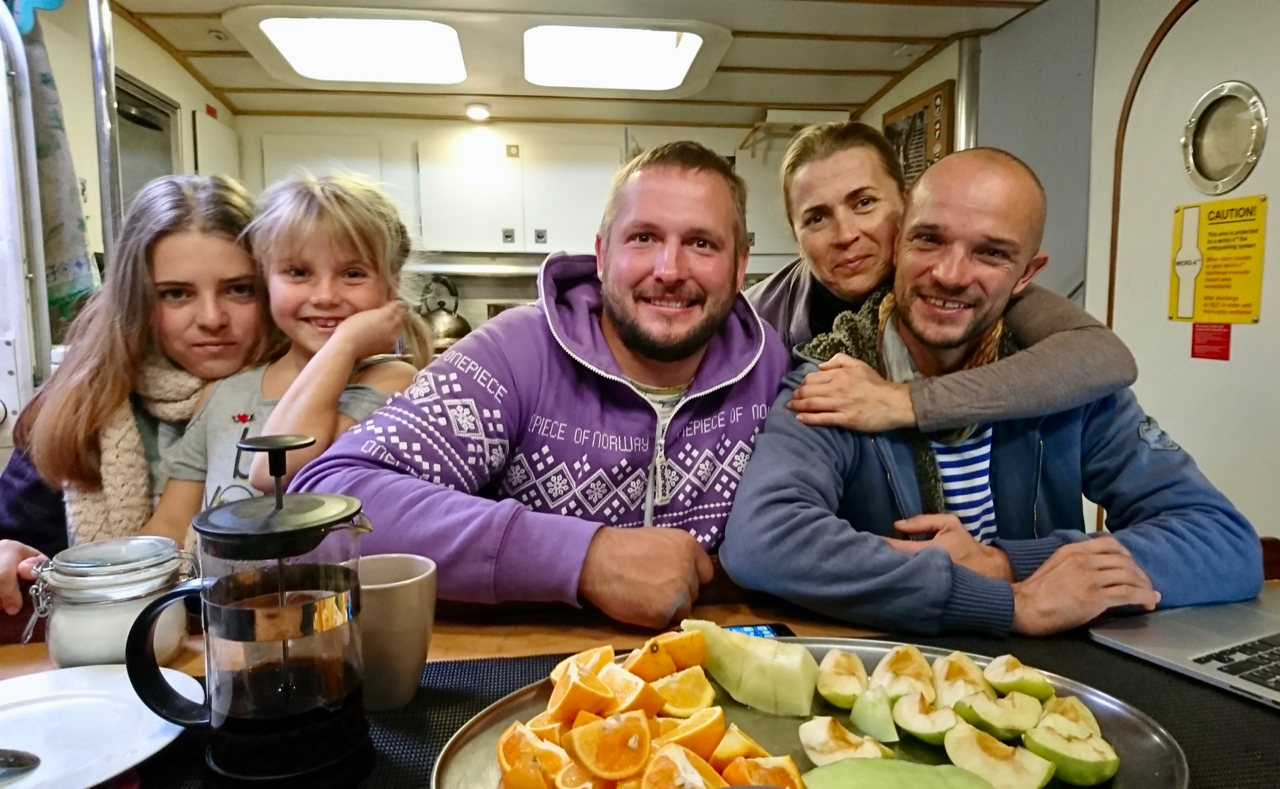
Visiting Captain Daniil Gavrilov aboard RusArc Aurora
Afterword
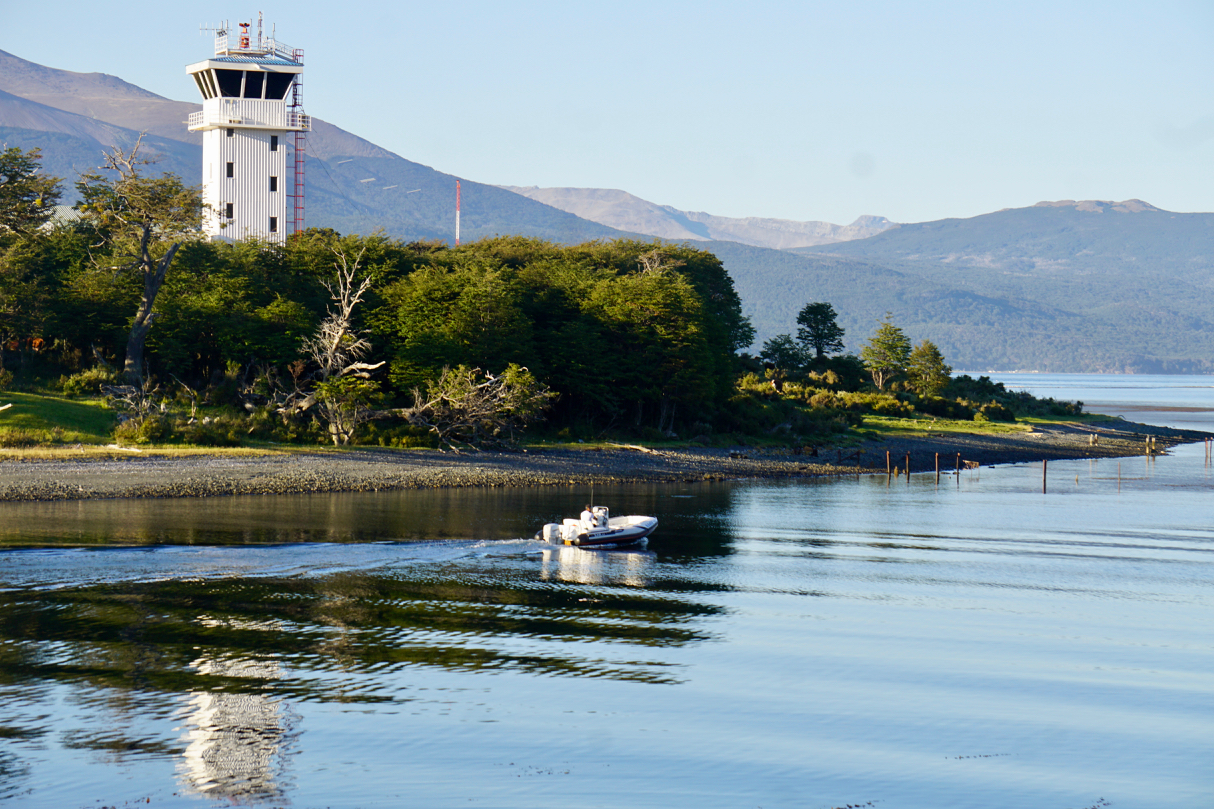
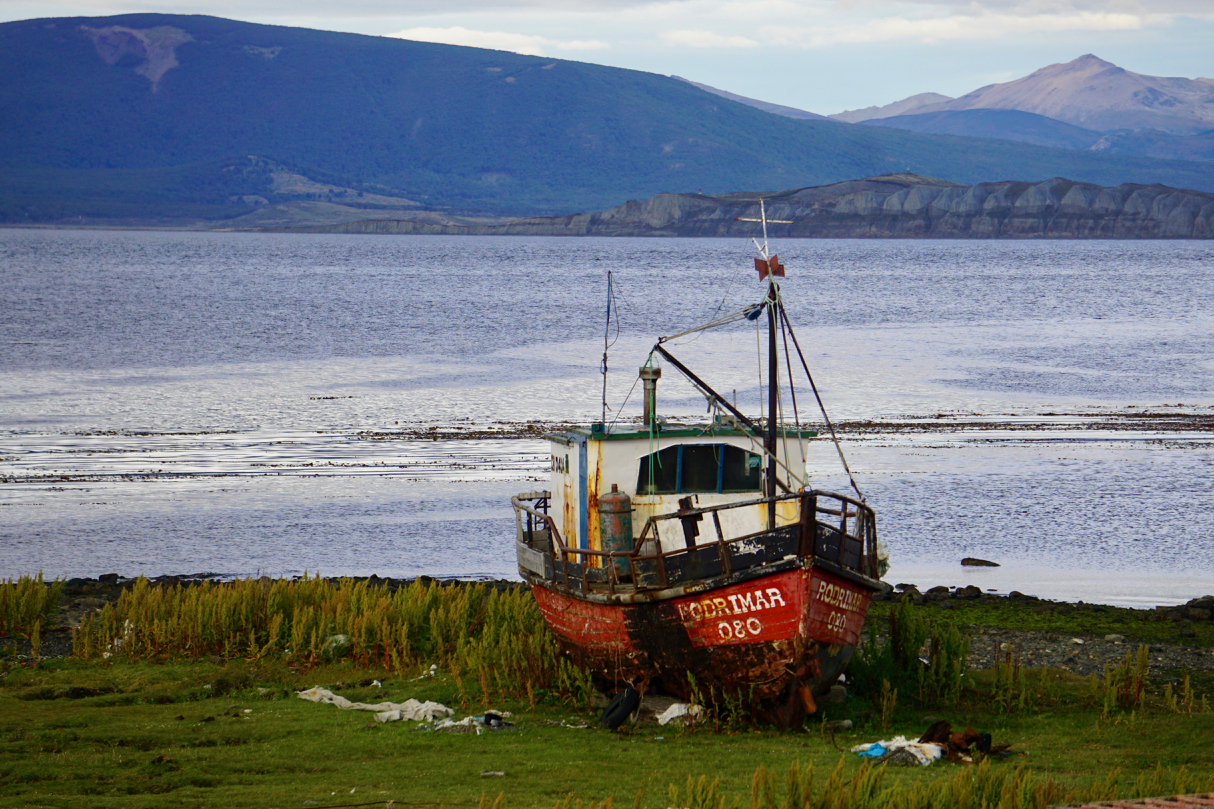
The next report will once again be sent by satellite, straight from aboard the yacht as she flies through the Drake Passage. We will probably not be in touch again for three weeks. The photographs in this report were taken on the Chilean and Argentine shores of Tierra del Fuego in the Beagle Channel.
We’re racing headlong to the internet to send everything at once. The children and I are pinning our hopes on somehow managing to ride the world’s southernmost railway tomorrow morning while the captain completes our outward clearance. But the chances of that, frankly, are slim.
The Chilean side
Friends, thank you for writing to us! Your comments, greetings, questions and answers are a ray of light from our home community. And adults—and especially children—simply need that ray amid the vast waves of the open ocean. Let alone amid the waves of two oceans at once!
Thank you to our shore-based brotherhood for fuelling our expeditionary enthusiasm via PayPal.me/TravelyFamily. Special thanks to Dmitry S. from St Petersburg, Viktor S. from Leningrad Region, Vladimir P. from Moscow and Mikhail B. from Spain. You do more than motivate us to make discoveries and conduct research: thanks to you, hundreds of other people find their wings and gain faith that living your dream is within the reach not only of heroes, but of the most ordinary people too.
May you all have the will to win! Hugs from the end of the earth!
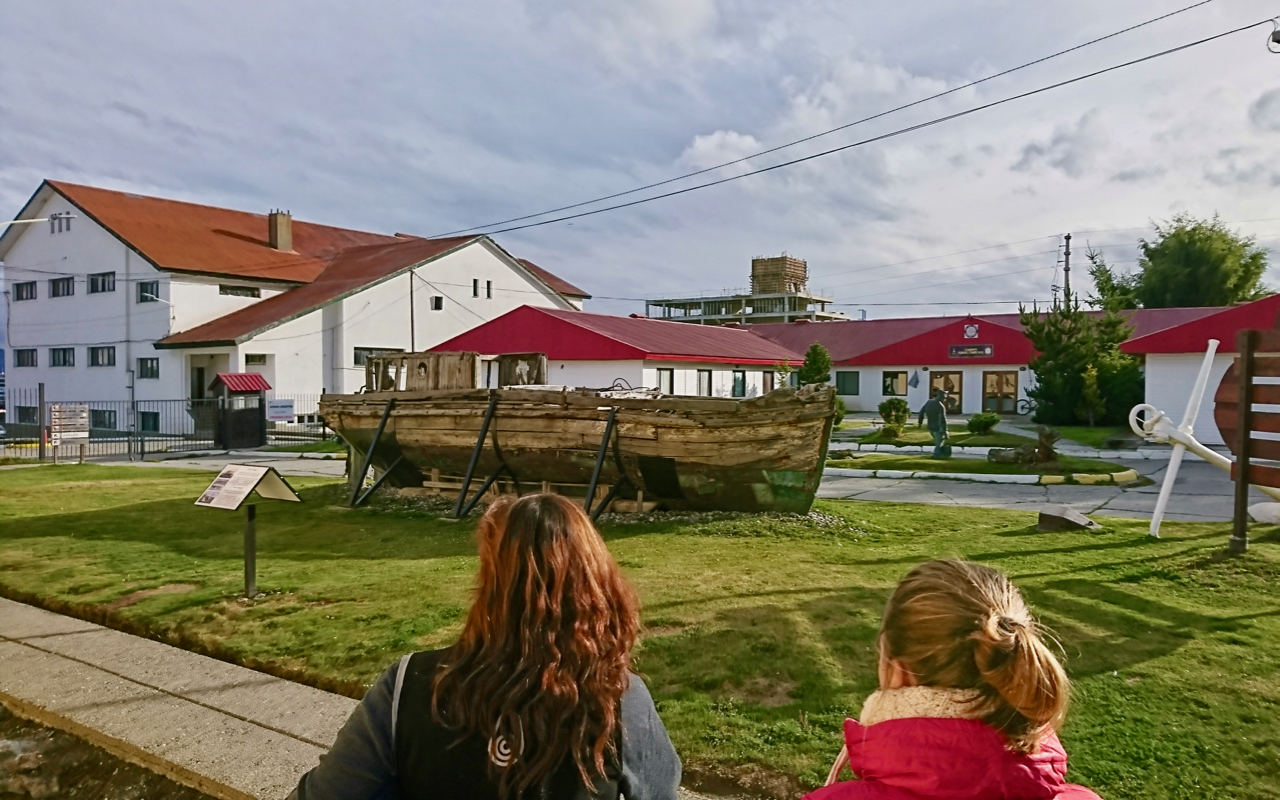
Photos in bulk 🙂
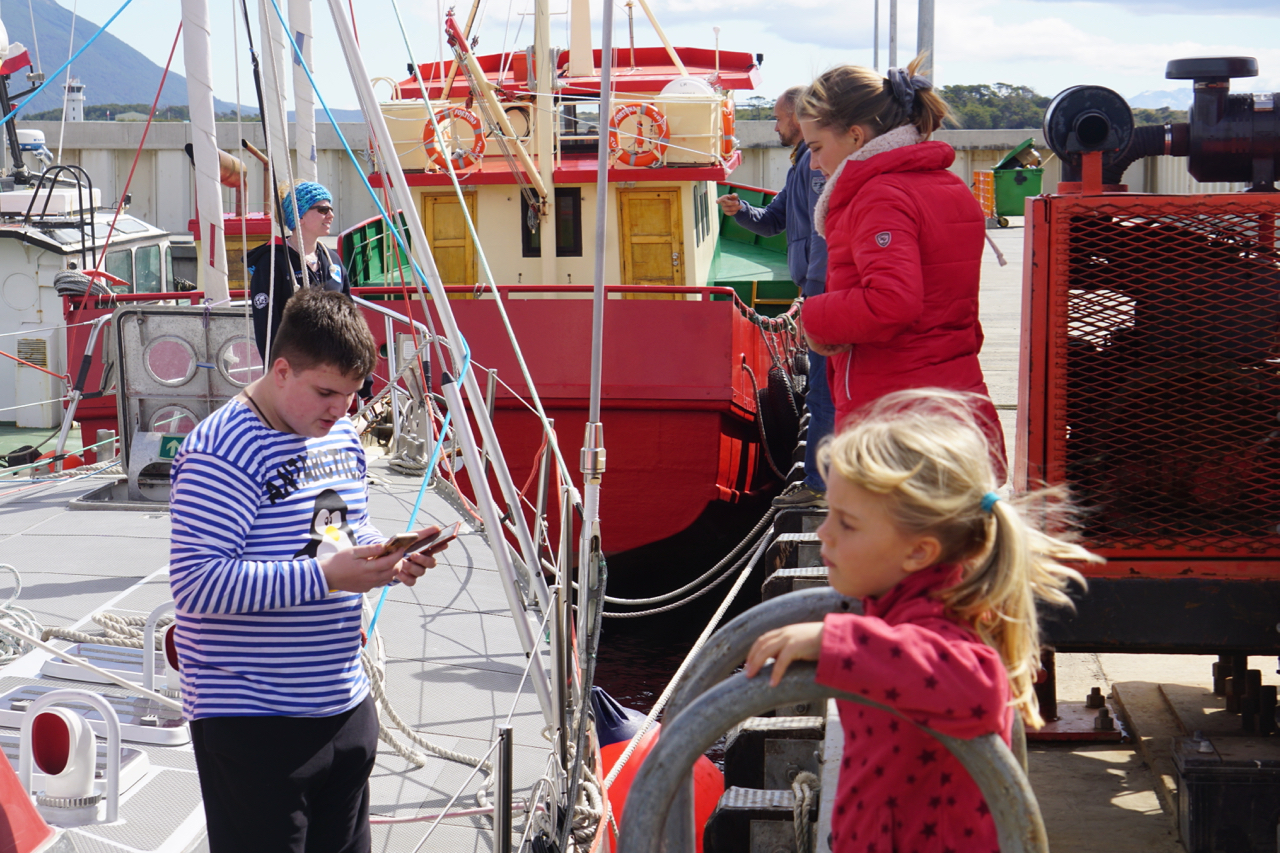
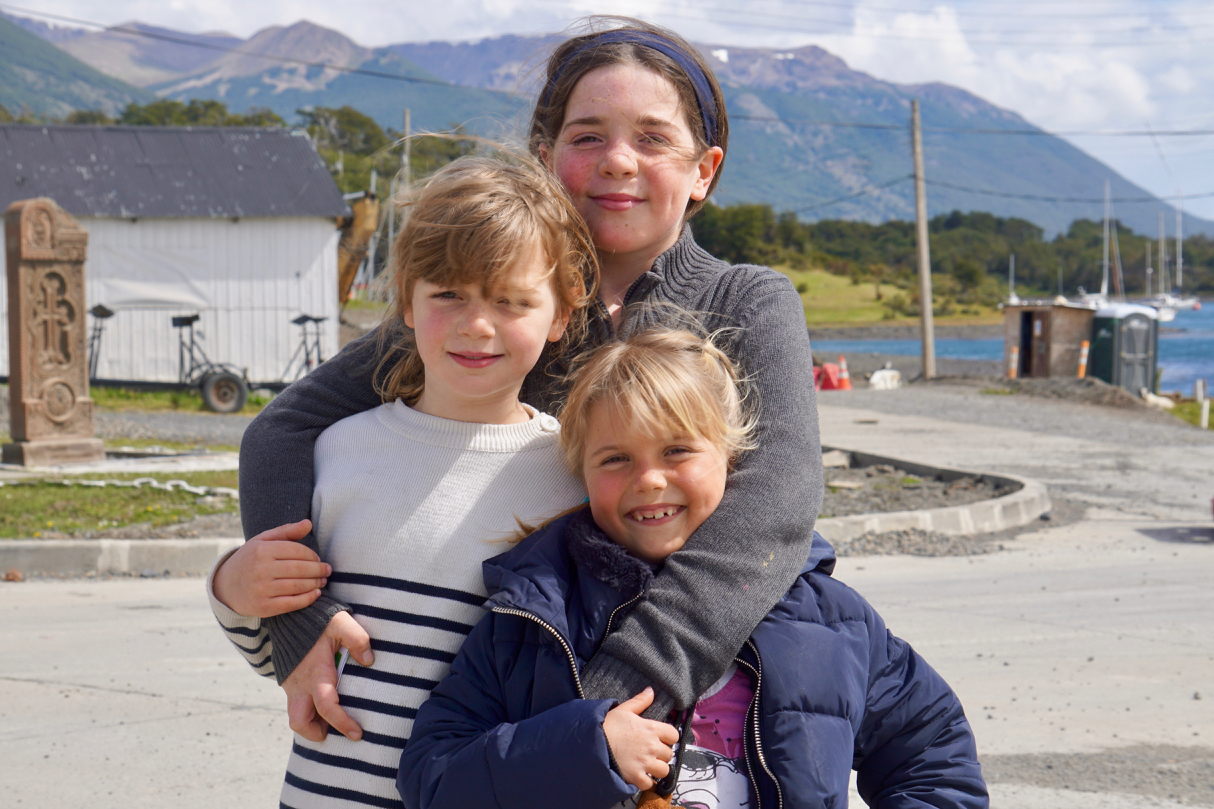
Lada’s friends. Six months ago they sailed the western Northern Sea Route aboard a yacht with their parents By the Beagle Channel

Ushuaia
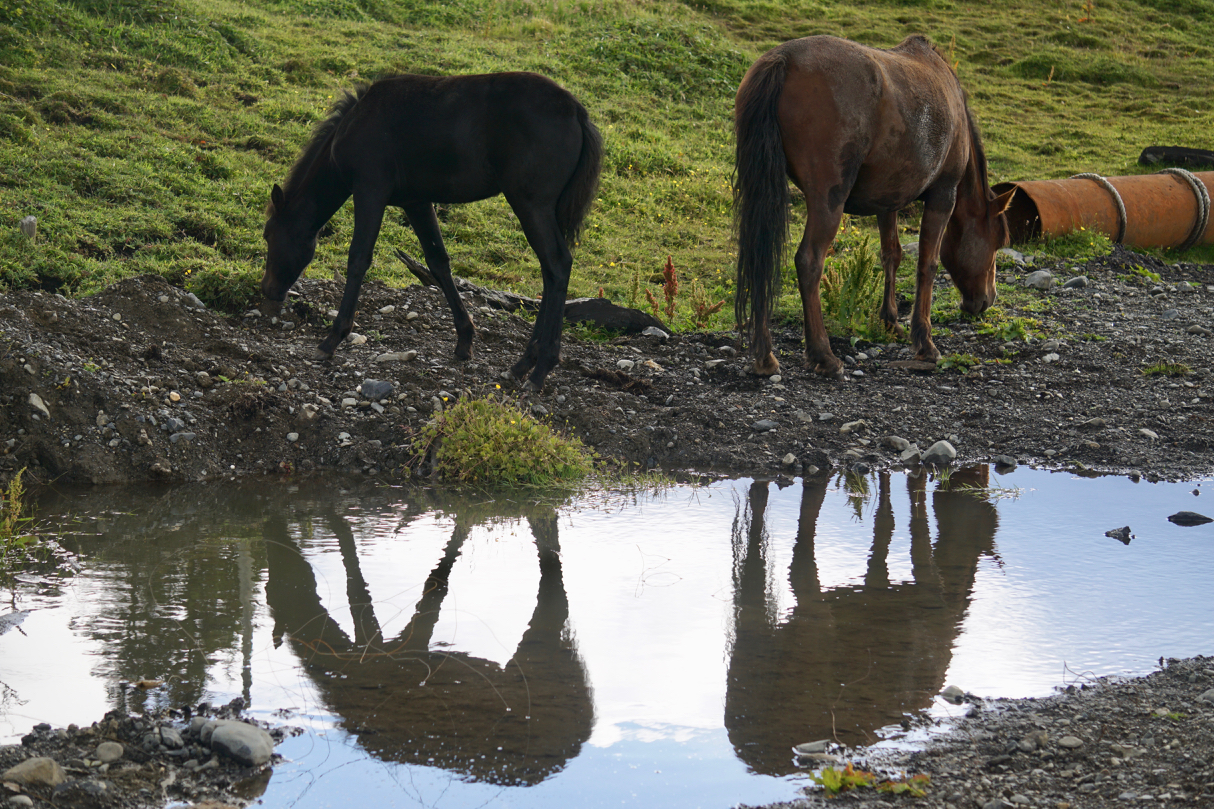
Here come the horses
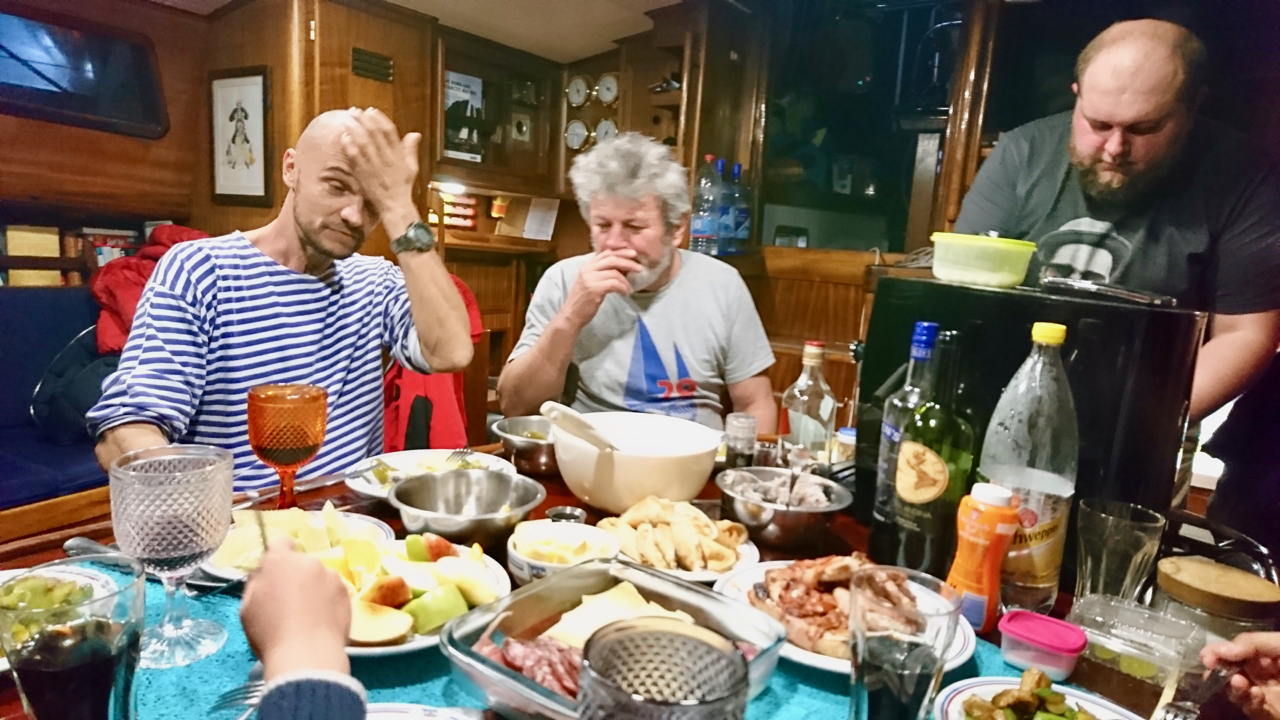
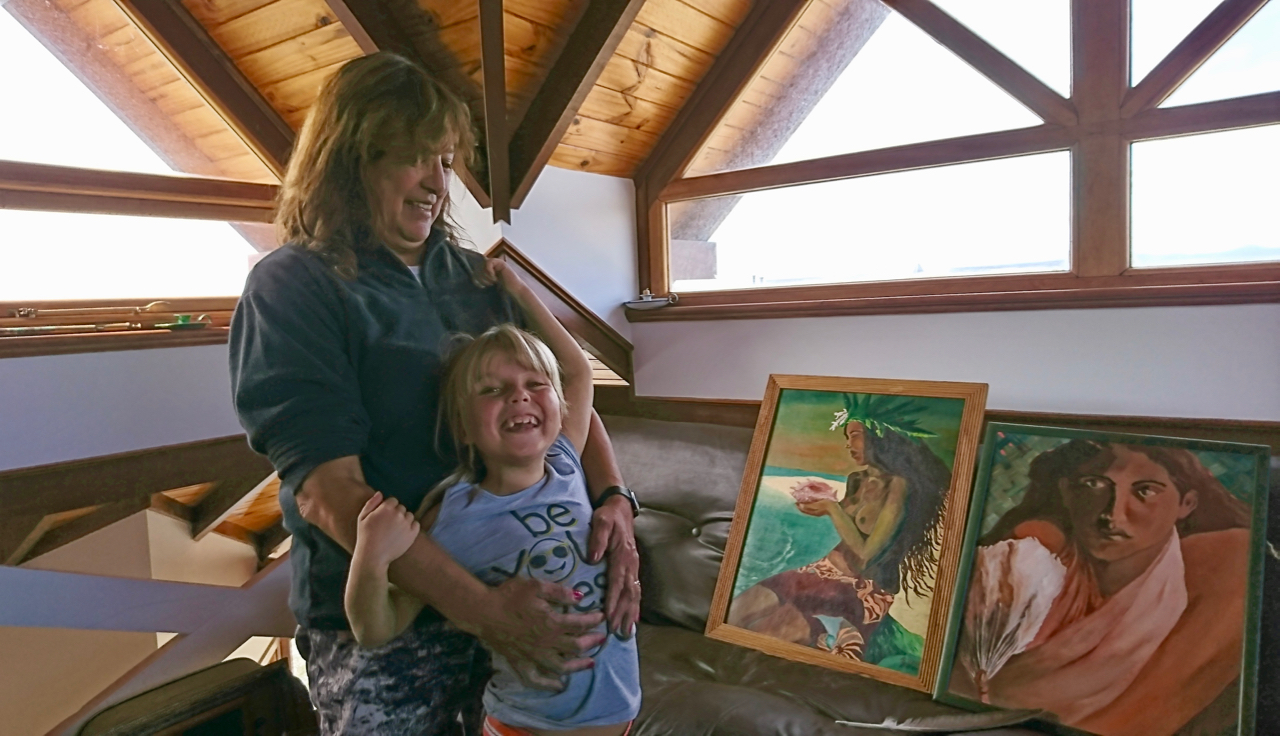
Visiting Roxana, owner of the AFASyN yacht club
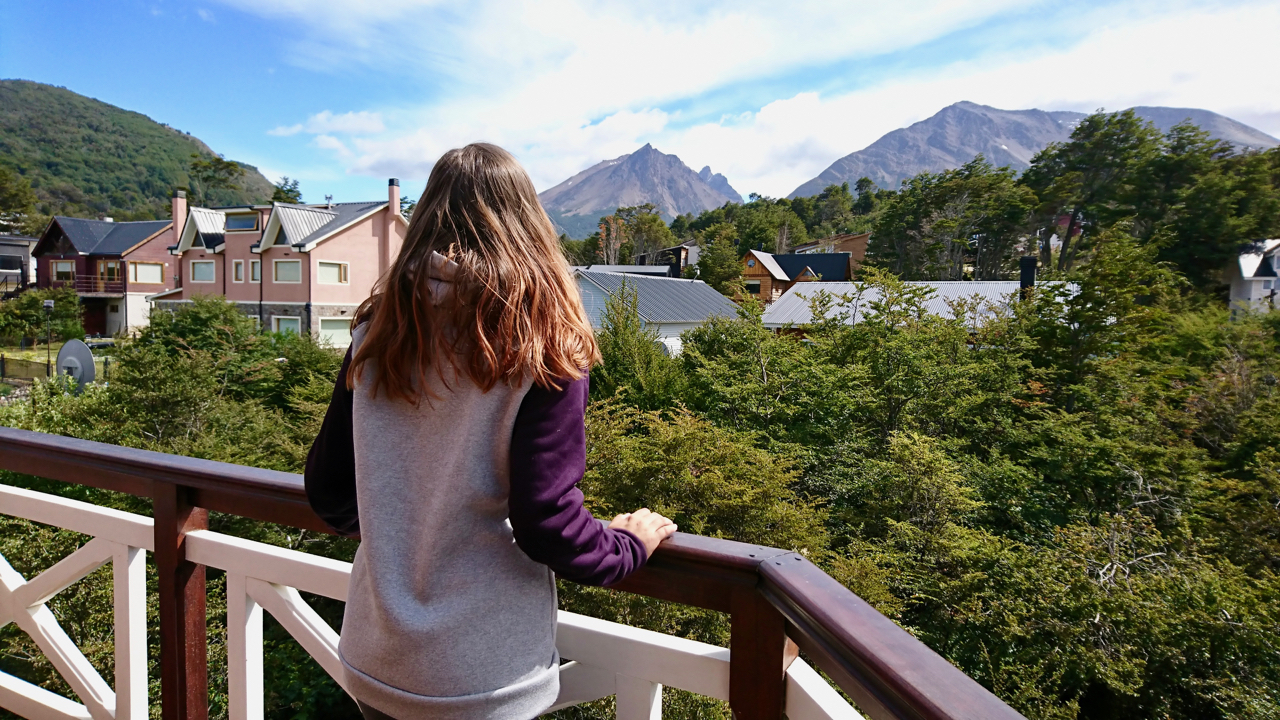
Patagonia from the balcony
Museum—a former prison
Argentine matryoshka dolls
Come up with a caption for this photo:))
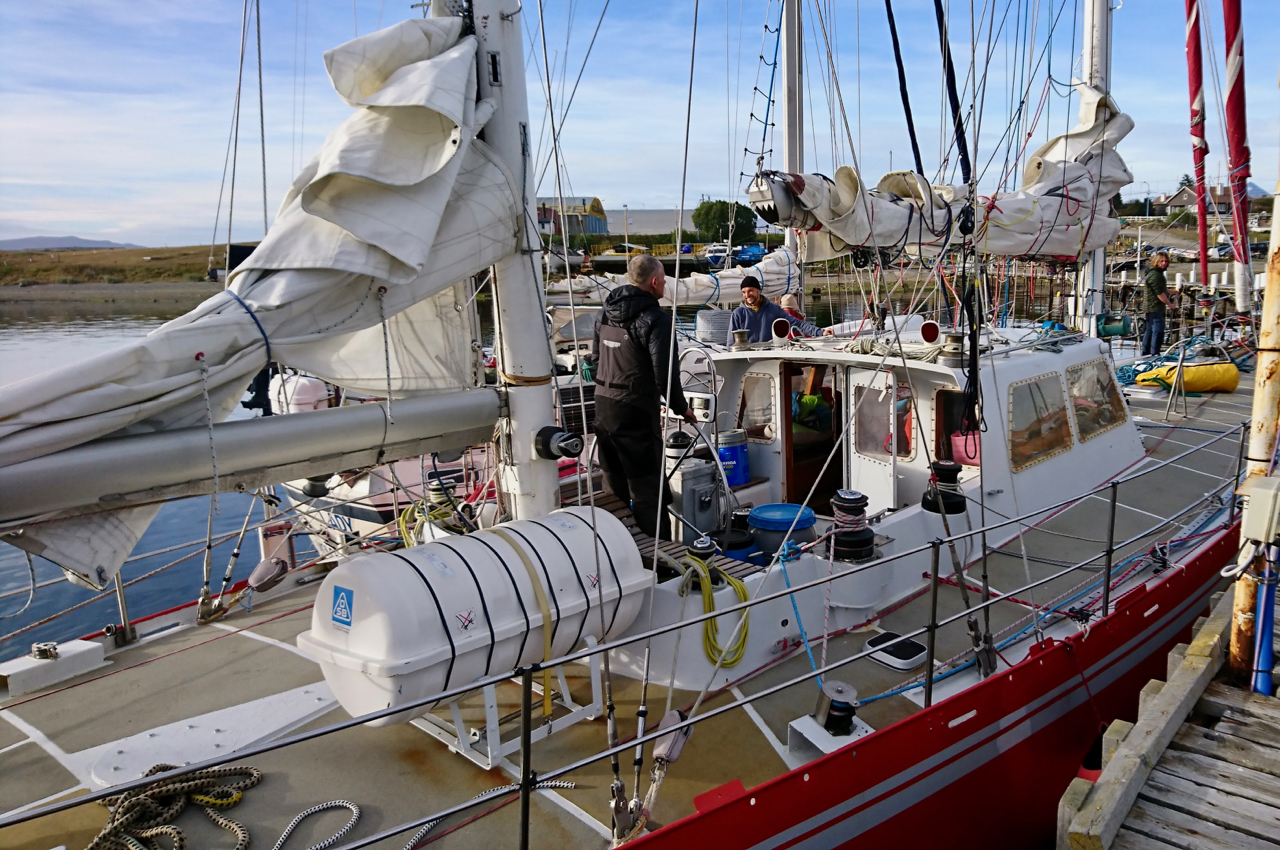
Polish expedition yacht Selma prepares to depart for Antarctica
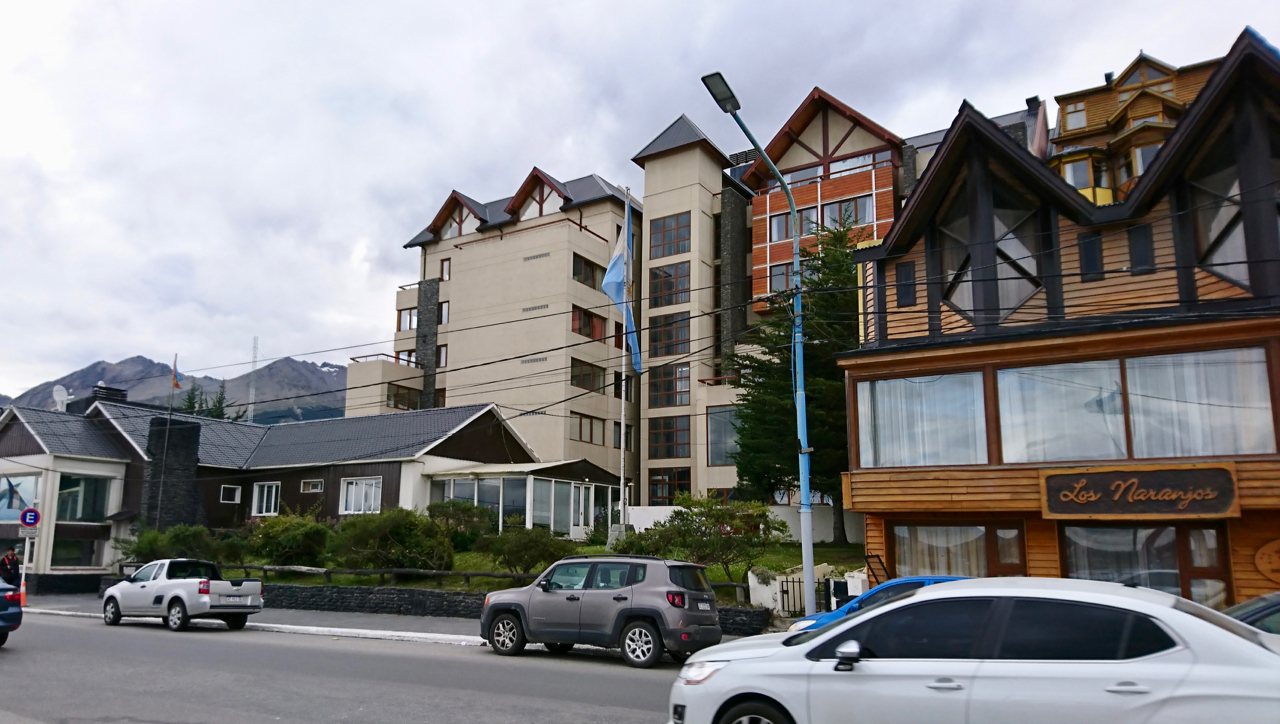
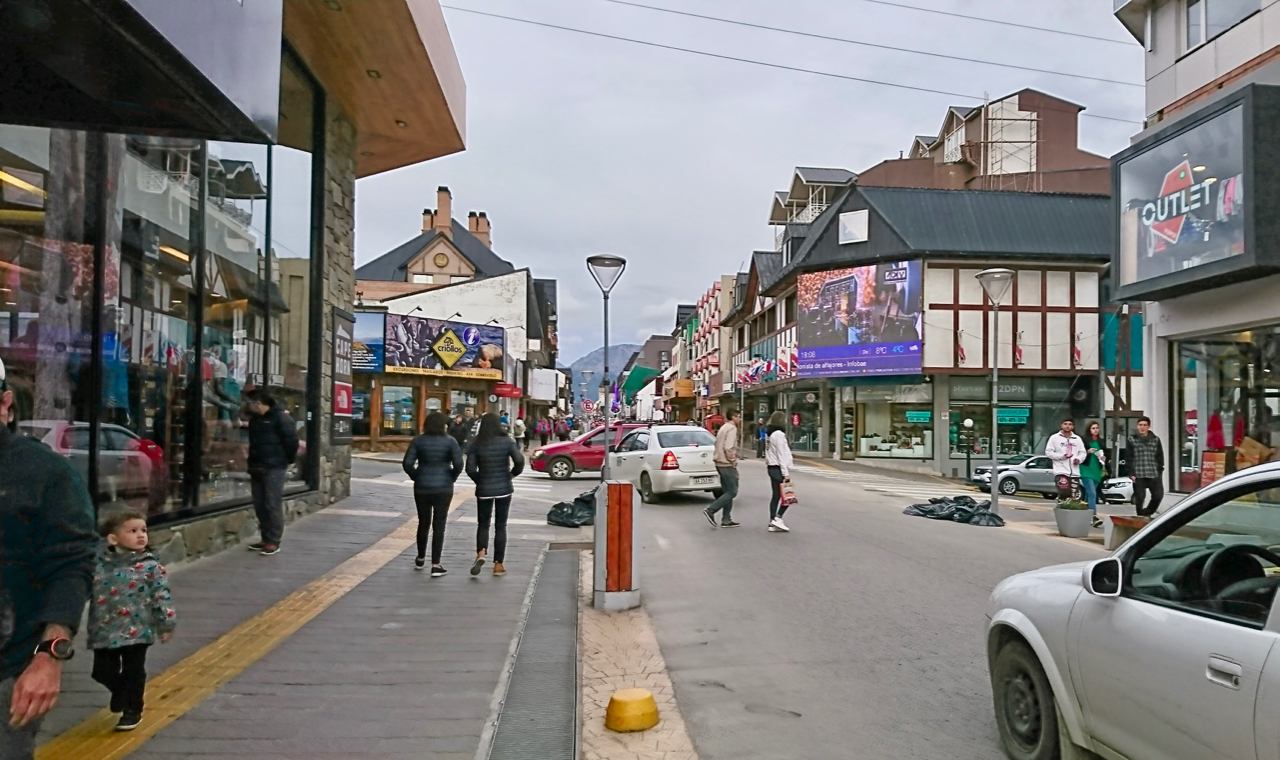
Ushuaia’s main street