
From the Travely-Family archive · Other Entries
The Angel Who Went to Sea
An original publication from the former Travely-Family website. This English translation was preserved from the technical-site archive without editorial rewriting.
The Angel Who Went to Sea.
Why Sophie, Lord!? Why her...!? — I am sobbing in the bowels of the yacht while my crew are ashore enjoying themselves.... It is hard to take in. Impossible to believe.
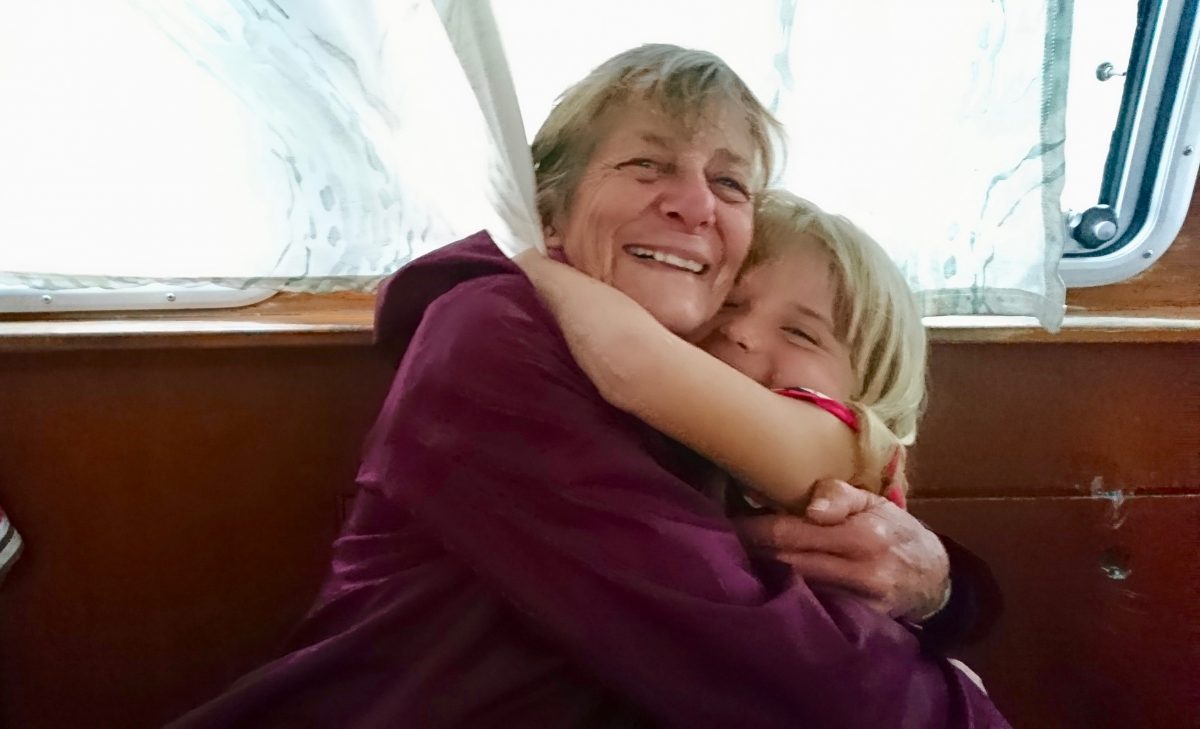
We met Sophie, a fellow sailor, in Tierra del Fuego, just after arriving in Puerto Williams from Cape Horn. Tiny as Thumbelina, this woman of about seventy was all warmth and light. Her eyes shone with such kindness and love of life that our young sailor fell in love with her at once. So did the captain....All of us did.
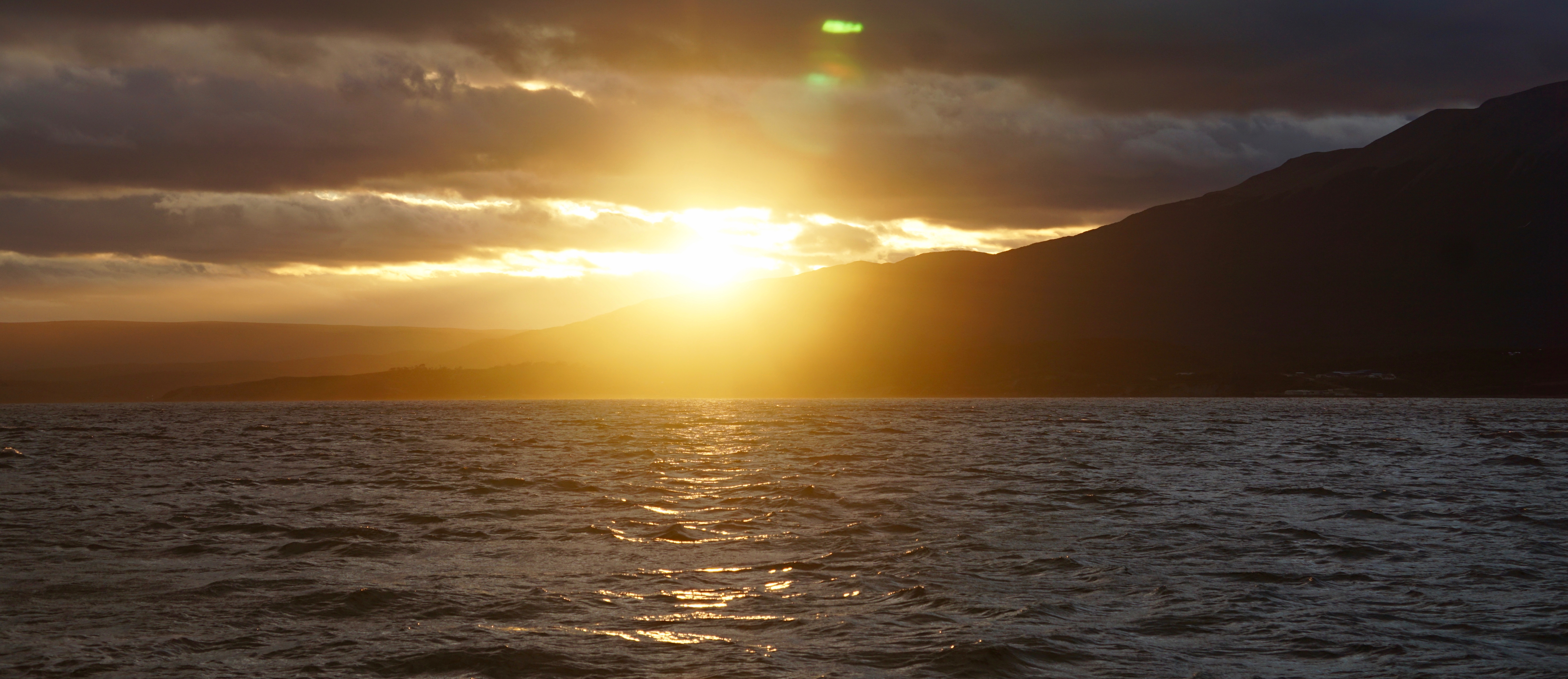
After their first walk along the pontoon where the coolest yacht club we had ever seen had taken root, my family returned to Lady Mary and overwhelmed me with their impressions. Lada had made two new friends, aged thirty-eight and sixty-eight. And the latter had our young sailor and captain doubly delighted.
Can you imagine, her yacht is called “Kitty”!
She and her husband were the first to run sailing charters to Antarctica!
When they arrived here, around 1979, there were no other yachts at all!
And her husband’s name was Oleg; he was Russian!
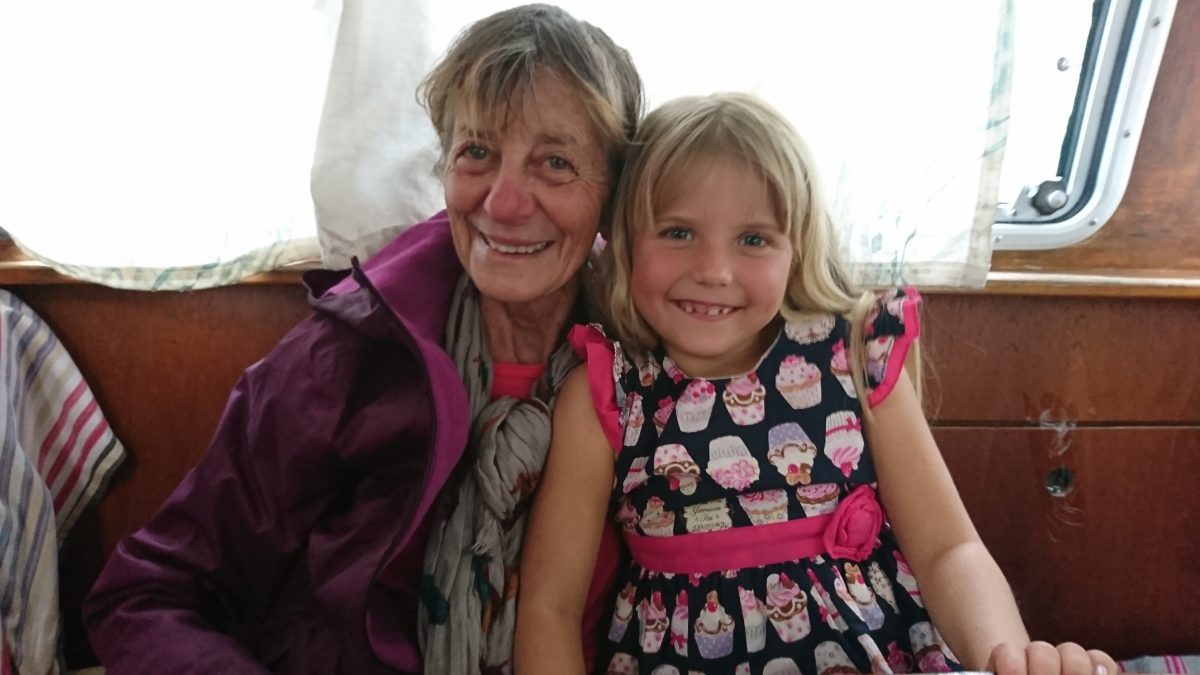
And she has two cats, and she’s been to Antarctica lots of times!
Sophie visiting us with our young sailor
The Past
Andrey and Lada vie with each other to share their impressions of their new acquaintance. Her name is Sophie. She is very kind. Her husband’s name was Oleg, and he was descended from Russian émigrés in France. They met in Nice. Throughout their life together, Sophie and Oleg sailed the oceans aboard their yacht, returning only occasionally to their native France. In the late 1970s, their sails brought them to Tierra del Fuego, to Puerto Williams. Back then, the sunken barge where we have just met her had not yet become a yacht club, but was quietly rusting at its moorings. And no one was running charters to Antarctica. Sophie and Oleg were the first. They fell in love with Patagonia with all their hearts and began returning here almost every season.
What was your longest nonstop passage? I ask, having spent sixty-four days at sea.
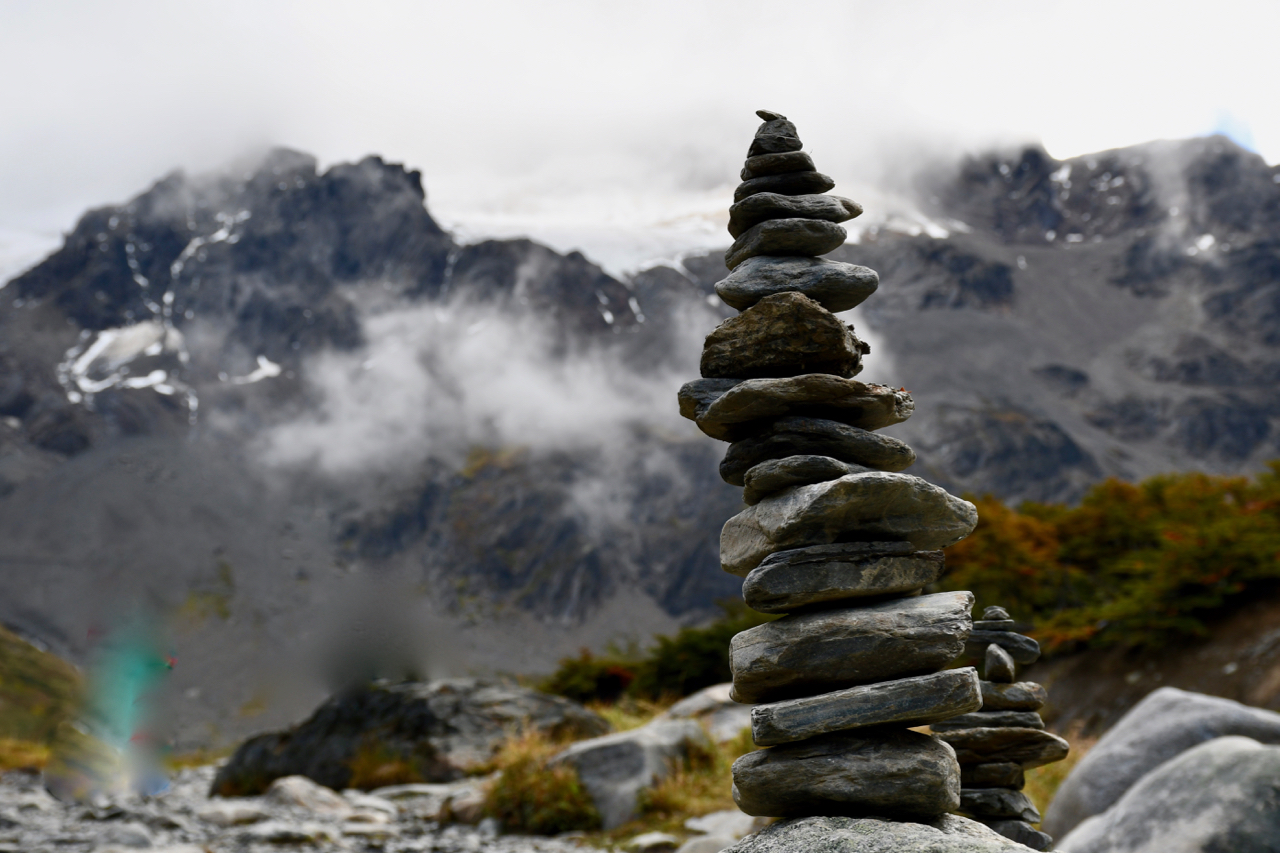
Seventy-two days, Sophie replies. My husband and I sailed straight from Tierra del Fuego to Portugal, just the two of us, and we had no desire to put in anywhere.
Then their children, Igor and Olga, were born. They grew up sailing and studied on board. Olga decided to finish university and became a biologist. But after working for a while, she realised that her true calling was fashion design, which she now happily pursues. Their son became a yacht captain and, like his father, takes groups into the polar latitudes. Sophie’s husband died two years ago. She continued going to sea with her son or with friends.
The little blue light on the left — perhaps that is Sophie’s soul...
Sophie adored Patagonia: its mountains and shamanic forests, its kind, honest people, and its sailors, who are different from those in the tropics and the Mediterranean. Sophie knows a few words of Russian. Her daughter Olga lives in France, mixes with the Russian diaspora and speaks Russian better than anyone else in the family.
The Present
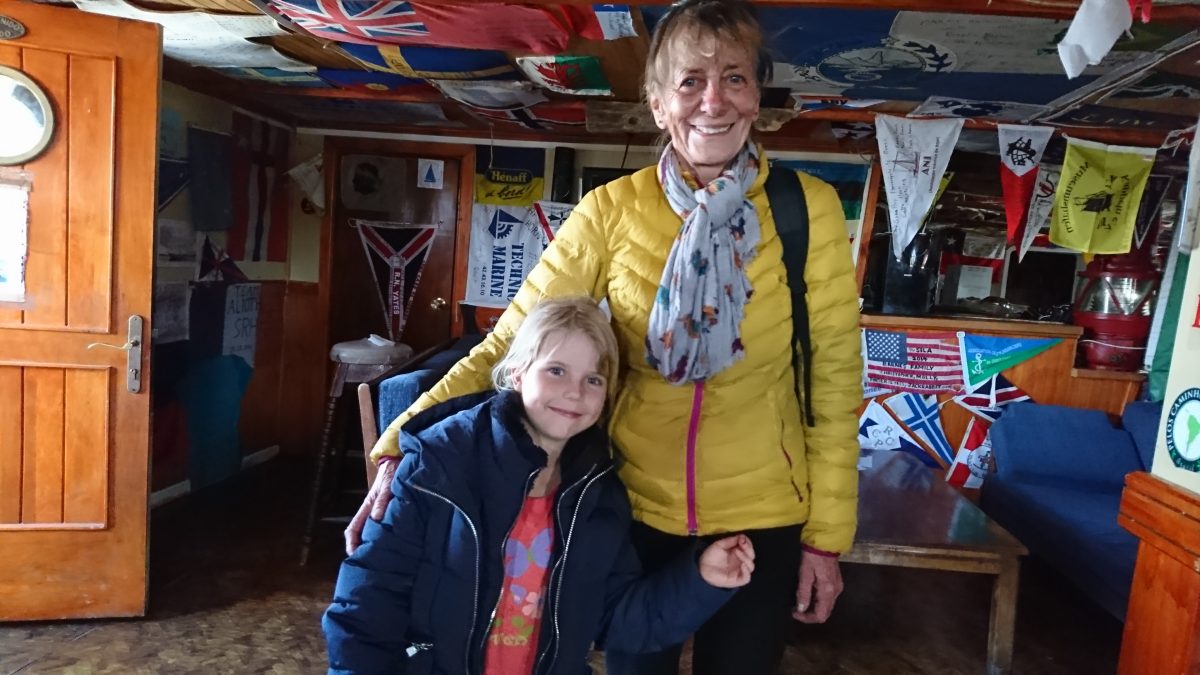
Sophie has a small apiary in Uruguay, looked after by friends. Her bees make the most soulful honey in the world. At the end of the Antarctic season, Sophie sails aboard her friend Arnaud’s yacht via the Falkland (Malvinas) Islands to sunny, tranquil Uruguay. People here are very fond of that country for its cosiness, fantastic natural beauty and lack of huge cities. There are bees there, tea on the veranda, and another home. When we told her how fed up we were with runny tropical honey, Sophie gave us two little jars from her own apiary..
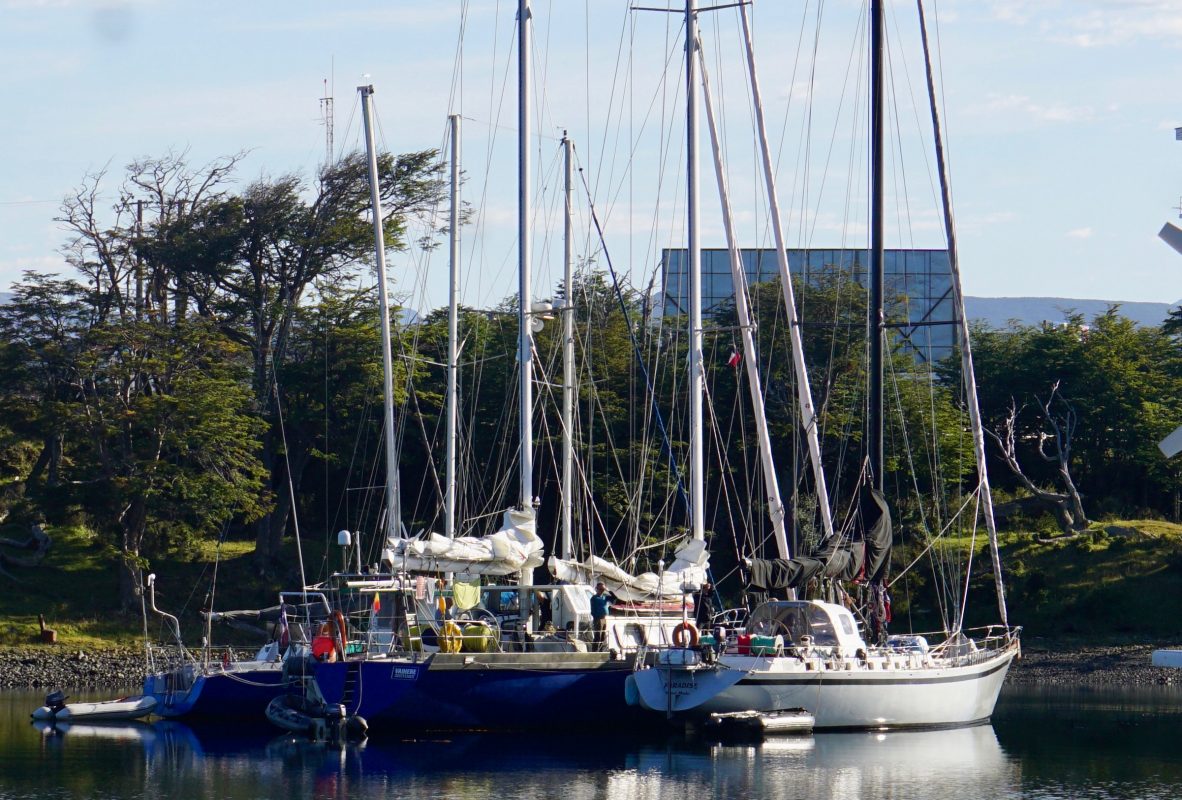
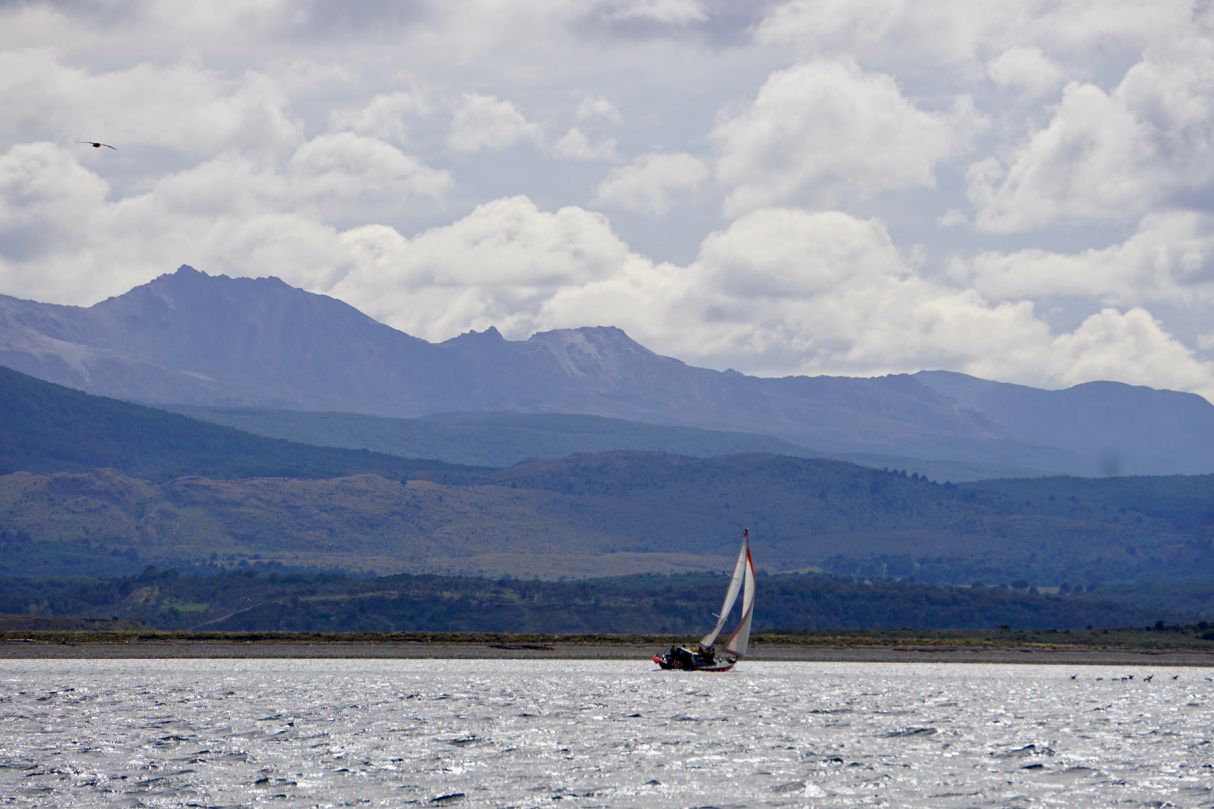
Since November, Sophie had been living at anchor in Puerto Williams aboard her “Kitty” with two fluffy cats. Our young sailor befriended them on her very first visit. Sophie would collect her in the dinghy and take her to her yacht, anchored beyond the green headland. On some days, the two friends went to gather the local black calafate berries from thorny bushes; they wandered about together or with a local friend of Sophie’s. Sophie waited for her son to return from Antarctica and sailed to Ushuaia the following day aboard the yacht Paradise. From there, she and a crew of friends were to head for the Falklands.
There were eight of them, including three captains with thirty years’ experience and one or two hundred thousand miles astern. Paradise set off for the Falkland Islands, where there are plenty of animals and birds unafraid of people, as well as king penguins. There is also a neat little town, very English in character. After that, home in Uruguay awaited Sophie, for about six months, until the next Patagonian spring.
The white yacht is Paradise...
On the morning after our return from Antarctica, while sorting out a cupboard, I paused with a jar containing the last of Sophie’s honey in my hands. “I must write to her today and ask where she is and how she’s doing,” I thought, turning the jar in my hands. I remembered Sophie’s fragility, kindness and gentle, cultured vulnerability, and promised myself that I would definitely write to her.
An hour later, we invited the marina’s owner in for tea. Roxana had been worried about how our voyage through the ice had gone and was very glad that we had returned. While we had been away, she had seen both “Rusarc Aurora” and “Mon Coeur” off northward and had been waiting only for us. After hearing about our adventures in the ice, Roxana asked whether we knew about the accident. Paying no attention to the rather troubled look on her face, I said, “We know that a yacht was beset by ice off Bellingshausen Station in the autumn.”
No, our guest said, shaking her head...
Instead of the Future
On the way to Uruguay, 480 nautical miles north-east of the Falkland Islands, a yacht belonging to well-known sailors and carrying a highly experienced crew was rolled by a freak wave. Of the eight people aboard, one woman suffered a head injury. A helicopter was called and took her to hospital in the Falklands.
According to other sailors, the ocean was not raging that day. Waves of around four metres are nothing unusual in those latitudes. The captain was at the helm, the men were busy below, and the women were making lunch. One of them popped into the cockpit to throw the potato peelings overboard. The other merely looked out through the hatch. At that moment, an abnormal wave struck the yacht broadside and knocked her flat on the water....Those in the cockpit were washed overboard..
There were two of them: Captain Arnaud and an elderly lady. Only when Roxana spoke her name did I realise that she was not talking about an accident a year ago, but about something that had happened while we were in Antarctica....And the elderly lady was our Sophie.
After that, everything is a blur. I am not even sure I understood Roxana’s account correctly. The second woman struck her head but survived. Apparently Captain Arnaud had been clipped on, though he was not wearing a life jacket. But his tether became caught around the propeller and was dragging him underwater. He told them to cut the line, but he could not get back aboard. In the cold waters of the Southern Ocean, a person will not last even fifteen minutes. It happened on 5 March. Their bodies were not found.
The news reports speak of a storm and do not mention the details. But we are inclined to put more trust in what people we know tell us. Because to someone unfamiliar with sailing in the Southern Ocean, four-metre waves in a news report sound like a storm...
I could not write this post for more than a week.
I think it is incredibly fortunate that we are all still alive. Because a killer wave may come out of the ocean only once in a lifetime. And if, that time, you happen to step out on deck to throw away the peelings, you will never be found.
She was like... a candle, I whisper to Roxana, my voice trembling.
Like an angel, she corrects me.
I believe that our Sophie has become an angel. Pray for her soul.