
From the Travely-Family archive · Other Entries
Gateway to Antarctica
An original publication from the former Travely-Family website. This English translation was preserved from the technical-site archive without editorial rewriting.
Ushuaia—the Gateway to Antarctica.
About the end of the world and Russian hospitality. Who sails to Antarctica, and what everyone else does. Whether you can manage to travel when you travel by yacht. How our young sailor went visiting while we battled the provisions.
The paradox of a travelling life
We have already been in Ushuaia for 10 days, yet the journal is still pining away without any new entries. The question has become acute: either you live and travel, or you write about it. And, more specifically, you either live or you travel.
With every hour we spend not recording our chronicles, sorting through photos and editing video, the backlog grows. And I simply cannot understand how everyone around us manages to get a thousand things done: planning meetings, sorting out problems, building a bright future, drawing Baba Yagas with their children and taking them (the children) to the doctor, devoting time to their beauty and inner peace—or whatever it is you are supposed to devote time to. Travelling, finally!
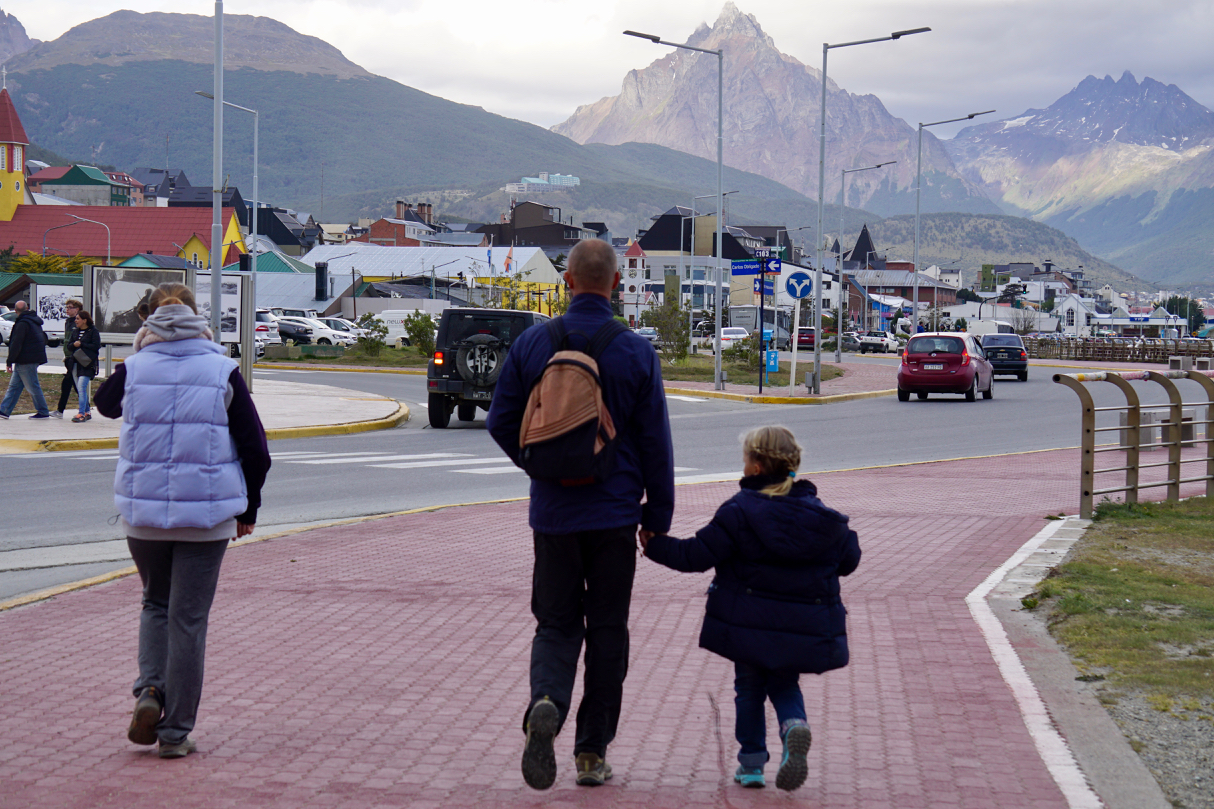
This is where there ought to be Homeric laughter—because we have no time to travel. None whatsoever. We have not even explored the little town of Ushuaia from end to end yet, never mind the surrounding area. And it is worth seeing: the national park and guanacos (Patagonian llamas), the world’s southernmost railway and hikes along trekking trails, the rugged coastline and sunken ships, museums devoted to the extinct indigenous Yaghan people and islands full of penguins.... I feel like a Sochi resident who has not been to the beach once all summer. And, apparently, never will.
Stow the provisions, seal the hatches with cling film, empty the lockers, fill the lockers, unwind a 230-metre reel of rope, then wind it back up again, only now as two 115-metre coils. Dry the mattresses; the next day—do it again. Wash mould off the walls, haul everything onto the boat, haul it all off again, weld the bowsprit, weld a bit of metal onto the rudder, shift berth, jump online for a live broadcast, manage to slap up a post on Instagram.... The internet froze—I did not manage anything. New Year presents. Where? What? How? A dash around the shops..., then another. Boots for our young sailor—a third dash. We did not find any, so another dash....
As always when we reach shore, we are swept up in a whirlwind of events, from minor repairs and major shopping trips to gathering information and actively socialising. And here, at the end of the world, there are more people than anywhere else. Our people—Russian speakers! Where have they all come from?
Fin del Mundo by yacht
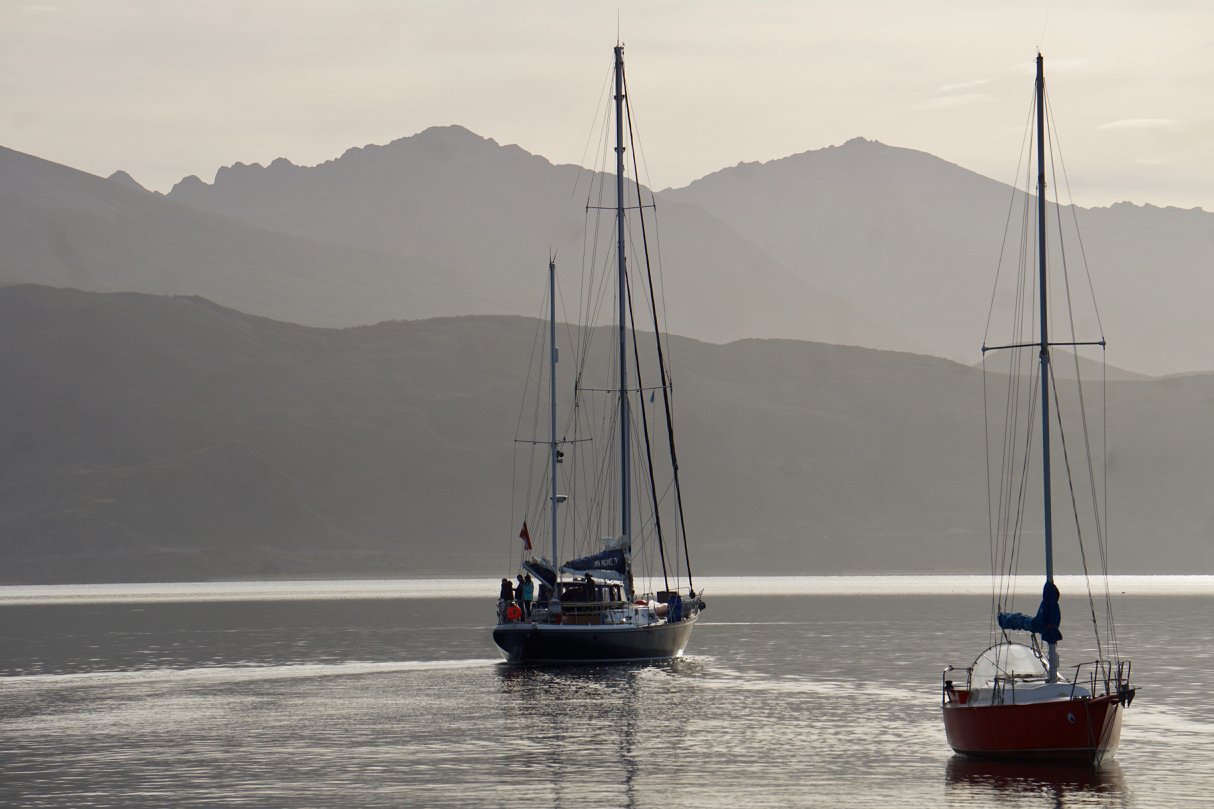
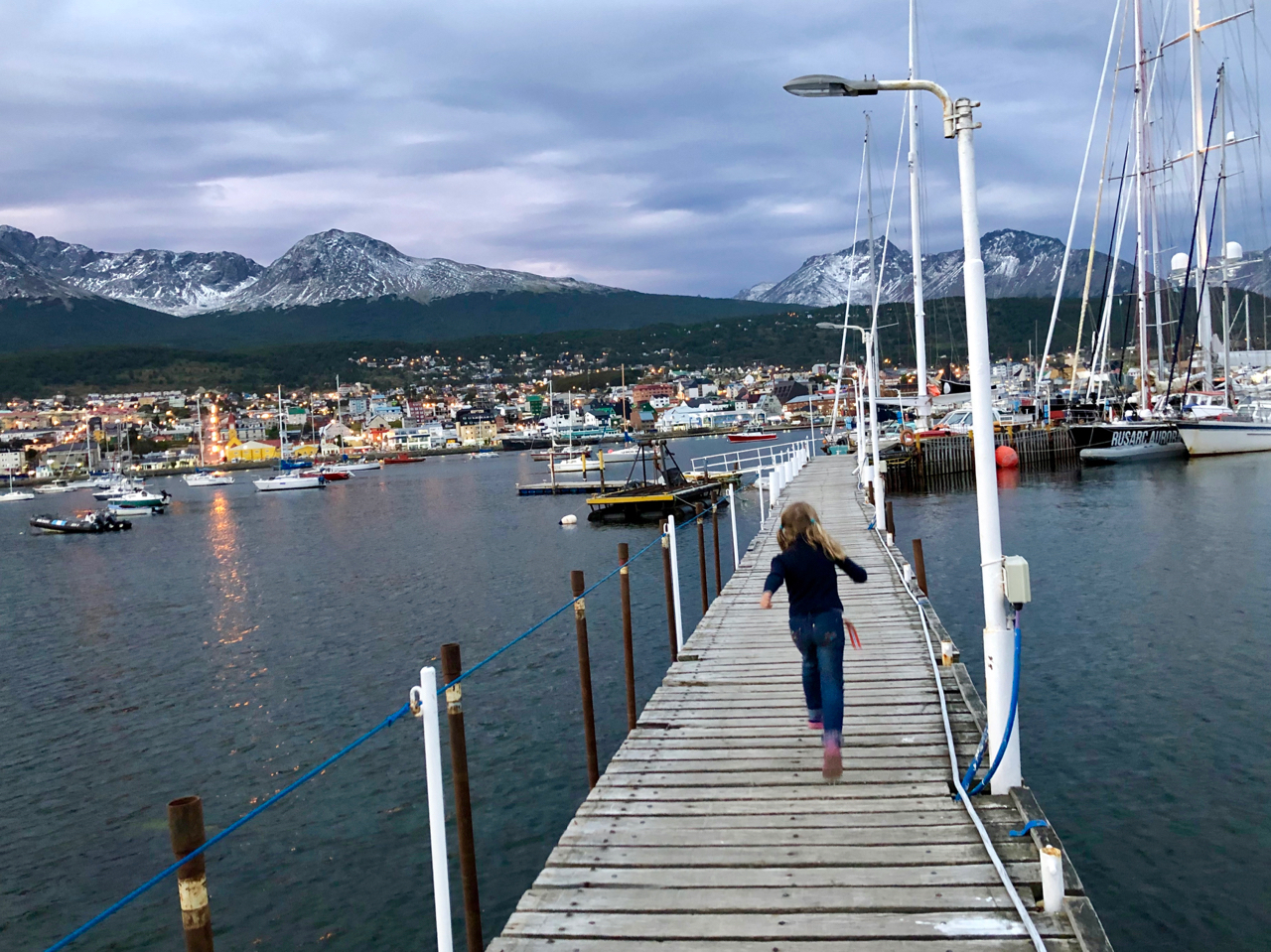
The Argentine city of Ushuaia lies 25 nautical miles northwest of Chilean Puerto Williams. Unlike sleepy Puerto Williams, Ushuaia, on the opposite shore of the Beagle Channel, seems like a positively bustling city. There are no fewer than two yacht clubs on the bay’s calm waters. Each has one jetty, a long wooden pontoon where yachts berth alongside in two or three rows. Here you do not have to clamber across five different decks, as you do at the world’s southernmost yacht club. Just two. Or one, when the others have left for Antarctica.
The pontoon at the first yacht club leads straight to a casino. A day costs $8, including water and electricity; internet is available on a bench by the gate. But we moved to the second club, which is twice as expensive and six times farther from the centre, and electricity is charged separately. The internet is almost by the gate there too, only inside a building that, besides a spacious hall with a grill, tables and amenities, also has an attic proudly named the “Biblioteca.” The advantages of the place would not be obvious were it not for the owner and our neighbours.
The yacht club owner
On the day we arrived in Argentina, we completed all the formalities and immediately headed along a narrow spit to that very second yacht club. The dirt road ends at a small airport, from which you can take a half-hour flight over the end of the earth for $95. On the left are the Argentine Navy’s barbed wire and an old naval vessel preserved as a monument, complete with guns.
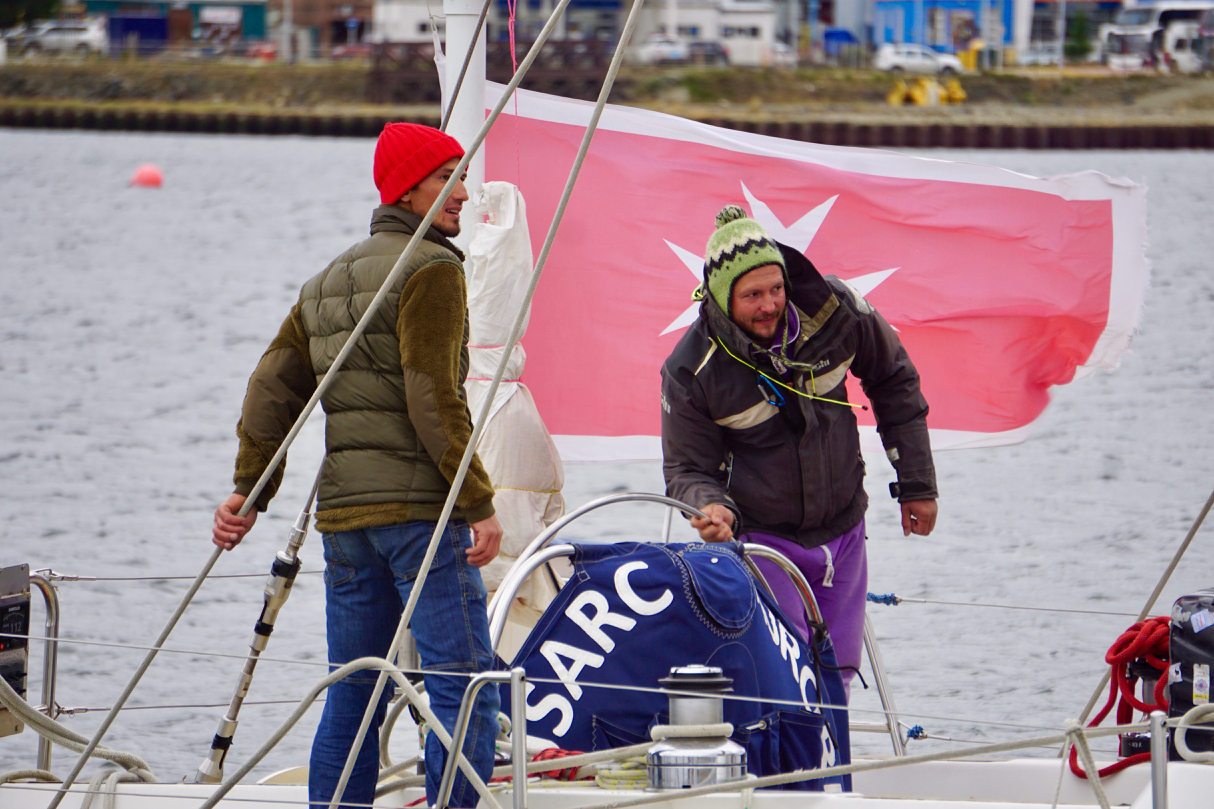
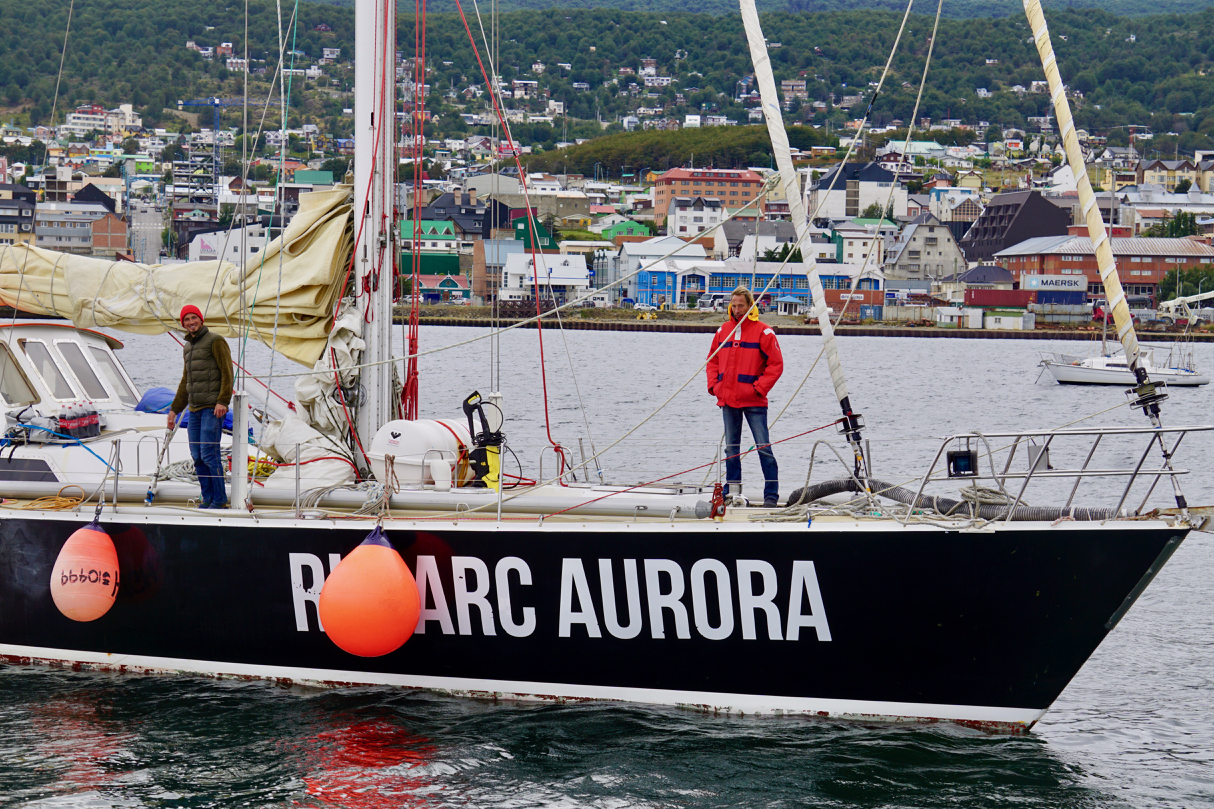
Roxana, the yacht club’s welcoming owner and the fairy godmother of the local sailors, immediately took us to the yacht RusArc-Aurora. The crew, led by Captain Daniil Gavrilov, were busy washing the bilges. The break between trips to Antarctica had turned out to be unusually long—more than a week instead of the usual couple of days—and the guys had got through every possible job. And First Mate Pasha, to whom we were bringing greetings from his mother in Moscow (verbal greetings only), had gone off hiking in the mountains. In 2010, aboard the yacht Petr I, Daniil set a world record: he and his crew became the first in the world to complete both Northern Sea Routes, western and eastern, in a single navigation season.
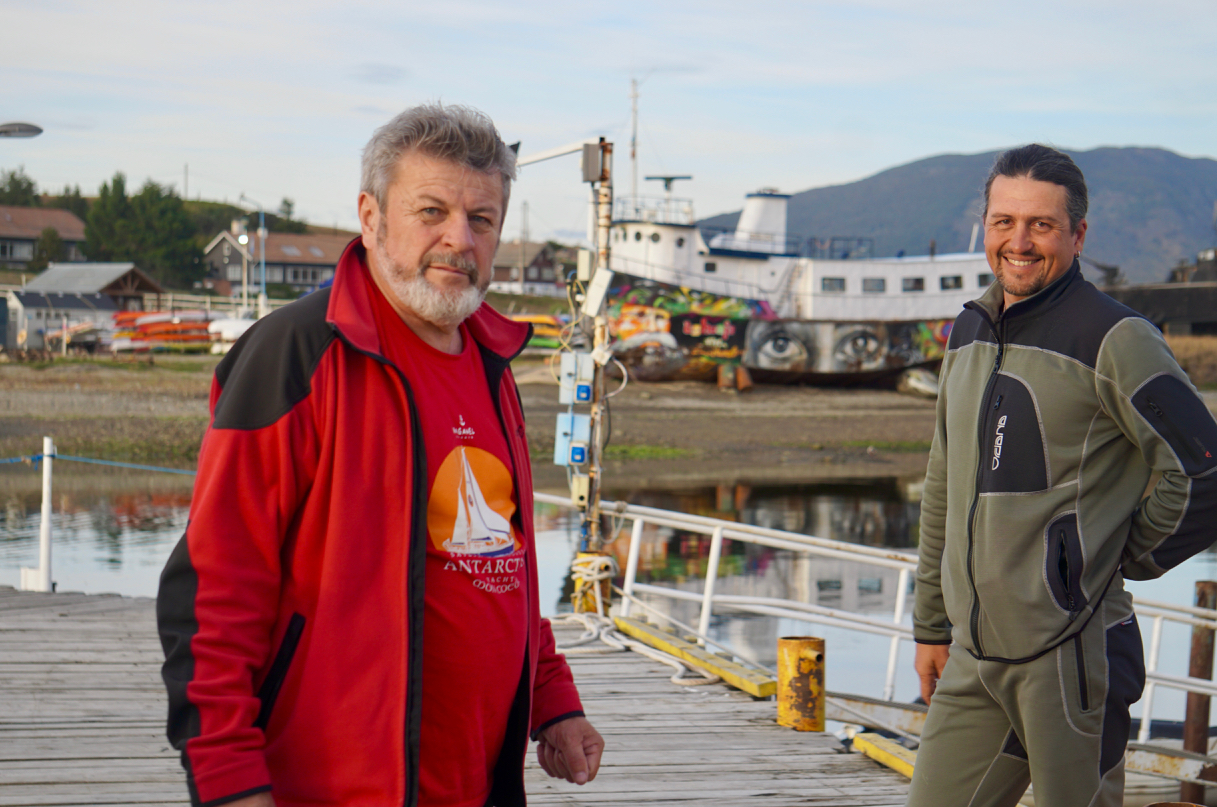
Captain Daniil—in the green hat; First Mate Pasha—in the red one
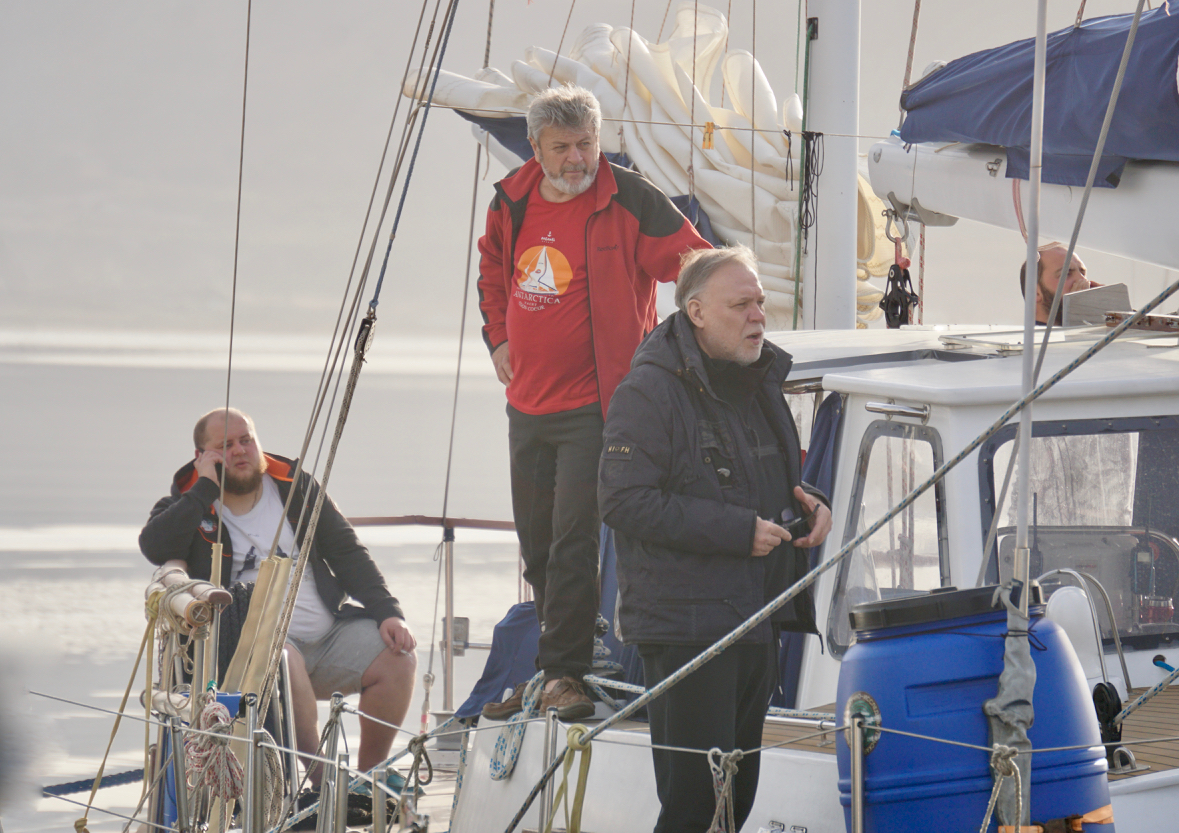
Captain Nikolai Litau, a legend of Russian and international round-the-world sailing, was due back the next day. He holds several world records. This summer, Nikolai Andreyevich is working aboard the yacht Mon Coeur with a crew from Russia and Ukraine. Both boats—one flying the Maltese flag, the other the Latvian—carry Russian-speaking passengers from Ushuaia to Antarctica. Each trip lasts three weeks. The yachts cross the planet’s most dangerous stretch of water, the Drake Passage, twice; call at the Russian Antarctic station Bellingshausen and the Ukrainian station Vernadsky; anchor in icy bays; and sail among icebergs the size of a village. They even swim with leopard seals. And now, between trips, they are here waiting for their next guests.
Captain Nikolai Litau—in red
The visiting game
We reached Tierra del Fuego from the Pacific, where in that entire gigantic ocean there had been only one Russian yacht—Teofania (the Blagovestie circumnavigation)—whose family crew we became close friends with in Tahiti. Before them, we had met the boat Smetana, captained by Ilya from Canada, at Fatu Hiva, and a year and a half ago, in Mexico, there were Vit and Ulya aboard Chaka-Chaka. It feels strange to be back on a continent where there are not merely more people, but more Russian-speaking people. Starved of our native language, we moved to Roxana’s yacht club the very next day.
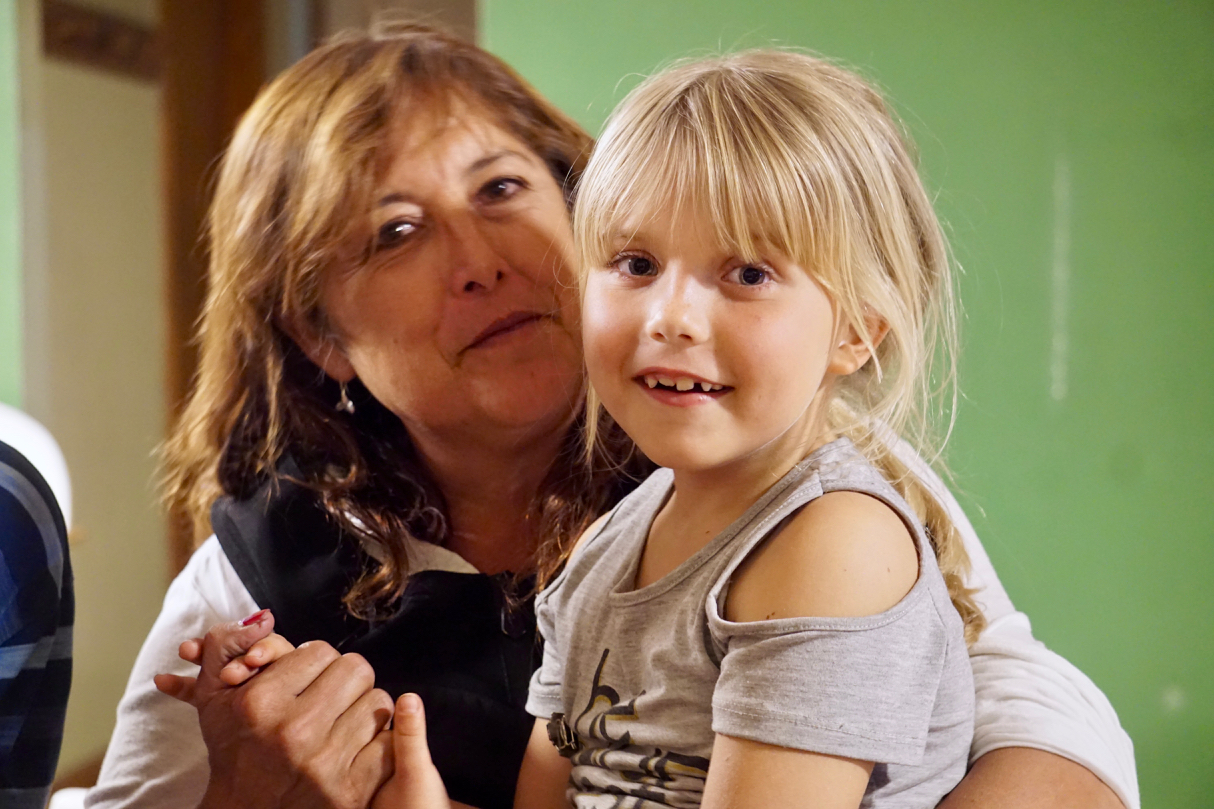
And promptly lost our young sailor. She wandered around town with RusArc’s guests, played board games and quiz games with the crew, wolfed down fritters and brought back presents, checked in at home and then flew off once more on the wings of friendship into the depths of the neighbouring yacht. Luckily, we were berthed side by side, so she did not have far to fly.
While RusArc took care of our young sailor, the crew of Mon Coeur took care of us. First Mate Denis Davydov and the cook, Ivan, took us shopping in their pickup. And then we really went to town. We bought about a hundred thousand rubles’ worth of food and unloaded two pickup beds into the boat, whose entire floor area is roughly equal to those same two pickup beds. The guys left for Antarctica two days ago, and to this day not everything aboard Lady Mary has been crammed into the lockers. Like Moscow, they are not made of rubber. The provisions would not fit.
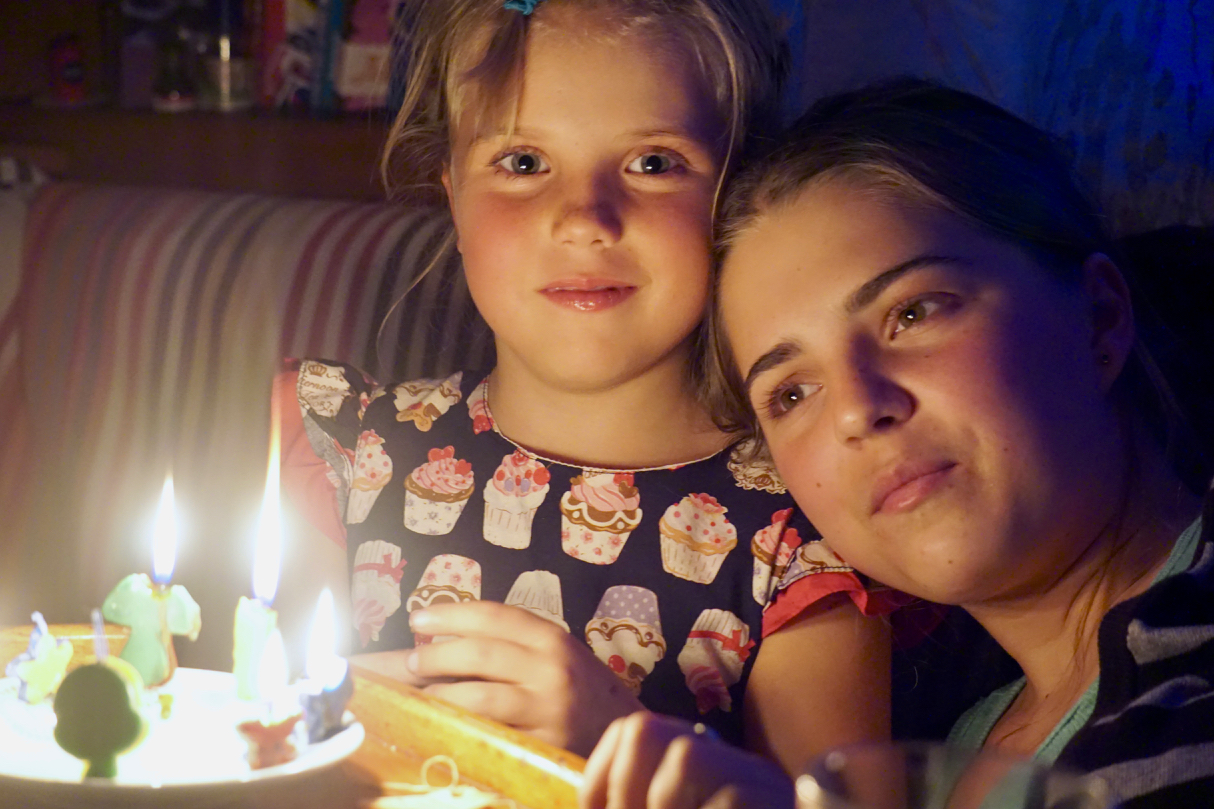
Sixty-four days at sea turned us into food-crazed savages. Incidentally, this savagery has a side effect: three extra kilos in two weeks. And it is all down to Slavic hospitality—dinner on one yacht, then dinner on another. Then a Moldovan group of trekkers invited us to their barbecue. Farewell to the figure I had wrested back with such difficulty from ciguatera six months ago.
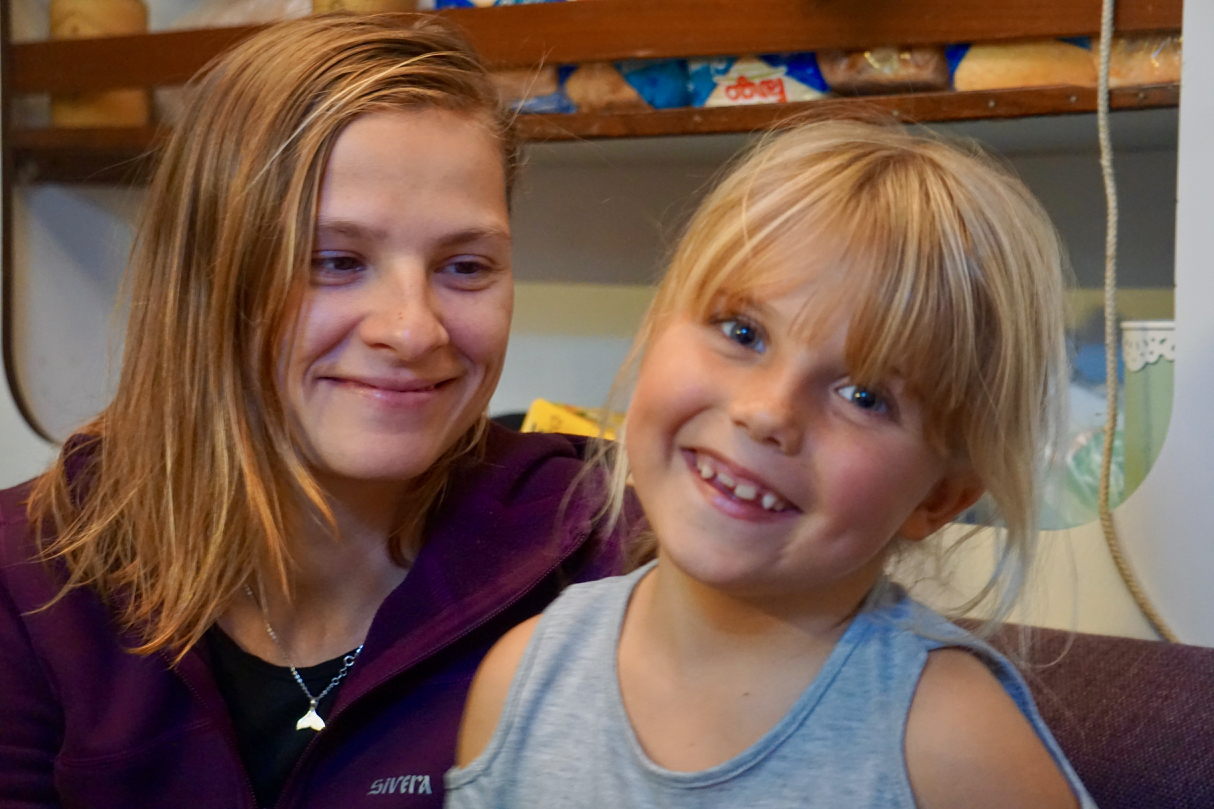
Lada with her friend Marina from her hometown of Zlatoust
Both “our” boats delayed their departure into the Drake Passage by a day to wait out a storm. Ushuaia is very well sheltered from storms, but even here the wind was whipping spray off the water in earnest: the crests of waves, which fortunately had no room to build, were torn away by 55-knot winds. That means it could be blowing close to 70 knots (35 metres per second) in the passage. The yachts ran extra-long mooring lines ashore and waited for the low-pressure system to move on. Seeing the crews off to Antarctica was warm and meaningful for us, just as meeting them had been.
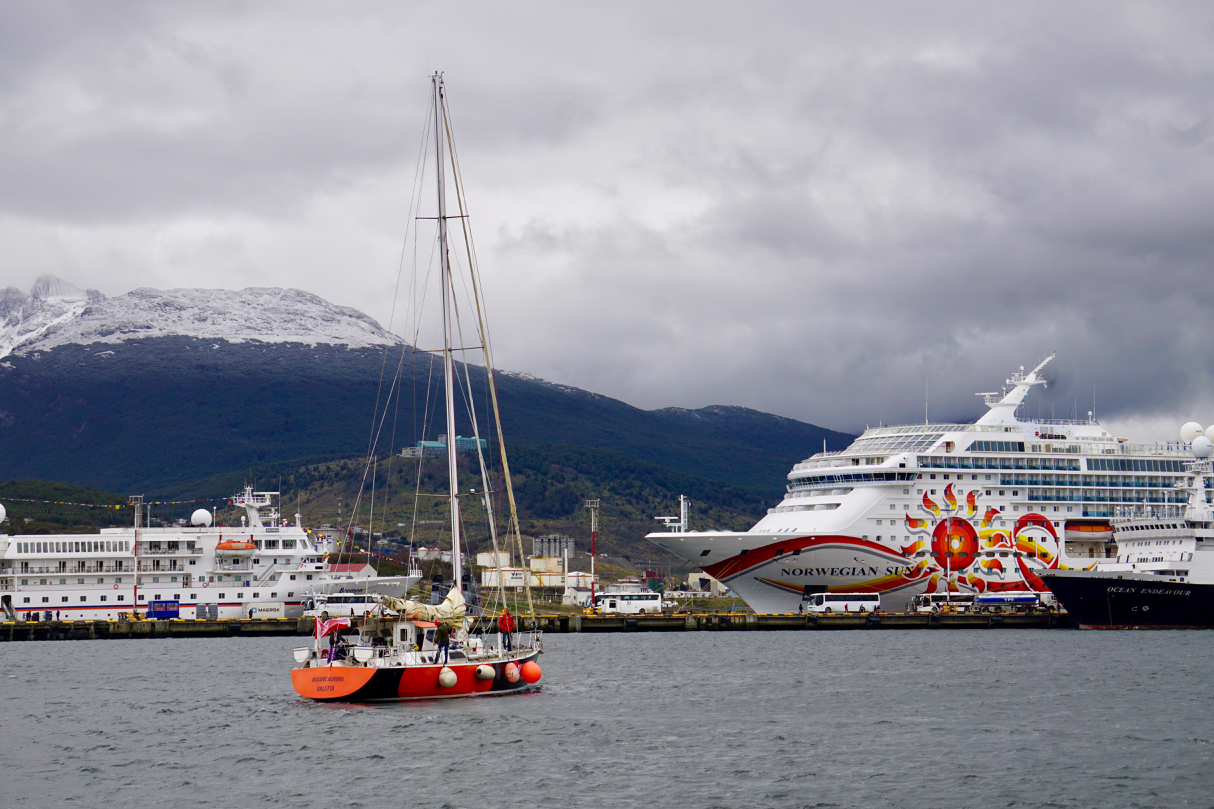
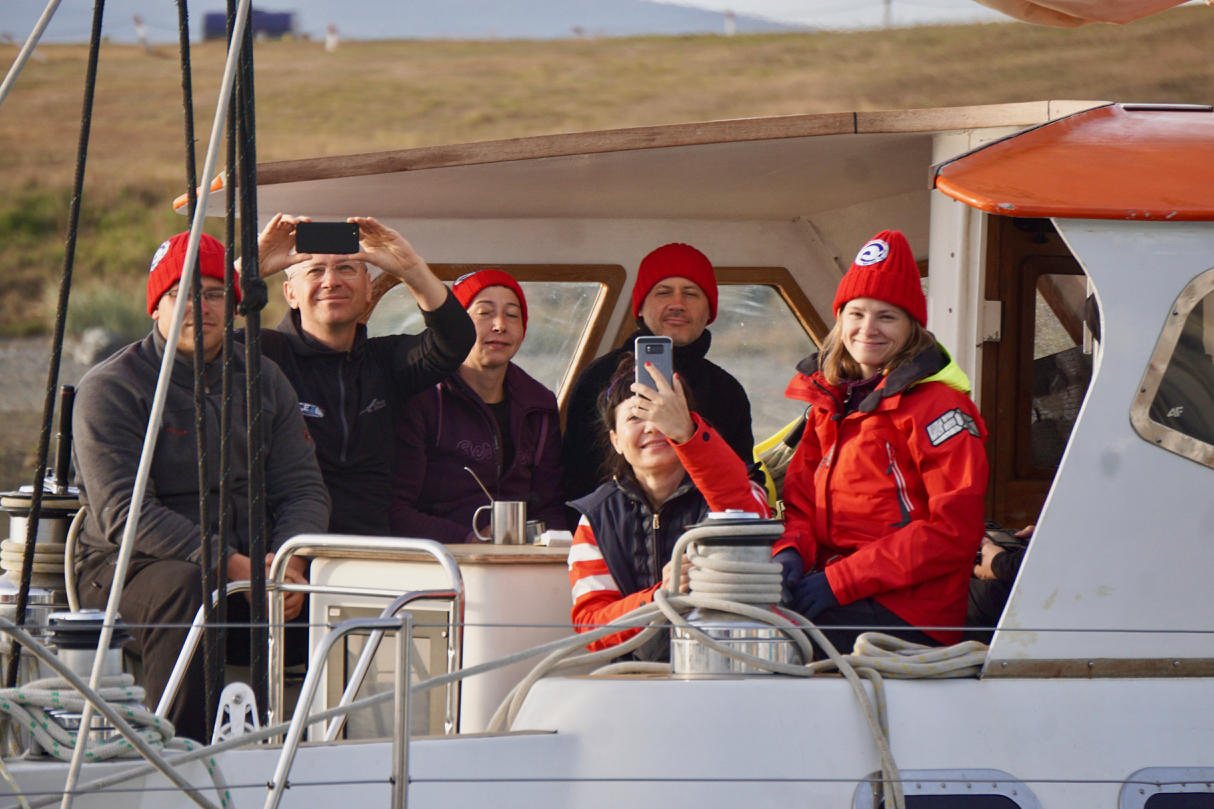
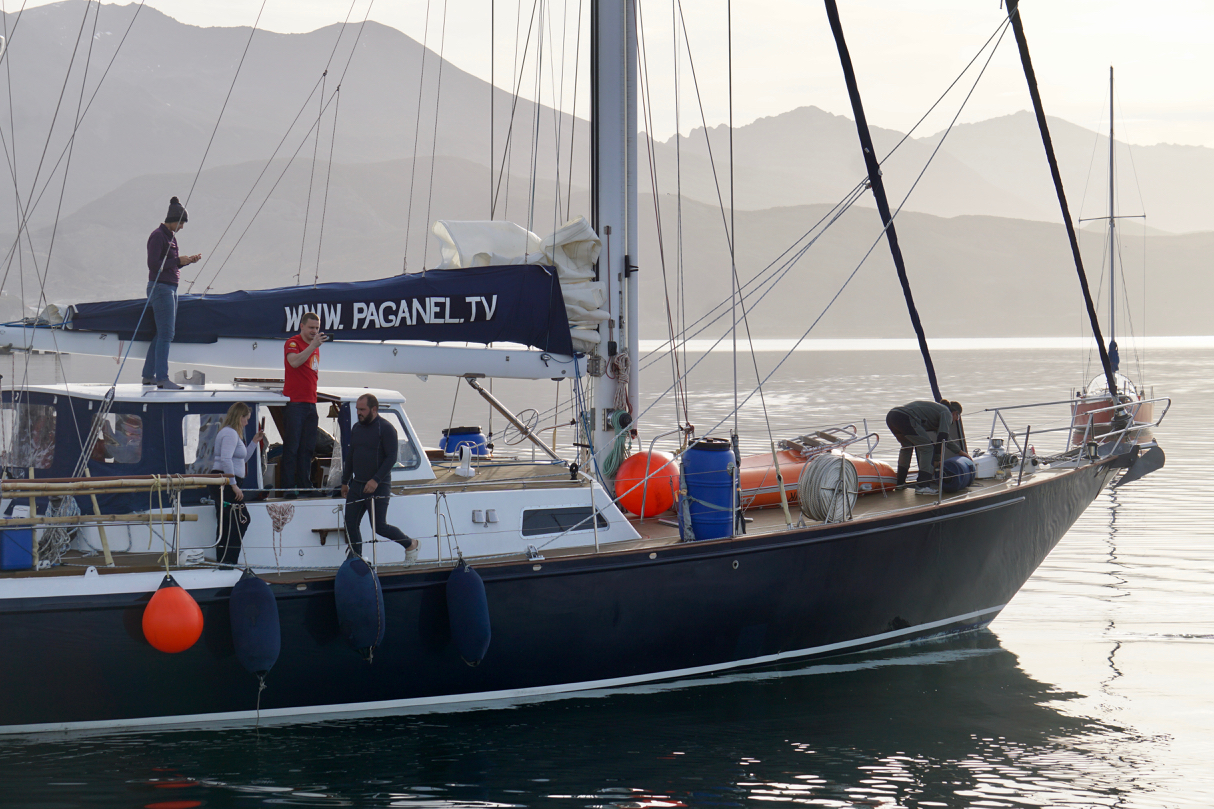
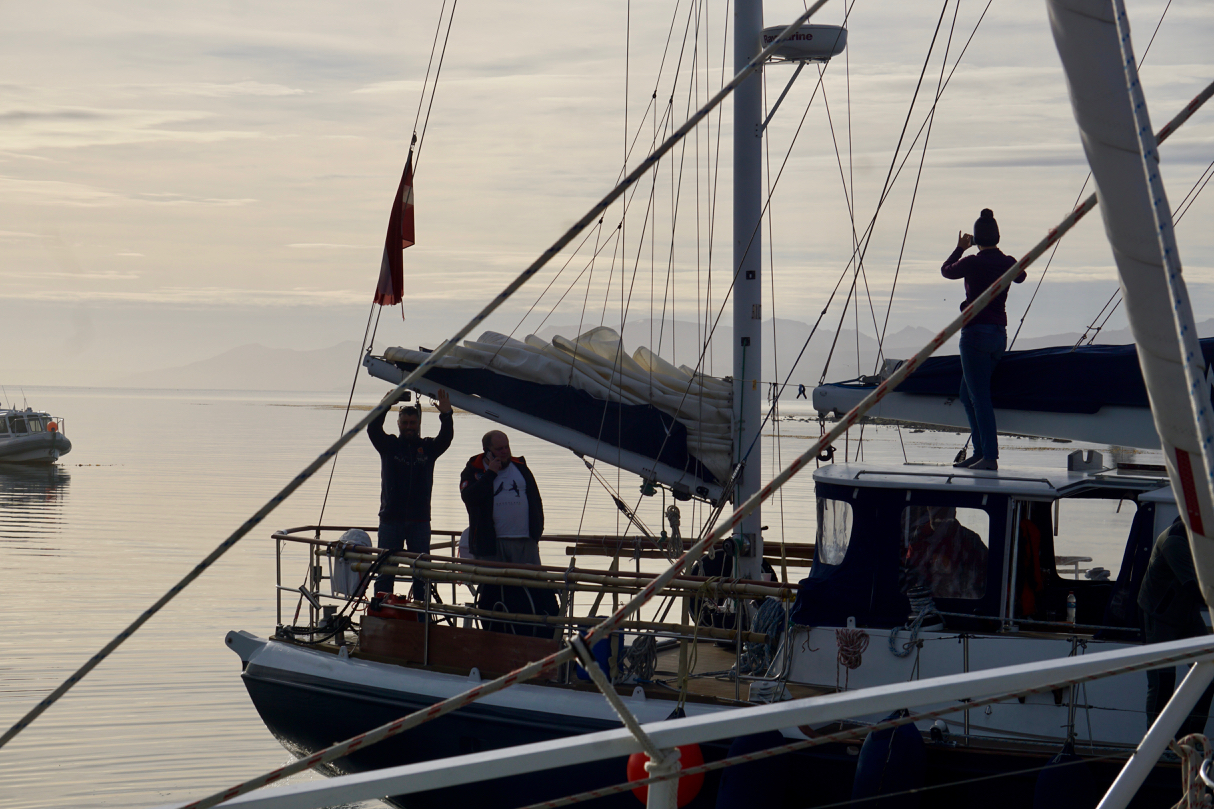
On the morning of the 13th, we shifted berth to let RusArc out onto the open water and tied up beside the Poles. We dashed over to Mon Coeur and hugged everyone, including the stern Captain Litau. The girls each pressed a hot fritter from the chef into our hands. We waved our handkerchiefs for the second time, and the living legend Nikolai Litau set a course for the exit from the Beagle Channel. Everyone who did not need to stand at the helm went below to drink tea.
Mon Coeur sets a course for the Drake Passage
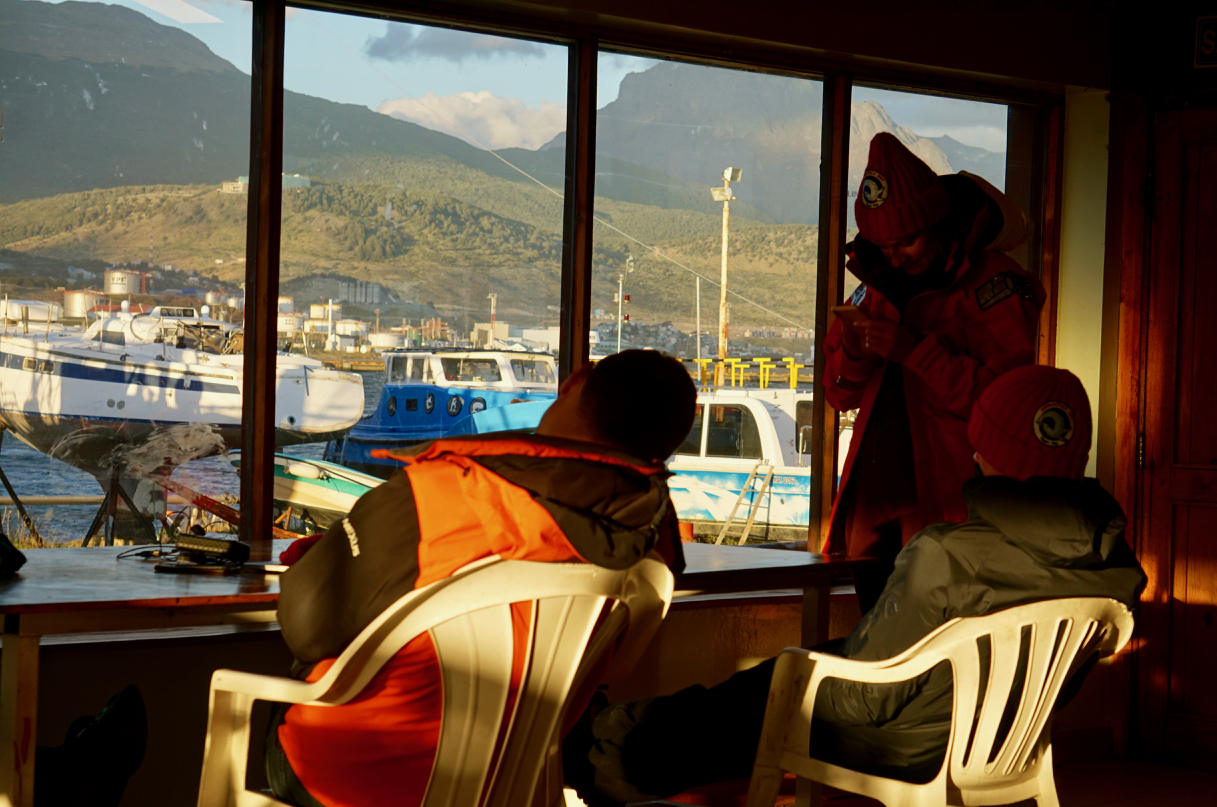
RusArc-Aurora—leaving too
And after tea, fairy godmother Roxana took us home with her for real raspberries from a real garden. But that is another story.
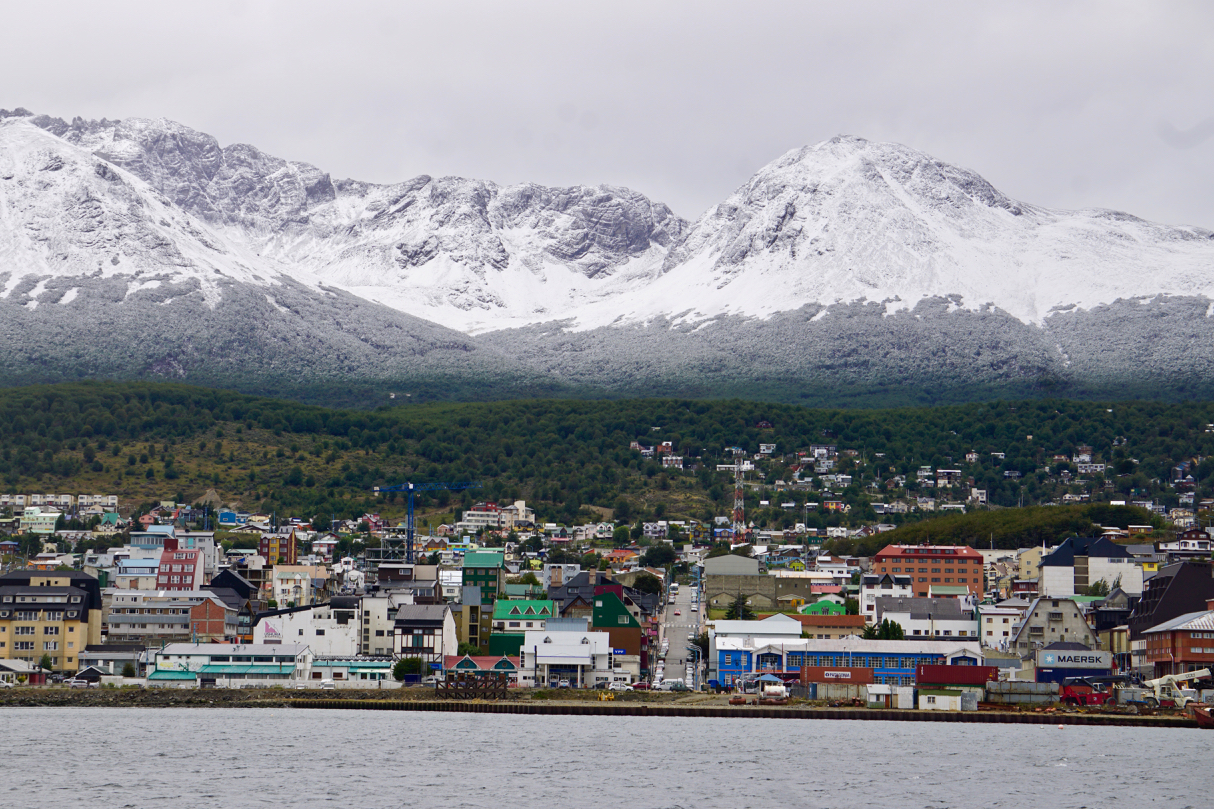
One last thing: we found out that Ushuaia is the base for 15 sailing yachts that carry guests to Antarctica. Of these, two are Russian and two Polish. And they are not the only Russians and Poles off the Antarctic coast.
Friends, thank you for your interesting questions, your words of support and—let us not be afraid of the word—love, which fly to us at the very end of the earth! They keep us warm.
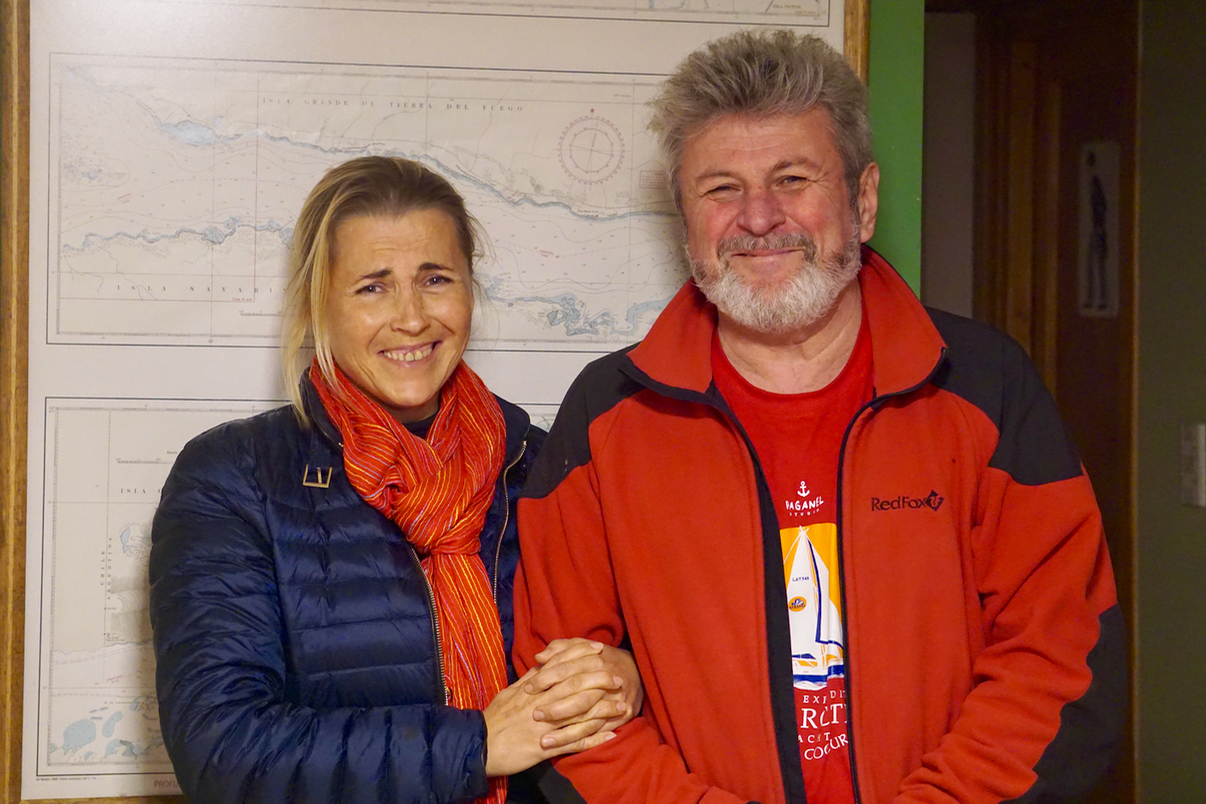
And a separate, enormous thank-you to the project’s true participants—those who support the expedition through PayPal.me/TravelyFamily. We thank Matvey S., Alexey Z. from Krasnodar, and Arkady R. from Minsk! Guys, you keep us motivated!
Our young sailor races off on an errand
To be continued!
Ushuaia in photographs
We celebrated New Year on the night of 15 February:). The presents from Father Frost did not appear until that day )) Mon Coeur departs for Antarctica

Captain Litau and Second Mate Sergey
Aurora and a sunlit cruise liner that called for eight hours
The yacht club and its residents
Winter is coming...
With Captain Nikolai Litau
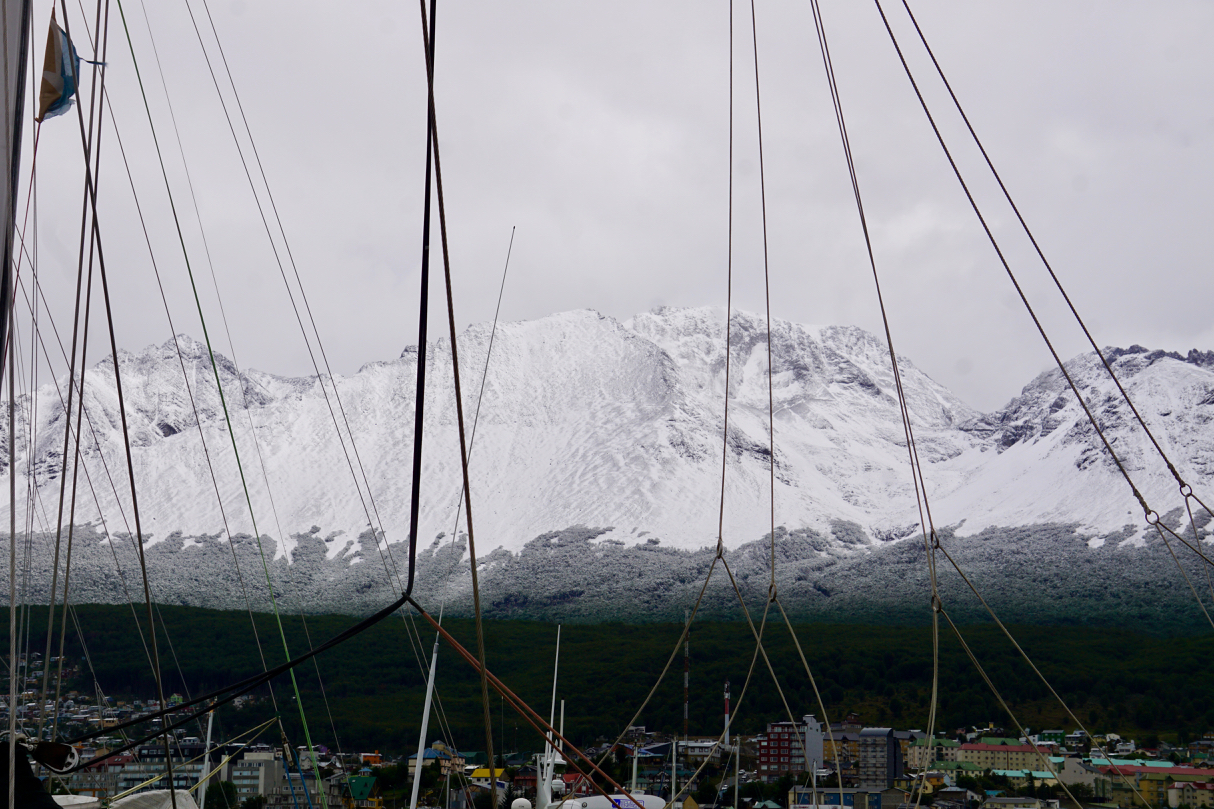
Snow and masts
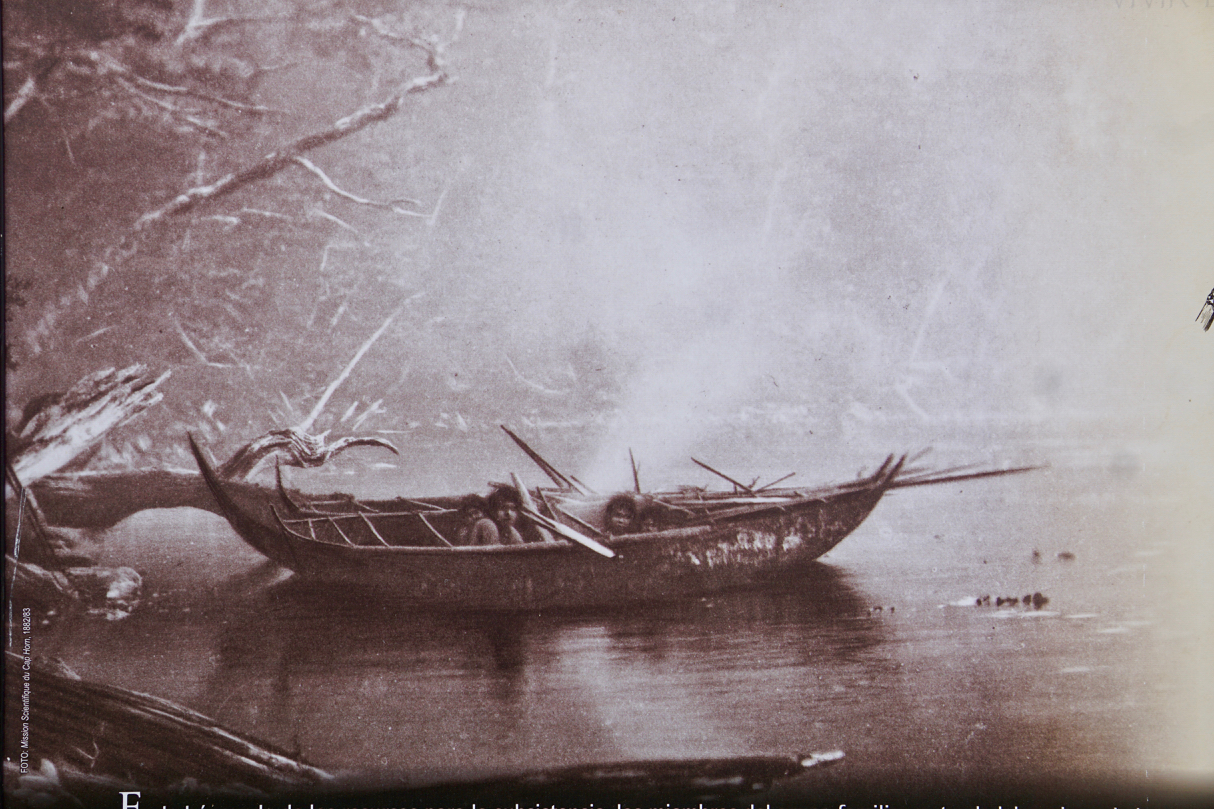
The indigenous Yaghan people of Tierra del Fuego lived mainly in their wooden boats
Yaghan women and a Yaghan man
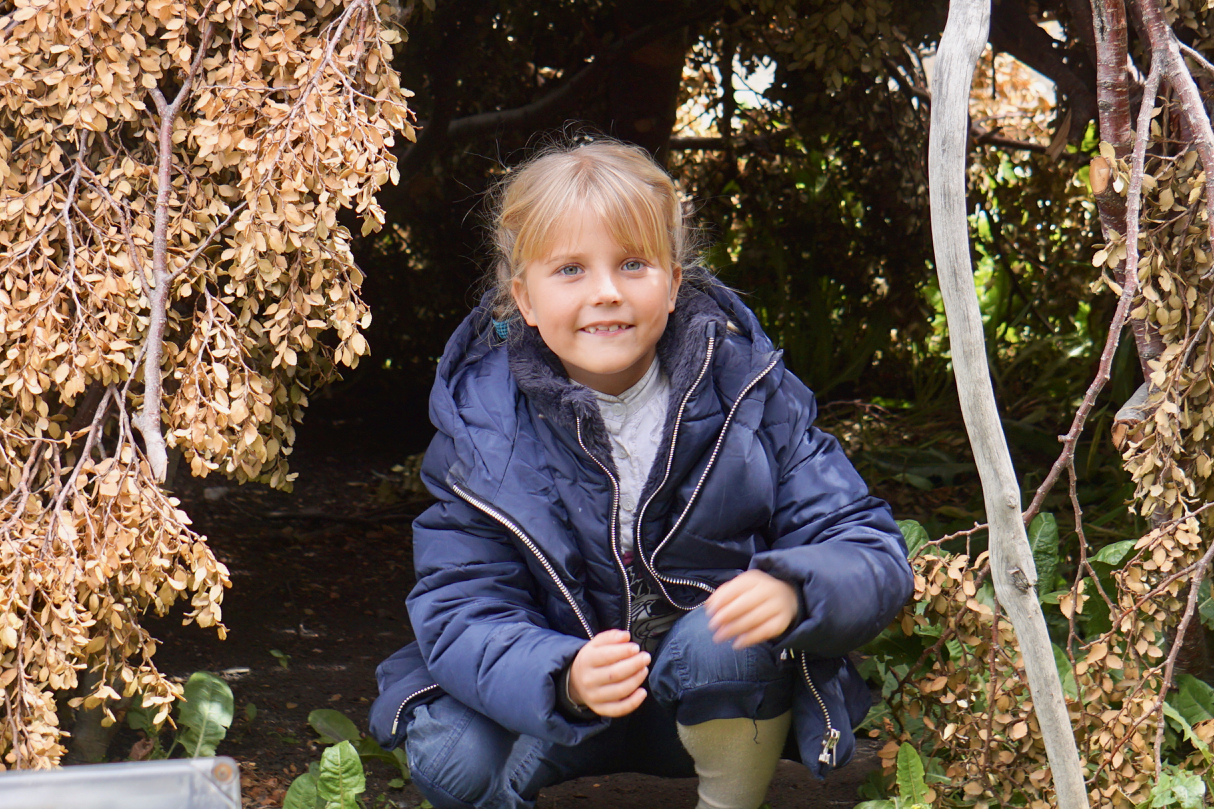
Our young sailor in a Yaghan shelter and behind the photographer—the prefecture building and the former prison
🙂 well, you know these girls
Ushuaia roads
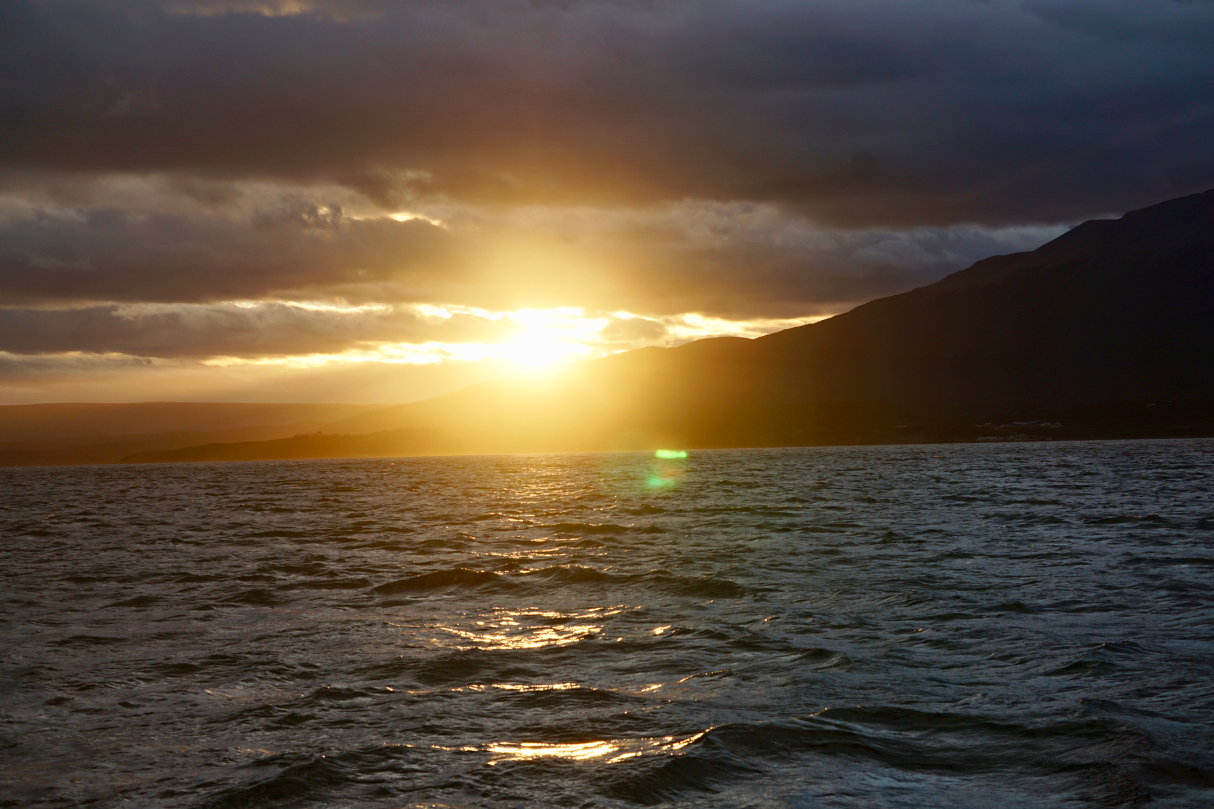
Sunrise over Tierra del Fuego