
From the Travely-Family archive · Central and South America
Pearl Diary
An original publication from the former Travely-Family website. This English translation was preserved from the technical-site archive without editorial rewriting.
LAS PERLAS by yacht. Pearl Diary.
Our first trip with friends in all our years of sailing around the world. Taboga Island Where are the guests?
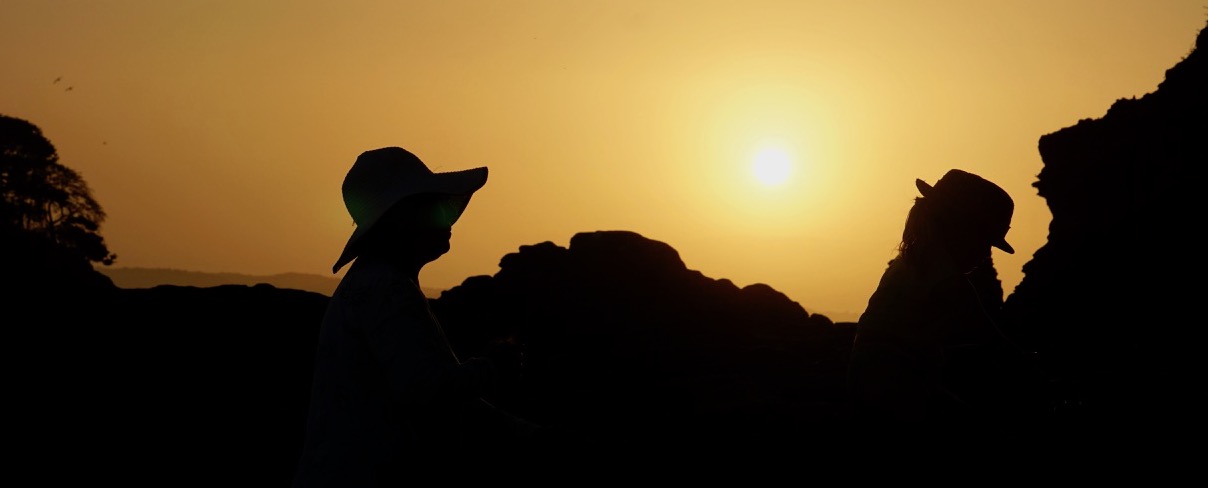
Today we’re expecting guests — Elena Stepanovna and Alexander Pavlovich from Bogotá. Hooray! However much we hurried to get everything ready for their arrival, in the end we somehow managed the whole thing in true Panamanian fashion, and when the appointed hour came, nothing was ready.
At half past eight, our guests called from an unidentified number to say they were on the pier. A delegation consisting of the captain, a crew member and a young sailor shot off to meet them. I dashed around putting the finishing touches to everything.
Two minutes later, the radio chirped:
“Lady Mary, Lady Mary, shore calling!
Lady Mary.
Find the phone and put it on charge — the battery’s dead. The guests aren’t on the pontoon; we need to get in touch with them somehow.”
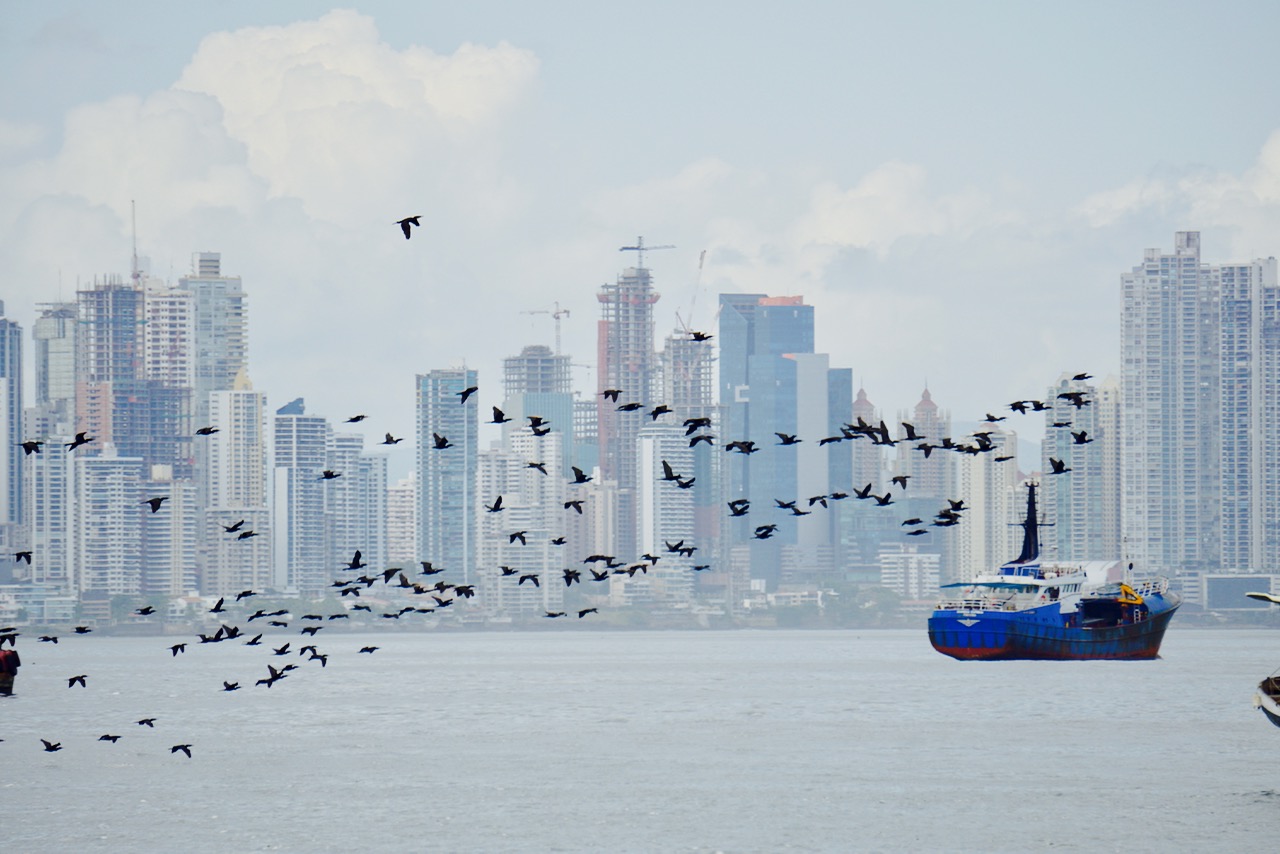
At the Las Brisas anchorage, Panama City
A search of the yacht failed to turn up the dead phone. In the end, it turned out to be in Andryukha’s pocket after all, and five minutes later Nastya and Lada brought it back, leaving the captain ashore to look for our friends.
Thank the Panamanian gods, everyone found one another very quickly, and Nastya immediately headed off with Elena Stepanovna to buy provisions for the entire Las Perlas cruise, while we bustled about the boat. And in between, we felt like little children on Christmas morning — they had brought us an incredible number of presents, and right up until the yacht’s departure we happily unpacked them and rejoiced like kids:).
At 12 noon, we weighed anchor. We’re heading to Taboga Island, seven miles away; we’ll spend the night there and set off for Las Perlas early in the morning.
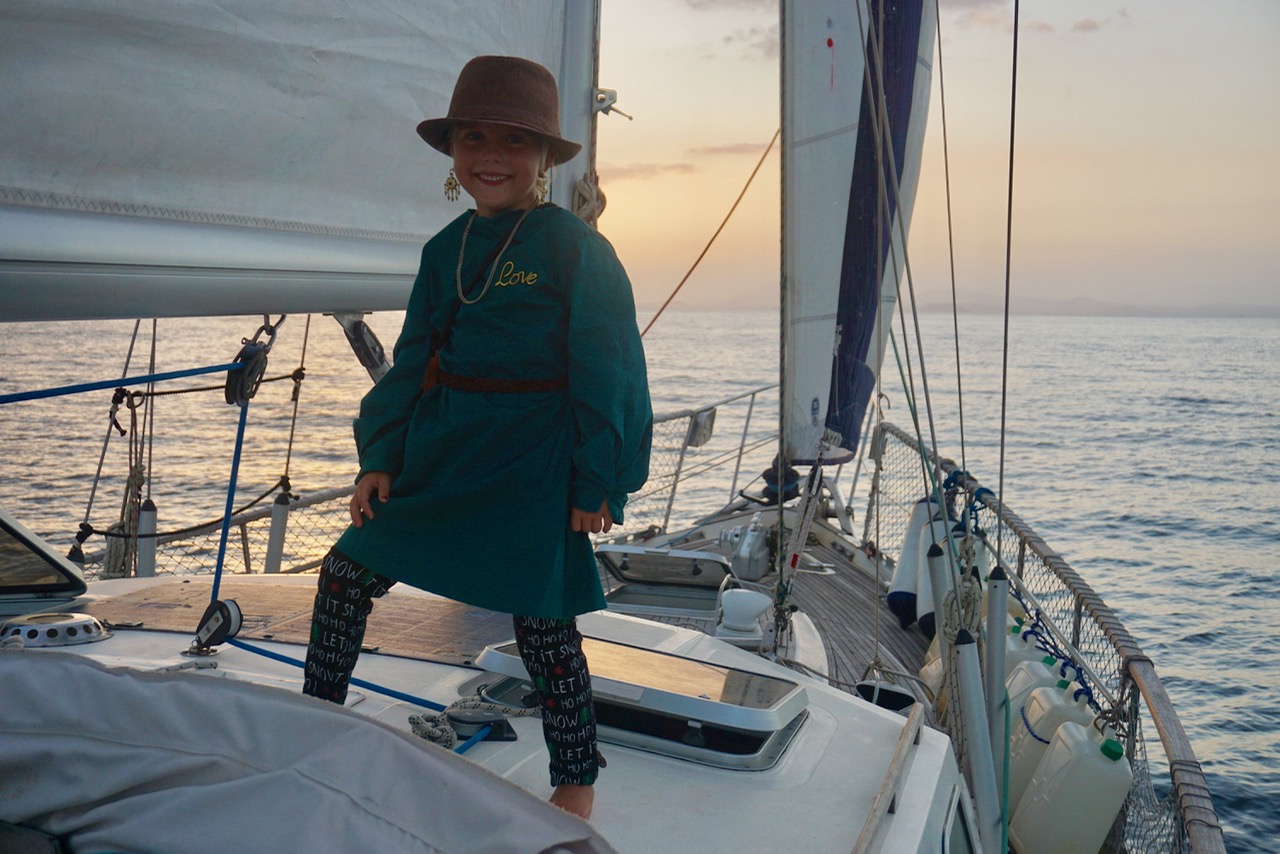
Little Lada trying on her new clothes
Taboga — Plenty of Fish, but No Fish
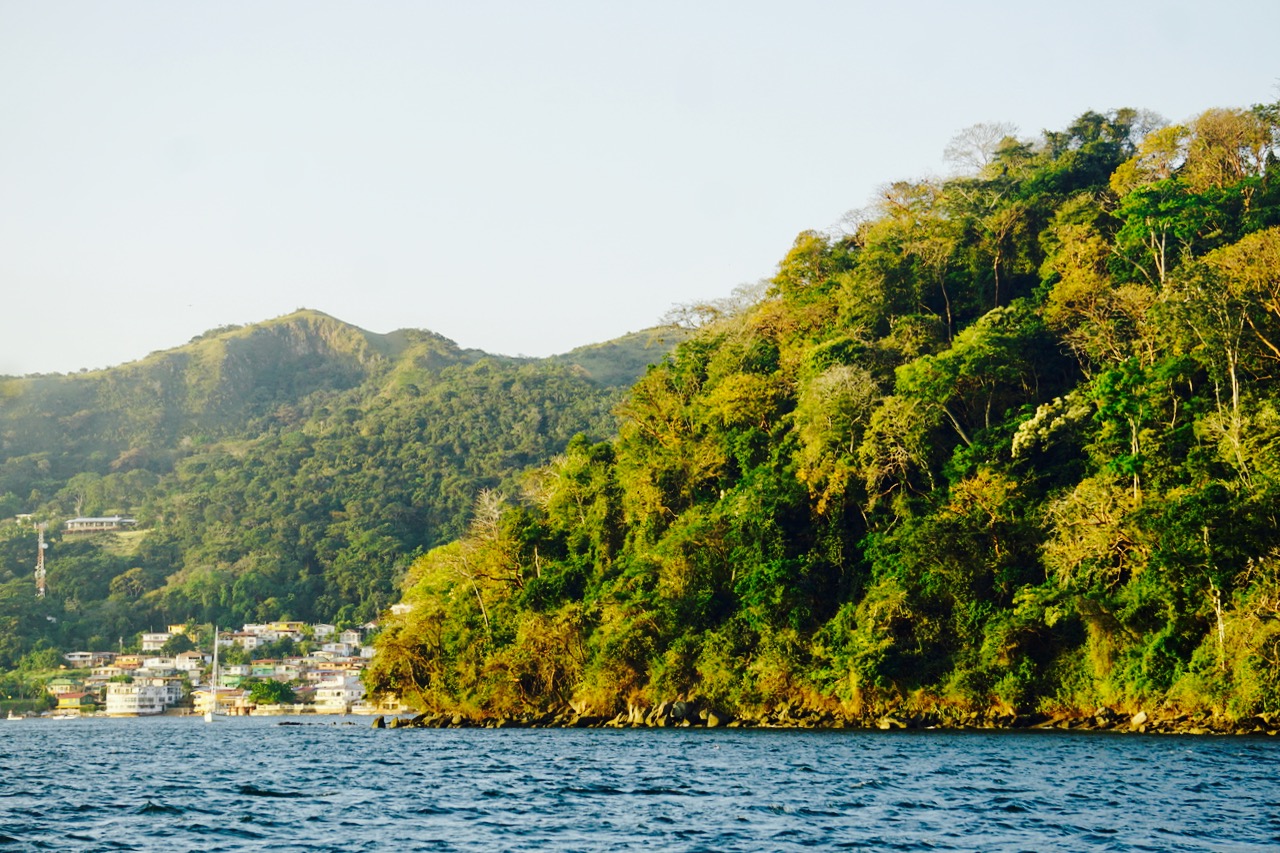
Taboga translates from the indigenous language as “Plenty of Fish.” Alas, there are not as many fish around Taboga now as there were in days gone by, but people have not yet managed to spoil the island itself too badly, despite its proximity to the capital. They haven’t covered it in skyscrapers, that is, although oil-storage facilities shaped like gigantic barrels adorn the neighbouring islet, leaving no room for a single blade of grass.
Strangely enough, this neighbour does not prevent the island from being known as a paradise resort, or from preserving pristine pockets of nature, bird colonies and clouds of flowers above the radiant greenery.
Taboga Island at dawn
Taboga has seen a great deal. In 1524, the Spaniards discovered this little piece of paradise, seized it from the unfortunate indigenous people and established the first deep-water port on the Pacific coast here. Later, the port had to be recaptured from treacherous pirates, and the ruins of the old fortress, which survive to this day, still echo with the ringing spurs both of Captain Morgan’s henchmen and of the Spanish Crown’s commandants. Somewhere beneath the clouds drift the finest gossamer threads of the art of Van Gogh and Paul Gauguin.
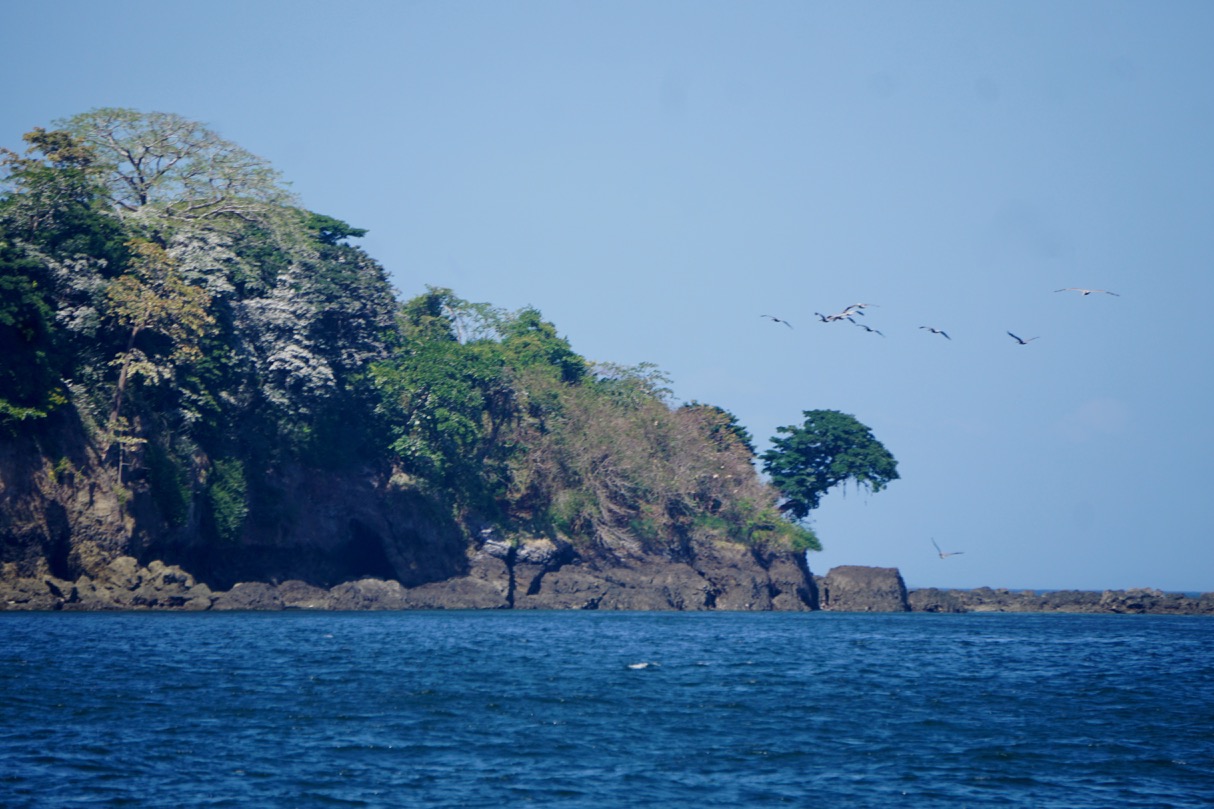
One day we’ll return here to follow those gossamer threads, but for now the main thing is to drop anchor properly:).
The anchorage
We anchored in a beautiful bay on our first attempt. At high tide, the narrow strip of sand disappears, and instead of lying in a bay, you find yourself in a channel between the large island and the small one. We’d so love to go ashore, but alas — the captain won’t allow it, the engine won’t start, there are no oarlocks for the oars, and the wind and waves are in our faces.
If I worked at a Panamanian sobering-up station, I’d make all the drunks go for a swim. Because at these latitudes, the Pacific water turned out to be considerably colder than the Caribbean Sea. I even squealed a little, just for form’s sake. The swell tossed us around, the current swept us away, and waves poured into our mouths — a wonderfully convivial swim it was. Elena Stepanovna even felt slightly seasick, and after dinner she lay down in the cockpit for a bit, where she ended up sleeping for the night ).
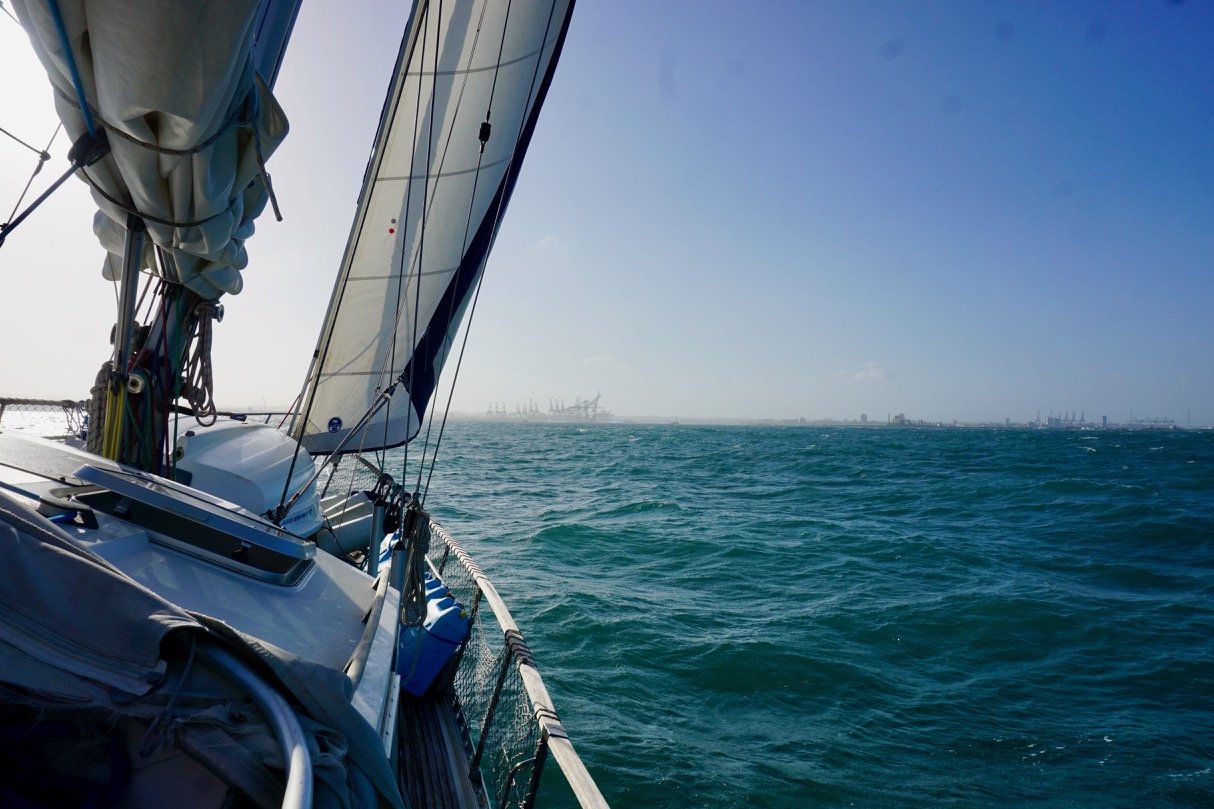
By dusk, the captain decided that we were lying too close to the neighbouring yacht, which appeared to have been abandoned by its owner, and that we ought to move. On our fourth attempt to anchor, we fully appreciated just how lucky we had been the first time — when we got the anchor to set on the very first try. Because the seabed here is every bit as nasty, greasy and filthy as in neighbouring Panama City. And the anchor simply refuses to set in this liquid Plasticine.
To be continued!