
From the Travely-Family archive · Pacific Ocean
Visa for French Polynesia
An original publication from the former Travely-Family website. This English translation was preserved from the technical-site archive without editorial rewriting.
Visa for French Polynesia: how to obtain one in a third country—Panama, in Panama City—costs and formalities
Each French overseas territory requires its own separate visa. In some places a Schengen visa will do, but when we were in French Guiana, we had serious doubts about that, so our formalities there looked something like this:
Visas for French Polynesia are issued for different lengths of time. Holders of European passports have it easier in Polynesia. Arriving by yacht, they can apparently stay there for almost three years without any visas. After that, questions arise about the yacht.
There is a resident visa—you are granted permission to stay for a year, renewable annually, supposedly for up to five years. It costs around 150 dollars or euros per person—I can’t remember which.
The second type is a tourist visa—like a short-term Schengen visa. This French Polynesia visa is valid for three months out of every six.
We set our sights on the latter, for three months. Frustratingly little, but then again, we’re sailing around the world, not planning to live in the Marquesas for a couple of years...
We know of cases when Russian yachtsmen were admitted to French Polynesia on a valid Schengen visa. But ours expired long ago, and getting a new one makes no sense: it costs more, and we aren’t planning to go to France just yet.
And there have been a very few cases when people were admitted without any visa or bond at all, for three months. But that was six or seven years ago and was preceded by a few minor difficulties with the authorities:).
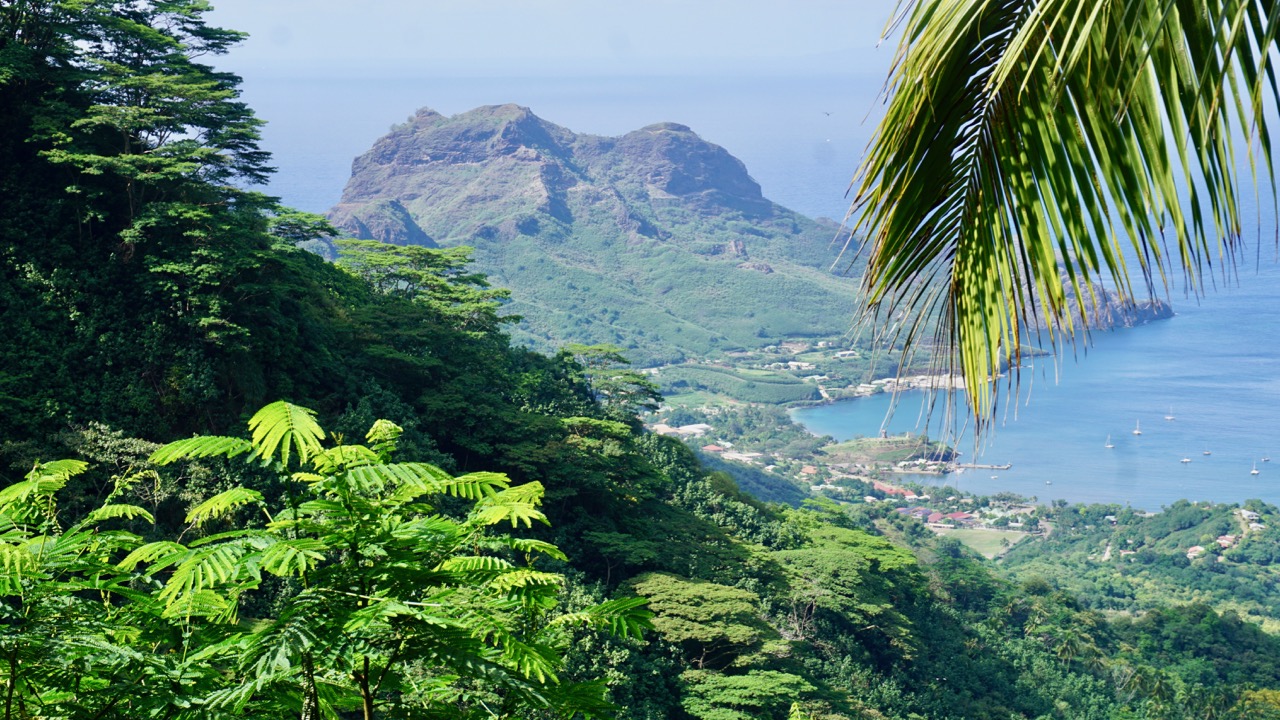
Nuku Hiva
A French Polynesia visa from Panama City.
Playing It Safe
Back in Russia, we had our birth and marriage certificates apostilled, but on someone’s advice, once there we decided to err a little too far on the side of caution—which, as everyone knows, is better than the reverse.
For the apostille, we had to go to Panama’s Ministry of Foreign Affairs. The document translator advised us to go together so that, like in the good old days of Soviet childhood, we could stand in two queues at once. The captain and I put on our finest attire, including stiffened leather loafers with closed toes and heels instead of flip-flops. Just in case, for the sake of respectability.
The respectability proved unnecessary. When we arrived by taxi at the place, which also houses Banco de Panamá, the crowd was already storming the gates. Ready to join the assault (with me already limping from the rigid loafers), we asked a man where the apostille people were. He sent us off to find the stairs going up and sort it out there. The sorting-out ended with a young woman giving us a sweet smile and stapling a narrow strip of paper with Spanish text to the original certificates. An English-speaking gentleman explained that our Russian apostille was valid there too, and that nothing else needed to be done. We rejoiced and went for coffee together (for once 🙂—we hadn’t dragged ourselves into town for nothing.
The Embassy
20 February 2018 was marked by a rare occasion for the crew—our first-ever visit to a French embassy in a third country.
You can obtain a visa in a third country only if you have been away from your own country for more than three months. Using the form on the embassy website, we booked a convenient appointment time (selected from those offered on the site).
The captain wrote to the French Embassy in Panama twice, in English. He received sensible replies in English the same day or the next. From the correspondence, he learned that the same set of documents was required as for an ordinary French visa. In addition, we had to draw up an approximate itinerary: when we would arrive in French Polynesia, an indicative list of islands, and our departure date. The yacht’s papers could be submitted instead of a hotel reservation and ticket.
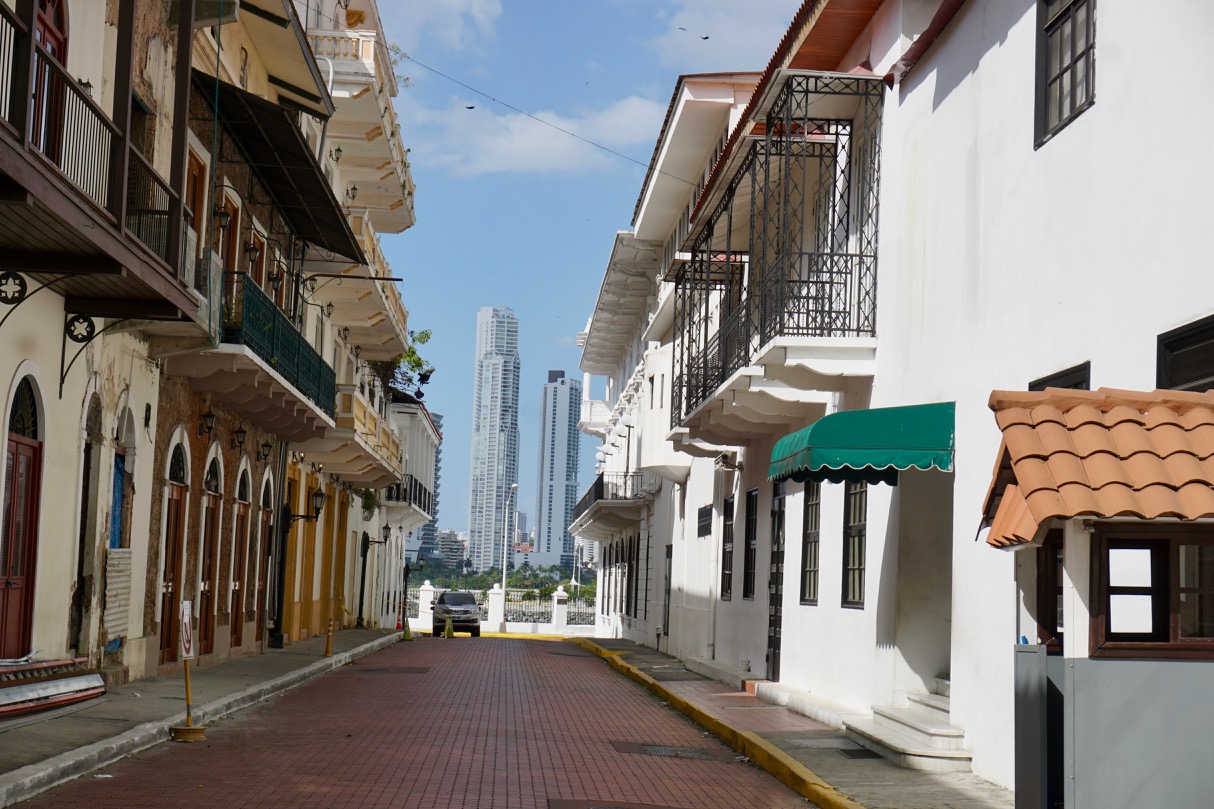
Casco Viejo, Panama City
Certified Translations of the Certificates
These are required for the children’s birth certificates and their parents’ marriage certificate:).
We had our passports with us, along with English translations of our marriage certificate and both young sailors’ birth certificates. We had certified translations made after finding a translator in Panama City. There is a peculiarity with translations here:
They charge for two translations per document, because a Russian-to-English translation in a Spanish-speaking country counts as a translation from one foreign language into another—first they translate it into Spanish, and then from Spanish into English. And they add two stamps. The translator holds two licences: Spanish–Russian and Spanish–English.
One translation costs $20. Three documents, two translations each: $120 in total.
Visit to the French Embassy
Once again, the crew swapped loincloths for respectable clothes and set off to apply for the visa with law-abiding expressions on our faces.
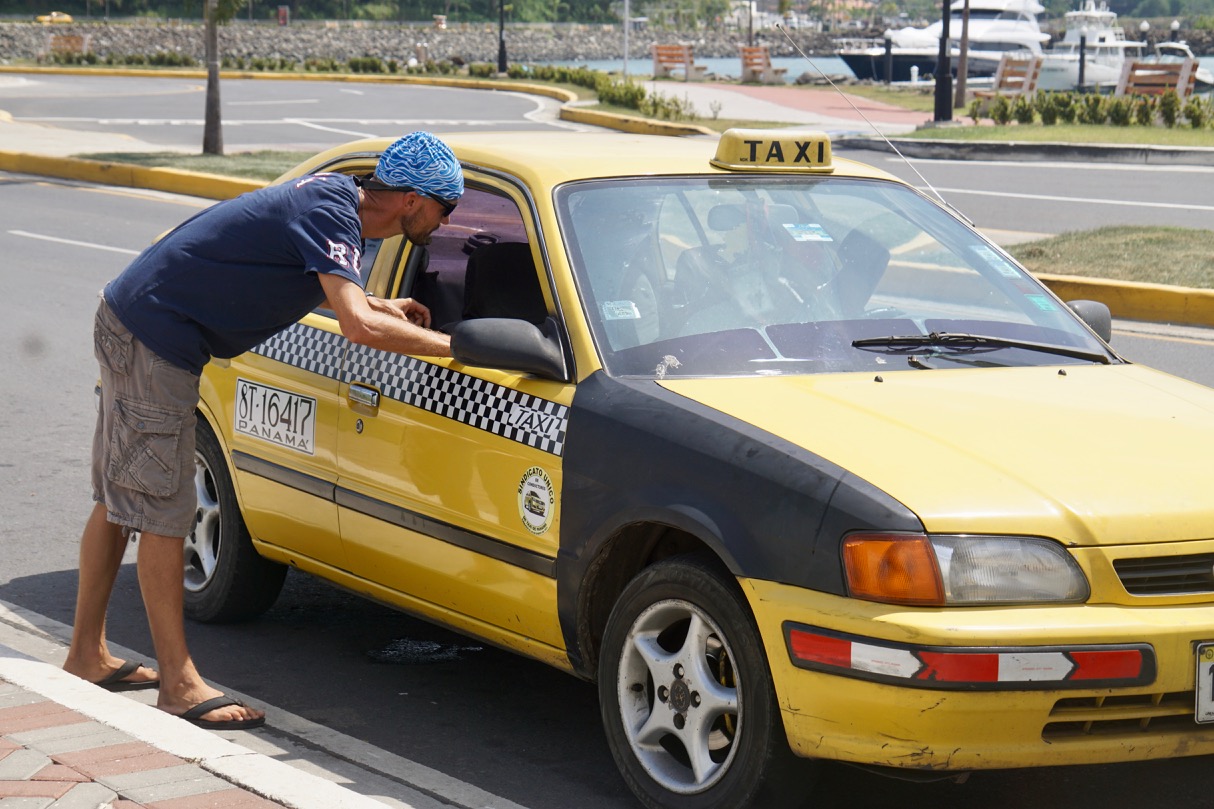
A taxi from Las Brisas to the embassy costs 4–5 dollars. Haggle.
The embassy is located in Panama City’s historic district, Casco Viejo. An old mansion, a small square. French spoken everywhere, and French security guards. We proceeded decorously to the waiting room, where we found a couple of scruffy types in dreadlocks and flip-flops. They had come for visas too.
We took a book for the young sailor so she would keep a low profile if necessary. The captain handled the main interview; the rest of us were called in only so they could compare us with our photographs. On the advice of the woman accepting the application, Andrei added a couple of details there and then. He verbally explained how much money in euros was held in the rouble account listed in the bank certificate. He stated his monthly income and provided a bank statement for the previous three months.
Medical Insurance for Our Stay in French Polynesia
We had insurance with us. The embassy also asked where it stated that the company would cover the cost of transporting an injured person (should such a thing happen) back to Russia. In our policy, this was under “Other Expenses,” which the captain duly explained to the woman.
We translated the bank statement into English ourselves, and that turned out to be sufficient, together with a PDF letter from the bank in Russian.
We paid the fee in cash—either 8 dollars per person or something like that. All in all, the French Polynesia visas cost us 24 dollars; the young sailor’s was free.
That was the full cost of the “French Polynesia visa” option. Translating the documents cost five times as much:).
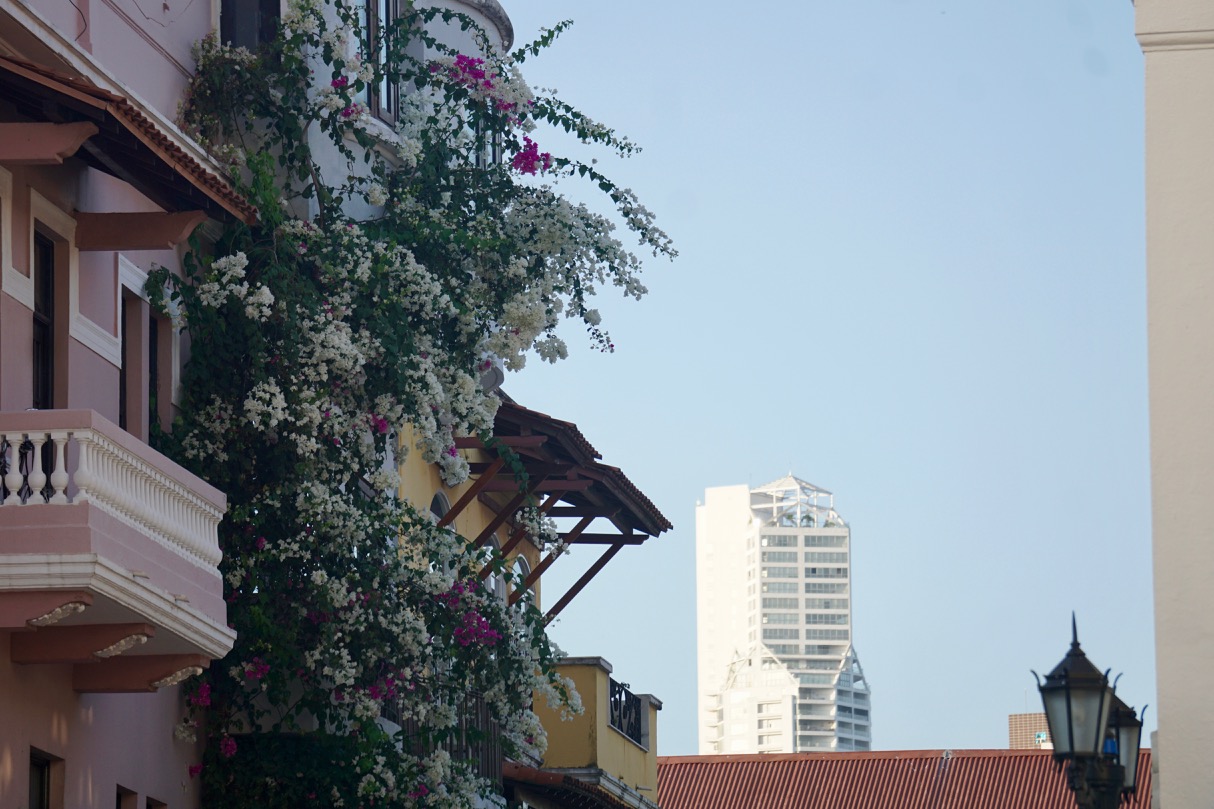
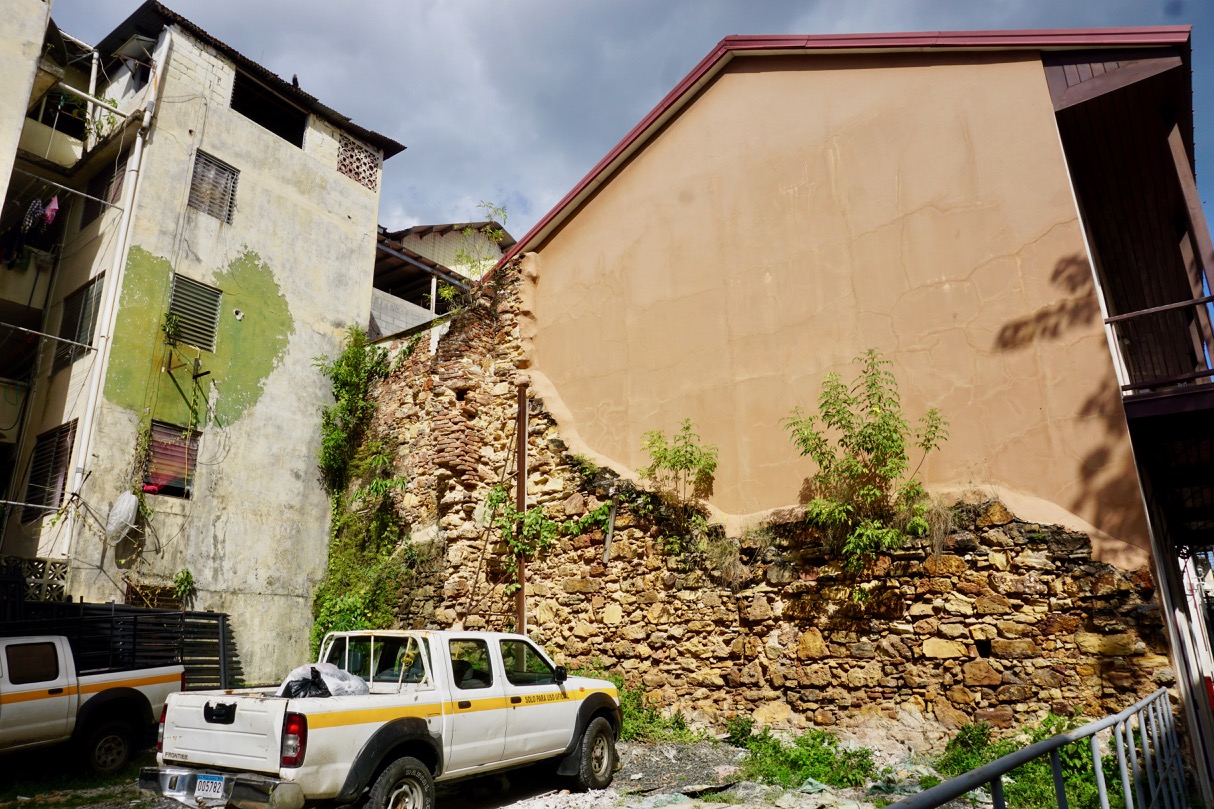
This is all Casco Viejo, Panama City.
Did We Get It—or Not?
28 February, ten days after our first visit.
That evening, the embassy wrote to say that the documents were ready for collection. The captain went alone to pick them up, armed with the passports and certificates. They did not keep him there long: they handed over the papers and adieu.
So, in the end, we have a three-month visa for French Polynesia, valid between 18 May and 18 November.
We immediately began wondering how we might avoid checking in at the Gambier Islands—the first archipelago in French Polynesia where we would call—and instead complete our entry formalities in the Marquesas. The plan is cunning and good, but what if the border officials prove equally cunning...
Then we will have critically little time left for Polynesia—assuming they don’t confiscate the yacht altogether for violating the visa regulations:). More on that in future reports.
Be sure to read the continuation of the story about the formalities on arrival:
>> French Polynesia: Completing Arrival Formalities by Yacht
Our arrival and first attempt to visit the gendarmerie:
>> How We Sailed for Hiva Oa but Ended Up at Nuku Hiva
Read about our month of adventures as illegal visitors in Polynesia here:
>> Three Days in the Gambier Archipelago
>> Fatu Hiva: The Day Before Arrival. An Unusual Catch and Bastille Day Celebrations
>> Arrival in the Marquesas: Straight from the Ship to the Ball
>> Fatu Hiva: A French Holiday, Polynesian-Style, and a Hungry Young Sailor
>> Off into the Jungle
>> Cannibals or Us: A Return to Reality
>> Mountain Pass or Precipice? Hiking on Fatu Hiva
>> To the Home of an Extinct Tribe: Ceremonial Platforms and the Mysteries of Fatu Hiva
>> A Tribe of Cannibals Vanished Here: An Abandoned Settlement on Fatu Hiva
>> A Brazilian Captain, a Tahitian Frenchwoman Diver, and a Czech Captain’s Daughter
> How the First Mate and Nastya Handled the Yacht
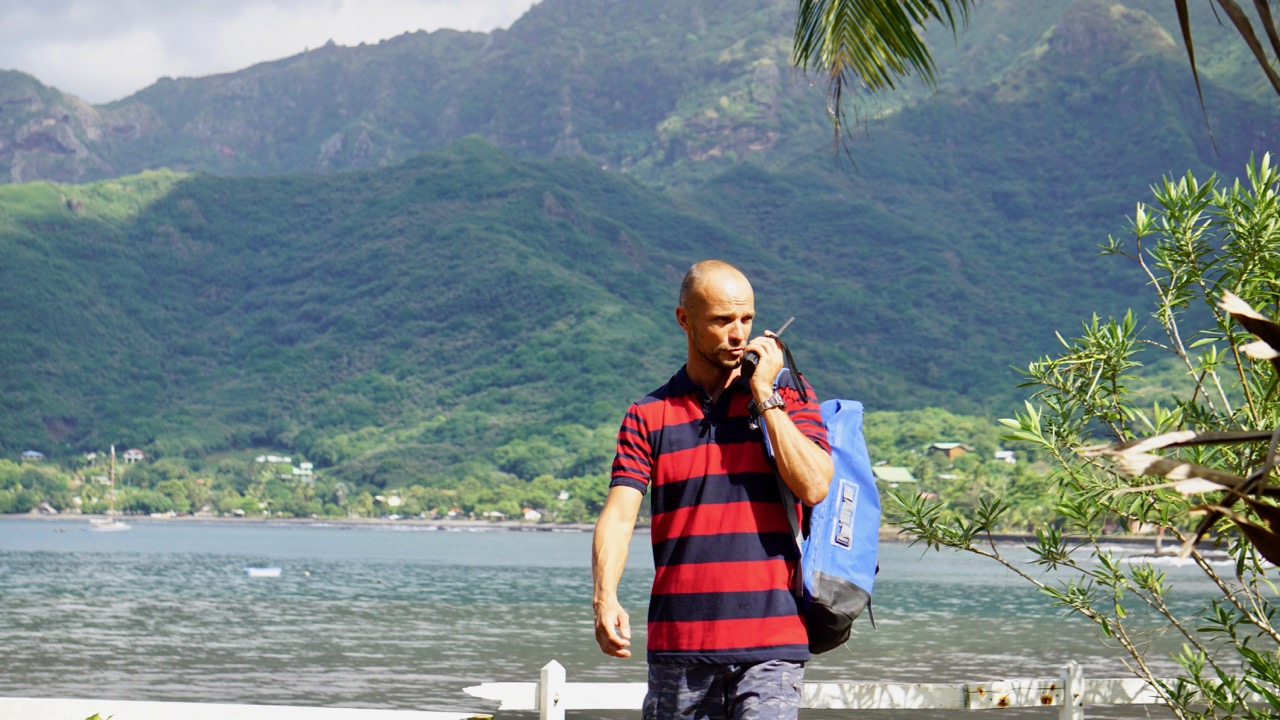
This is already the Marquesas
And this is still Panama