
From the Travely-Family archive · Atlantic
Informalities in the Canaries
An original publication from the former Travely-Family website. This English translation was preserved from the technical-site archive without editorial rewriting.
Informalities in the Canaries for those travelling by sea
As we had expected, no one is particularly interested in whether sailors have visas (so far, on this side of the Atlantic).
During our three days on La Graciosa (the first Canary Island after Gibraltar), we never managed to pay our respects to the harbourmaster, so we set off for the island of Gran Canaria without checking in.
For reference:
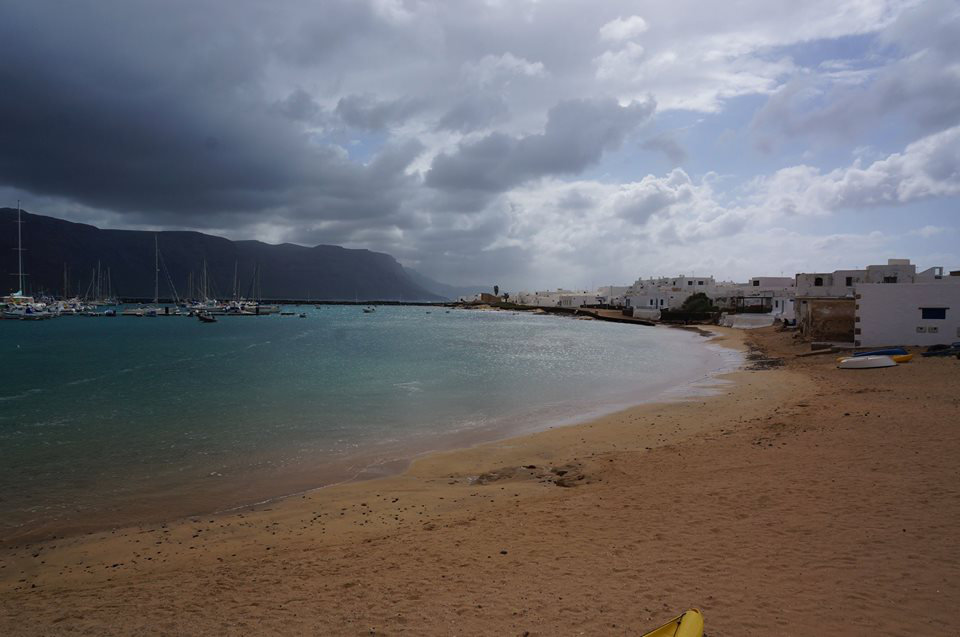
the crew of our boat first set foot in the European Union on 11 November last year. Since then, we spent two months living in Malta, crossed half the Mediterranean, stopped for repairs in southern Spain, then made it to the Canaries and spent three days waiting out a storm on the island of La Graciosa. We duly presented ourselves to the relevant authorities, but nowhere—no, let me put that differently: NOWHERE—were we asked for a visa! The children's and my Schengen visas expired in February without ever having been used.
And now, on Gran Canaria, standing in the queue to complete the formalities, we wait with some trepidation to see what happens next.
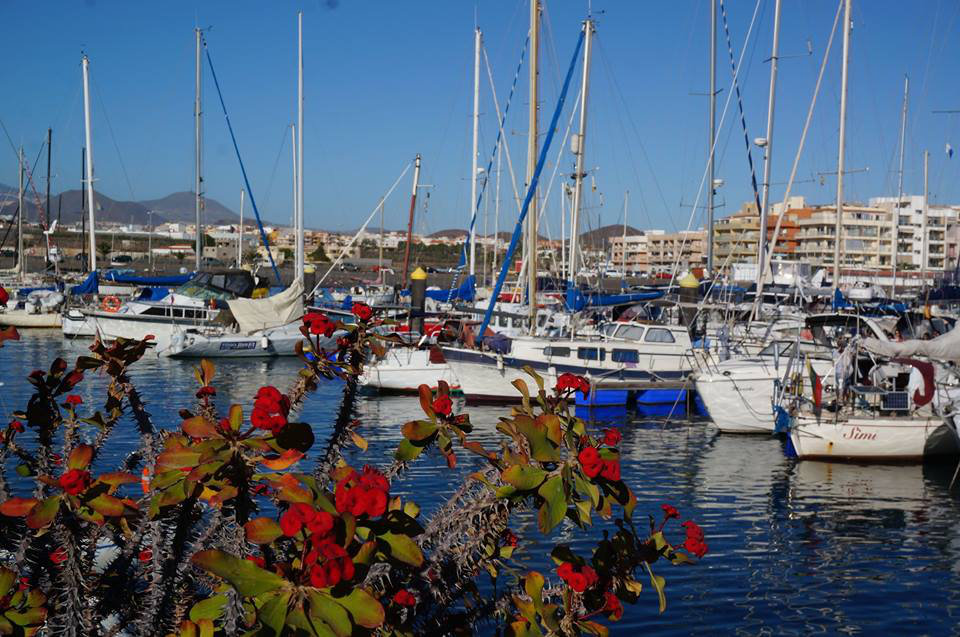
The harbourmaster's office at Las Palmas de Gran Canaria Marina charged us the princely sum of 7 euros for checking us in (the cost of a day's berth without water or electricity). Since we stayed for literally only a couple of hours, I assume the money went towards the certificate stating our arrival time. “Well, we can't just stamp it for nothing—we have to issue a receipt!” With this piece of paper, we were sent to... Customs..
Customs
At the address we had been given, we found the sleepy face of an inspector with a runny nose. The inspector pointed us towards another place and went back to finish his nap. We failed to find the place in question on our first attempt, but at least we got to wander around the port's industrial area and were caught in the rain. Invigorated and refreshed, we returned to press the sleepy inspector further. He led us to the right section of a large building, where another official really did begin processing our entry. For a long time, the guardian of law and order scrutinised the one visa the four of us had between us, paused to ponder, then soon even began to have doubts and asked his superior something. The latter responded with a tirade: “Don't waste time. They arrived by yacht and they'll leave by yacht. They don't need any visa.”
The inspector set the passports aside. The stamp landed in the crew list with a resounding thud—and we became legal in the Canaries.
P.S.: Of all the places described above, it was only in southern Spain that we stayed illegally, through an oversight, so to speak. In Malta and the Canaries, however, the official rules are as follows:
You may legally stay for a year and a half without a visa, additional documents or fees. After 1.5 years, you have to pay customs duty on the yacht. Provided, of course, that you both arrive and depart by sea.
From the captain's previous experience (August 2013), sailors do not need a visa in England either (!). Those who arrive there by yacht may even leave by plane, with the appropriate stamp entered in their passport.
If you found this article useful and would like to thank the authors but do not know how, click the button below 🙂