
From the Travely-Family archive · Atlantic
La Graciosa. What the Canaries Have in Common with the Wild West
An original publication from the former Travely-Family website. This English translation was preserved from the technical-site archive without editorial rewriting.
La Graciosa. What the Canaries Have in Common with the Wild West
Our first inhabited island along the way is La Graciosa.
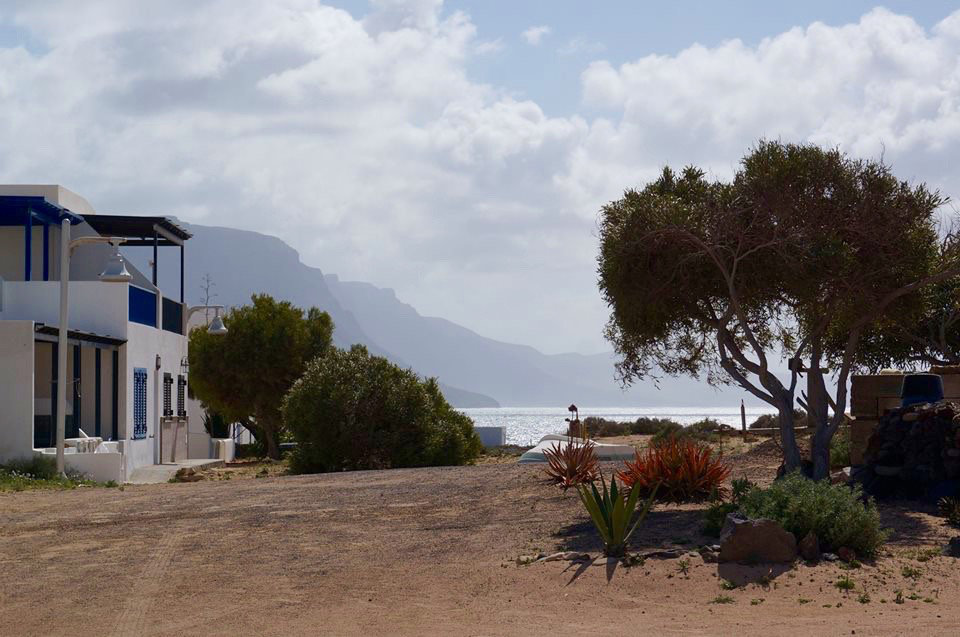
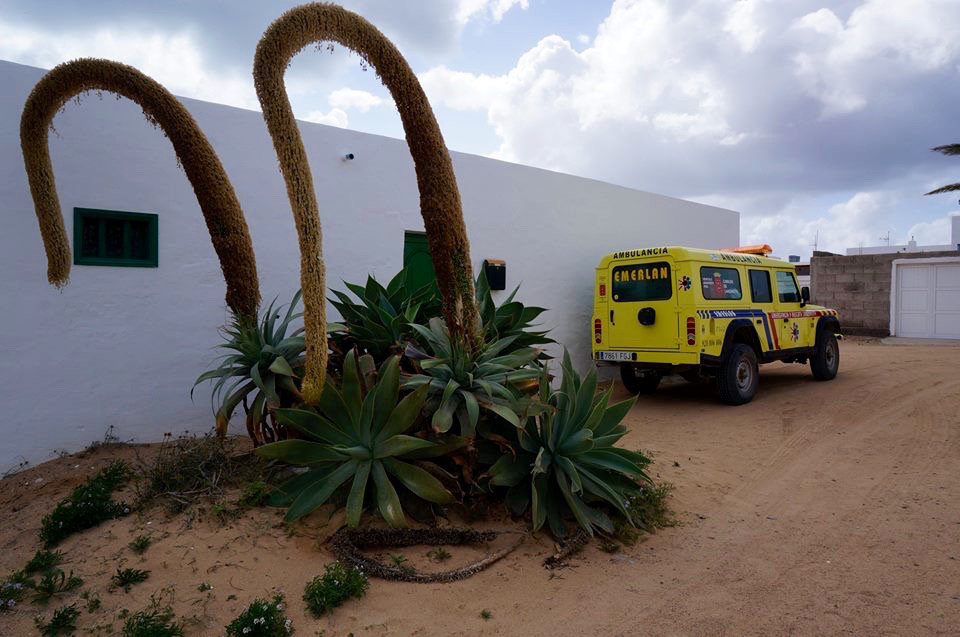
They say around 500 people live on the island year-round. Three hundred of them fish. The rest entertain tourists. The latter arrive by ferry from neighbouring Lanzarote. Some merely sail past on sightseeing boats, others settle in with tents for a couple of months, while still others rent accommodation and hike or cycle to the pimples—the volcanic craters. We spotted several jeeps, including an ambulance.
Wishing to notify the authorities of our arrival, we found the harbourmaster’s office locked. The security guard, whom we only managed to track down with some difficulty, asked how long we would be staying and waved a lazy hand: “Mañana” (Spanish for “tomorrow”). Well, tomorrow it is.
Come mañana, it turned out that the harbourmaster had fallen ill and been teleported to neighbouring Lanzarote for the entire week...
La Graciosa has two settlements and a couple of farms with goats and sheep. The campers we got talking to on a walk buy milk and cheese from them.
The Town
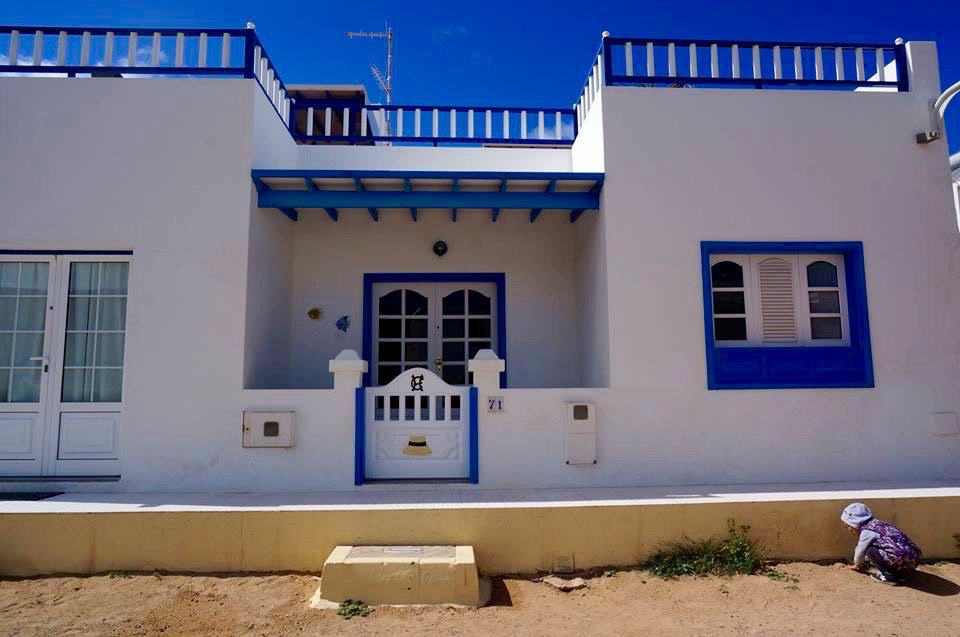
The little town with the beautiful name of Caleta del Sebo bears a strong resemblance to the Wild West. The streets are unpaved and almost devoid of vegetation. Little white box-like houses with blue shutters rise straight out of the sand. Most of the little boxes stand empty at this time of year, though some are inhabited. Tall boots, a cowboy hat and a pair of six-shooters would fit the Western atmosphere with one bold stroke. Then we could stand shoulder to shoulder between the houses, legs wide apart, hands on hips, with that music from the “Marlboro” advert playing—remember? It would make a brilliant shot.
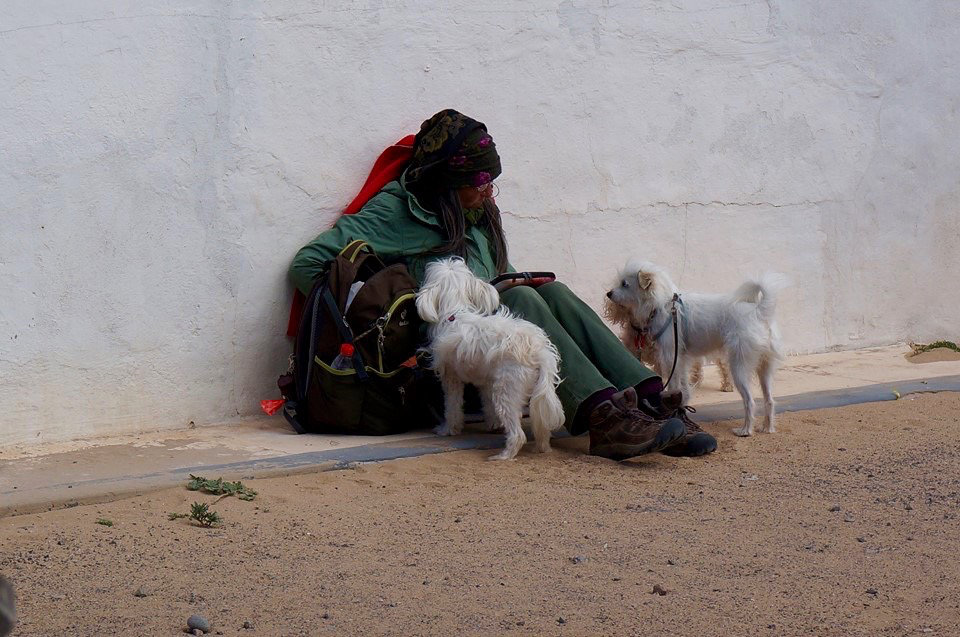
The only non-commercial Wi-Fi is outside a closed café beneath a palm tree. No password required, just like under communism. Every so often, a colourful assortment of downshifters, hikers and dreadlocked alternative types turn up here to sit online. If the bench is occupied, they settle down on the ground.
The People
Some spend the whole day sipping juice and beer at a beachside table, while others sunbathe on the kerb. Children potter about in the sand and build castles. As on El Hierro, it is customary here to greet one another. By the second day, people already recognise you and know what you arrived on and where you are staying.
The wind is still strong. It carries sand, sometimes mixed with rain. And we read our email with our heads tucked inside waterproof ponchos (this is how travellers crossing the Andes used to spend the night in Chile). Our waterproof ponchos are played by “poncho vulgaris” (the common poncho) and a backpack for roller skates.
I read that about 300 years ago pirates took a liking to La Graciosa as a place to lie low between raids. And enthusiasts are still searching for the remains of the treasure they buried.
After spending three days on the little island, we said a warm farewell to the security guard and departed for Gran Canaria. We were not charged for our berth, nor was our arrival marked with a stamp.
About how we entered the harbour and berthed at La Graciosa— The Island That Isn’t There