
From the Travely-Family archive · Europe and the Mediterranean
Montenegro — by Sea
An original publication from the former Travely-Family website. This English translation was preserved from the technical-site archive without editorial rewriting.
By Yacht to Montenegro
Montenegro greeted us on the last day of April with anything but warmth; when we arrived, it was actually freezing. It was raining, and Montenegro’s national wind, the bora, was blowing. Howling as it caught on the shrouds, it created the illusion of an approaching storm. Huddled inside our hoods, we took down the sails and prepared to enter the marina in the city of Bar.
Even from the sea, it was clear why the country is called Montenegro: beneath the low clouds, the mountains really did look almost black. That did not stop us, literally the very next day after our “sail-in,” from criss-crossing the country from dawn to dusk. Of all the European countries we touched on during our sea passage from Gibraltar to the Balkans, Montenegro proved the most picturesque.
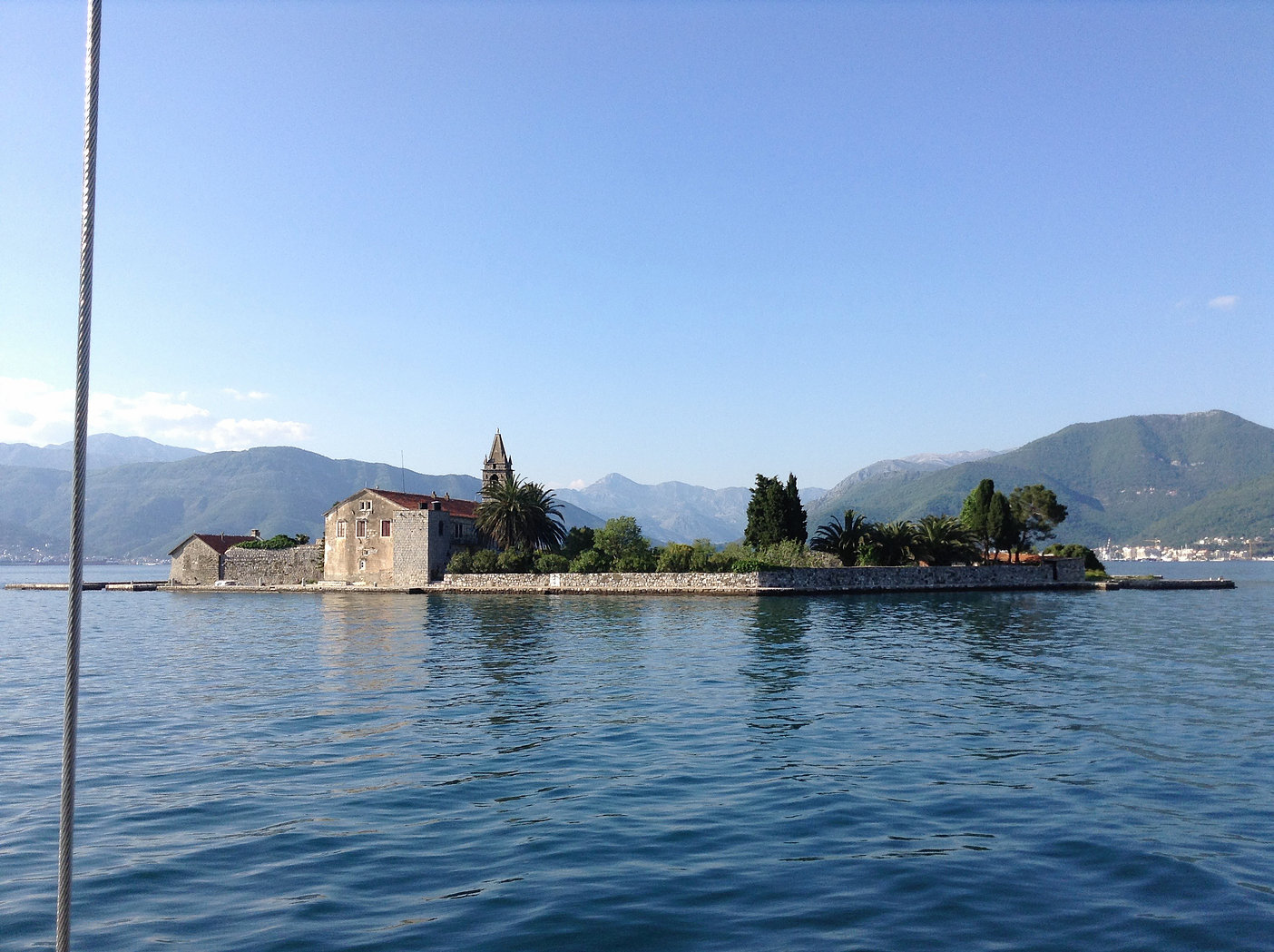
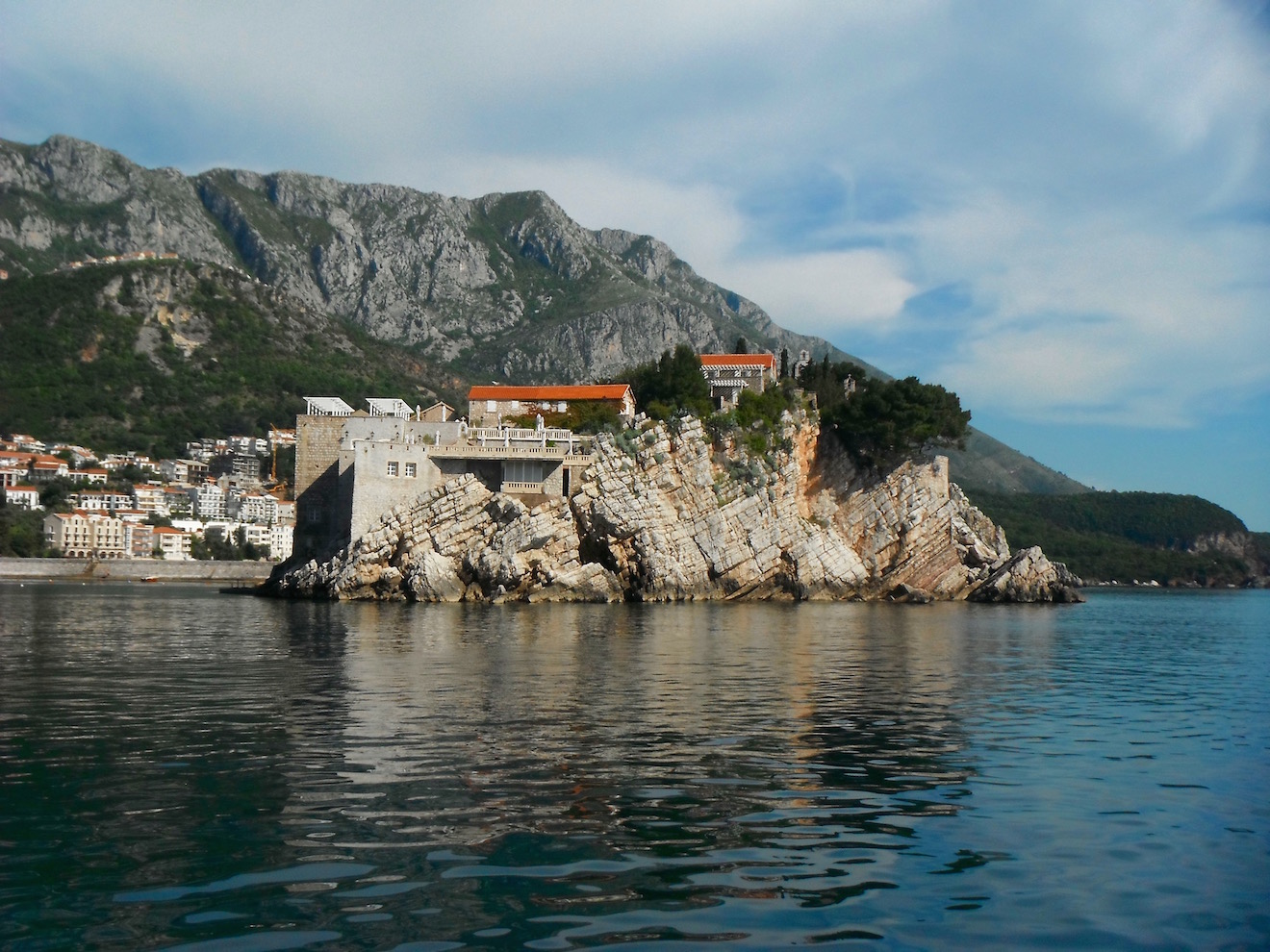
An island with an ancient church in the Bay of Kotor.
Along the coast to the Bay of Kotor
Between the bora that greeted us and the one that saw us off, springing up again on the day we returned to Bar Marina, we managed to catch a seven-day weather “window.” During that week we sailed into the Bay of Kotor, considered Europe’s southernmost fjord.
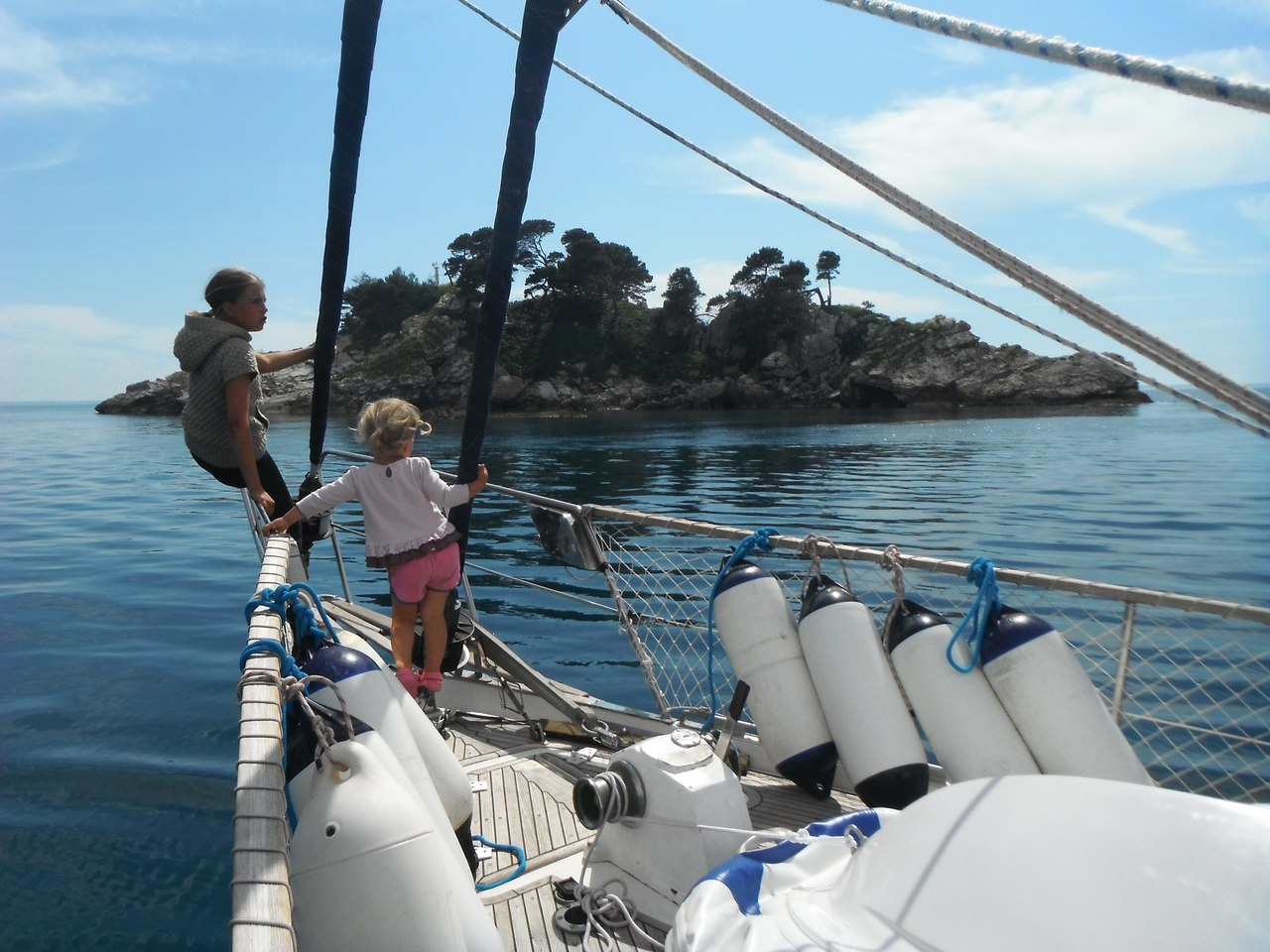
In the bay off Petrovac are two wonderful uninhabited islets: one is a tall rock topped with large pine trees; the other is smaller, with an old little church on top. A gently sloping reef extends from it into the water, and we peered intently into the turquoise water, trying to judge the depth by eye.
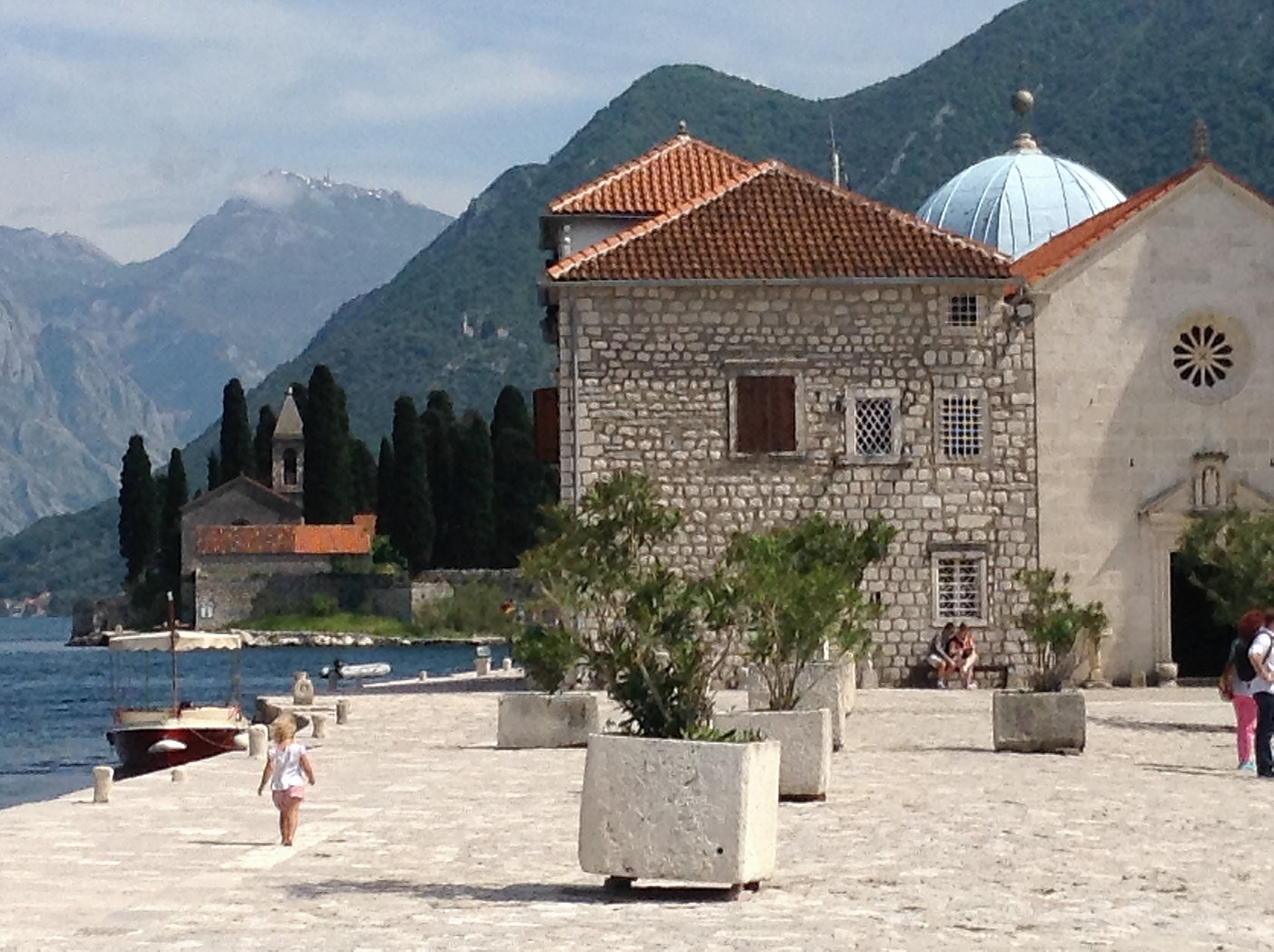
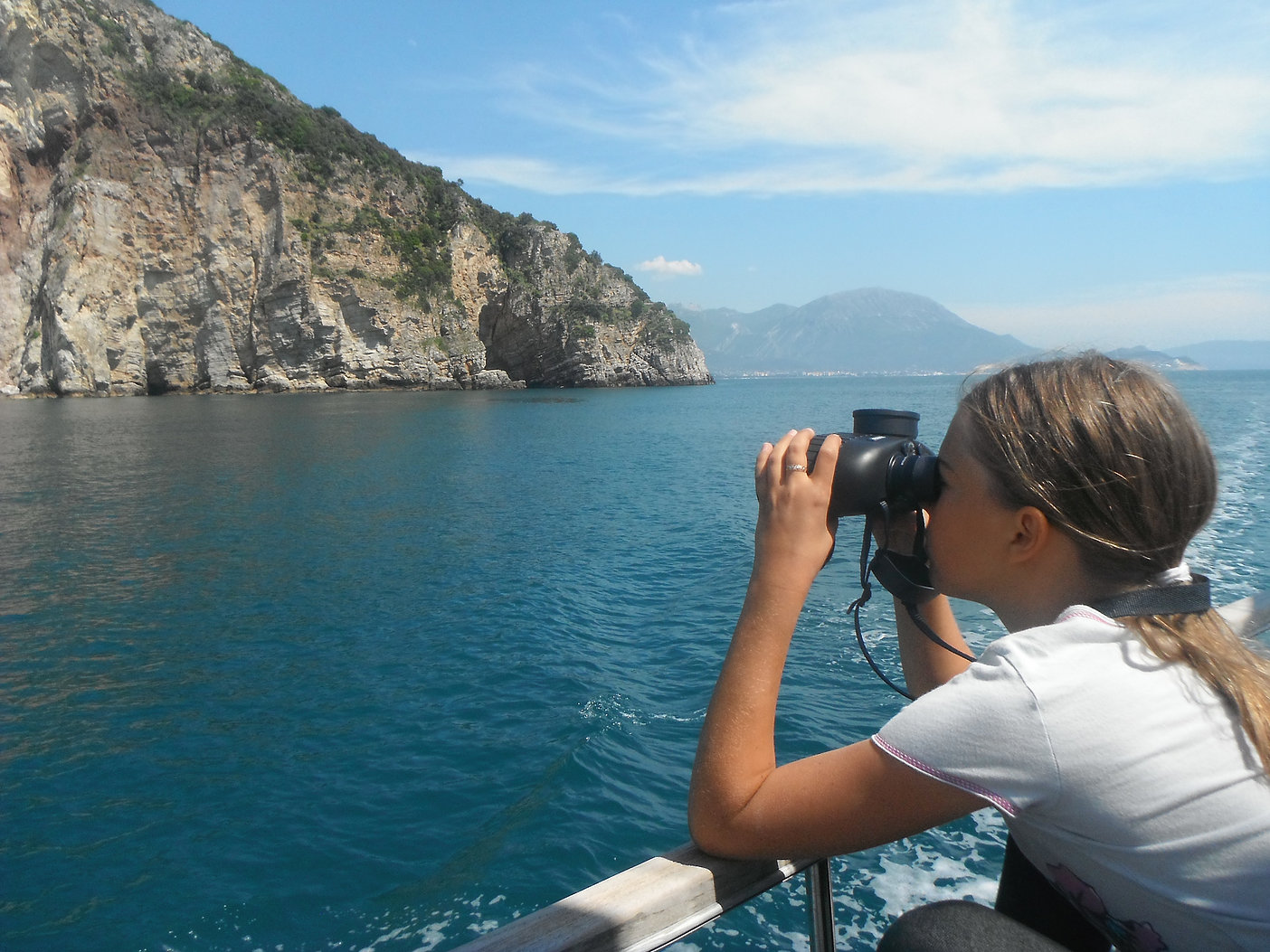
The lookouts
The next find —.
Budva and Sveti Stefan
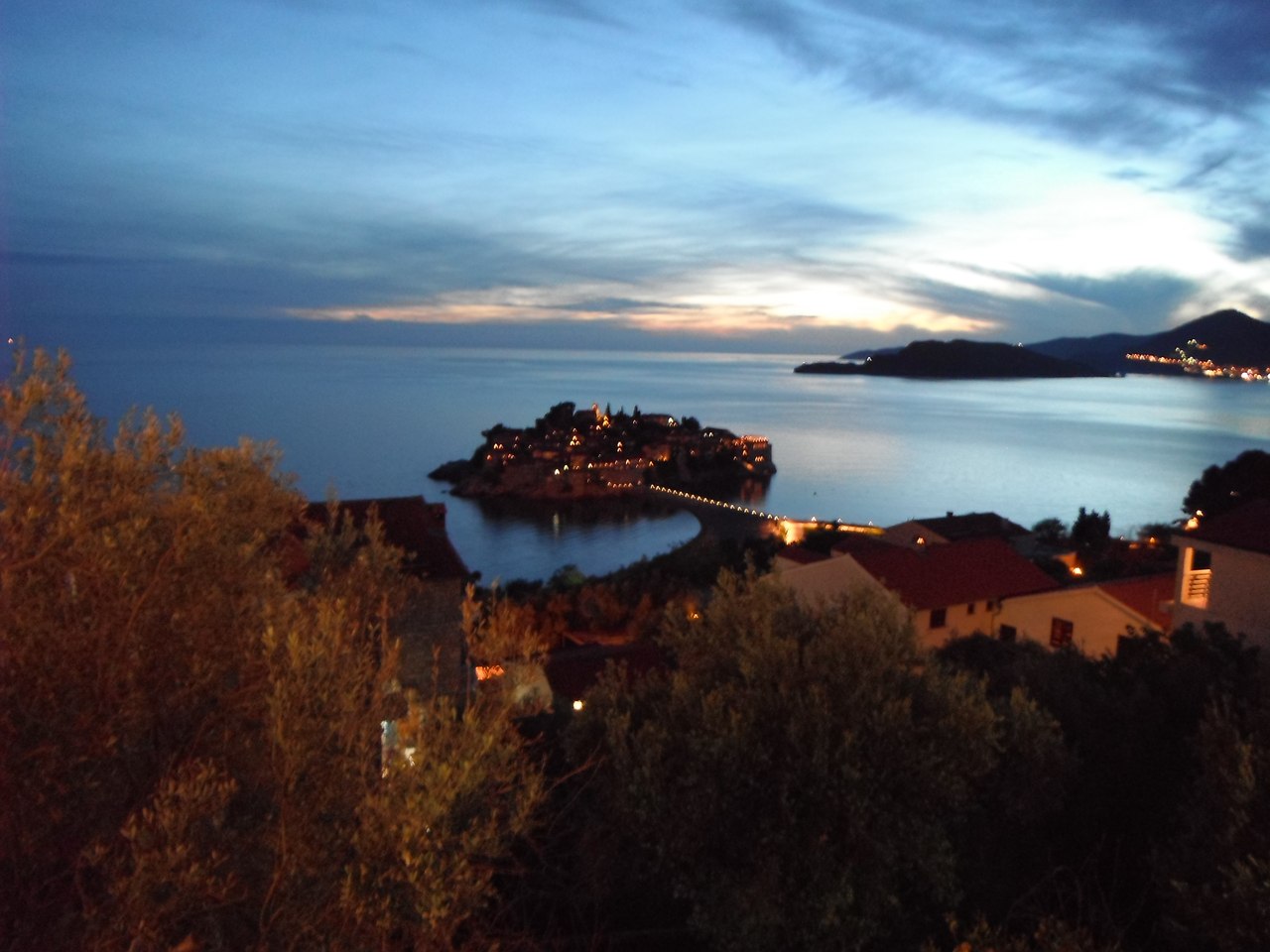
On the Budva Riviera, the fairy-tale island of Sveti Stefan is connected to the mainland by a narrow natural isthmus, which is a great rarity in itself. Sveti Stefan is mentioned in chronicles dating from 1442 in connection with the locals’ struggle against Ottoman raids. After one of their victories, a church dedicated to Saint Stephen was built here. The island was later equipped with a fortress too, without which survival in the Mediterranean was tough in those days.
Sveti Stefan in the evening, seen from shore
The island was first settled by fishermen, then became an important trading centre of the Venetian Republic. Over the centuries, the little town alternately declined and flourished again. In the 1950s, the remaining locals were resettled on the mainland, and the island became a luxurious hotel. Sveti Stefan suffered its latest decline in 2007, after the Yugoslav war. But then a major hotel chain leased it, and now it is once again an eye-wateringly expensive resort, packed with holidaying celebrities.
Sveti Stefan has comfortable cottage-like rooms, shopping centres, restaurants and an art gallery. The dream island rings out from the bell towers of three old churches: the Dormition of the Mother of God, Saint Stephen, and Alexander Nevsky.
Sveti Stefan from the north
We left a visit to the little walled island, which looks like a medieval Mediterranean town, for next time..
Montenegro and real yachting
During that week in May in the Bay of Kotor, our crew finally discovered what “yachting” really means.
The previous four months, with storm-force winds, five-metre waves and periodic arguments with Ichthyander, — those had merely been the warm-up.
Real yachting is when you lounge around in your swimsuit on the sun-drenched deck of a sailing yacht, sipping orange juice or, say, eating pasta with cheese, with about 15 miles of leisurely sailing along picturesque shores ahead. Cosy little coves everywhere, wooded slopes, fairy-tale islets and even waterfalls (we definitely saw one). True, when the wind shifts you sometimes have to leap up, reset the sails and gybe.
But afterwards you flop back down over your plate of pasta with relief, happy simply because it did not break during the manoeuvre but merely flew onto the bench—and now you are sitting in it. ).
Anchorage in the fishing village of Bigovo
A very cosy place, with mooring buoys and anchoring room, and a village and little restaurant ashore. Two unoccupied boats dozed beside us, and during the two days we spent in the village waters, several more yachts came to stay—all flying the Russian flag ). Evidently, the seasonal Russian expansion into Montenegro had begun.
Birds sang, and the greenery was fragrant with flowers. We still had not discovered the secret of a plant we had also encountered in Malta. Its flowers had a heady scent, like a blend of lemon and other citrus fruits with the fragrance of flowering jasmine. I always get it wrong: one moment I call it lemon, the next jasmine. The mystery remains unsolved for now ).
Nastya learned to operate the dinghy and took Laduska out for rides: the children had become independent. We landed the dinghy on a shrub-covered shore where there was everything one could want for a herbarium and a walk. The cosy little restaurant served excellent homemade wine and fried fish. There we also caught all the Russians who happened to be in the village at the time. One group turned out to be familiar to Nastya and Lada from our stay in Bar. After they sailed away, Lada spent a long time asking “where the man and the two ladies, the red one and the stripy one, had gone” (although, to be fair, there had been three ladies, but for some reason the last one had failed to make the proper impression on our daughter).
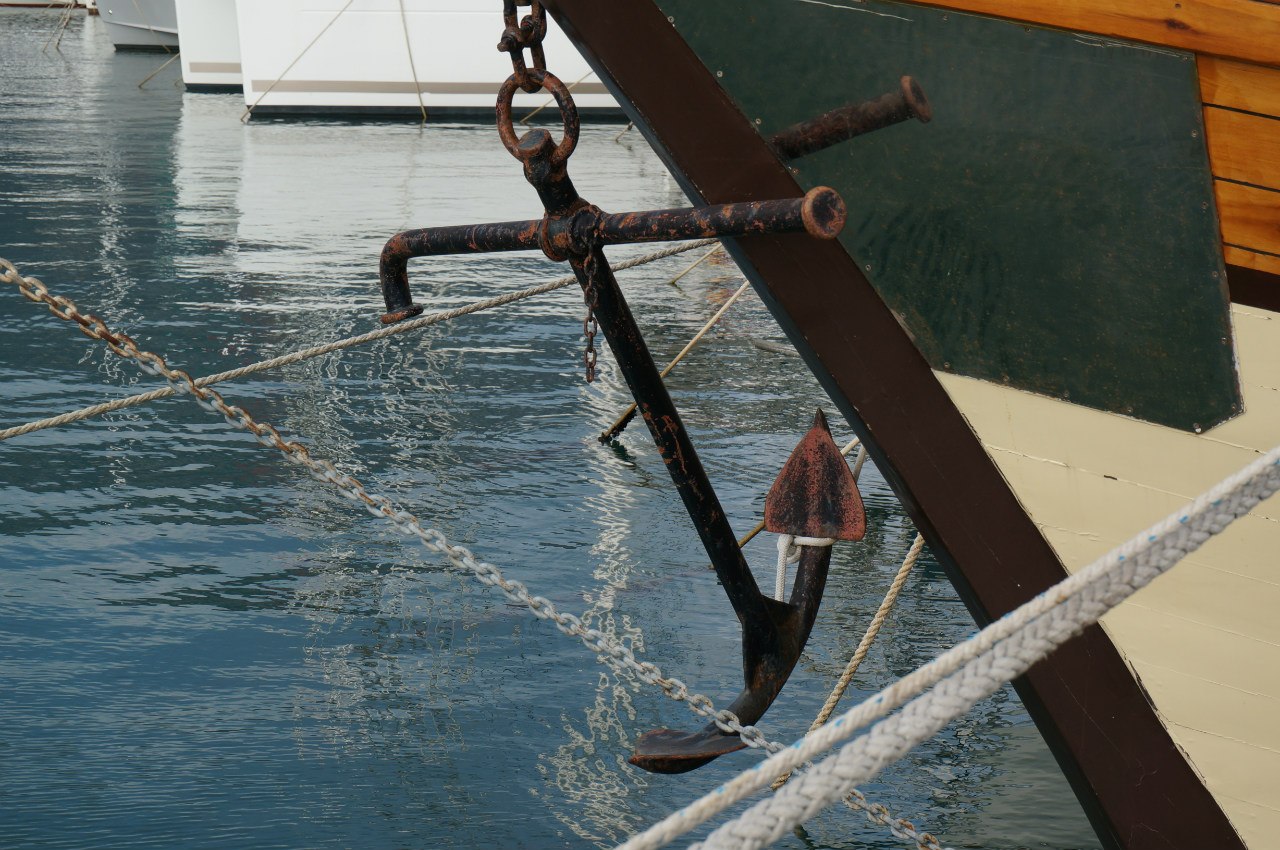
Anchor chains rattle in the harbour ). Bar
Montenegro on Victory Day
And the next day was 9 May. We celebrated it in a Second World War submarine dock with a couple from Russia whom we had met by chance, and later at a secluded anchorage with the crew of a yacht flying... the German flag.
Read on for that story, as well as the emergency in the battery compartment and new encounters in Montenegro > >