
From the Travely-Family archive · Pacific Ocean
Zootopia — the Galápagos Islands
An original publication from the former Travely-Family website. This English translation was preserved from the technical-site archive without editorial rewriting.
Zootopia — the Galápagos Islands. A trip ashore. What sea lions are for, where Lonesome George is now, who queues up at the fish market, and where dinosaurs live.
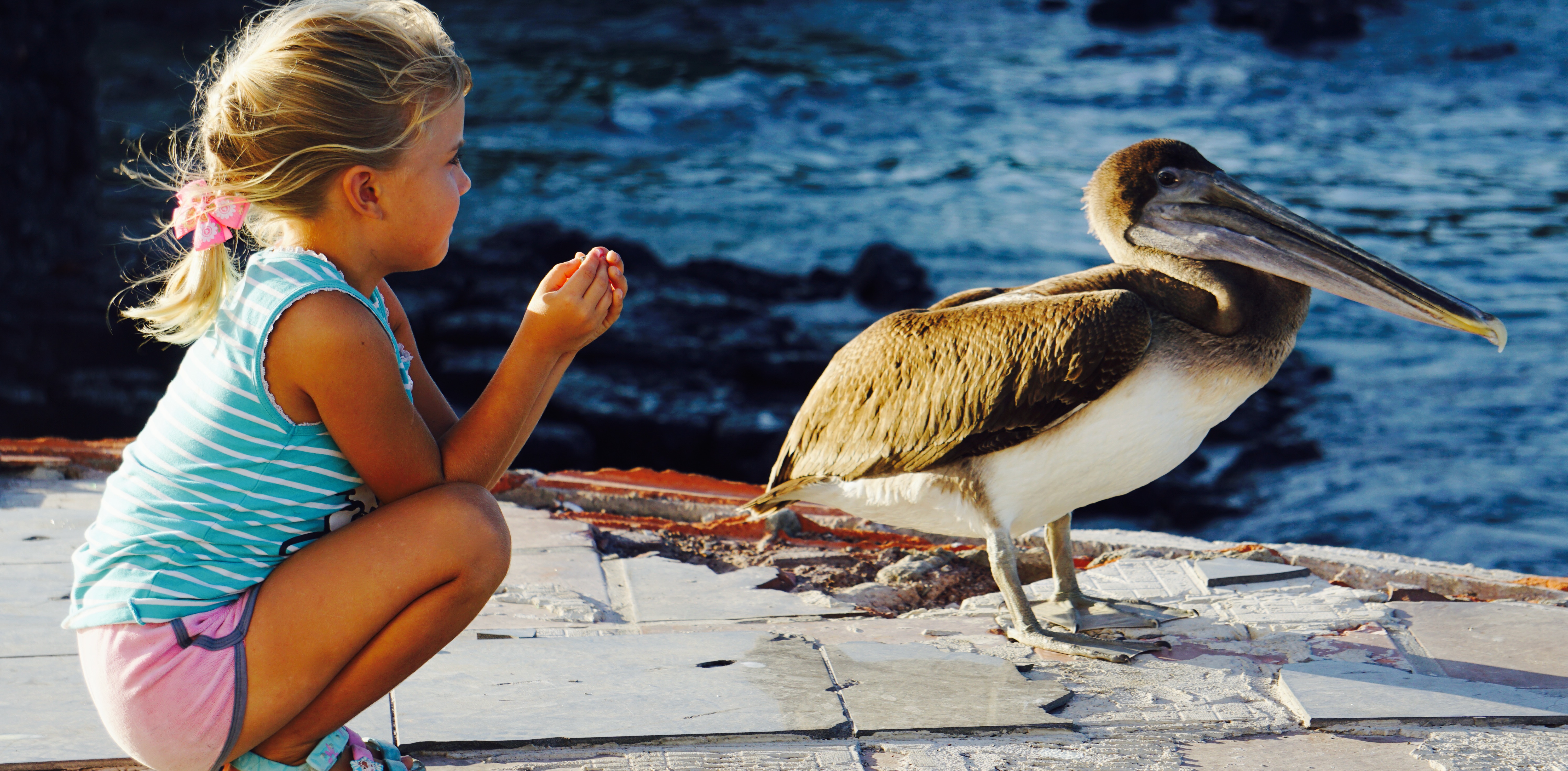
Zootopia is falling asleep. Before bedtime, Ladunka, our young sailor, throws up her hands:
I’m sooo impressed! (Listen to her picking up all these fancy words:)). Before, I’d only seen sea lions behind a fence, in Mexico. There it seemed ordinary, like at a zoo! But here—they’re free! And it’s simply a maaaarvel! Some kind of miracle!...Sleeping on benches.... And I... am going to sleep too...
Water taxis take yacht crews to the pier. The fare is from $0.80 to $1, depending on the time of day. Quite the bargain—100 metres for 60 roubles. We’re already wondering whether it might be better to swim. 🙂
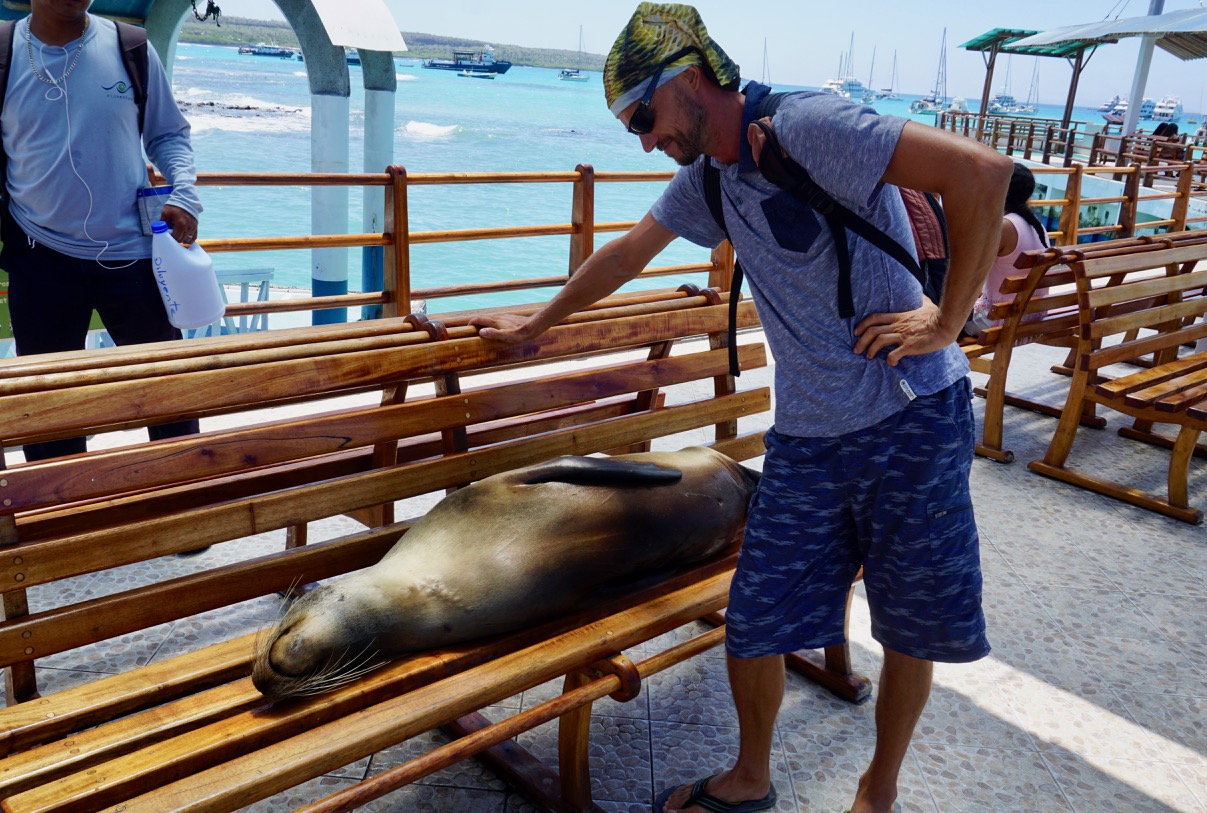
A visit to the town shows how birds and animals would behave if humans weren’t such omnivorous devourers of wildlife. 97% of the Galápagos is a national park. You may not touch or frighten the animals, much less kill them. And none of them, from the fish to the sea lions, are afraid of people.
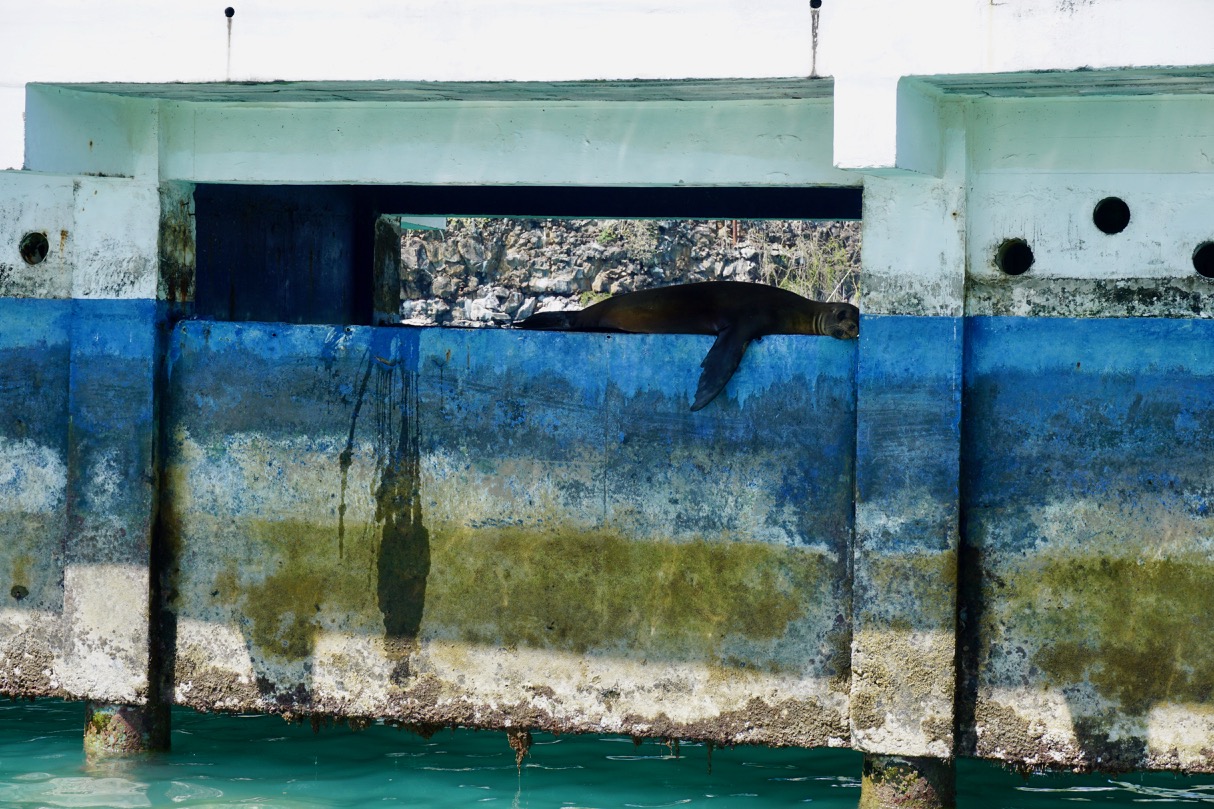
“Let sleeping lions lie”
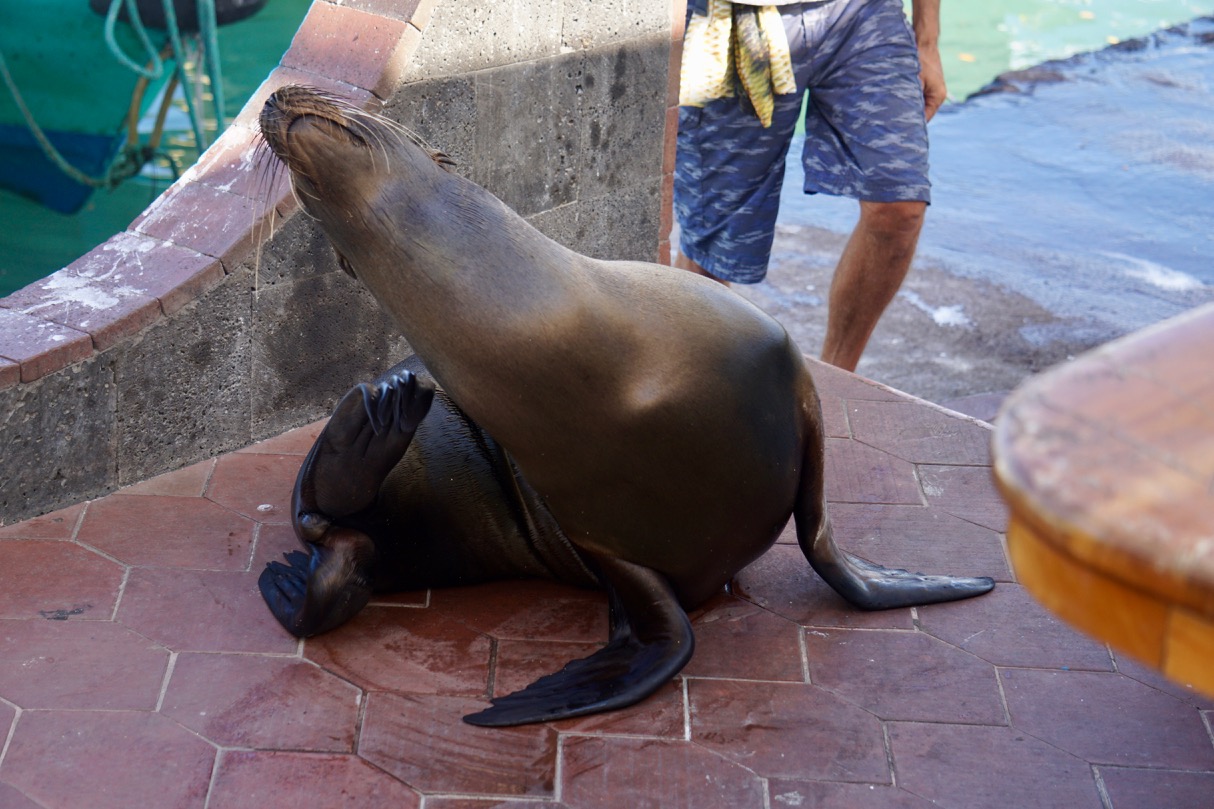
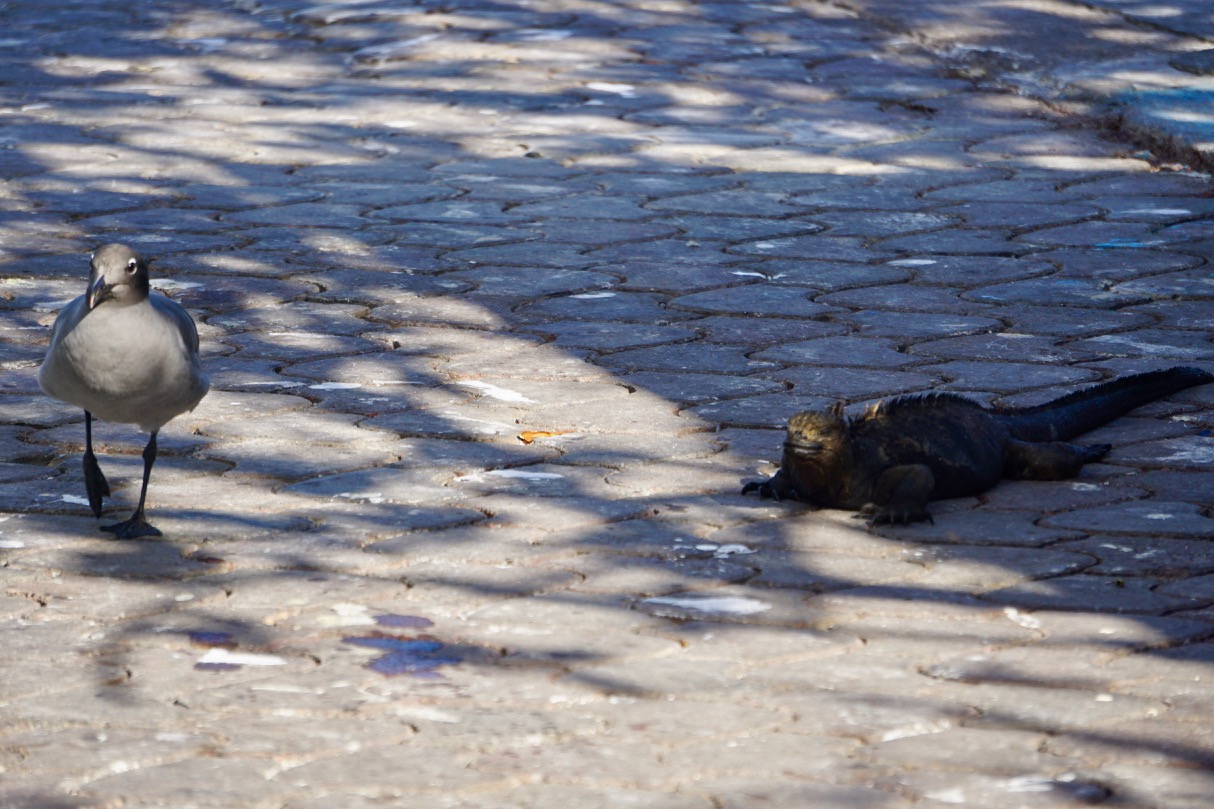
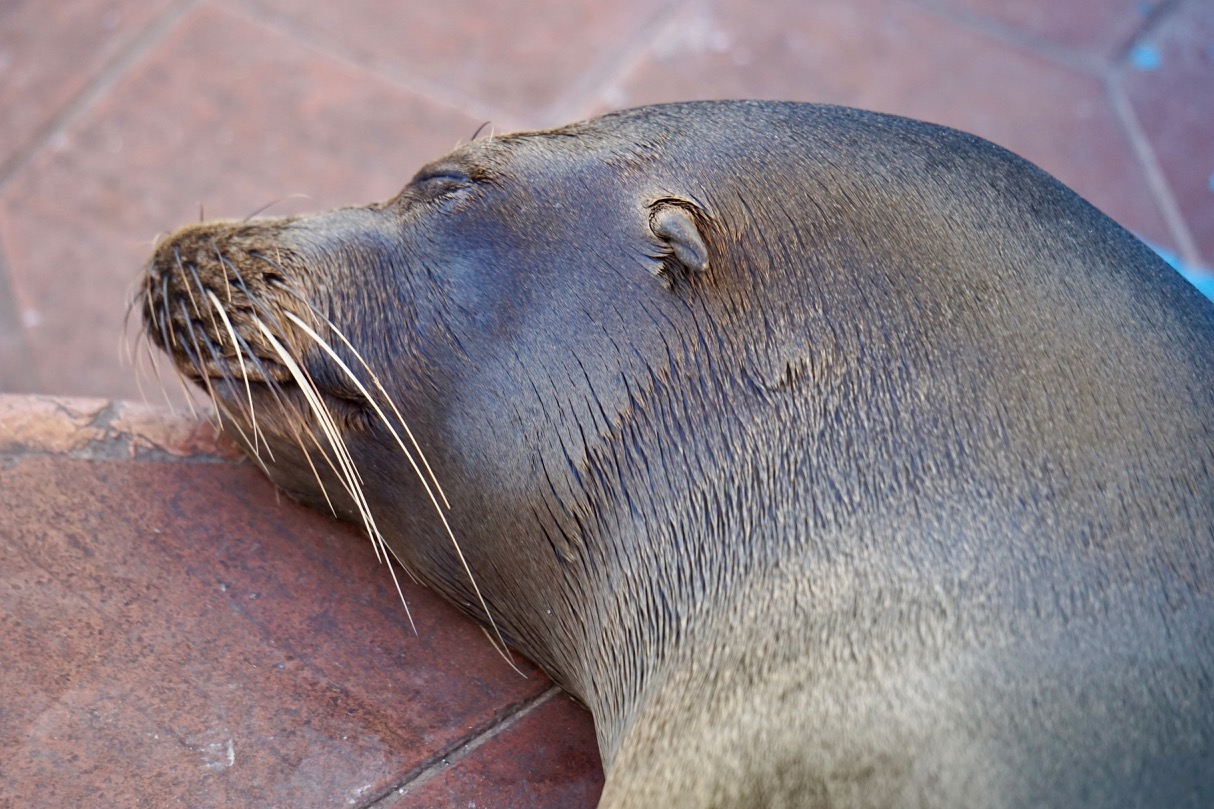
Wild pelicans are ready to eat from your hand, while smoky-coloured birds resembling gulls, with the tips of their beaks lightly painted, pose at arm’s length. The iguanas are terrifying and shedding their skin just now, the crabs are red and numerous. The sea lions are languid and sleepy. Their main purpose on this planet is to sleep. They sleep on piers, benches, grass and in the fish market, without the slightest concern for the time or the crowds scurrying around them. And if you get in the way with your stupid camera, the sea lion starts roaring indignantly and shaking its head: “Come on, let me through! I’m off to sleep!”
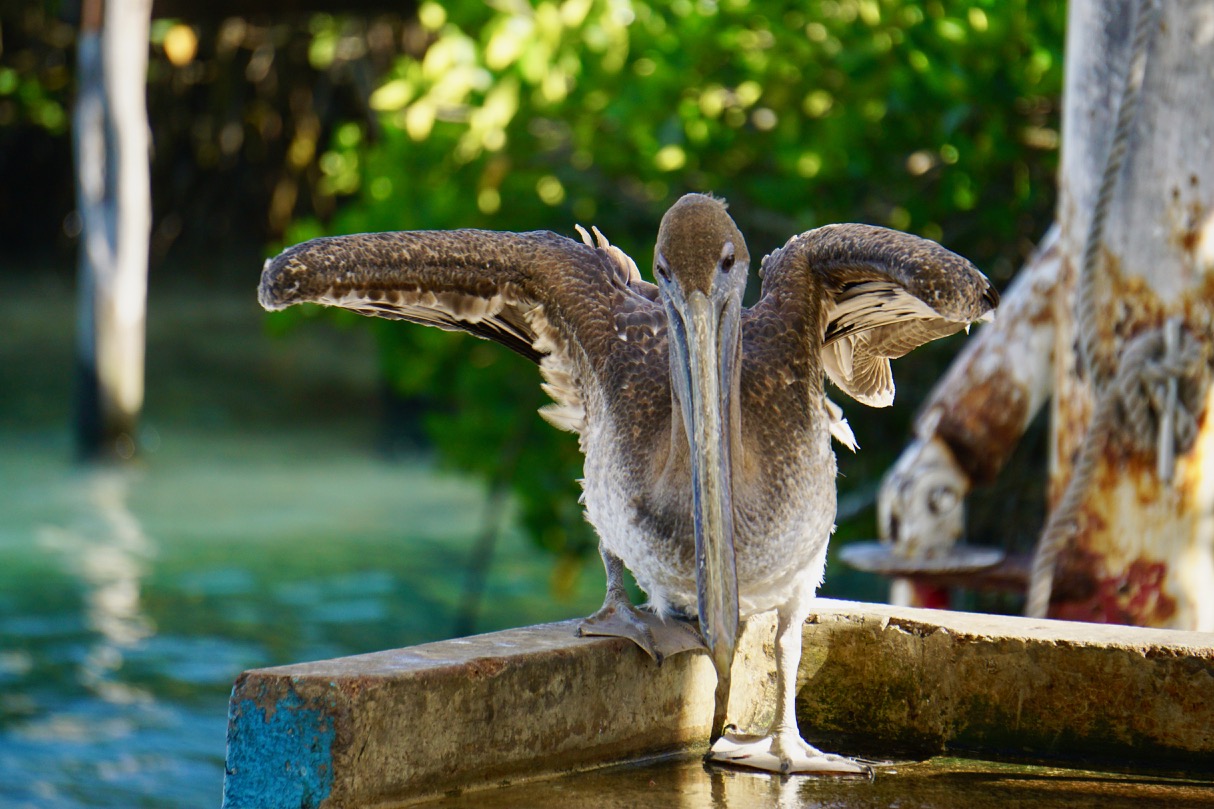
This is Zootopia:). Humans aren’t in charge here..
Fish-market regulars
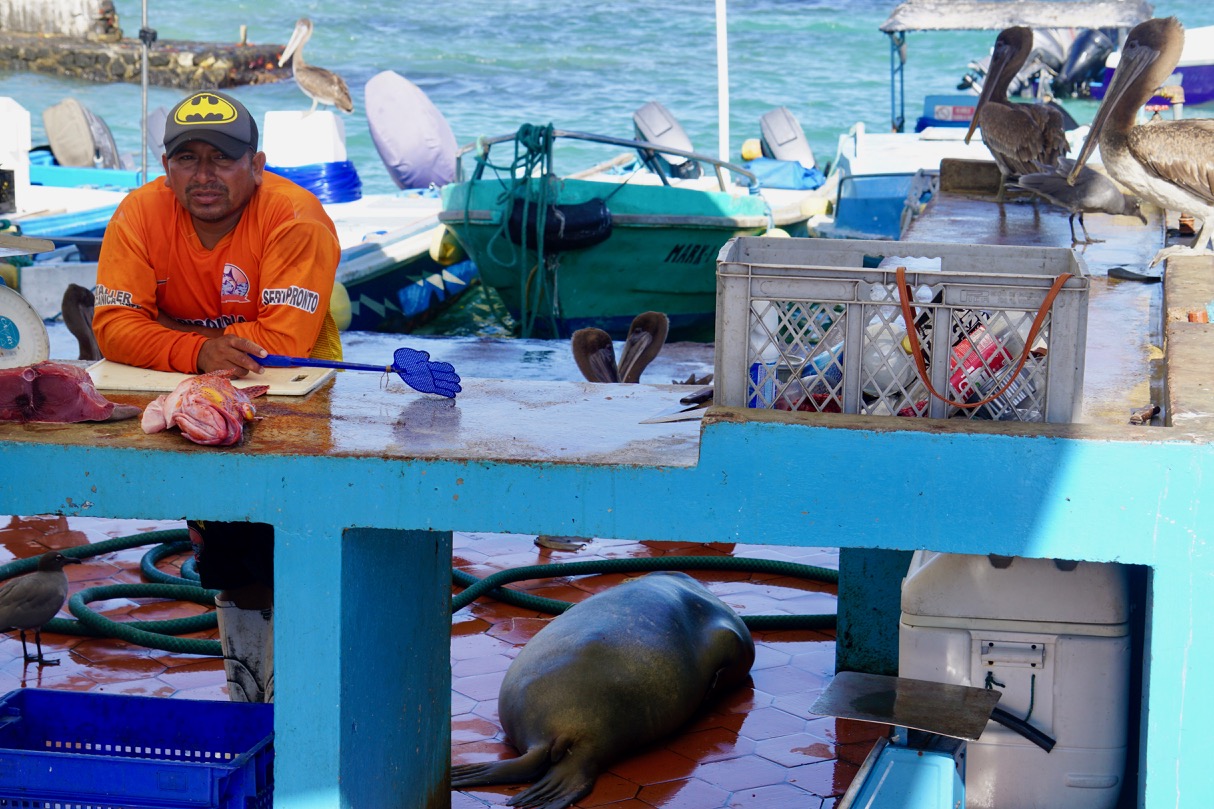
They say the fish market is best visited in the morning, when there are plenty of freshly dead fish and completely live birds. And sea lions too. Although our active morning only gets going by about four in the afternoon, we still find all the freeloaders at the market.
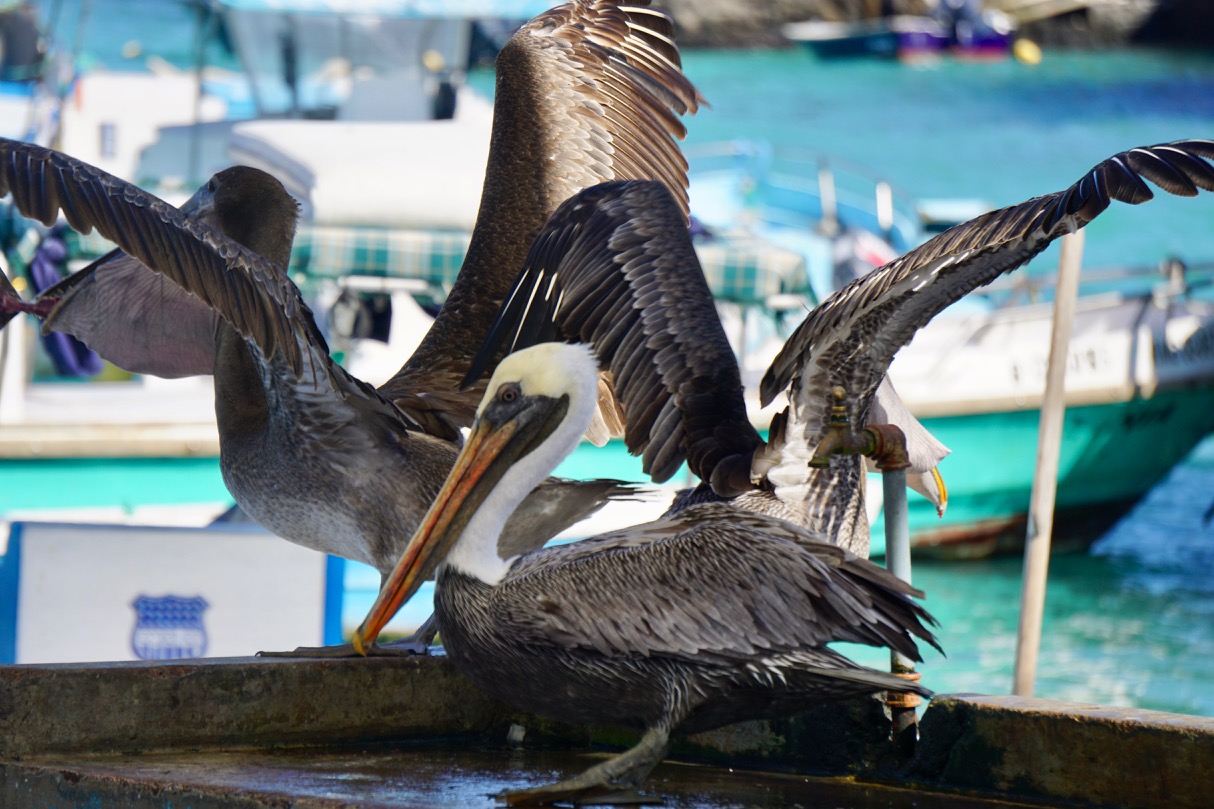
The pelicans queue up for the entrails. They stand there so politely, spreading their wings in respectful bows, and hardly ever snatching fish from one another’s beaks. Sometimes a fish gets hastily tossed crosswise into the bill pouch—the competition isn’t asleep! And then you see just how thin the pouch’s membrane is and wonder: what if it tears?
The fish’s tail sticks out, the pouch stretches in a direction never seen on cartoon pelicans, and the poor owner can neither eject the fish nor swallow it. So he suffers, tossing his head like a demented horse. But he is afraid to open his beak all the way—the charitable organisations represented by his fellow pelicans are eager to thrust their great bony beaks into his mouth and pull the fish out. All in the spirit of helping one’s neighbour, naturally.
But somehow he eventually manages both to solve the problem and not lose the fish. And the catch is sent on a direct course towards the oesophagus...
The vendor is tired of shooing away the freeloaders 🙂
Frigatebirds sometimes hover directly over the counter, and somehow manage to flap their wings a metre away from the fish cutter without flying anywhere at all. But mostly they circle overhead and steal one another’s catch. Frigatebirds are always fighting over food; no wonder their beaks are hooked and predatory.
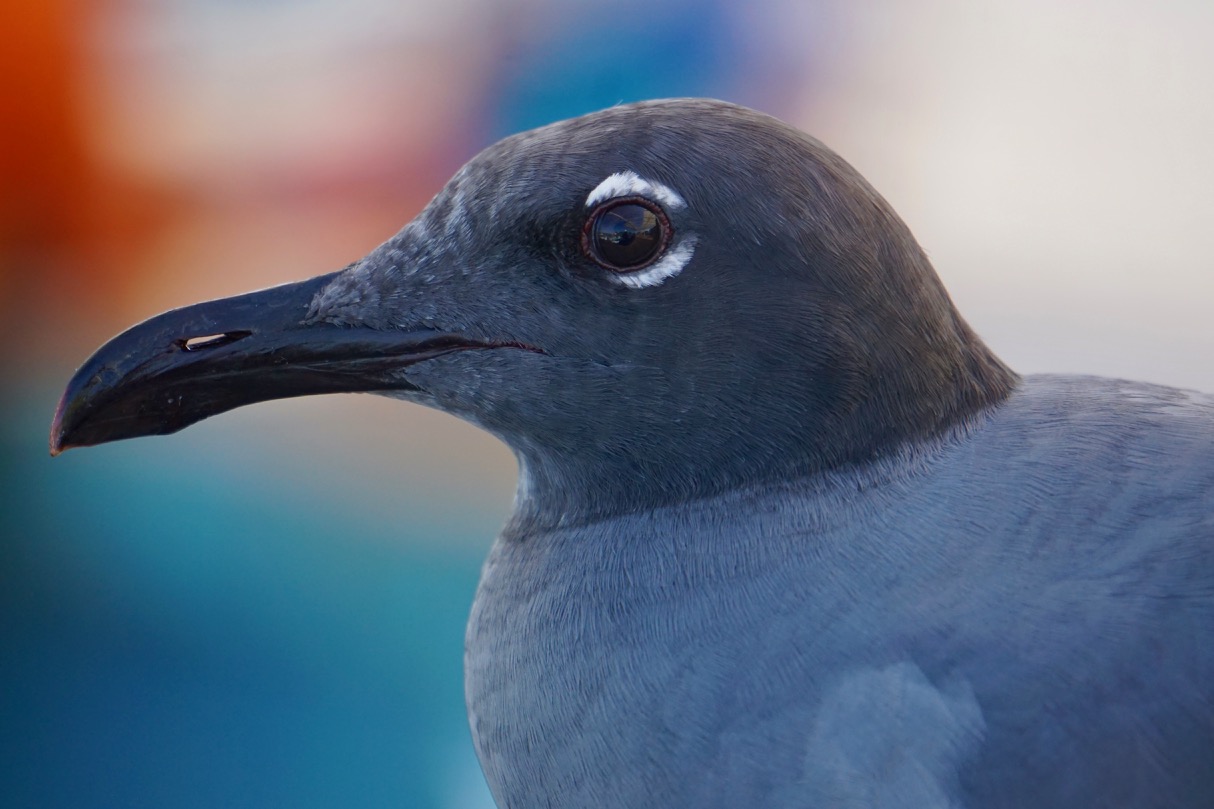
And these smoky-coloured birds are relatives of gulls, with the very tip of the beak lightly touched with lipstick. And if you look closely from the side, you suddenly discover that through one nostril you can see the other, with daylight shining right through—like a tunnel. I wonder whether all birds are like that?
Spitting lizards
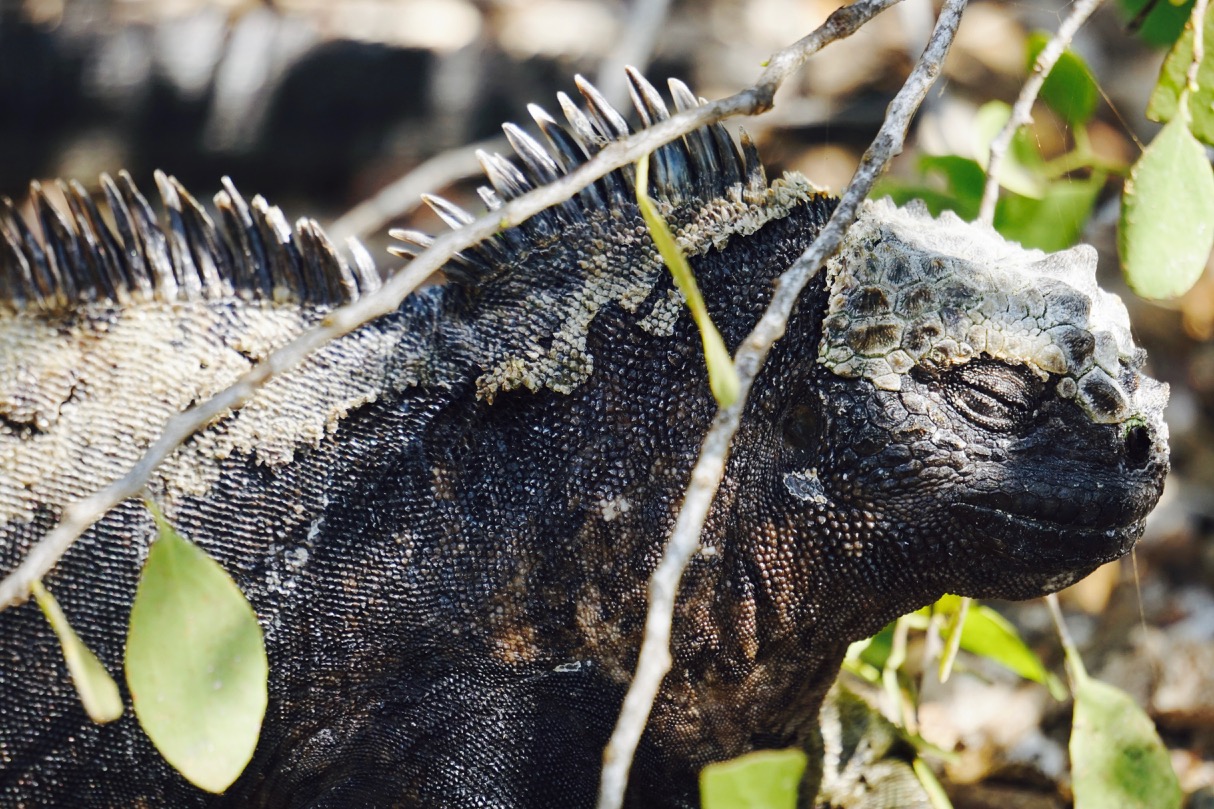
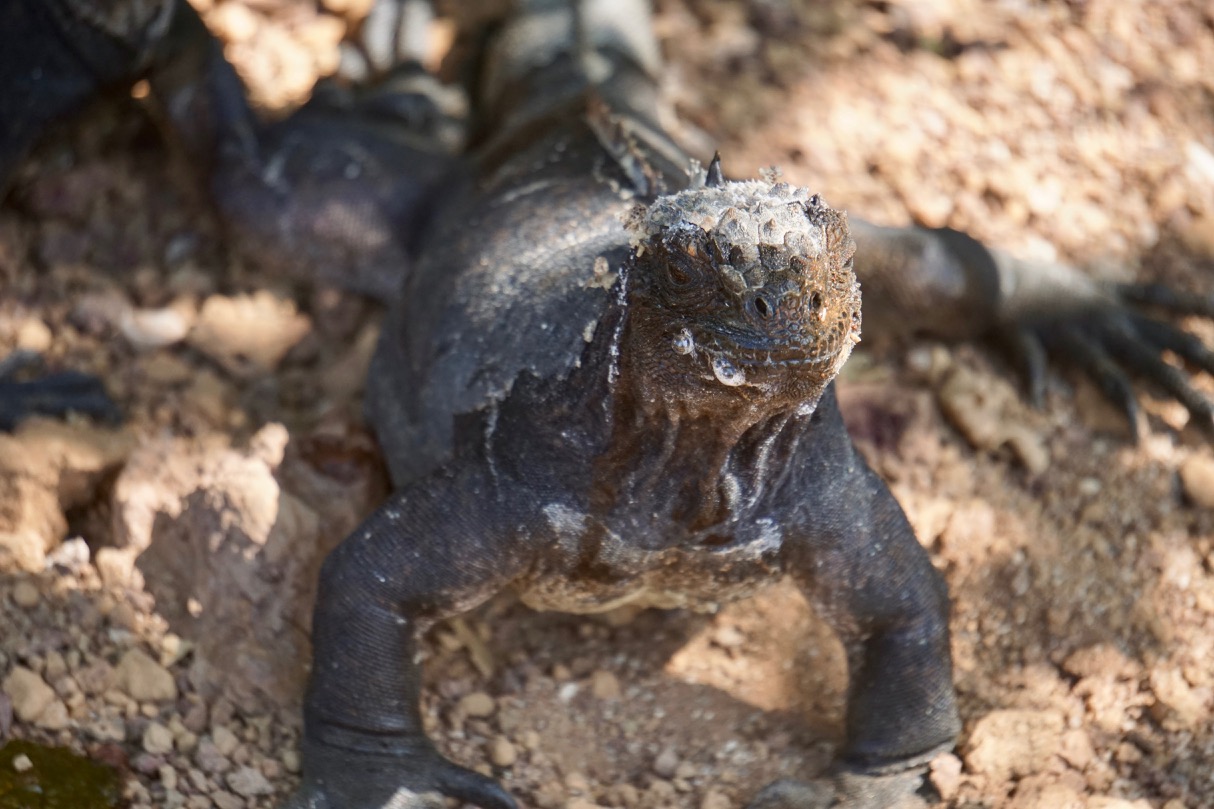
Speaking of nostrils. The local Galápagos iguanas are aquatic. These are the only marine iguanas in the world. Terrifying—good grief! The crest on their backs is like something on a dragon from a fairy tale. And it’s spring for them now—they’re shedding. The old skin comes off in brownish-grey sheets, while the new skin underneath is black and silky.
New-old skin
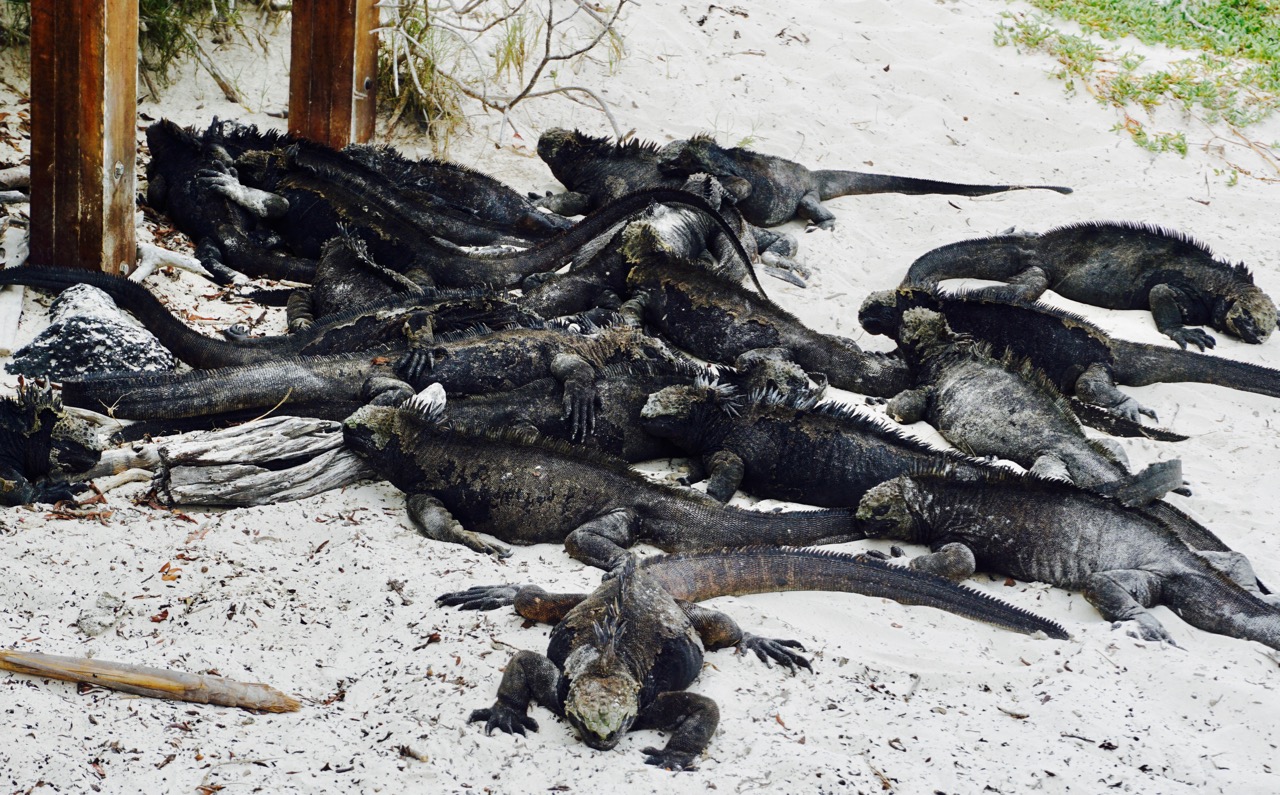
The sea monsters pile together, sprawl on top of one another, and luxuriate in the sunshine. And if you try too insistently to photograph them, they start spitting. Which brings us back to the nostrils. Because the local lizards spit through their nostrils—sort of snorting, “Get lost!” 🙂 A lizard nest
Ninja turtles
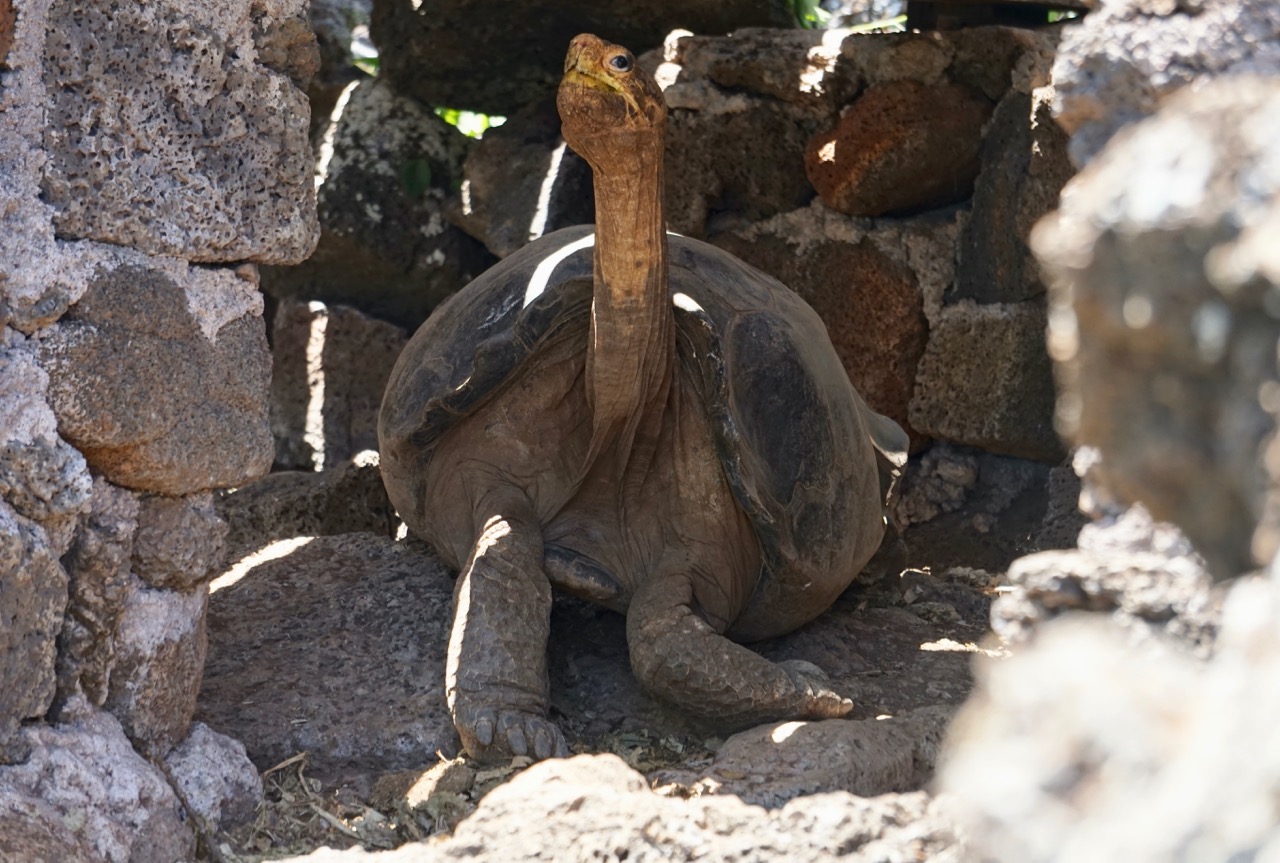
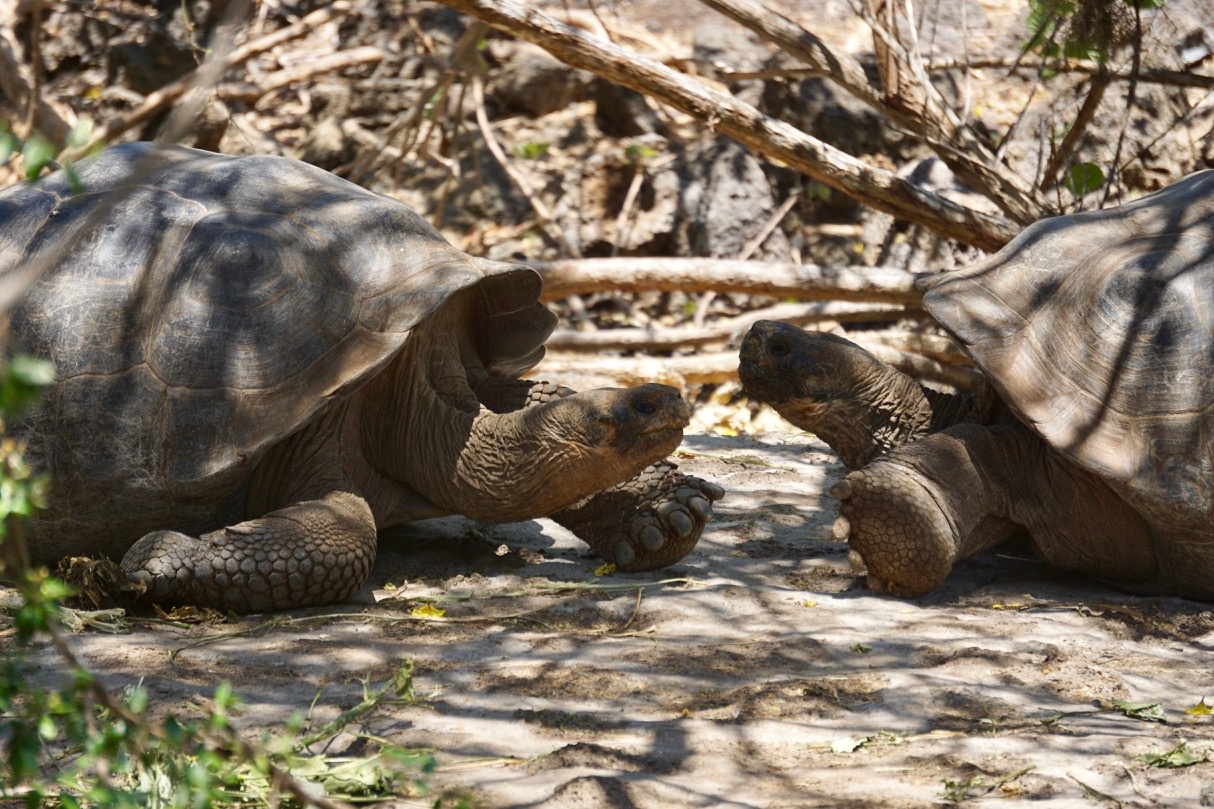
Tortoises don’t walk the streets; to see them, you have to visit a reserve, a special ranch, or the Darwin Research Station, where the famous Lonesome George lived, the last of the Mohicans in his line of giant Galápagos tortoises.
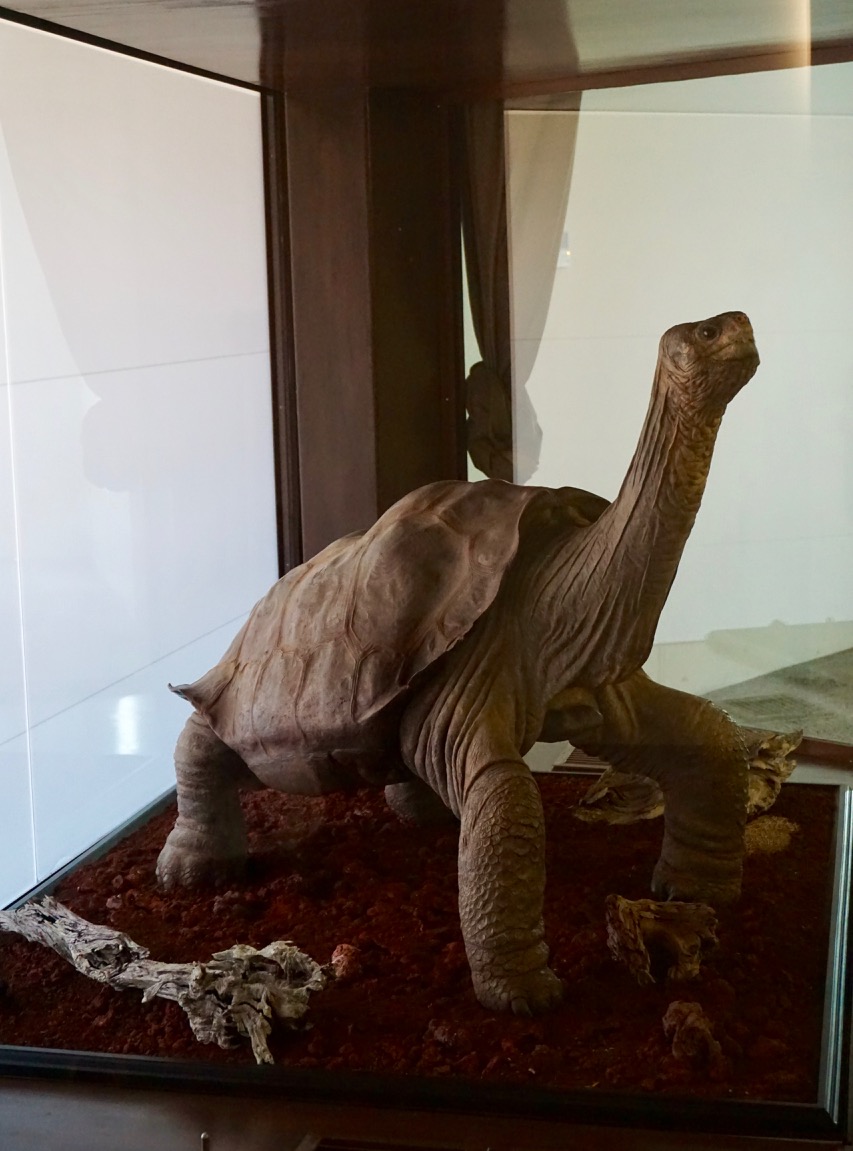
In 2012, George passed away at the age of either 120 or 130 (no one knows for sure), leaving no offspring. His preserved body stands behind bulletproof glass in a private mausoleum.
There is nothing in the Tomb except a bench, bulletproof glass and George himself.
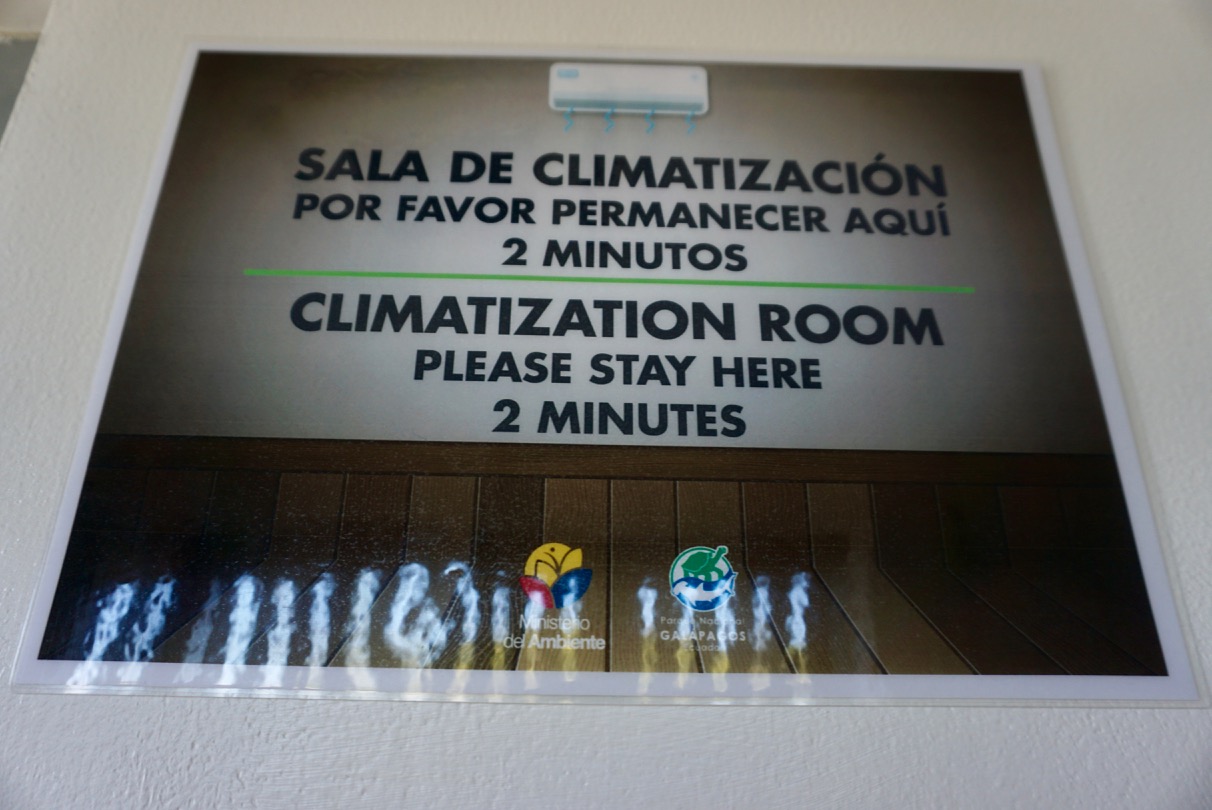
Only groups are allowed in, for six minutes at a time, and must remain silent. And you have to spend two minutes in the acclimatisation vestibule on the way in and another two on the way out.
Apparently, it is so your sweat can cool before you enter the room, and then, on the way out, there is another holding area so that... we don’t know why.
So that you have time to reflect on the transience of life before emerging into the light of day.
Yes, exactly. That’s what it’s for.
“Please stand here for 2 minutes”
But fortunately, the giant Galápagos tortoises did not go extinct along with George, because there are other species.
Two hundred valiant scientists, laboratory assistants and other workers at the centre are preventing the tortoises from pulling off an ecological catastrophe of such spectacular proportions.
They cordon off tortoise nests with tape on accessible beaches, painstakingly collect eggs on different islands and hatch the baby tortoises in separate enclosures. Then for several years (two for certain), they look after them as unobtrusively as possible before releasing them into the wild.
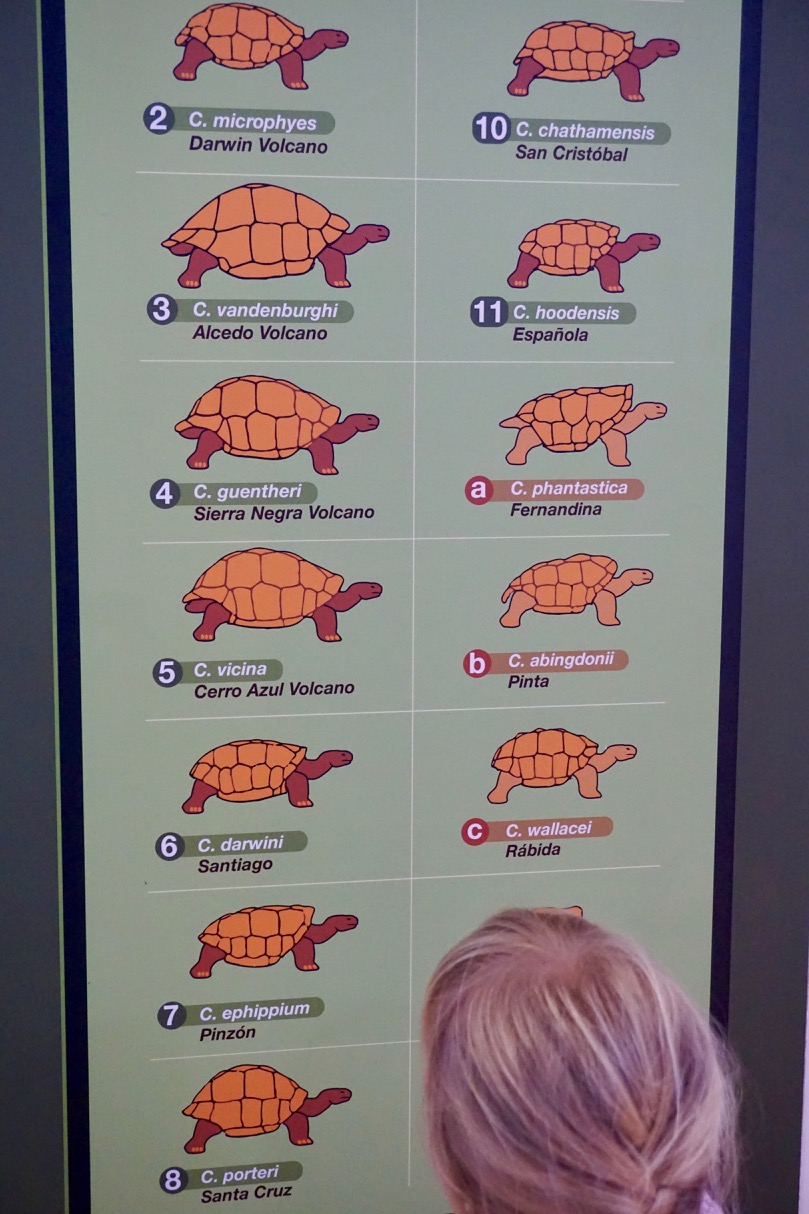
—Pretty cool: the tortoises are different on every island, each with its own branch of the family tree.
The staff keep an eye not only on the tortoises, but on all the wildlife of the archipelago. From sea lions to endemic insects and cacti.
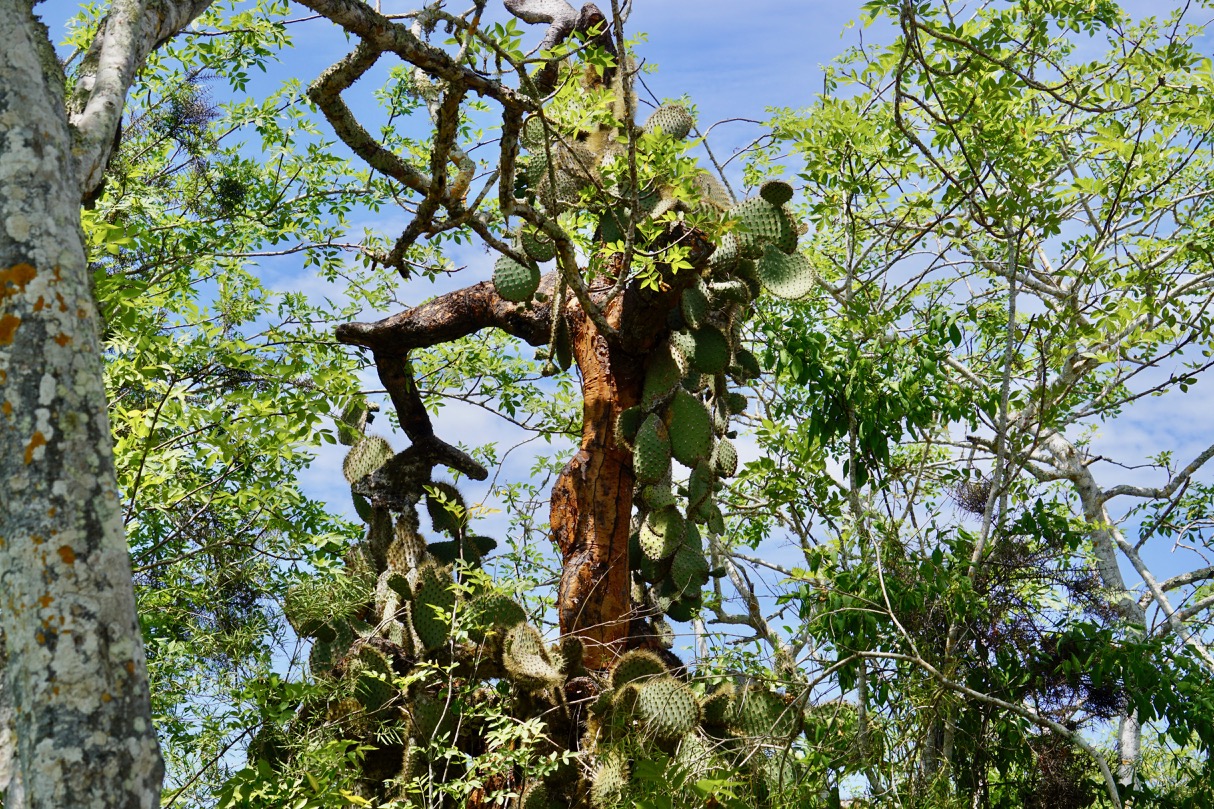
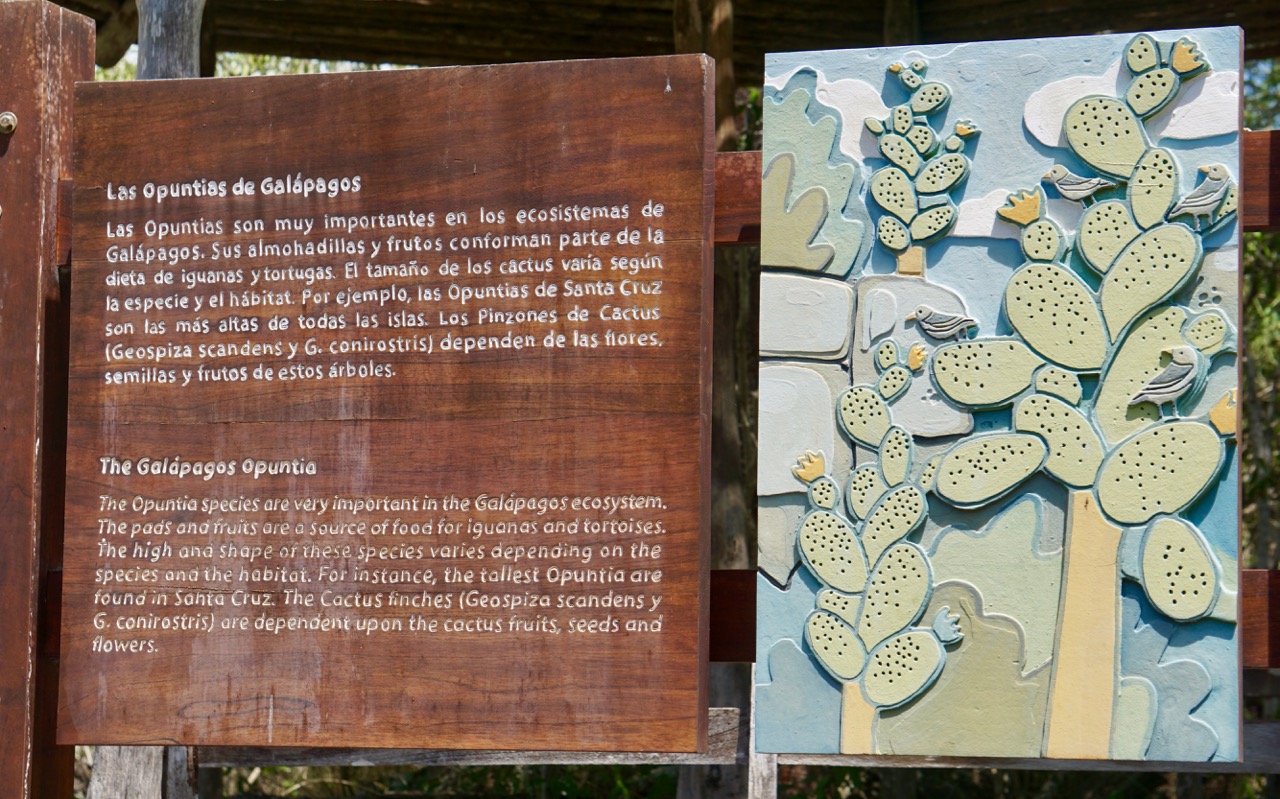
And the cacti here grow like trees. With amber-coloured pine bark. Inside is a tubular sponge, while the crown is topped with green, prickly Cheburashka ears. This wonder of nature is called the Galápagos prickly pear.
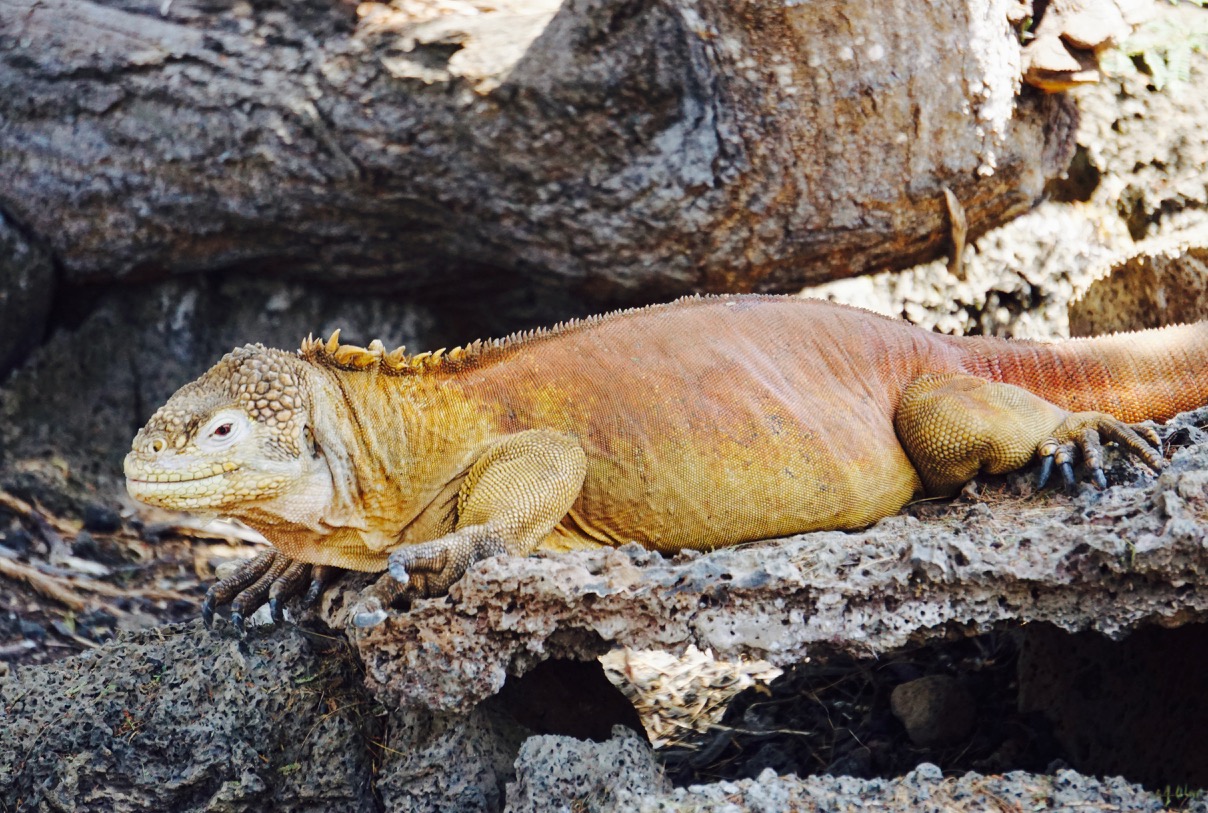
There are coloured iguanas on one of the islands, but here on Santa Cruz we have only encountered black ones so far. At the Darwin Research Station, there are yellow and brick-red ones. We’d like to see the black-and-pink and bluish ones; if the photographs are to be believed, those exist too..
Weird little beasties
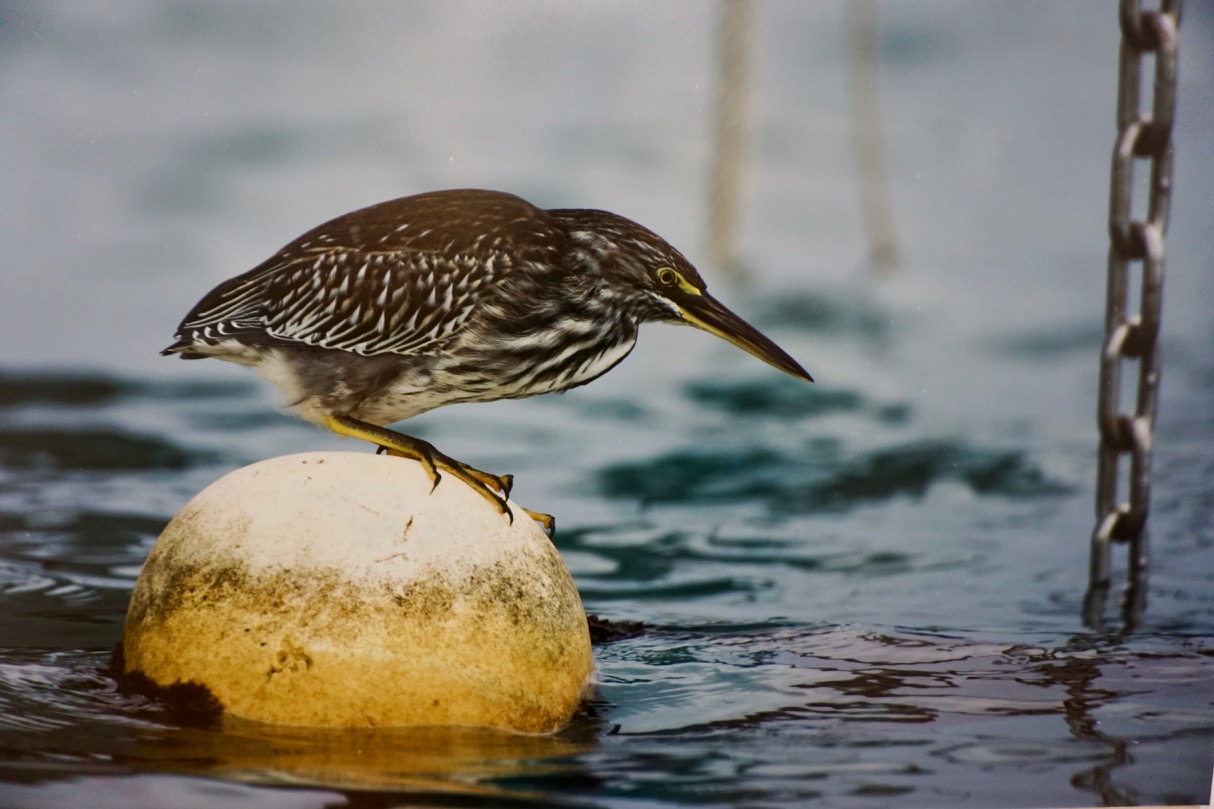
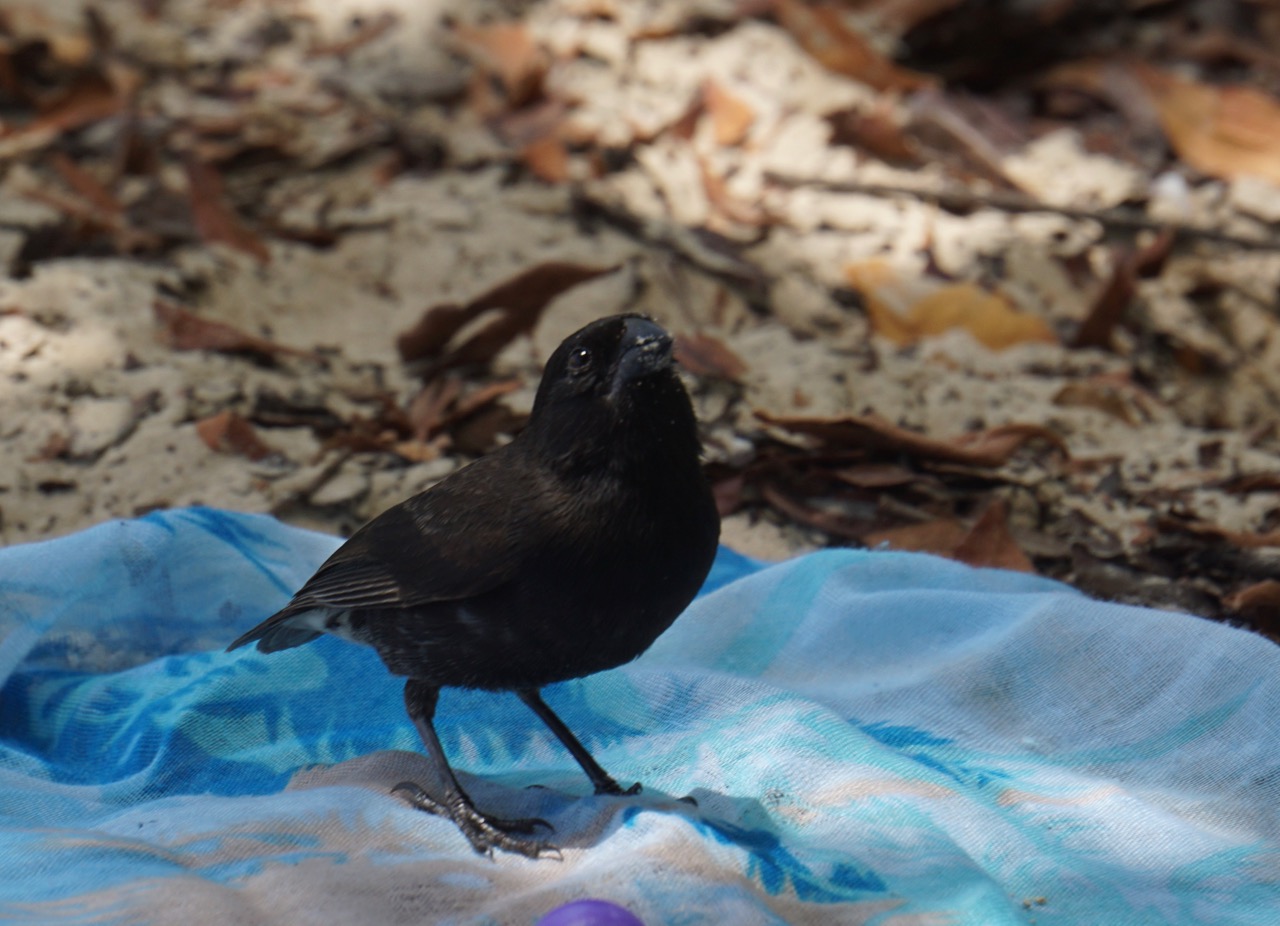
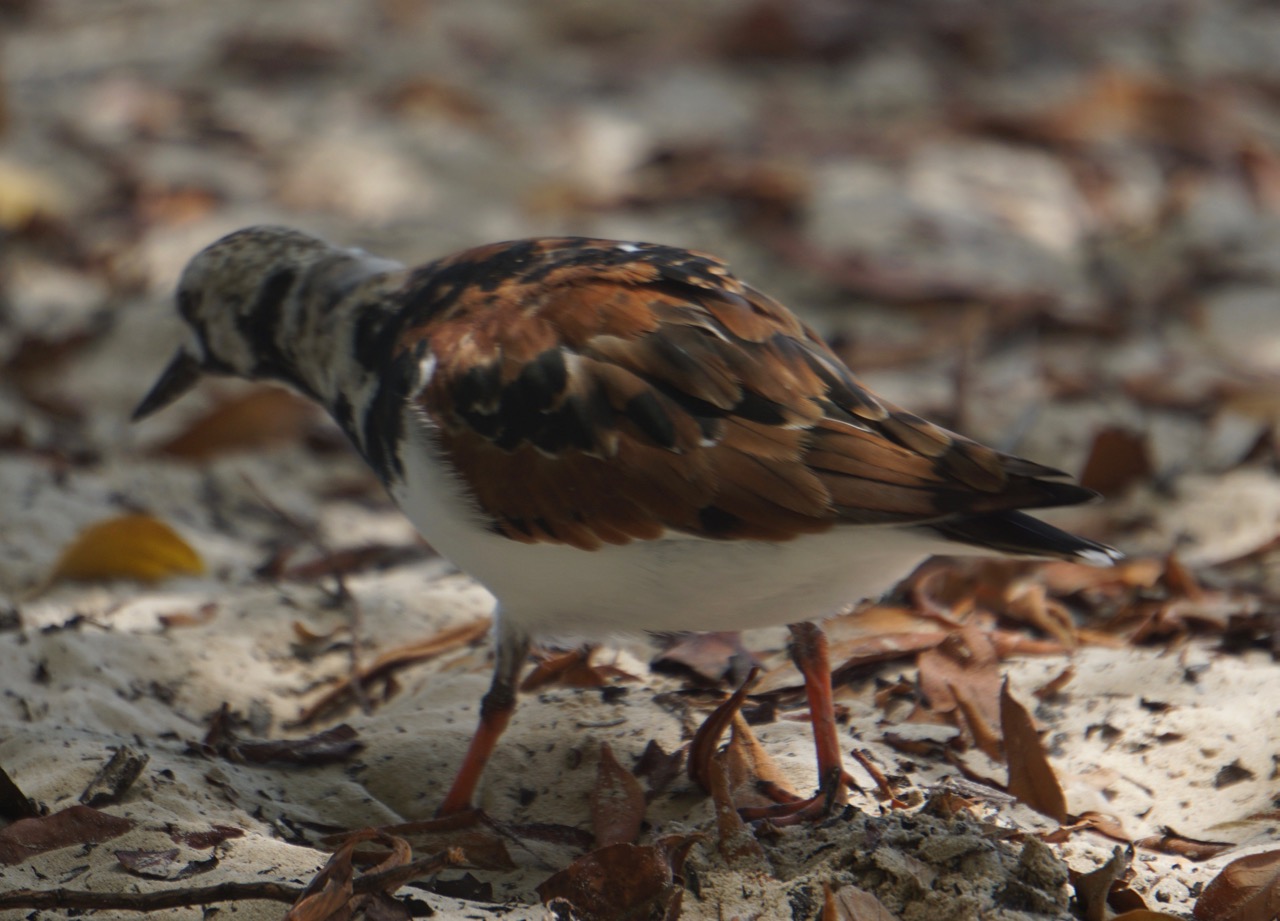
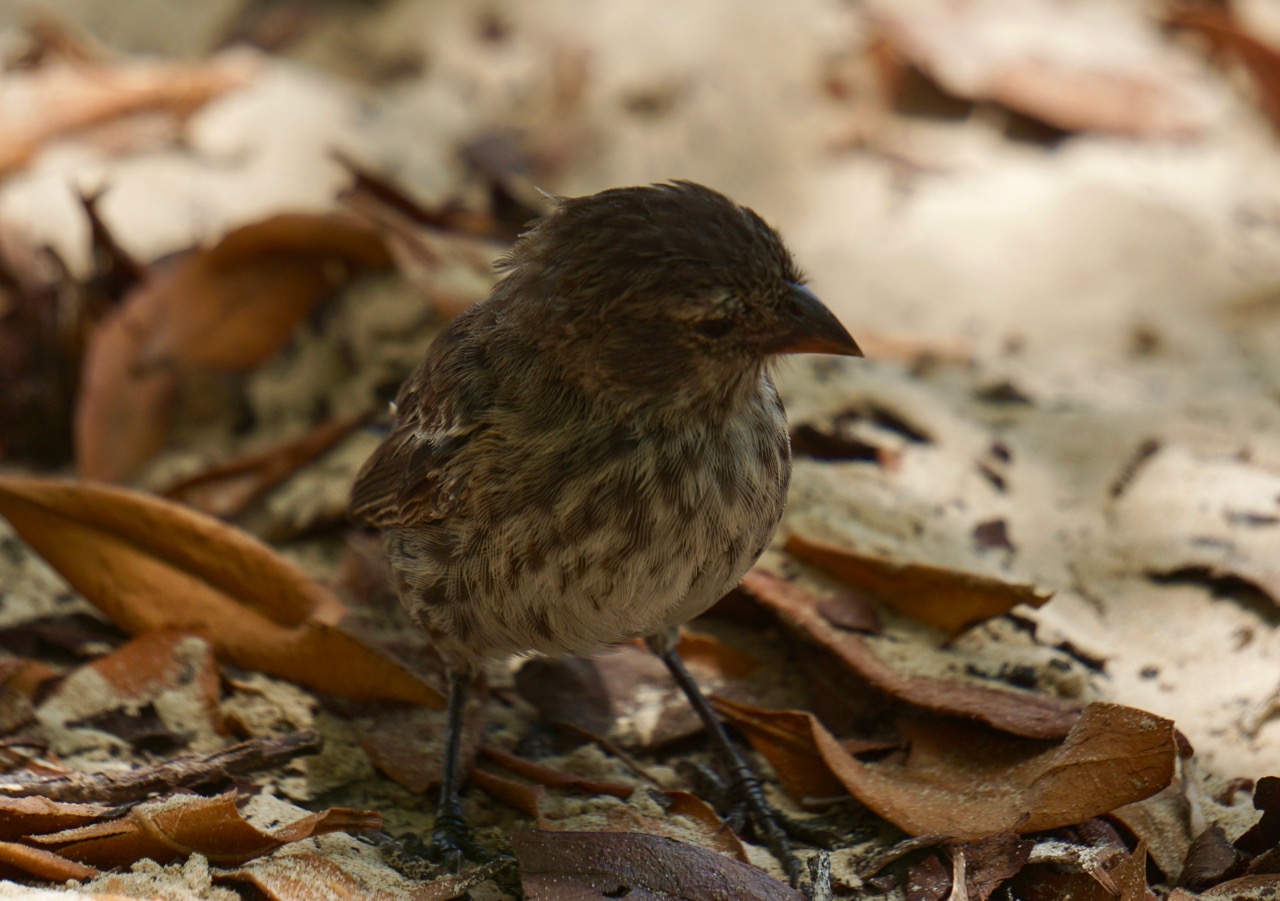
Tiny birds dart around the market—some resemble sparrows, while others look like thieving, speckled starlings. Our captain calls both kinds finches and says that all the little birds on the island aren’t sparrows or kingfishers or anything like that, but finches—just different subspecies. At first we argued with the captain about this, but now we simply call all finches “Dad’s finches.” To be fair, it was the Galápagos finches, also known as Darwin’s finches, that prompted Darwin’s ideas about the evolution of species. So yes, finches after all.
These aren’t finches—yet 🙂.
The captain’s finches:
A captain’s finch that looks like a kingfisher
A finch that looks like a black sparrow
The captain’s speckled finch
Well, there it is again—a finch. This one looks like an ordinary sparrow with an unusual beak
Although they’re not in charge. The lions are still in charge. Or rather, the dear little lions:).
Zootopia in photographs:
—Sleeeeep!
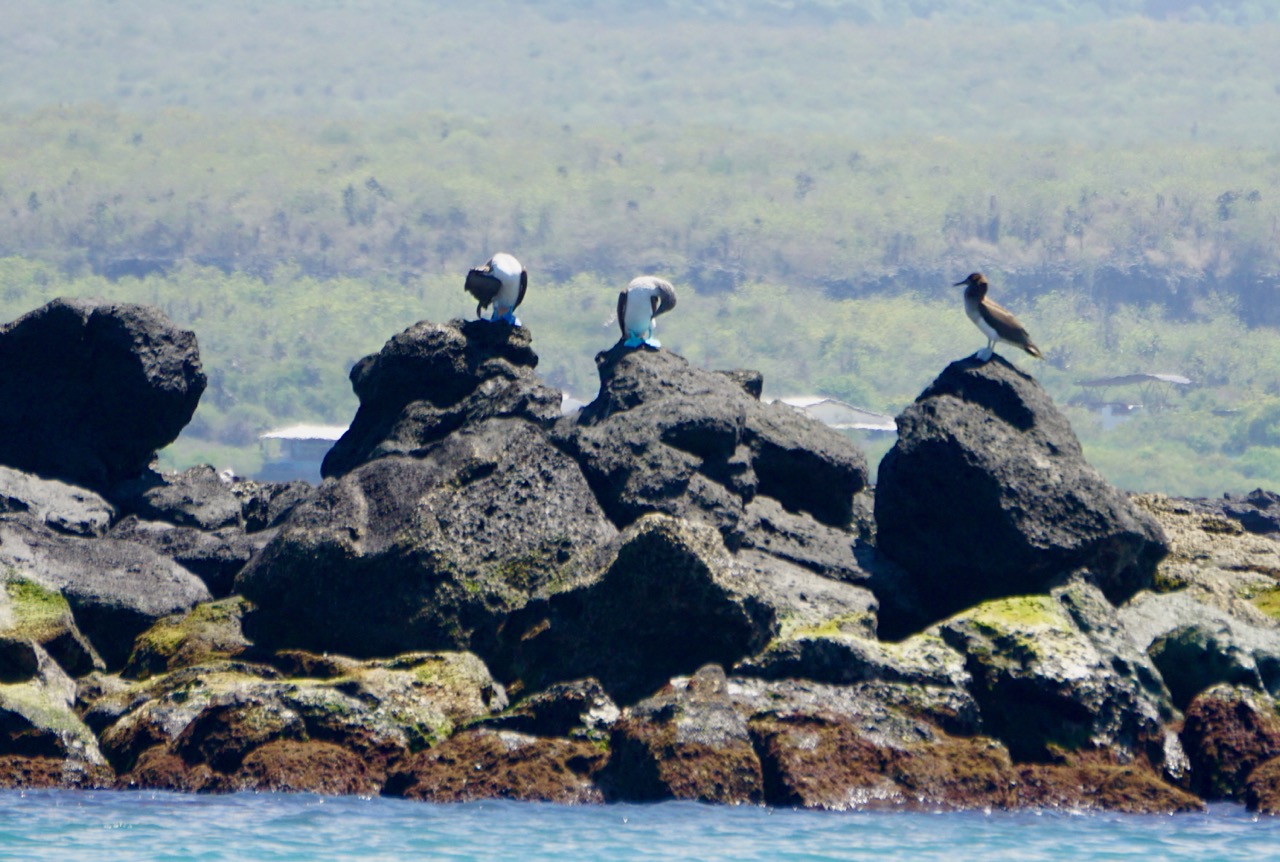
Blue-footed boobies. We dream of seeing them even closer
That very Galápagos cactus
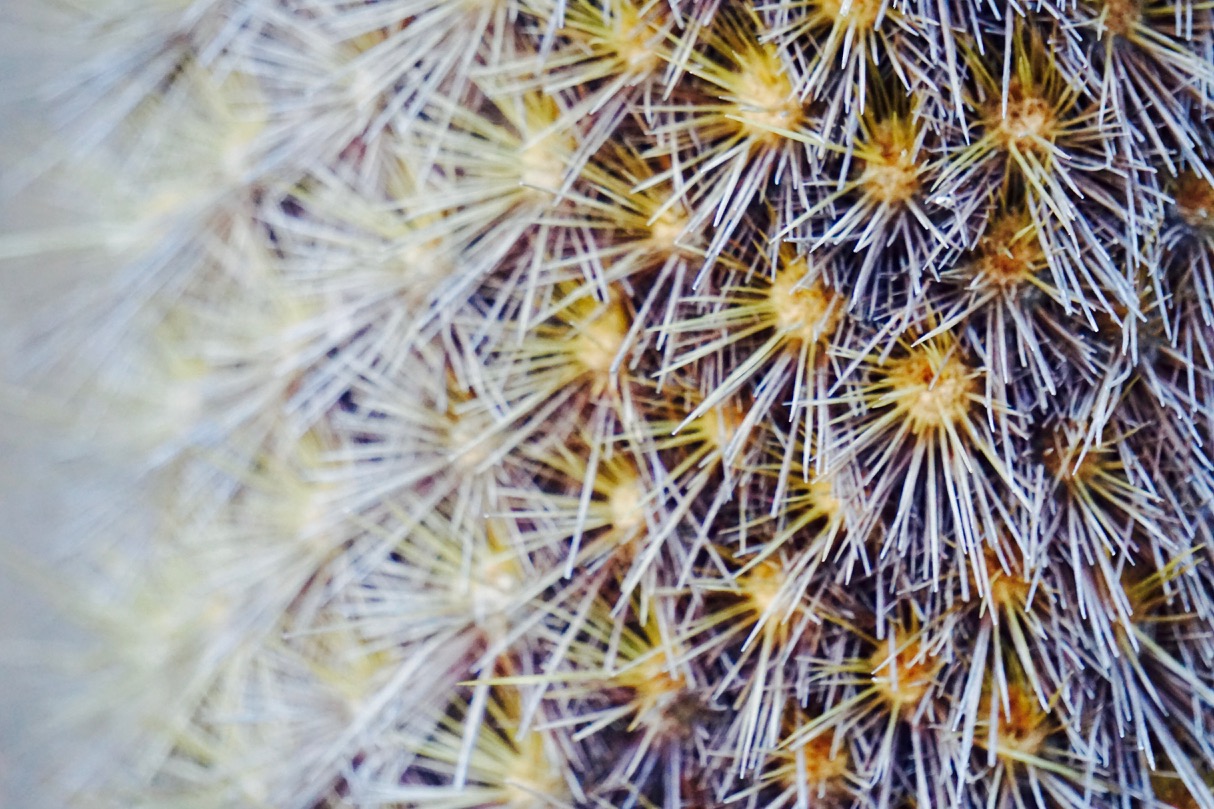
Before they become woody, the cactus trunks are covered in hedgehogs like these
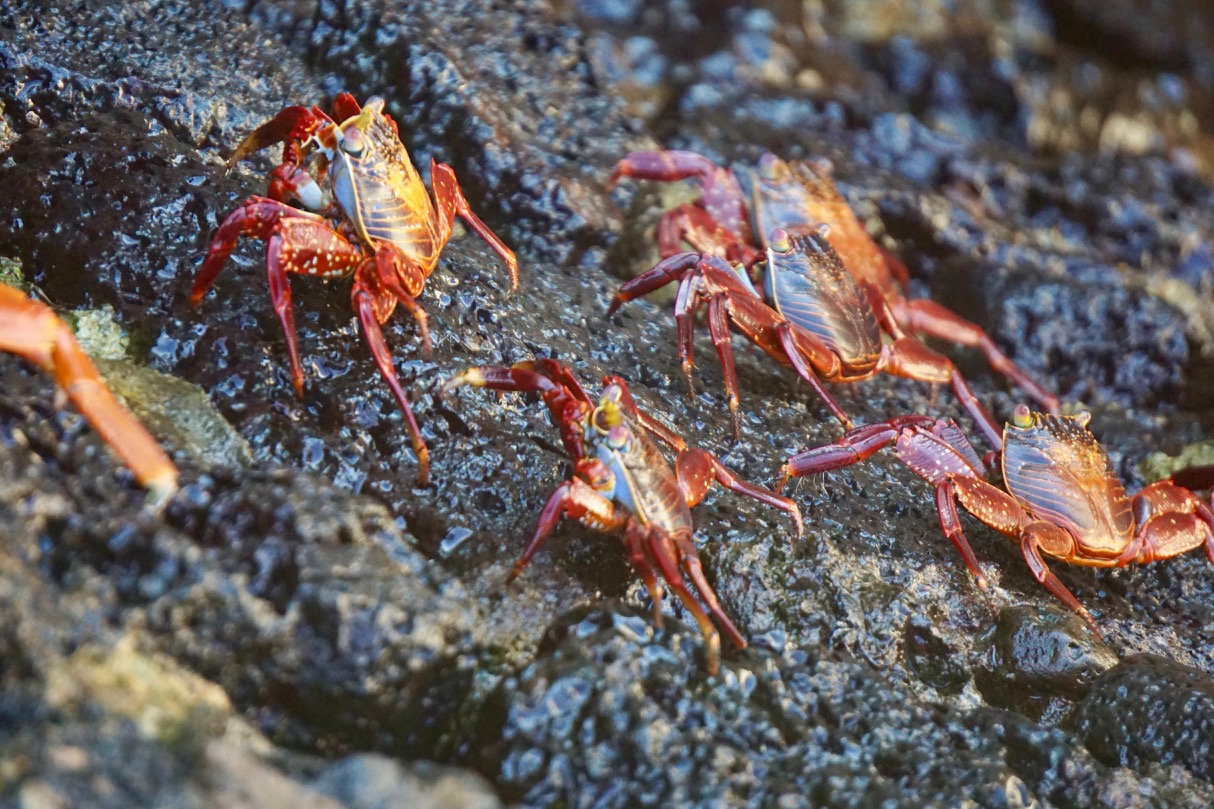
The crabs look as though they have already been boiled
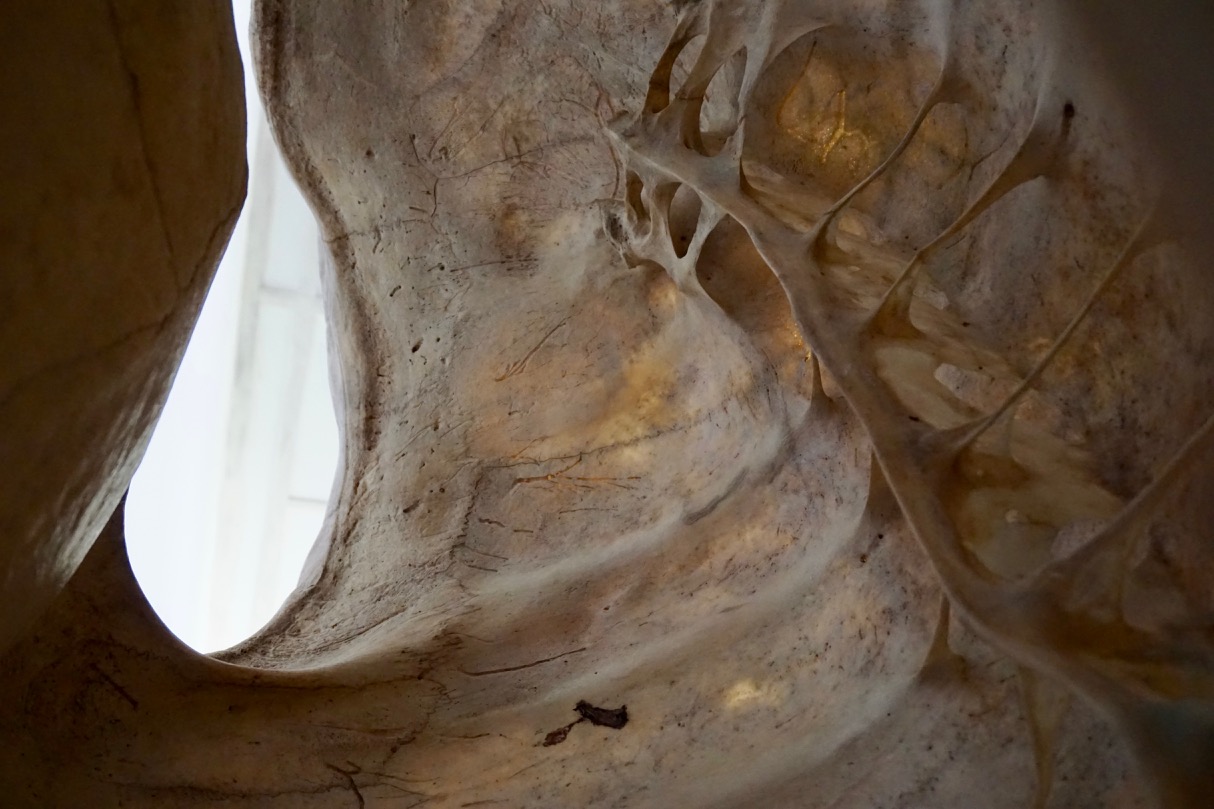
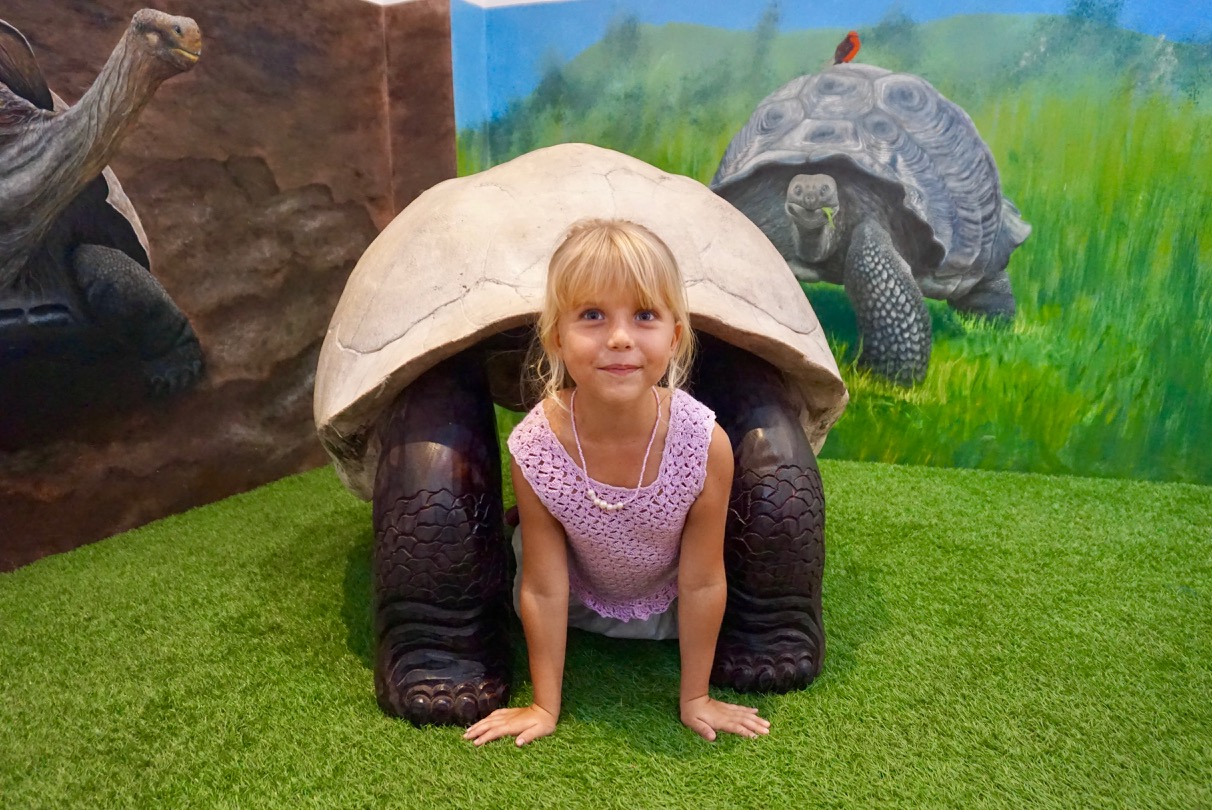
A view from inside the shell
Ninja turtle
Getting ready to spit. Or blow its nose
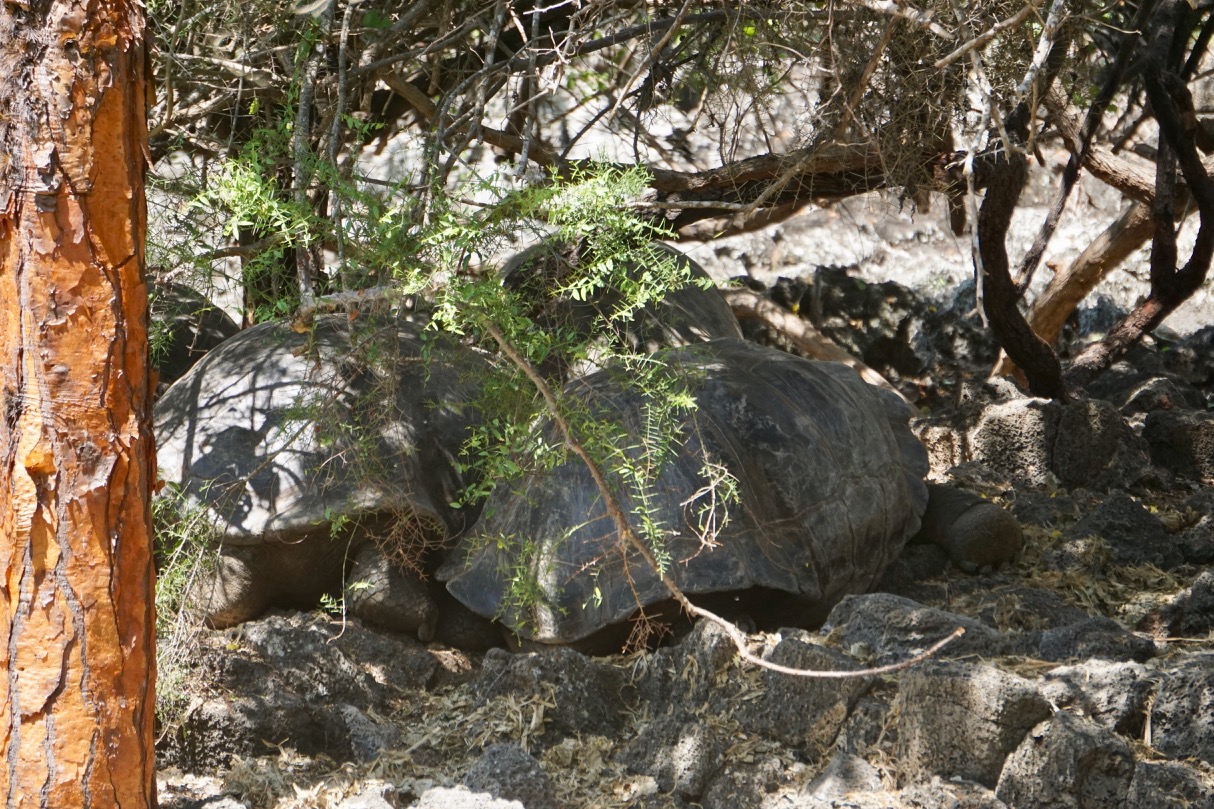
The pine tree to the left of the giant tortoises is actually a cactus
The archipelago’s main Zootopia
A distant relative of Lonesome George
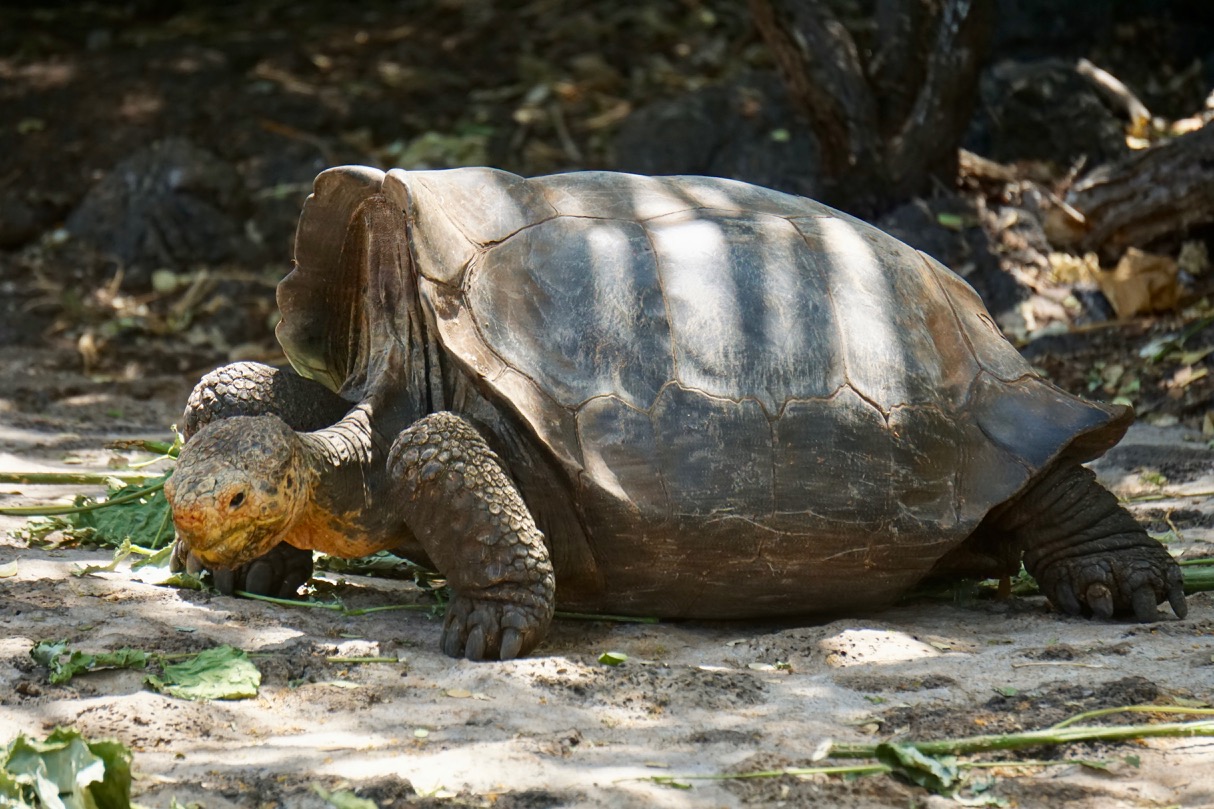
Hooded tortoise
Who’s last in line?
A sea lion. Funny ears, aren’t they?
We’re in love
To be continued!
The beginning of our Galápagos story— here >>
Sharks in the Galápagos— here >>