
From the Travely-Family archive · Central and South America
Life and Everyday Living Aboard a Yacht. South America
An original publication from the former Travely-Family website. This English translation was preserved from the technical-site archive without editorial rewriting.
Life and everyday living aboard a yacht. South America. Where we berth, where we go, what we do, how we live... — a vivid account of life aboard a yacht
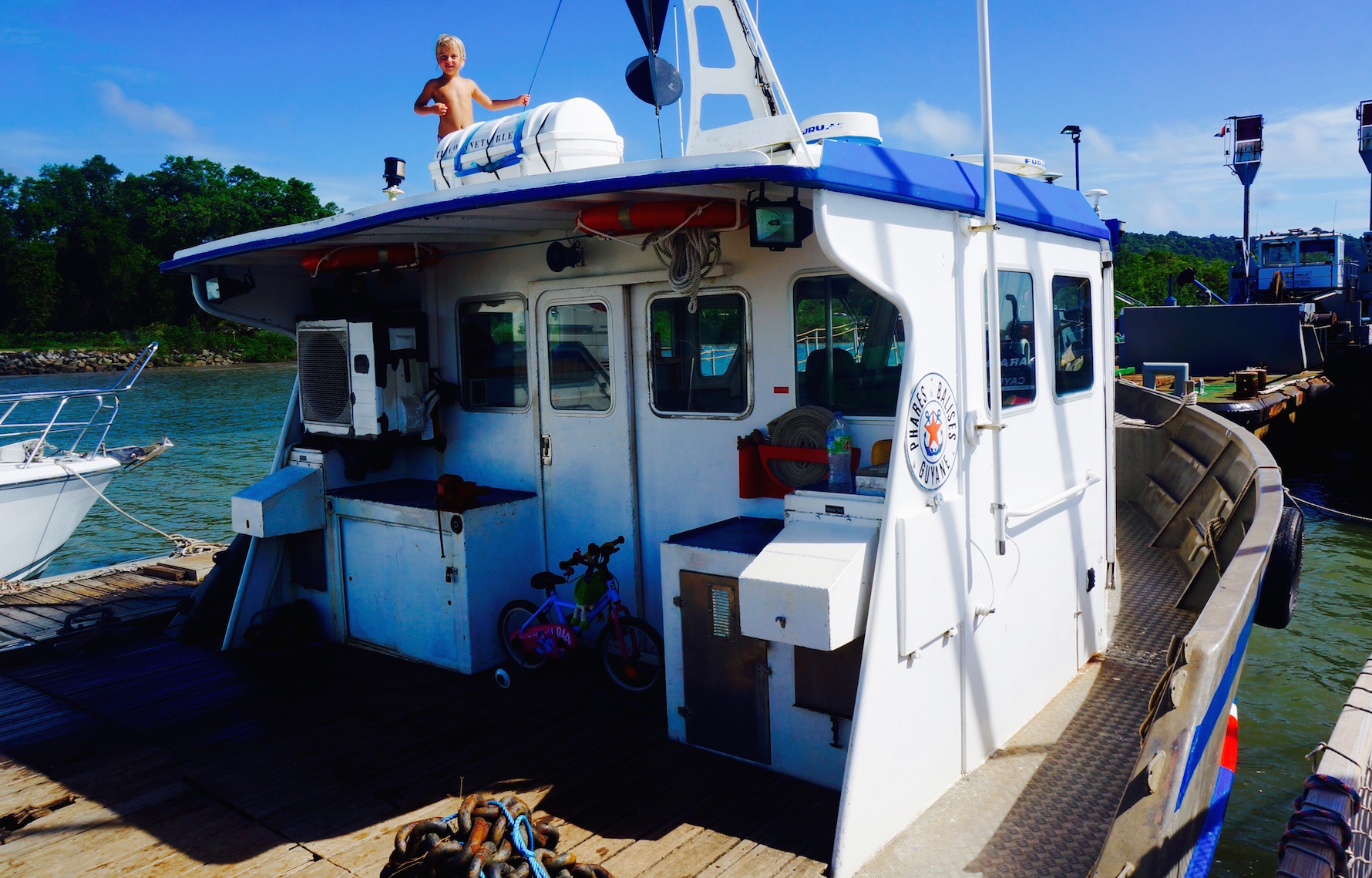
No one in the marina’s history had ever berthed at this spot by the pontoon before us: it had always been reserved for one vessel—the chief buoy-maintenance ship on the Mahury River—and no other. Until we sailed in:). We don’t know why, but we’ve been allowed to occupy this “hallowed ground”—alongside (or instead of) the working vessel.
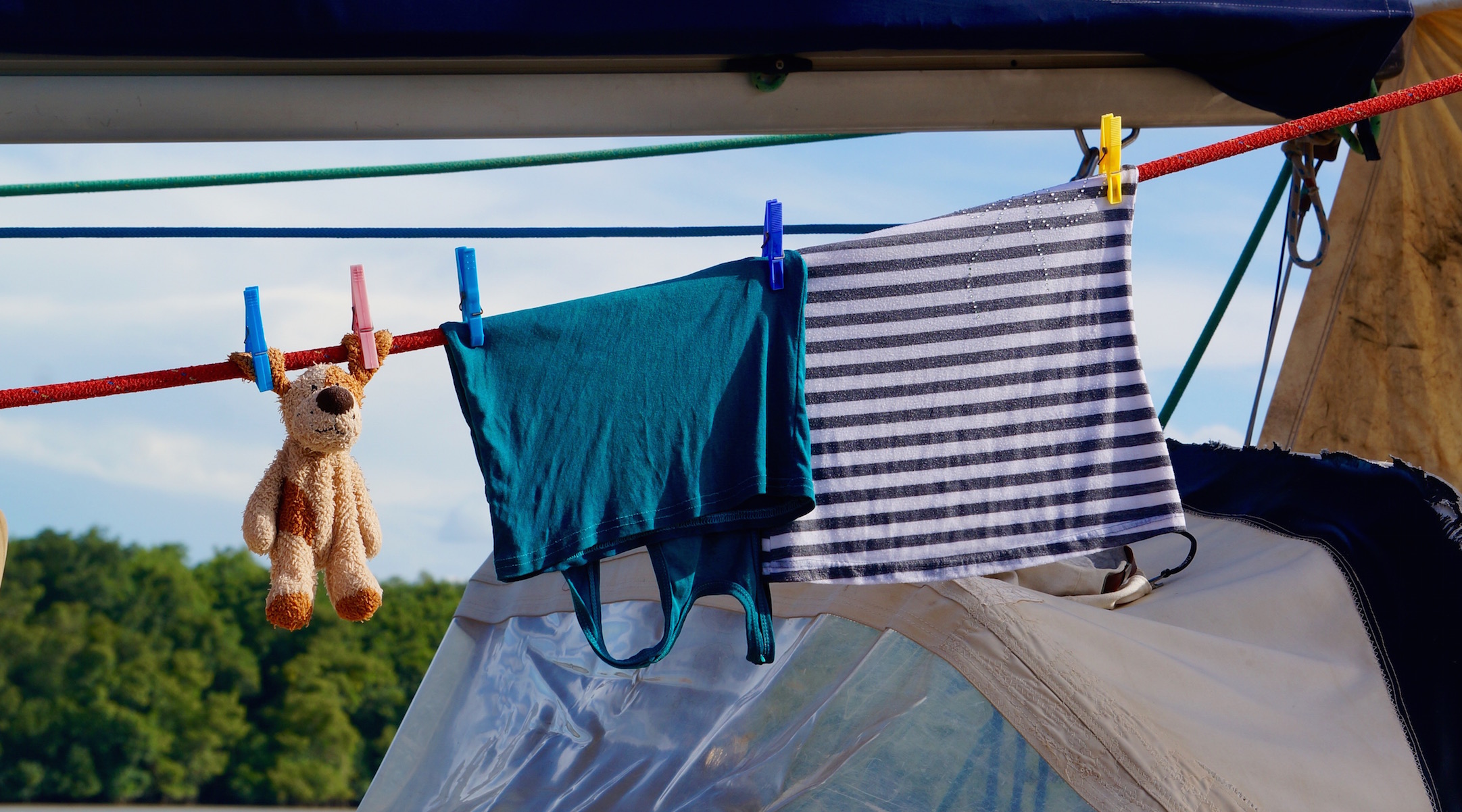
We affectionately call the ship “Our Barge.” For the first two weeks, “our barge” would head towards the ocean on Monday and return on Thursday. We would cast off, spend five minutes circling nearby, and then berth again until Thursday. Once more, we would arrange buckets of laundry along the pontoon, spread half-mended awnings picturesquely across the deck, and live in peace for three days. On Thursday, when we spotted the barge, we would politely move and raft up alongside her.
Our barge
Stay there, come here
Over the past week, the French Guianese river fleet has needed to repair buoys near the marina. So now the crew of “our barge” appears every day at seven in the morning, and the first mate announces: “Captain, the shipmen are here!”
Lady Mary sounds the departure call and carefully teleports herself out to anchor.
At noon, the shipmen return. Their captain—a huge, stern-faced mulatto—gives us a curt wave towards the pontoon.
Us? Over there? the first mate clarifies in pantomime. The giant nods with dignity, his stony expression unchanged even at the sight of little Lada, who, as always, is trying to wave to him.
The shipmen blast the remains of river creatures off the deck with a powerful jet of water and head home. Once the tide turns, Lady Mary rafts up alongside the barge. Once again, our young sailor runs barefoot to hose herself down; once again, laundry on the pontoon alternates with splashing and squeals. We cook something tasty for dinner and settle down together on the stern, right on the deck. But the day isn’t over yet:).
Lada’s and Nastya’s friends come over for the evening get-together, while the captain goes off to throw knives with the local “pirates”—our nickname for the young man and woman who dressed as pirates for Halloween. The children run after them. Lada tries her hand at wielding juggling clubs on the lawn, while Nastya chats with her friends. After dark, everyone disperses to their own yachts, and we fall asleep in our cabins to the faint smell of rotten shellfish from “our barge.”
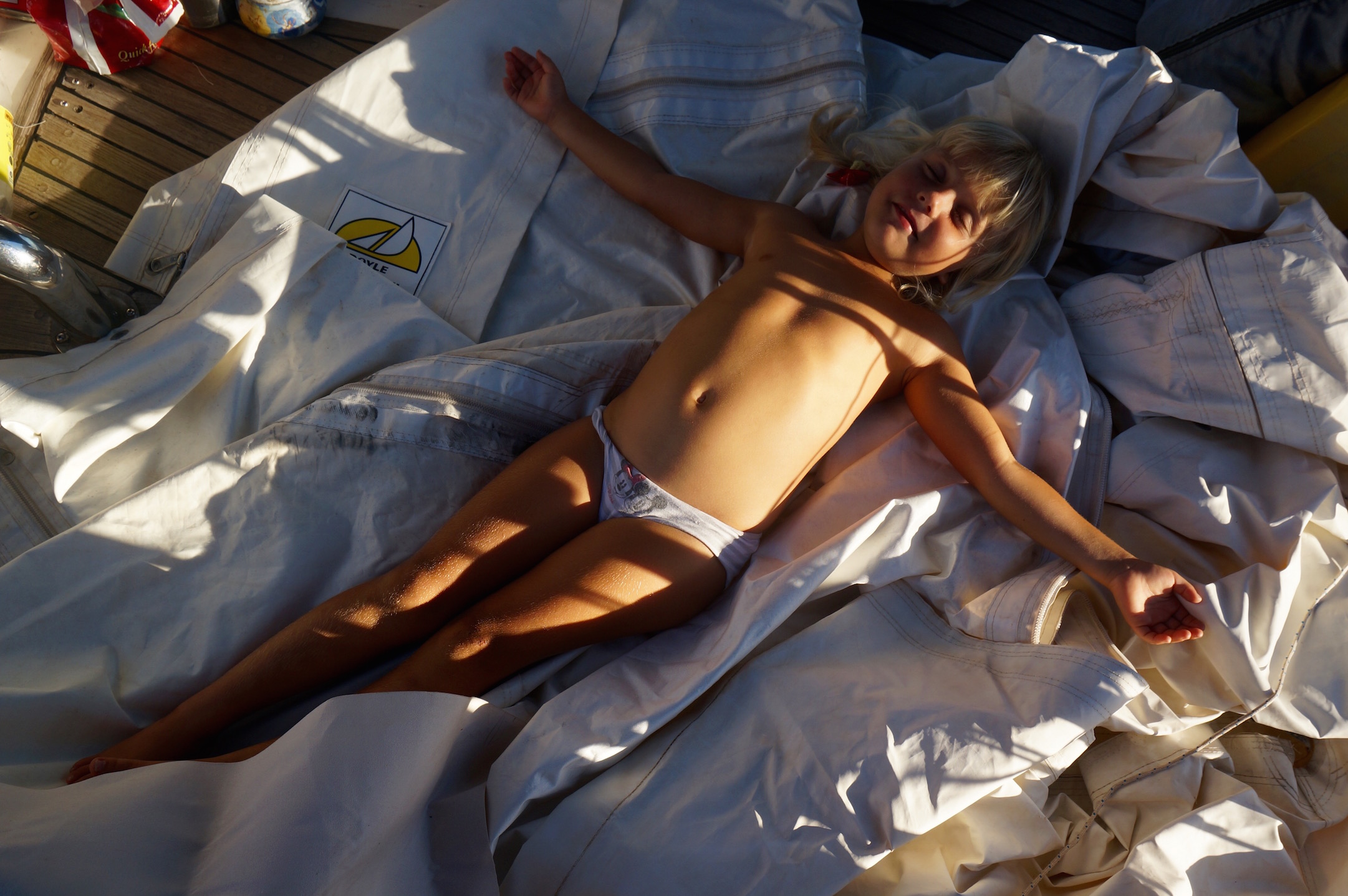
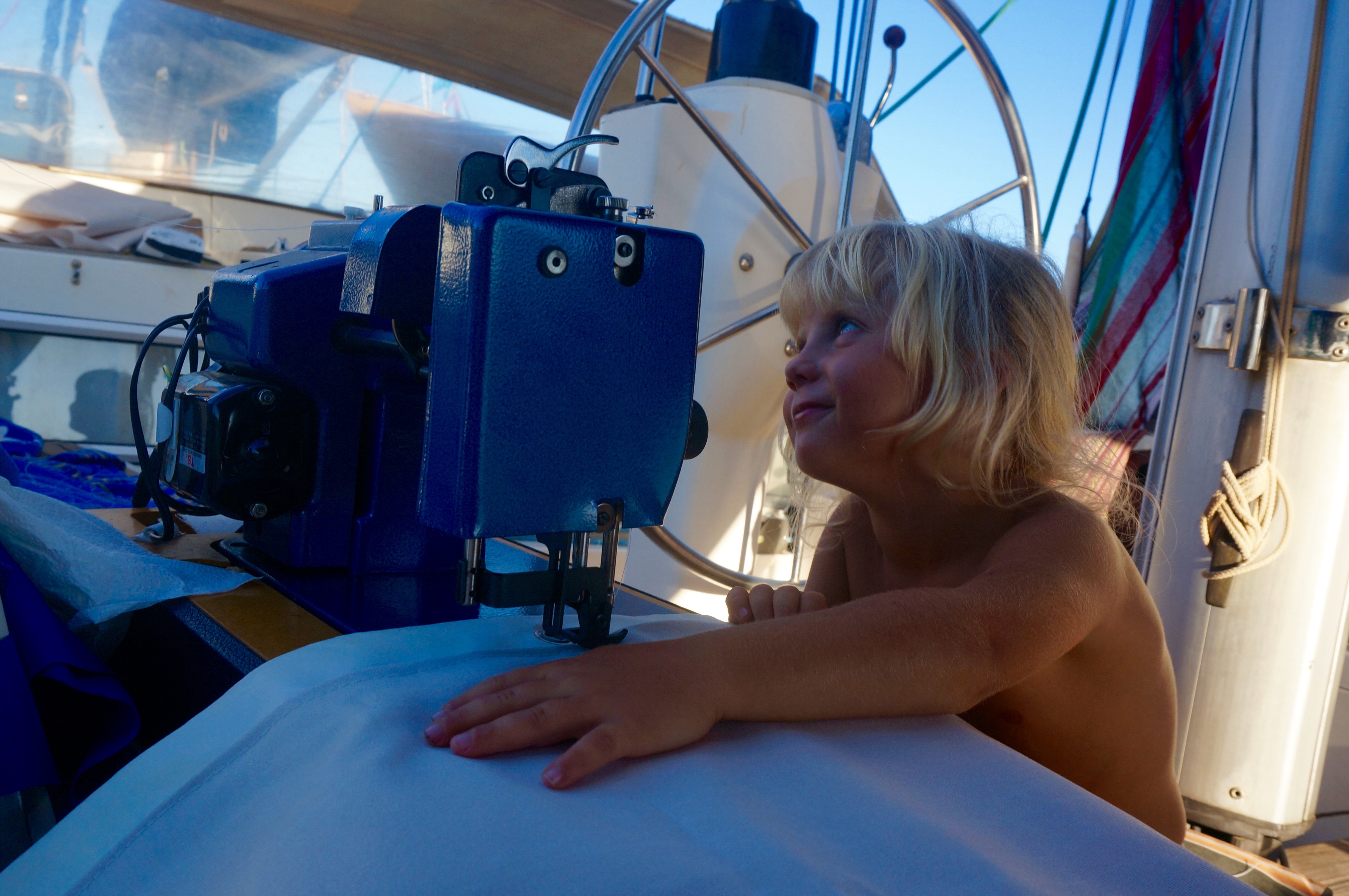
The young sailor got tired of sewing and went to rest on the sewing project
Morning begins with the first mate’s traditional call:
“The shipmen are here!”—and we head out to anchor. As usual, we pay out about 60 metres, the anchor bites, and an all-hands muster is called aboard.
Life at anchor
The sound of the descending anchor chain wakes the young sailors. Lada is upset because she had been just about to take some wonderful volcanic stones to her friend on the neighbouring pontoon, but by lunchtime she will no longer “feel like it.” The older young sailor trudges off to put the kettle on so that by 8 a.m. she can sit down to study the life and habits of flatworms (brrr...!). Meanwhile, the captain and I get to work.
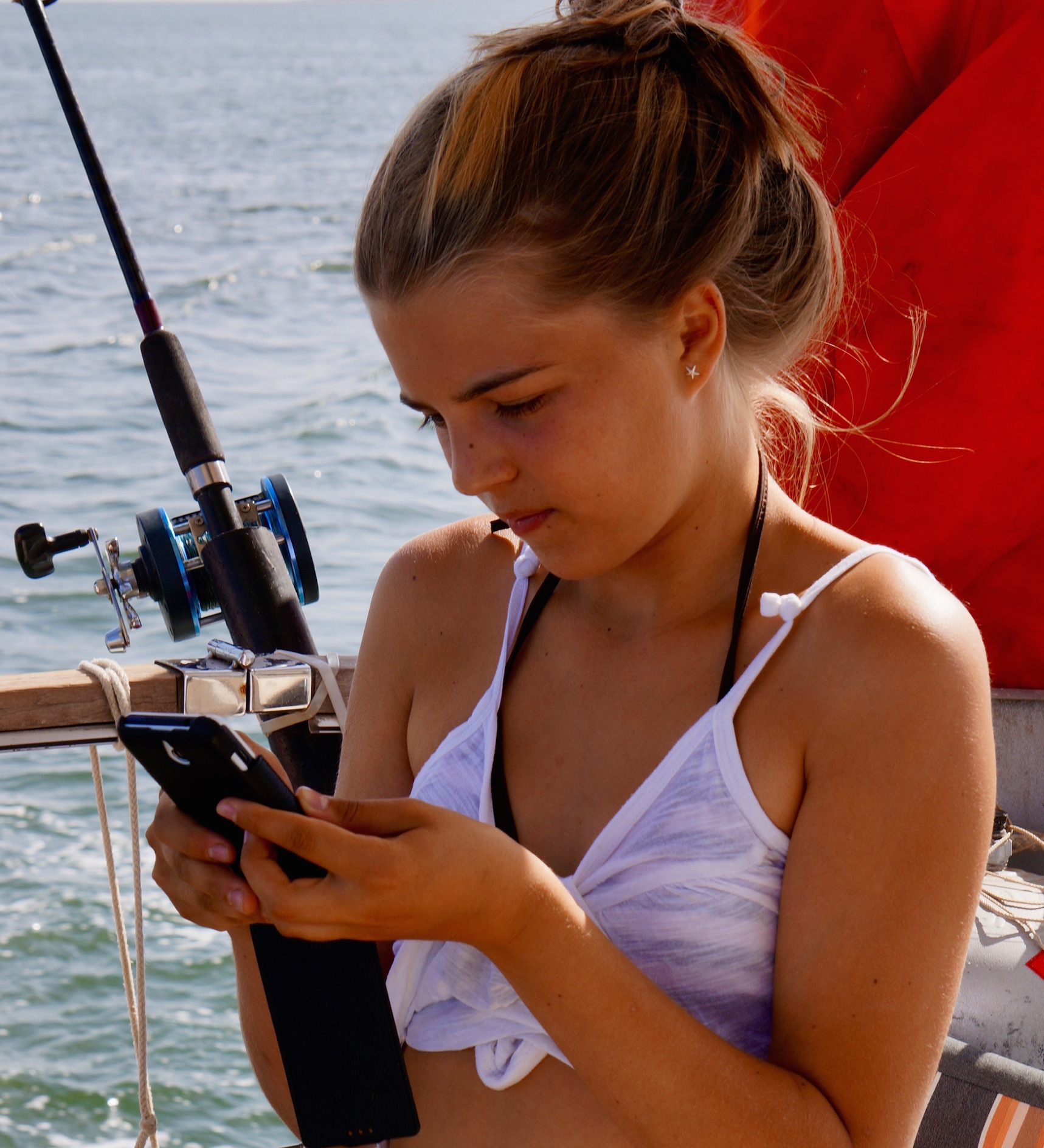
We’ve “got” internet again 🙂
To mark the occasion, the captain amended the well-known aphorism about life at sea:
Cruising yachtsmen are people who stop in various picturesque places and repair their yachts. But we are a new breed of yachtsmen: in various picturesque places, we sit on the internet.
The day from breakfast to lunch
Breakfast means the usual fruit, an omelette or porridge prepared by our head cook, Nastya, and tall tales from the captain. Nastya shakes her head reproachfully at her dad’s jokes and goes off to study worms—annelids this time (well, wouldn’t you frown if there were worms on your menu both before and after breakfast?). The first mate roars with laughter, while Lada pronounces sternly: “Ignorant boor.”
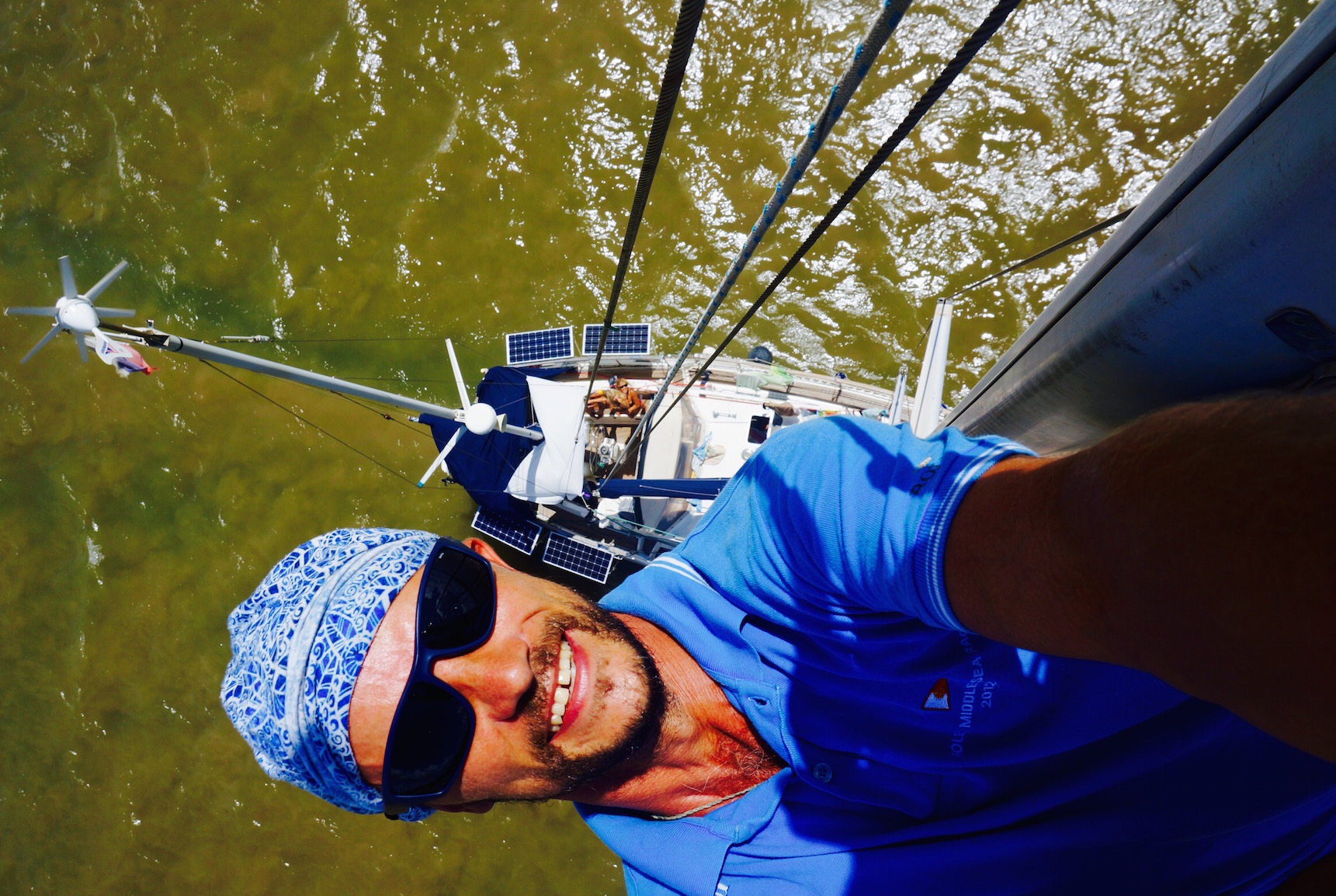
The bells struck noon (or rather, half past two; that’s when some gadget connected to the solar panels starts beeping). The shipmen waved from the barge. While waiting for the tide to turn, the first mate runs another couple of zigzags on the sewing machine, while the captain climbs the mast, repairs the stay, and takes photographs from a half-bird’s-eye view. After looking at the photos, the verdict is: birds can’t see us at all, while half-birds can barely make us out. Here, see for yourselves:):
The captain at the masthead repairing the rigging. Far below, you can just about make out what people (in this case, us) look like from a half-bird’s-eye view
Until lunchtime and our return to the marina, the first mate patches the awnings torn by storms. Better not show the result to the uninitiated, because if any of them happen to be seamstresses, they’ll immediately unsubscribe from our news in horror. But there is one indisputable advantage to the first mate’s artistic darning: it will scare off anyone tempted to help themselves to anything lying around unsecured on the yacht. After all, we have already reached places where such concerns are relevant.
After a couple of hours at anchor, we weigh anchor and tack against the current. Our young sailor nimbly vaults over the guardrails of the barge, now deserted by the time we arrive; the first mate jumps onto its bow; we take in the mooring lines—and there we are, screwed down tight, and once again running off to hose ourselves down.
By the end of the second week of regular drills, the crew is working so smoothly that we make the berth on the very first attempt in a four-knot current.
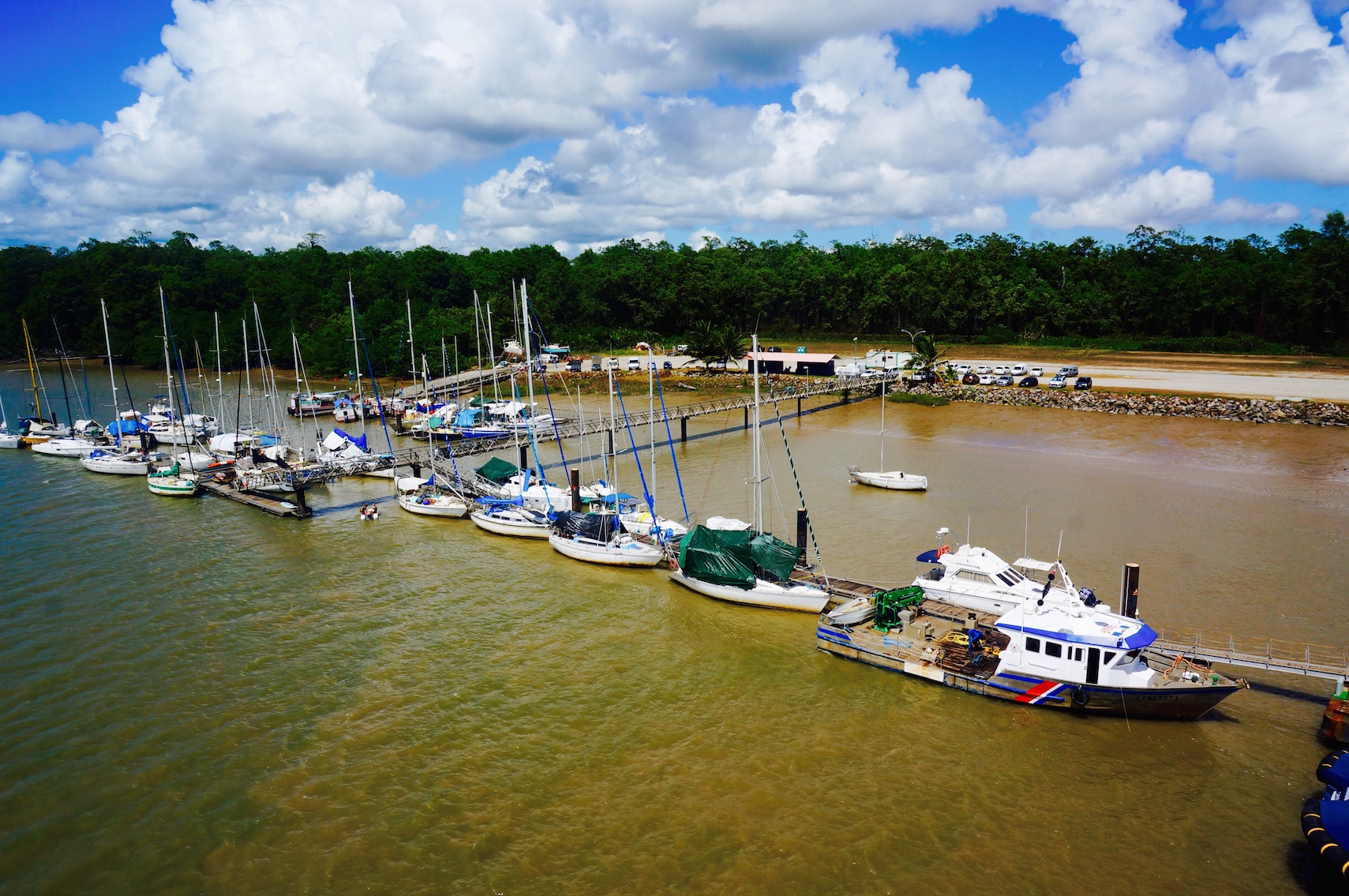
Dégrad des Cannes Marina from the masthead of Lady Mary, 17 metres above sea level (“our barge” is on the far right)
On fears—from a mother, a woman, and a first mate
Weighing anchor yet again, I remember my first experience, when I was afraid even to touch the chain if it came off the roller—and if the dislodged chain started running uncontrollably into the depths, that was a full-blown emergency! For some reason, I thought the stern captain would kill me for it. Later it turned out that I wasn’t the only one who thought so; Nastya did too. Did we fear the captain more than the lump of iron?
Recently, I was thinking about dreams and the fears encountered on the way to fulfilling them, and about how unlike today our sailing was at the very beginning. Experience shows that the main cause of all fear is simply the unknown. Before I got used to it, I was even a little afraid of... anchoring. Especially in a swell breaking onshore, or in deep water, or in the shallows, or at dusk ))). It seemed that this heavy, clattering chain was bound to catch my skirt or hair, drag me into the abyss, and methodically scalp me. Alternatively, it would crush my fingers—or inevitably crush something else.
After three years at sea, having survived two winters in the Mediterranean, Africa, and a transatlantic crossing, I now merely smile as I remember those first anxious months at sea while we practise anchoring and weighing anchor twice a day.
To get rid of fear, you simply have to do the thing you’re afraid of. That’s all. That’s the recipe. 🙂
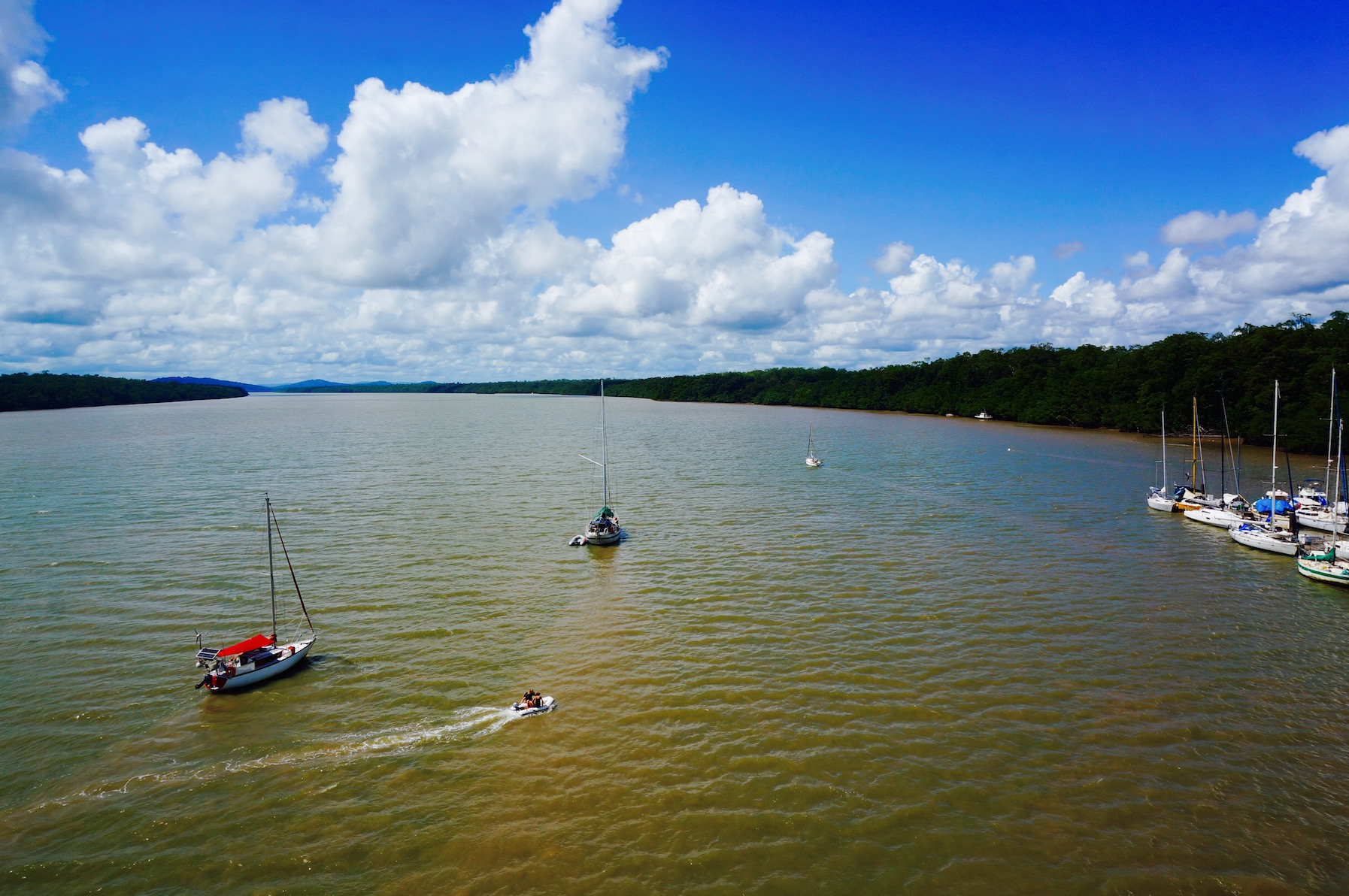
The Dégrad des Cannes anchorage from the masthead of Lady Mary, 17 metres above sea level
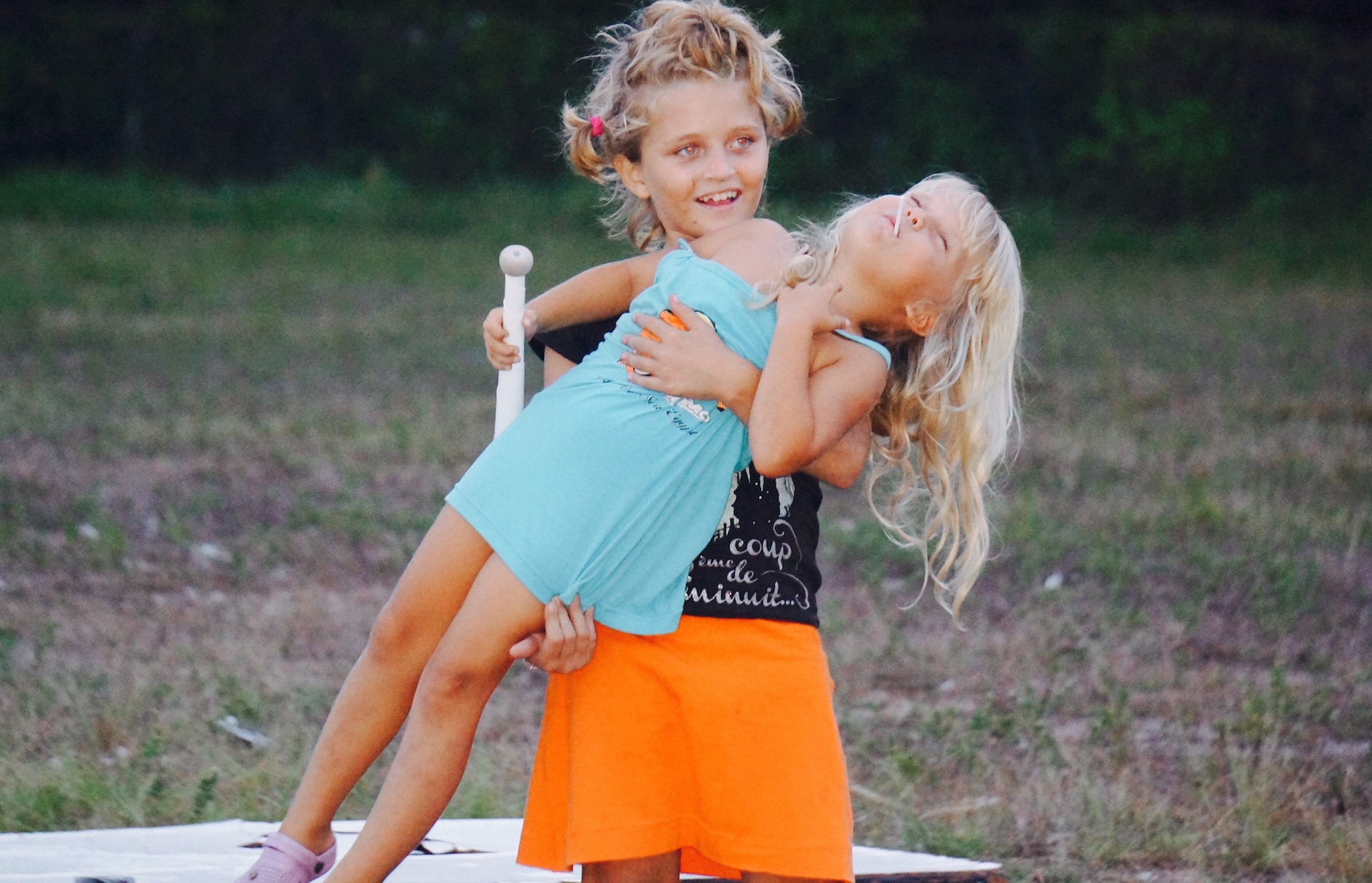
Lada juggles clubs, while Nikita (a girl) juggles Lada
The big wash and bath time for the pets
Cosiness for everyone!
To soak up the atmosphere of everyday life aboard a yacht, read the post
What We Do Aboard the Yacht and Whether We Ever Get Bored
You can read about how life aboard the boat is organised here:
Living Aboard a Yacht for a Round-the-World Voyage