
From the Travely-Family archive · Atlantic
Setting the Sun by Hand, or Why Sailors Need an Anchor Windlass
An original publication from the former Travely-Family website. This English translation was preserved from the technical-site archive without editorial rewriting.
Why Sailors Need an Anchor Windlass
The art of travelling is the art of changing plans.
In the morning, as is customary in the Canary Islands, the wind abruptly shifted to the opposite direction from the evening before. This happened right in the middle of making breakfast.
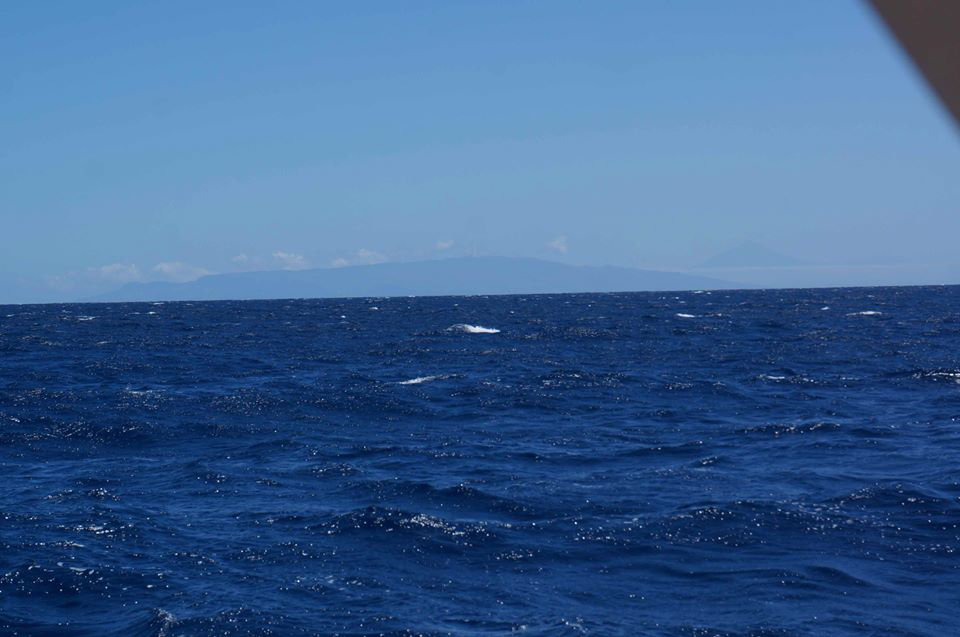
The captain decided to reset the anchor immediately, and we all set about it together.
At first, all 60 metres of anchor chain ran out obediently to where it belonged, carefully laid out by Nastya with the aid of a chain hook (a funny name for a pole with a hook on the end, used to prod the anchor chain when it tries to pile itself into a narrow column). Half a minute before the end, the electric windlass suddenly died, and Andrei hauled out the last few metres of chain by hand.
“Well then, we’re leaving,” said the captain, and it sounded like a sentence.
The children had just finished packing their backpack for a swim in the pool and were about to climb into the dinghy. I didn’t want to make an emergency departure from such a lovely anchorage either.
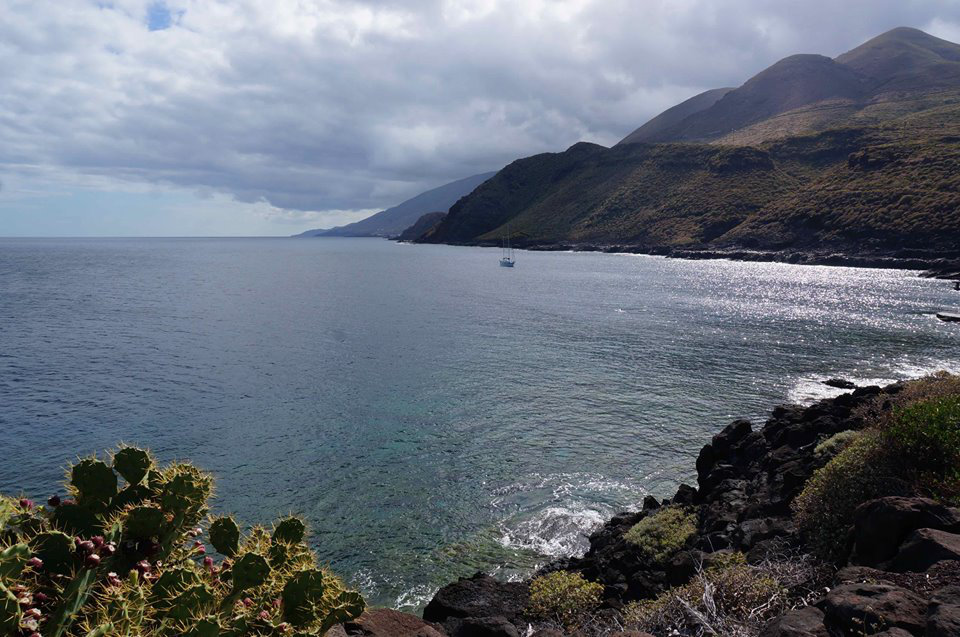
But the captain’s word is law. To Lada’s sobs and Nastya’s dismay, we hoisted the genoa in one graceful sweep and set off briskly along the coast towards the south of El Hierro.
Change of Plans—Take One
We’re flying like a bird. I hurriedly secure the frying pans and teacups. The children sniffle. I console them by saying that we’ll try to hire a car and come back here to swim. The dinghy trails dejectedly behind us, also sobbing sadly in unison with the waves in our wake. The wind is fresh and following.
After setting the windvane self-steering, the captain returns to the anchor locker and announces 15 minutes later that the windlass has suddenly started working again.
“Are we going back?!” Two pairs of children’s eyes look hopefully into our faces. We exchange glances and decide in favour. The junior crew squeal with delight and carry out the captain’s orders with extraordinary vigour.
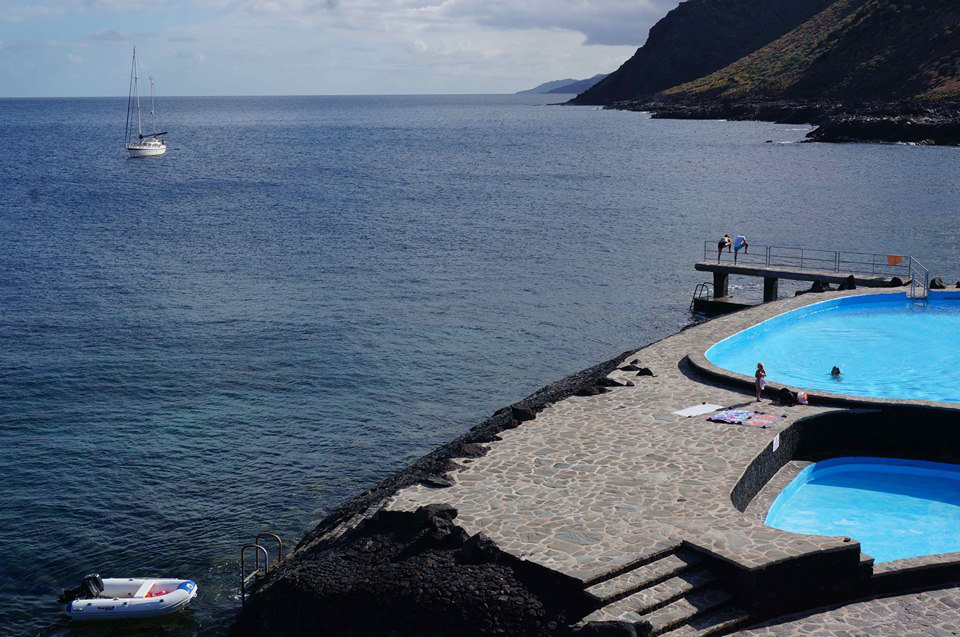
Barely half an hour later, we return to the very same place we had just left, under the eyes of all the local beachgoers. I think the shore-based observers took this manoeuvre for a drill in raising and lowering the anchor and setting sail.
We dropped anchor again in the same spot, switched off the illuminated display—the engine and bow thruster—and finally sat down to eat. No sooner had we breathed a sigh of relief than it turned out that the windlass wasn’t pulling again....At this point, calm music begins to play, and the children quietly fold up the beach towels, trying not to make eye contact with the commanding officers;)....
Change of Plans—Take Two
Our plans for going ashore changed again, though not quite so drastically.
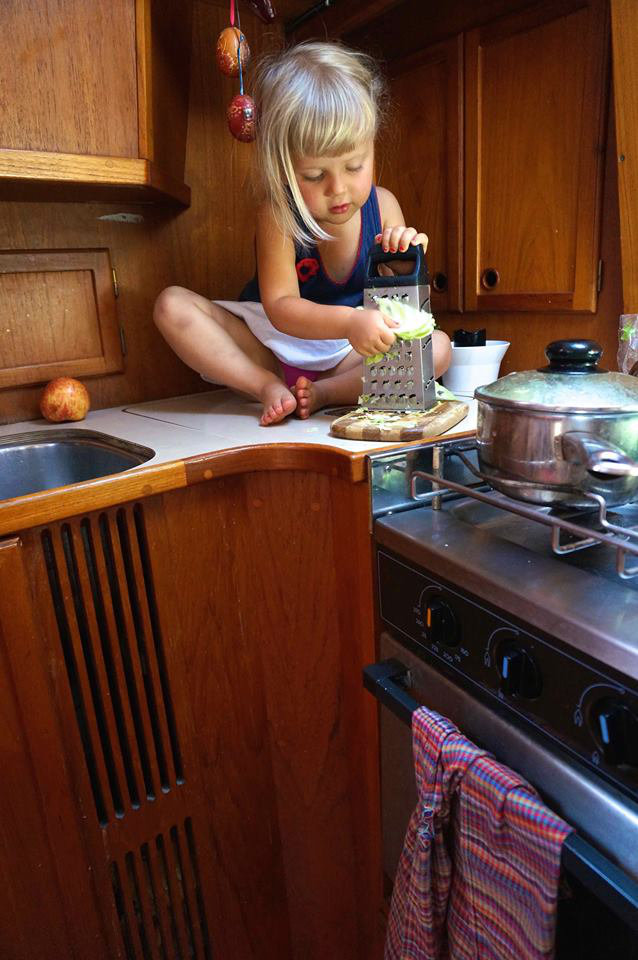
The girls and I settled down to our lessons: I worked on the journal, Nastya on biology, and Lada on puzzles. Our captain is enjoying himself in the anchor locker. After taking the windlass apart, Andrei found half a glass of salt water in the control unit, along with magnets that had crumbled to dust and some other bits and pieces. Sorcery, sealing and bloodletting all proved powerless against corrosion, and the electric motor gave up the ghost.
When you think about it, it’s no disaster: thousands of vessels ply the vast reaches of the universe armed with nothing but a manual windlass. There is, however, one small catch with an electric windlass: its emergency handle is very short. And to haul up 60 metres of chain and the anchor, you have to make twice as many movements, with less efficiency and no small amount of physical effort.
P.S. We did stay at the anchorage after all, and made the children happy with a swim.
And on the day we weighed anchor, the captain got a 40-minute workout from the “Setting the Sun by Hand” fitness programme, after which he became even broader-shouldered and sturdier than you remember him. And with every anchorage, his shoulders grow mightier and mightier.