
From the Travely-Family archive · Patagonia and Tierra del Fuego
Aboard a Yacht in the Far South. Not Dying of Boredom
An original publication from the former Travely-Family website. This English translation was preserved from the technical-site archive without editorial rewriting.
Aboard a yacht in the far south.
Not dying of boredom:). Once again in the southernmost village in the world, but this time in winter—what’s interesting on Chile’s national border
This post spent a week making its way to the website. Perhaps it’ll finally get there now... The uprising of the machines either locks us out of the site for days at a time, or the internet refuses to make contact. The southernmost village is the very edge of the map...
The photographs may look a little dark because, before the snow fell, at 56° latitude we had nothing but twilight during the short days 🙂.
On the Chilean side
At the beginning of winter (that is, Northern Hemisphere summer), we arrived in what has already become our home port of Puerto Williams, Chile. We spent half a month here immediately after crossing the Pacific and rounding Cape Horn, and twice popped in for half a day as part of the expedition welcoming
Fyodor Konyukhov. And now here we are—in the deepest snow. (Though the photographs here were taken before the snow, and yesterday we drowned the phone with the new photos on it.)
From the very first moments, you’re pierced by that different sense of place—nothing like Ushuaia. It’s quiet and rural. Like being at a dacha or in a cabin in the woods. When you’re inside, you can feel that the cabin is embraced by nature outside. But in a city, even through the walls, you sense a different rhythm. The snail shell—our floating home—is still the same; the walls and smells inside haven’t changed, yet you feel a completely different atmosphere: outside, there is none of the emptiness of a bay packed with boats, none of the glowing lights of a port city or people idly wandering along the quay. It’s as though your boat is tucked inside a little house. And inside her, you’re all tucked away too. And the southernmost village in the world is your little home. And you love Puerto Williams with all your heart.
Though some people simply call it a military settlement. Even if it is, it’s a very cool military settlement.
If you think about it, it’s inhabited almost entirely by soldiers and officers. You can tell from the standard-issue houses of different classes. But from people’s faces and the way they interact, you’d never guess they were military folk.
People and faces
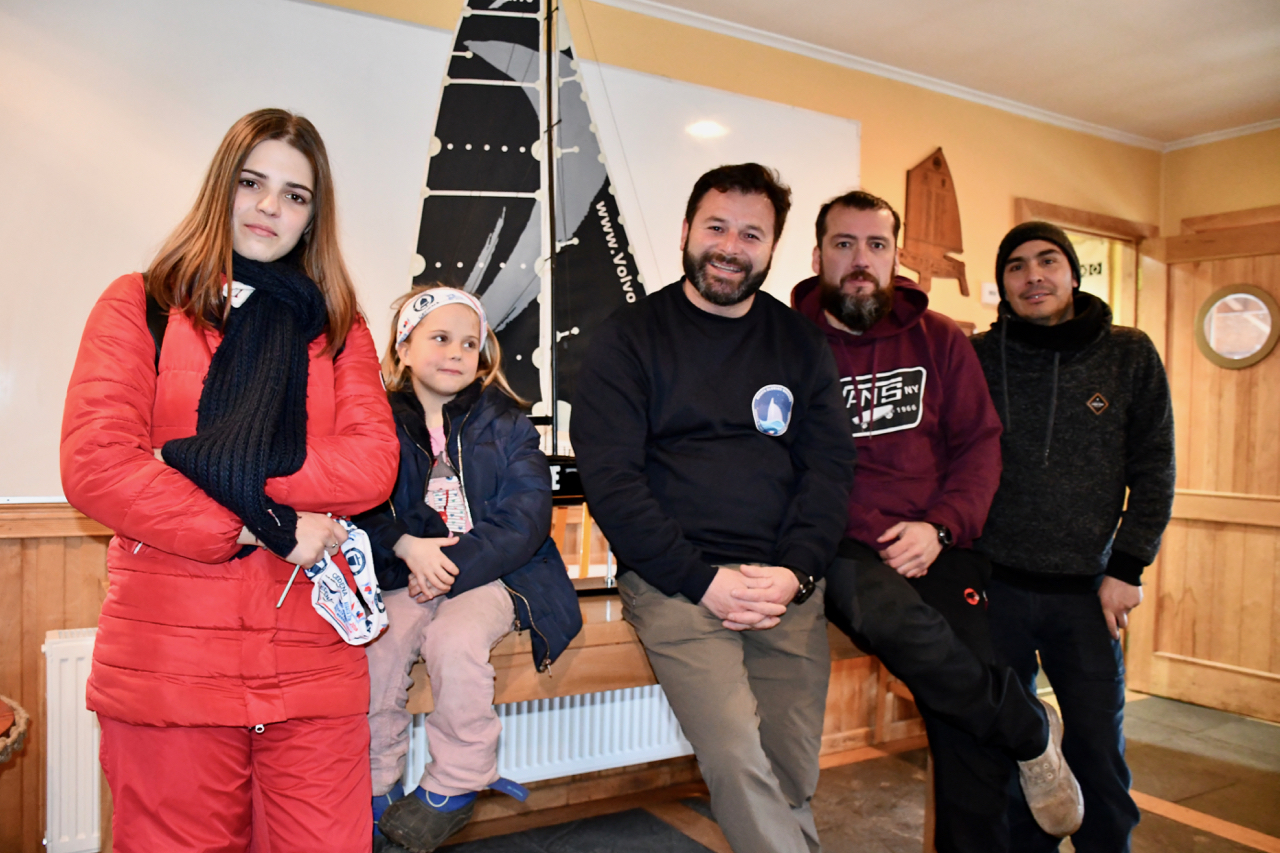
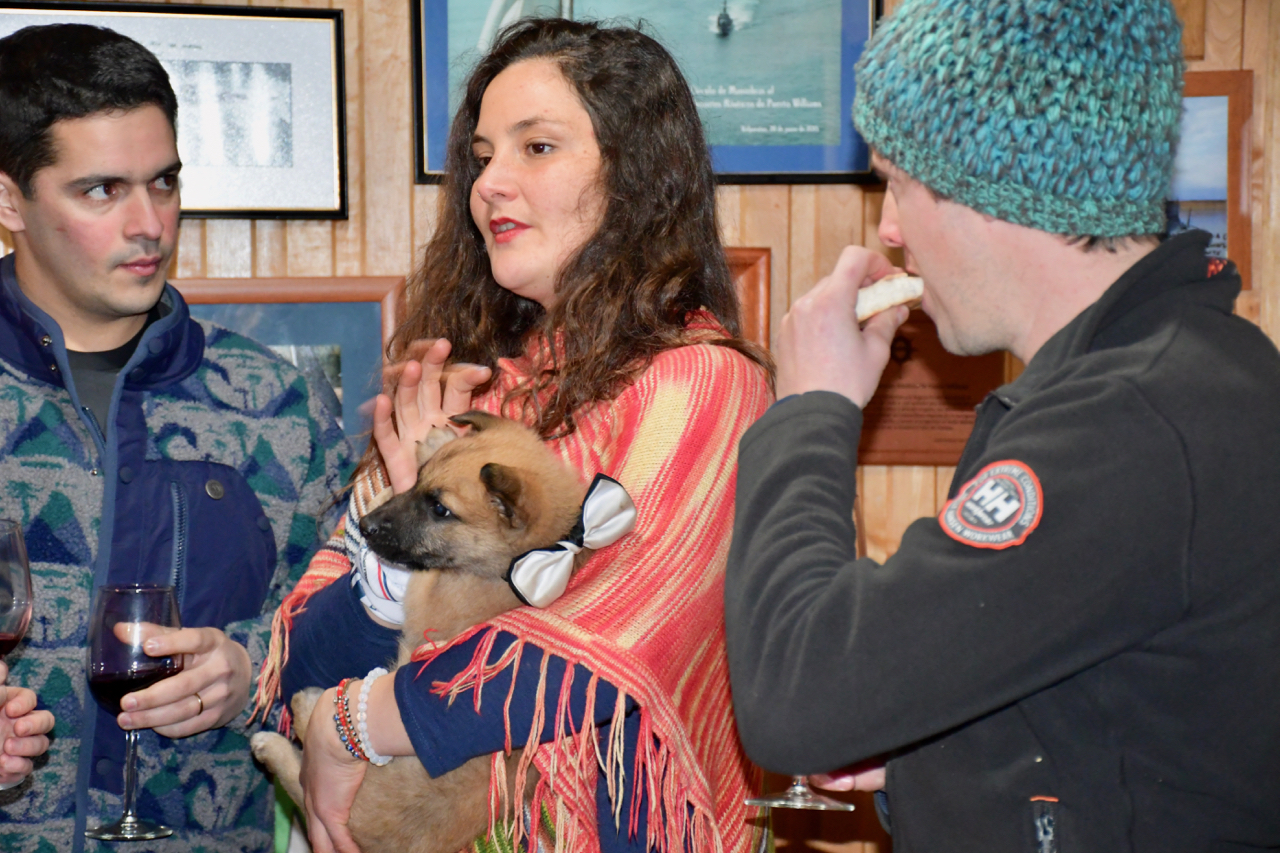
The sailor and junior crew member with the sailing school’s management team: Eduardo, Christian and Roberto
Our Argentinian friend had told us that Chileans weren’t as stern as Argentinians—that they were very gentle, friendly people. Always ready to help, offer you something, give you a lift, invite you over... And that’s exactly how it is. Then, say, at a barbecue at the sailing school, you find out that Roberto and his family once lived and worked under contract on Horn Island. He was that very officer with a family stationed there. There’s a lighthouse, a monument and a little house where they stamp proof of a Cape Horn visit for those lucky enough to land without getting themselves killed. Chile’s southernmost almost-inhabited territory, and at the same time an Armada de Chile outpost, is apparently Cape Horn.
And César, who gave your children a plastic sled shaped like a trough and bearing the heroic name Tri-Neo, speaks a little Russian because he has a Russian stepmother. Smiling shyly, César explains how he ended up here, and eventually turns out to be a military pilot who goes to sea aboard cruisers carrying helicopters.
And once you get to know them, you realise that everyone here is either serving under contract, formerly served under contract, or is going to:)). I’ve never been to a military settlement on our own country’s border, but I have a feeling this lightness of being is somehow a bit harder to come by there...
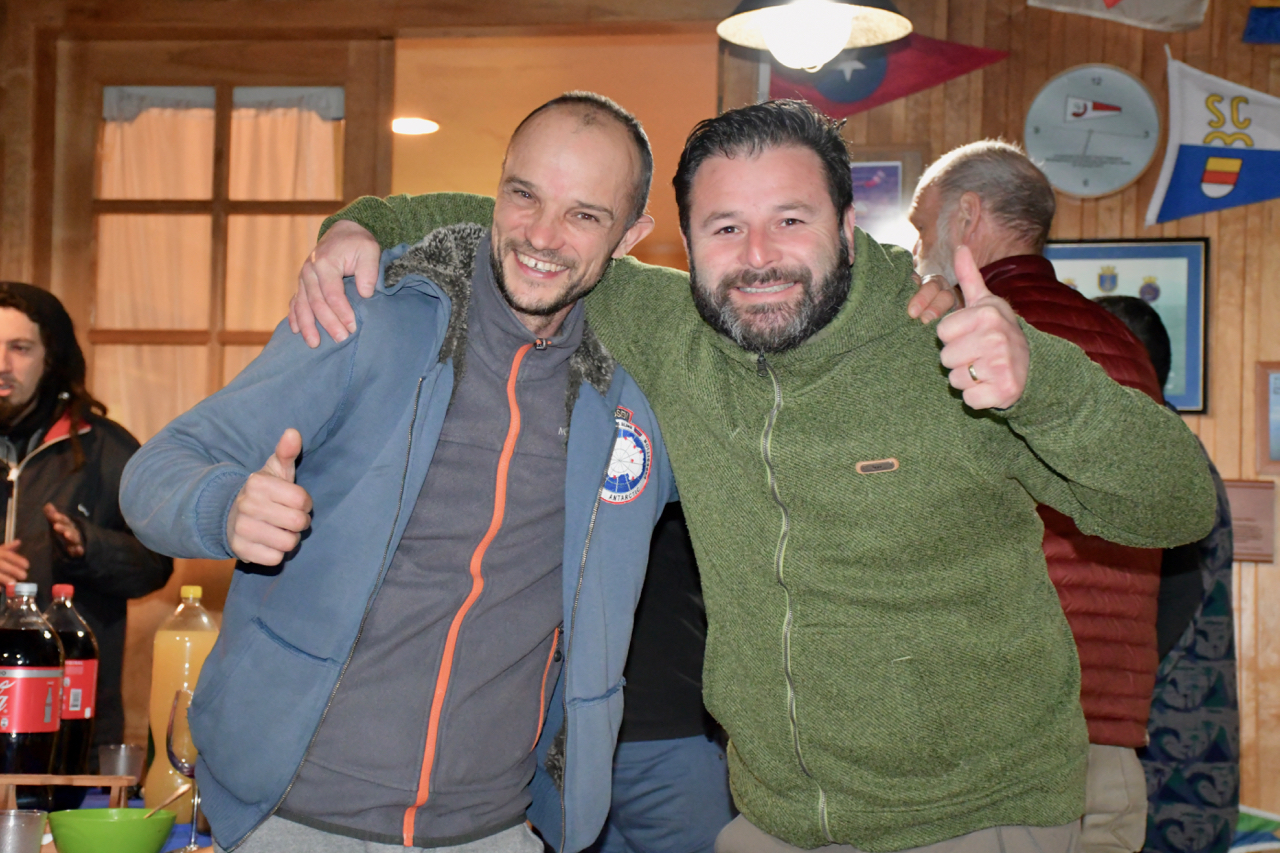
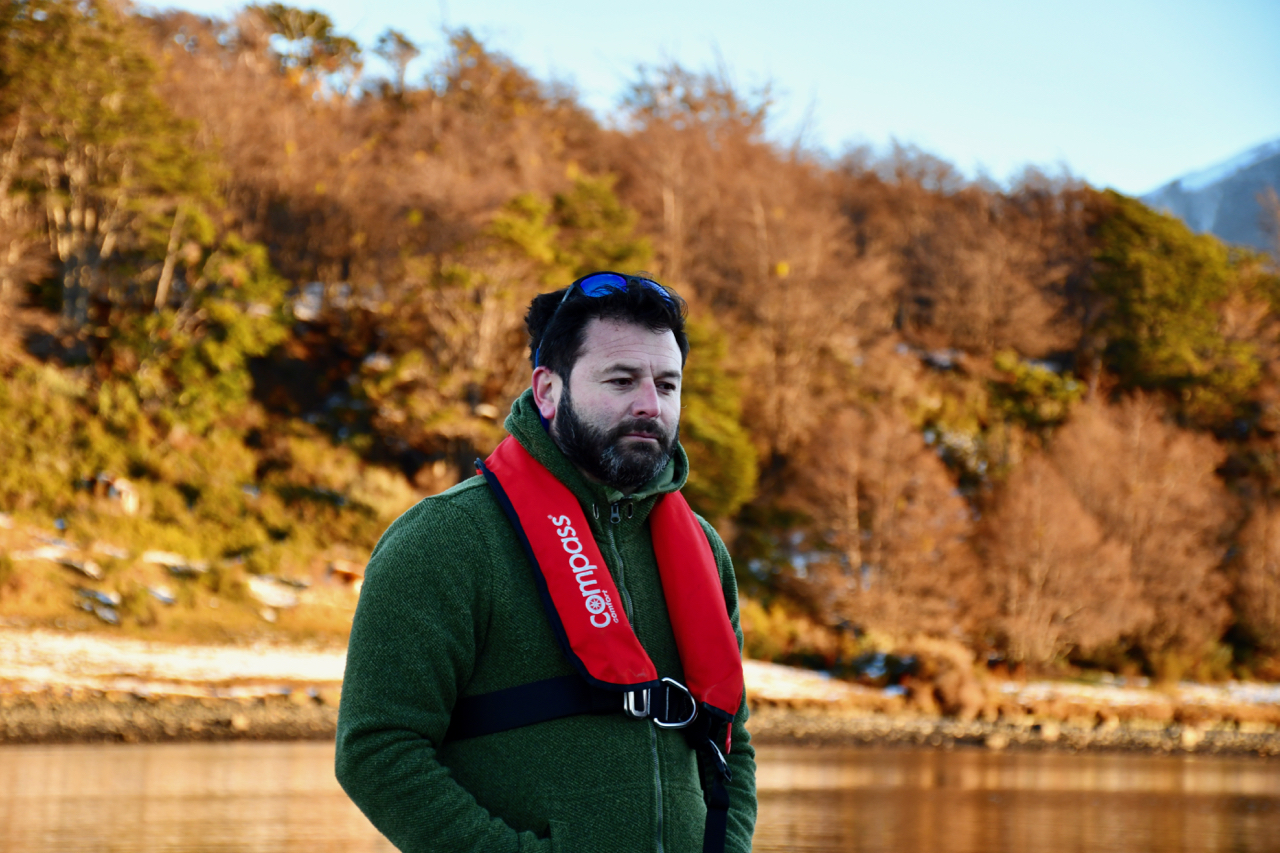
And in the photo is our captain with Eduardo, the director of the sailing school, also formerly military... or a current undercover agent—no need to ask a fortune-teller about that! 🙂
Surrounded by mountains, forests and waterfalls, Puerto Williams, a stronghold of the Armada de Chile, is home to the last of the Yaghan people
(we were told that she had gone somewhere despite her advanced age. Perhaps to Uruguay, as all the locals like to leave for the winter?) Here on Navarino Island you’ll also find the southernmost trek in the world and loads of hiking trails.
And the museum!
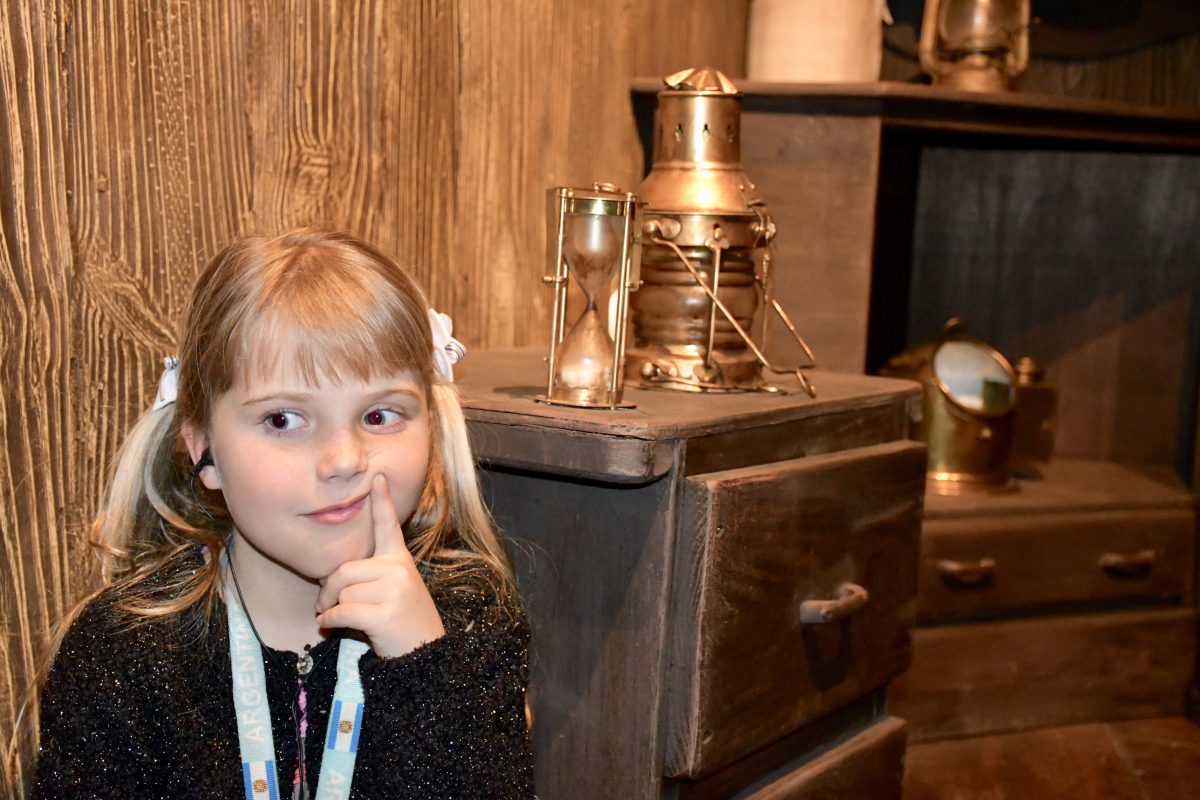
Lada and I finally worked out where it was—the Martin Gusinde Anthropological Museum. Far too sophisticated, scientific and eco-conscious for a village at the end of the world, the museum looks like a fancy eco-hotel for yoga retreats (we’ve never stayed in one, but we have the pictures in our heads).
We spent a couple of hours absorbed in its cosy, modern halls on that winter’s day. Archaeological finds dating from the Stone Age to the Age of Discovery masqueraded as pieces of worked bone and flint. The stuffed specimens in the display case continued pretending to be penguins and a beaver. Stories about nature and Indigenous people, about whales, Magellan and Darwin, could be scrolled through as illustrated comic strips using a neat round knob.
And on the way out, the children are given presents—an authentic eco-friendly pencil set and a colouring book featuring local plants and animals. Ladunya had already visited the museum twice during our first stay—she accompanied groups with children—and now she brought us too.
She also filmed her project there for the Russian
Geographical School. Our little tour guide is growing up:). Lada’s museum project will soon appear on our YouTube channel.
Subscribe and share it with your friends!
The national border
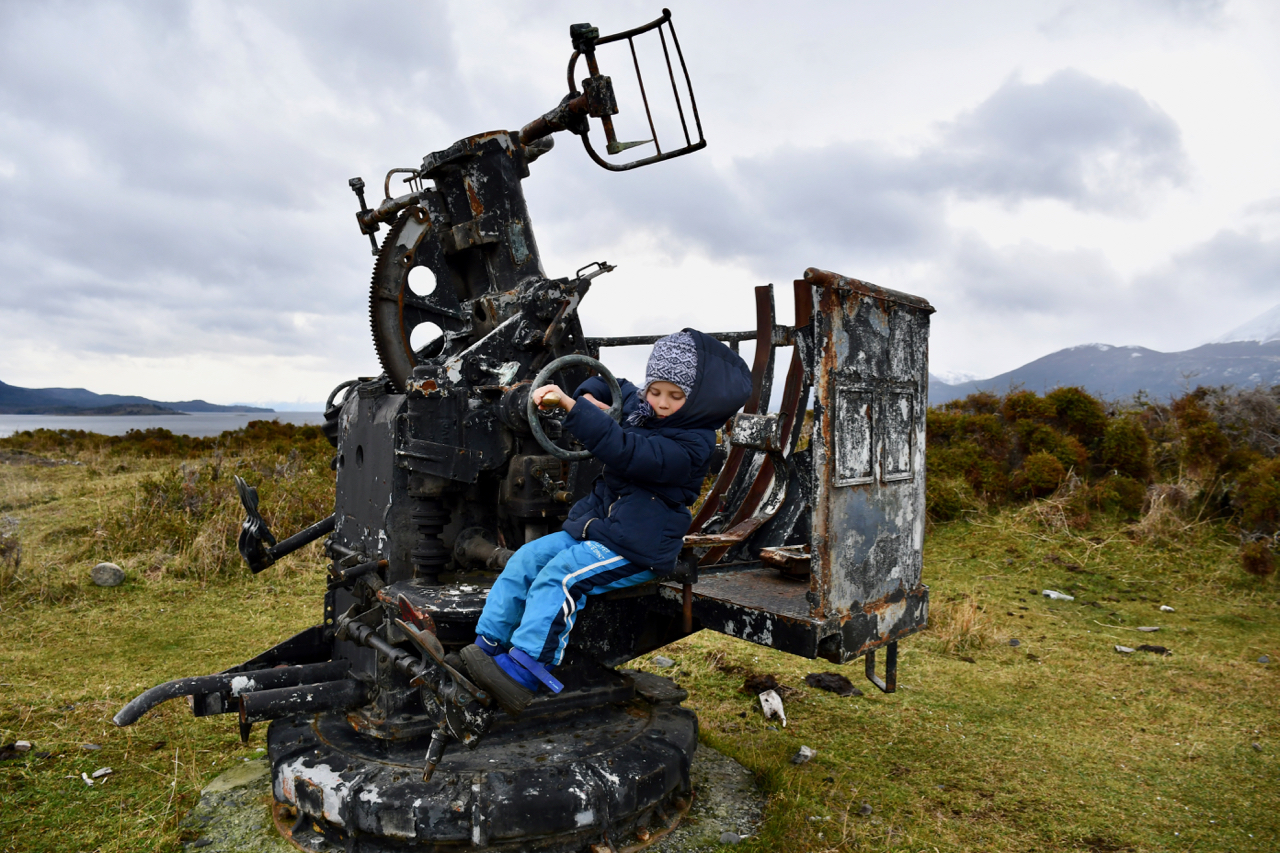
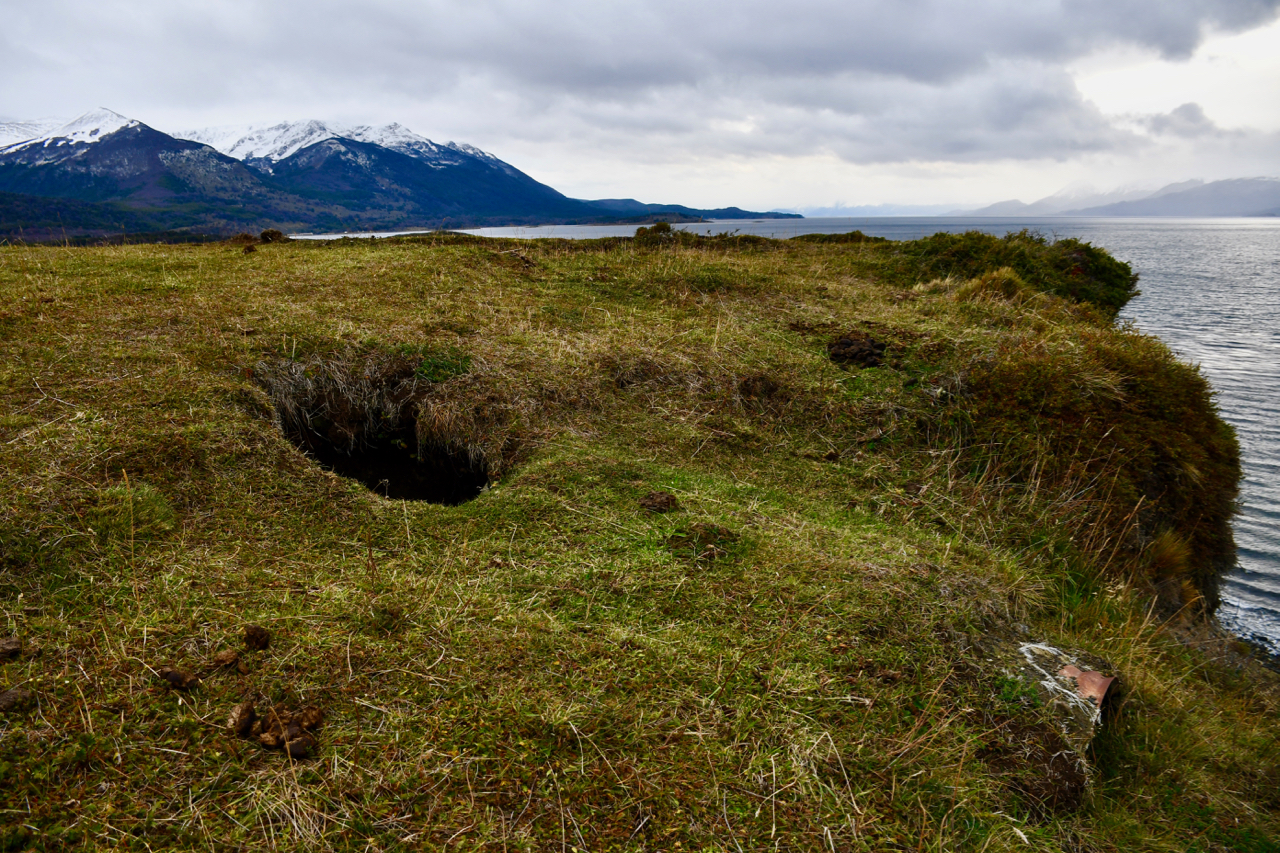
Border-town Puerto Williams has a high bank along the Beagle Channel among its natural defensive barriers. At the very top, we found abandoned anti-aircraft emplacements—two guns that can still be elevated vertically into the sky. But the most interesting discovery was the shelters for snipers or riflemen. Being abandoned gives them a special charm. Right above the steep, high bank is a burrow in the ground. Inside the burrow is half of a large pipe serving as a roof, while the earthen walls are reinforced with bags of cement. A narrow firing slit overlooks the precipice; if you wanted, you could pull out a couple of bushes and shoot from there while remaining invisible. If you curl up tightly, you could even sleep inside.
It’s a good thing the place is abandoned: that makes it look like history, rather than something frightening.
that very pit with the pipe
Above all this stand trees like flags. Bent by the winds, they stand there with a look of anguish. But they seem to be doing all right.
Children’s sailing school
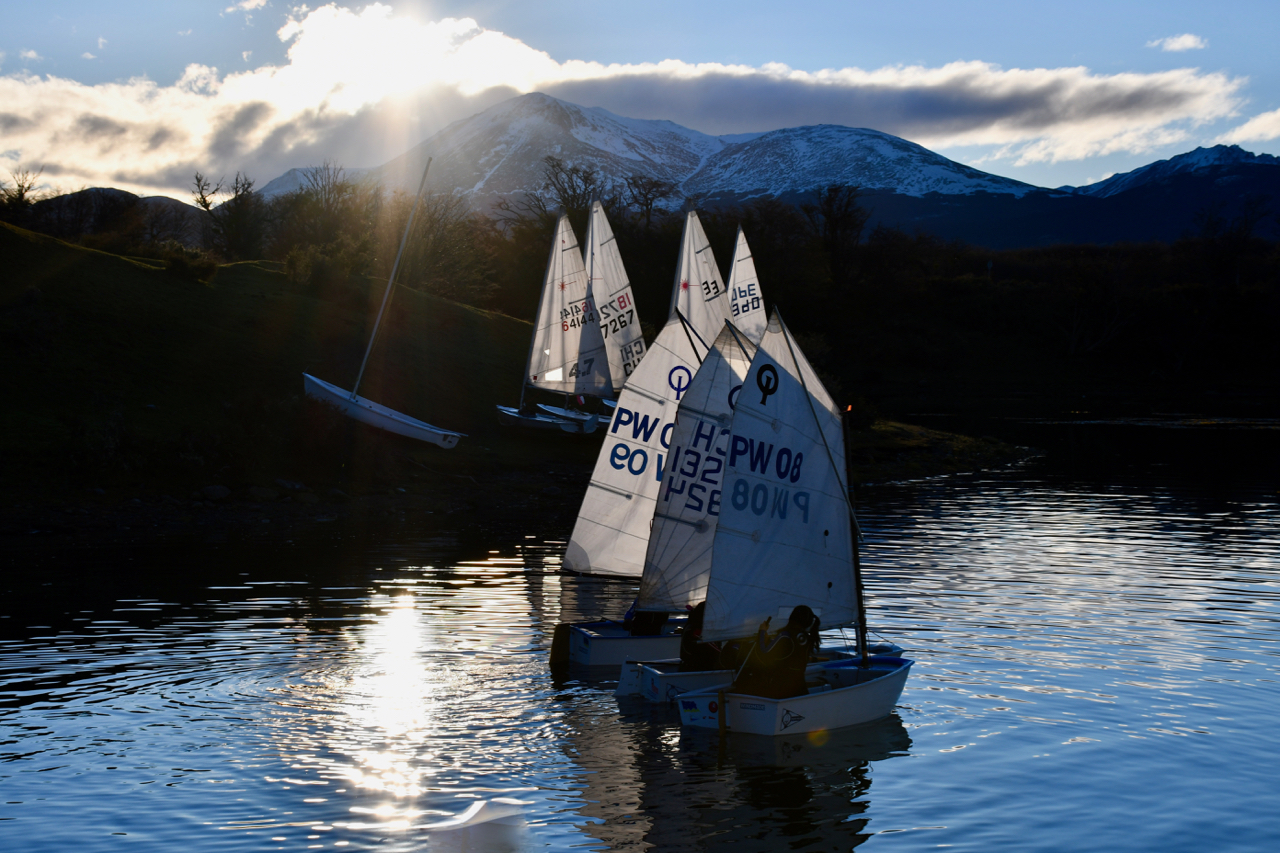
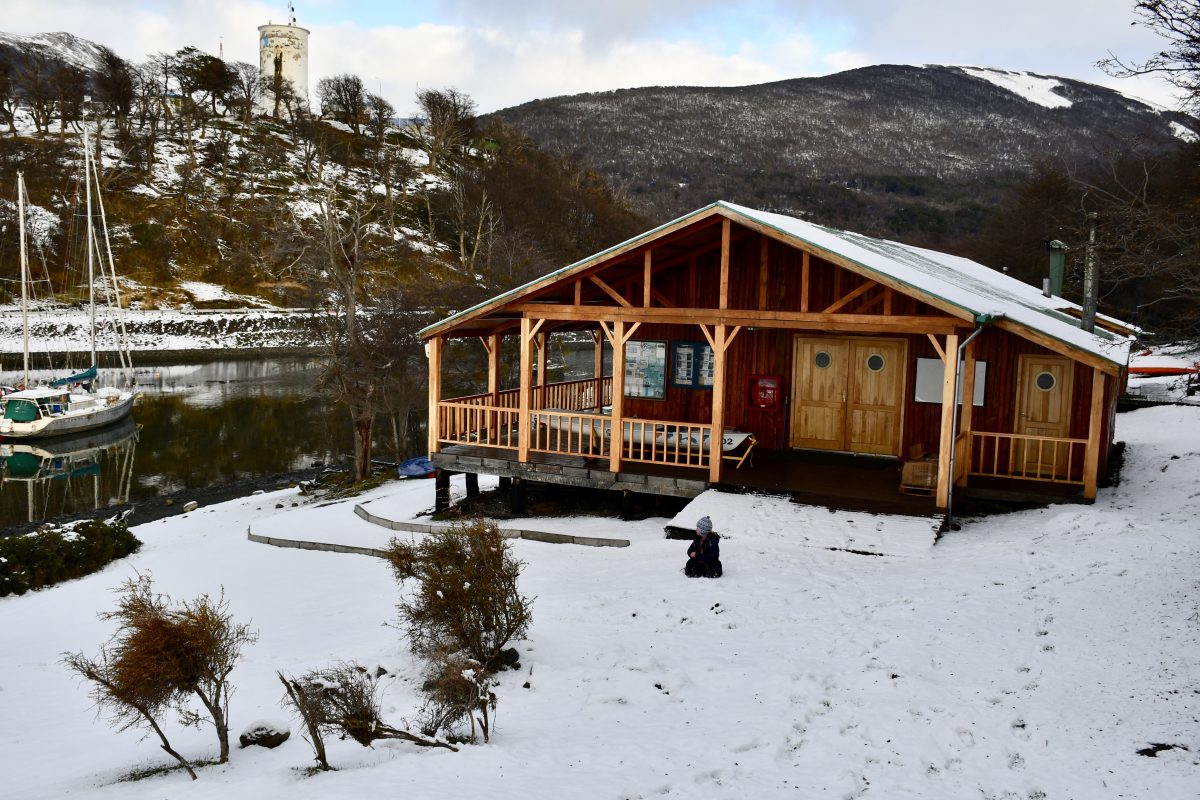
One day, the children and I crossed to the opposite shore of the narrow inlet where the Micalvi Yacht Club is located. The cove is so small that a yacht can’t simply turn around in it. About 30 metres from us, a clearing on the opposite shore is occupied by Cedena, the southernmost sailing school in the world. We thought we’d just have a look. Meanwhile, the captain was busy doing something on deck. The cosy little school building appeared to be closed. We started waving at the cap so we could take his photograph, and then the door opened—and our reclusive life in Puerto Williams came to an end.
Eduardo—the director of the Cedena Cabo de Hornos sailing school (Cape Horn, that is)
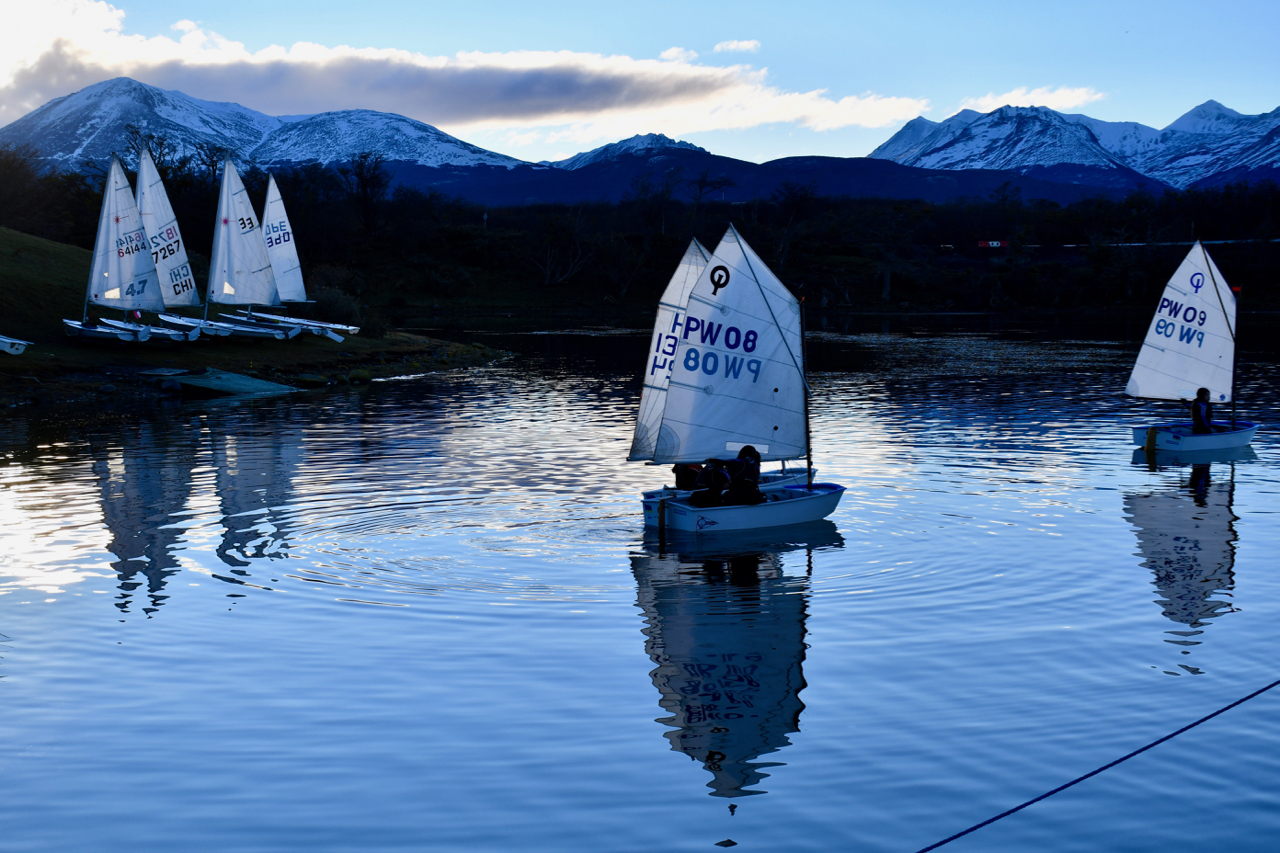
Fortunately, Eduardo, the school’s director, speaks a little English, which allowed us to learn a great deal. Instructors Christian and Roberto are beaming with delight that we’ve turned up here. They give us a tour of the sailing school and shower us with gifts—from a book to badges and caps, as well as a signed pennant. When we get the chance, we’ll send the pennant to our Gingerbread House —so that when you come to stay with us there, you’ll see a greeting from your very own “Montigomo Hawk’s Claw.”
Among other things, we were told that the school teaches sailing not only to its own children, but also to visiting ones. And it will take ours for free as well. The school has good sponsors. They put their hearts into the project, and it shows in every detail. In our excitement, we sewed them a small Russian flag and wrote the whole truth on it in felt-tip pen. During a ceremonial assembly, the flag was mounted on the wall of the sailing school.
In short, when the waters aren’t blanketed with snow and the water pipe hasn’t frozen, the junior crew member and the sailor are learning the basics of Spanish along with the basics of sailing and kayaking at the sailing school.
Almost news
We received our brand-new, crisp sails from Hong Kong. There was nowhere closer to order them from, because anywhere closer was more expensive. The sails flew halfway around the world in the same amount of time it took them to travel across Chile to us. But they made it through here too—not yet battle-tested, but already brave. And beautiful. Andryukha says they’re well made. Anyway, watch the brand-new video about the sails on our YouTube channel. Here’s the link:
New (Not Scarlet) Sails.
Now the next major repair job is replacing the standing rigging. Shrouds, forestays, backstays, running backstays—it all sounds terribly romantic, but the cost of replacing the lot... brings you sharply back to reality..
Hugs from the very edge of the world!
Thank you for keeping our spirits up, commenting, sharing with friends and leaving hearts—it gives us such an incredible boost! It instantly feels 30 degrees warmer, both in our souls and all around us. Write to us; we’re trying to reply to everyone while we still have internet access. Soon we won’t.
A separate, enormous thank-you for supporting the expedition budget via
Paypal.me/travelyfamily. Our thanks to Dmitry S. from St Petersburg, Artur Ch. from Dubna, Vasily O. from Irkutsk and Katerina E. from Surgut.
Thanks to all of you, our expedition is moving forward—towards new achievements. And inspiring others to keep moving too.
Ahead lie the fjords of Patagonia and the South Atlantic!
A few photos 🙂
The junior crew member in the museum
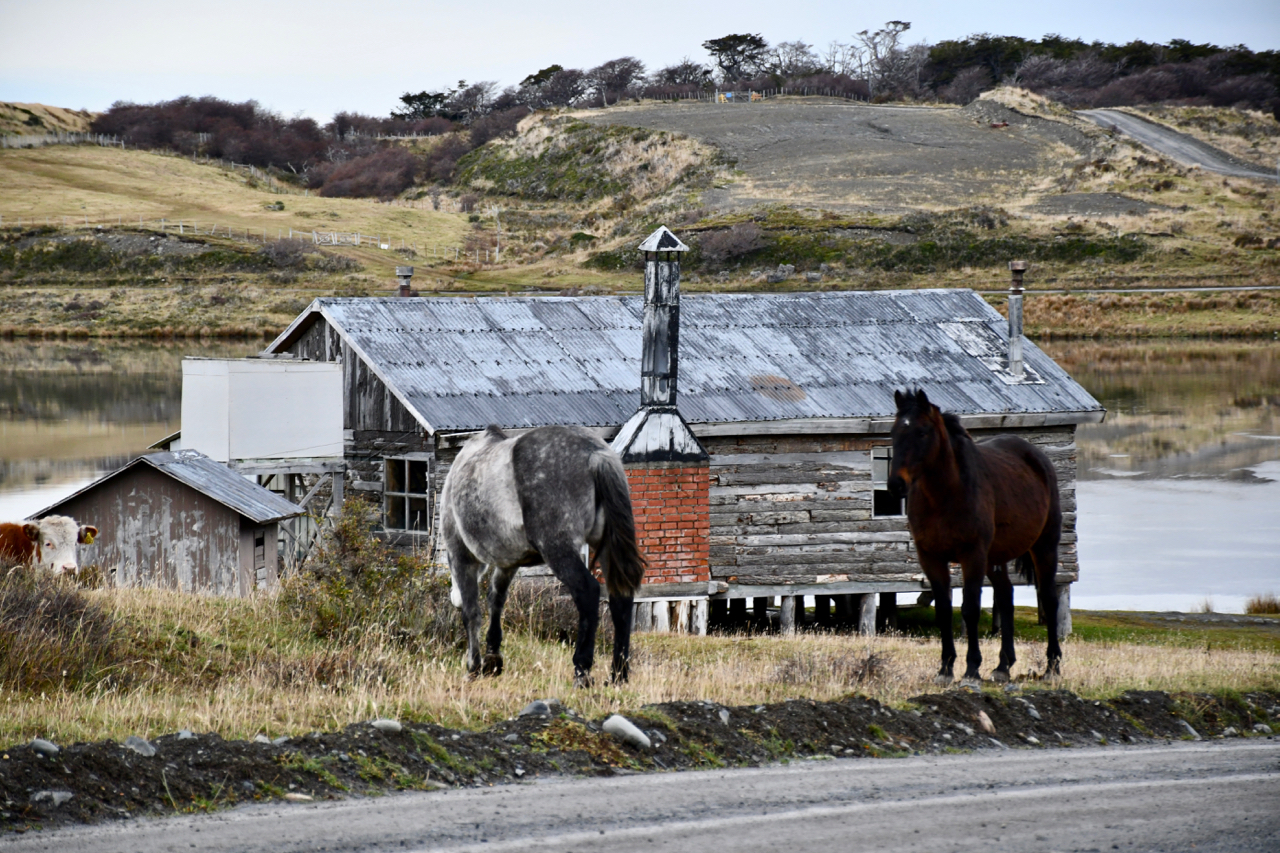
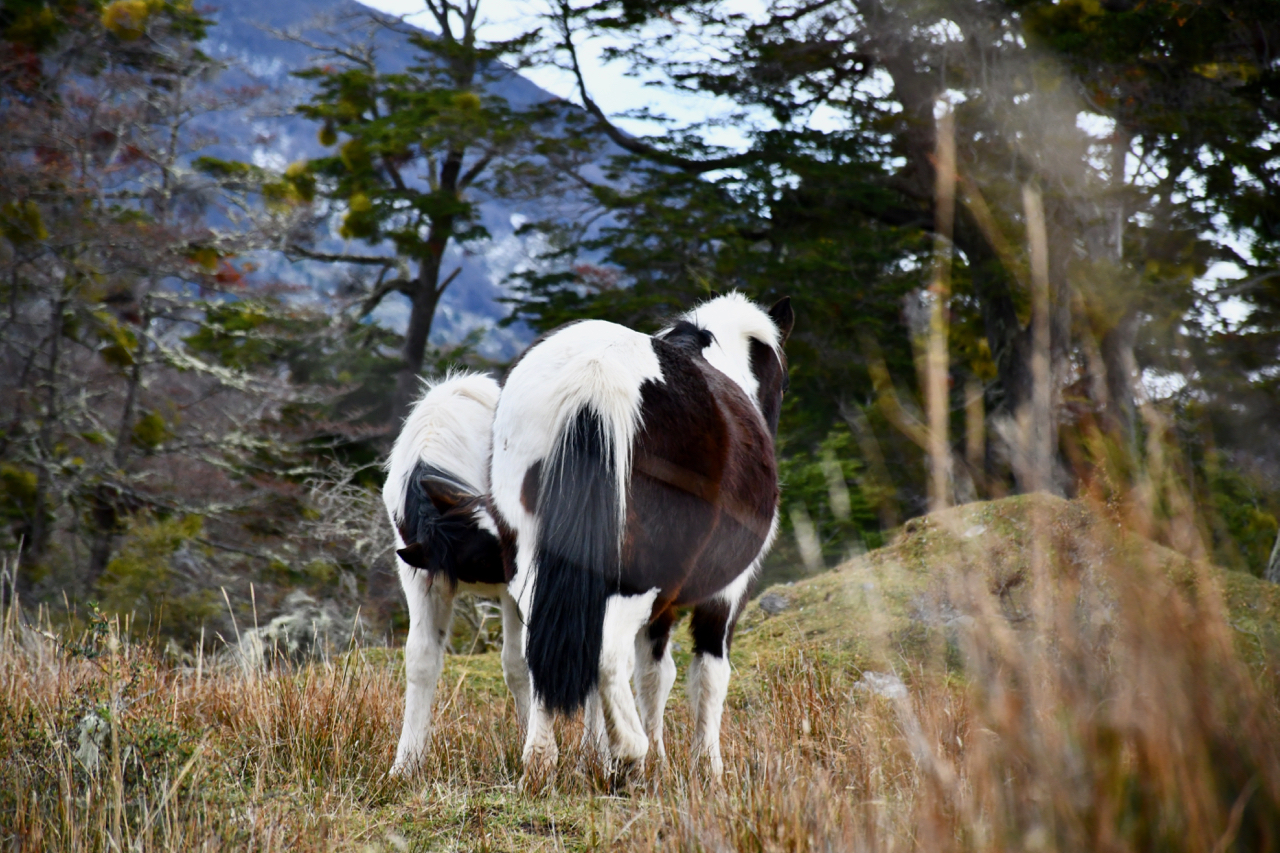
Subantarctic horses 🙂
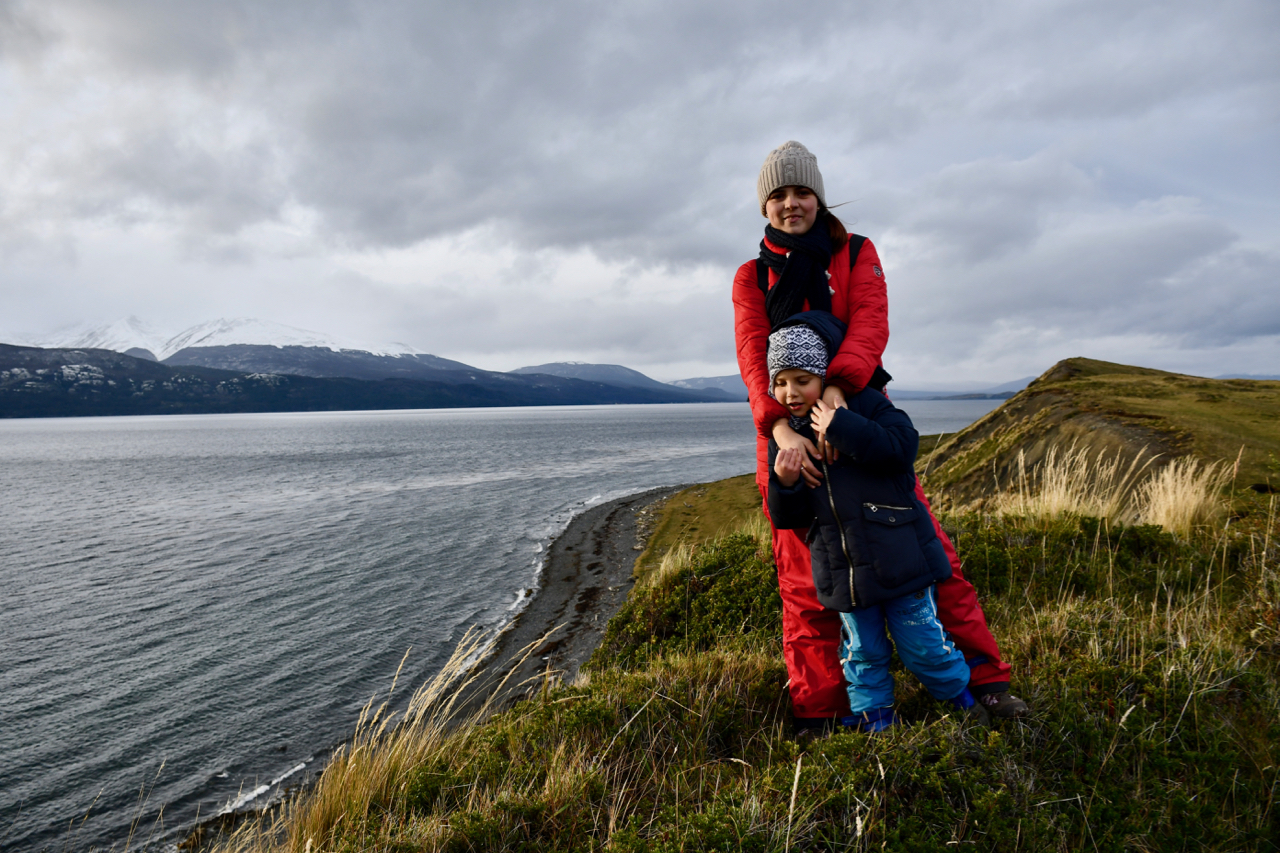
Guests of the sailing school
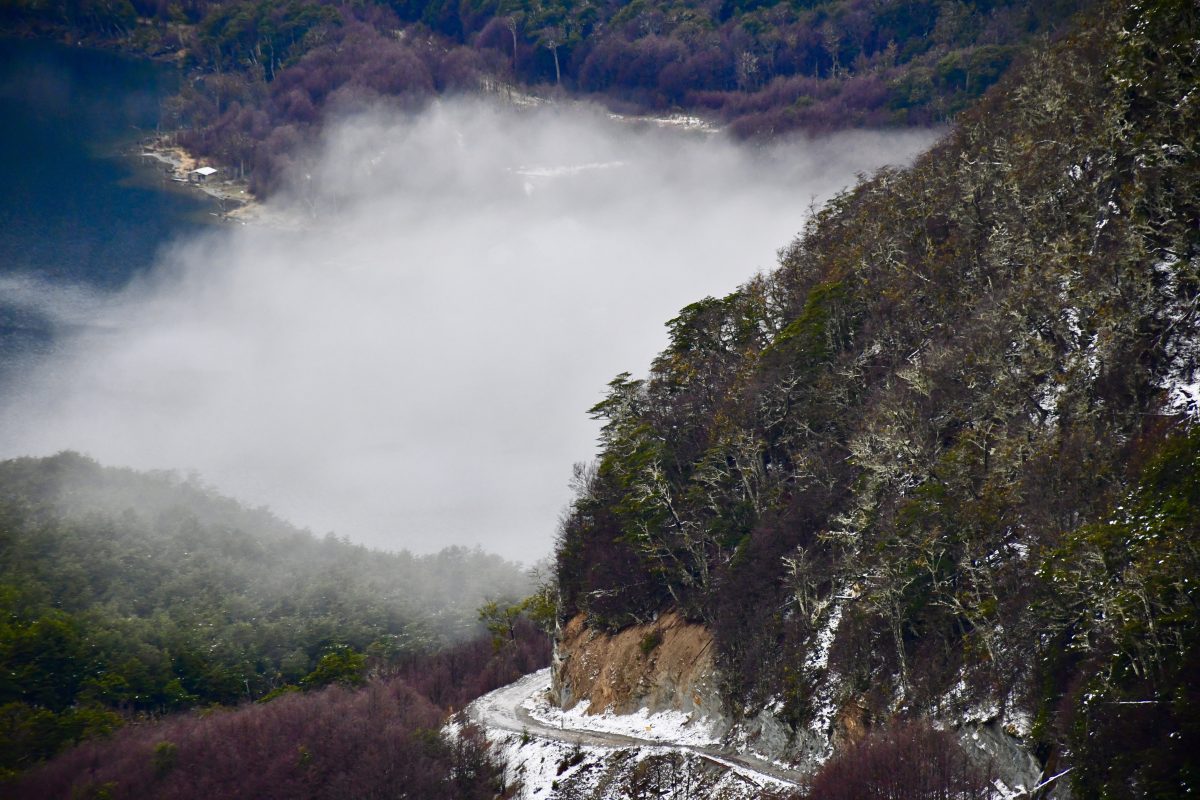
Fog in Tierra del Fuego
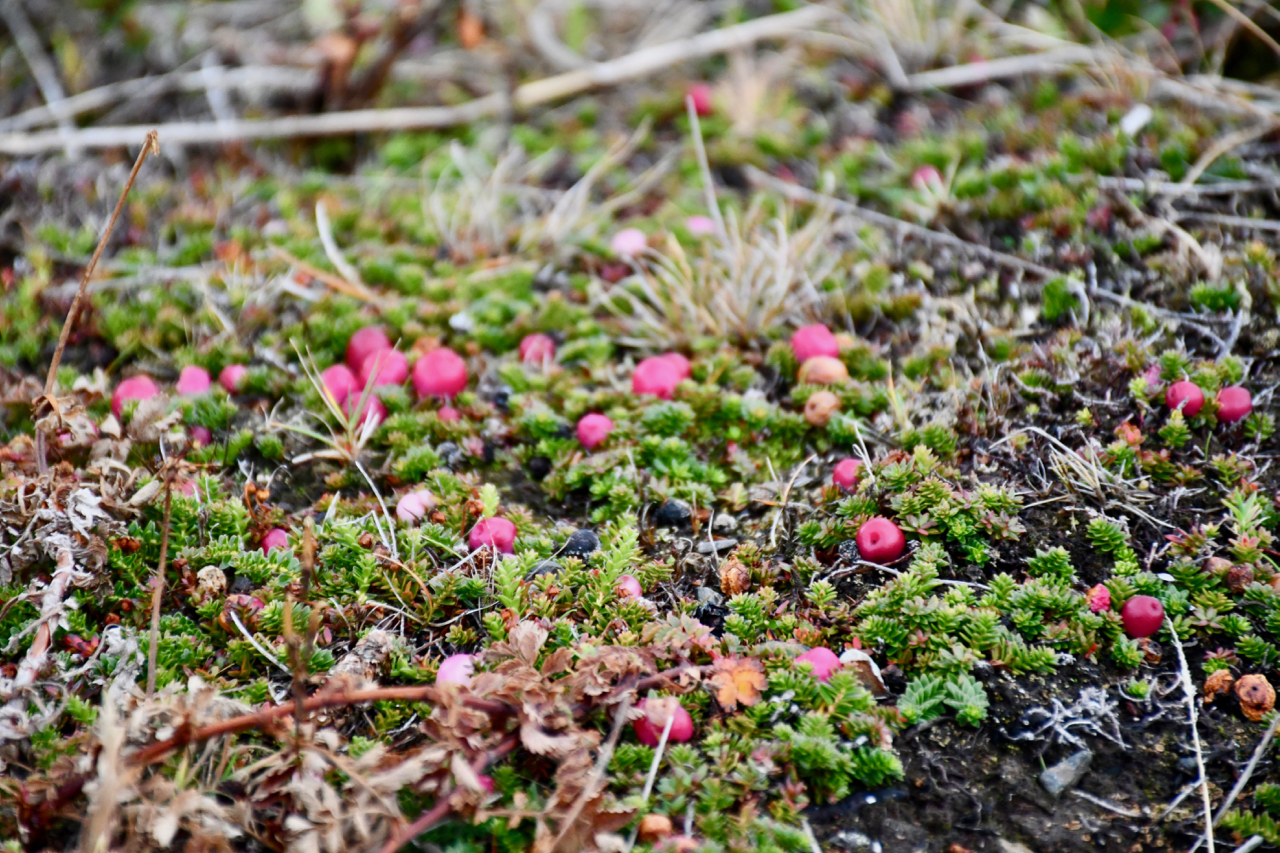
Can you eat this berry—that is the question? I ate one and seem to be alive...
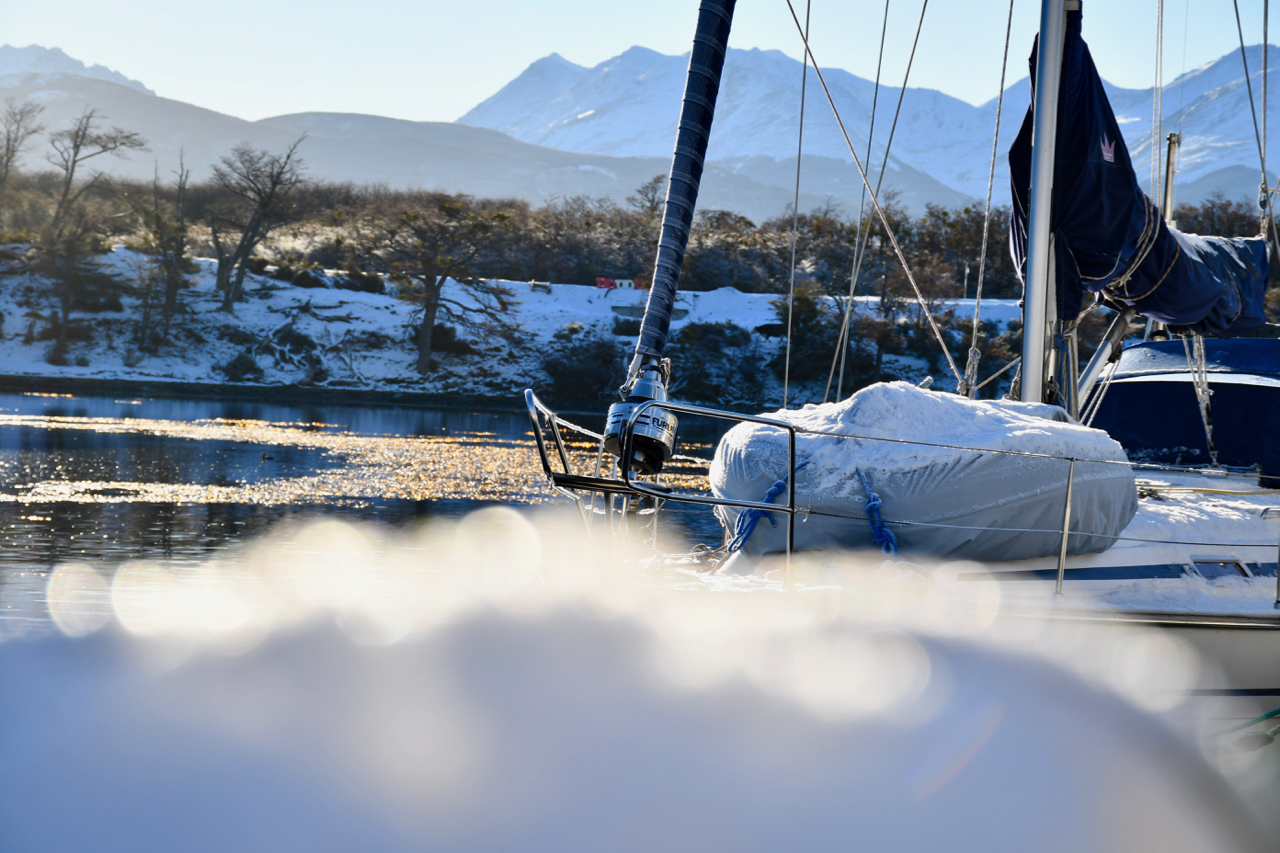
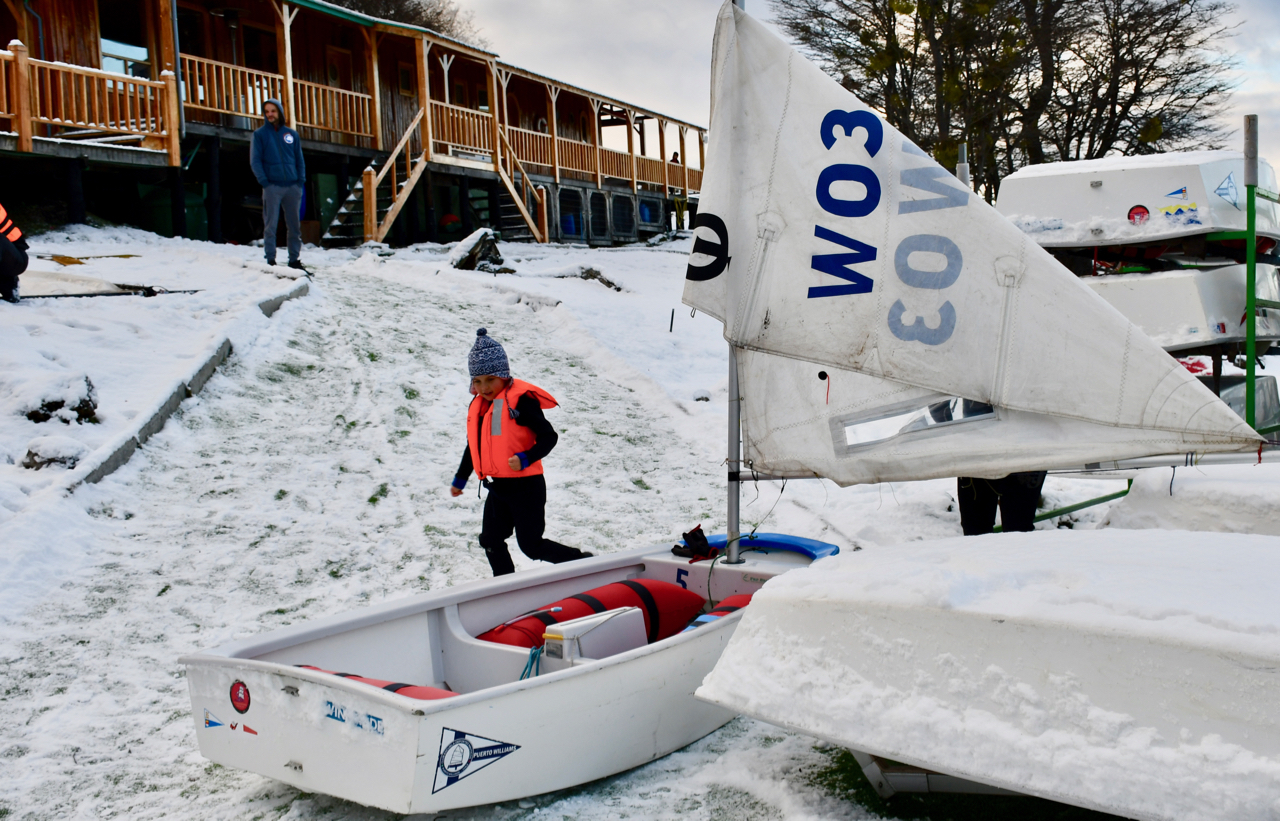
Our winter junior crew member and a sail. There’s three times as much snow now 🙂