
From the Travely-Family archive · Other Entries
Off to Tasmania, or 2,000 Miles in the Southern Ocean
An original publication from the former Travely-Family website. This English translation was preserved from the technical-site archive without editorial rewriting.
And so our working holiday around Albany is drawing to a close. Nastya has passed her assessment, so we can head out into the ocean with peace of mind. We’re leaving today.
If only Andrei had agreed to sail around southern Australia in the wake of Jules Verne’s unforgettable Duncan, we would have been south of Adelaide long ago, would have avoided a three-week passage, and would have been picking up internet along the coast. But the captain is cautious and does not want to cross the Great Australian Bight from west to east; nor is he keen on Bass Strait for now. So whether we will reach the 37th parallel off the state of Victoria, we do not yet know.
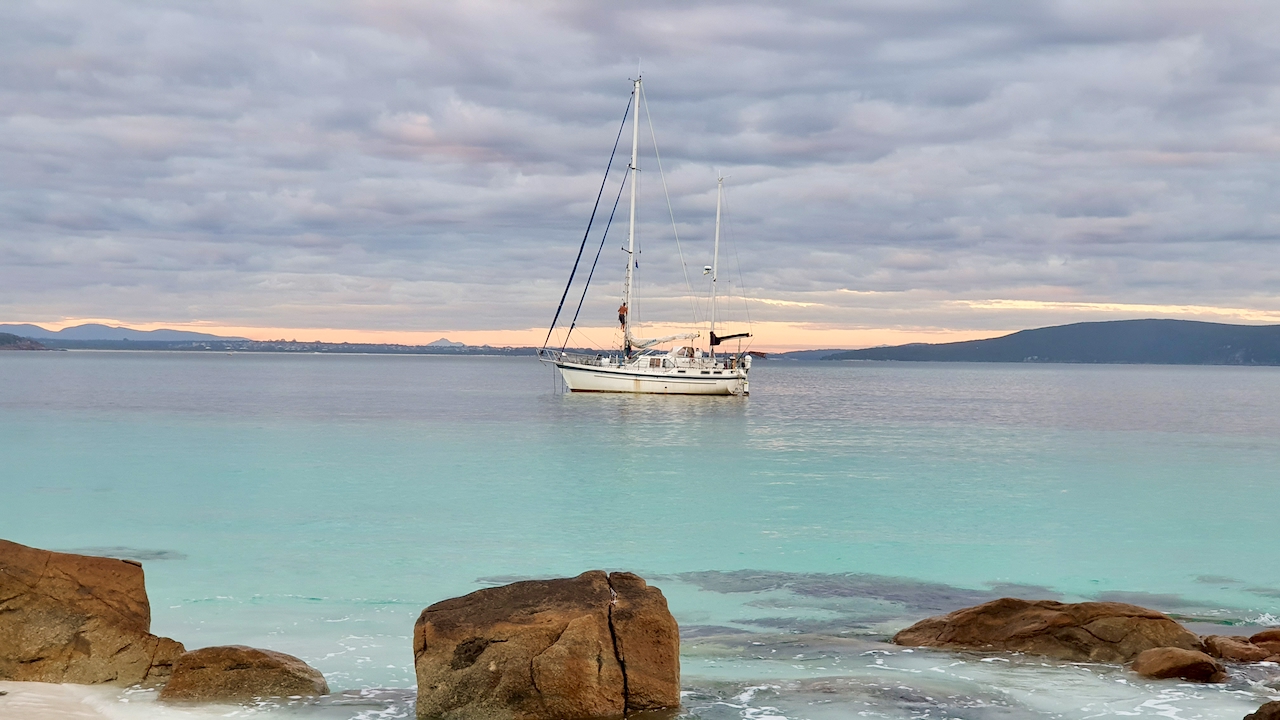
Over four weeks around Albany, we stayed at five anchorages.
Two of them were entirely lake-like, with no hint of any connection to the Southern Ocean. We saw off the sunset to the cries of kookaburras and greeted the dawn to the beating wings of a flock of cormorants.
During the day, pelicans glided majestically around us; here they are bigger than Caribbean and even African ones. Our friends came to join us here for the long weekend. Perth had just gone into lockdown, but the Galushins managed to get out in time. We spent some time on a buoy in a quiet lake, then moved to another place; on the way there, in a bay exposed to the waves, we were suddenly hit hard by seasickness. But the cure came quickly, in an azure cove beyond forbidding little islands. A lighthouse and a couple of houses perch on one of them, but reaching it from the sea is extremely difficult.
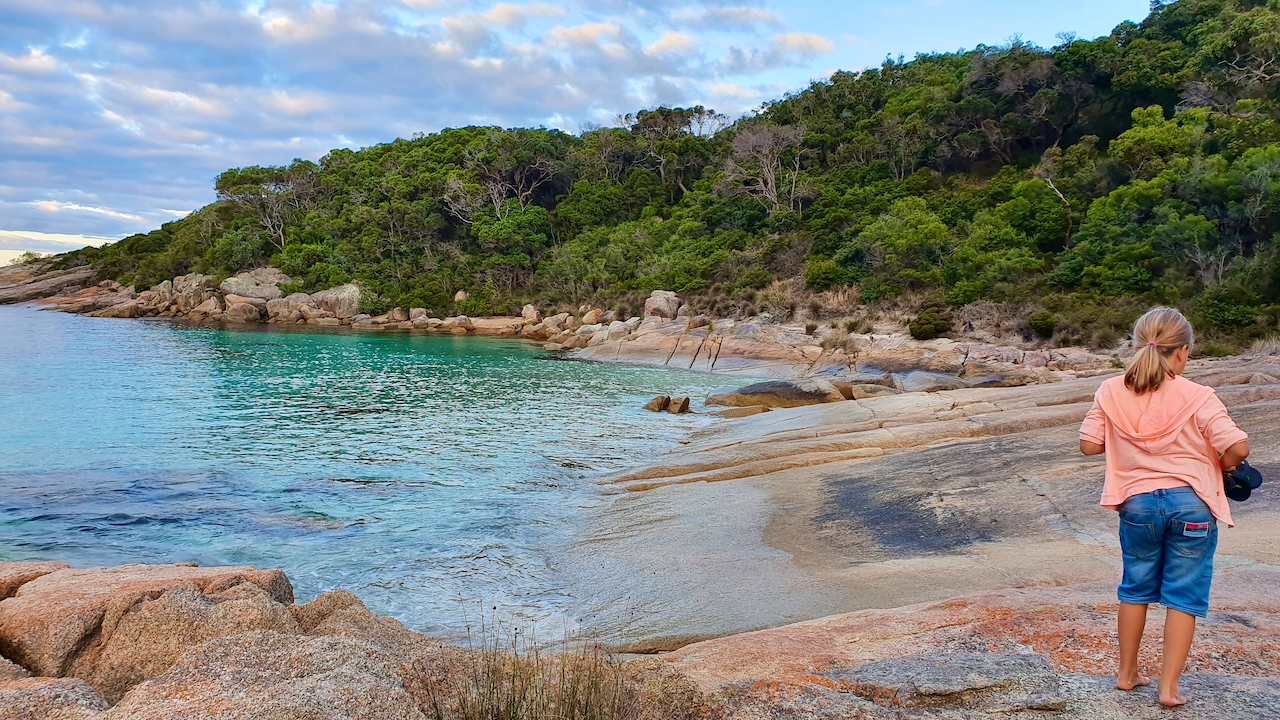
We wrote about our sailing adventures around Albany with our friends here >>
Lake Life in Oyster Harbour
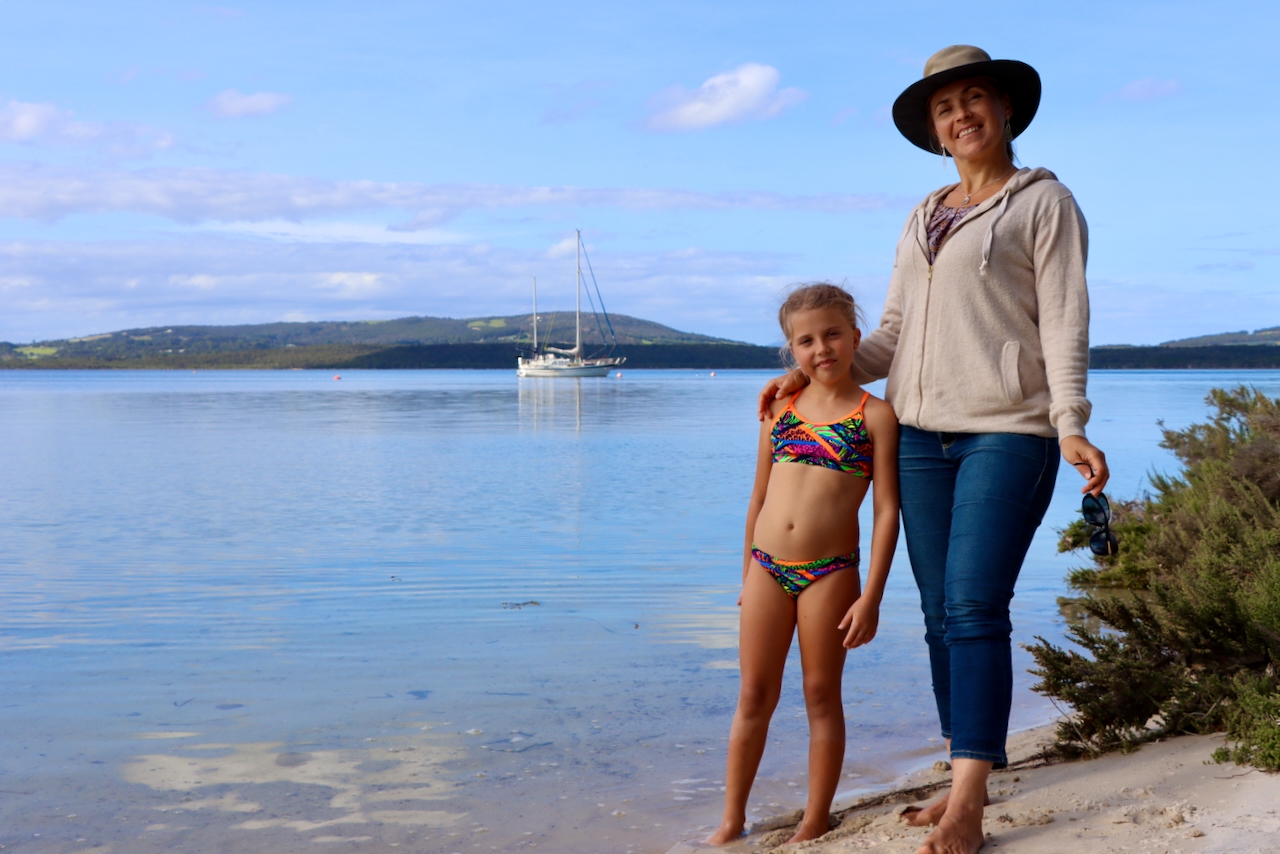
After seeing our friends off, we went even deeper into the lake. We crept cautiously past the shallows towards a buoy so thoroughly covered in birds that the inscription was hard to make out. Most likely it said: stay for 72 hours free of charge. We managed to hook onto the buoy without even running aground. One day, before the young sailor’s lessons began (she attends the afternoon shift), we rowed along the shore. From the yacht, you cannot see any place where you can get ashore among the reed beds and bushes bending over the water. Once on land beneath the high slope, it feels as though you are walking through a pine forest somewhere below government dachas. Or just dachas, but very nice ones, buried deep in the woods.
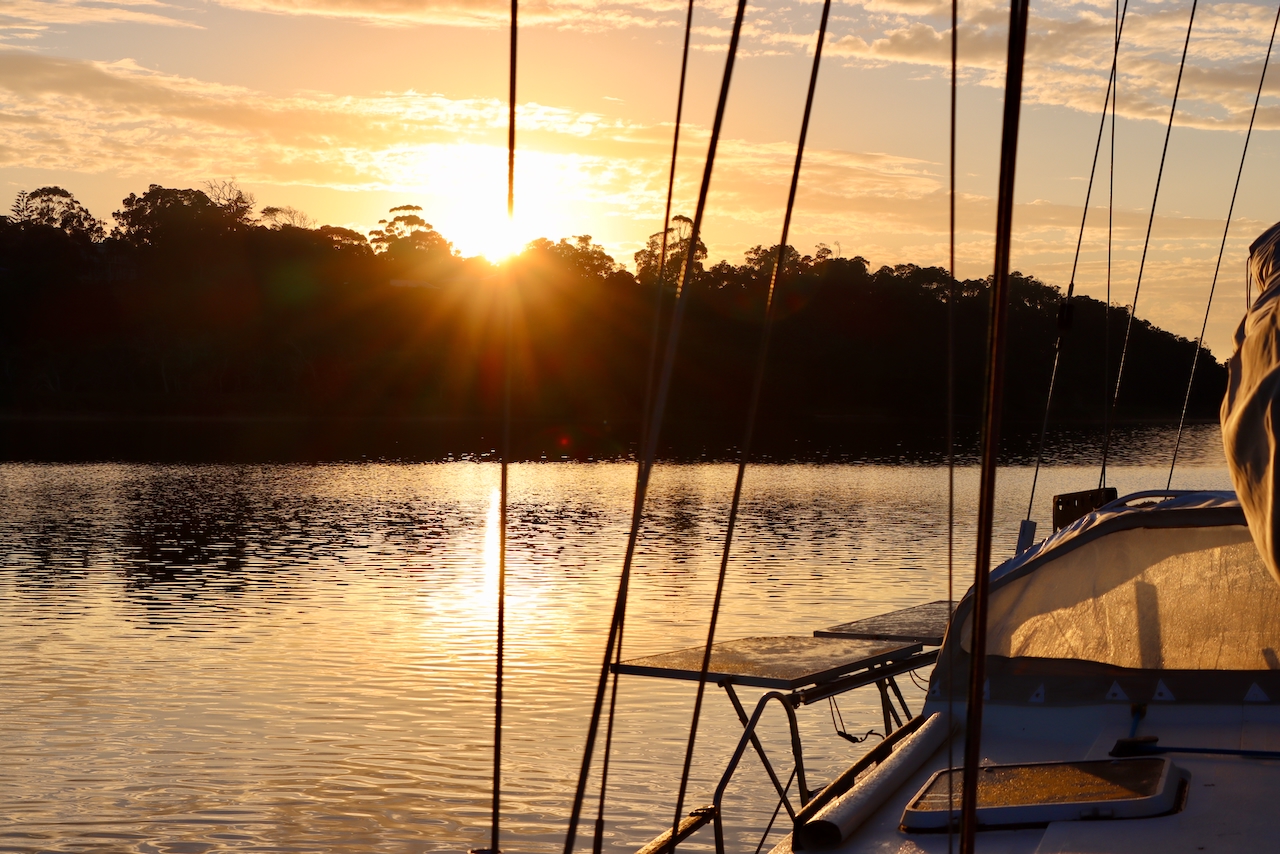
Dawn in that very place
The girls gathered a wonderful bouquet with ferns and went down to the jetties, where people have been fishing since time immemorial. Keep fishing now, a sign says, just count them by the head and send us the number you caught.
The Aboriginal people had a clever way of fishing here: they built spacious stone fish traps. At high tide, the fish swam into them and thought they had found themselves a spa. Then at low tide, relaxed and languid, they did not manage to escape again. And were left on the sand.
After three days, we left the lake and returned to the buoy with the pelicans, and then went back to Albany.
Now we sail there once a week for groceries. Yesterday and the day before, we bought up all the food; and now that’s it—Tasmania, here we come.
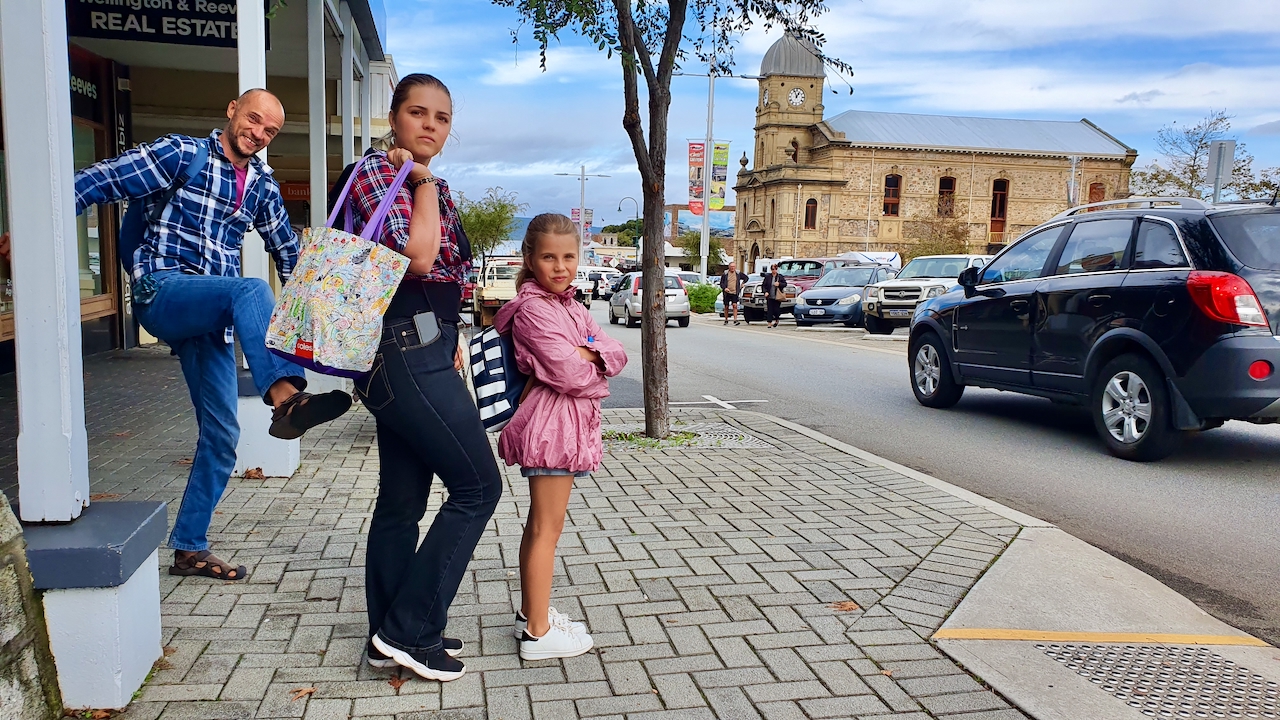
Here we still don’t have suitcases full of potatoes )
Almost two weeks ago, all of us went live on our YouTube channel. As always, we answered a ton of questions, talked about our plans and the facts, and had a wonderfully heartfelt chat with you, our friends and subscribers.
And today, on our channel, a vlog-format video will be released—about the passage around Cape Naturaliste and FISHING (rejoice, anglers—you’ve been asking for this for ages).
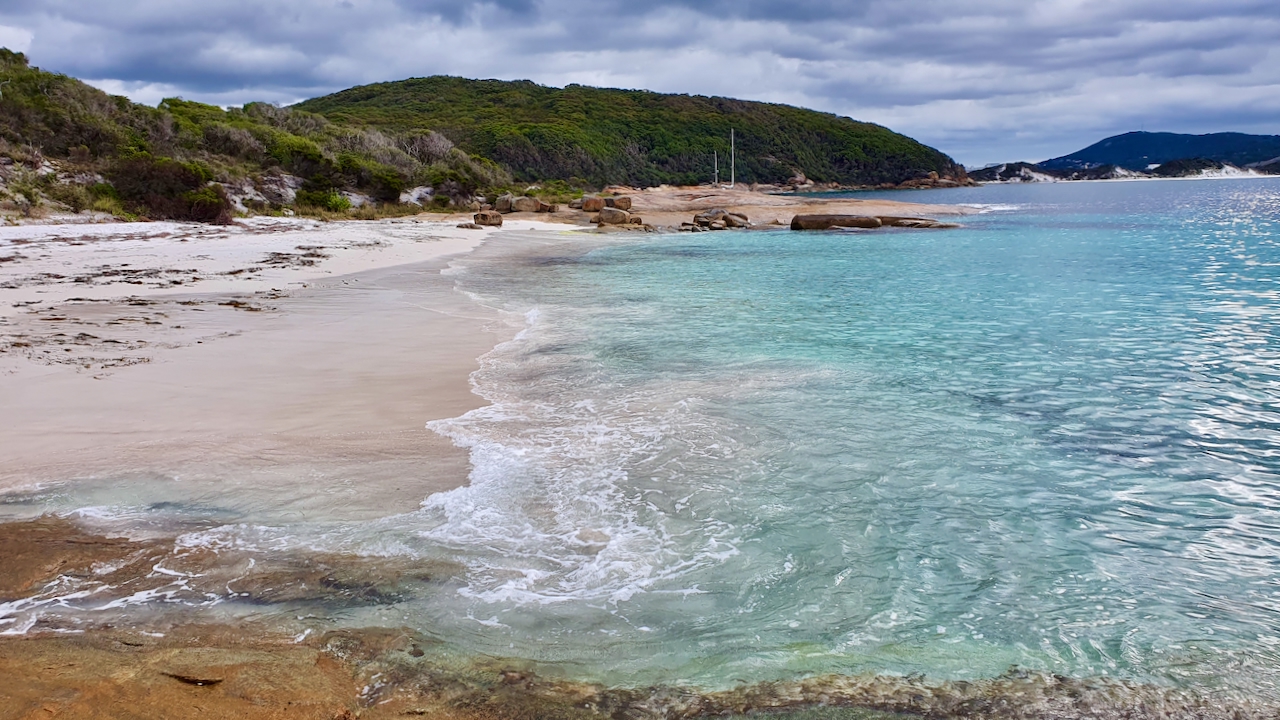
Whaling Cove—an Anchorage with Squeaky Sand
Lady Mary is now in the very same place we fled from the storm during that live broadcast. A heavenly spot with a snow-white beach where we neither sunbathe nor swim because it is frighteningly cold )). Do you know what the sand on this beach is like? It squeaks—I would even say it whistles—when you walk on it. A bit like metal on glass, only gentler.
This is a tourist and fishing spot. One notable difference from most of the places we had been before Australia—or rather, from every place accessible to any tourist—is the lack of rubbish. Almost complete lack of it. Of course, you do occasionally come across something that has blown in. But you pick it up, and that’s it: nothing left, all clean.
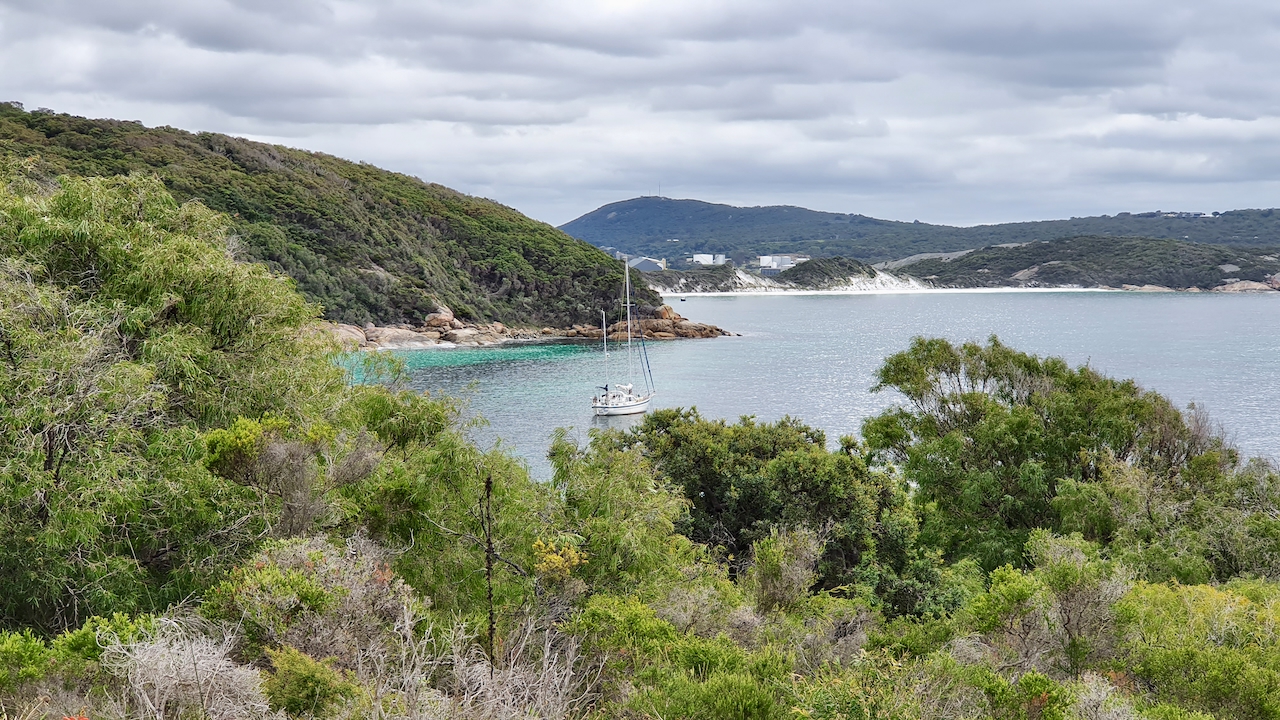
I draw comparisons with the nature back home so often here in the south of the continent that I am almost afraid to see our native shores again. After all, in our dreams we see the places dear to our hearts quite differently...
Winter Is Coming
It has turned rather chilly, so part of the cockpit locker has once again been designated as a refrigerator. We have stuffed cheeses and yoghurts in there. This is the life! (Yes, in case you didn’t know, we have been living without a refrigerator for four and a half years now. Ever since ours broke down during our first Atlantic crossing.)
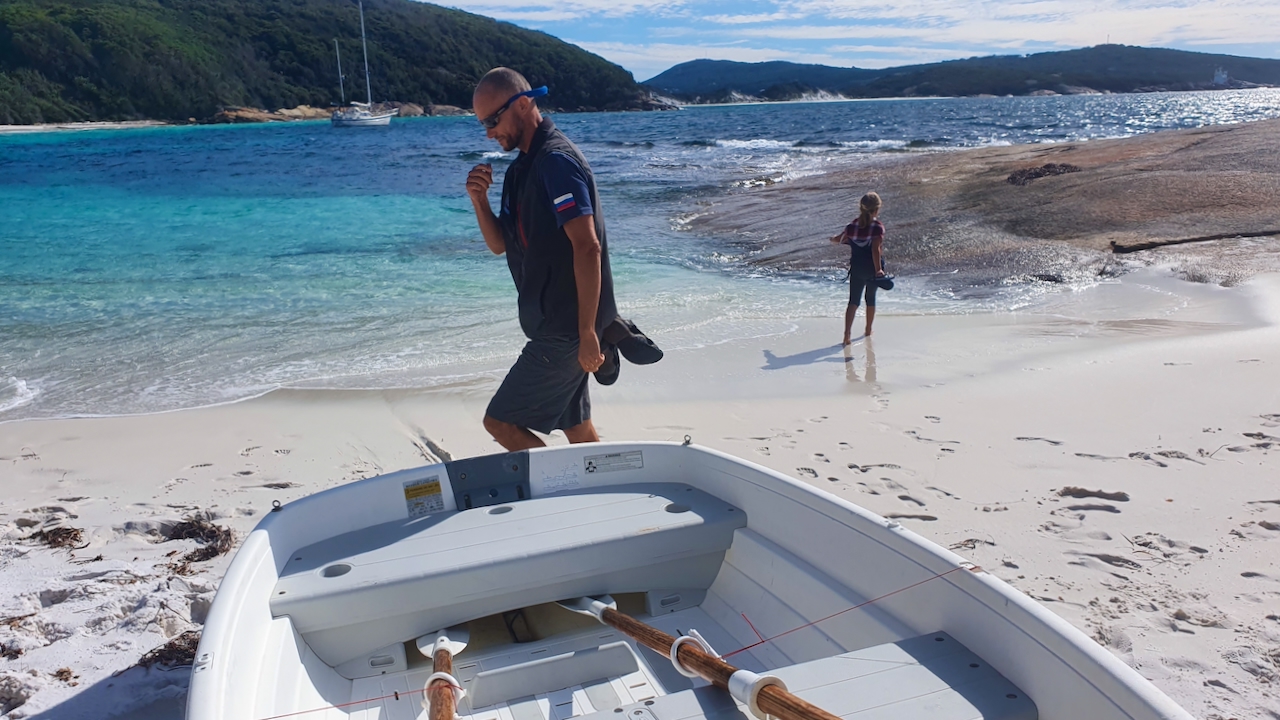
By the time we reach Tasmania, winter will have arrived. Our young sailor hopes to see snow as well, but it will most likely come in the second half of winter, by which time we will probably already be heading for Sydney.
That’s all, my dears. I’m off to weigh anchor! Follow the news on the website: this is the only place where satellite dispatches from the open ocean will appear. Social media and other forms of communication will be unavailable for the time being.