
From the Travely-Family archive · Patagonia and Tierra del Fuego
The Three Great Capes on a Yacht with Children
An original publication from the former Travely-Family website. This English translation was preserved from the technical-site archive without editorial rewriting.
The Three Great Capes on a Yacht with Children. Cape Horn, the Cape of Good Hope, Cape Leeuwin
“This petty-bourgeois concealment of facts from the proletariat must be stopped,” declared the captain on a fine July day, shovelling snowdrifts off the solar panels with a dustpan.
Brushing the Patagonian snow from the keyboard, the first mate wrote:
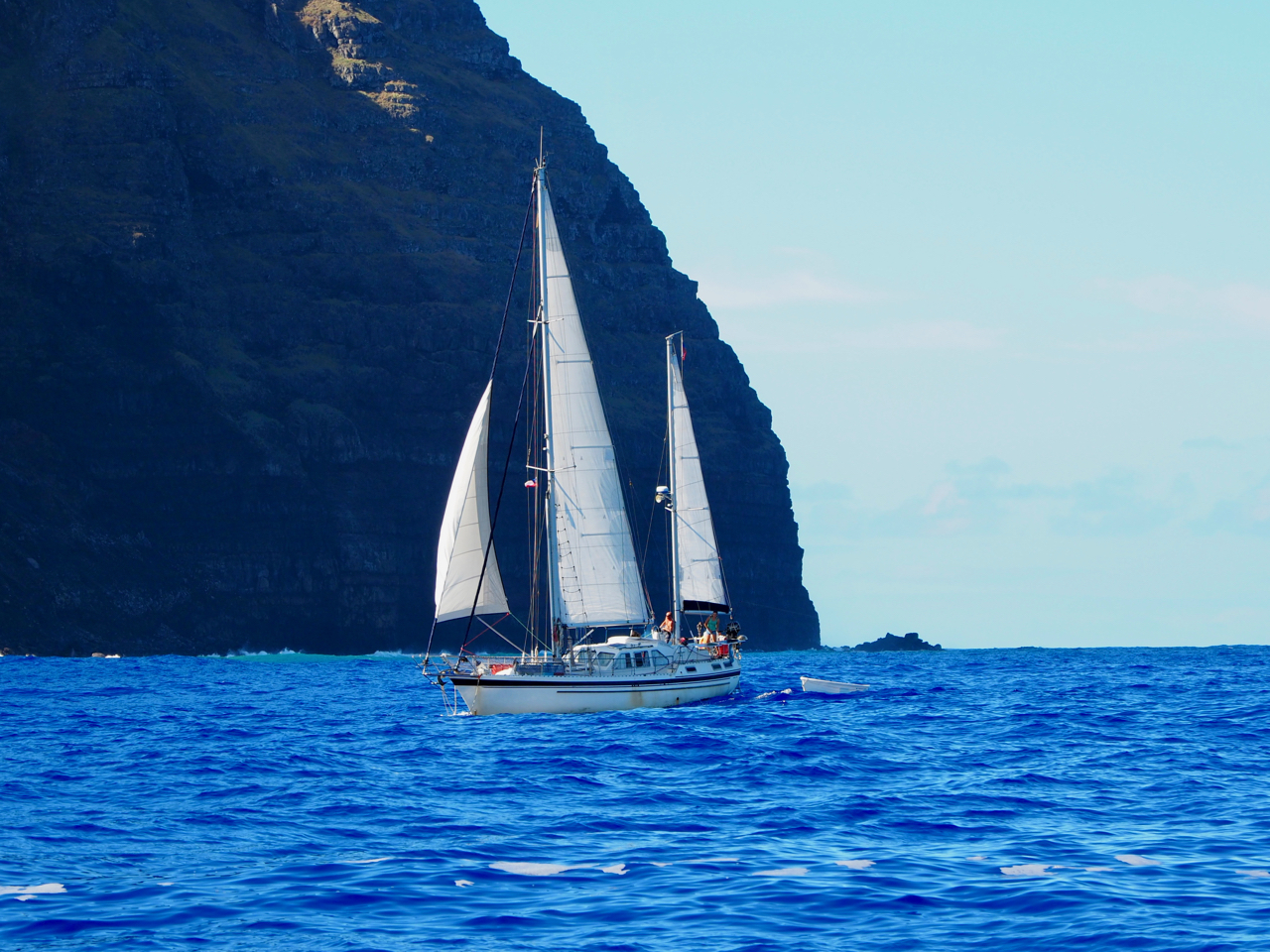
It is time to announce that the First Russian Sailing Expedition with Children is embarking on the second stage of its
Round-the-World Voyage via the Three Great Capes.
Why are these capes called Great?
Throughout history, sailors have found these particular places exceedingly frightening and difficult to navigate. Because of their high concentration of storms, rogue waves and currents, the capes became known as the Great Capes. Here are the three:
Cape Horn
(Chile), Cape of Good Hope (South Africa), Cape Leeuwin (Australia).
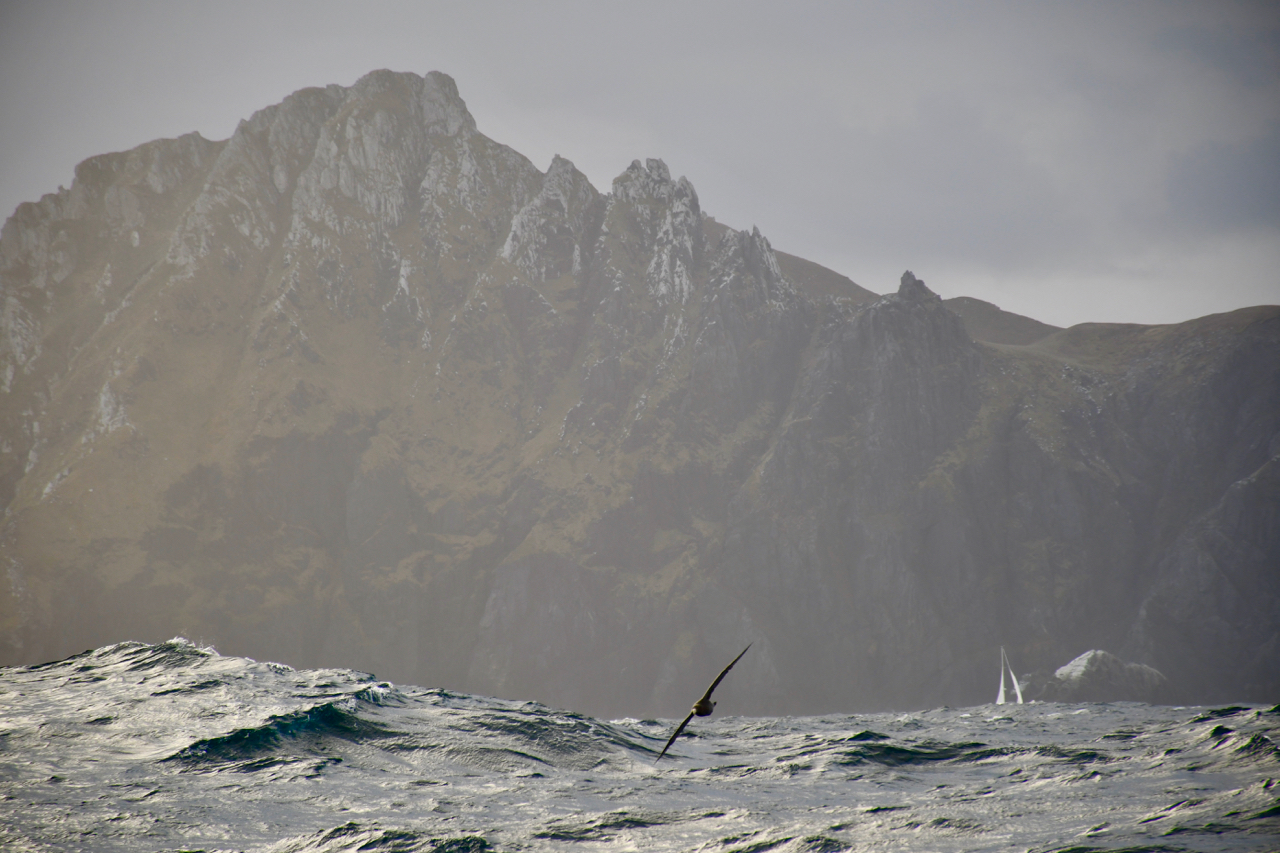
Cape Horn, our second rounding. The yacht Sarah in the photo
The waters of different oceans churn around them.
At Cape Horn, in the funnel of the Drake Passage, 600 miles from Antarctica, the Pacific and Atlantic meet.
At the Cape of Good Hope—the
Atlantic and Indian Oceans.
And at Cape Leeuwin—the Indian and... no, not the Pacific, but the Southern Ocean for now.
For a taste of the mood surrounding the Three Great Capes, here is an excerpt from Włodzimierz Głowacki’s book The Fascinating World of Sail:
“The Roaring Forties, the Furious Fifties, the Screaming Sixties”—these are the names given to the geographical latitudes where seafarers constantly encounter savage storms, mountainous waves, icebergs and piercing cold.
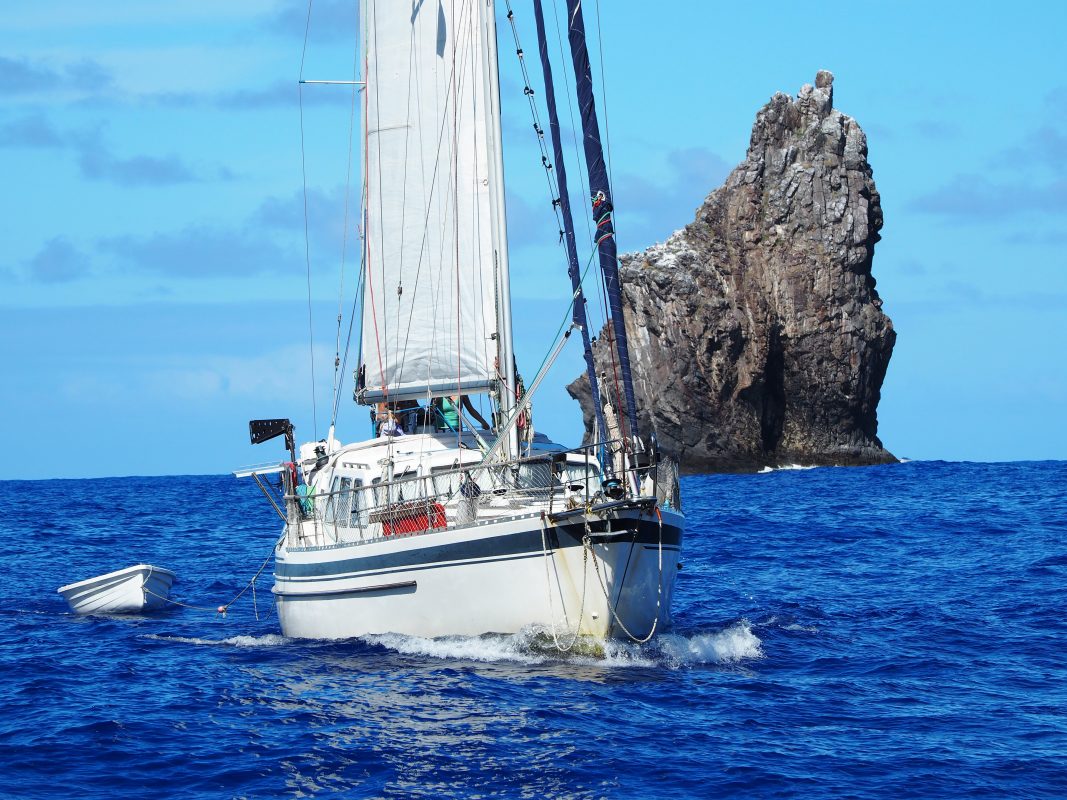
Traditional sea routes linking the Atlantic with the Indian and Pacific Oceans pass the grimly notorious Capes of Good Hope, Leeuwin and Horn, of which Cape Horn is regarded as the most formidable. Seafarers who have rounded Cape Horn under sail at least once are known as “Cape Horners.”... means a skilful and intrepid seafarer!”.
Why an expedition
How does an expedition differ from a journey? An expedition has a purpose beyond relaxing, visiting and sightseeing. Its purpose may be exploratory, scientific or even military. The word “expedition” is also used for exceptionally difficult journeys.
When we sailed west around the world with the trade winds, without delving too deeply into jungle wilds or the twists and turns of the Earth’s crust taking shape, it was still a journey or a voyage, albeit a round-the-world one.
We transformed our circumnavigation into an expedition via the Three Great Capes on 21 November 2018, when, after sailing west from Bora Bora for more than a day, we turned south. Having established that we would not reach New Zealand before cyclone season, and not wanting to spend the equatorial summer wandering about, we turned towards fulfilling a great, impossible childhood Dream.
Our first research objective—to find
Maria Theresa Island
(Tabor) from the novel In Search of the Castaways and follow the 37th parallel—developed into a study of the Pacific Ocean’s phantom islands.
The turning point is described here, in our satellite dispatches from aboard.
And our scientific field research into the Pacific phantom-island region and the geographical “closures” are here.
Our own series about the search for Captain Grant grew out of this Jules Verne-style adventure. It’s brilliant. Here is one episode:
Storm at Tabor Island.
Watch the rest on the channel youtube.com/c/ travelyfamily.
The First Russian Round-the-World Sailing Expedition with Children along the exceptionally difficult route via the Three Great Capes continues!.
Why “The First Russian...”
No Russian or post-Soviet crew with children has ever sailed around the world via the Three Great Capes.
All stages of the “Three Great Capes on a Yacht with Children” Expedition
Tahiti (central Pacific Ocean, French Polynesia)–Cape Horn (Chile).
6,340 nautical miles by track.
Completed from 12 November 2018 to 21 January 2019.
Cape Horn–Cape of Good Hope (South Africa). 4,400 nautical miles.
Planned dates: 15 July 2019–20 October 2019.
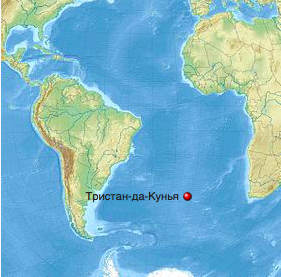
Puerto Williams, Punta Arenas (Chile)–Falkland Islands (British)–Tristan da Cunha Islands (British)–Cape Town (South Africa).
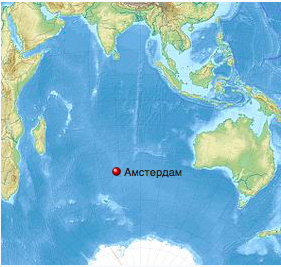
Cape Town–Cape Leeuwin (Australia) via Amsterdam Island. 4,800 nautical miles.
Planned dates: 5 January–20 March 2020. By then, all Three Great Capes will have been rounded.
Cape Town (South Africa)–Amsterdam Island (French Southern and Antarctic Lands)–Albany (Australia).
Albany–Tahiti. 6,750 nautical miles.
Planned dates: July–November 2020.
Albany–Tasmania (Australia)–Christmas Island (Kiribati)–Tahiti.
The entire round-the-world route is 22,300 nautical miles (41,300 km) long.
Lady Mary’s average cruising speed is 100 nautical miles per day.
The ceremonial finish will be in Tahiti.
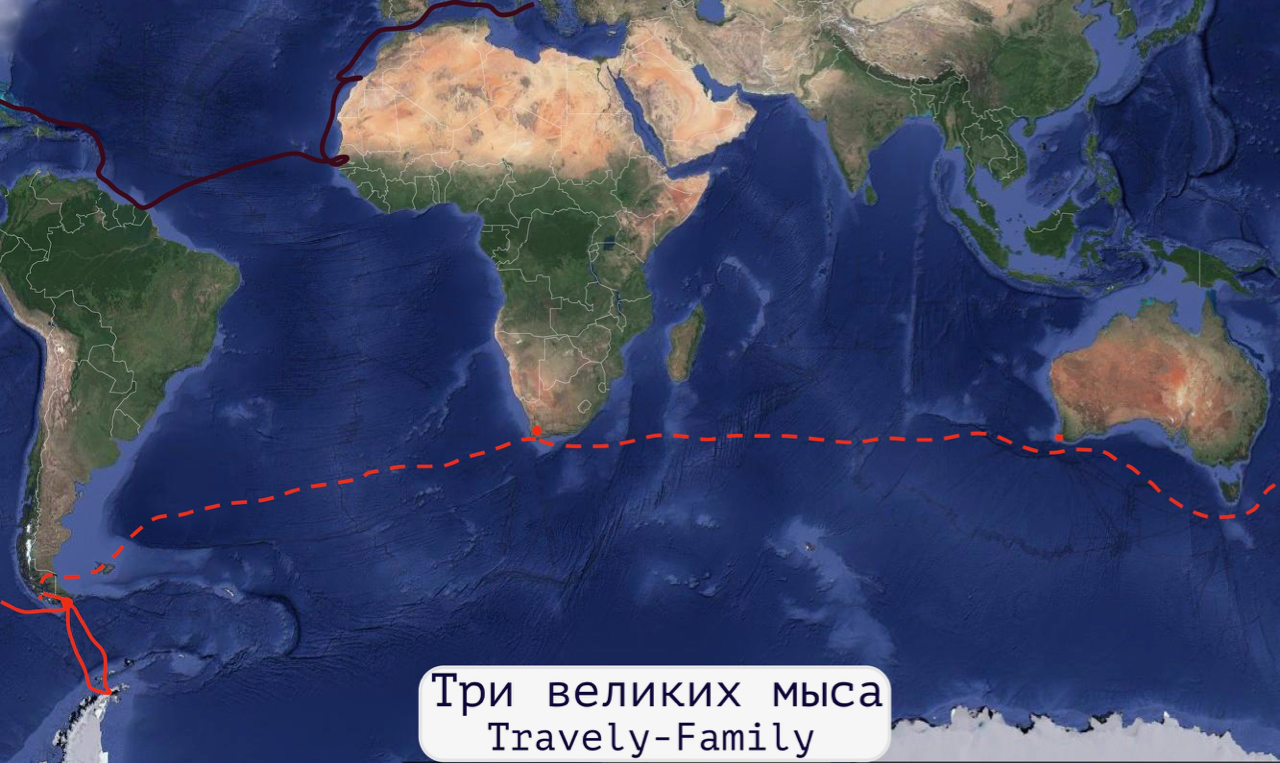
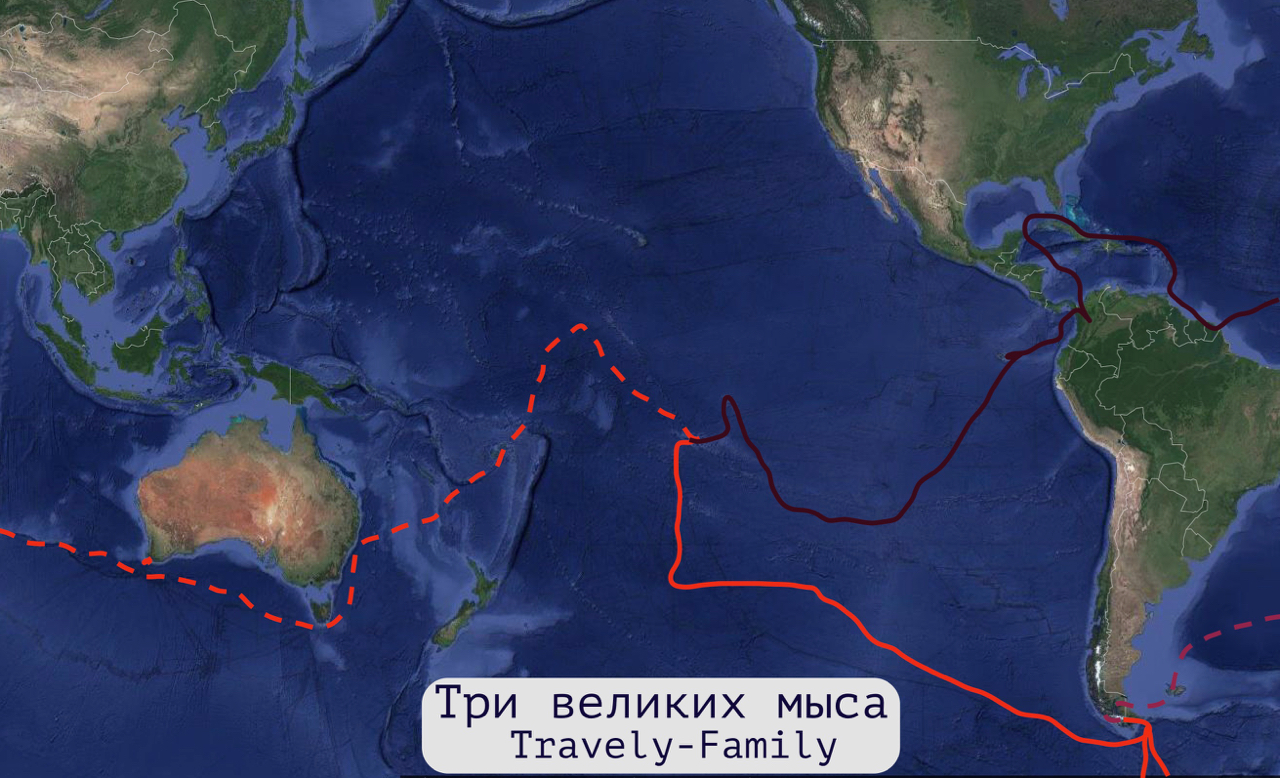
The Three Great Capes Expedition on the map
Stages two and three
Stages one and four
The dark line —is our westward route from the Mediterranean to Tahiti.
The solid red line —is the route already completed from Tahiti to Cape Horn, and the expedition to Antarctica.
The broken red line —shows stages two, three and four of the Round-the-World Voyage via the Three Great Capes.
5 days to go!
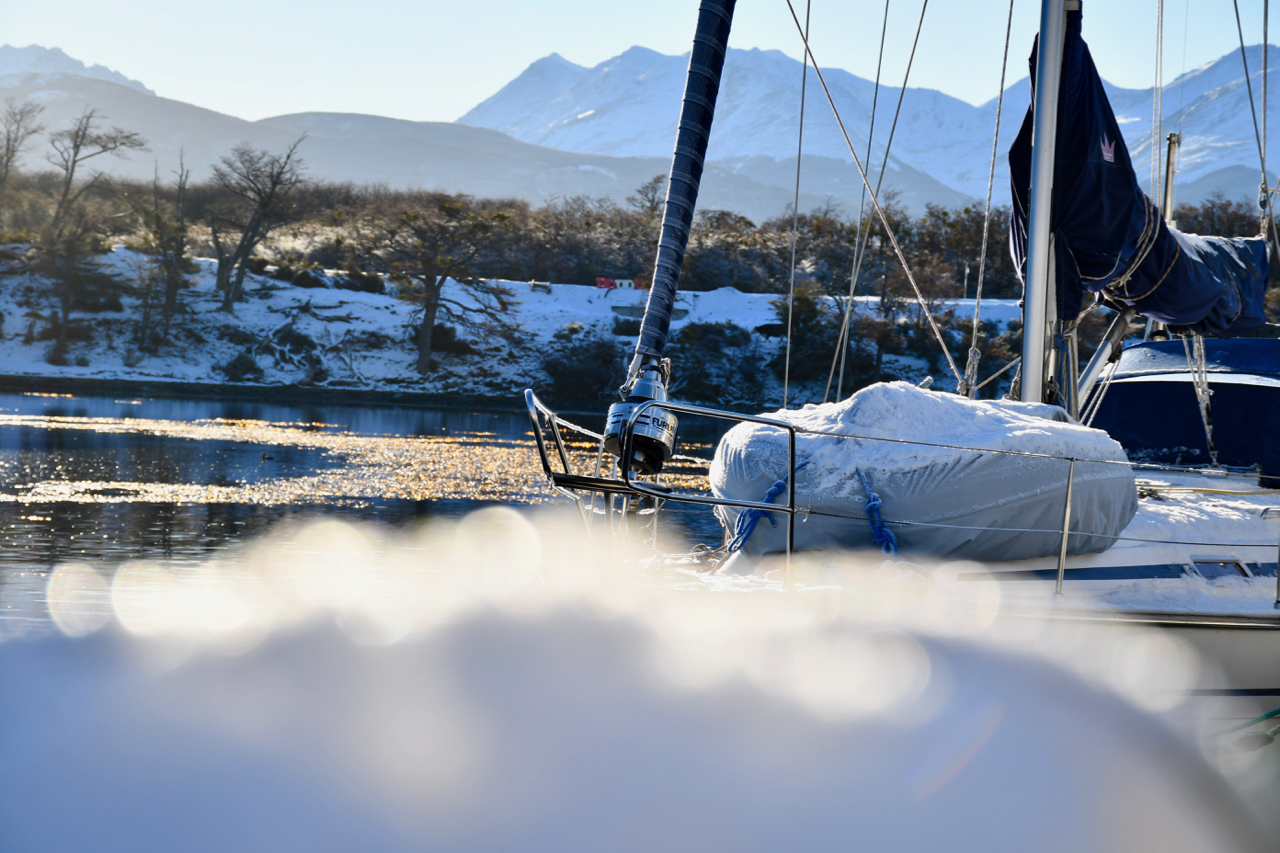
Our departure from Puerto Williams
(Chile) is scheduled for 15–16 July.
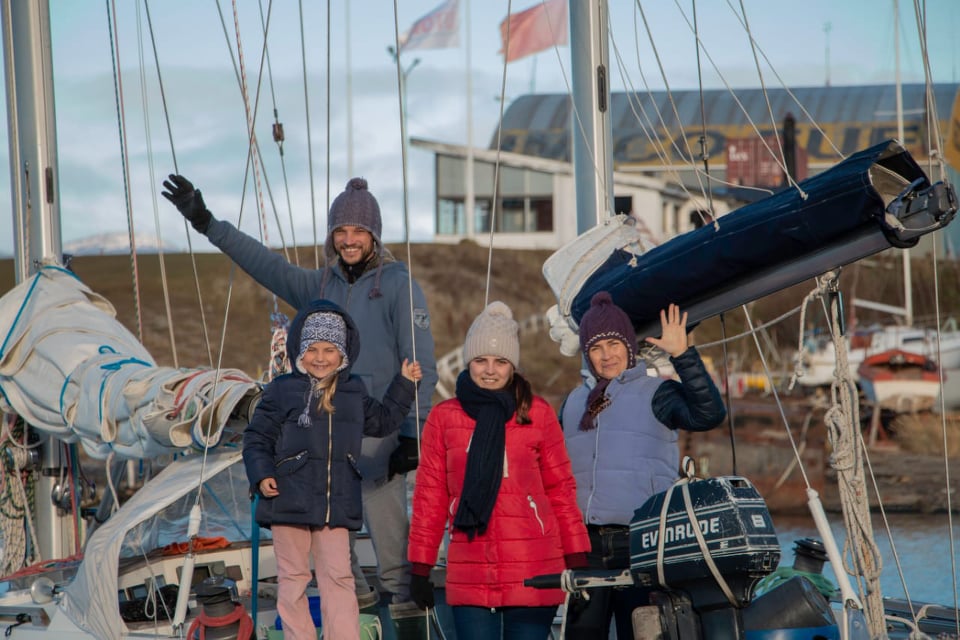
By then, the frost will have eased, and the young sailors will have attended another couple of lessons at the Cape Horn Sailing School and raced around on their new trough-style snow sledges. And we will finish writing, editing and uploading... and all cast off together, provided we do not freeze into the ice, of course.
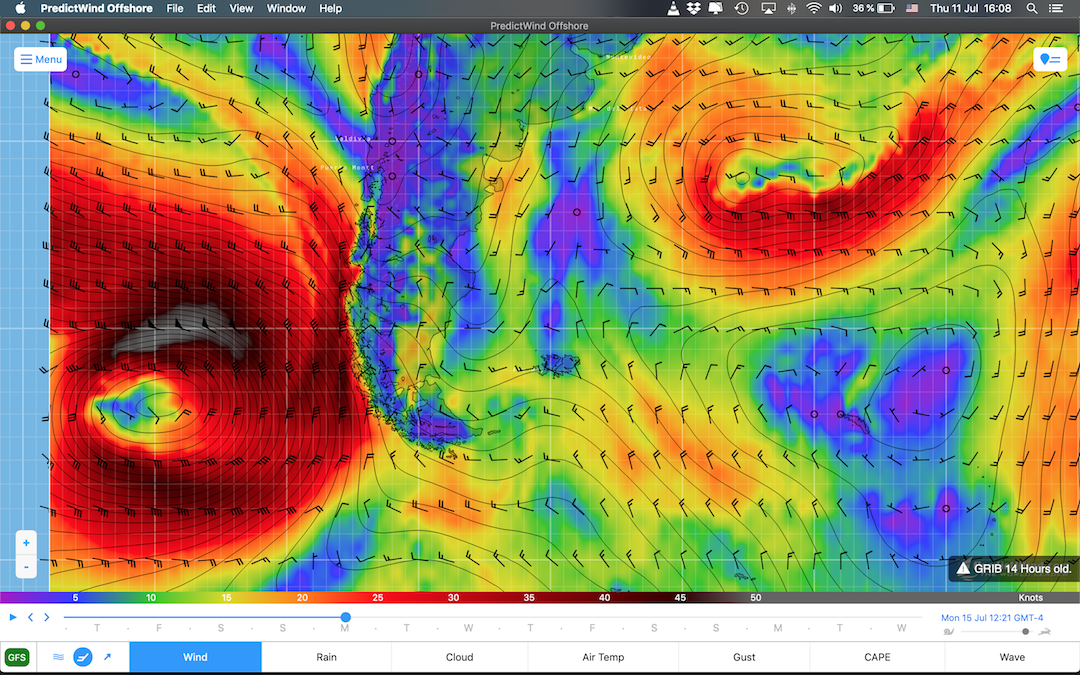
The forecast for 15 July promises a head-on Force 10 storm. We will set out westwards through the Beagle Channel as soon as the storm passes.
How we receive weather forecasts at sea— here>>
Friends, wish us luck on one of the most difficult routes of all. A year from now, we will have completed our passage past all Three Great Capes, and in a year and a half we hope to complete this round-the-world expedition.
And may God help us complete it—and help you wait for us to return!
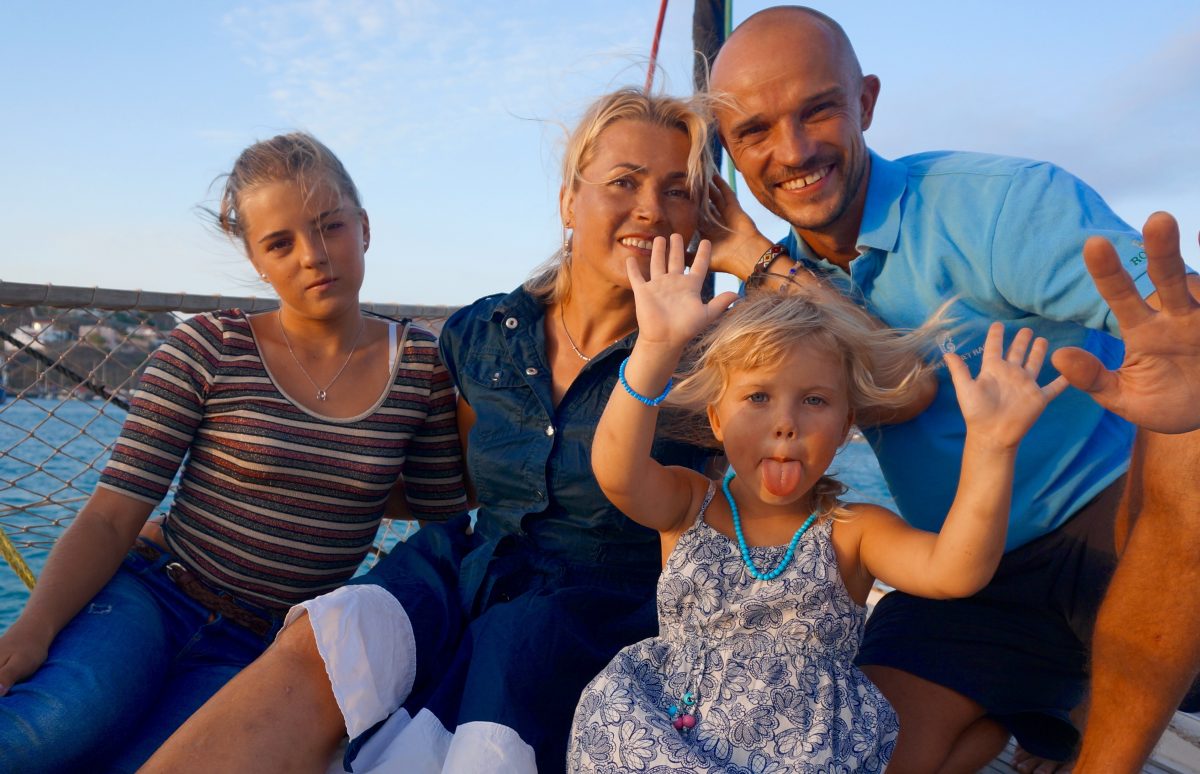
We send hugs from the edge of the world, from the very first of the Great Capes—Cape Horn. We shake the hand of everyone who is with us. How we will once again await your letters and comments when we leave behind every means of communication except satellite email! Our own shore-based HQ—our daughter Natasha—will once again forward them to us at sea. She will also publish posts on Facebook and even Instagram (Natasha, that’s more work for you—sorry, our dear).
A boomerang of kindness
The whole crew extends heartfelt thanks to our support team—you, who motivate us to create vivid reports and help fund the expedition through Paypal.me/travelyfamily and Yasobe.ru/na/travelyfamily.
Thank you, Sergey H., Dmitry B., and everyone who came before and after them.
It is very important for us to feel that we are doing something worthwhile, that our experience inspires you to achieve things and helps you conquer your fears..
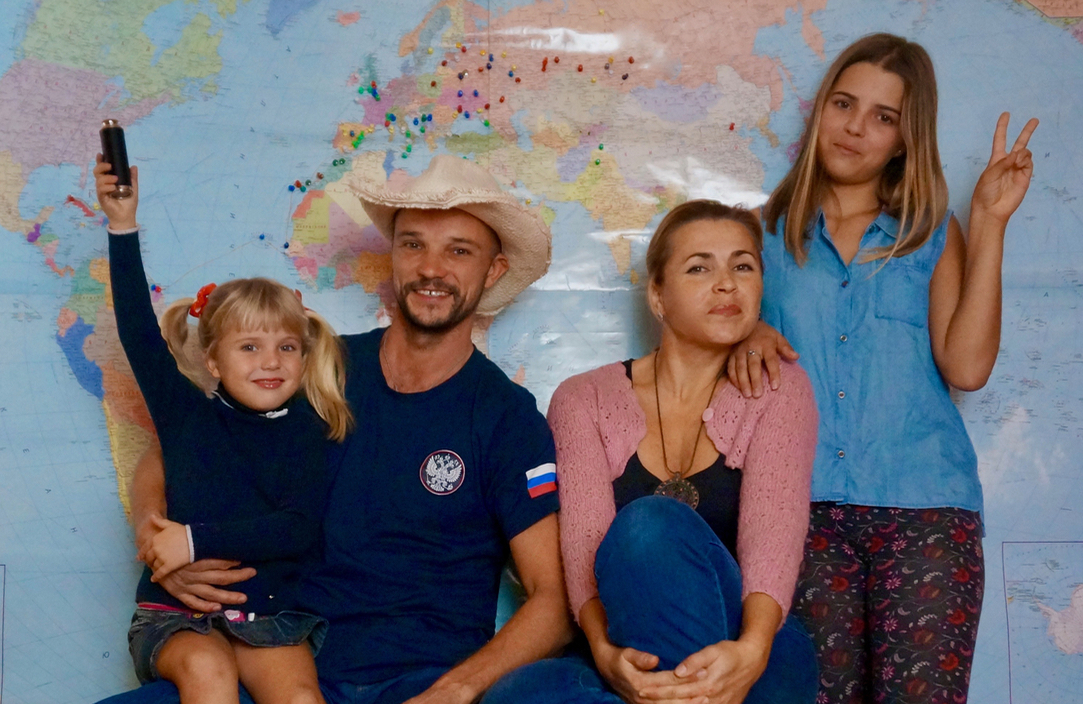
By the map in our Gingerbread House in the Altai Mountains.
How can you take part in something big without spending anything?
Be sure to share our videos on YouTube, subscribe to the channel and click “like.” It not only warms our hearts but also pushes the videos and posts higher in the search results. We have neither the budget, the time nor the internet access to promote the channel ourselves. Help us do it together! After all, doing good feels good:).
Share posts from our website and groups. Let there be more people making their dreams come true—we want to support everyone who cannot bring themselves to take that first step.
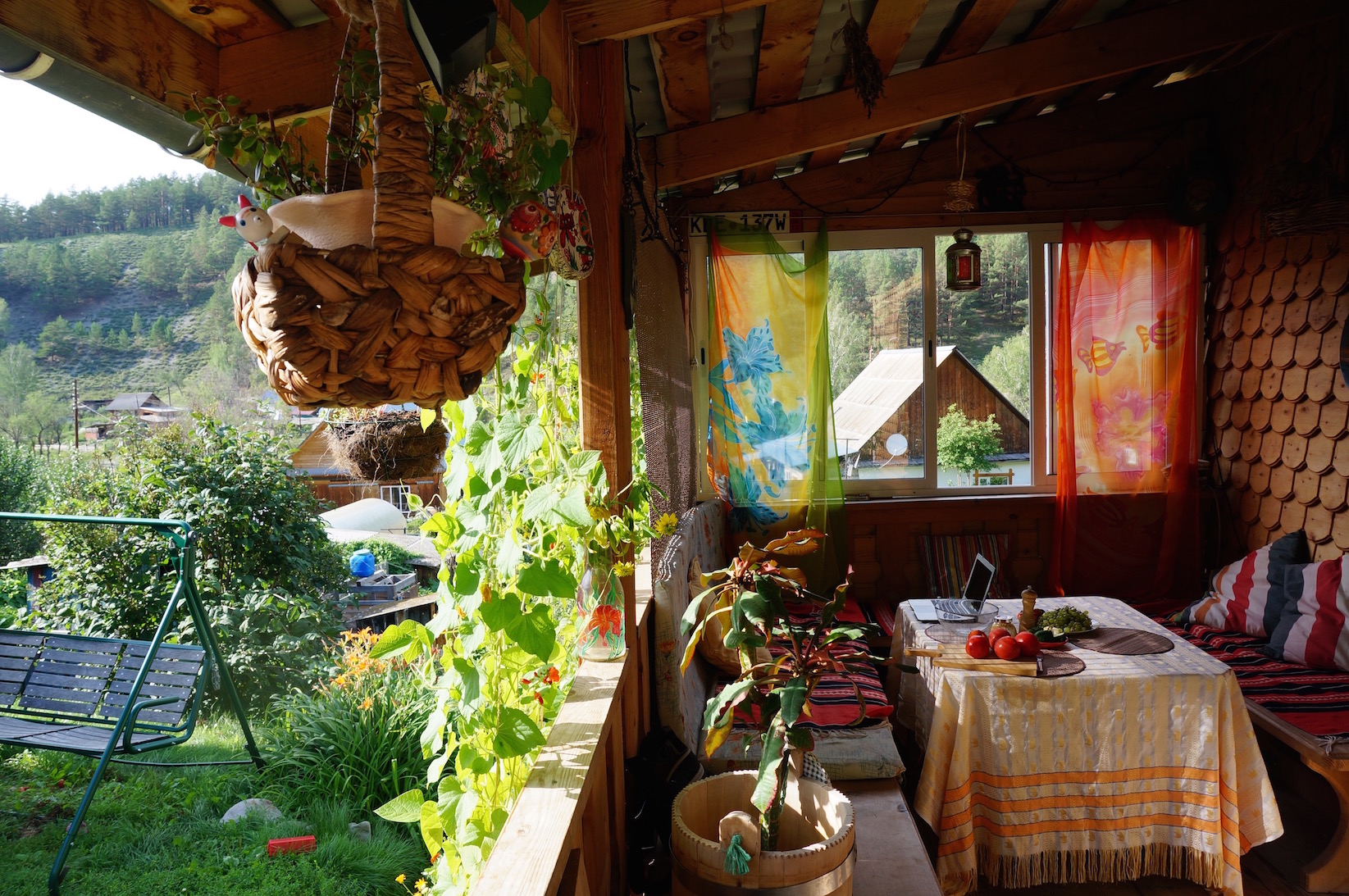
And do come and stay at our homestead, Altai Mountains: “The Gingerbread House” —it’s a wonderful place to relax.
We built the house ourselves. It is alive and warm, and all our belongings and bits and bobs are still there, along with the spirit of adventure and a charge of dream-power! And our heart.
Our Altai Mountains: The Gingerbread House. Please leave us a note in the guest book there 🙂...
Take care of yourselves.
Follow your dream. Because if not now, when? If not us, who?
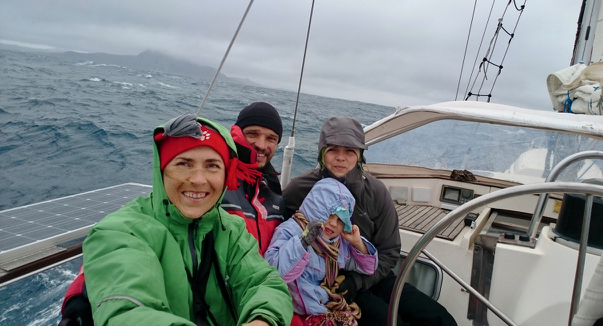
Anything is possible if you prepare for it properly.
Yours, Andrey, Marina, Nastya, Laduska and Lady Mary.
The results of the first stage of the great expedition and details of stage two will be in our upcoming reports.
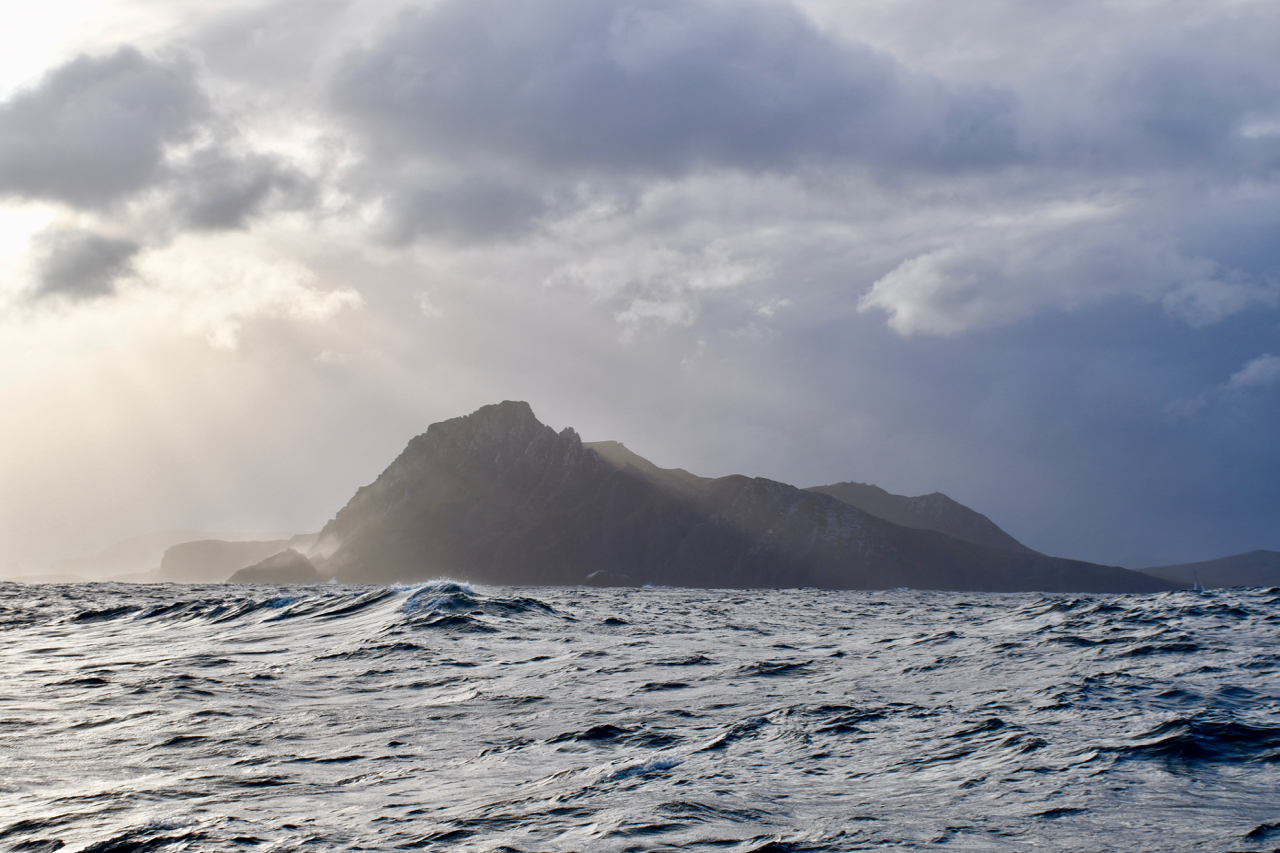
And here is the first of the Three Great Capes— Cape Horn.
Cape Horn, approaching from the Pacific side. Our second rounding, as part of the flotilla welcoming Fyodor Konyukhov Cape Horn from the Atlantic side
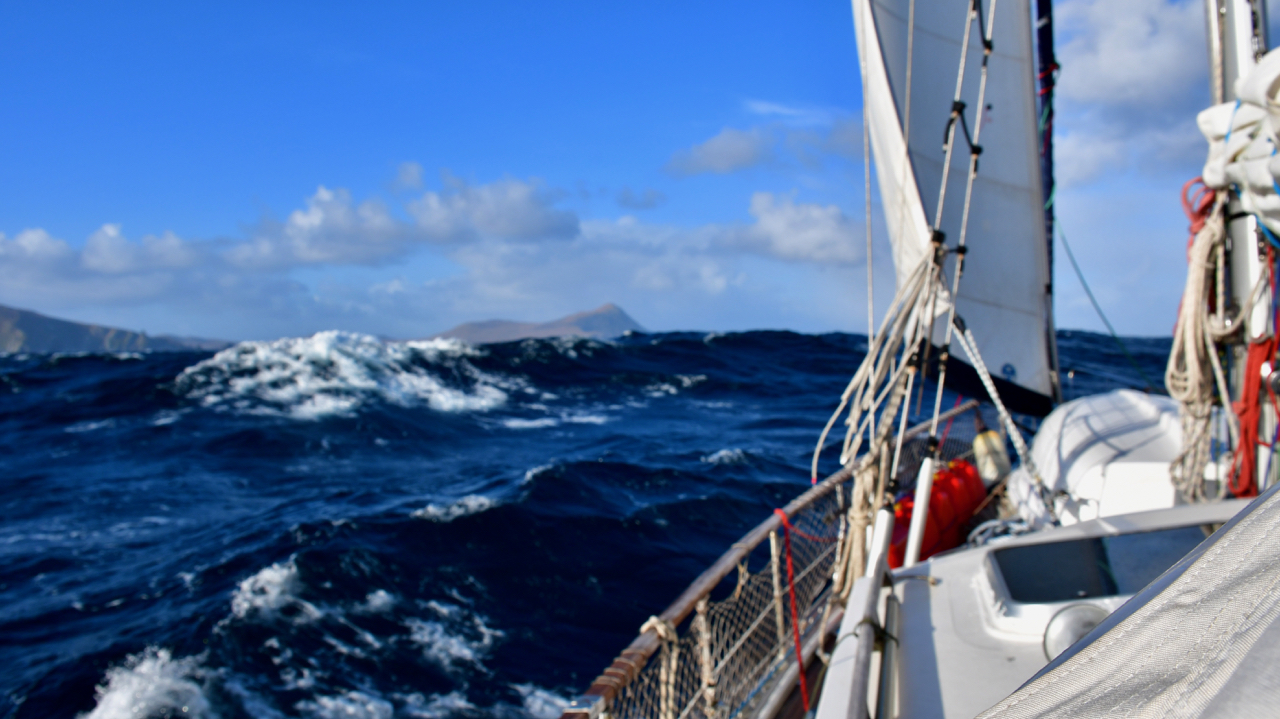
Cape Horn, our first rounding. 10 January 2019. Force 8–9 winds. Waves up to 8 metres.
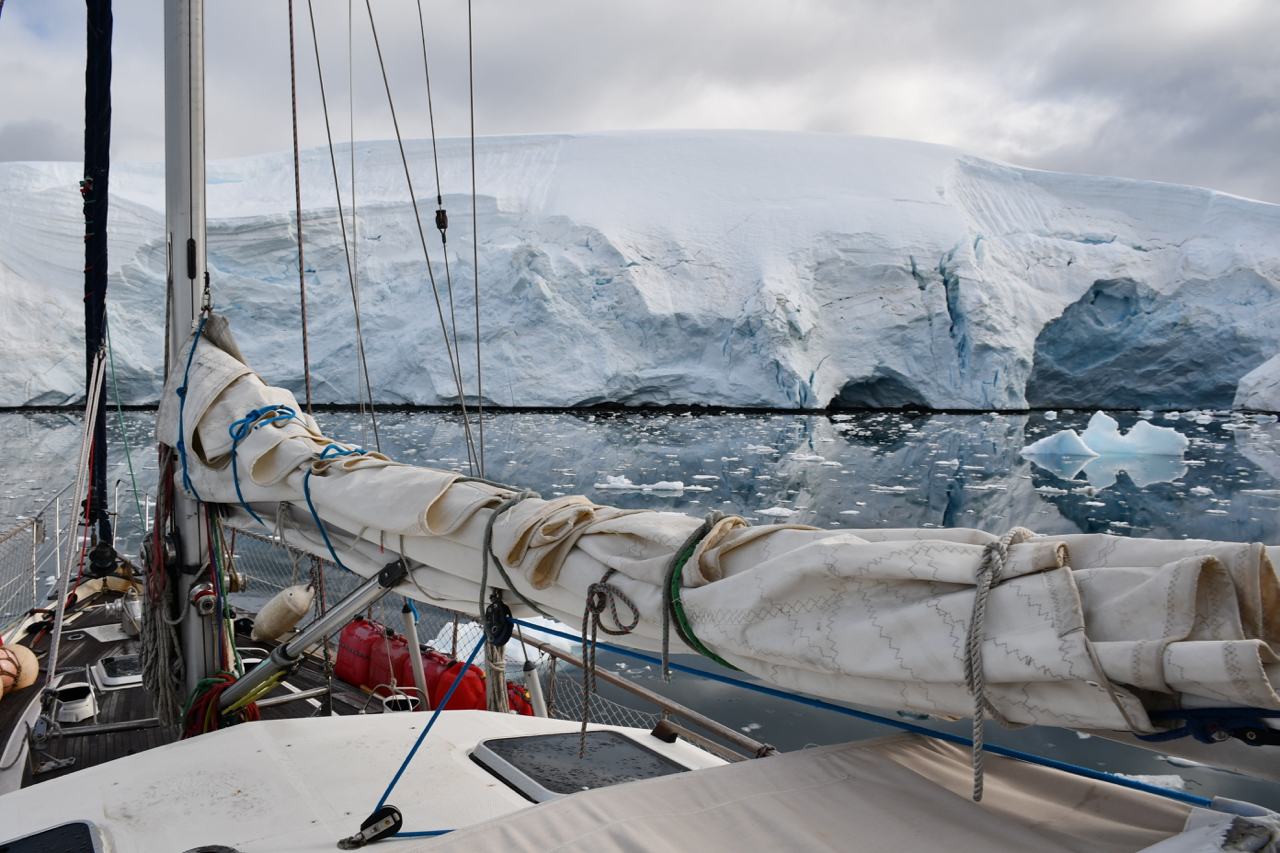
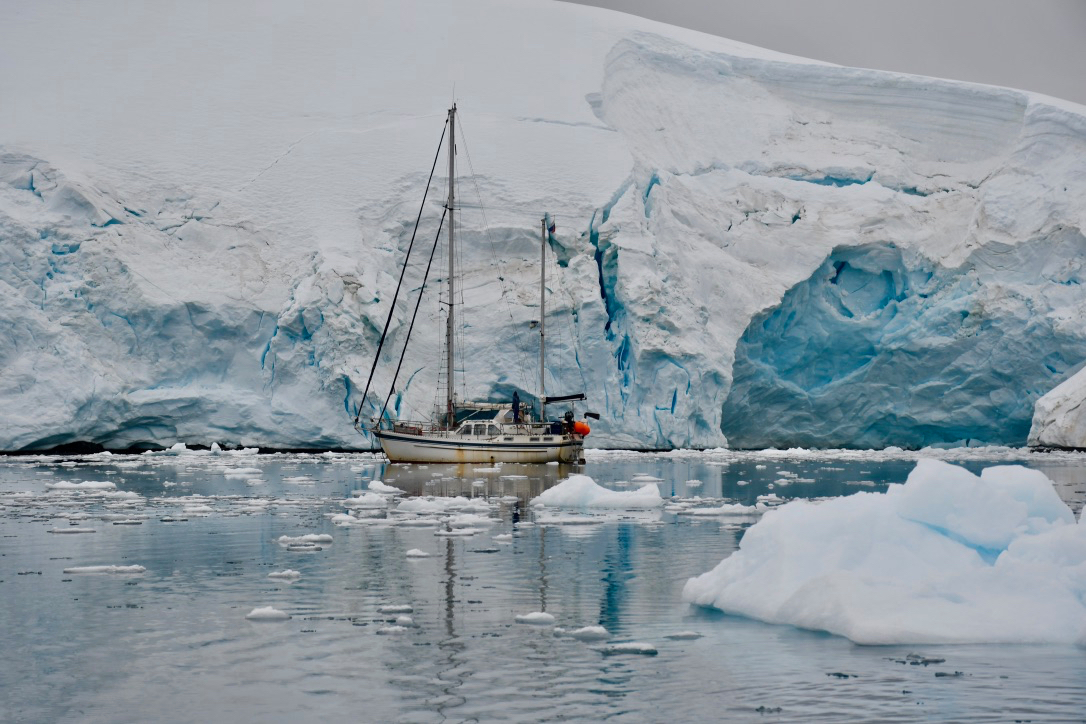
Lady Mary in Paradise Bay—the Antarctic Peninsula