
From the Travely-Family archive · Family, Children and Life Aboard
Sumatra with a Child Is Nothing to Be Afraid Of :)
An original publication from the former Travely-Family website. This English translation was preserved from the technical-site archive without editorial rewriting.
Sumatra with a child is nothing to be afraid of:). Big cities and funny transport, adventures while changing connections and relaxation in the jungle. How to get to the island of Sumatra, why you would want to, and how much it costs.
We visited the large Indonesian island of Sumatra during the years when we wintered in Thailand. To extend our Thai visa, once a month my daughter and I would travel to one of Thailand’s neighbouring countries for a week or two.
The adventure called “Sumatra with a Child” began like this:
How We Nearly Missed Our Flight
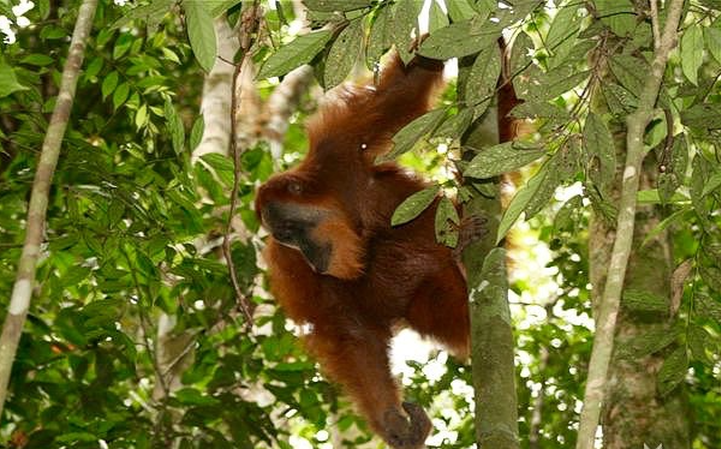
Travelling without adventures would be beneath us:). Early one morning, scooping up our half-asleep daughter, we set off to catch the Samui–Phuket bus. Somewhere around Surat Thani (just after the ferry crossing from Samui to the Malay Peninsula), we were transferred to a bus going where we needed to go. While the whole family stared out of the windows at the karst hills rising out of the jungle, something important fell off the bus, heralded by whistling and hissing. The driver and his assistant huffed and puffed alongside the bus for about an hour as they fixed the breakdown. Meanwhile, check-in for our flight had begun at the airport.
Leaping off the bus at an intersection, we used our bodies to stop the motorcycle taxis hurtling along the road and raced to catch our plane. Boarding was already under way. Our three pairs of eyes, like those of Puss in Boots in Shrek, begged the lovely airline staff for mercy. Strangely enough, AirAsia took pity on us, and we found ourselves at the gate a full five minutes before boarding closed.
The neat little white aircraft belonging to Asia’s cheapest airline touched down on Sumatra 1 hour 20 minutes later.
Medan
Sumatra’s main airport is a time machine taking you back to the stagnation era in the city of Brezhnevgrad. A concrete rectangular box with yellowish walls, battered tables, and a complete absence of service. A less-than-delighted official demands 25,000 rupiah per head to enter the country. Having paid for our visas, we spill out into the street, straight into the grasping hands of the taxi drivers:). After weeding out the greediest, we announce:
“Take us to Lenin Avenue” ).
The only advantage of the hotel on Medan’s main street is its proximity to the principal sights: the Sultan’s Palace and the Raya Mosque. The $60 room left no pleasant memories, nor did the city itself, with its hot dust, dirty walls, and two million inhabitants jostling along tiny, broken pavements.
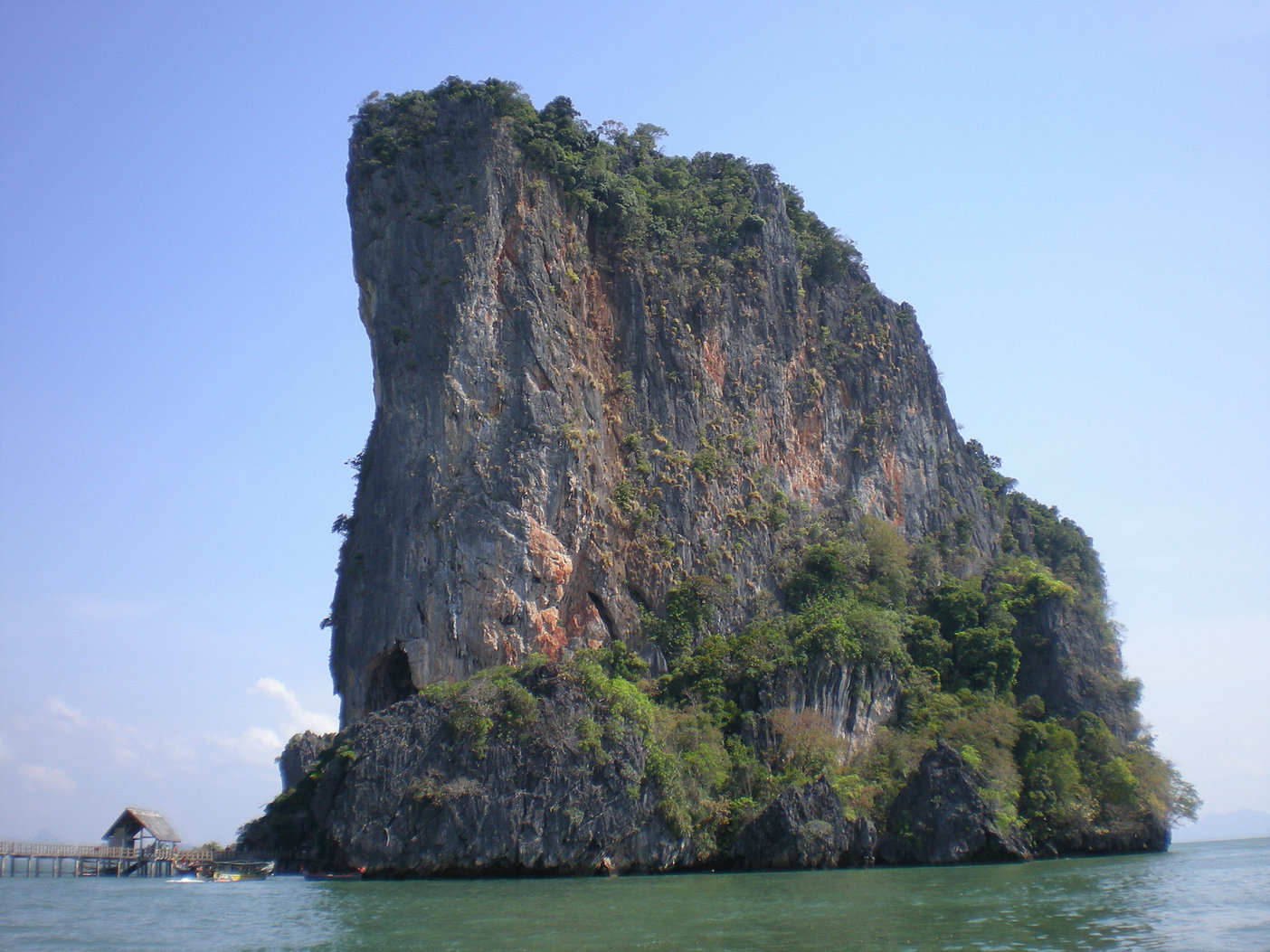
After a fleeting look at the palace and mosque, for some reason we graced a department store and a café on the main square with our presence (try explaining to a child that it is better to go hungry than to leave sights unseen. Children hold a rock-solid opinion diametrically opposed to that). The rather gloomy version of the Soviet 1980s made us smile and completely put us at ease, and after a snack of some kind of noodles, we calmly went off to bed. Early the next morning, we had to get to the station for buses to Bukit Lawang.
Transport and the Jungles of Northern Sumatra
Clutching the precious three tickets in one hand, we searched for our transport among the crowds at the grubby bus station. And when we found it, we realised that no bus we had ever seen could compare with an Indonesian one:).
Take a very old Ikarus bus, knock out the windows, board up the holes with plywood, remove the doors, and squeeze five seats into each row instead of four, and you have a Sumatran public bus. You can just about tell that the seats were once upholstered in faux leather. But our eight-year-old daughter did not believe it and flatly refused to sit down until we spread out a towel. But on the whole, Sumatra with a child is nothing to be afraid of:).
Twenty minutes after the advertised departure time, our ship of the back roads began to move (Yes, yes, it actually drove!) and carried us and a couple of dozen other lucky souls into the island’s interior.
People smoke on Indonesian buses, some passengers hang from the running board, and singers and hawkers climb aboard at the stops. All of them eagerly reach out towards the passengers, especially Europeans, hoping to exchange their songs and wares—from jewellery to food supplies—for money.
The bus makes an honest effort to conquer each hill in first gear. Then, after catching its breath at the top, it hurtles downhill, waking flocks of butterflies in the passengers’ stomachs. This continues throughout the 3.5-hour journey to Bukit Lawang, a village in the heart of the Sumatran jungle.
Bukit Lawang—the Promised Land
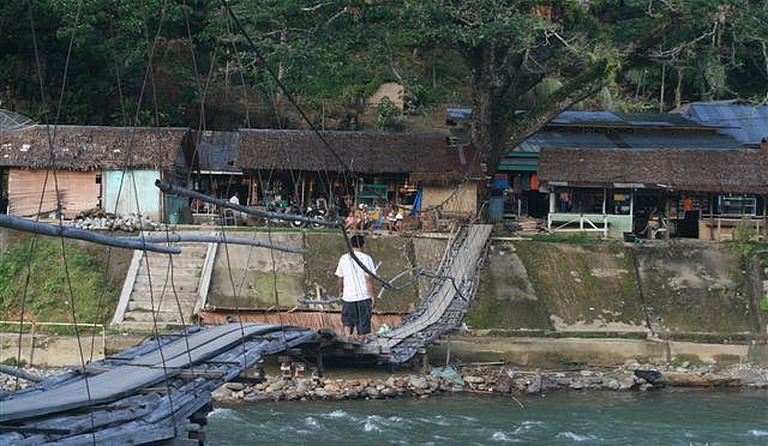
Bukit Lawang bus station is charmingly rustic and almost deserted. The path into the village looks more like a trail through the reeds. A cheerful guy in a Rasta hat tries to convince us that we simply must go into the jungle with him. We make a note of his “very best” outfit and promise to drop by. Then we set off in search of accommodation upstream along the Bohorok River.
Enormous banyan trees (the very same kind of trees where an entire tribe from the planet Pandora could live) shelter the village from the heat and give it an exotic cosiness. Houses, lanes, and various workshops all fit beneath their umbrella-like canopies. Women wash clothes, children splash about noisily, and tourists float downriver on tubes—rafts made from lashed-together inner tubes.
Tourists come to Bukit Lawang to feed orangutans in Gunung Leuser National Park, see rafflesia in bloom, and explore the caves.
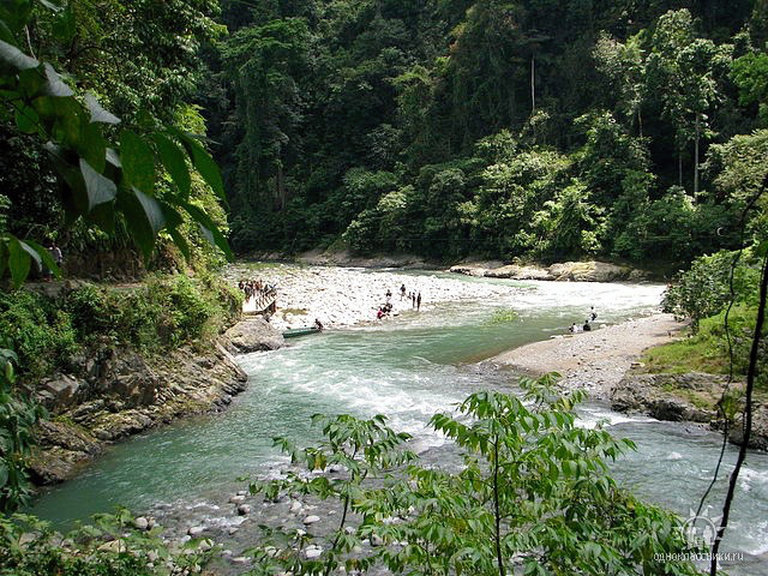
The Bohorok River at the entrance to the national park
Dinner and a Bed for the Night
The Bohorok roars, recalling the terrible flood of 2003. Back then, the village was almost completely washed away, and the raging torrent claimed hundreds of lives. Now everything has been rebuilt. Farther upstream, Bukit Lawang looks less and less like an ordinary village and increasingly takes on the warm atmosphere of a resort. Little guesthouses buried in flowers, children nimbly overtaking you on the narrow path, the smells of food cooking...
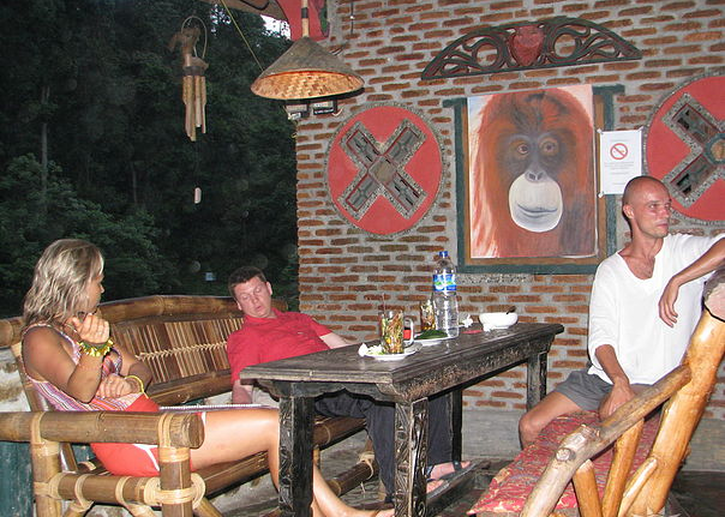
And we keep walking and walking along the path, as if we know where we are going:). And then, would you believe it, we soon find it—the home of our dreams. The Jungle Inn guesthouse awaits us right on the boundary of the national park. This colourfully decorated, authentic hotel is delightful not only for its interiors but also for its friendly young team.
It feels as though they do not work there but live alongside you, like neighbours at a creative retreat. They smile and are always ready to help, whether you pay them or not. Sweeping the paths, cooking food, or bringing it out, the guys dance and put on real performances, humming a song.... Jai holds the broom by its slender waist, leading his lady in a dance to Bob Marley. The broom performs various steps, never forgetting to sweep its hem across the floor, then gets angry with her beau over something and retreats sulkily into a corner... Laughing, we clap our hands, feeling in our very bones that standard of living and level of happiness are by no means the same thing:).
At the Jungle Inn, we unexpectedly meet a guy from Stavropol, and over dinner together we learn many details of his life and ours. After all, compatriots met at the ends of the earth very quickly become friends:).
Our Accommodation
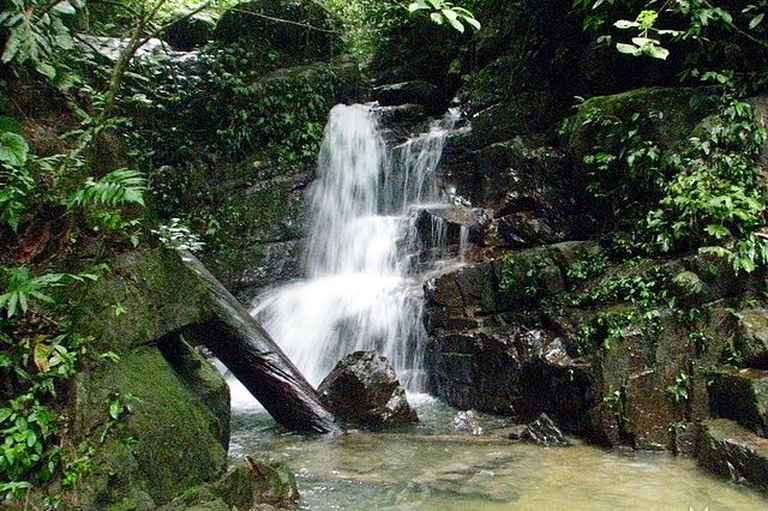
Every room at the Jungle Inn is unique and made with love. In our inexpensive room, one of the walls is formed by the rock face itself, jutting whimsically into the interior. The balcony faces the other side of the building—towards a real waterfall surrounded by dense vegetation. In this private waterfall, we showered, bathed, and enjoyed every other happiness-inducing water ritual.
This waterfall can only be reached through our room.
How to Get There
The easiest route to Sumatra starts in Phuket or Bangkok. We travelled from the island of Samui, Thailand:
Ferry from Samui to Donsak (near Surat Thani)
Bus from Donsak to Phuket.
Flight from Phuket to Medan. As luck would have it, the budget airline AirAsia was having a ticket sale. We paid 4,400 baht (4,000 roubles) for return flights from Phuket (Thailand) to Medan (Sumatra) for the three of us.
Flight from Phuket to Medan.
On board, you can buy food, drinks, and souvenirs with Thai baht or Indonesian rupiah.
A bus from Medan
(Pinang Baris station) will cost 15,000 rupiah ($1.30) if you bargain desperately and insist, “I know the price.” The journey takes 3–3.5 hours.
Travelling by sea from Phuket —to the port of Belawan in the north-northeast of Sumatra. It is a rather dirty port city. From there, take a bus to Medan and continue as described above.
Read the continuation here:
Sumatra with a Child: A Jungle Trek