
From the Travely-Family archive · Other Entries
Better This Than Drink or the Common Cold: How My Father, Sergei Sokolov, Died
An original publication from the former Travely-Family website. This English translation was preserved from the technical-site archive without editorial rewriting.
Better This Than Drink or the Common Cold: How My Father, Sergei Sokolov, Died
1 August 2004. The killer mountain K2. The Himalayas, the Karakoram Range, northern Pakistan:
“Summit calling Base! Summit calling Base! Come in!” A weak SOS signal broke through the blizzard to K2 Base Camp. Sergei Sokolov was on the radio.
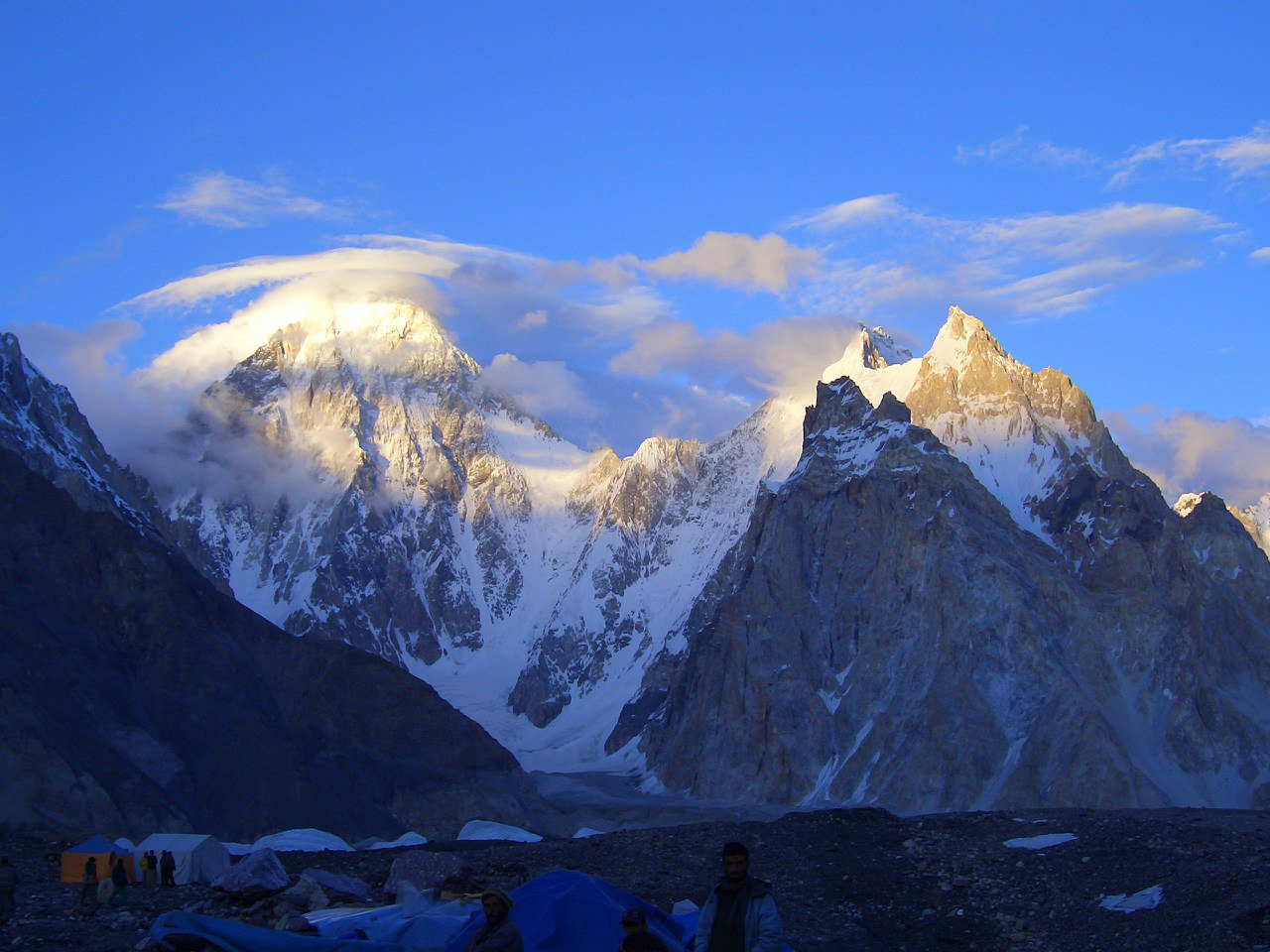
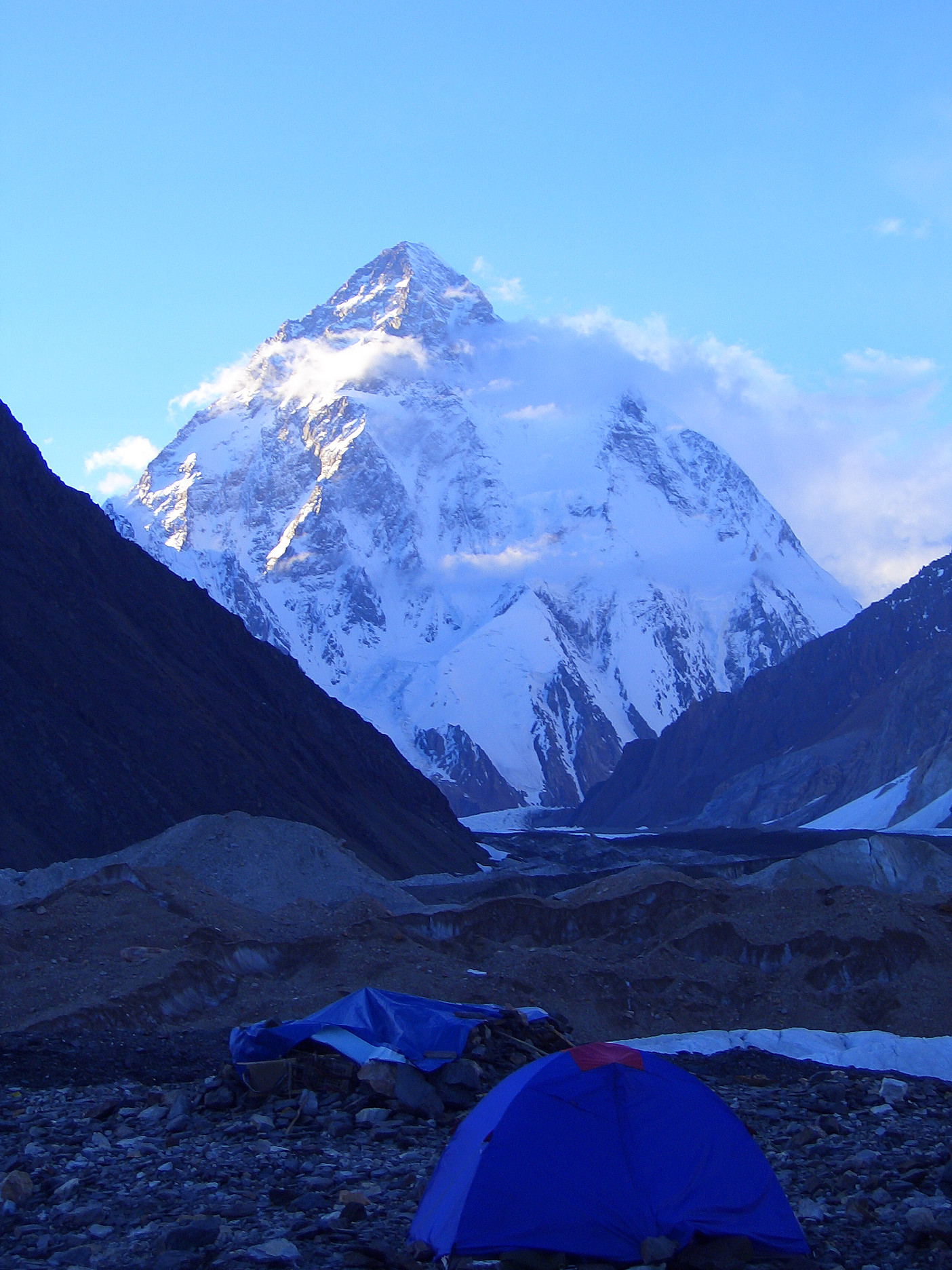
The world’s second-highest summit stands at 8,611 m. The local people call it Chogori (Big Mountain). It is the northernmost eight-thousander, with unstable and severe weather conditions. High-altitude climbers sometimes wait for months at Base Camp for a weather window long enough to make an ascent.
K2 from Concordia Camp
In 2004, an unusually large number of climbing teams and solo high-altitude climbers gathered beneath K2. They were marking the 50th anniversary of the first ascent. In 1954, the Italians Lino Lacedelli and Achille Compagnoni—members of Ardito Desio’s expedition—were the first people Chogori allowed to reach its summit.
The anniversary also brought a certain lack of organisation in monitoring those setting out on the route, as well as a so-called “pact of silence”: incidents were not reported to the outside world for several days, evidently to avoid unnecessary commotion.
1 August 2004
K2 Base Camp, 5,100 m above sea level. A storm warning had been received several days earlier. Snow was coming down in a solid wall, while hurricane-force winds tore at the tents. Almost all the climbing groups had descended to Base, either after completing their ascent or after turning back because of the bad weather.
Three had not returned: Alexander Gubaev from Kyrgyzstan, Daoud Khadem from Iran, and the Russian climber Sergei Sokolov. My father.
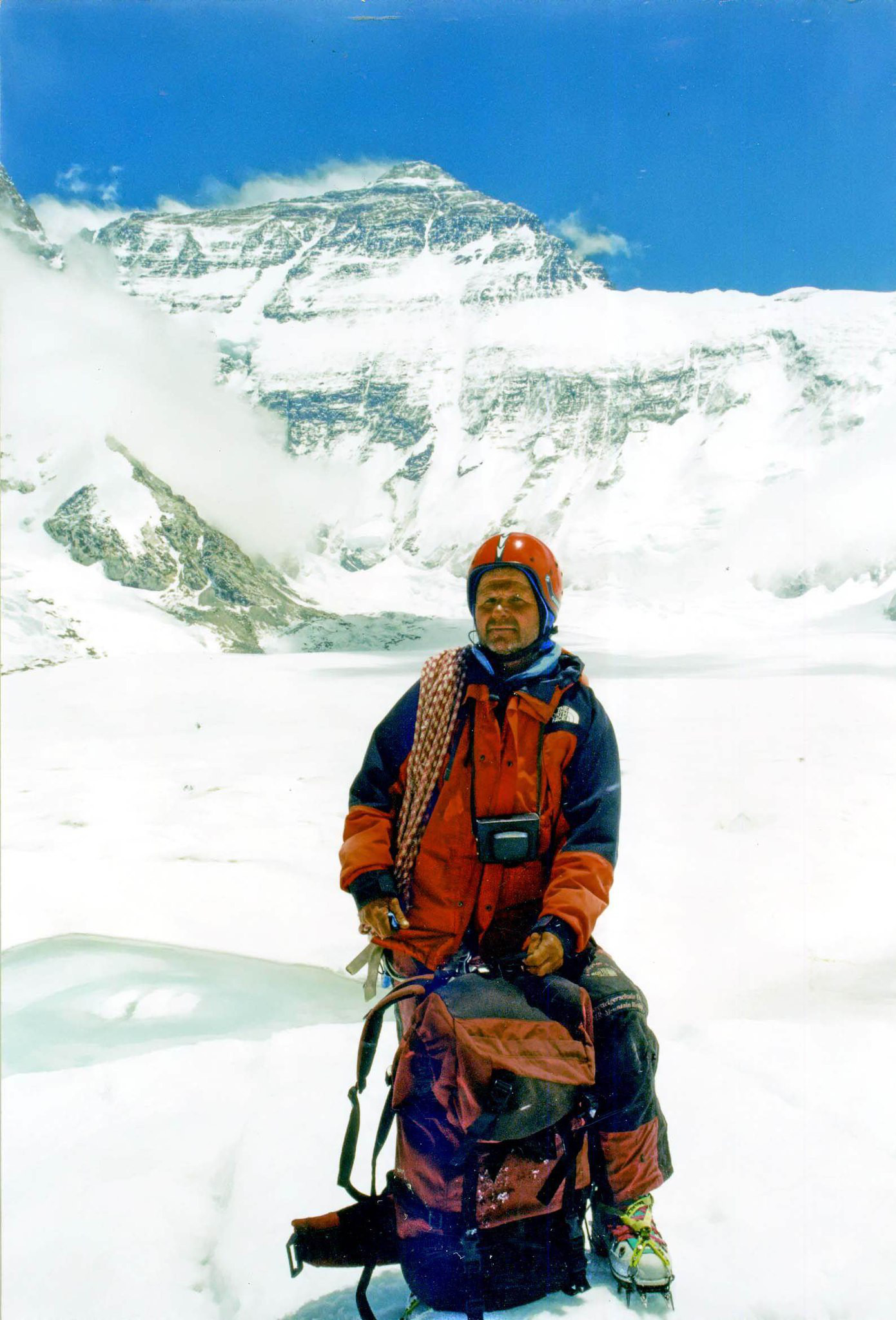
Sergei Sokolov with Everest’s North Face in the background
Alexander Gubaev set out for the summit on 28 July from Camp 4, the high camp at 7,800 m, together with Kazakh climber Vladimir Suviga. They had to make it before the storm began. They agreed to climb until 2 p.m. and then begin the descent, whether or not they had reached the summit.
Vladimir was moving faster, and on his way down, a couple of hundred metres below the summit, he met Sasha and reminded him of the time. The mountain beckoned... Just 200 metres! Gubaev continued upwards. At that altitude, so close to the cherished goal, the brain works differently, dulling the sense of danger.
Suviga descended alone to Camp 4 and was surprised to find Sergei Sokolov in his tent.
My father had not intended to climb K2. A few days earlier, he had successfully made a summit attempt on the neighbouring eight-thousander Broad Peak. But K2 was very close, only half a day away. The most difficult mountain and therefore the one most coveted by the world’s finest climbers; the killer mountain, from which almost a third of those who attempt it never return. Half a day away lay the dream my father had fallen just 400 metres short of in 1996.
“Once I’ve climbed K2, I won’t care what happens after that,” Dad used to say. And he went; he could not help but go. Too many things had fallen into place: good acclimatisation, the mountain’s incredible proximity, and several spare days.
29 July
Camp 4. Altitude 7,800 m.
On the night before his summit attempt, Sergei Sokolov did not sleep. He kept shining his headlamp towards the summit so that Sasha Gubaev could find his way down to camp by following the beam. At such extreme altitudes, the only way to survive is to lose height as quickly as possible. Every hour counts. Sasha did not return.
Besides Dad, the Iranian, and Suviga, there were also Andalusians with Sherpas (guides) in Camp 4 that night. In the morning, my father asked the Spaniards to send one of the Sherpas up with him to help Gubaev: if he had not returned, it meant he was either ill or dead.
From an interview with the Andalusian team:
“In the morning, a fair-haired climber came over to us and asked us to send Sherpas with him to the summit to rescue the man who had remained there.
“‘We’ll be lucky to get out of this hell alive ourselves,’ we replied, and advised him to descend immediately too. The man spread his hands and walked away.”
The weather was deteriorating. Everyone went down. They were right: they had to lose altitude. Sergei Sokolov and Daoud Khadem set off upwards. The summit beckoned. And there was a man to save.
1 August
At the time of the SOS signal, when all the radios had fallen silent, Sokolov’s faint voice broke through the blizzard to K2 Base Camp. Vladimir Suviga bent close to the radio and could barely make out the words:
“Daoud Khadem and I have summited K2. We are continuing our descent. We are on the Abruzzi Spur, between Camps 4 and 3, altitude 7,600. We have strayed off the route and cannot see the fixed ropes.”
“You summited?! But it’s storming here!”
“It may be storming down there where you are, but the weather up here is beautiful!” Even on the edge of the abyss, my father had not lost his ability to joke.
Suviga explained how to regain the route and which side to keep to. My father reported that, having failed to find Alexander Gubaev, he and Daoud were continuing their descent together.
And so there were two of them left. Lethal altitude, cold, and hurricane-force winds. Hours of waiting. Hope.
My father never came on the radio again..
Rescuers?
Three days later, the Catalans attempted to organise a rescue operation, but the storm drove them back. It was not until 7 August, when they caught a weather window, that four Japanese climbers reached the summit.
No trace of the missing climbers was found. The route markers were gone. Sergei Sokolov and Daoud Khadem never reached Camp 3.
We did not receive a phone call until 12 August. Eleven days after the final radio contact. When there was no hope left.
We do not know how he died, what he thought, or what he felt in the last moment of his life. Whether he knew that moment was his last. We remember him alive. Just as modest and dependable as ever, with his tremendous sense of humour and strength of will. As though those eleven years had never passed, as though he were about to walk in, thinner, his face burned raw, and say, “Well, that’s another summer survived.” And I would embrace him and stand there for a very, very long time, my face pressed against his stubbled cheek.
Epilogue...A cloud almost always hangs over the Abruzzi Spur. As though some unknown giant were smoking a pipe, wafting incense over the ashes of heroes buried for ever beneath the kilometre-high walls.
From its foot, I stare intently at the summit of Chogori, trying to drive the cloud away.... Dad, where are you, my dad?
A year after our father’s death, my sister and I reached K2 Base Camp and placed a memorial plaque at the memorial to the climbers who had died there.
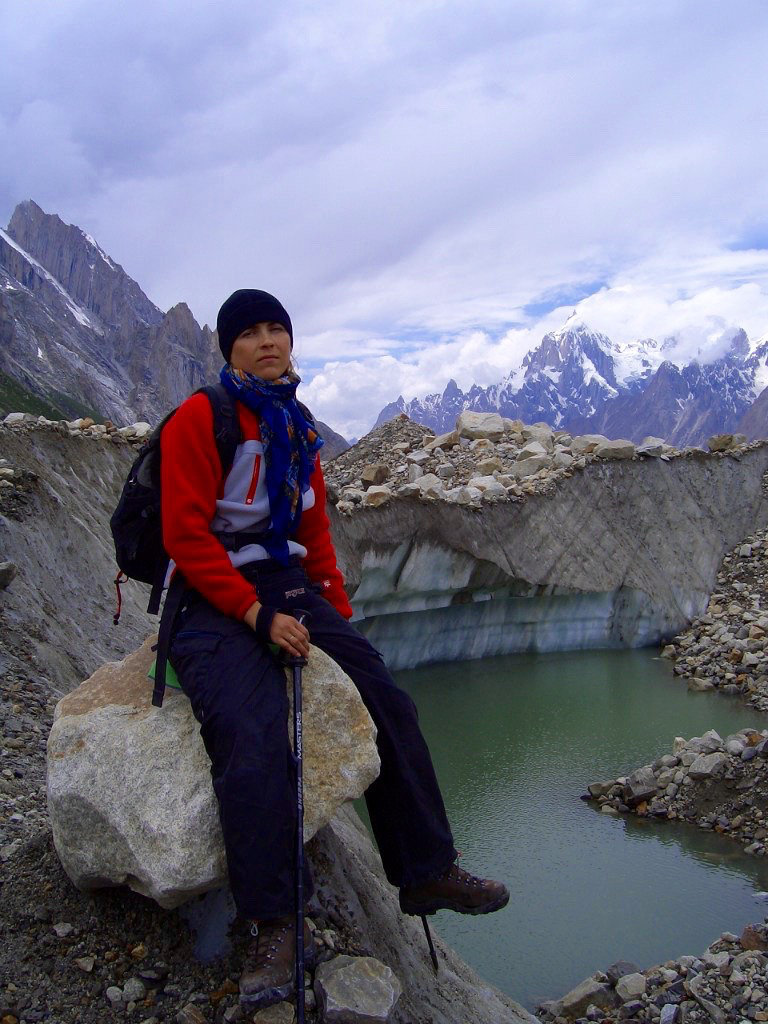
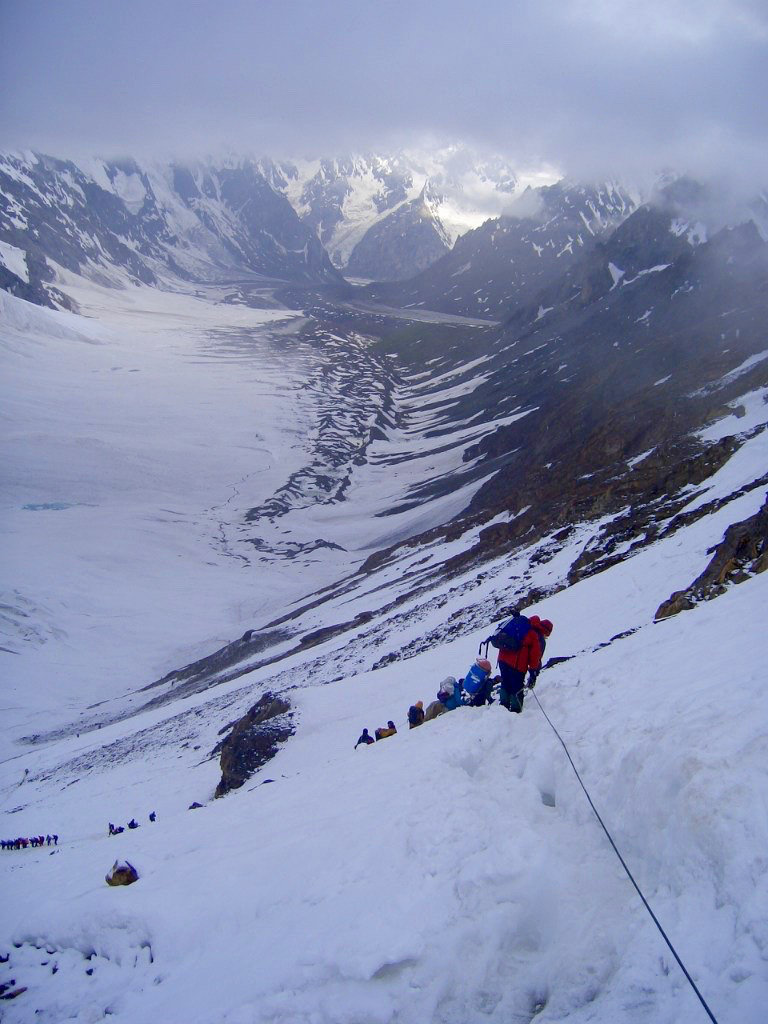
Descending from Gondogoro La, 5,800 m
Southern Urals
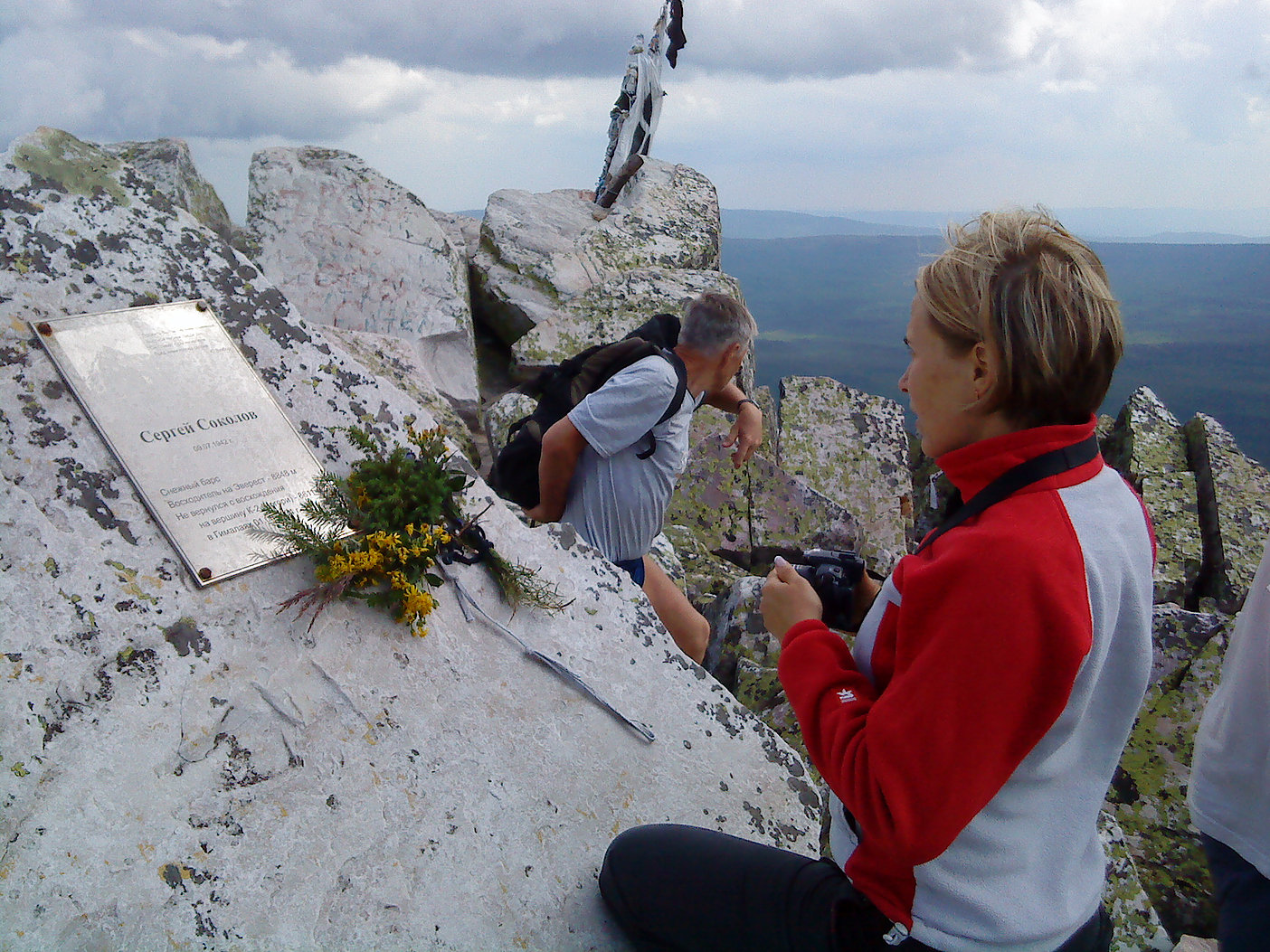
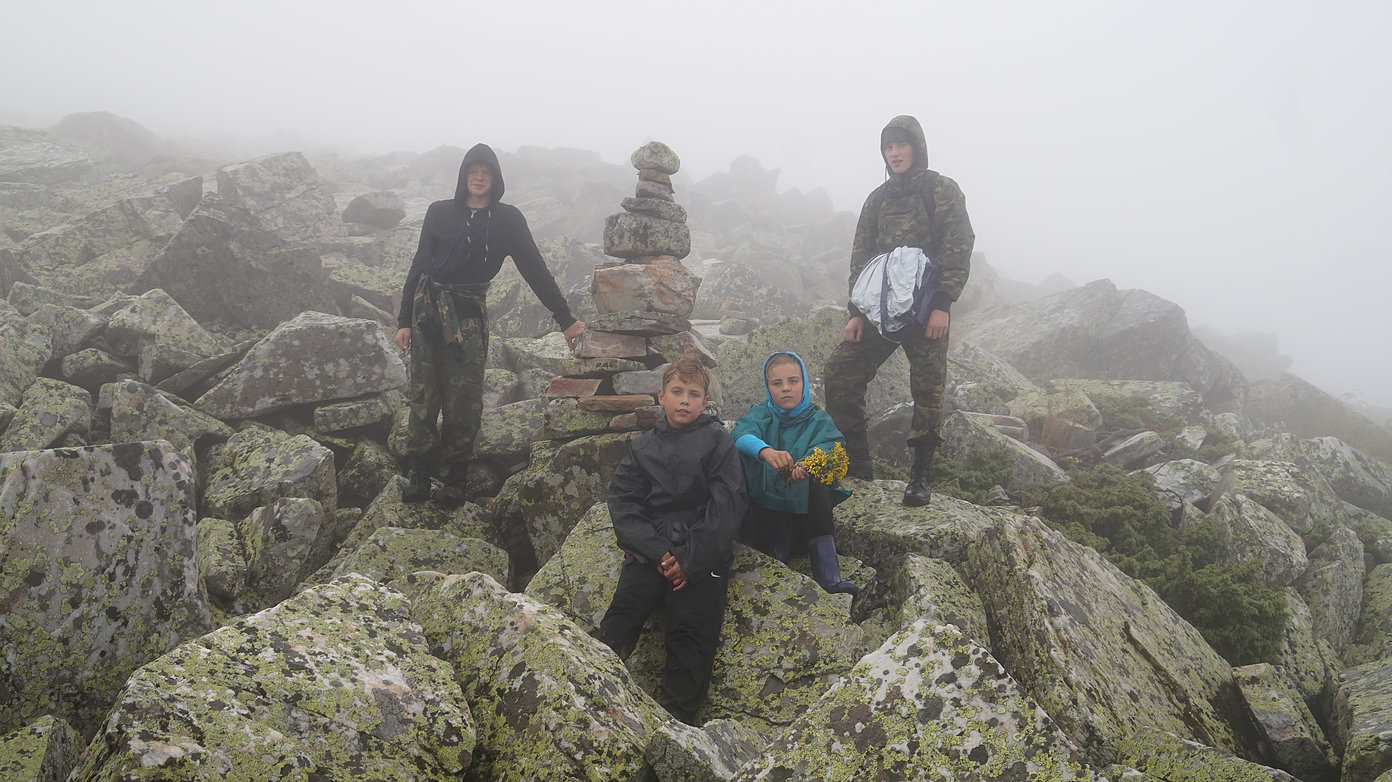
On the anniversary of the death of Sergei Sokolov, a great man and an extraordinary climber, we hike to Mount Kruglitsa, the highest point of the Taganay Range in the Southern Urals, where a memorial plaque has been erected in his honour.
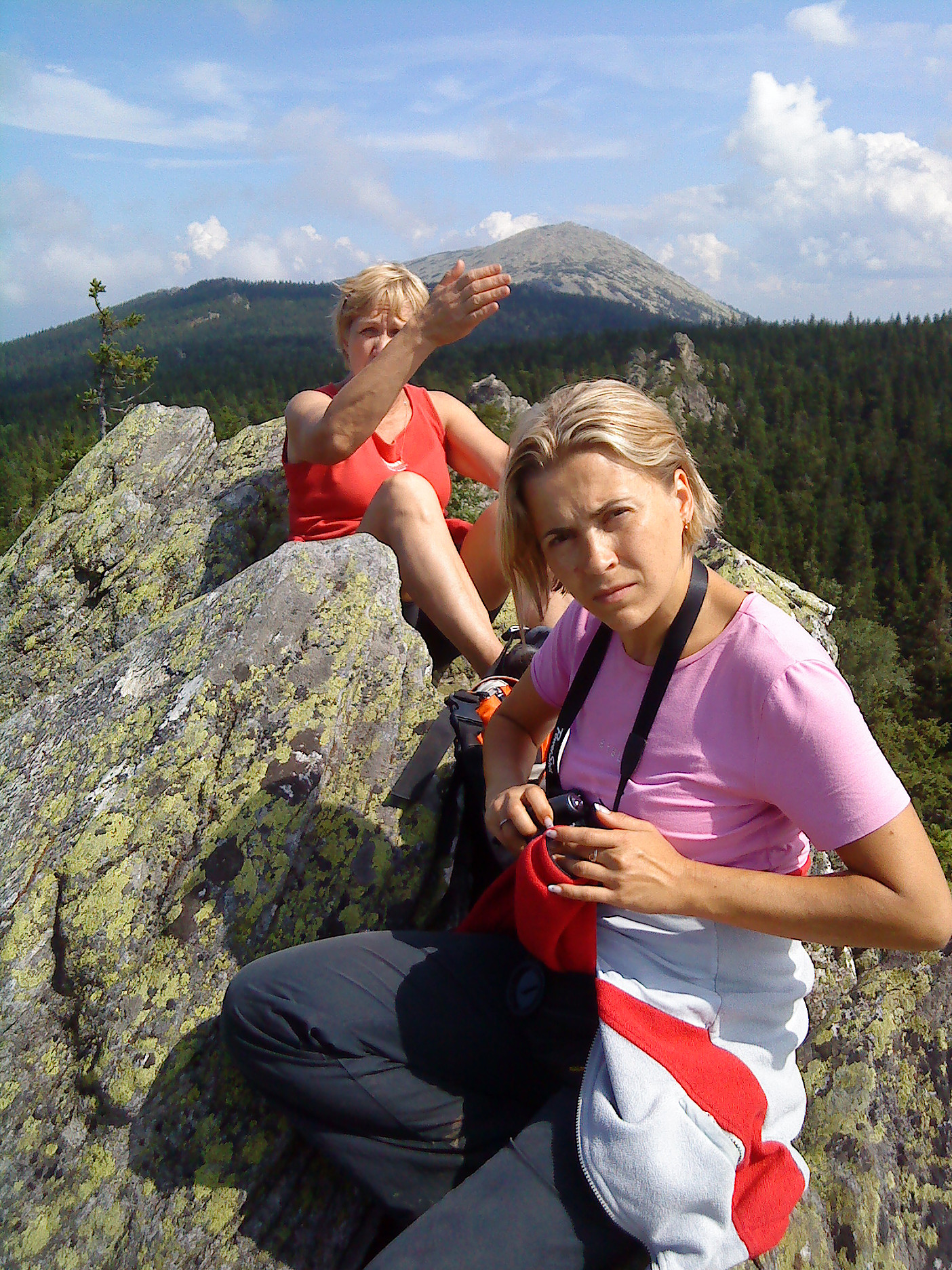
For those two days, I live my father’s dreams, spend time with his friends, breathe the damp, conifer-scented air of our native Ural Mountains, and listen to stories about what he was like—shy, strong, dependable,...
My father’s friends, just as genuine and strong in spirit, returned from Elbrus on the eve of Navy Day. Sitting on the rocks of Kruglitsa, they say, “If it hadn’t been for Seryozha, we would have given up mountaineering long ago. He still inspires us.”
Memorial plaque to Sergei Sokolov at the highest point of the Taganay Range, Southern Urals This article was published in the newspaper Zlatoustovsky Rabochy