
From the Travely-Family archive · Atlantic
From the Yacht to the Altai Mountains via Morocco
An original publication from the former Travely-Family website. This English translation was preserved from the technical-site archive without editorial rewriting.
From the Yacht to the Altai Mountains
Agadir–Marrakesh
After giving both masts, jutting sadly into the African sky, a final hug, the crew of Lady Mary went ashore.
The evening before, we had ordered a car at the marina. And now, the next morning, we were making our way towards it, dragging bags of travel gear and food behind us, a doll, a painting, a basket, a cardboard box and... well, you get the picture.
The car turned out to be very beautiful. And comfortable. Except it had no air conditioning.
“There isn’t another one.”
“But... um... what about the heat?”
“It’s all right, you’ll get used to it.”
We had 750 versts to get used to it, with the temperature still at +45. So the captain went off in search of another iron steed.
Agadir
Agadir is perhaps the dirtiest of all the cities we have seen, despite its “many kilometres of beautiful beaches.” Above the marina and seafront begins a city of dusty roads and green parks. Holidaymakers come to picnic in the parks and, as they eat, artfully scatter around themselves everything their food was wrapped in. Children and adults recline on the grass amid these heaps. And everyone thinks it looks lovely.
The road out of the city and the approaches to other cities in Morocco confirmed our impression that, as a general rule, dropping rubbish right where it is produced is something of a national trait. For a couple of kilometres before and after a city, the sparse woodland looks as though it has been decked out for New Year: plastic bags of every colour flutter from the trees, while bottles lie like whitish patches in the grass. For some reason, though, there is less rubbish farther north.
Yet around poor villages of mud-brick huts there is none of this abundance of “decorations,” evidently because the inhabitants are poor. Subsistence farming and barter give villagers what city dwellers no longer have—their former clean world from the “pre-plastic” era.
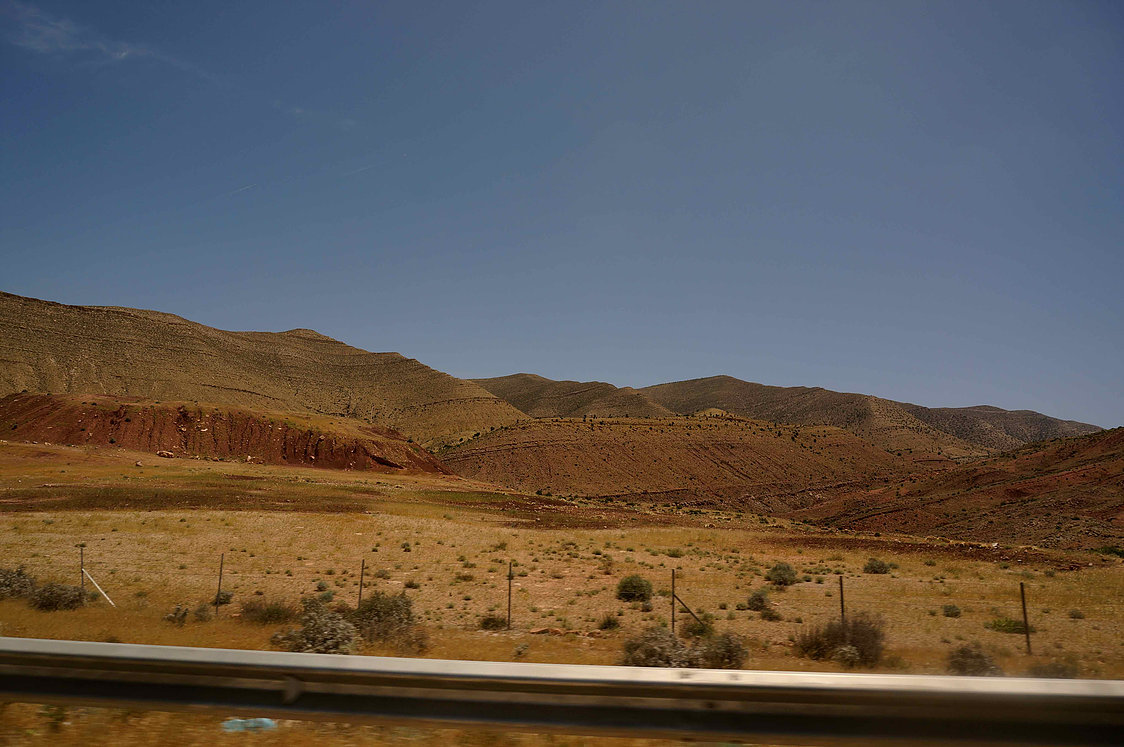
Immediately after Agadir, pink hills began, and even mountains, wooded here and there. To be honest, we had expected Morocco to be nothing but the Sahara. It seems that from afar the country is imagined as a yellow desert, just as, from Europe, Siberia looks like the pole of cold, with bears roaming its city streets. Yet Morocco has coniferous forests and even ski resorts that operate for five months of the year.
The pink mountains gave way to foothills of the same colour and chameleon-like villages. Fences, houses, sheds, ancient fortresses—everything is made of pink clay. Even in more modern settlements, people are so accustomed to the colour pink that they paint their concrete houses pink as well. It is a pity we never got to see a sunset against this backdrop, itself the colour of the evening glow.
Marrakesh
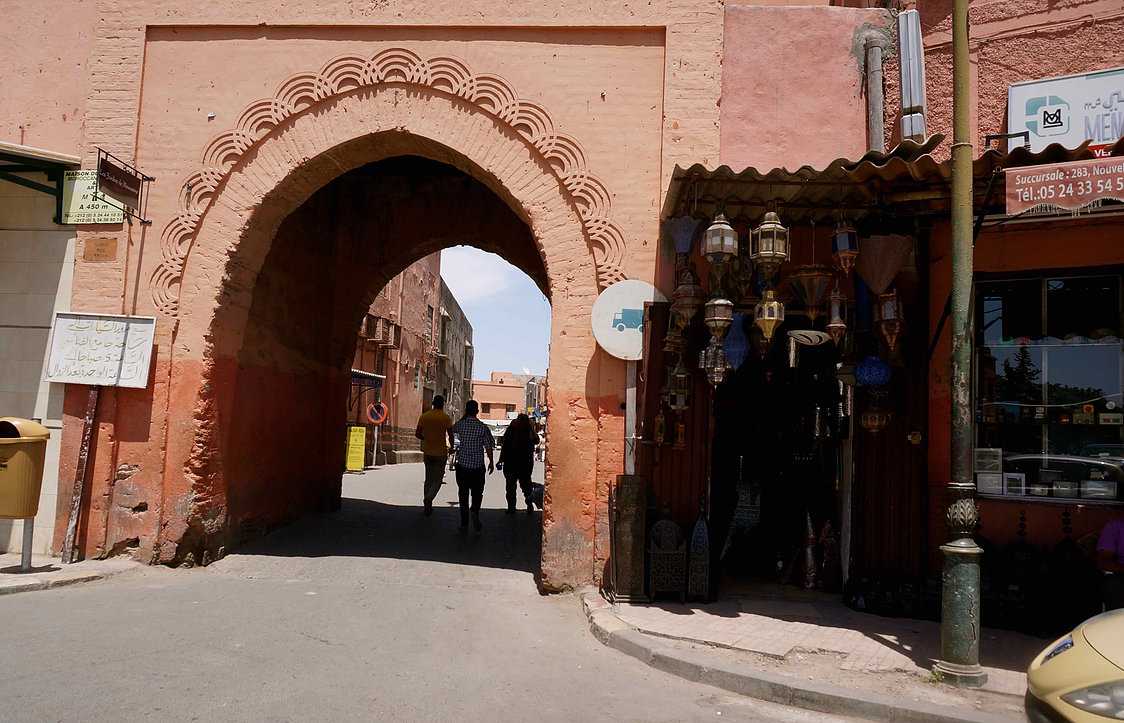
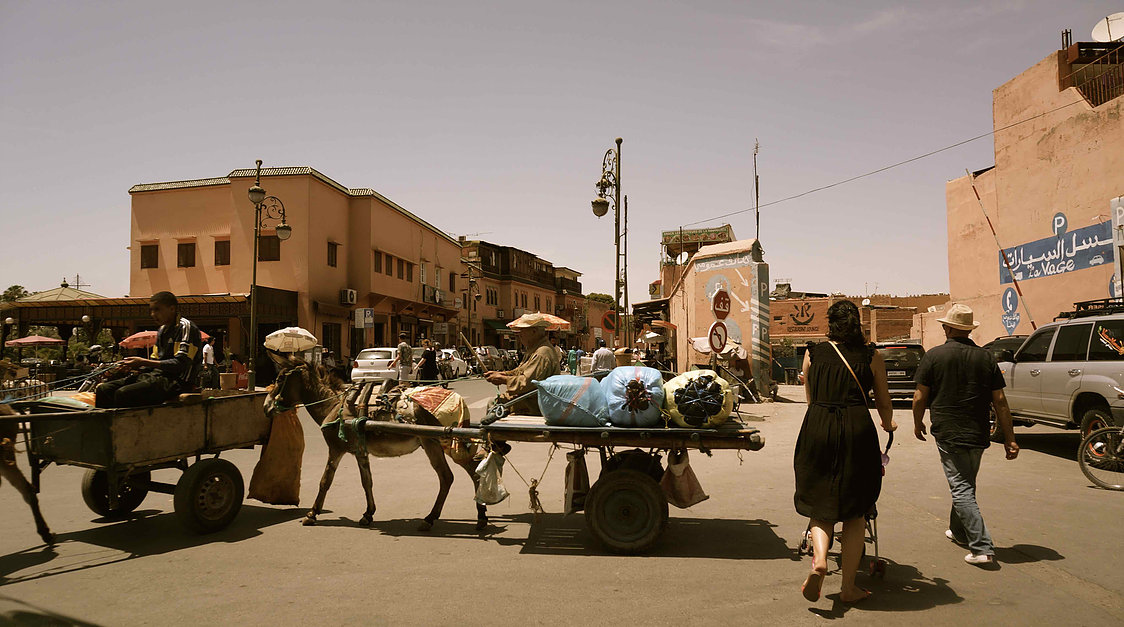
In Marrakesh, the city of rosy dreams, dark greenery beautifully sets off the walls of fortresses and other buildings. Buses, tourists, mules and cars graze along the roads.
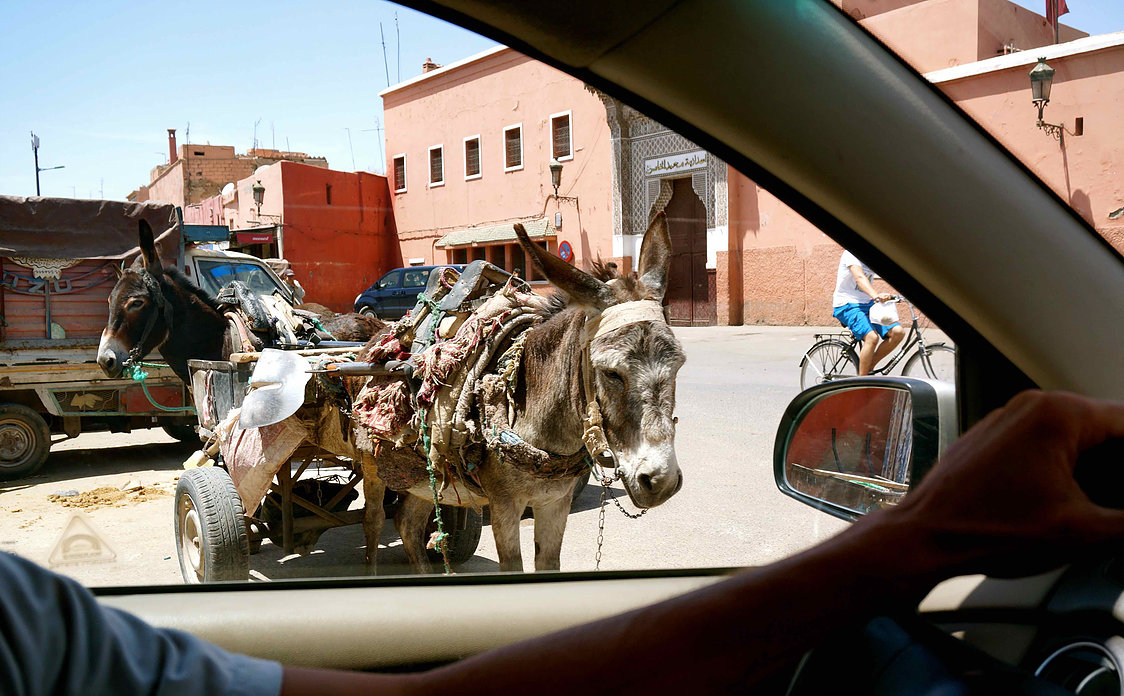
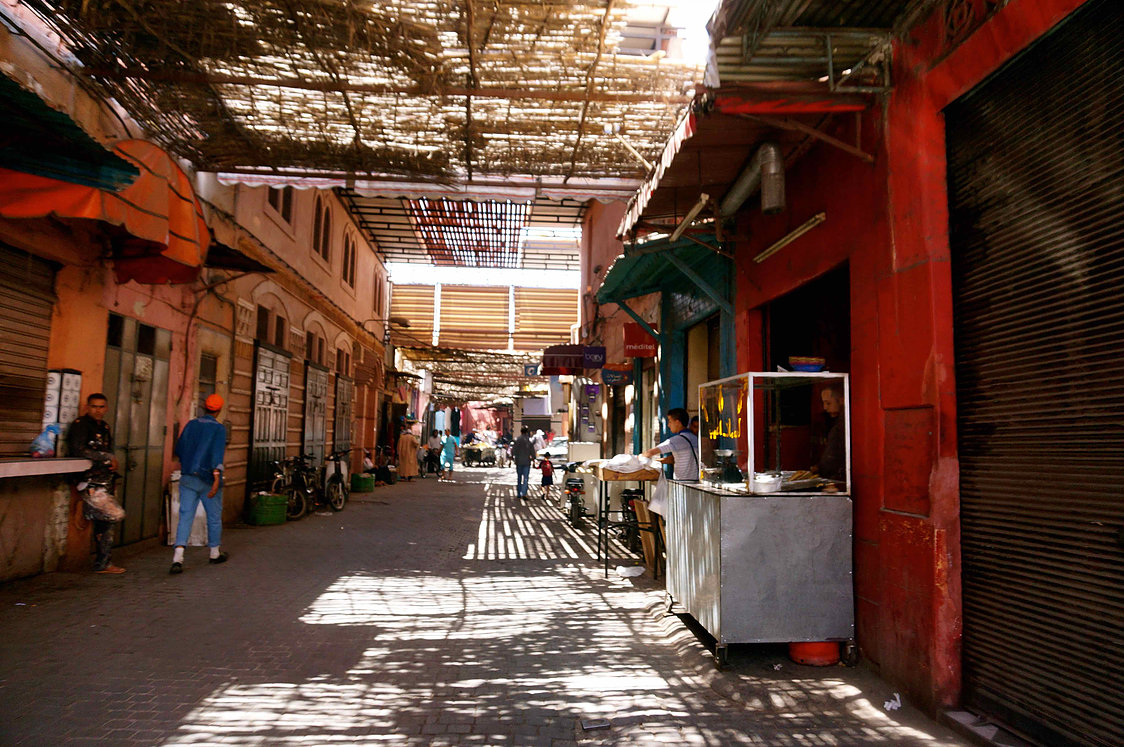
We burrowed so deep into the old city that no one but donkeys and taxi drivers ventured there. Naturally, the strange Russians in a car were turned back from the heart of Marrakesh’s medina—the old city—not by the cops, but by... apricot sellers, who had set up their stalls among the other merchants right in the narrow street, beneath some sort of reed canopy. A young descendant of Hodja Nasreddin tapped on the window:
“Don’t go this way, go that way!”
We began the manoeuvre known as “turning around in two square metres.” The lords of the apricots looked surprised.
“Come on, come on!” they urged, waving us on. I smiled apologetically, while Hodja Nasreddin winked at me, seizing the moment while our helmsman was looking in the rear-view mirror.
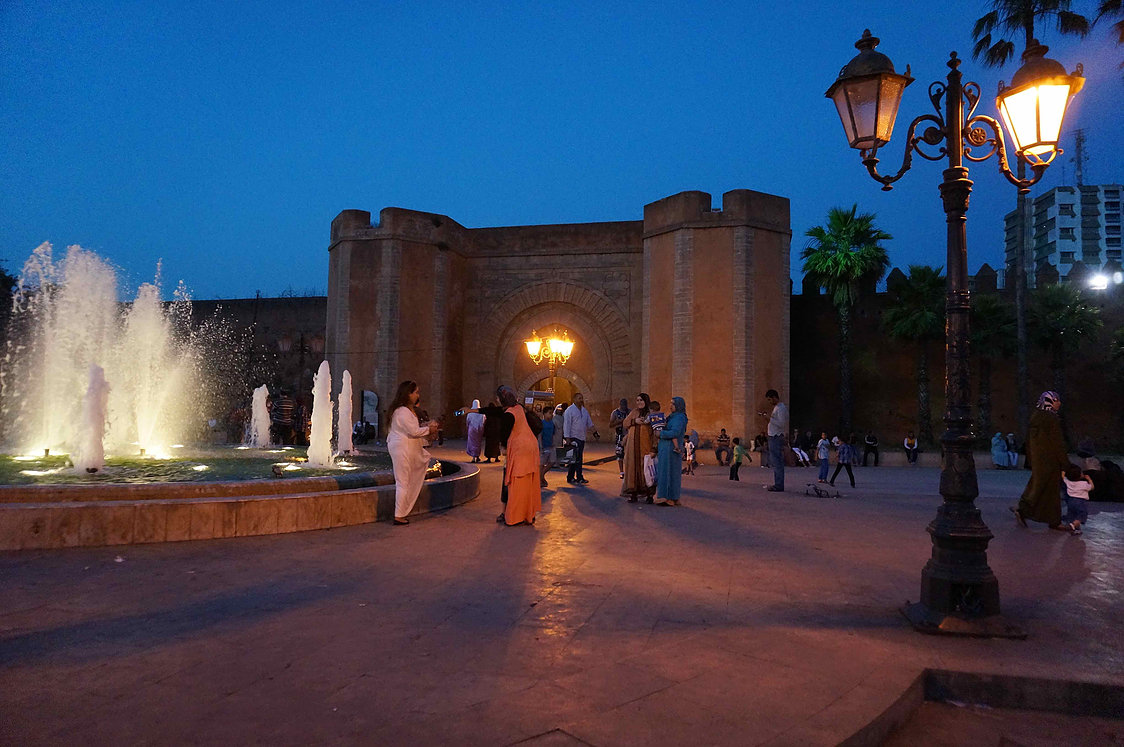
Deciding against a walk in the 45-degree heat, we headed for Rabat...
To be continued— Moroccan Transit. The City of Fez. Another Cinderella Story.