
From the Travely-Family archive · Other Entries
A Month and a Half in Tasmania
An original publication from the former Travely-Family website. This English translation was preserved from the technical-site archive without editorial rewriting.
Where we disappeared to from the website, and what happened in the meantime
It has been a month and a half since we arrived in southern Tasmania. Yet the website is still silent, not bursting with incredible stories and beautiful photos. That is because, firstly, uploading material to the website is much more of a hassle than posting it on social media (so there is plenty of everything on our social media, especially on Instagram).
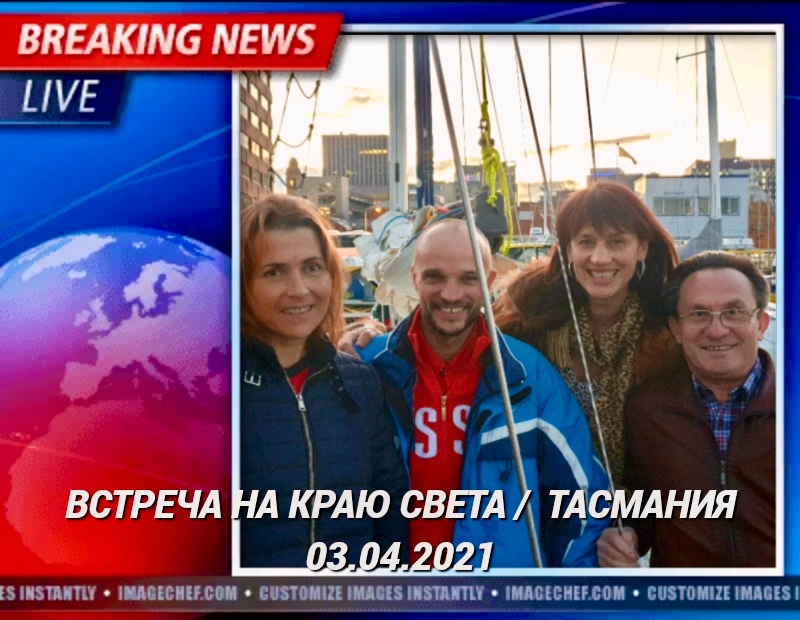
And secondly, sometimes you just want to live—without a video camera, without churning out posts and stories. True, after a couple of days of such a life, you are overcome by the feeling that you have not done your homework. And off you run to make a post about whatever is topical. Or to write a book. The deadline is in a month. Yes, by the way, we are accepting applications via direct message for a motivational book about the incredible transformation of an ordinary family into polar explorers 🙂 The marina in the town of Kettering, Tasmania
Arrival in Tasmania
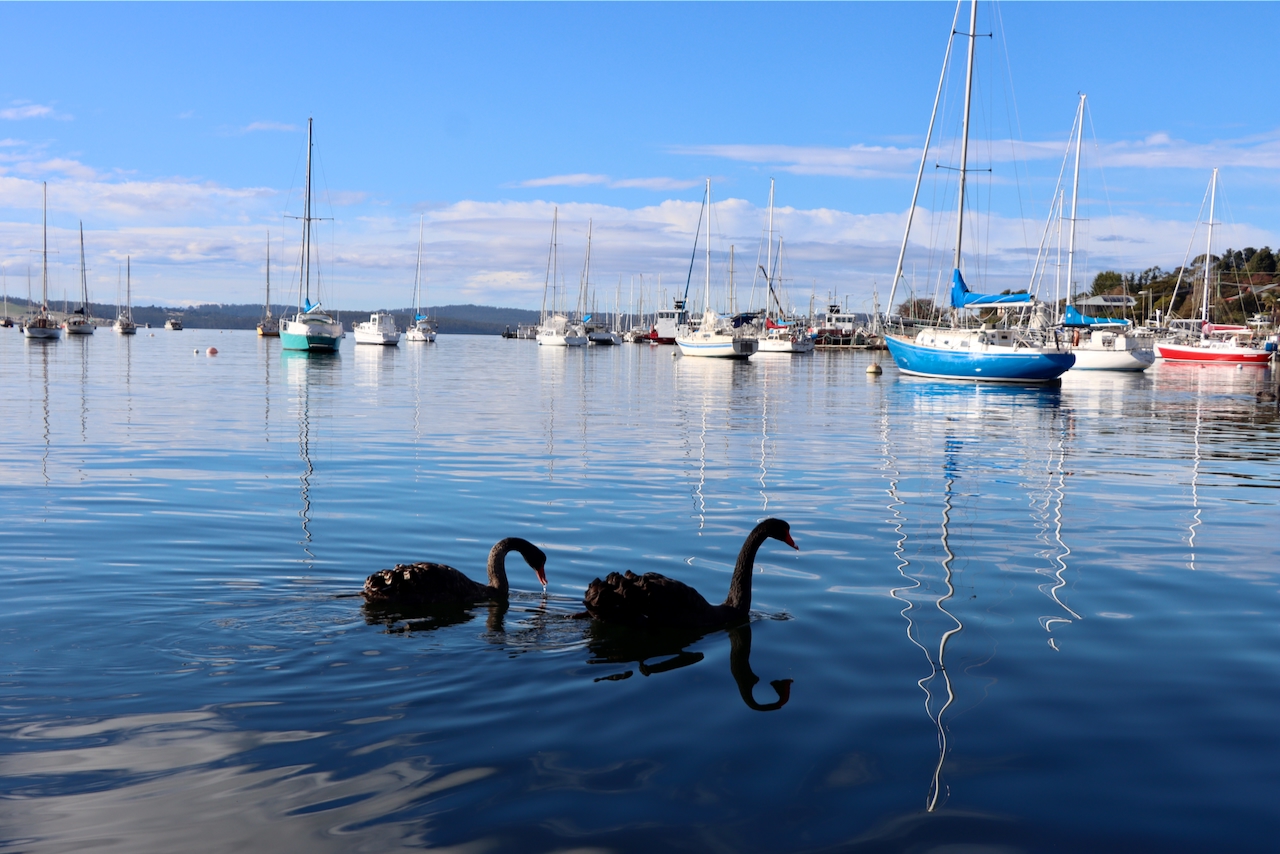
So, we arrived at the marina in the town of Kettering in southeastern Tasmania with several things broken. While we were still on our way, Andrey got in touch with a friend named Paul, captain of the yacht Macquarie, whom we had befriended two years earlier in Tierra del Fuego. Paul, his wife Christina, and their two daughters—one a little older than Lada and the other a little younger—sailed their yacht from France through the Northwest Passage (above Canada) into the Pacific Ocean, then down to Tierra del Fuego along the west coast of the Americas. We met in the Chilean town of Puerto Williams. From there, we left for Ushuaia and Antarctica, while they headed to Australia via Easter Island and Polynesia.
Lady Mary had barely tied up at the visitors’ pontoon when Paul appeared with a trolley. It held three new batteries. It turned out that Paul had quickly found and bought them at our captain’s request. We then spent the whole month receiving parcels of spare parts. Among them were a new heater and a wind generator, a radio receiver, and an exhaust pipe for the heater. Later, a fuel-pump gasket and various small items arrived. Andrey methodically repaired and installed all of it.
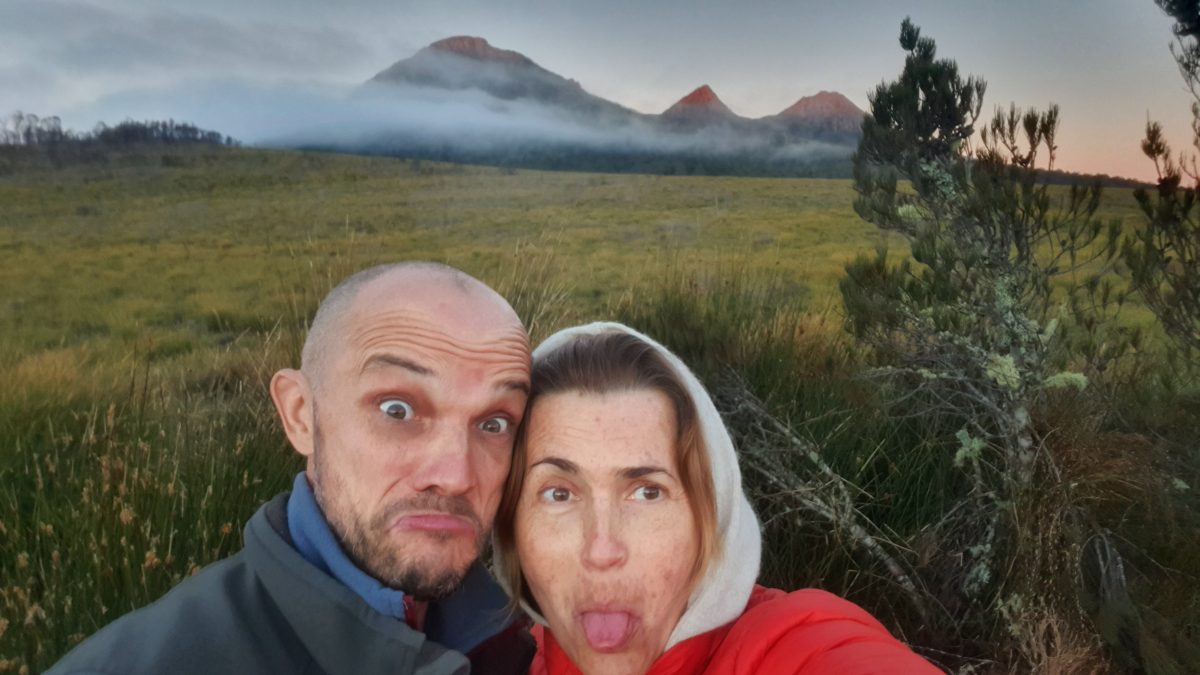
The results of a month and a half in Tasmania
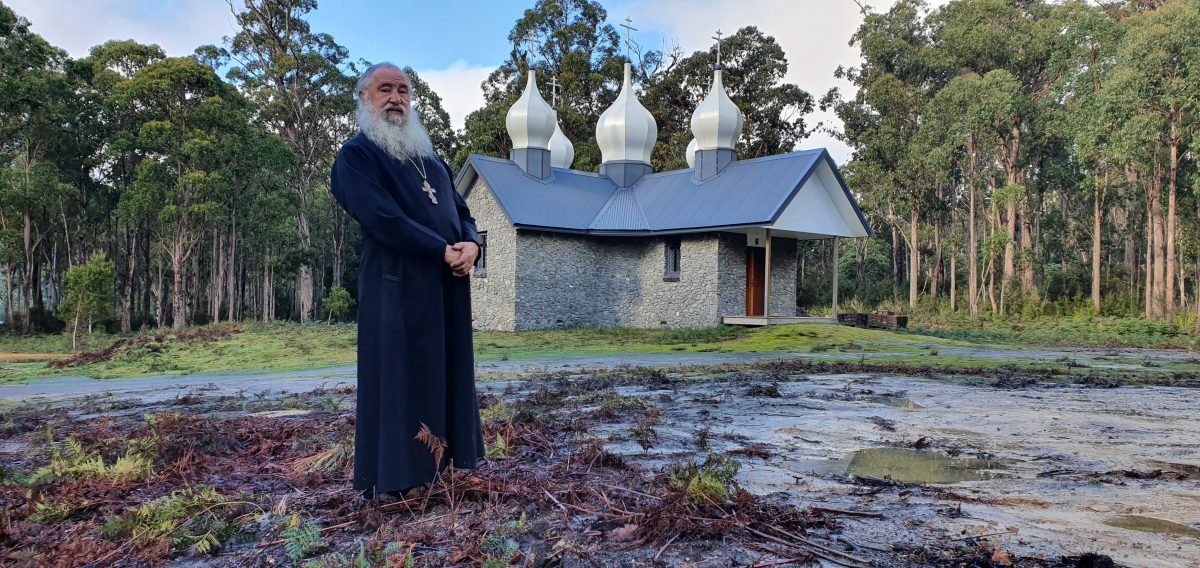
Thanks to a tip from Oscar Konyukhov, we met the fascinating Morozov family, descendants of Russian refugees who fled the Revolution. Here, emigrants of that wave are called Harbin Russians, after the Chinese city from which most of the Russian refugees arrived. Twice we attended services celebrated by Father Georgy in an Orthodox church in the forest. The famous traveller brothers Sinelnik helped build this church together with Tasmania’s Russian community. The first foundation stone was found by Fyodor Konyukhov. It was also he who proposed the idea of building the church.
An Orthodox church in Tasmania. A service celebrating Trinity Sunday
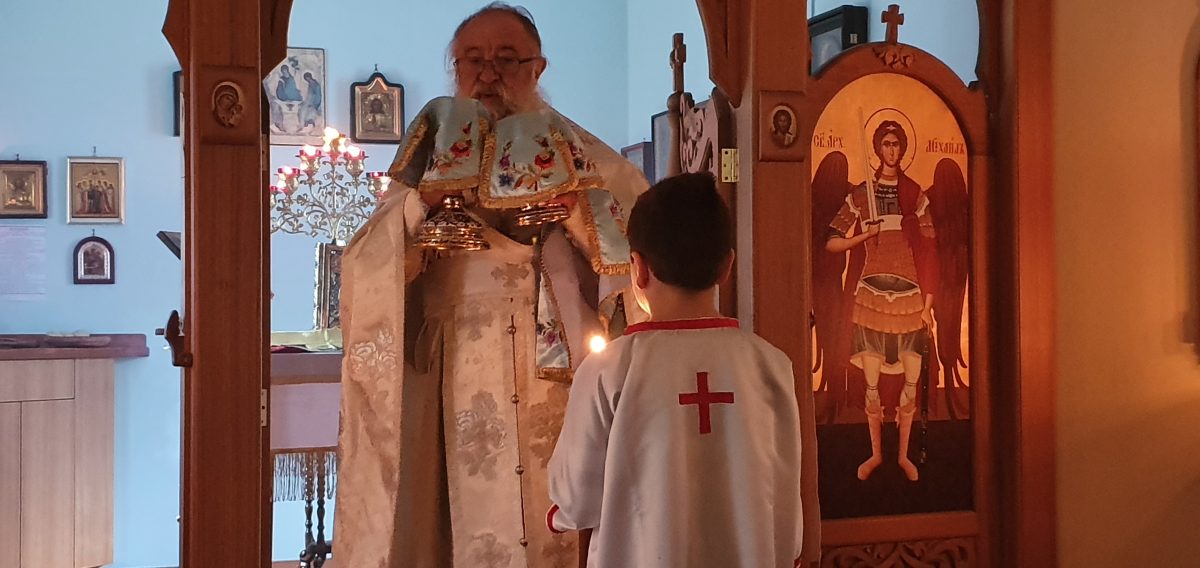
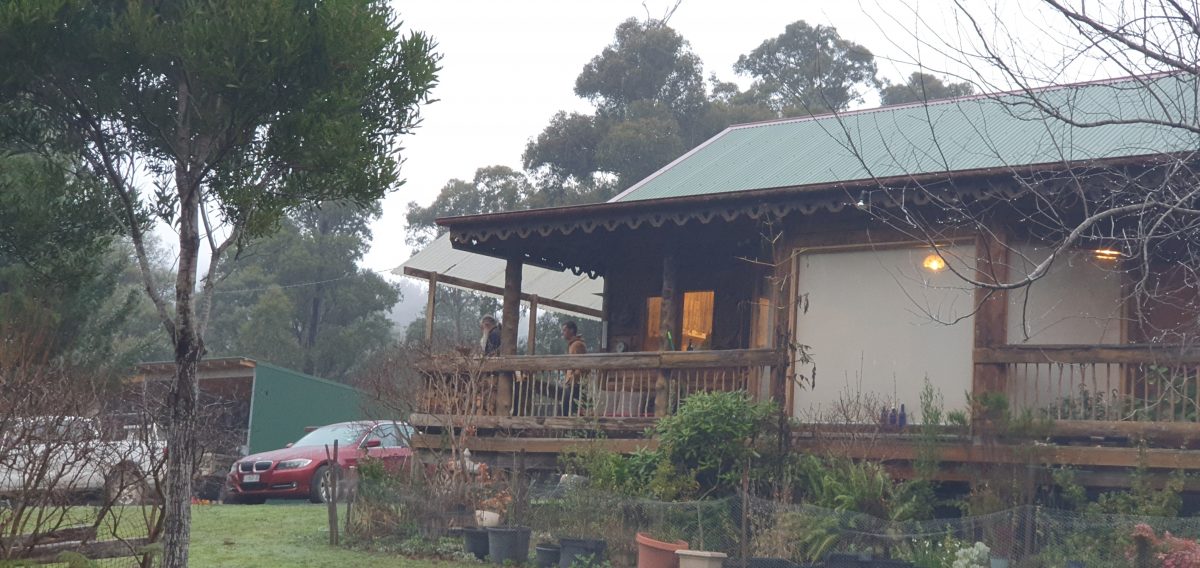
We stayed at the home of Father Georgy’s mother, Lidia Petrovna, where we listened to stories and enjoyed the hospitality and genuine Russian Sunday lunches. It was there, at the Morozovs’, that we also met other Russian-speaking Tasmanians.
Father Georgy beside the church he built
Leonid Feldman and Lena Kaminskaya from the travel company
TasmanianTours showed us a little of Tasmania’s nature and history. They are certified guides, and every word they say proves them worthy of that title. There will be a separate post about Tasmania’s most beautiful waterfall and a picnic beneath eucalyptus trees, complete with a fireplace.
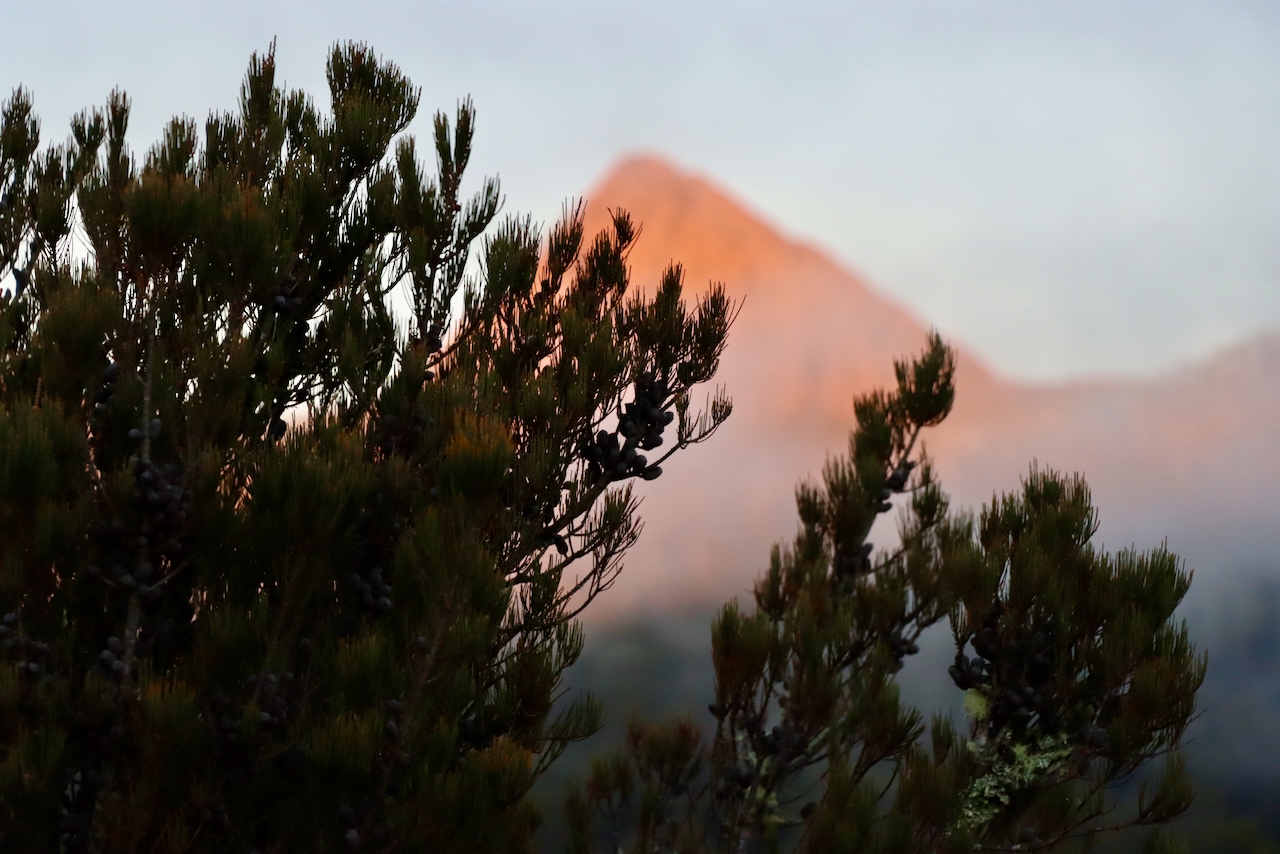
With Father Georgy, his wife Matushka Marina, Lena and Leonid—and also on our own, in the little truck we had received from Paul and Christina—we covered a considerable part of the island. Our tracks can be found in the south and west, as well as in central and eastern Tasmania. We visited five waterfalls and, together with the crew of the Russian yacht Curiosity, travelled all the way to the southernmost point of both the island and Australia itself.
Somewhere in central Tasmania
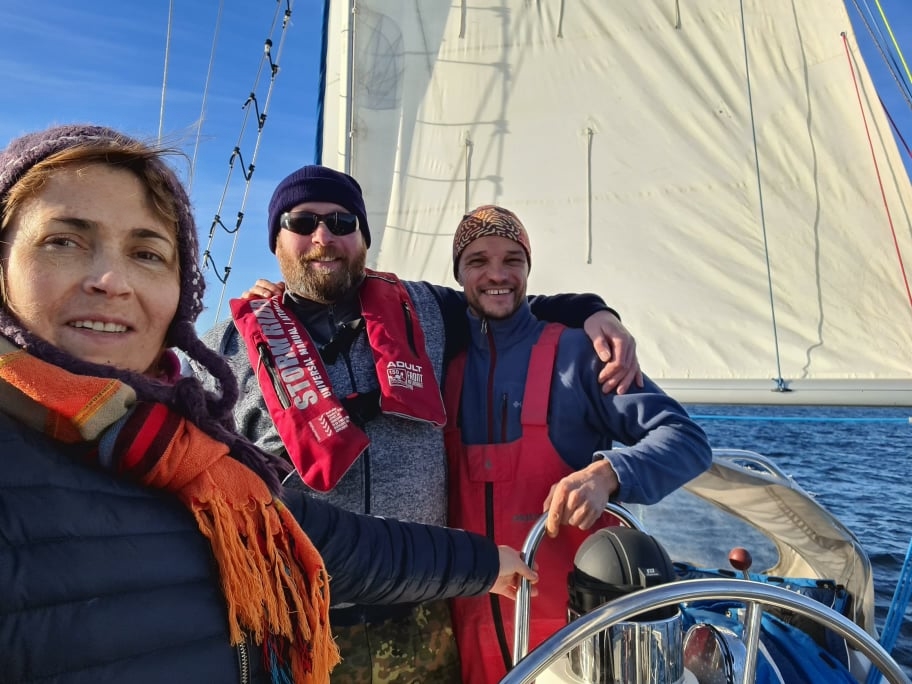
We had a proper steam in a real Russian banya in the backyard of Sasha and Natasha from Belarus. There was magical shashlik made by Misha and a musical concert performed by all the children in the group. It was so lovely that I forgot all about my camera! As a finale to our Hobart gatherings, Sasha intercepted us in his motorboat as we were leaving Hobart. For a couple of hours we sailed together, towing the motorboat behind the yacht. It warmed our hearts, and made leaving hospitable Hobart not quite so sad.
Sasha seeing us off from Hobart.
Hobart, the capital of Tasmania
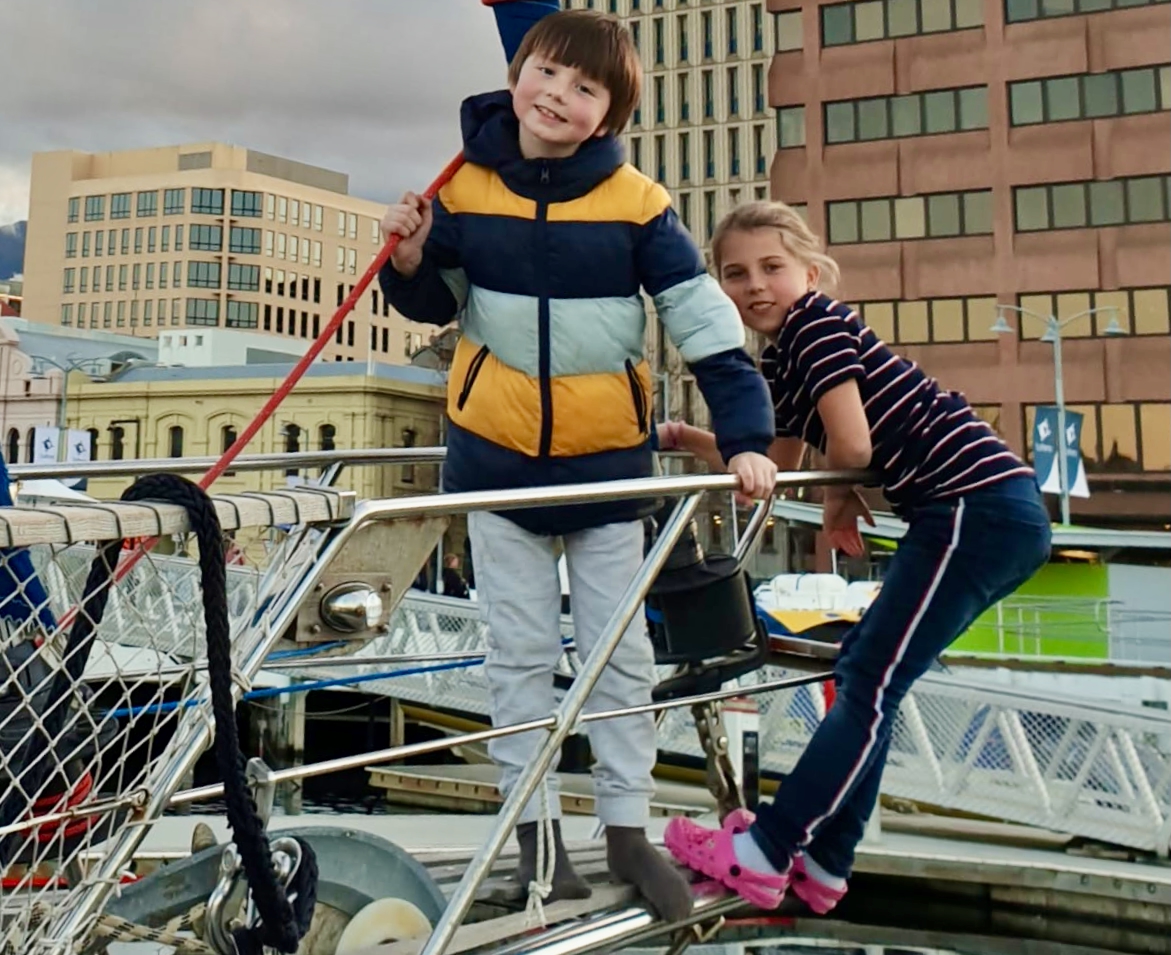
After spending a month in the marina in Kettering, we moved to Hobart for a week. We anchored opposite the tallest building in the city. Being at anchor is pure bliss, guys!
However good a marina may be, however temptingly close and easy it may make access to land, anchoring once again makes it clear that no, you do not live in a floating camper van plagued by problems with showers, damp, lack of space and cramped quarters. You are travelling in the coolest possible way, living the dream itself!
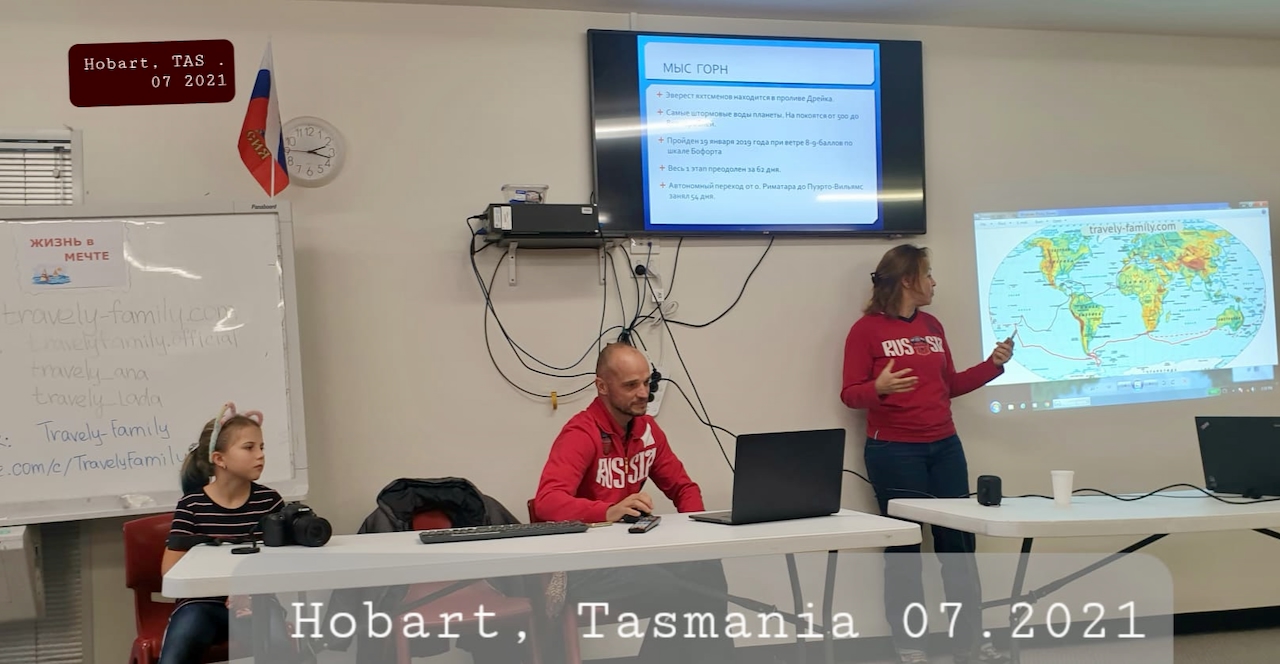
From the diary: In three hours of sunshine and calm, Lady Mary reached the outskirts of Tasmania’s capital, Hobart, and without leaving either my jacket or my laptop, I am spending the rest of the day sitting on deck, taking in the mountains, the city and the warm winter’s day. We will stay in the area for several days, and the day after tomorrow, Saturday, we will hold a meeting with Tasmania’s Russian-speaking community.
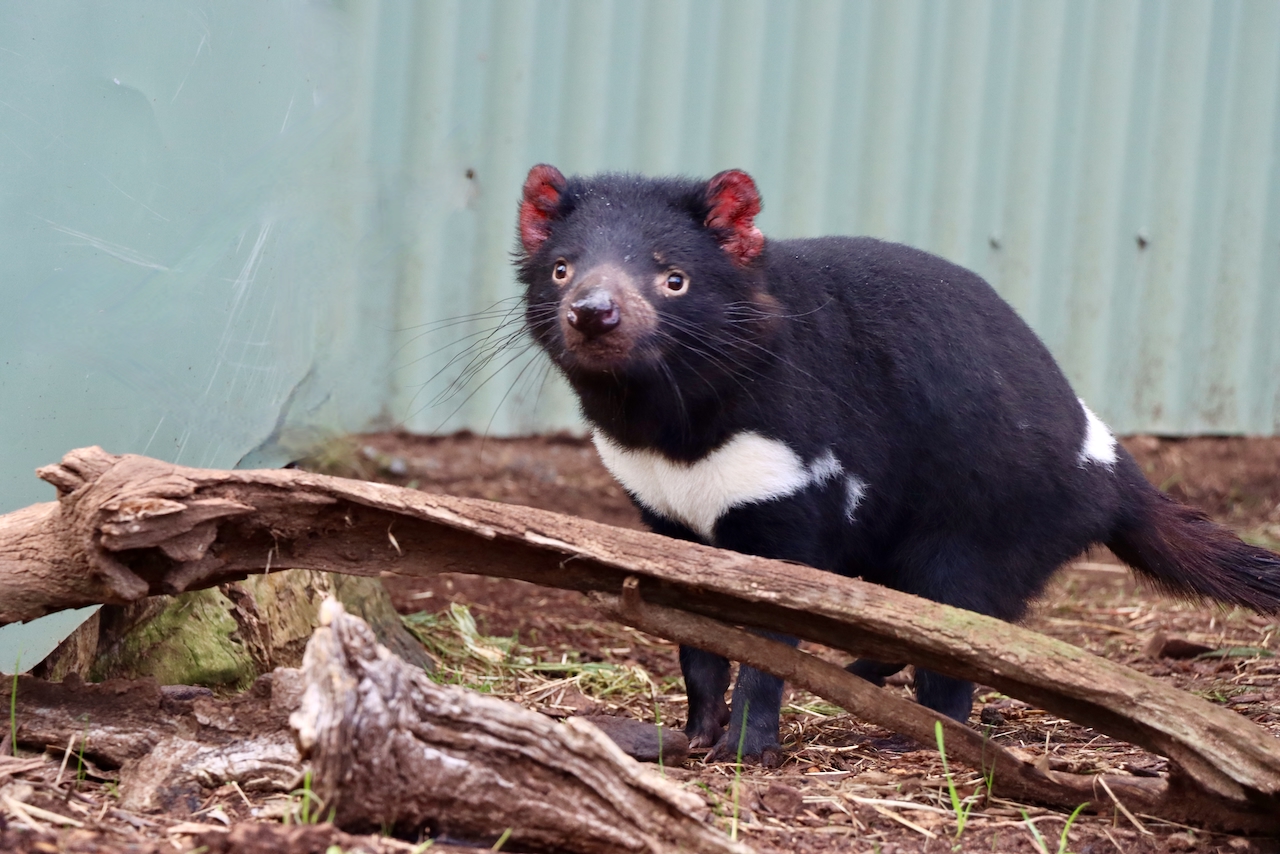
For the first time in our 16 months in Australia, we visited a local zoo and finally saw all the main endemic animals of Australia and Tasmania—except, perhaps, the platypus. We have not given up hope of seeing one as well.
Tasmanian devil (the size of a cat).
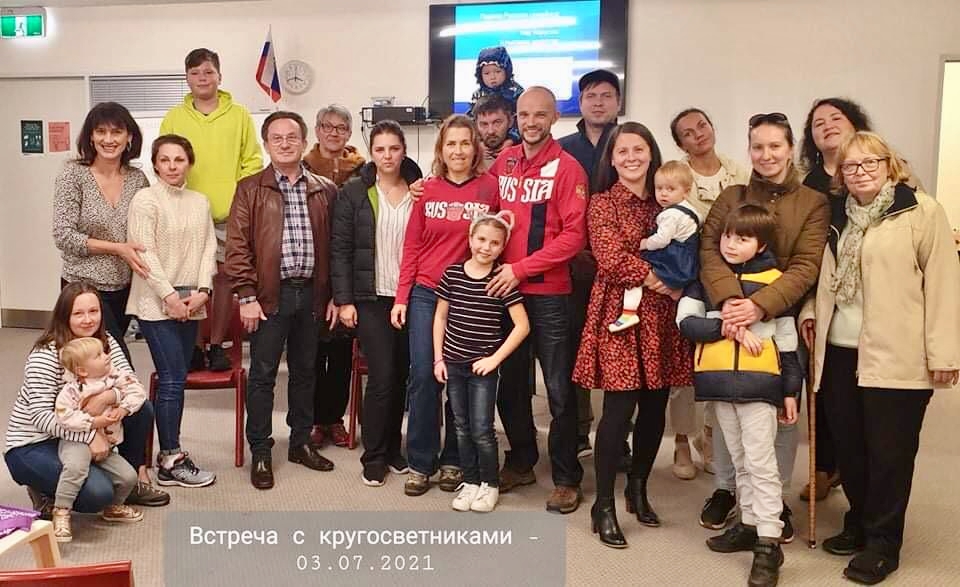
The second official meeting with the Russian community
The first was at Father Georgy’s home.
The wonderful Tasmanian guide
Elena Kaminskaya, with support from the excellent migration agent
Leonid Feldman
(anyone who wants to emigrate to Australia, save his contact details via the link), organised a public meeting in Hobart. At the meeting, we spoke about the Russian discoverers of Antarctica, Bellingshausen and Lazarev, and about the first Russian circumnavigation by Krusenstern and Lisyansky, as well as how our expedition is connected with them. We answered questions and even received some lovely gifts.
That was how we met the rest of the Russian community. After the official part, we welcomed guests aboard the yacht until late in the evening. We drank tea. A couple of days later, we even visited the University for a tour of the geology laboratory with Leonid Danishevsky. That same evening, Viktor and Rita invited us to their home for real pelmeni.
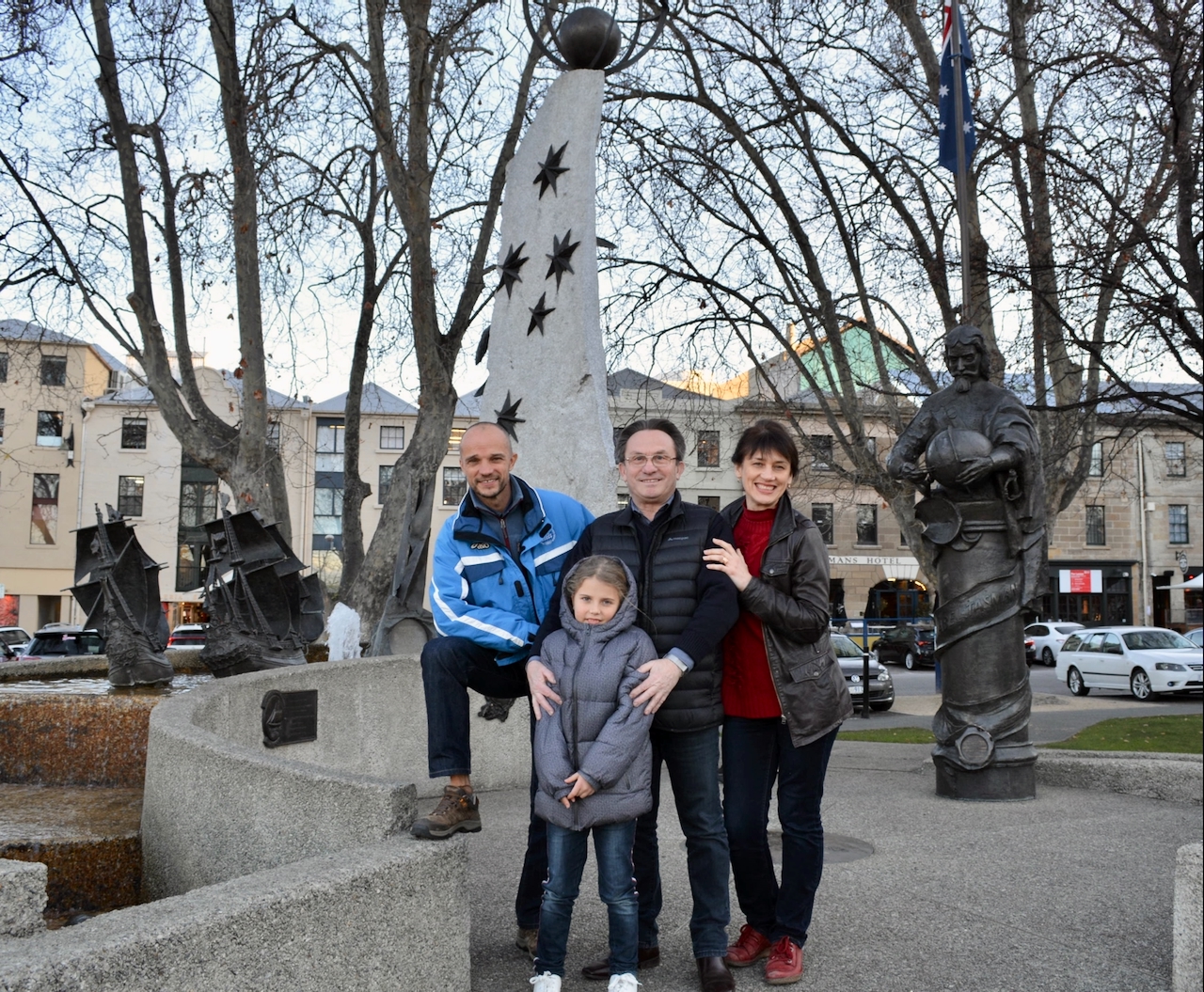
With Leonid and Lena—our Tasmanian guides—by the monument to Abel Tasman.
A course north
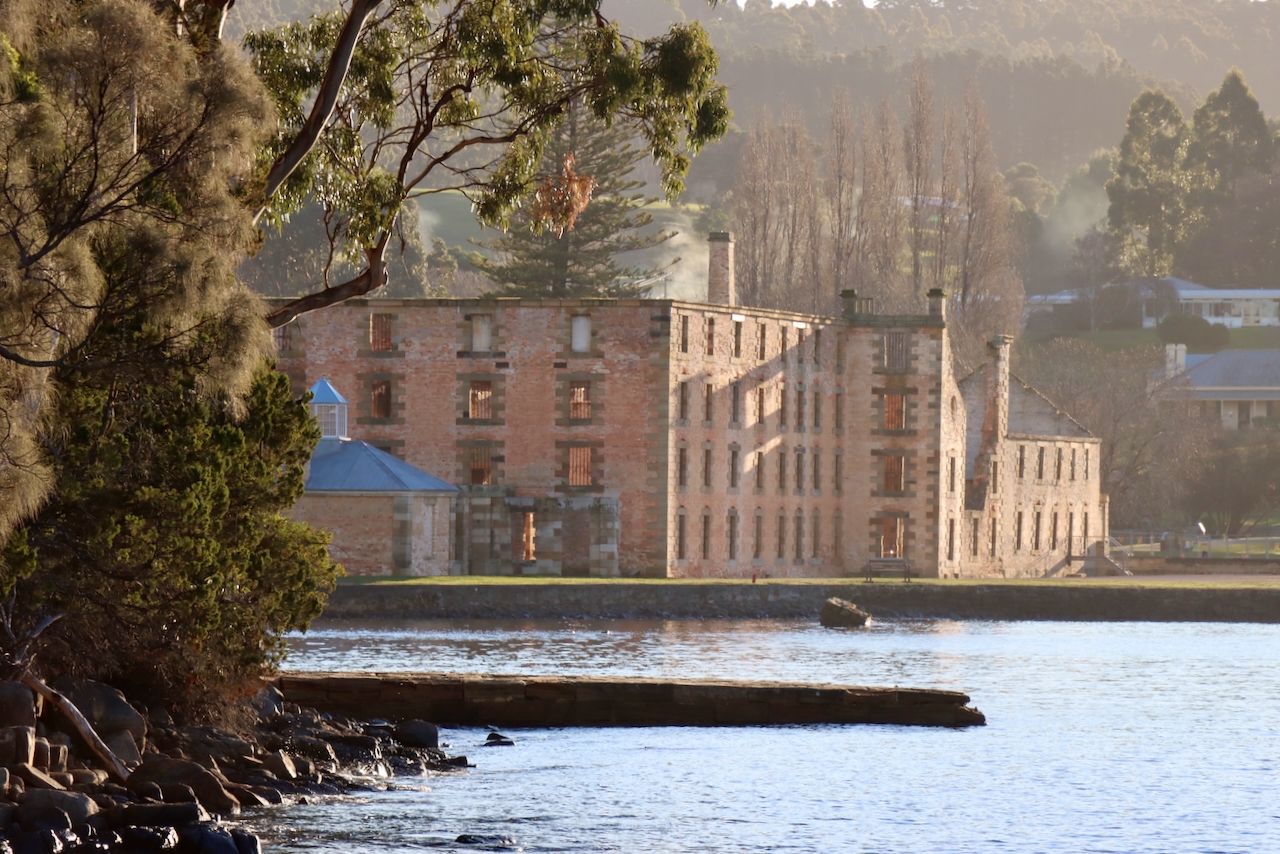
And now it has already been a week since we left Hobart. First, we set a course for Port Arthur, the most romantic ruins of... a prison that we have ever seen. In three days, our crew seems to have explored everything in the town, a UNESCO World Heritage Site. Then it was time to move on. At this very moment, Lady Mary is greeting the dawn beside an island named by Abel Tasman—the same man who discovered Tasmania—after the young woman he was not allowed to marry. This is Maria Island.
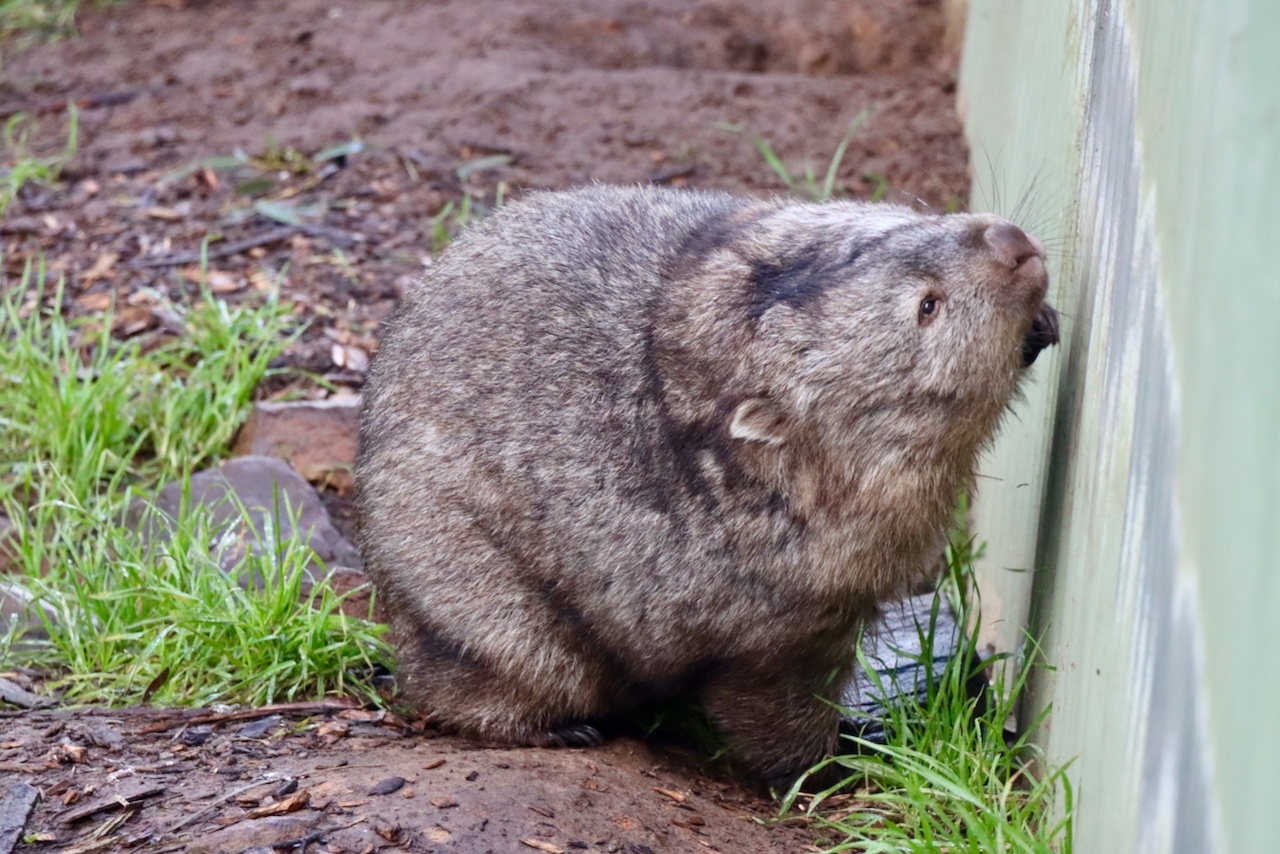
They say there are wombats here by the thousand, and we very much hope that it will not rain today and that we will be able to see for ourselves. Read the wombat story in the next post:).
Wombat
We will try to transfer all the main news and adventures of the crew in Tasmania from our diaries and social media to the website.
Lady Mary is now moving towards Sydney. Our progress is being delayed because Sydney’s lockdown has already been extended for the second time. The city is now closed until 30 July (.
In the meantime—photos 🙂
What does Tasmania remind you of, friends?
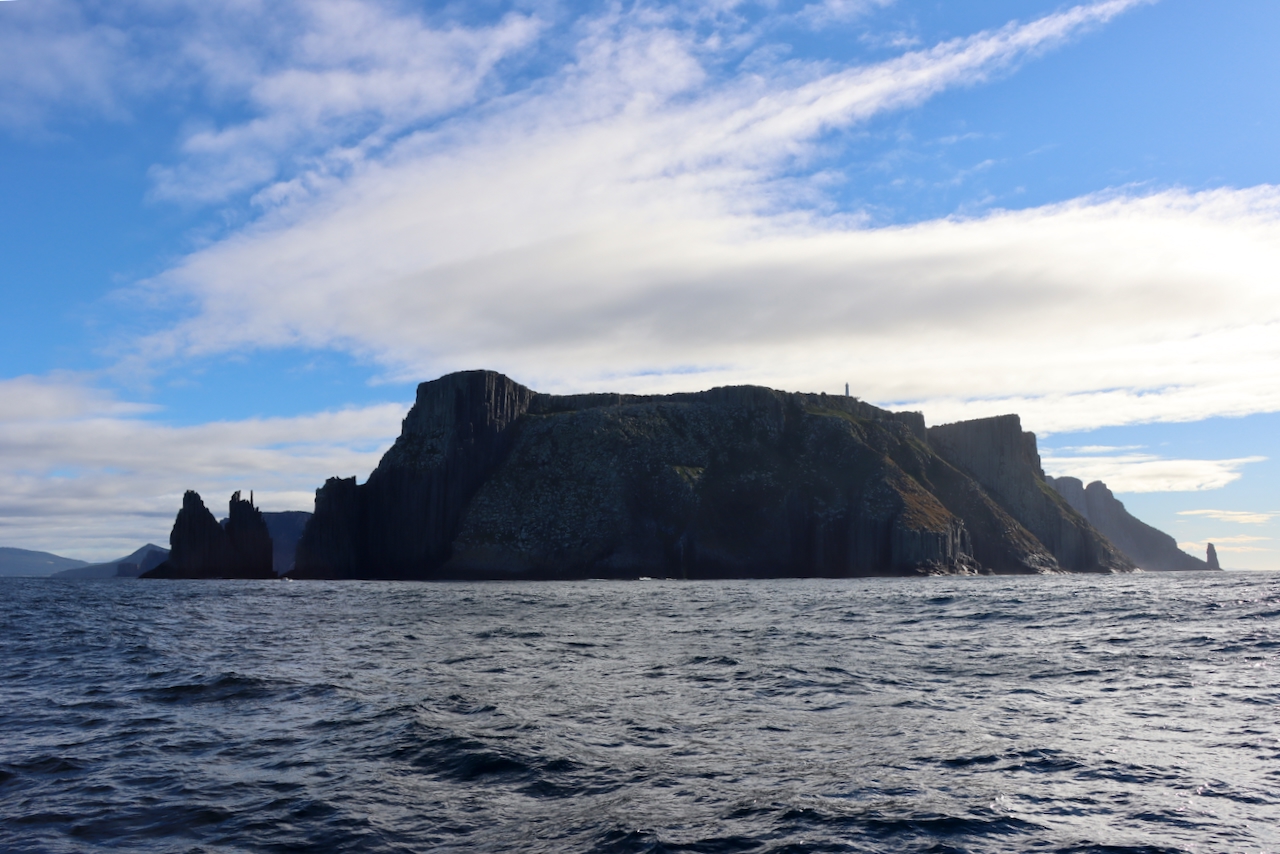
Tasman Island off the coast of Tasmania
The Morozovs’ house in the Tasmanian forest
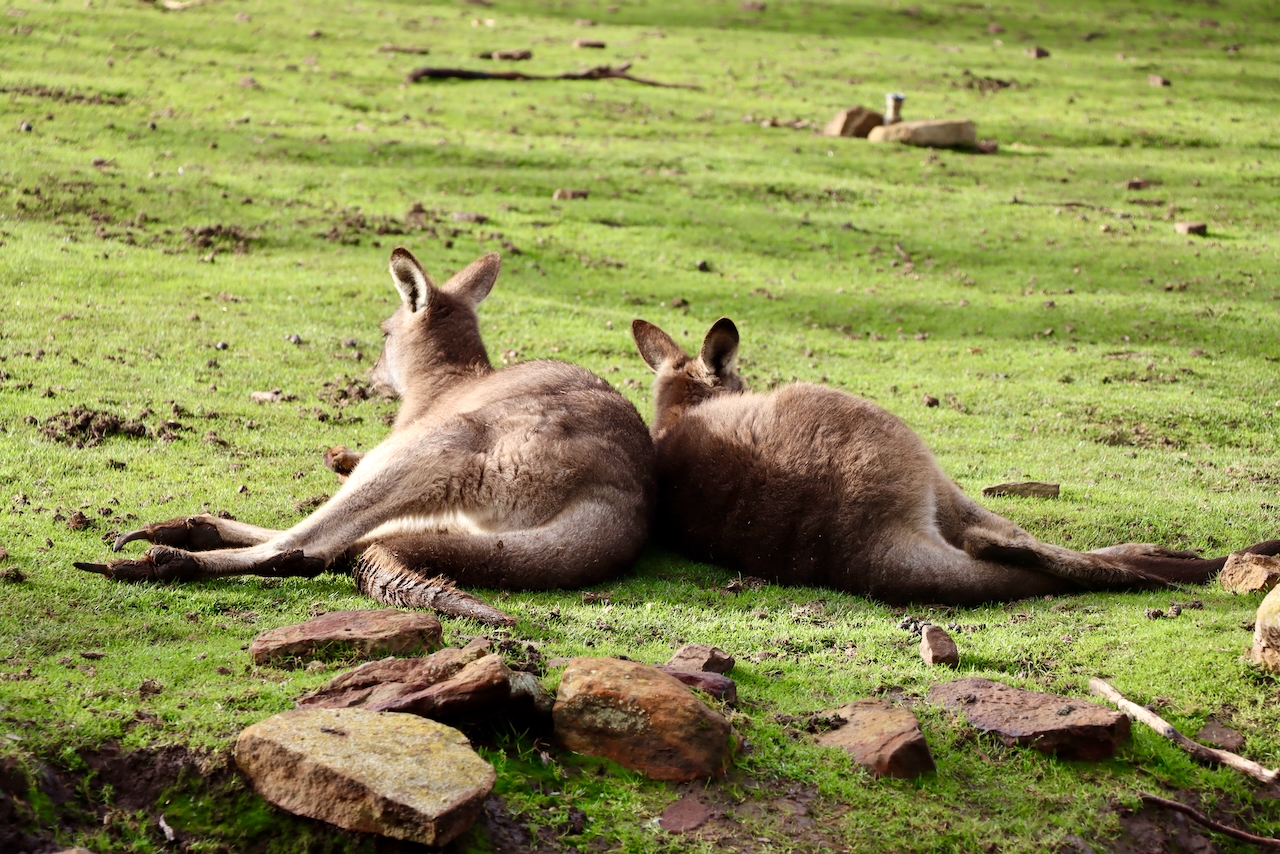
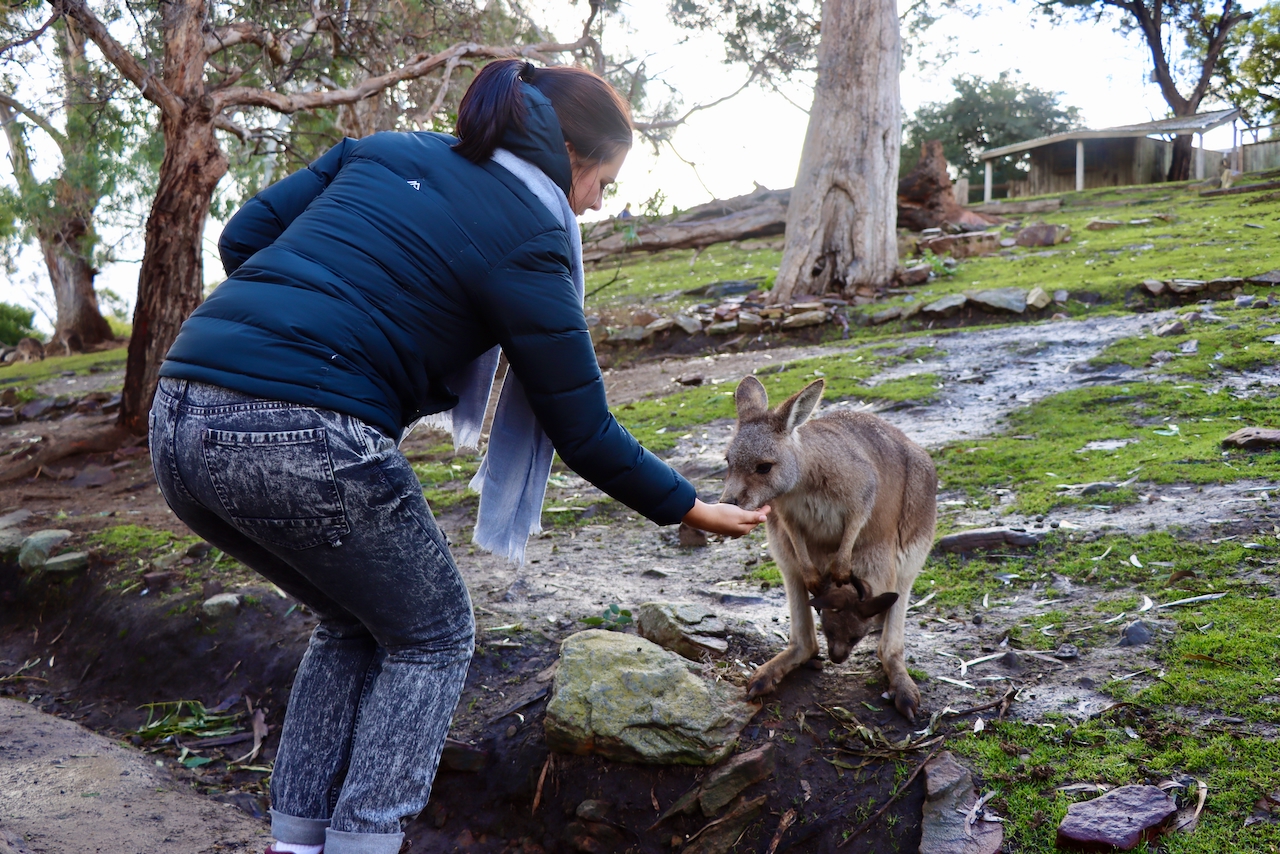
Tasmania has kangaroos too
Port Arthur
A meeting about the expedition
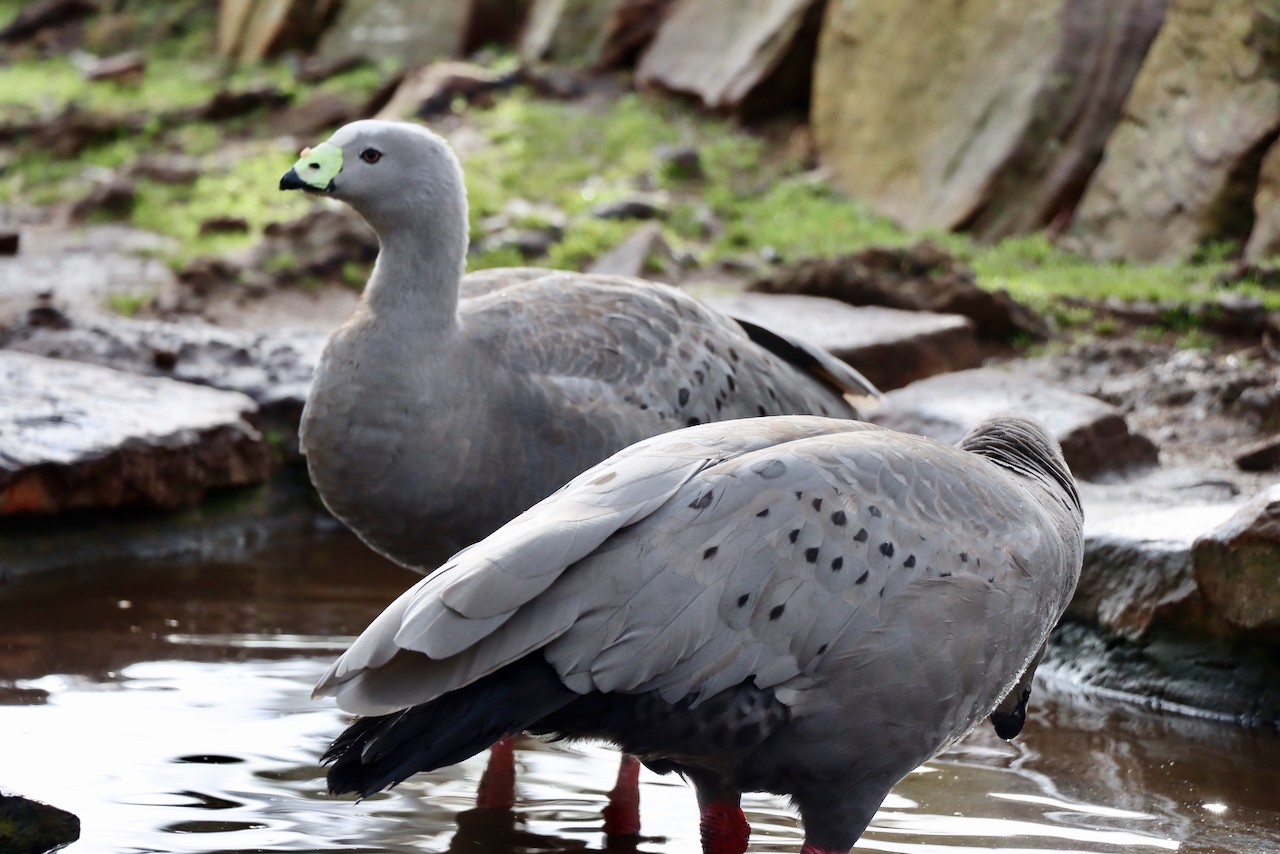
Two cheerful geese
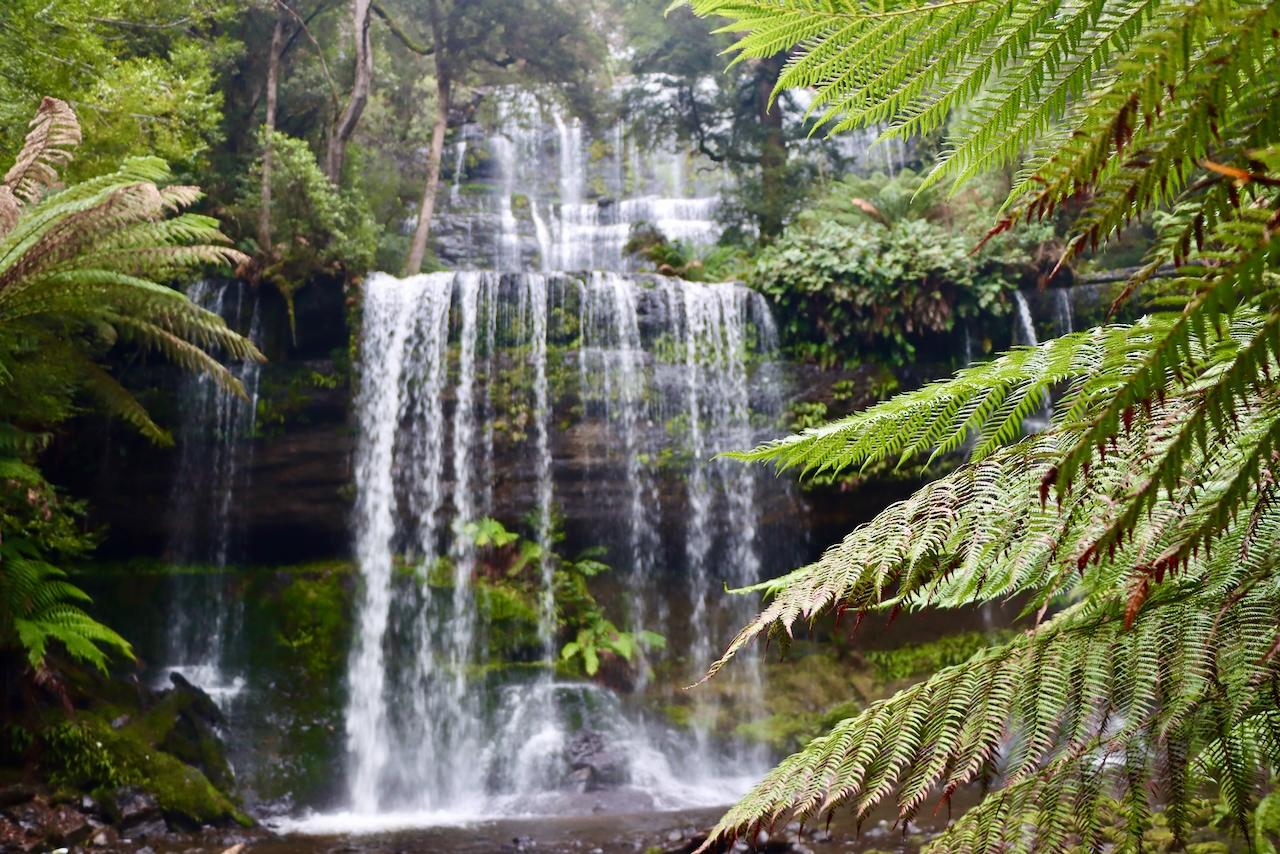
Russell Falls—Tasmania’s calling card. Lacy streams of water and Antarctic tree ferns as ancient as the dinosaurs:
Russell Falls, Tasmania