
From the Travely-Family archive · Atlantic
Along the Edge of Hurricane Irma—Under Sail. The Pirates of “Zero” Island
An original publication from the former Travely-Family website. This English translation was preserved from the technical-site archive without editorial rewriting.
...Six boats with 40-horsepower outboards are circling Lady Mary. Black faces grin at us, but for some reason I picture wolves baring their teeth, saliva dripping from their fangs...
Day 6 of the Mexico–Colombia passage.
The island of feral Robinson Crusoes, and why we sailed off into the night
Jama-a-aica! (like in the song)
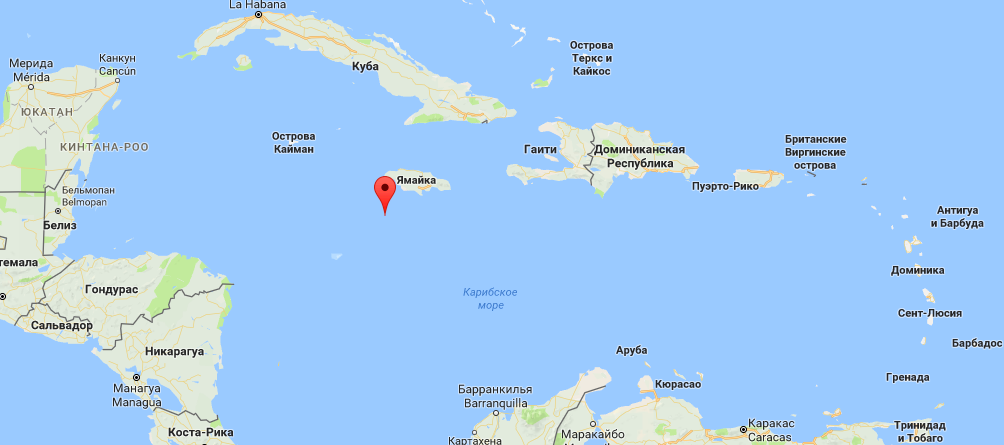
You sail and sail through the middle of the sea, with the nearest land 60 miles away, and suddenly you run into fishing nets—black and red flags poking neatly into the wondrous trade-wind sky. Then a little steamer appears, belching smoke; it is probably keeping an eye on the nets. The vessel seems to be charging straight at us, but a quarter of an hour later it passes astern. The captain watches it keenly through the binoculars: having heard plenty about the pirates encountered in these waters and the light-fingered Jamaican Rastafarians, we regard local vessels with caution.
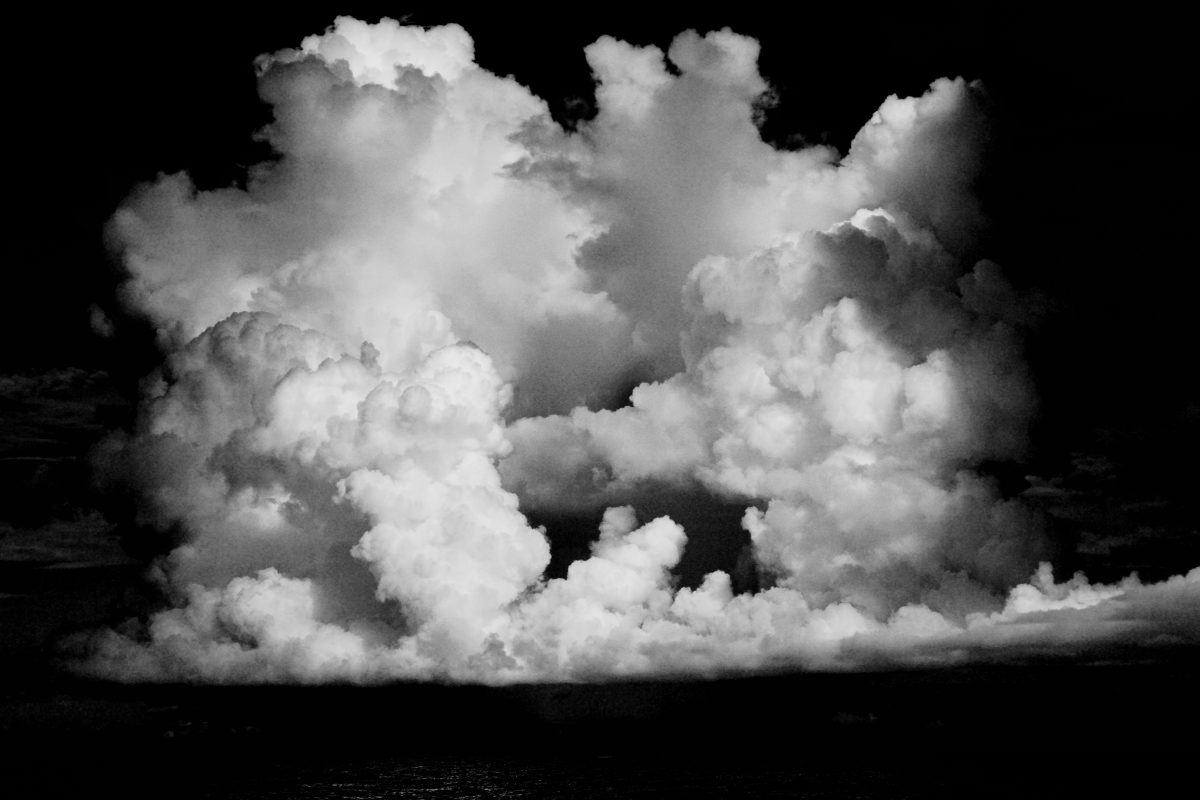
On Pedro Bank, which belongs to Jamaica, this is standard practice—the nets are set right in the middle of the sea. And the same sky as in Mexico looks down upon the sea—the columns and towers of Fata Morgana’s castle rise in tiers, deftly illuminated in different colours. The columns come mystically alive at sunset and sunrise. Here everything has come together just like in an Andersen fairy tale—Fata Morgana’s castles, a flight across the sea with the wild swans (Lady Mary is still full of migrating swifts), and a night on a lonely crag—in our case, reefs lost in the open sea. Earlier that day, we still thought they were uninhabited....
Feral Robinson Crusoes
Six boats with 40-horsepower outboards are circling Lady Mary. Black faces grin at us, but for some reason I picture wolves baring their teeth, saliva dripping from their fangs.
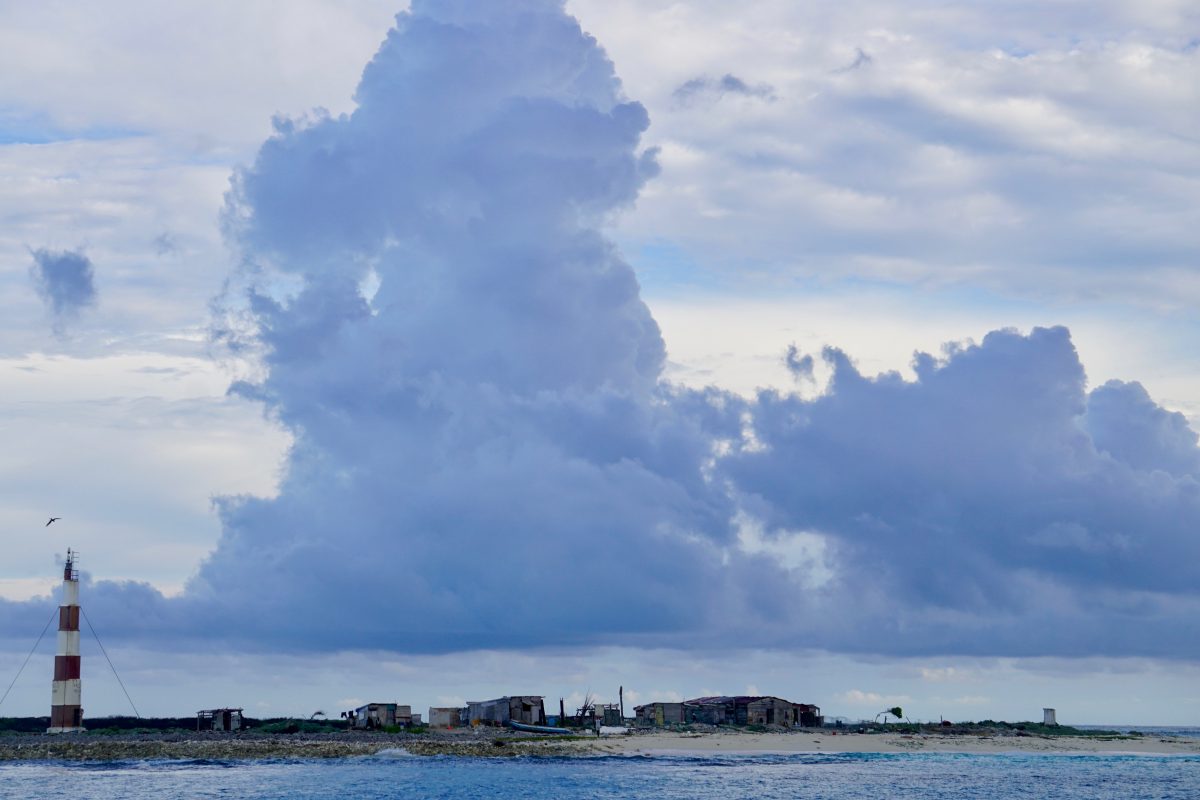
In their inconceivable clothes, the fishermen look more like a gang of ragged cutthroats—worn-out T-shirts are pulled down over their hips, with torn nylon leggings underneath. Some are missing their front teeth. For some reason, the old men in green fishermen’s raincoats bring a measure of calm to the general commotion. Though they too are shouting greetings in an incomprehensible language, with something faintly resembling English occasionally slipping through. There are neither nets nor catch in the boats, only four or five battered caricatures of Bob Marley in each one.
The four of us, soaked by the rain, smile with all 124 of our teeth as we reply that we do not smoke and have no booze—we’ve got children with us.
“Ooh!”—fingers point at Nastya. “How old is she?”—one guy clicks his tongue.
“Fourteen,” I reply, regretting that she can no longer pass for eleven by the look of her (.
Of the fifteen boats returning from the sea to the neighbouring islet, only three pass us by, calling out greetings from a distance. The rest carve circles around us, displaying their delight at our arrival in every possible way. It seems Lady Mary is the first sailing vessel to appear in these waters since Columbus... We dutifully wave and smile warmly, finally abandoning all hope of spending a couple of Robinson Crusoe days at anchor.
“There’s a reef here,” they all say at once, but the way they say it makes it impossible to tell whether we have anchored in the wrong place and will inevitably be smashed across the reef, or whether, on the contrary, we are in exactly the right place and should not come any closer.
“Do we need to move farther offshore?” I ask anxiously. Well, at least they understand my English. I’m not sure the reverse is true.
“No, no, no need to move, everything’s okay!”
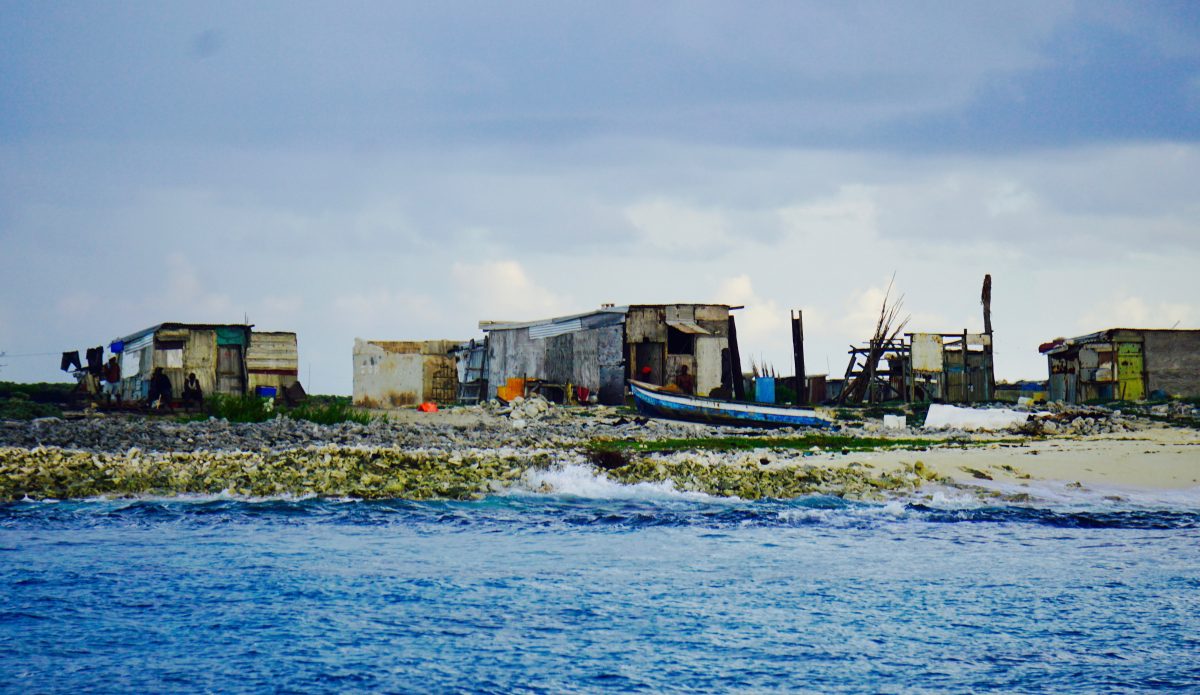
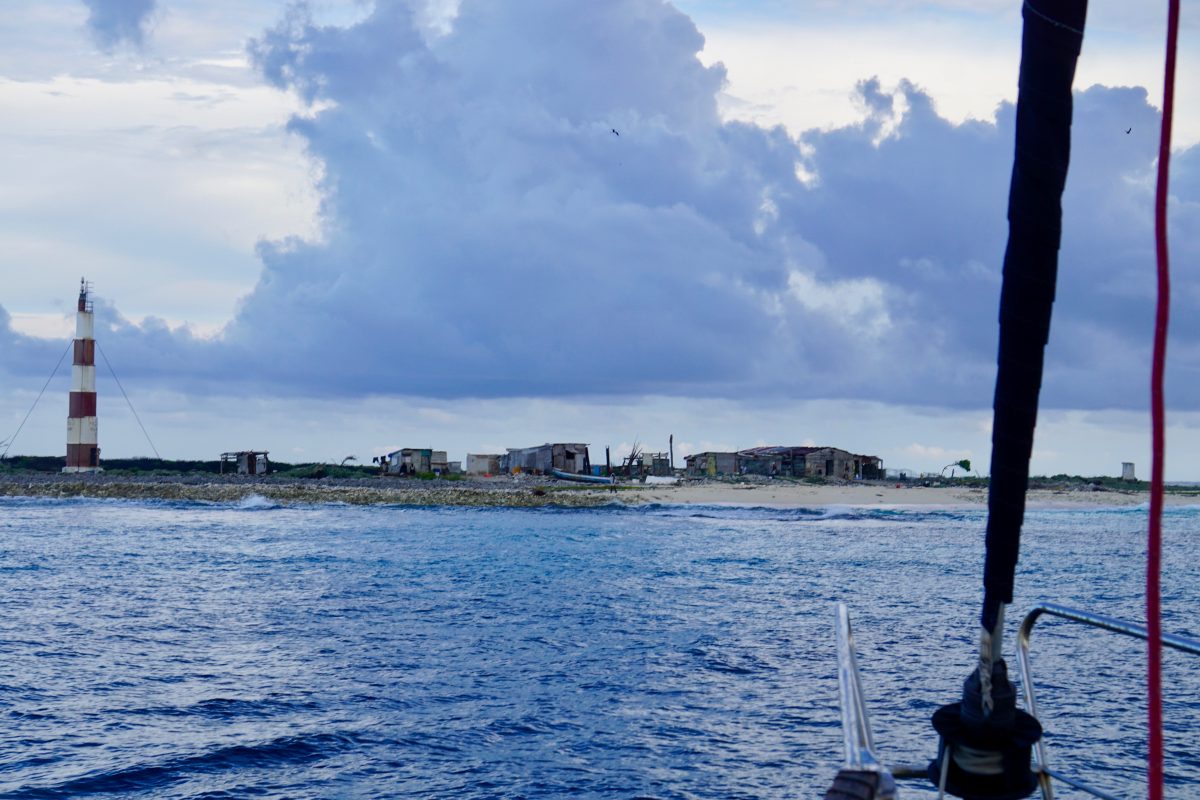
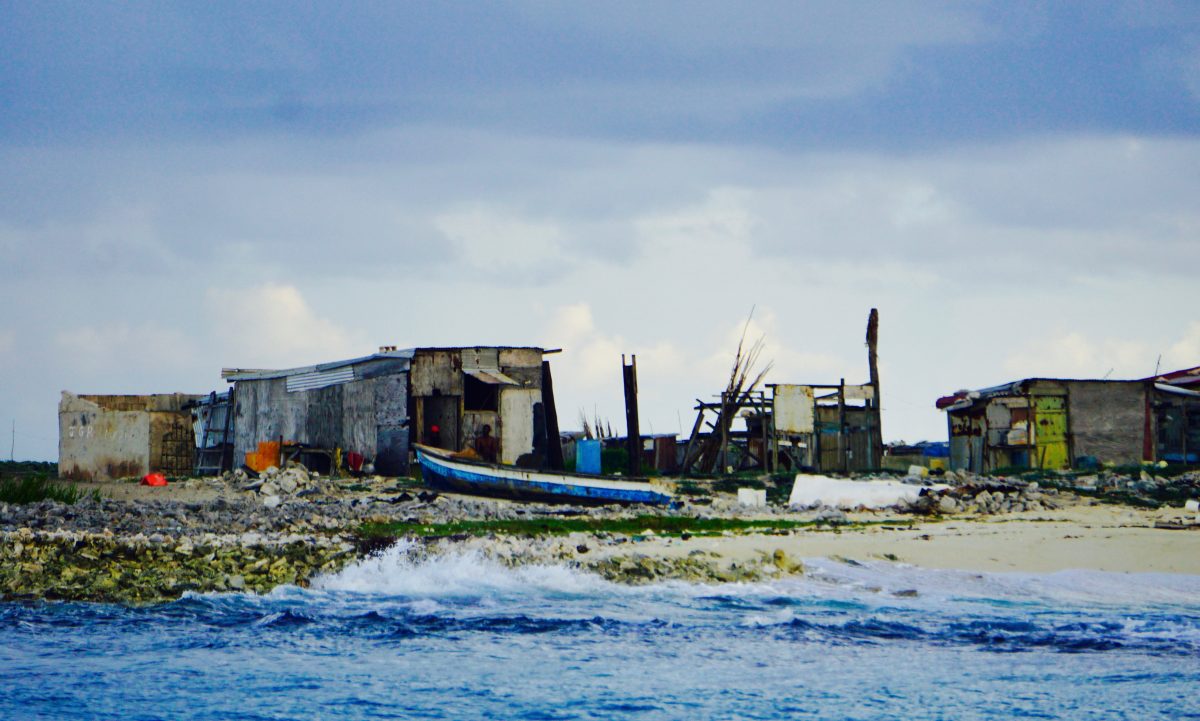
Splendid. We stay put. After answering questions about where we are going and where we have come from, how long we will be staying in their town of Zero, whether we really have no cigarettes, and after displaying the word “RUSSIA” across the captain’s back, we are left alone. All the boats fly off towards the second reef, where most of the islanders live. At first, we had intended to anchor there, but seeing not a single bush, only a jumble of concrete-block dwellings, we decided to stop by the island with the lighthouse, where there is at least some sickly vegetation and fewer creepy bunkers. A strong stable smell wafts from the shore, but there are no hoofed animals to be seen on the island. Only half a dozen black male figures moving slowly about..
Changing Plans
I try to listen to my instincts...
“I should have smeared Nastya’s face with soot,” I come up with rather too late. “And it wouldn’t have hurt for me to knock out a couple of teeth beforehand either.”
The captain gleefully seizes on such an opportunity:). Laughing, we tidy up after the passage and chase the surviving birds off the boat. The surf roars; nearby, a large turtle takes a noisy breath in the water.
“Well, we’ll make dinner, eat, and then probably get underway,” Andryukha says.
We fall silent in disappointment, but deep down we agree with him.
“Maybe we aren’t real travellers after all,” I muse aloud. “A whole crowd of locals is eager to socialise, and we’re planning to clear out without even spending the night.”.
As always, the captain is wise:
“You see, the local population ought to consist not only of men, but of women and children as well. But here we have two deserted islets where feral fishermen live in concrete bunkers with collapsed roofs, coming out here to work in shifts.”
“Well, yes, rather like convict settlements...”
All right, we have seen what the reefs are like and what “Zero” Island is like; we can carry on. I’m sure they are all perfectly lovely fellows, but it is better not to put that to the test for too long. We were right to stop here, and we are right to leave.
At last, we ate dinner like civilised people, without bouncing around or frying pans flying through the air. Nastya made the most delicious risotto with porcini mushrooms, fried onions, sweet pepper and green peas. Finger-licking good! By evening, we had even licked the pot clean.
At dusk, we weighed anchor and sailed off into the night under the unblinking gaze of the feral, half-dressed people on the little island of Zero, disfigured by concrete ruins. It is a shame we did not see the underwater wonders of what must surely be a rich coral reef, but never mind—there will be other islands.
Coordinates of the Pedro Bank reefs: 17.3° N, 77.45° W. We have covered about 600 miles from Isla Mujeres; it is 420 miles to Cartagena and 590 miles to Curaçao.
Wishing everyone safe neighbours 🙂
P.S. We did not take photographs of the islanders, so as not to advertise the presence of equipment..
The beginning of the chronicle of our passage along the edge of the hurricane is here:
Along the Edge of Hurricane Irma—Under Sail. Days 1–2
Along the Edge of Hurricane Irma—Under Sail. Days 3–4. It’s Begun!
Along the Edge of Hurricane Irma—Under Sail. Days 5–6. Waterspout
To be continued!