
From the Travely-Family archive · Atlantic
Martinique. Coffee, Friends, and Headless Joséphine
An original publication from the former Travely-Family website. This English translation was preserved from the technical-site archive without editorial rewriting.
Martinique. Coffee, Friends, and Headless Joséphine
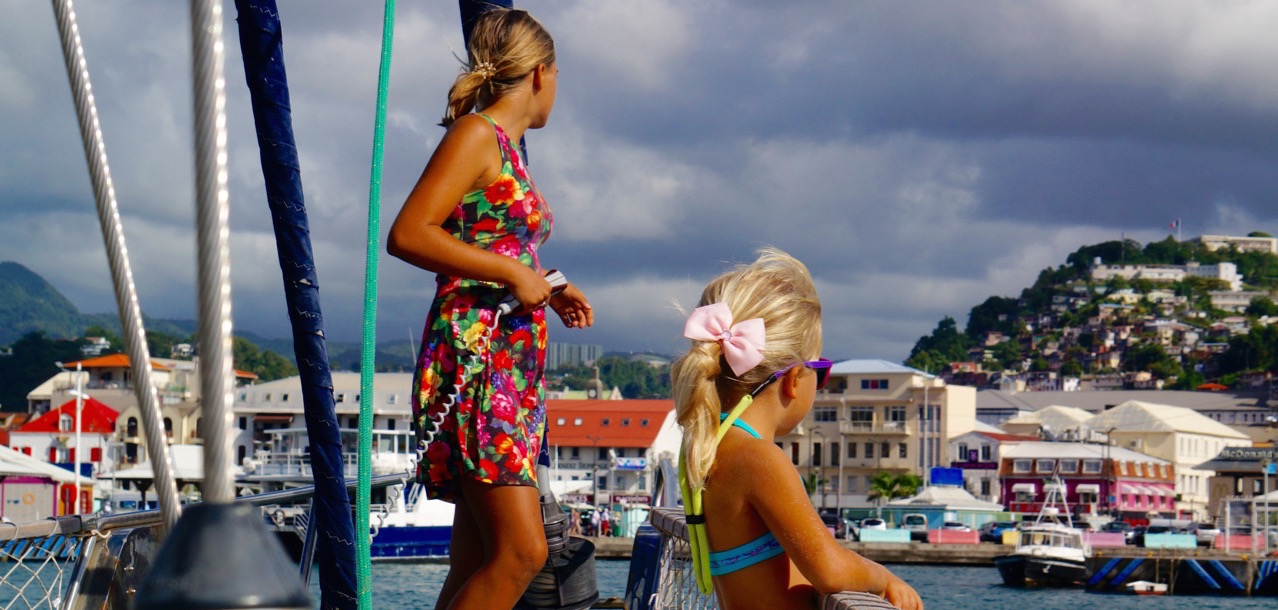
Having arrived at the last French Caribbean island, Saint Martin, the whole crew fondly recalls our previous little piece of France—the island of Martinique.
Martinique is not just cruise liners, a forest of masts, colonial towns, and old forts.
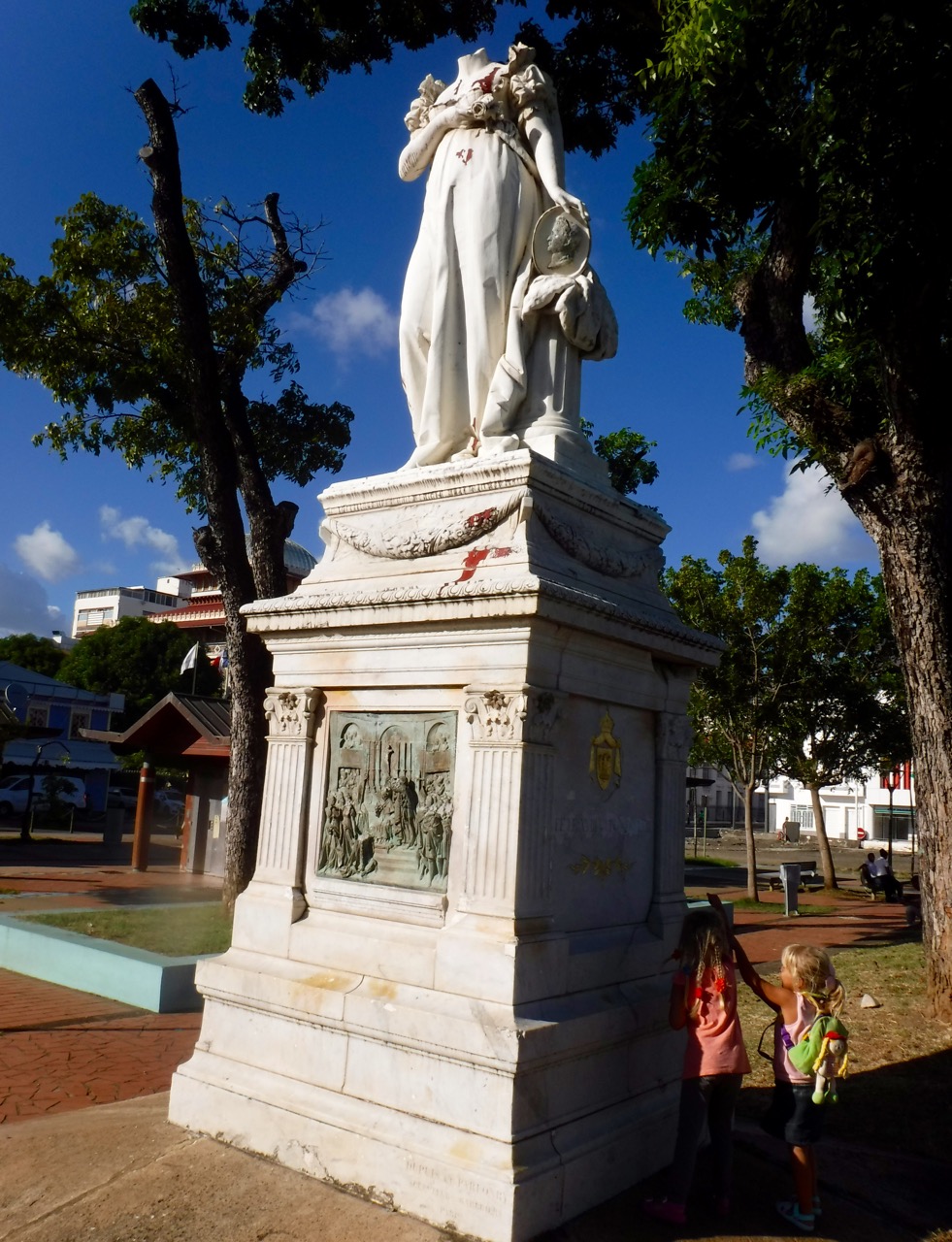
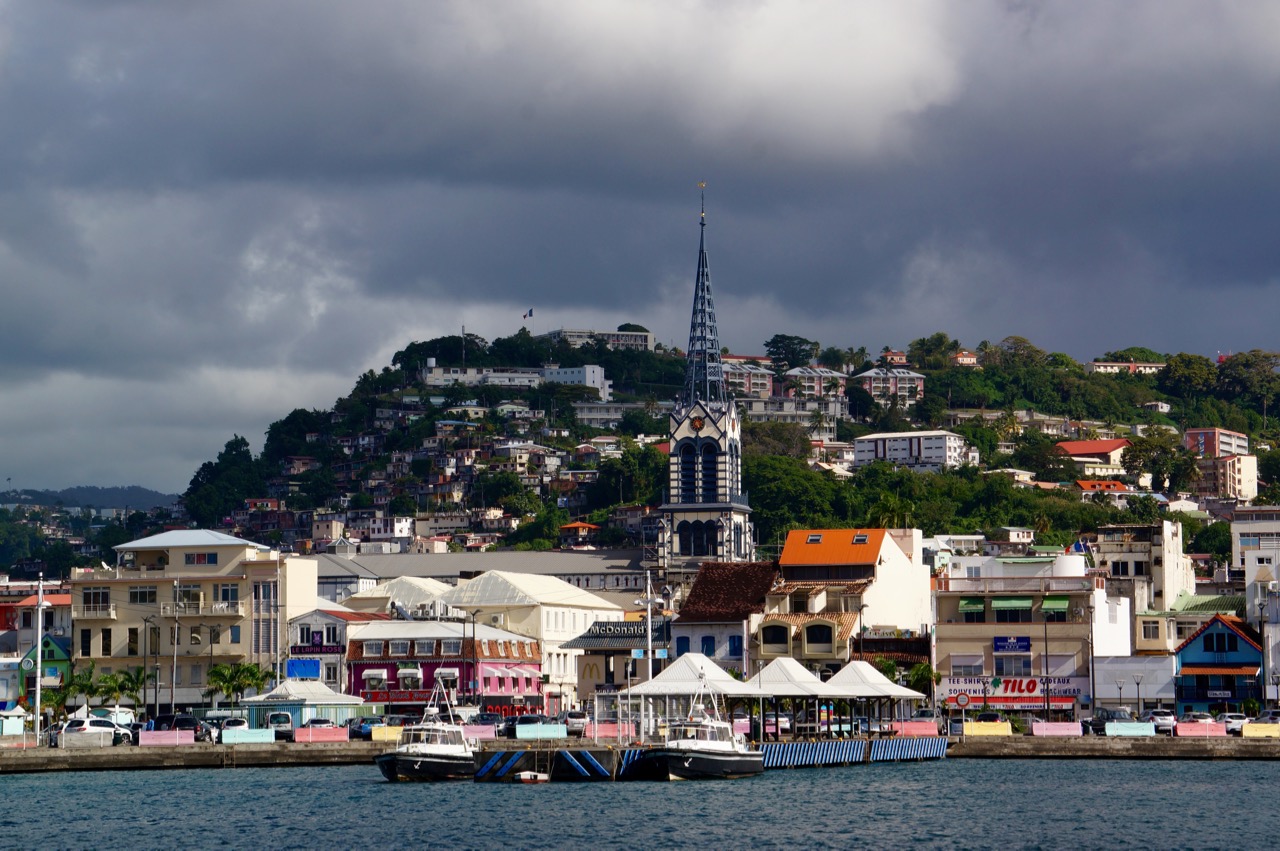
Our Martinique is wine with old acquaintances and coffee with new friends. It is the spire of the cathedral in Fort-de-France, rebuilt after a terrible fire in which almost the entire city burned down. Martinique is green mountains asleep in the clouds, striking Caribbean women, and the most delicious ice cream.
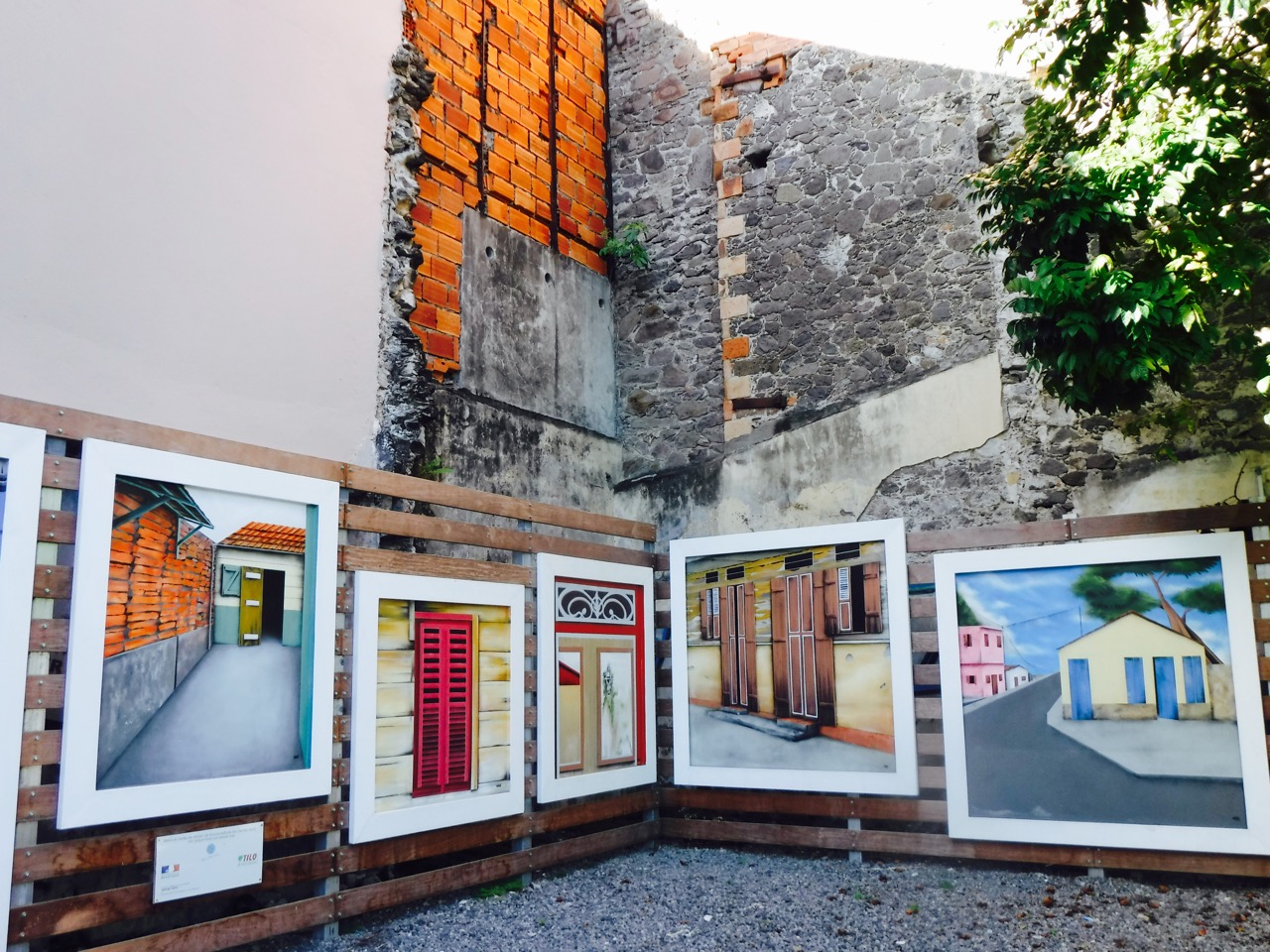
Martinique is a rich history, outdoor art exhibitions, and a visit to an old library. It is the monument to Joséphine, beheaded by vandals, with one hand supporting... an entirely different head—the likeness of the great and terrible Napoleon Bonaparte.
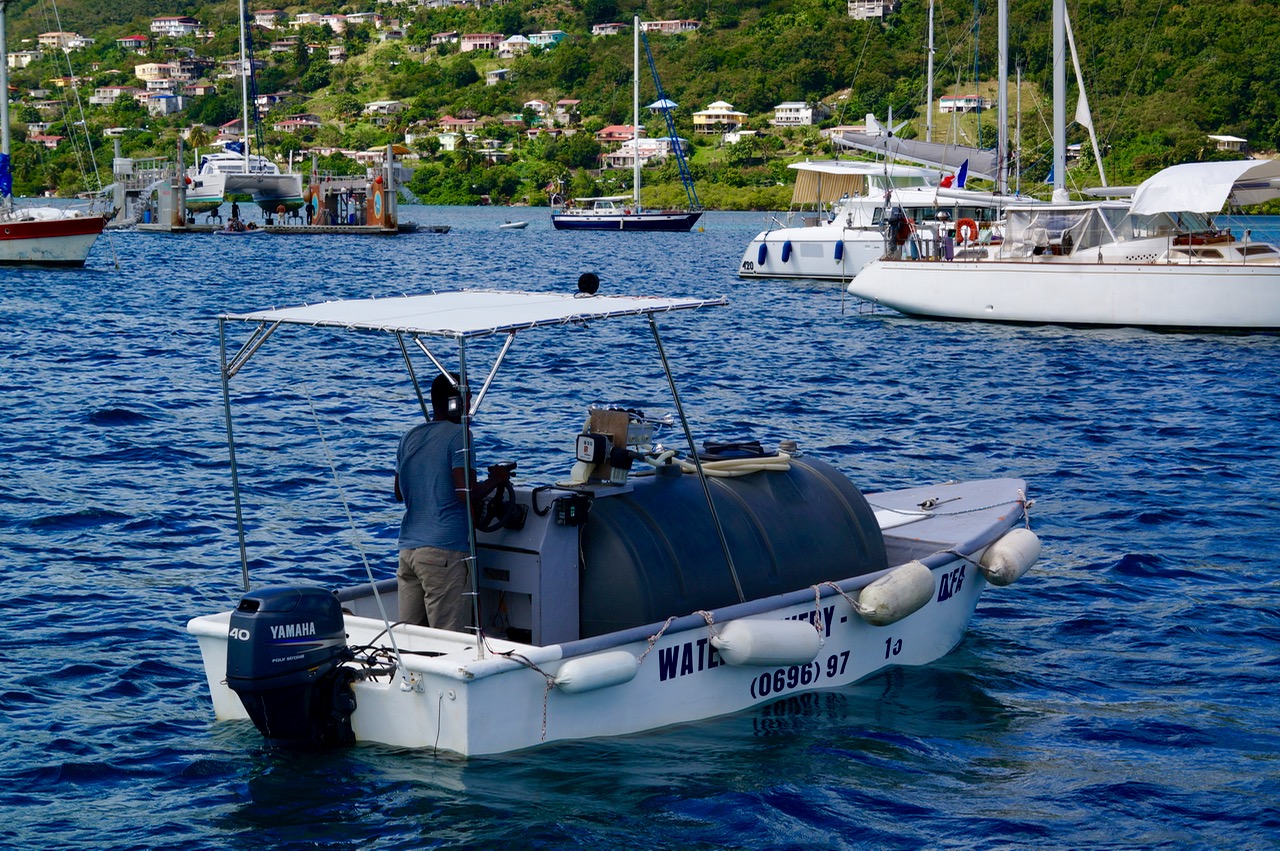
Joséphine, a native of the French Caribbean colonies, suffered because, in the activists’ view, she helped entrench slavery in her homeland.
Martinique was the first French island on our Caribbean cruise. Before that, we had mostly encountered former British colonies and members of the British Commonwealth. There are a great many white people here, and the local population’s skin does not point quite so insistently towards Africa—the inhabitants are, predictably, brown-skinned. Whereas before, both in northern South America and on Tobago, Grenada and the Grenadines, they were Black. Completely and utterly. You need only look at them to understand how monstrously many African slaves were transported to the West Indies in former times.
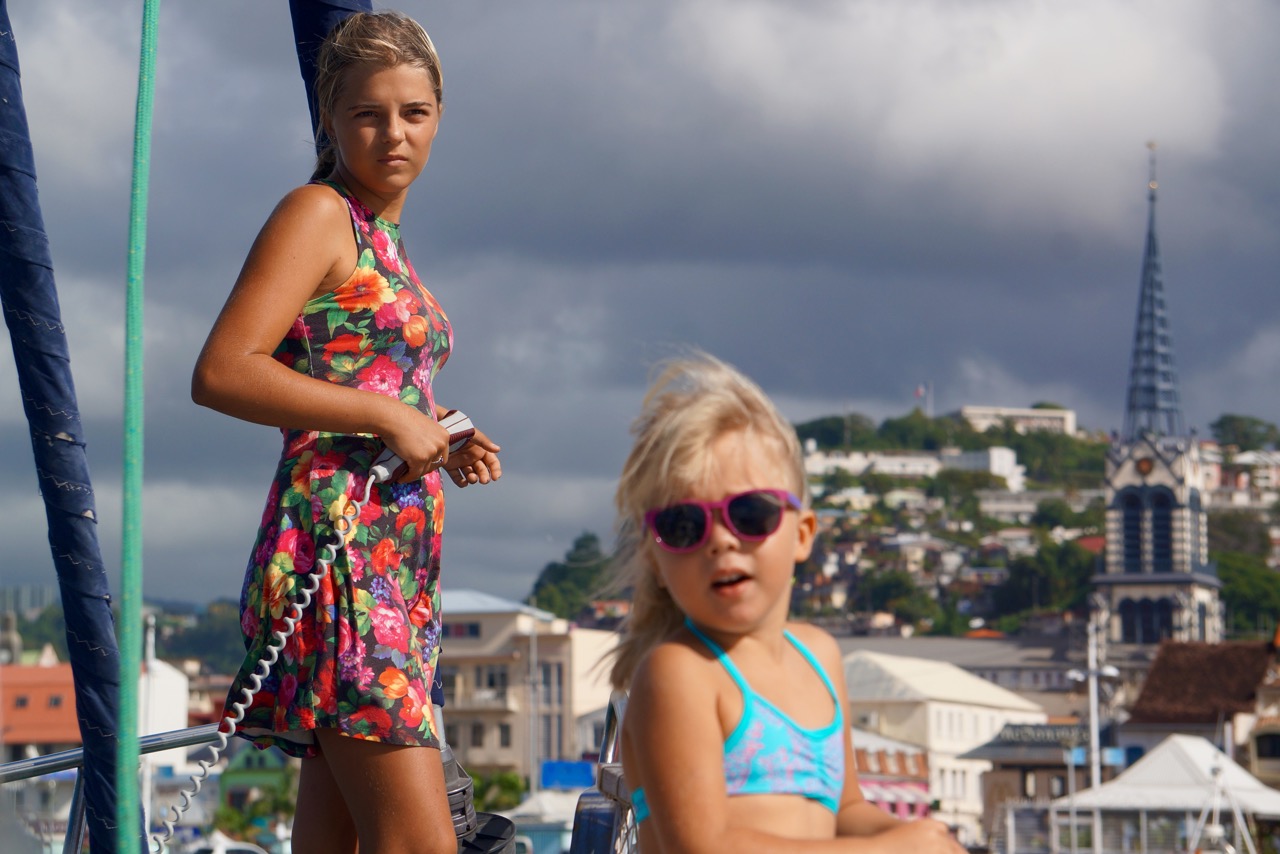
Russian expansion in Le Marin (in French, it sounds like “Le MarA”)
In southern Martinique, there is scorching sun and cool evenings, hundreds of yachts and cosy cafés. In Le Marin, you can chat with the waterman when he delivers a tonne of water straight to your anchorage and ask him where the best place is to swim with children and fish.
Elvis the waterman with his floating barrel
Here, for the first time in three years, we encountered so many Russian yachts in one place—four besides our own! Vladimir, captain of a small yacht from Kaliningrad, learned that we had not been to Russia for a year and gave the young sailors a tin of Russian condensed milk. Here we also met up again—and once again said goodbye—with our friend Lyonya, captain of the yacht Laska, and met Phil and Tamara, the crew of Babe.
At the Le Marin laundry, we left our things for safekeeping and made the rounds of the nearby boutiques and yacht services. Here, on the book rack, you can find pilot books from all over the world. Our northern pilot books joined the collection too.
Le Marin has the world’s most delicious coffee and éclairs, served in the cosy saloon of our new friends, a Russian family from the yacht IOLANI. We wanted to leave them so little we could have cried (and we did...).
But Cuba’s call is sounding. First Lady Mary heads to the island’s capital, Fort-de-France, and then leaves Martinique altogether, setting a course north for new shores.
Young sailors at anchor
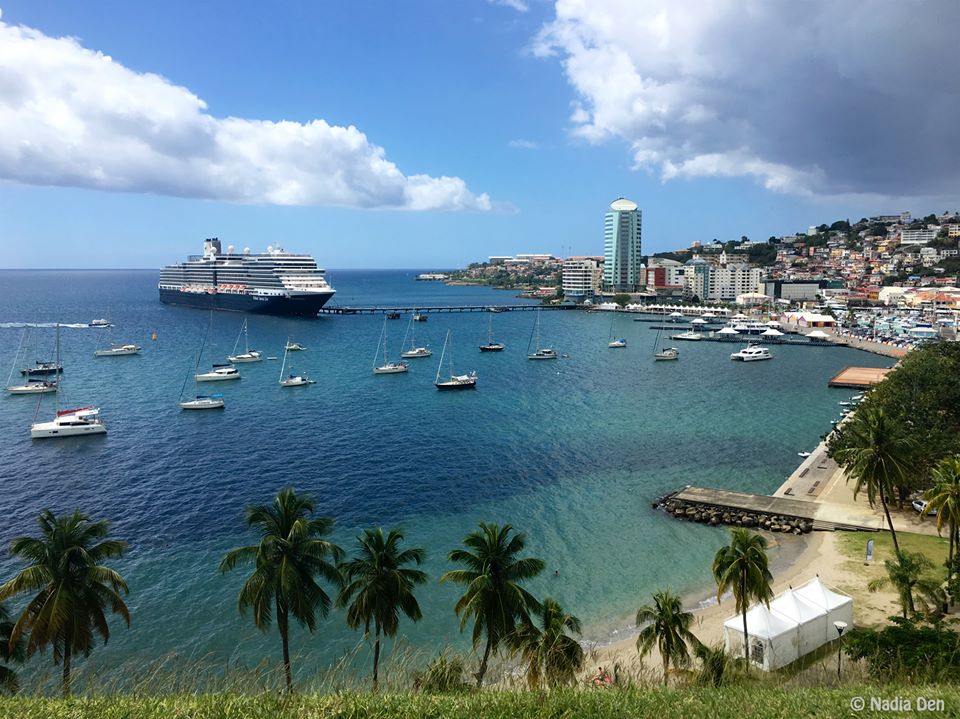
Fort-de-France
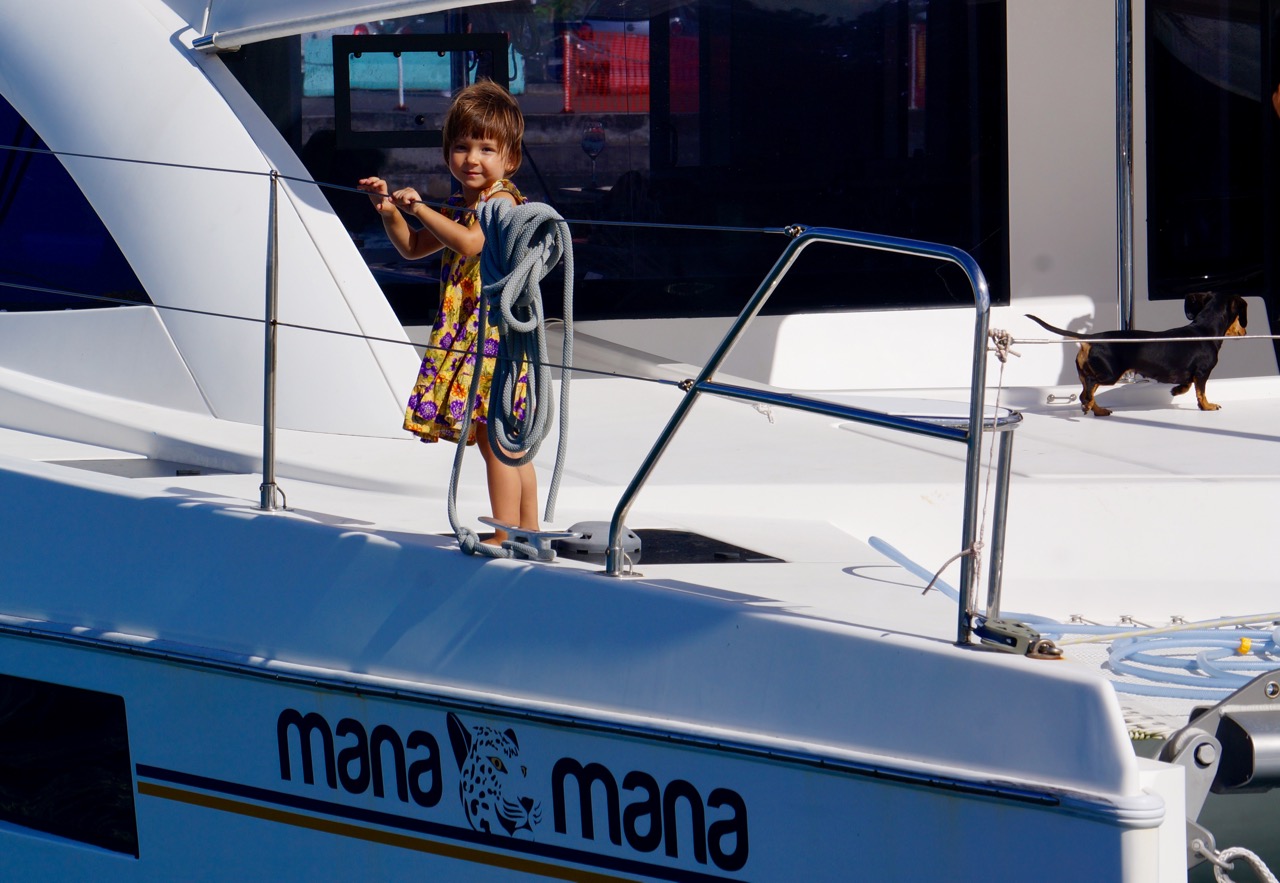
In the island’s capital, Lady Mary parked closer to the catamaran Mana Mana, where Marat and Nadya, the wonder-girl Buska, and Shelly, the most affectionate dog of all, were waiting for us. And our young sailors were waiting for a Russian alphabet primer and a girls’ magazine, which Nadya had brought from St Petersburg. Now Lada begins every morning by reading and has already reached the letter “R.” And Nastya savours the glossy details of her idols’ lives and girls’ tips and tricks in her native language 🙂
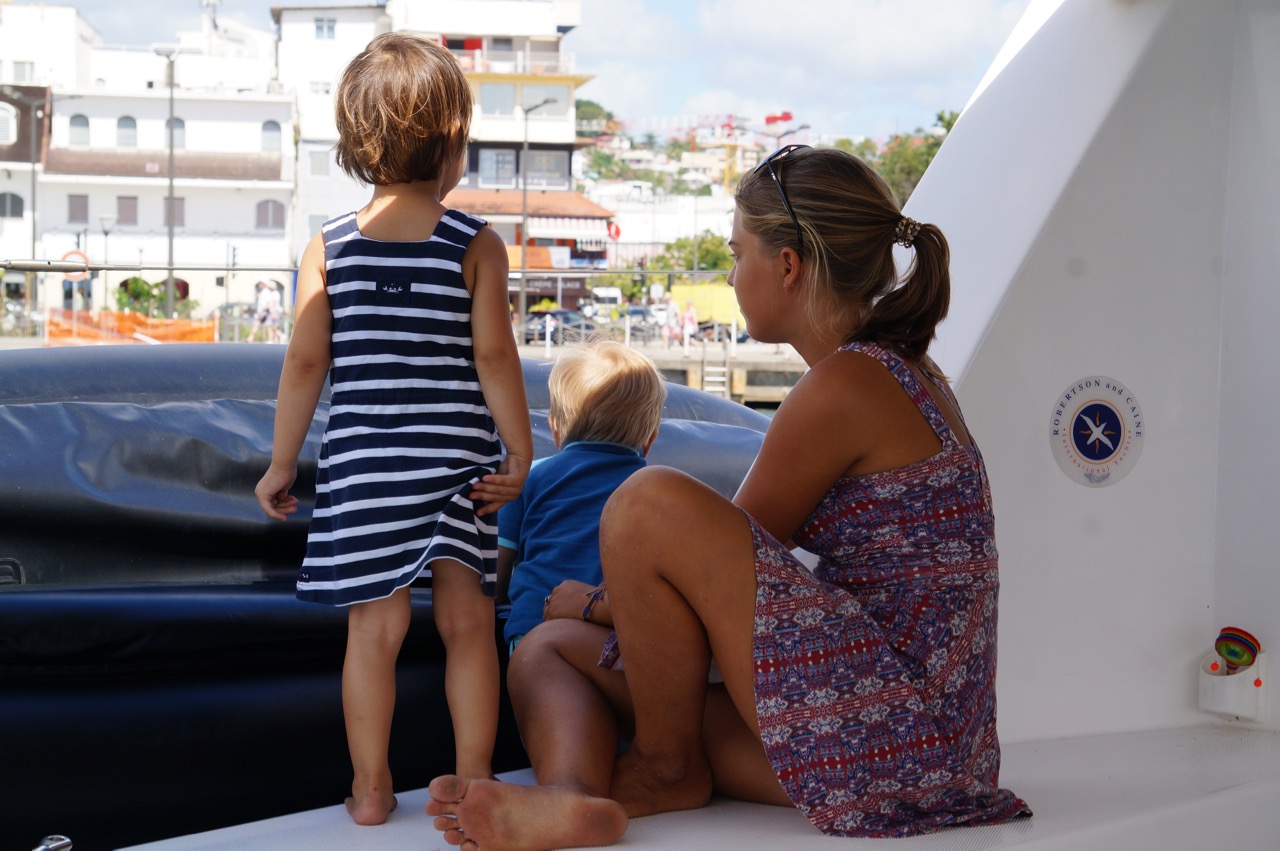
Buska came to visit us, treated us to pieces of biscuit, and clambered onto the chief mate’s lap. Shelly welcomed her guests by yapping merrily, wagging her tail, and even falling asleep in the captain’s arms.
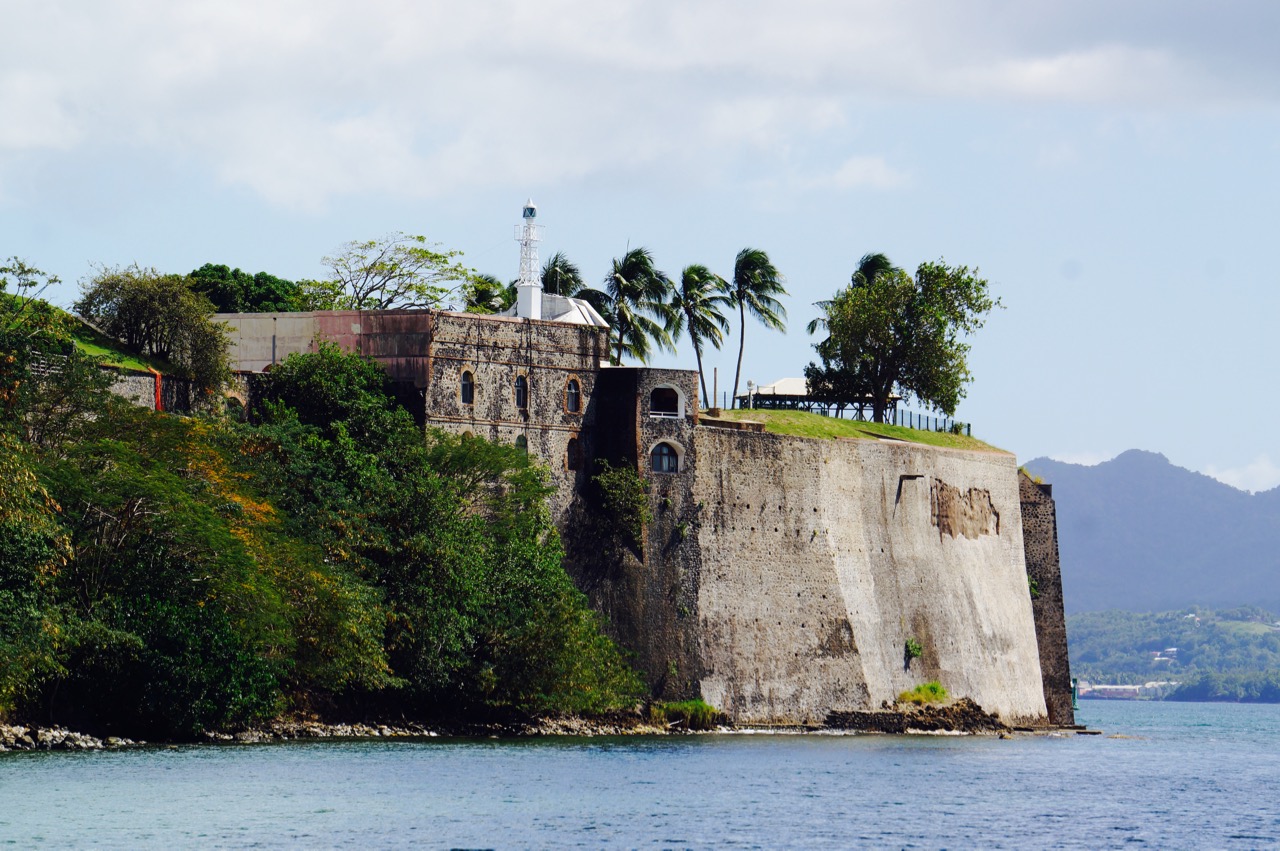
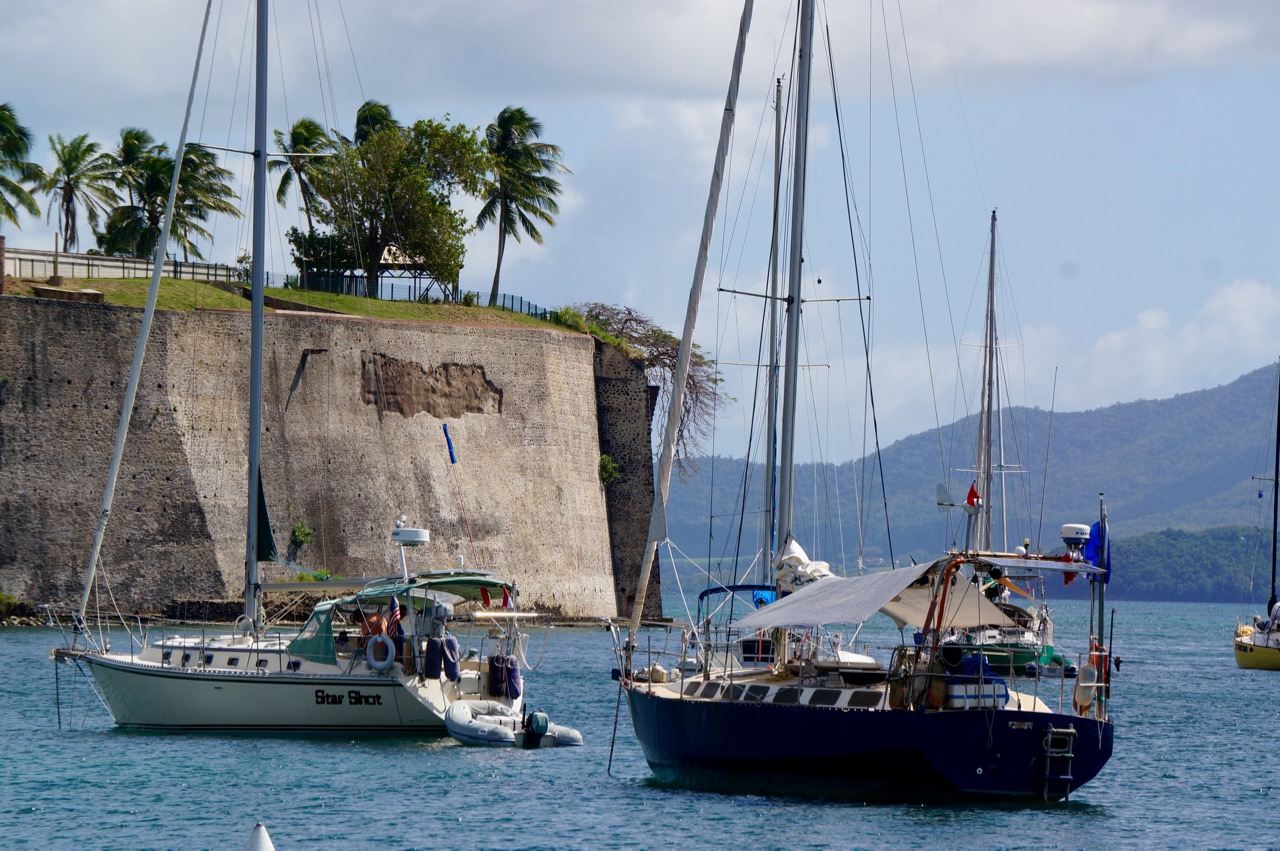
On the very first morning, under the pretext of the “older girls” going shopping, Nadya, Nastya, and I escaped for a tour of the fort. Like everywhere in the Caribbean, two or three centuries ago it stood on a frontier that every great power wanted to claim as its own. Once, the fort withstood a siege for... a whole year and a half. According to the guide, the main things in such a situation are not only provisions, water, and medicine, but also a hefty stock of rum, which replaces all of the above and keeps the besieged entertained. But that was all in jest, of course.
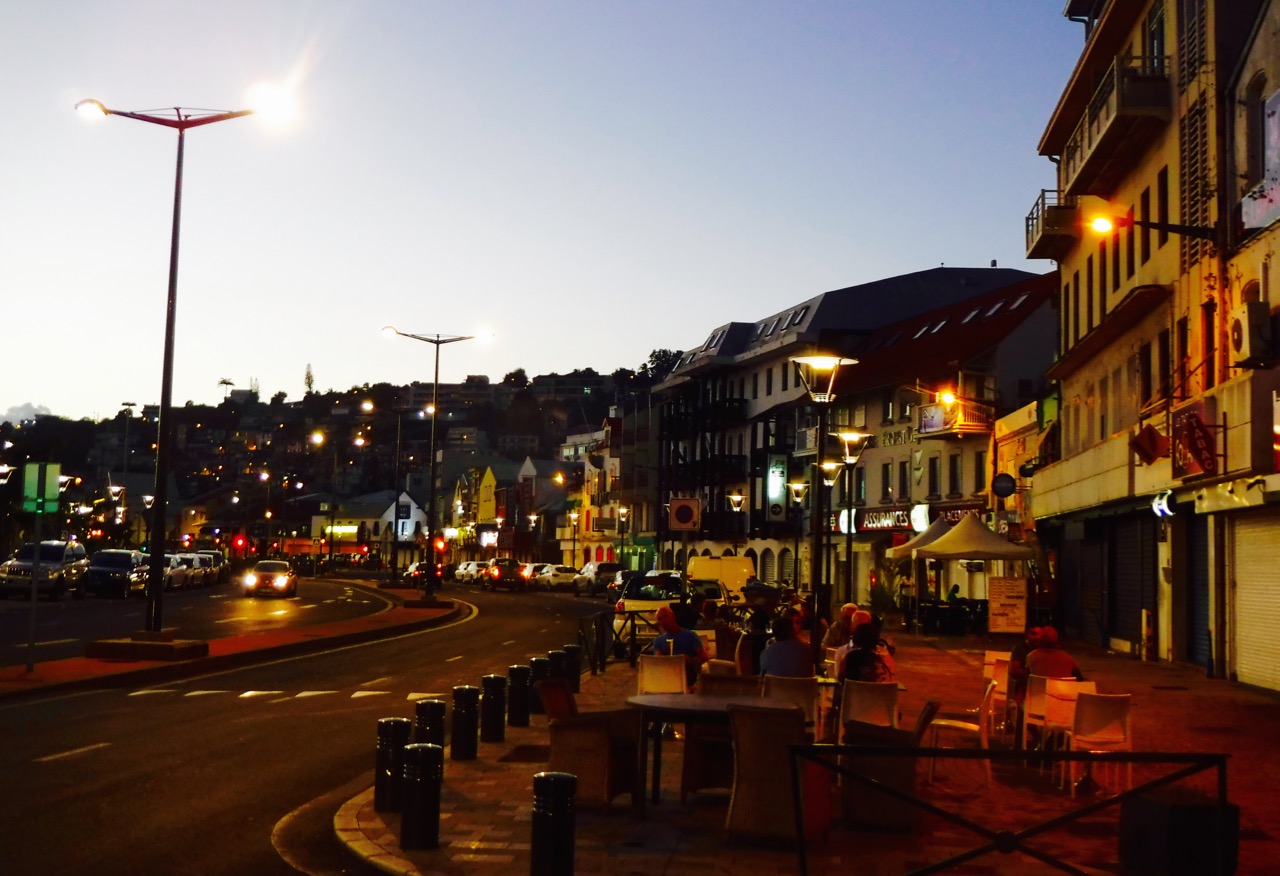
Fort-de-France
Since our escape to the fort was spontaneous, every device capable of taking photographs had been left at home. So we had to pinch this photo from the guys’ page:), while we can only remember what the officers of the garrison still stationed in the fort look like, wondering how they manage to keep those pressed trousers so snow-white! In fact, their entire appearance is dazzlingly white and blooming.
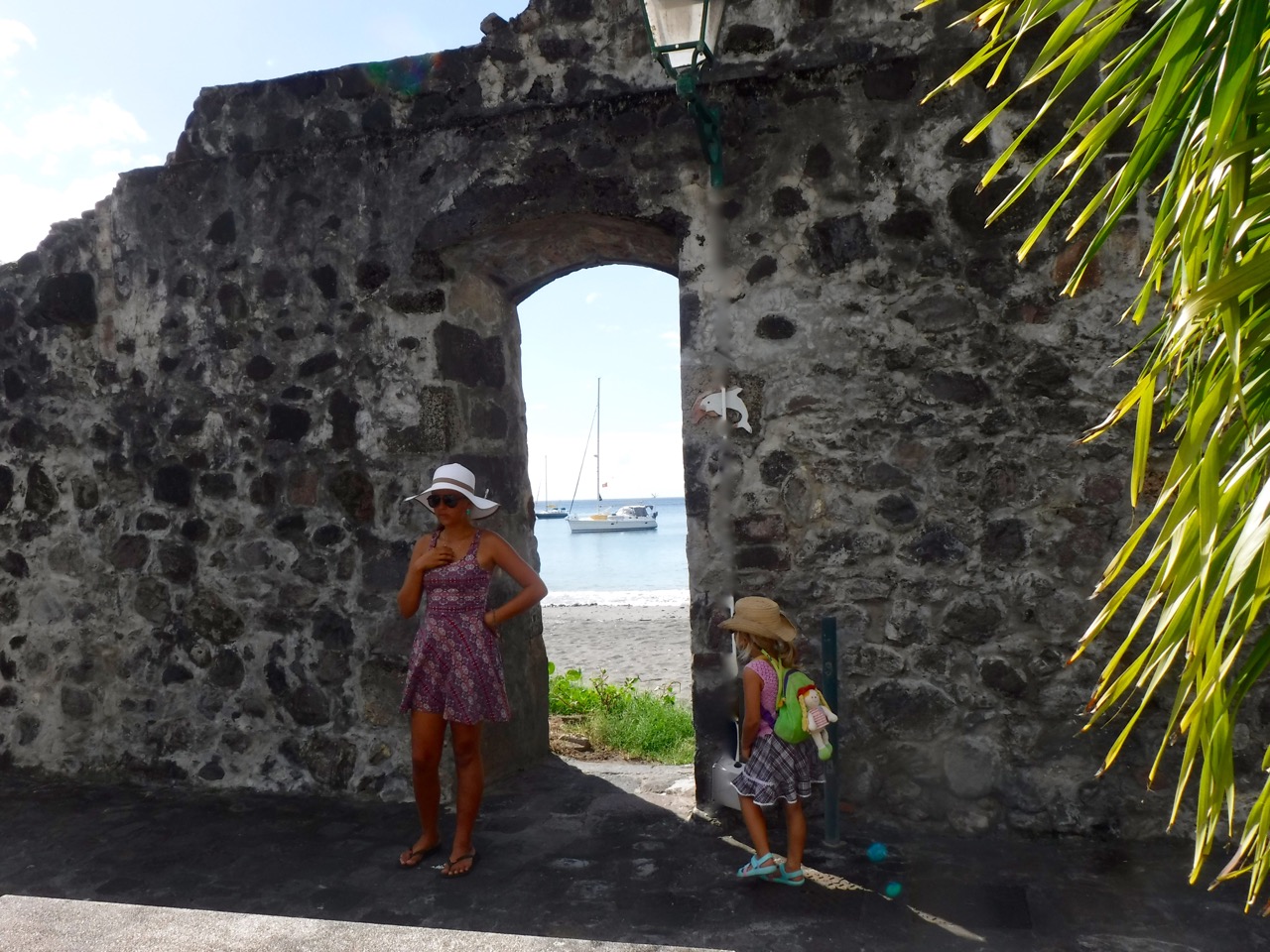
View of the harbour from Fort-de-France
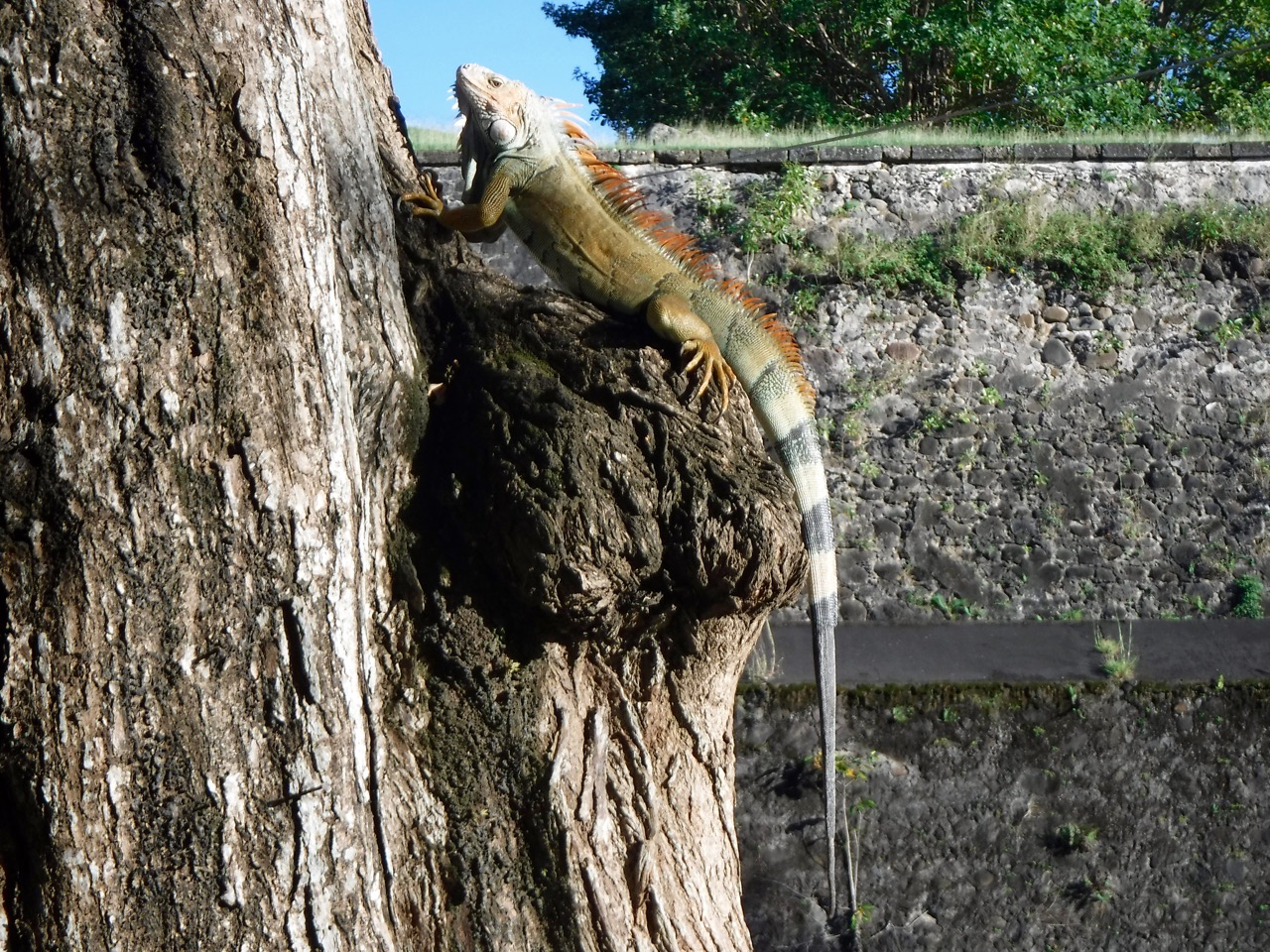
On the second day of our stay in Fort-de-France, a miracle occurred—and we saw our friends from Le Marin again. So that we could walk together along the old streets in the centre of the capital, the guys found a car where there were none to be found (!) and actually came to visit us. On that walk, herds of enormous iguanas strolled through the park alongside us (and ran about on their hind legs, paddling slightly with their front ones). They have them here instead of pigeons:), though there are pigeons too.
When an iguana starts shaking its head and bristling its serrated back, it means you have got on its nerves, and from then on it cannot be held responsible for its actions
But, as always amid the whirlwind of brief encounters, something inevitably gets forgotten; this time it was the children’s books. And now, at the Sea Service yacht shop, a parcel of fairy tales from the Russian people, Pushkin, and Lady Mary’s young sailors is awaiting the guys’ next visit. 🙂
One young sailor from each of the three crews that visited Mana Mana:
After seeing the Mana Mana crew off to Barbados and the IOLANI crew back to Le Marin, we came to appreciate
The peculiarities of Martinique’s free internet
The thing is, mornings in Fort-de-France begin in different ways. After a long rehearsal by a battalion of drummers, apparently staged in honour of our comrades’ departure from the capital (the city shook until midnight), even the most energetic people did not wake up the next morning until half past eight. The chief mate was notified of this by the instant disappearance of the free Wi-Fi signal. The signal reappeared late at night, when the city had gone back to sleep and only the mafia was still awake:).
Fort-de-France falls asleep
But now, having recovered from the drumming bacchanalia, the populace woke up at five in the morning and (what else is there to do at 5 a.m. on a paradise island?) everyone immediately went online to read the news feeds. The internet promptly stopped reaching Lady Mary’s anchorage; the “mafia” retired to the aft cabin, with kind words for the band of drummers and unkind ones for all the island’s internet early birds. And so we sailed off to Saint Martin without managing to publish the post or answer our letters.
How we escaped from the zoo
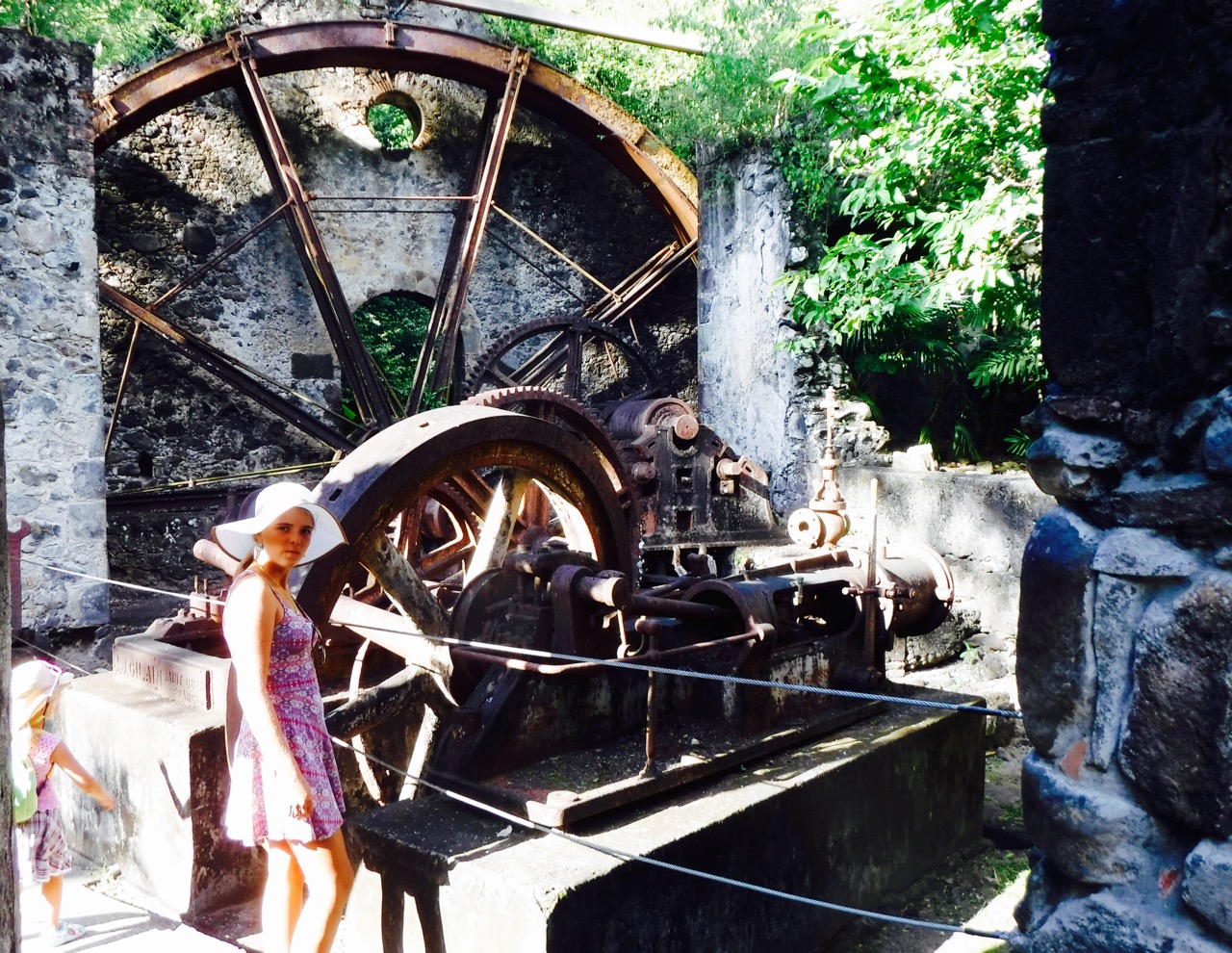
In the north of the island, in the town of Saint-Pierre, there is a great zoo built into the ruins of a rum distillery and colonial estate.
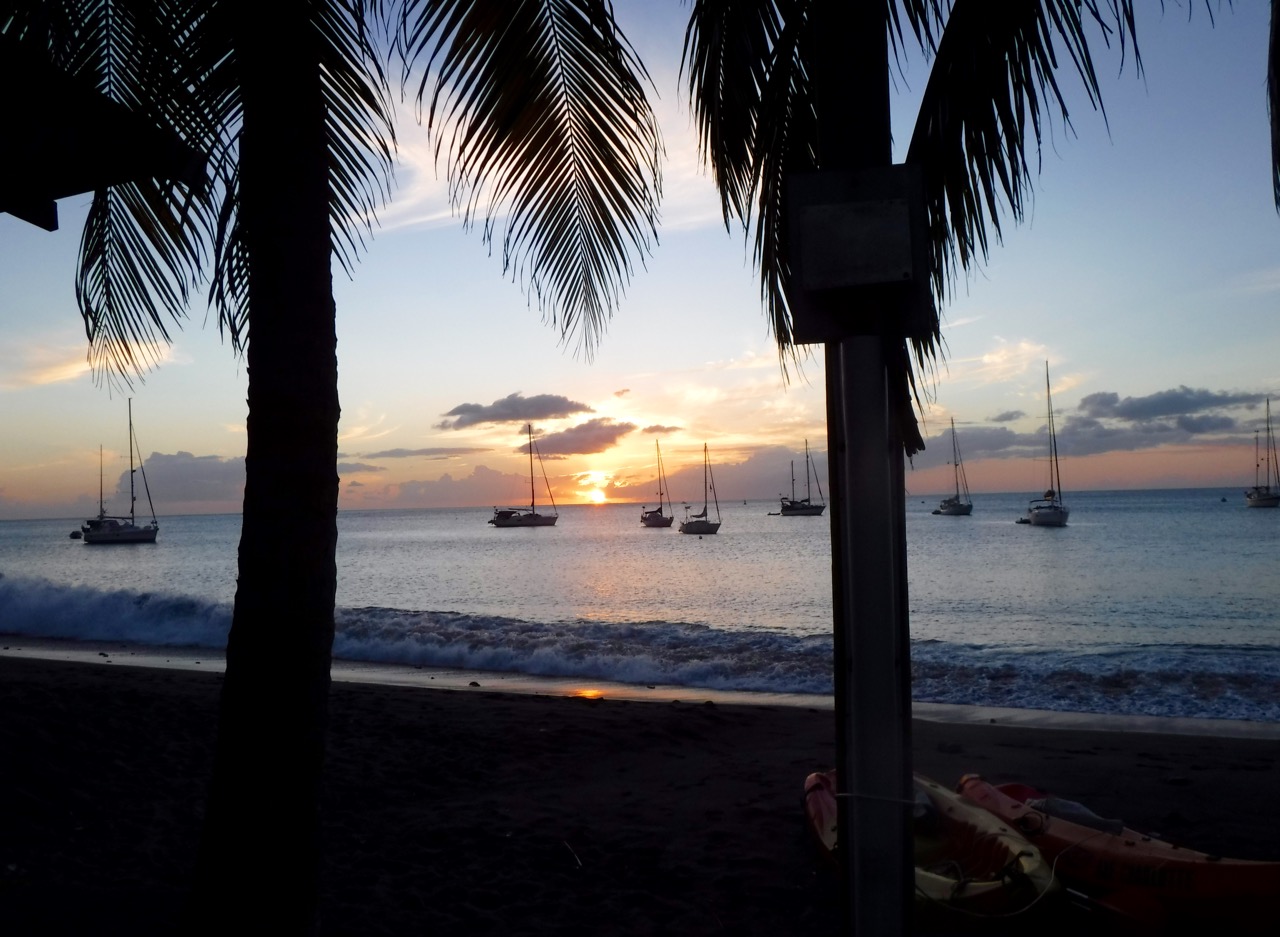
We thought we would not have time to drop in on our way to Cuba, but the stars aligned just right, and our anchor finally dug into the sand in the bay off Saint-Pierre.
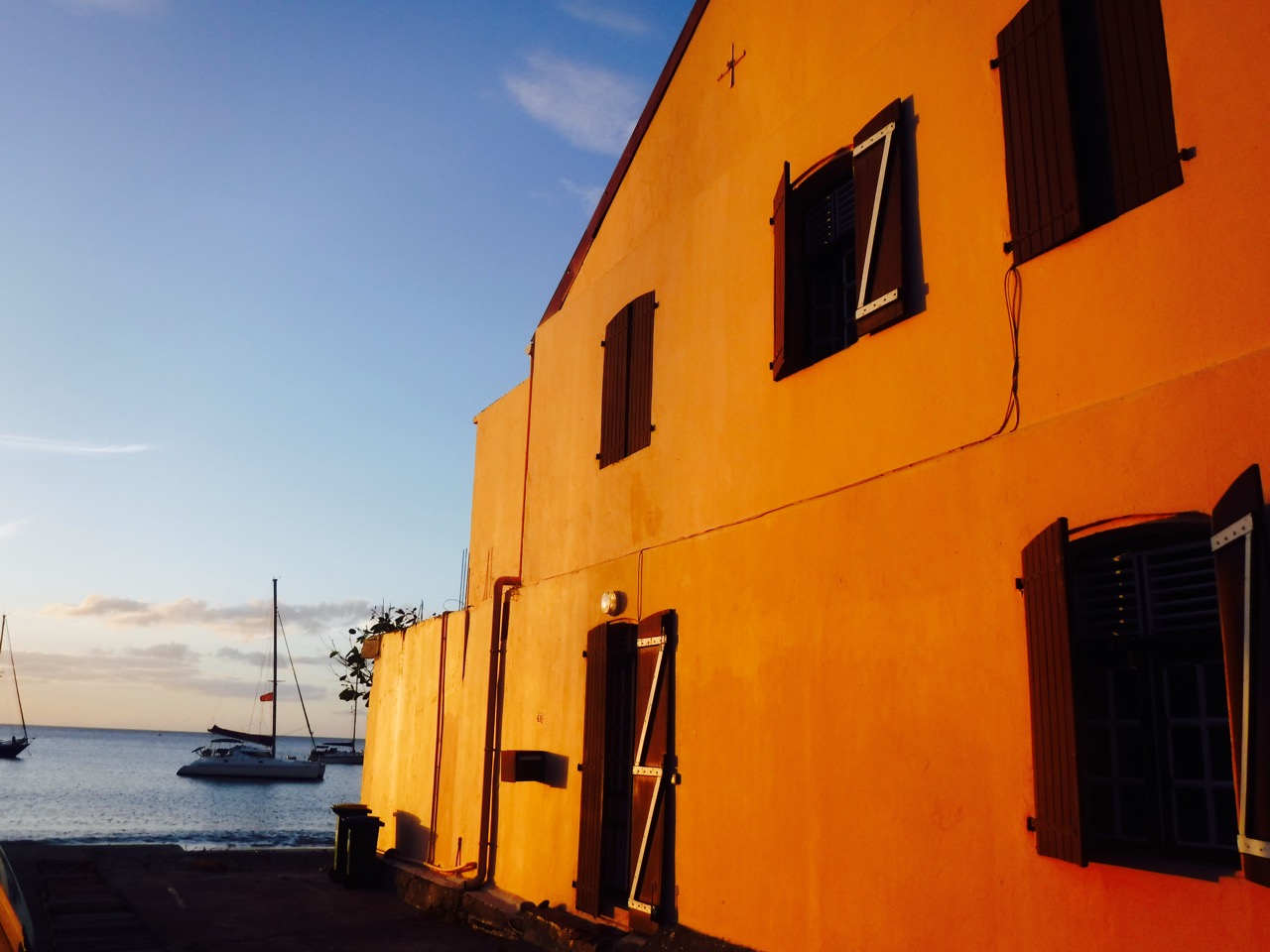
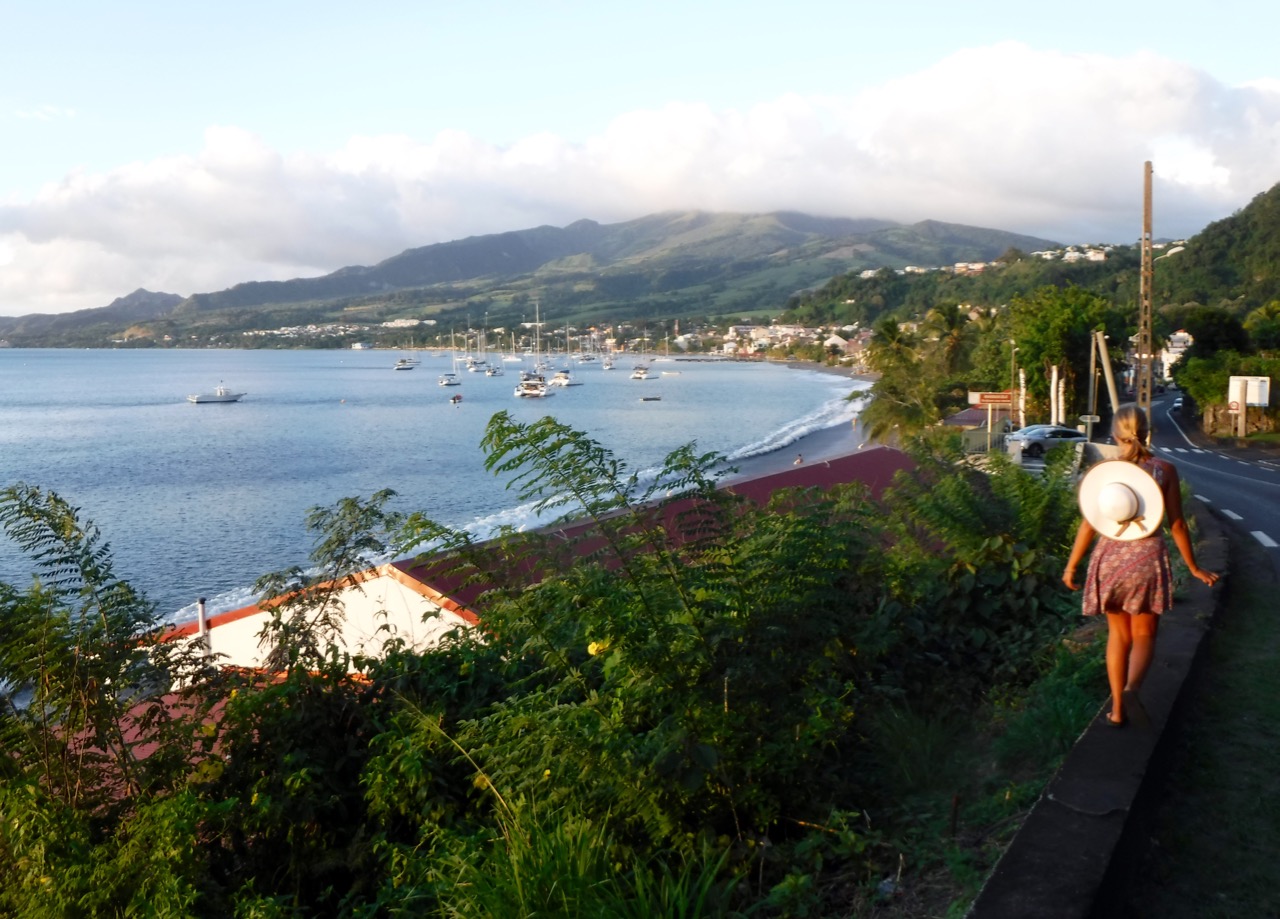
The captain stayed behind to mend the sails, while the young sailors and I set off along the seafront towards the zoo, sometimes squeezing through narrow gaps between the walls of old houses and new means of transport—cars, which leave almost no room to pass in virtually any old town—and sometimes dodging those same cars in a roadway utterly devoid not only of a pavement, but even of a decent verge:).
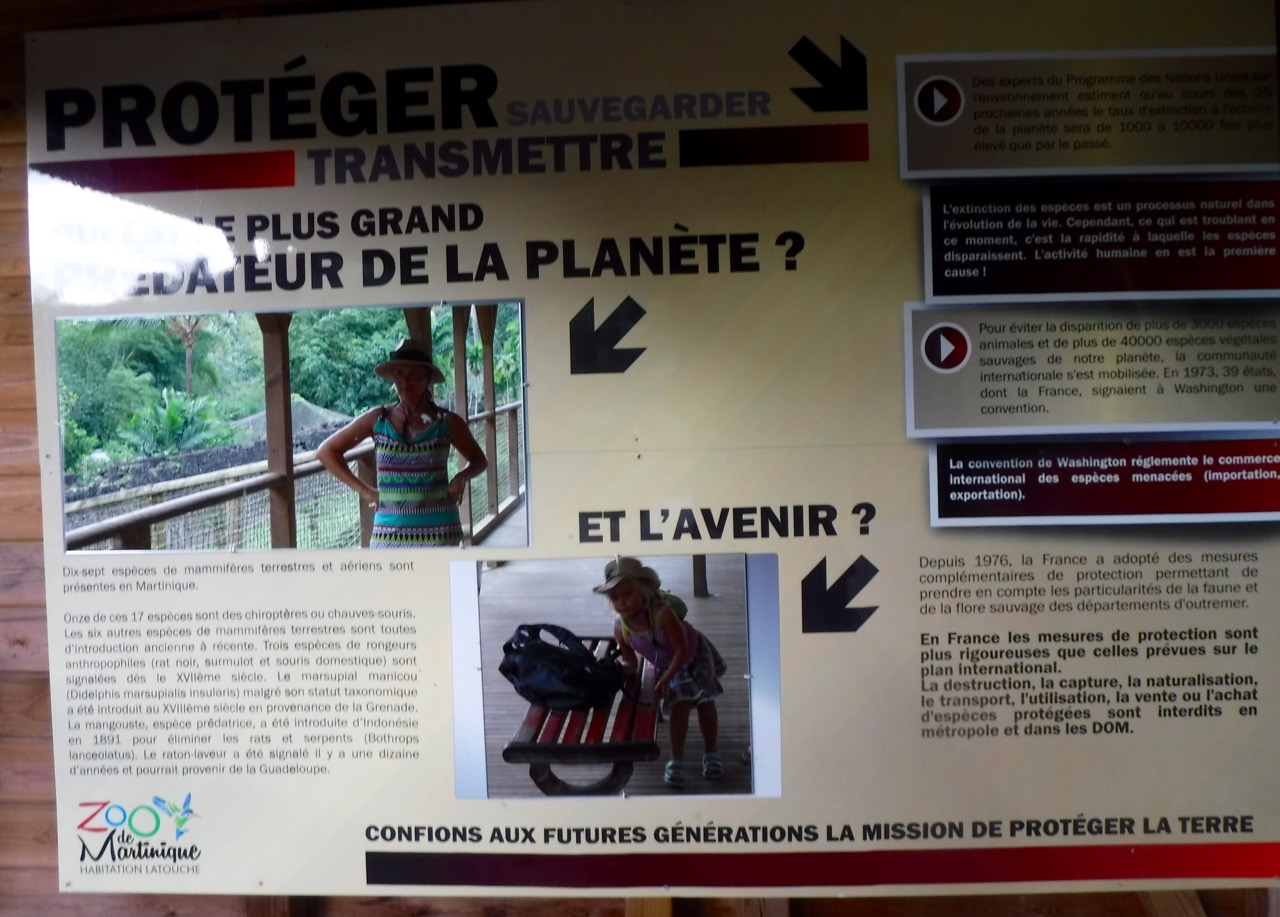
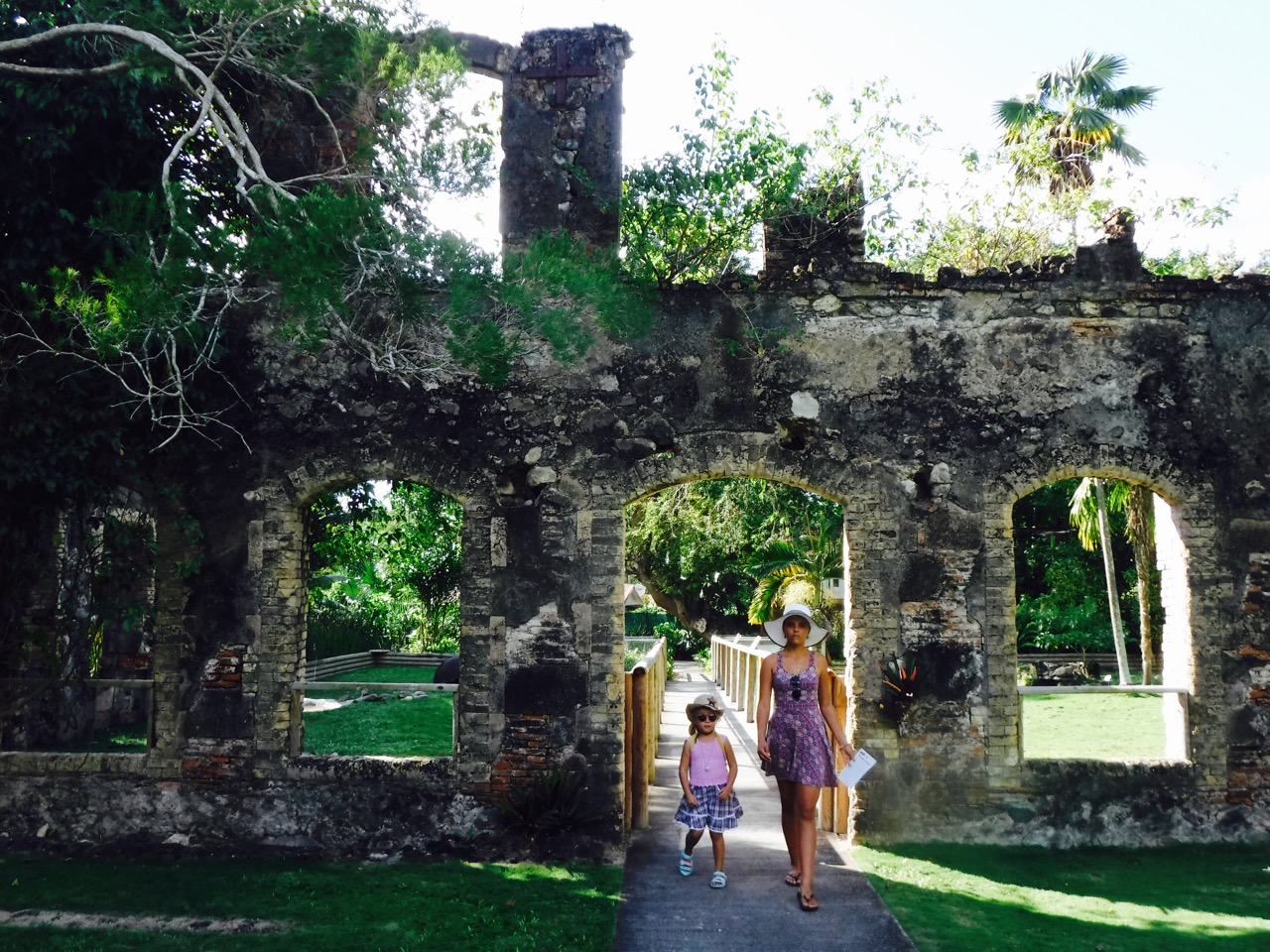
We arrived at the zoo at the same time as a pair of Frenchwomen, but ultimately became the last visitors there—the result of the chief mate’s love of observing and examining details. During the four hours we spent among the ruins, trees, and animals, we drained the batteries in two cameras, recreated in our imaginations the original appearance of the distillery, the manor house, and the slaves’ huts, and delighted to our hearts’ content in the furry raccoons, which, despite their lumbering ways, climb trees quite well.
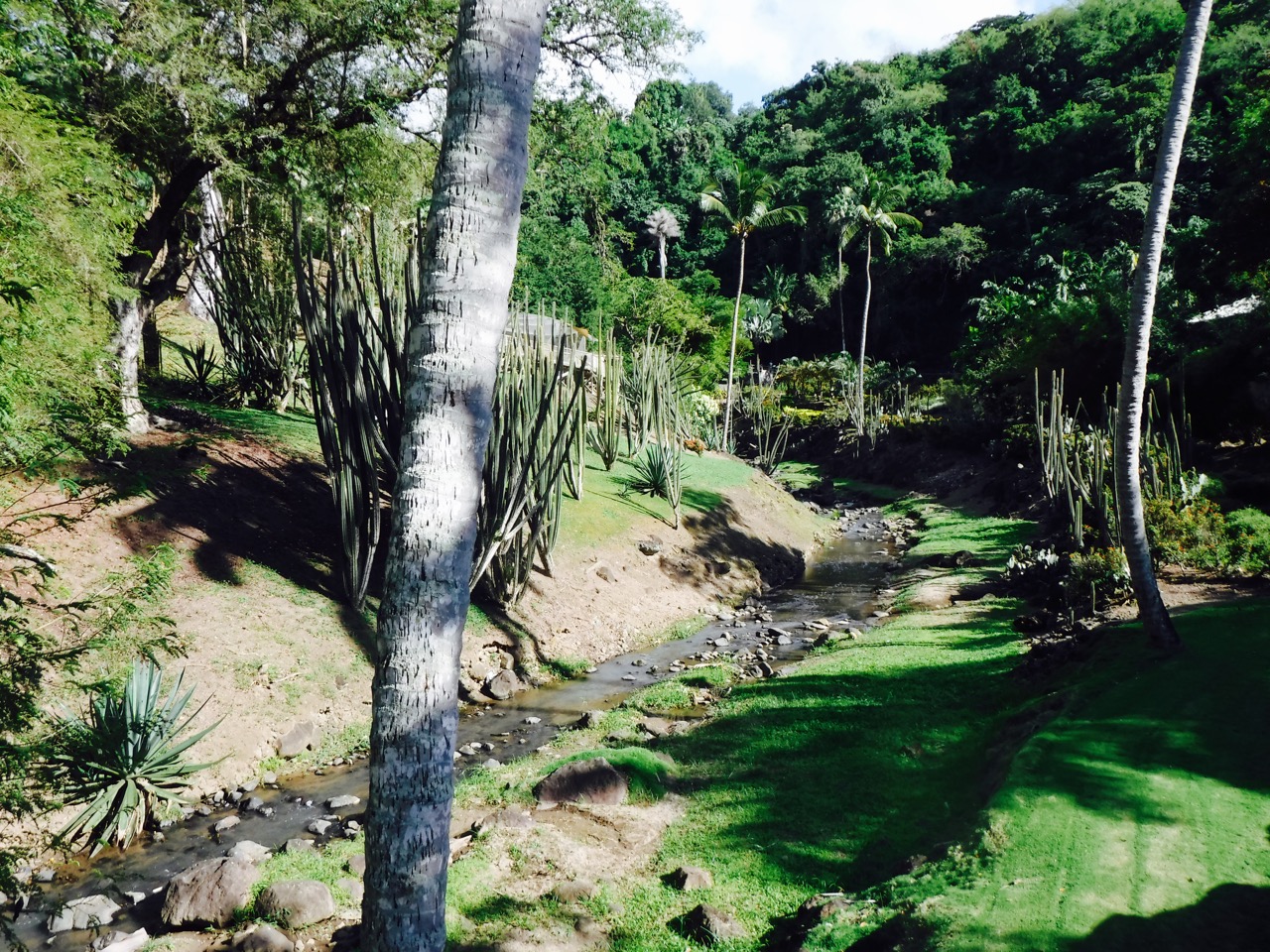
The stream valley where the zoo’s inhabitants live and picturesque ruins crowd together
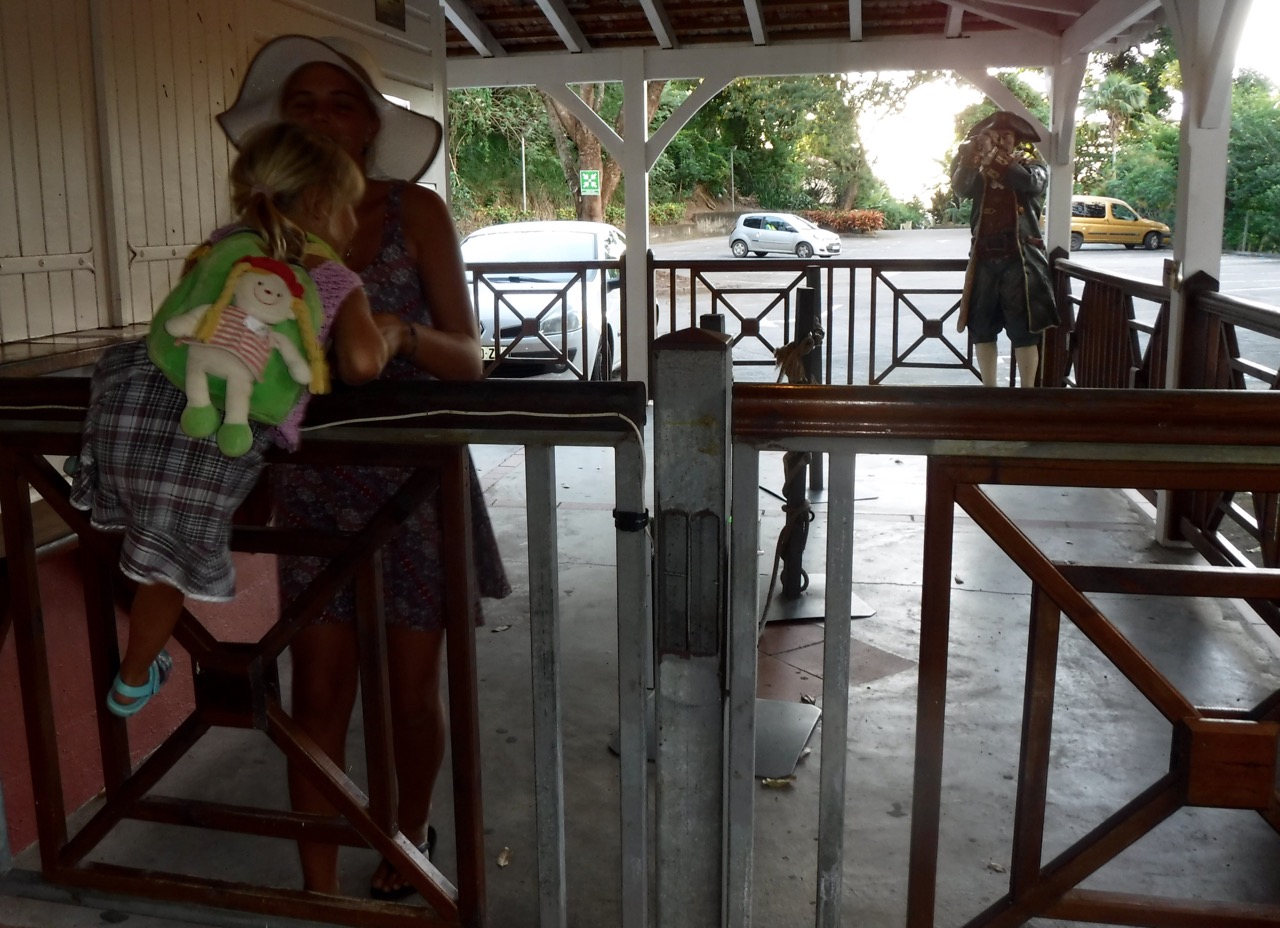
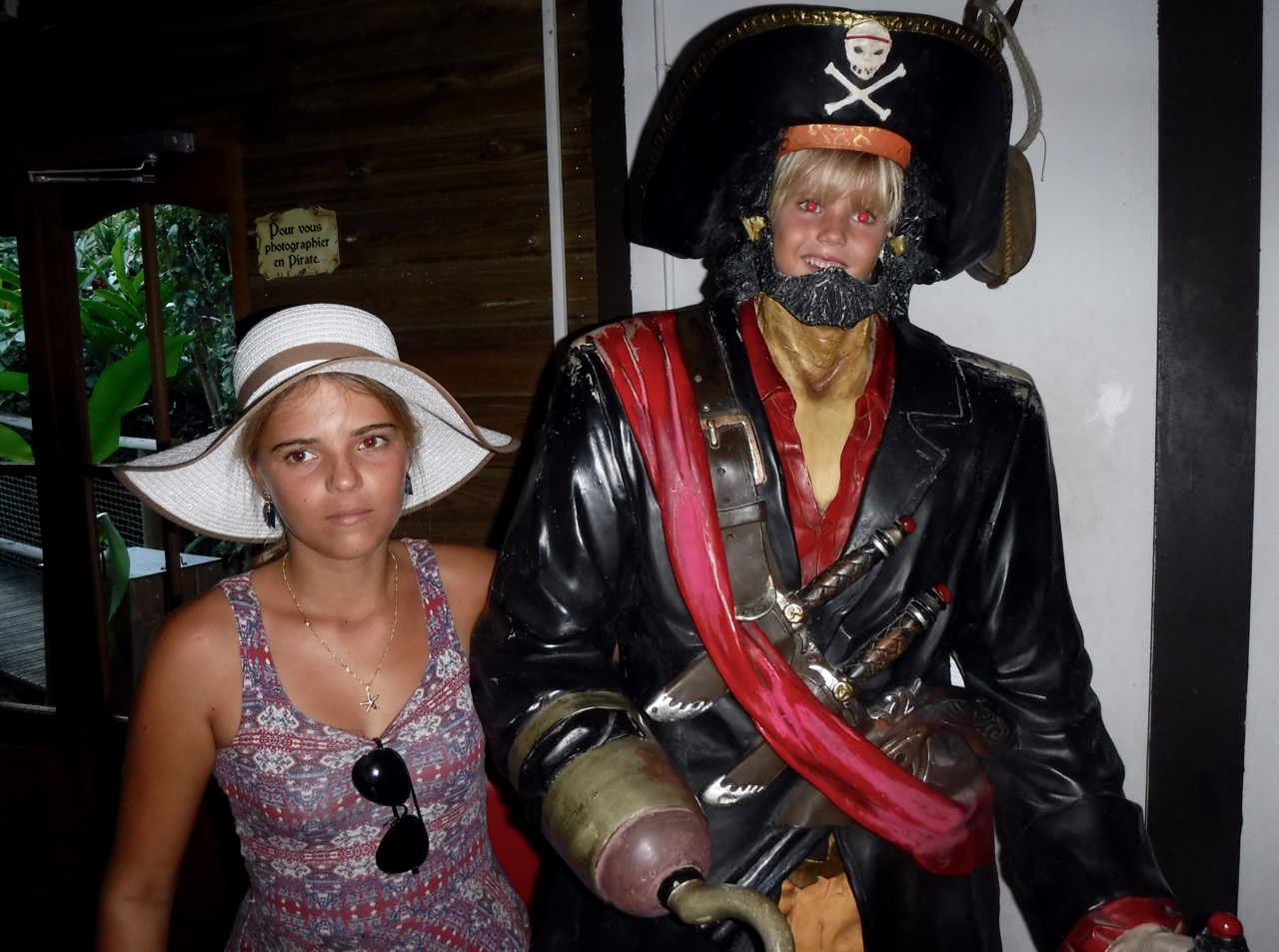
And to round things off, our peaceful crew found itself alone with pirates in their museum lair, which has all the trappings of true pirate life—gallows, cages with skeletons, cannons and grappling hooks, chests of pieces of eight, and even a photograph of Jack Sparrow with a genuine autograph:). In the end, the zoo administration forgot about us and locked all the entrances and exits—fortunately, not very securely. We had to hitch up our skirts and make our escape over the fence under the ever-watchful gaze of an almost-real pirate gatekeeper. 🙂
Lady Mary’s young sailors storming the exit gates
More photos
That’s how we made the local papers 🙂
Pirates of the Caribbean
The centre of Saint-Pierre
Head north at sunset
Saint-Pierre
On the way back from the zoo
The former planter’s house
Ruins of the rum-distillation plant on the former plantation—now the zoo
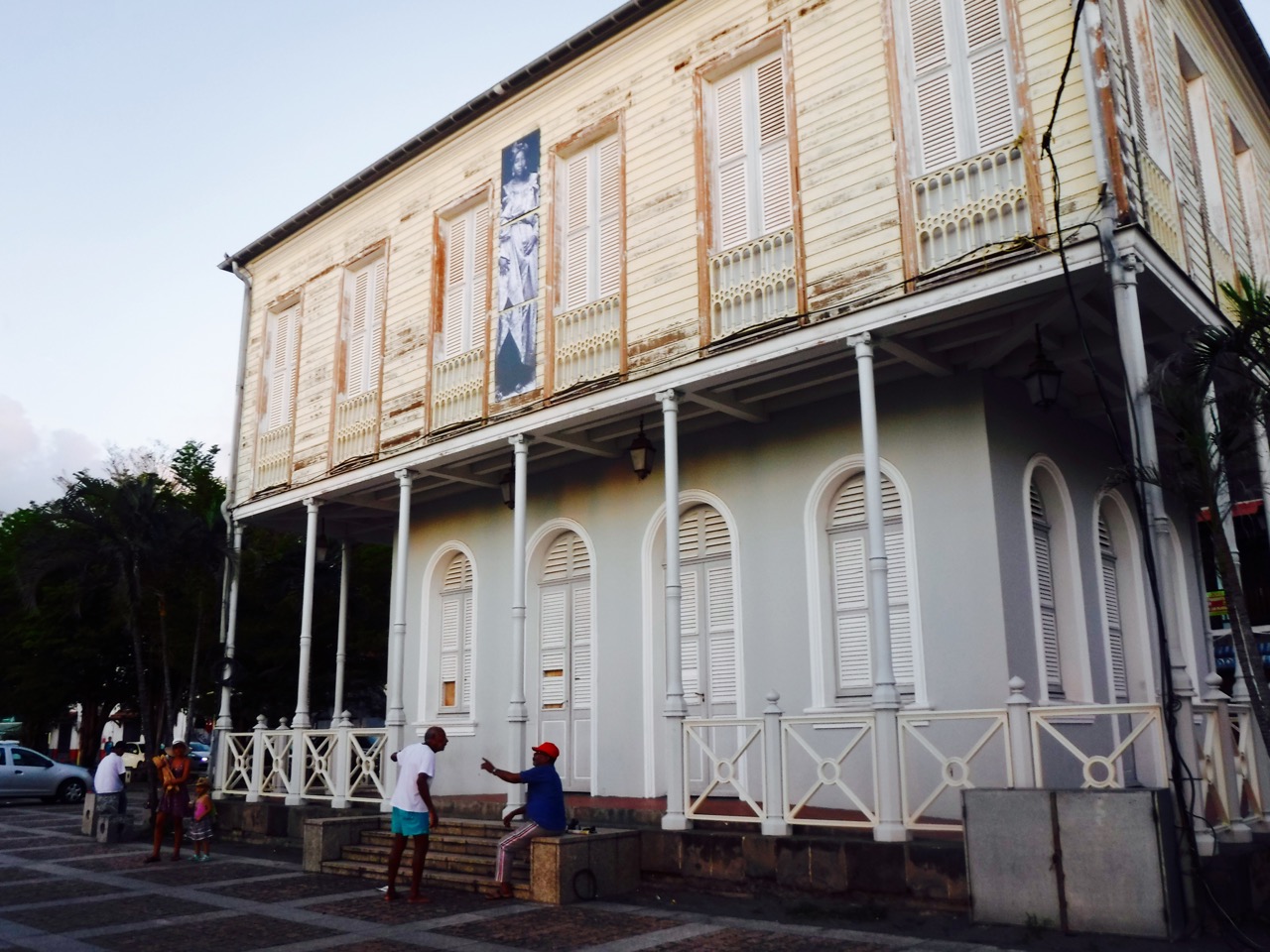
The centre of Martinique’s capital
At the entrance to Fort-de-France harbour
Moored right beneath the walls
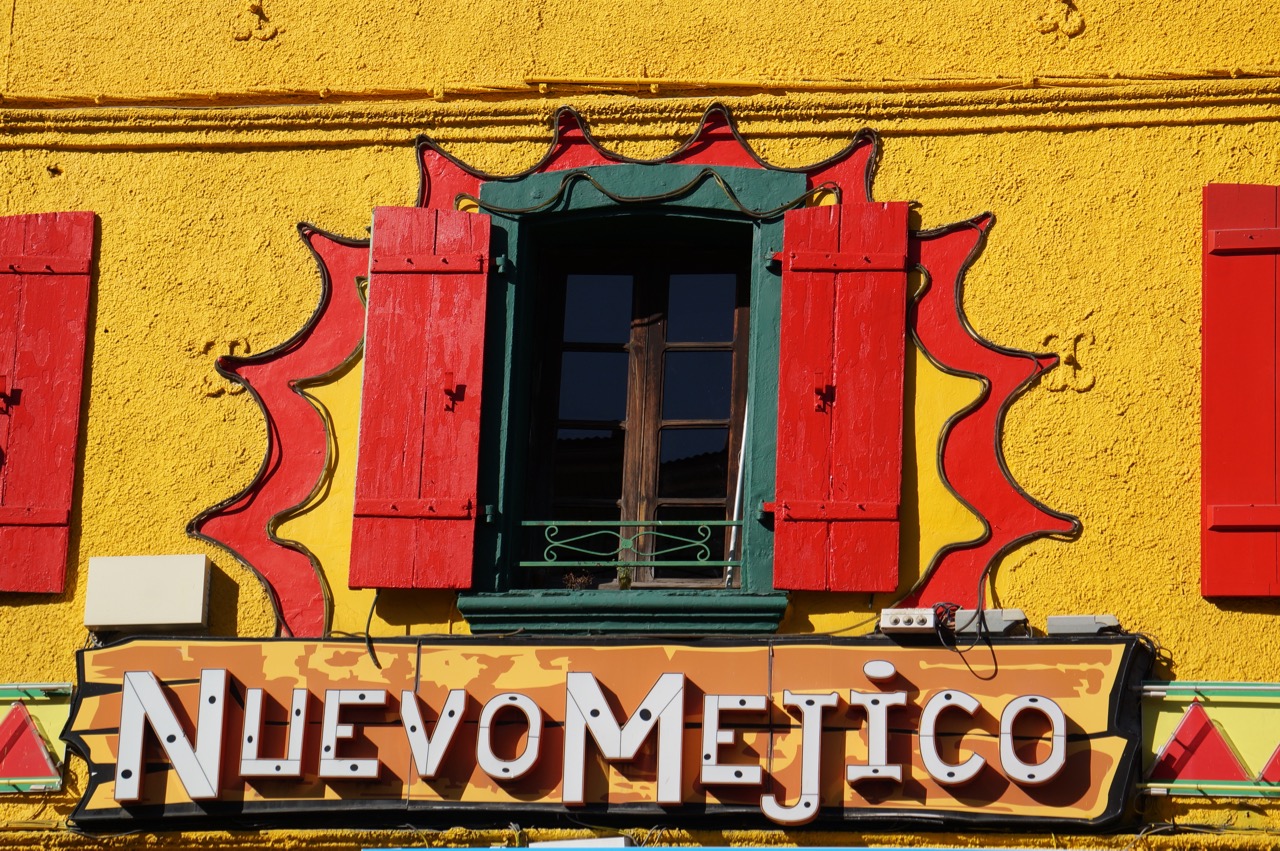
A little Mexican restaurant
A bright opening left after a house was demolished—an outdoor exhibition
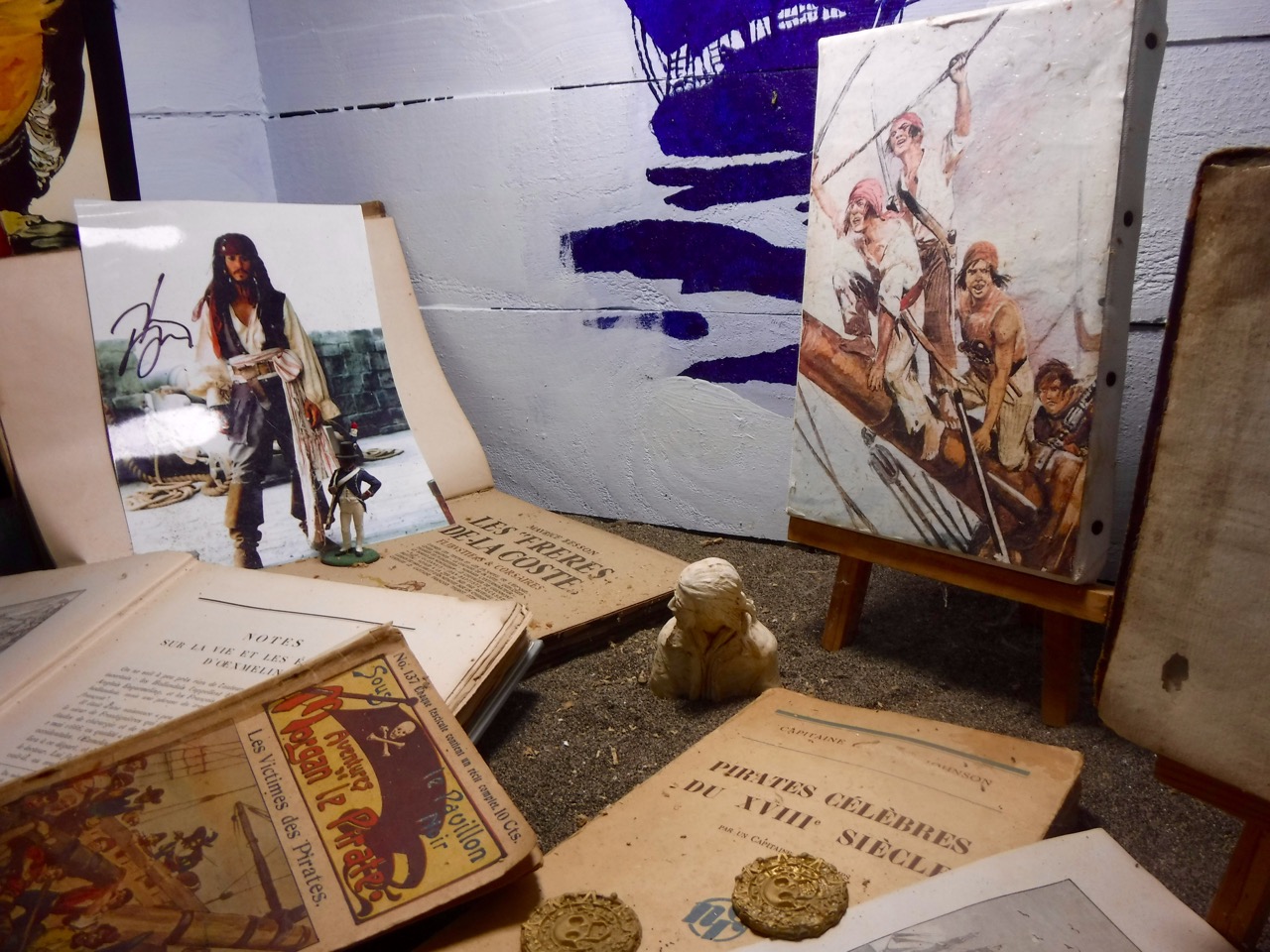
Greetings from Captain Jack Sparrow