
From the Travely-Family archive · Other Entries
Morocco
An original publication from the former Travely-Family website. This English translation was preserved from the technical-site archive without editorial rewriting.
About visas for Morocco
Russian citizens may stay in Morocco without a visa for three months. If a Russian traveller has a burning desire to remain in the country longer, they must also obtain a temporary residence permit for foreigners. It is issued by the nearest police station and must be applied for at least 15 days before the three-month period expires.
Marrakesh—the Pink City
Morocco is part of the Maghreb—the name medieval Arab geographers gave to the lands lying west of Egypt. Remember the Maghrebi from the tale of Aladdin? Perhaps he was Moroccan. All the more so because, in Arabic, Morocco is still called the Maghreb. Translated from Arabic, Maghreb means the land where the sun sets. Quite fitting, since Morocco is the westernmost of the northern countries of the African continent.
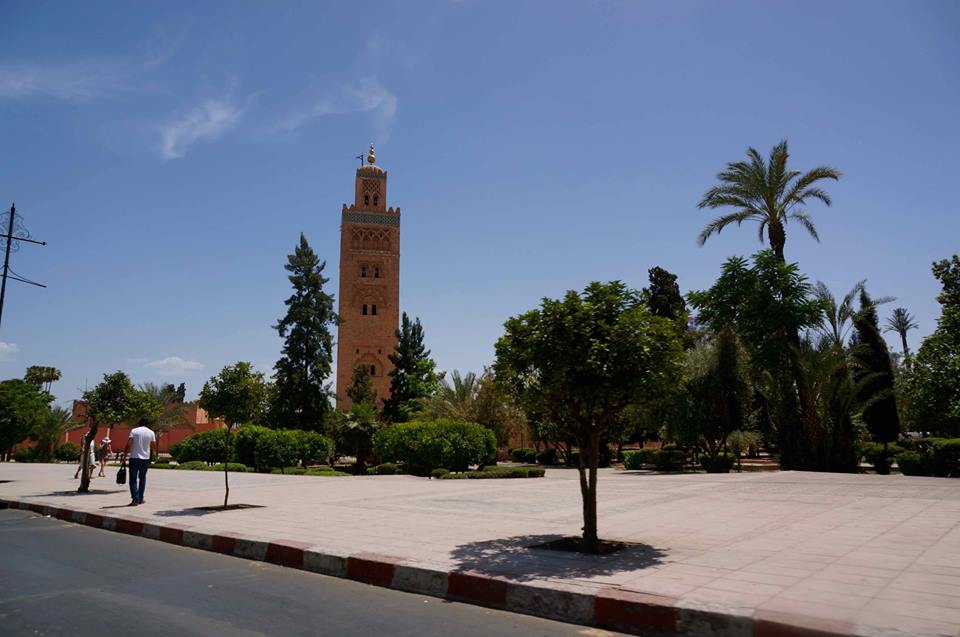
A thoroughly Arab land straight out of One Thousand and One Nights. Yet, given its proximity to Europe, it is also quite secular. In the big cities, you will not be stoned for appearing in public wearing shorts. In villages and places off the tourist trail, however, you should be more careful and dress modestly, as befits a Muslim country.
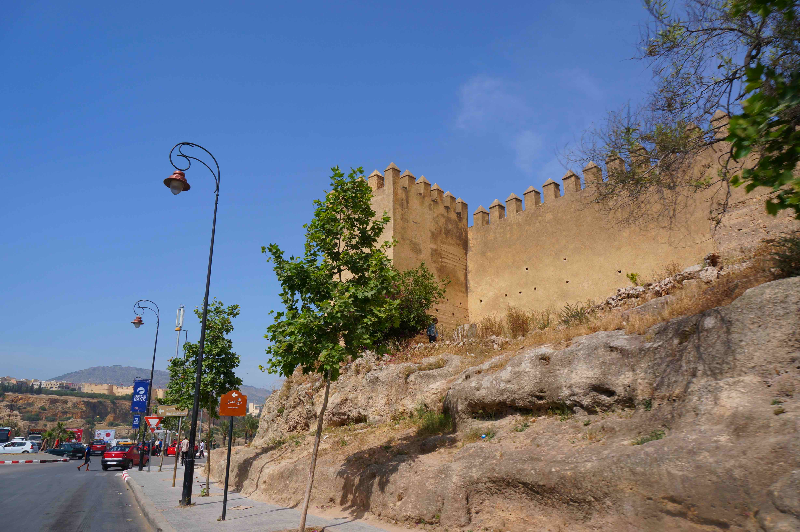
Morocco. The fortress of old Fez
The country is ruled by the monarch Mohammed VI. Rallies and popular unrest do sometimes occur in the kingdom, but protesting against the king’s policies is fraught with danger, so the demonstrators come out against the government and the prime minister instead. Meanwhile, the monarch’s portrait always occupies a place of honour beside the speaker.
The official language is Berber. The second language is French, because until 1956 the country was under a French protectorate—or, more simply, was a French colony. Spanish and Portuguese are also spoken in the north of the country.
Many Moroccan professionals once studied in the USSR and Russia, so someone here may well address you in Russian.
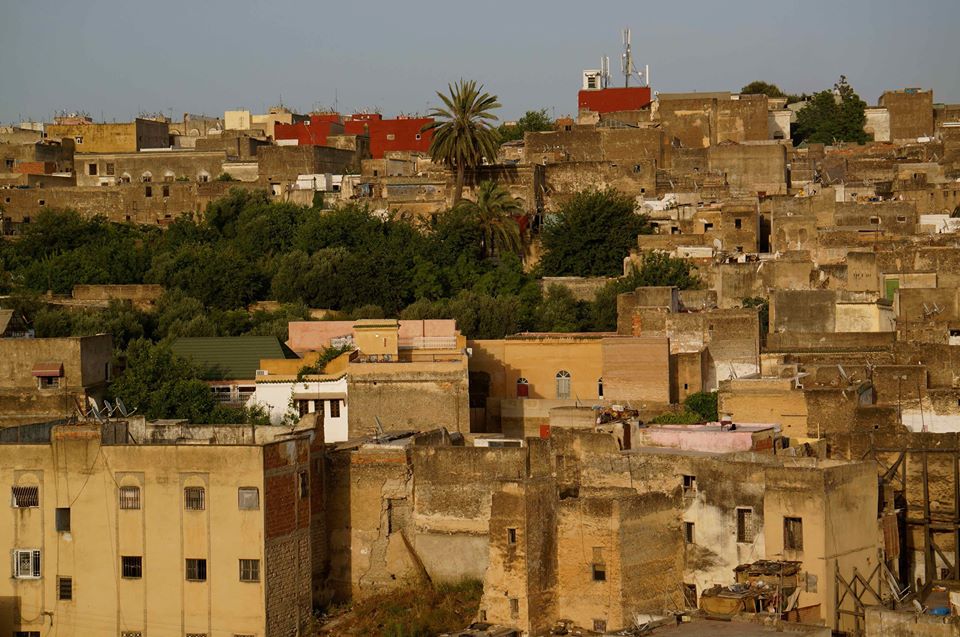
Morocco. Fez. The medina (old city)
Morocco’s currency, police and roads
Until 1974, the Moroccan franc was in circulation. After that, only dirhams remained. Given the rouble’s instability, it is best to check the current exchange rate at the time. (27.08.2015: 1 dirham = 7.17 roubles)
The police in the country keep a low profile and do not pester you with document checks. But they say that in the event of a road accident, they arrive within minutes.
Morocco has one of the best road networks in Africa. Having driven 2,000 km along Morocco’s motorways, we can confirm that the roads are not bad. And the traffic lights are lacy and painted brown ).
Animal-drawn transport—donkeys and mules carrying loads either on their backs or in carts—operates alongside motor vehicles. Be careful: if you are not used to it, you may miss the “turn signal” given by the drover 🙂 Perhaps this is beside the point, but:
Morocco is the United States’ most loyal ally among countries outside NATO. Perhaps that is why elderly vendors selling unleavened flatbreads (Morocco’s favourite bread, priced at 1–2 dirhams apiece) say:
“Are you from Russia? Putin OK!... Oh, no, Putin no OK. Gorbachev—OK!” 🙂
We happily munch our flatbread.
We arrived in the country by yacht, at the marina in the city of Agadir. From there, we drove to Fez via Marrakesh, Rabat and the Atlas Mountains.
Notes on Morocco:
Moroccan Transit. The City of Fez
Another Cinderella Story
Yacht Children and the African Heat
The Colours of Oriental Bazaars