
From the Travely-Family archive · Atlantic
Where Have the Canary Islands’ Indigenous People Gone?
An original publication from the former Travely-Family website. This English translation was preserved from the technical-site archive without editorial rewriting.
Where Have the Canary Islands’ Indigenous People Gone?
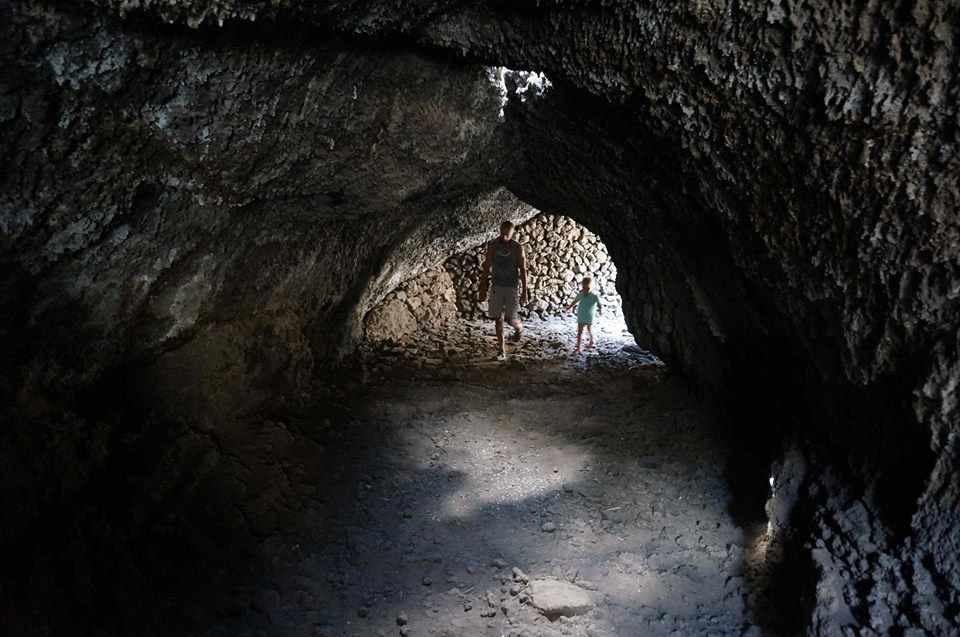
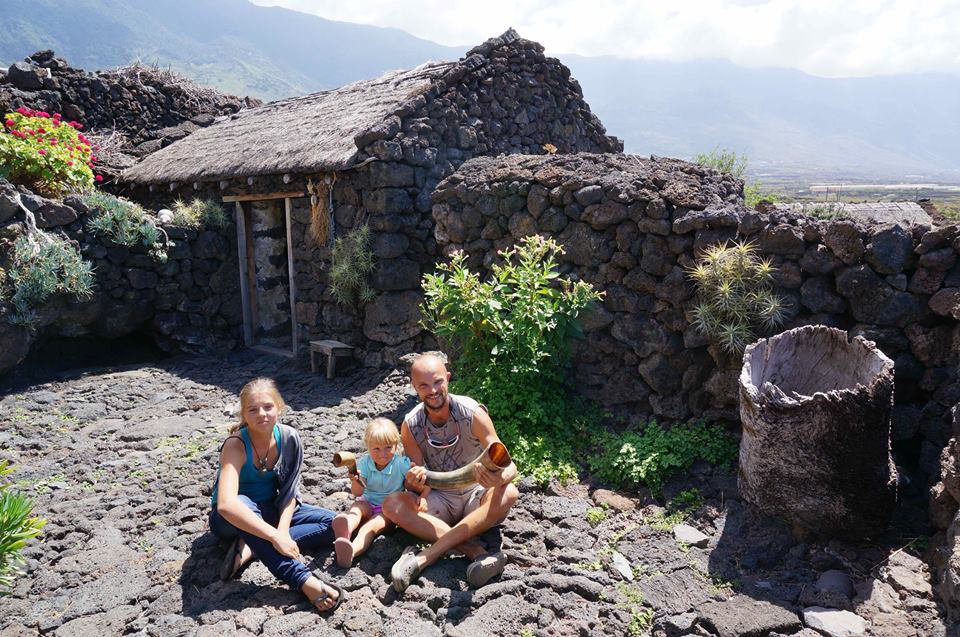
The Guinea Ecomuseum on El Hierro
Having taken an interest in the history of the Canary Islands a long time ago, we read a little about the Guanches, who, according to one theory, were descendants of the Atlanteans. They were tall, broad-shouldered people with light-coloured eyes and reddish hair. They inhabited the main Canary Islands, preserved their history and lived peacefully. They even gave the first Spanish seafarers shelter and warmth. Later, as a token of gratitude and love for the Canary lands, those very conquerors diligently slaughtered every last Guanche.
However, the Guanches were not the Canary Islands’ only indigenous people. El Hierro was home to the Bimbache, the “sons of the sons of Tenerife.” They quietly farmed, fished and prayed to their gods until 1405, when the Frenchman Jean de Béthencourt arrived, commanding, for some reason, a Spanish ship.
The sons of the Guanches welcomed Béthencourt with open arms, and he promised not to harm them. As tradition dictated, the conquistador-explorer failed to keep his promise. He did, however, proclaim himself king of the conquered Canary Islands, and before long most of the Bimbache had been sold into slavery or exterminated.
Archaeological excavations are now under way on all the islands, although relatively little is still known about their indigenous inhabitants. It has been established, for example, that the natives had no seafaring skills whatsoever. They built no boats, never went to sea and fished exclusively from the shore. When the Spanish disturbed their peace, the Bimbache lived mainly in volcanic caves, which can be so large and dry that I myself would happily live in one for a while. During particularly cold winters, people shared their living quarters with goats and sheep to keep warm.
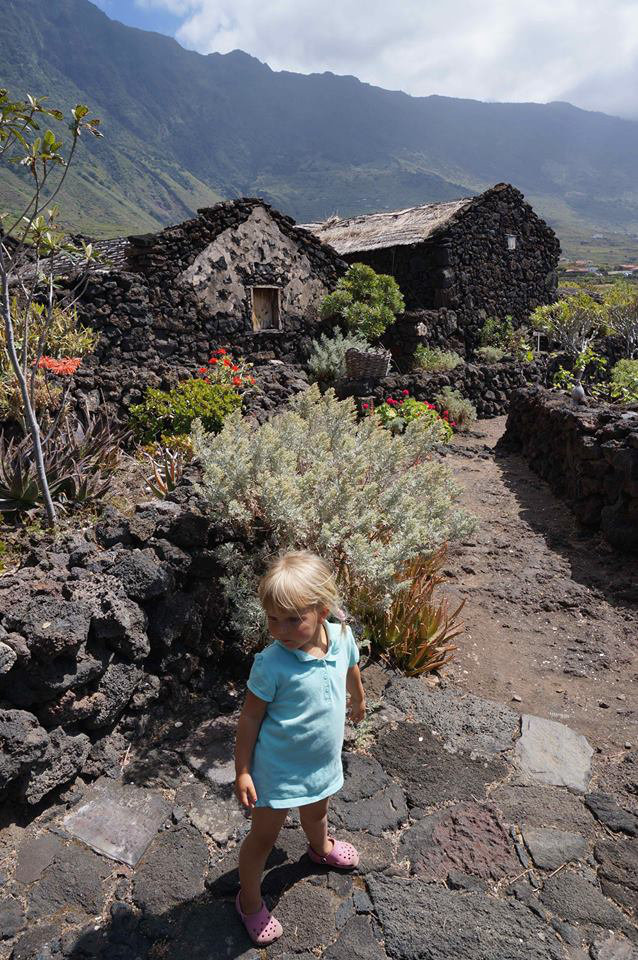
Photo: The Guinea museum village has both houses and half-house, half-cave dwellings. The indigenous Bimbache lived in caves and half-houses together with their livestock; the Spanish newcomers brought houses up to the surface.
Goats and smells... Incidentally, they say the local goats do not smell. It is all thanks to the exceptionally dry climate. Nor does the goat’s cheese smell—and on El Hierro it is among the best in the world. I had previously refused to touch such a product under any circumstances, but on El Hierro I became its most ardent devotee. I do not know what kind of phenomenon this is, but it really does not smell remotely “goaty.”
I would venture to suggest that the Bimbache cave dwellings did not smell of goats either.
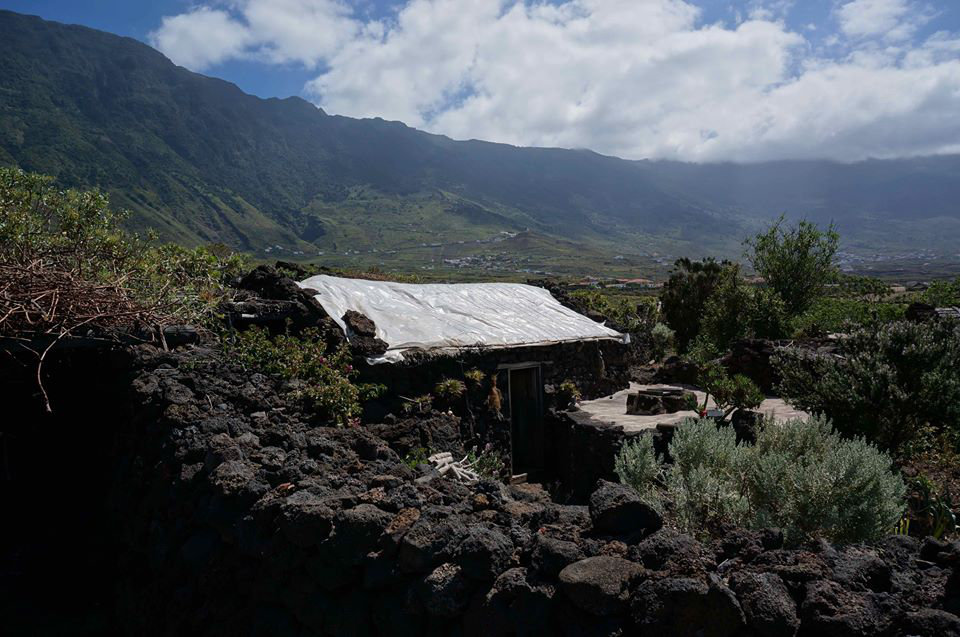
The descendants of the conquistadors later settled on the sites of many indigenous villages as well. Over time, the caves acquired little stone-built houses and livestock pens, which remained in use until the middle of the last century.
The link through the ages, from the Bimbache to the present day, is easy to trace if you visit the Guinea open-air museum on the island’s northern coast, on the outskirts of Frontera. Several genuine historic homesteads from different centuries form a cosy little village and are part of a complex of local ethnographic museums illustrating the everyday life of El Hierro’s inhabitants.
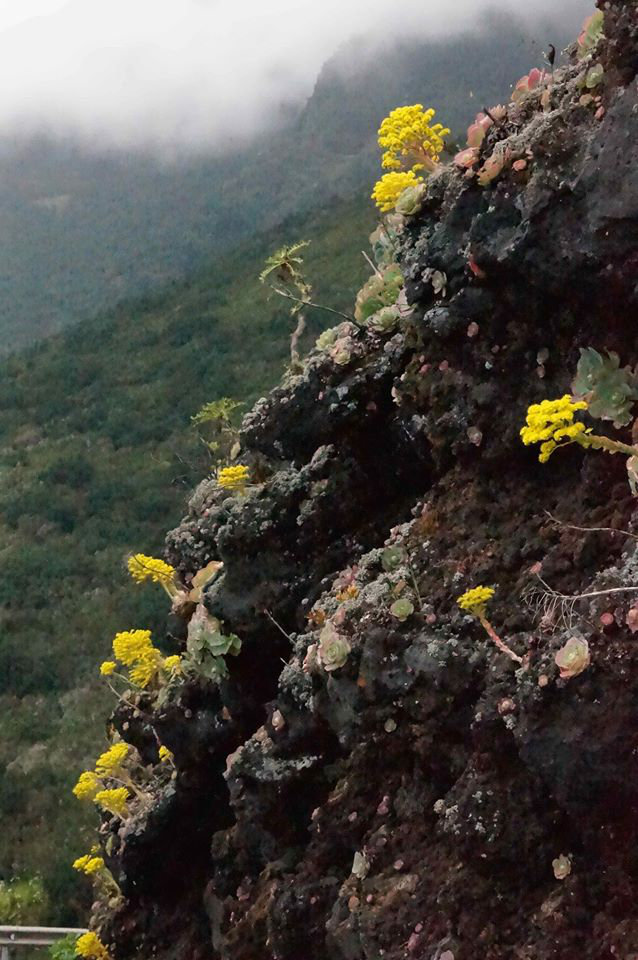
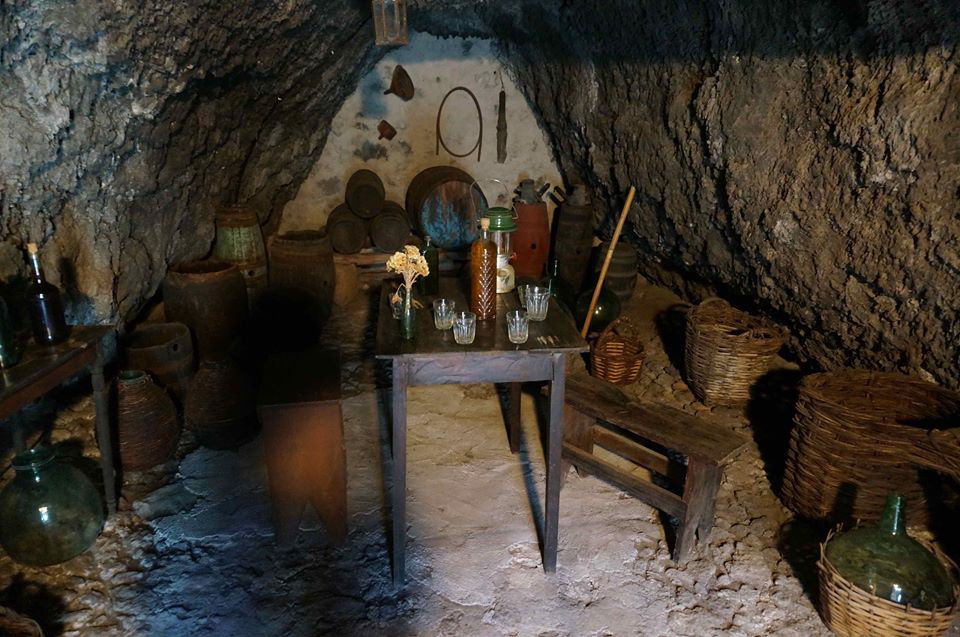
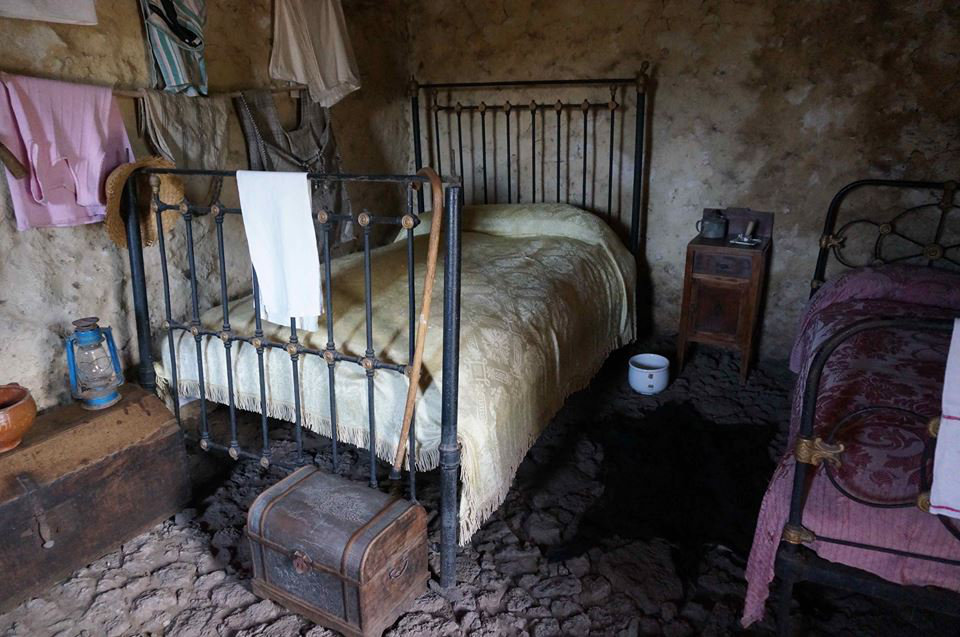
Photo: The simple interior of an 18th-century house
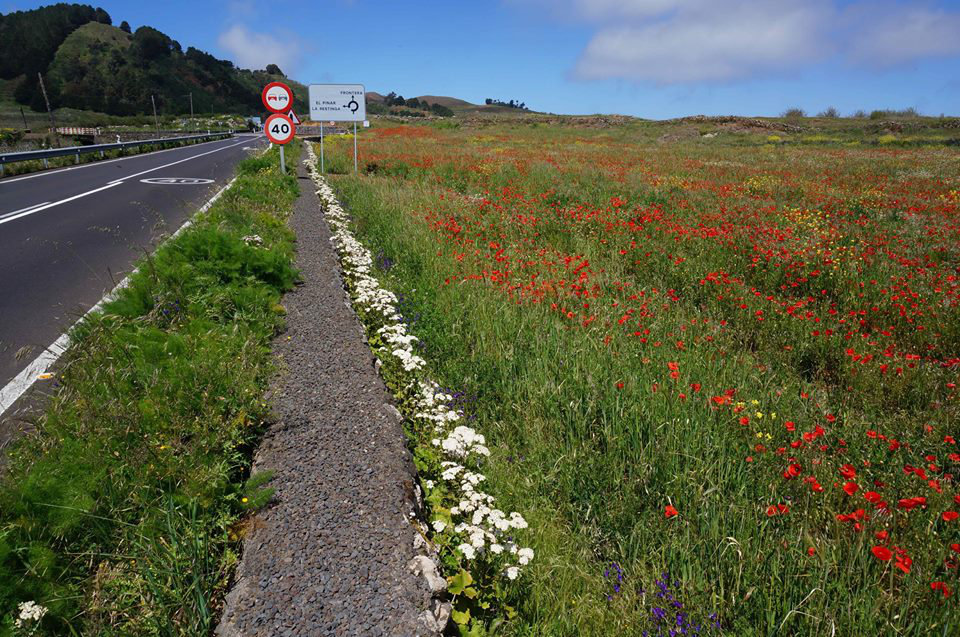
Photo: A plant endemic to the Canary Islands. It is found only here and requires almost no moisture or soil to grow.
Photo: Spring meadows of poppies on El Hierro’s high plateaus
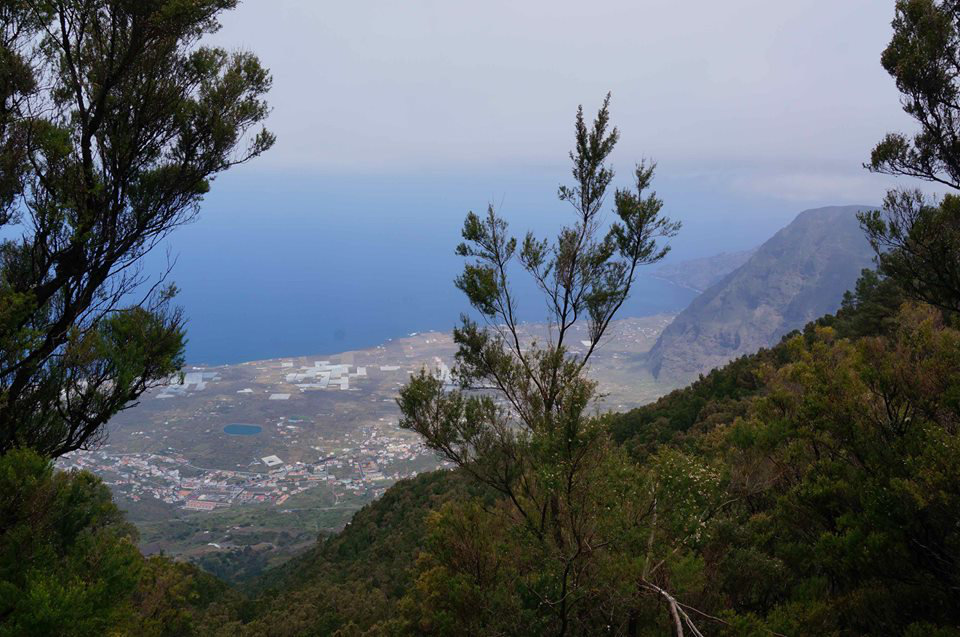
Photo: As Nonna Mordyukova would have said, the Canary Islands are islands of contrasts:). View from the damp northern heights down to the foot of the island of El Hierro.