
From the Travely-Family archive · Atlantic
Canary Carnival. 4 Facts and Lots of Photos
An original publication from the former Travely-Family website. This English translation was preserved from the technical-site archive without editorial rewriting.
Canary Carnival.
Tenerife
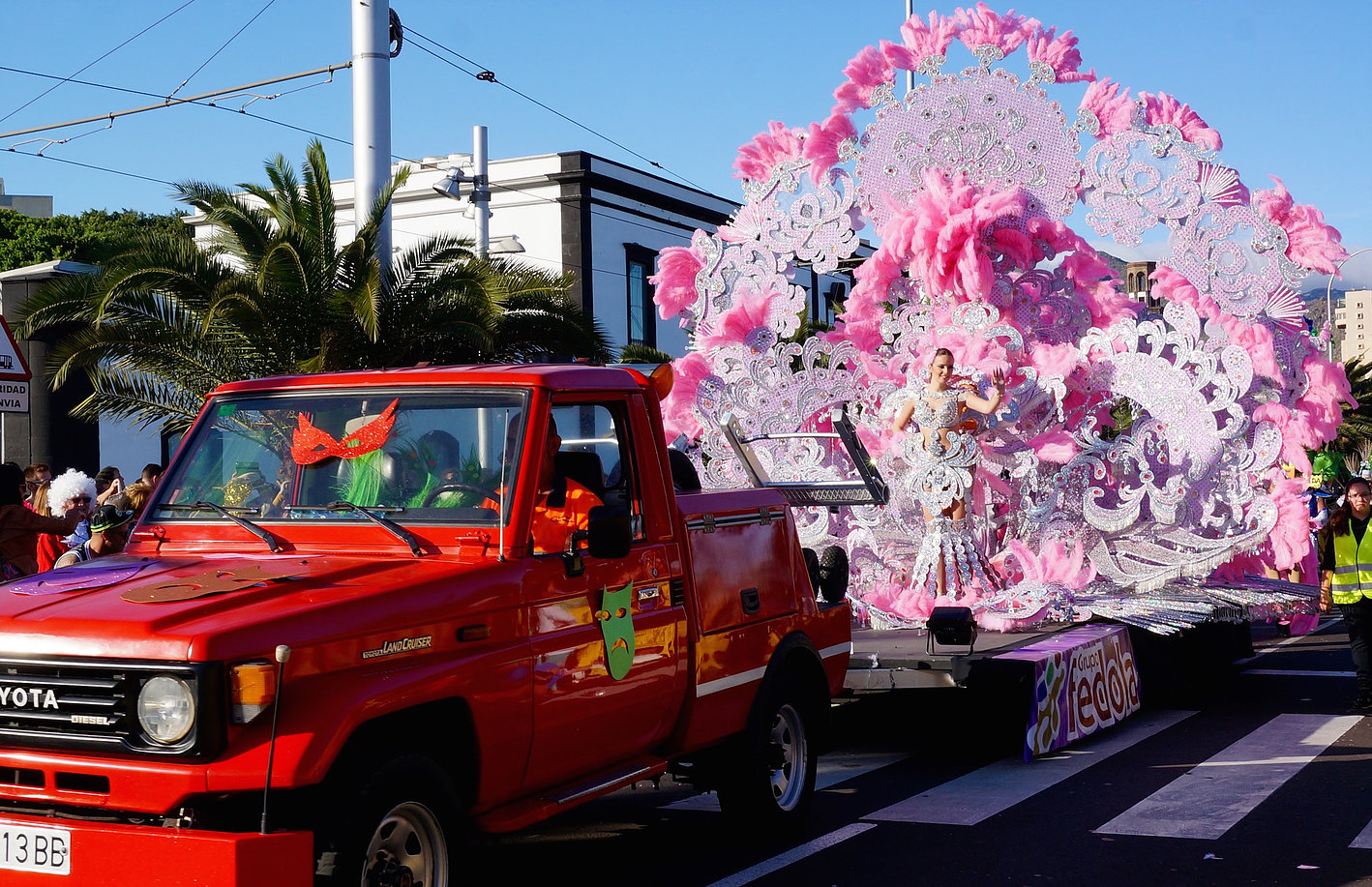
The main event of the Canary Carnival caught up with us on the island of Tenerife. During Carnival, it is better to travel by bus to the capital in the north-east of the island from San Miguel in the south. With the capital’s main streets closed off, a car is more trouble than it is worth.
Our friend drove us halfway there. In Radazul, we changed to a scheduled bus, which runs half as often on public holidays as it does on weekdays.
Tenerife’s buses are convenient in every respect. They resemble our intercity Ikarus coaches, with comfortable upholstered seats, and—as an added bonus—they travel not only along the motorway but also call at villages you would never have heard of if it were not for public transport. And as it turned out, looking down on the island from up there is much more interesting than seeing it from a car ).
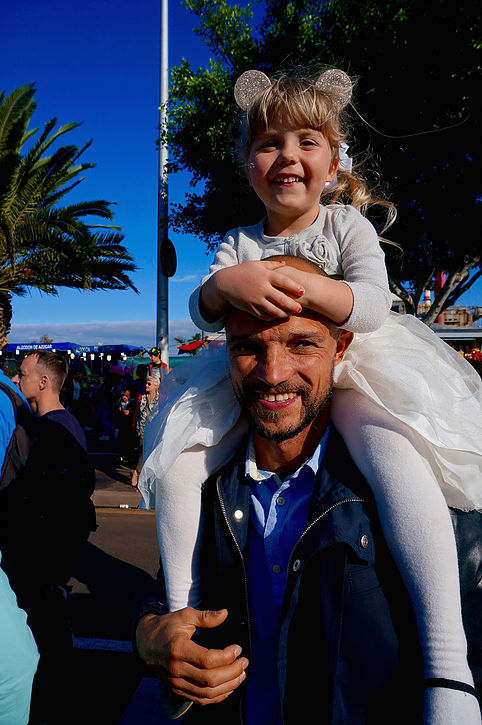
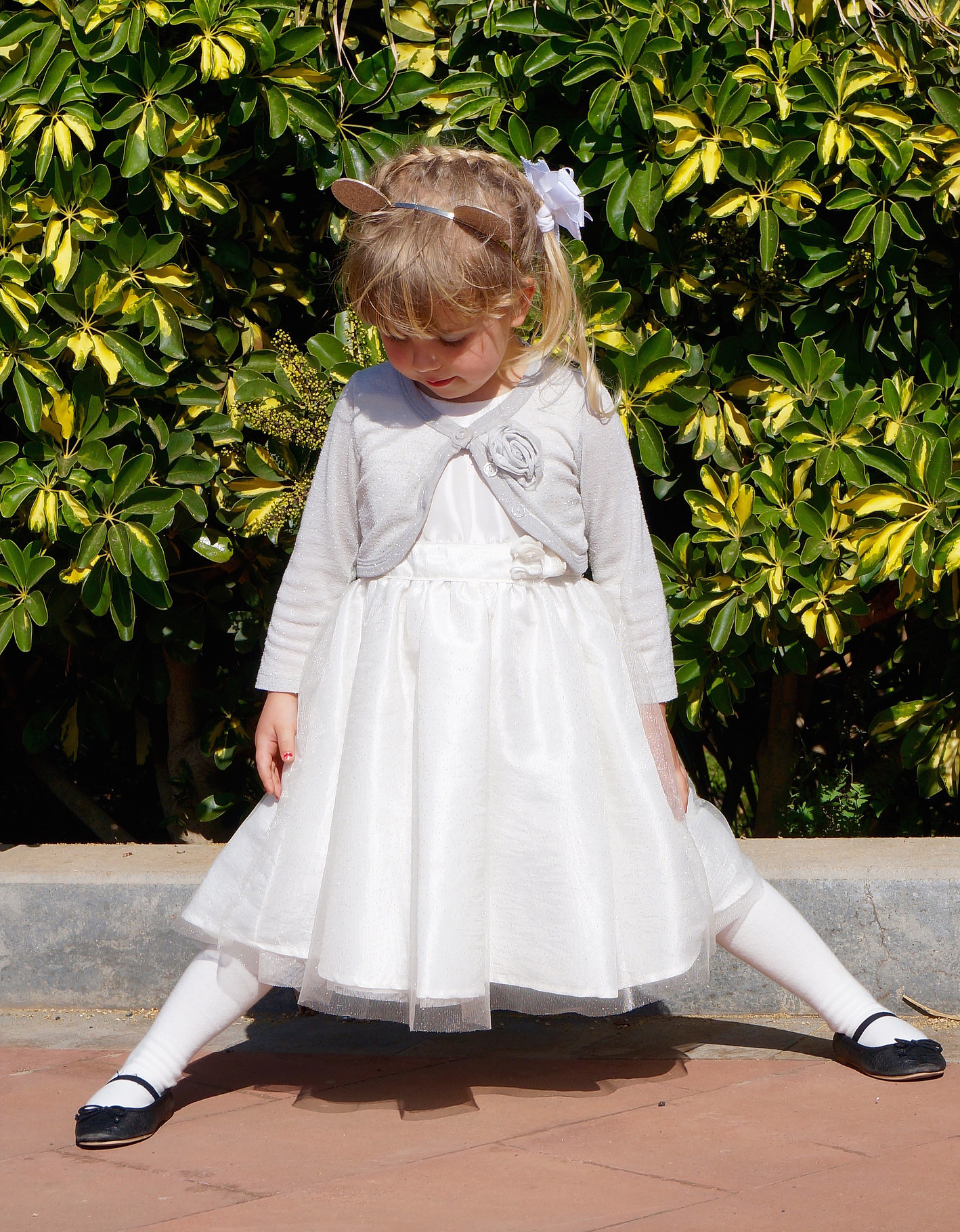
For the festivities, Lada dressed up in a ball gown and golden monkey ears, Andrei appeared in a checked cap and leather jacket, while Marina could think of nothing better than pulling a rabbit mask over her head. Nastya declined to dress up and went as a teenage girl.
The main parade began at 4 p.m. The merrymaking continued until late at night, when the decorated floats and entertainment troupes gathered in orderly clusters and set up small-scale discos all over the city centre. Alas, we did not last that long because our young sailors were tired.
The Canary Carnival itself is
1. One of the most spectacular events in the Canary Islands and Europe’s largest carnival
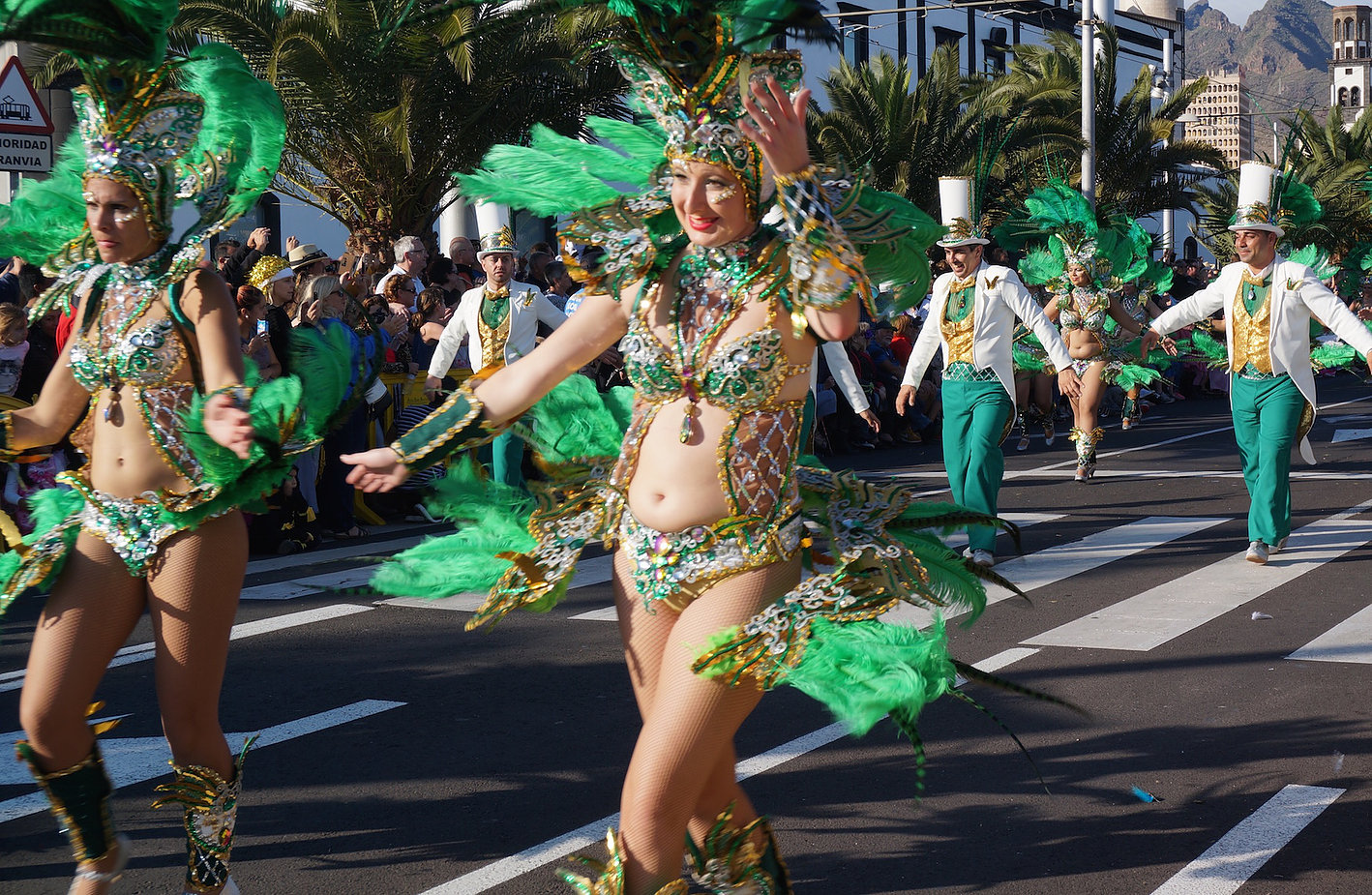
Probably. At least when it comes to costumes—definitely!
The event has its roots in the darkest depths of the Middle Ages, when the nobility loved masked costume balls. Carnival balls took root in the Canary Islands too.
Many centuries later, Spain was plunged into the Civil War (1936–1939), after which all public festivities were officially banned right up until 1954, apparently because they were deemed some sort of harmful feudal-bourgeois relic. The carnival was subsequently revived, but until 1967 it modestly called itself a Festival.
Then, in ’67, the Spanish authorities realised it might attract a stream of tourists during the harsh Canary winter. And the Carnival was reborn.
2. They say the islands are magically transformed during Carnival. They aren’t
The islands are as magically beautiful as ever. But you can sail from island to island, drive around each one in turn, and never even suspect there is a carnival going on. That is exactly what happened to us last year:). Only certain streets are transformed, and only while the celebrations themselves are under way.
3. Carnival is akin to our Maslenitsa week
The festival is tied to the date of Easter: all the carnival revelry must be wrapped up neatly before Lent. We were just told here that the word “carnival” actually translates as “Maslenitsa.” So there’s the answer:). And friendship between peoples. And a link between traditions. The programme of universal rejoicing lasts a whole week, or even longer, and usually includes the following:
— Election of the Carnival Queen
Queens are chosen in three age groups: children and teenagers, young women in the prime of life, and stately elderly ladies (queen mothers, then:)).
The contestants spend an entire year preparing for the competition: sewing costumes, perfecting an angelic smile and graceful walk, and, without fail, toning their abs and glutes at the gym while keeping themselves motivated with some hula-hooping.
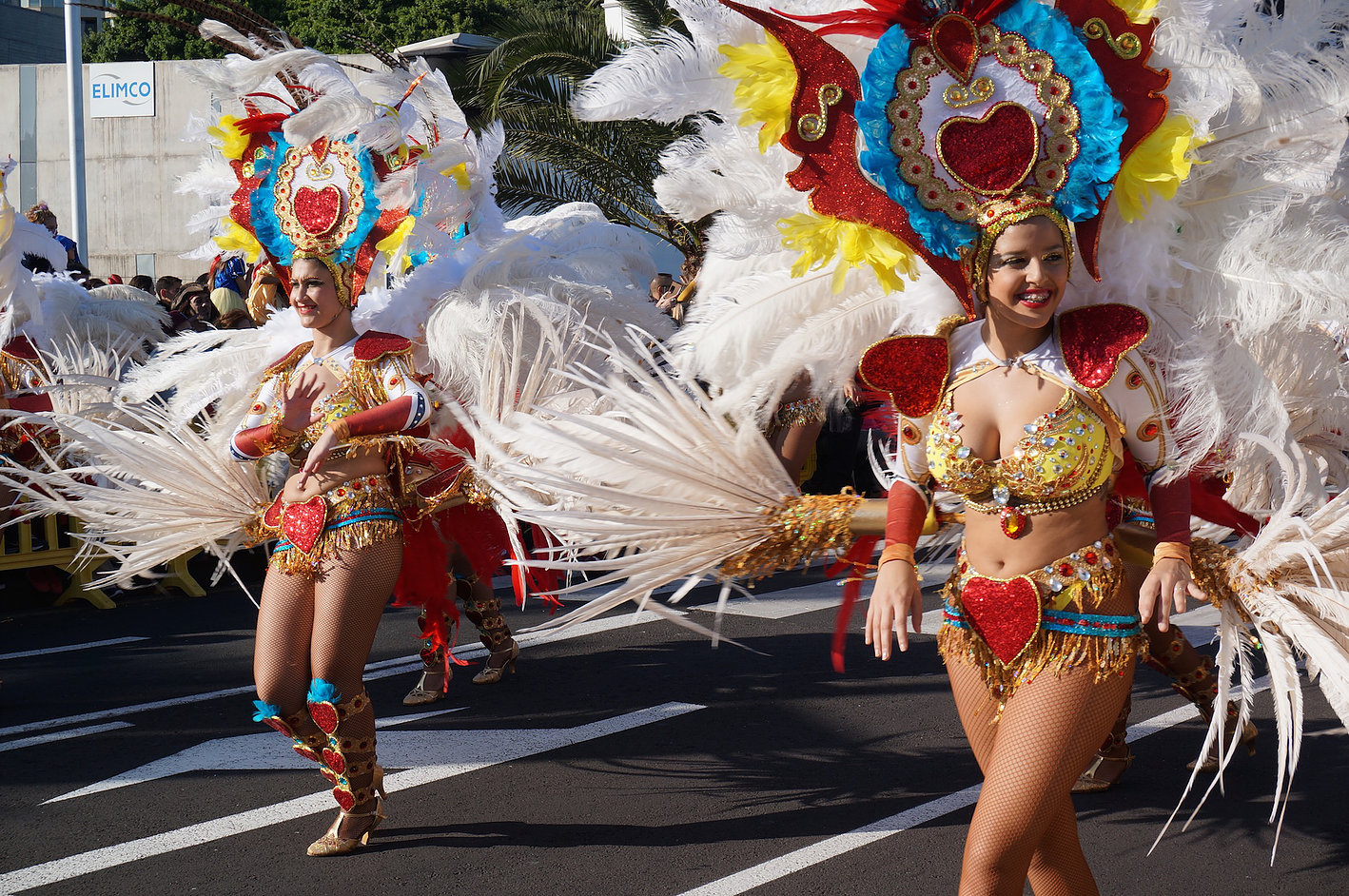
— The Opening Cavalcade, also known as the Grand Opening—a procession of people in carnival costumes, dancing and music — The Coso Parade (Koso) the same kind of procession, only more important and, apparently, longer. It takes place on the Tuesday of Carnival week and is considered the main event. We attended its daytime portion last Tuesday in Santa Cruz de Tenerife.
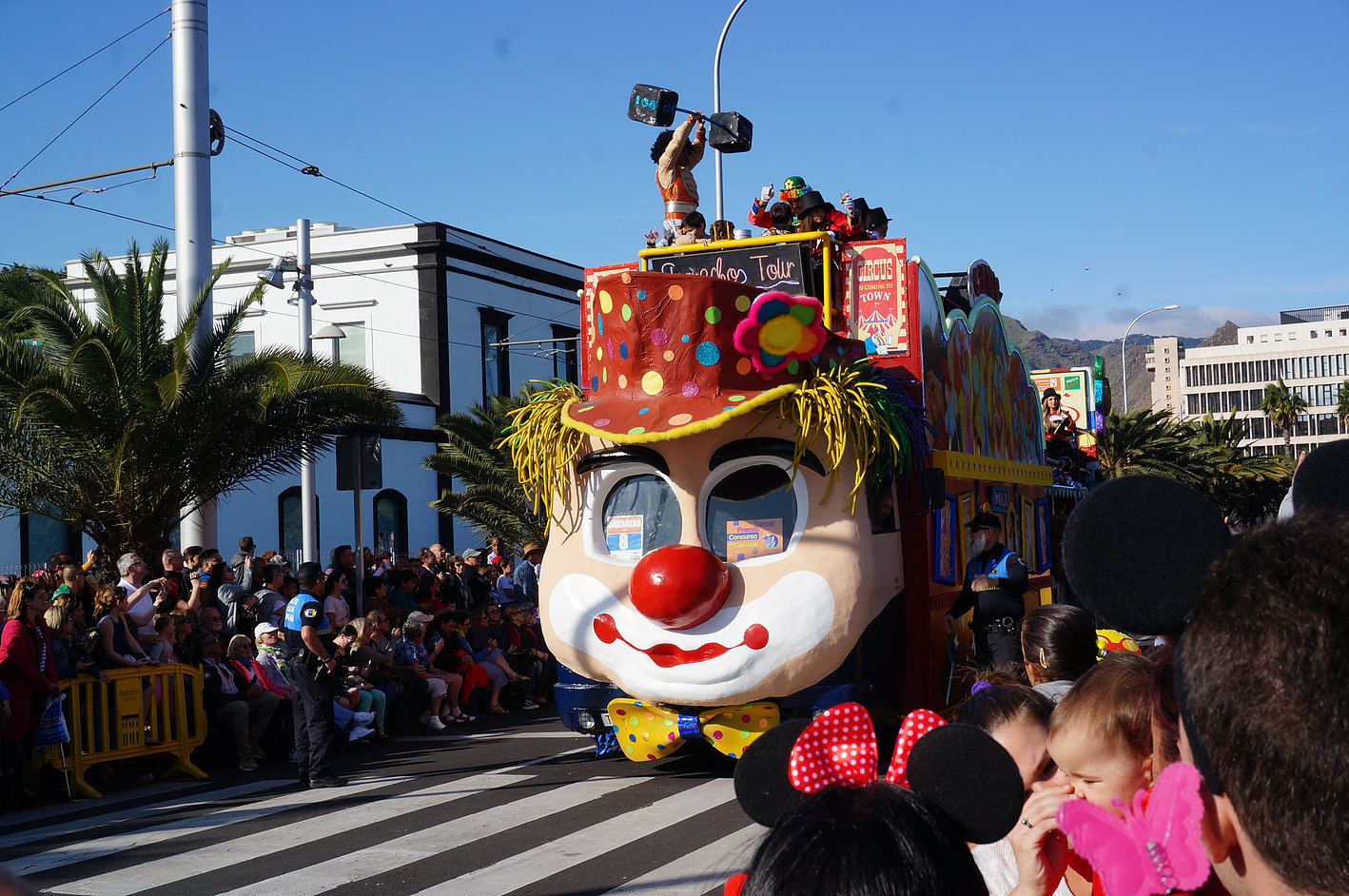
The parade begins with decorated cars and buses driving past. Naturally, there is a competition for the best float. The jury sits somewhere near Plaza de España, where the procession begins. Residents and visitors to Tenerife, dressed to the nines, pour into Santa Cruz from every corner of the island. Some take part in the parade; others quietly sip Fanta at the roadside.
— The Burial of the Sardine
After all the processions and competitions, one day of Carnival is devoted to the “Burial of the Sardine” ritual—exactly like the burning of the Maslenitsa effigy.
The papier-mâché effigy of the Sardine is burned as a symbol of the departing festival. Dozens of “grieving widows,” usually played by moustachioed men, lament the whole thing.
After this comic spectacle, everyone feels a little sad and goes to watch — The Grand Closing of the Carnival and fireworks.
And here is the parade itself:
It is opened by floats shaped like clowns and ships, rattling little boxes and other disco bars on wheels:).
4. The processions look veery much like a May Day demonstration in the Soviet Union
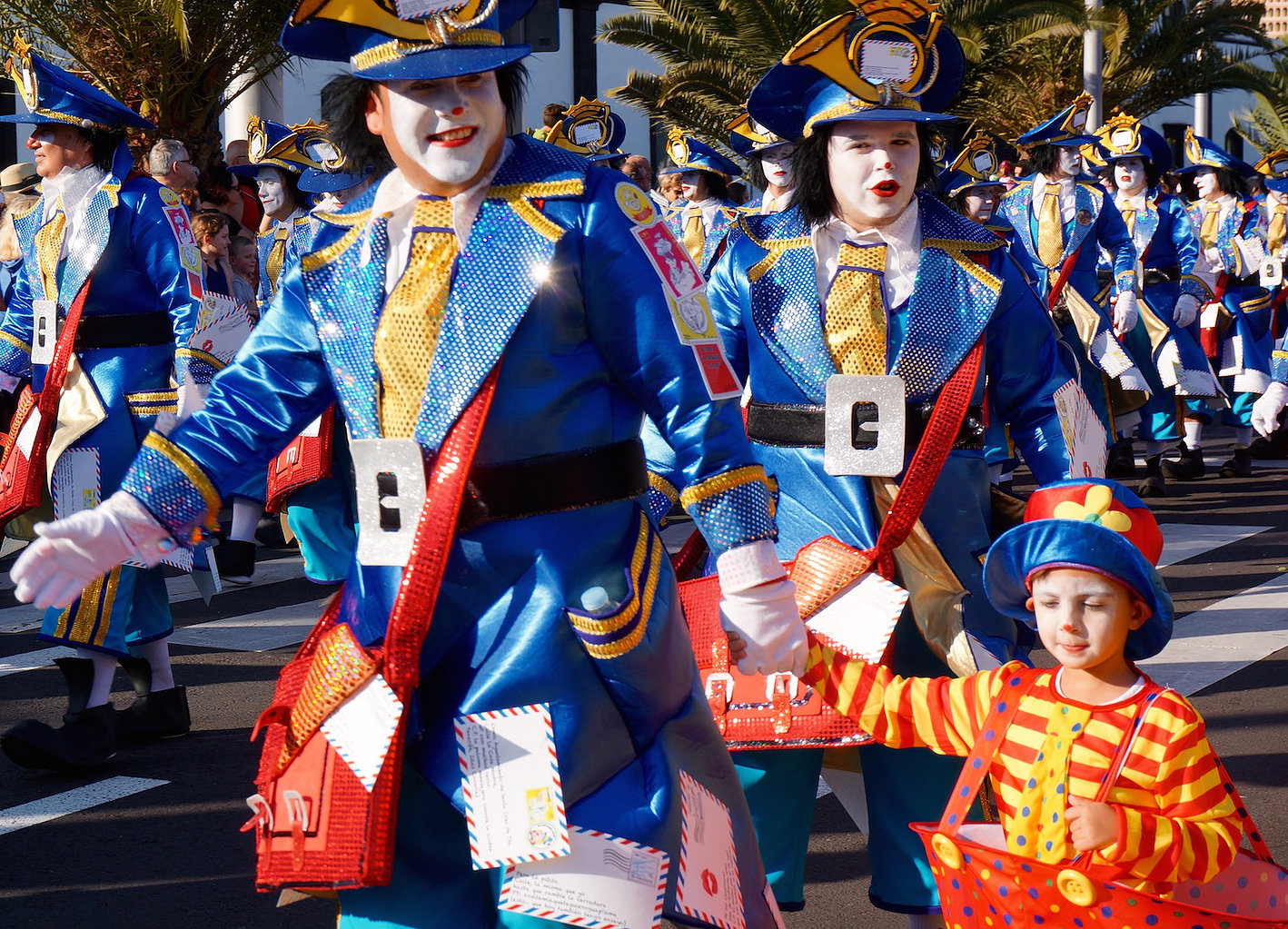
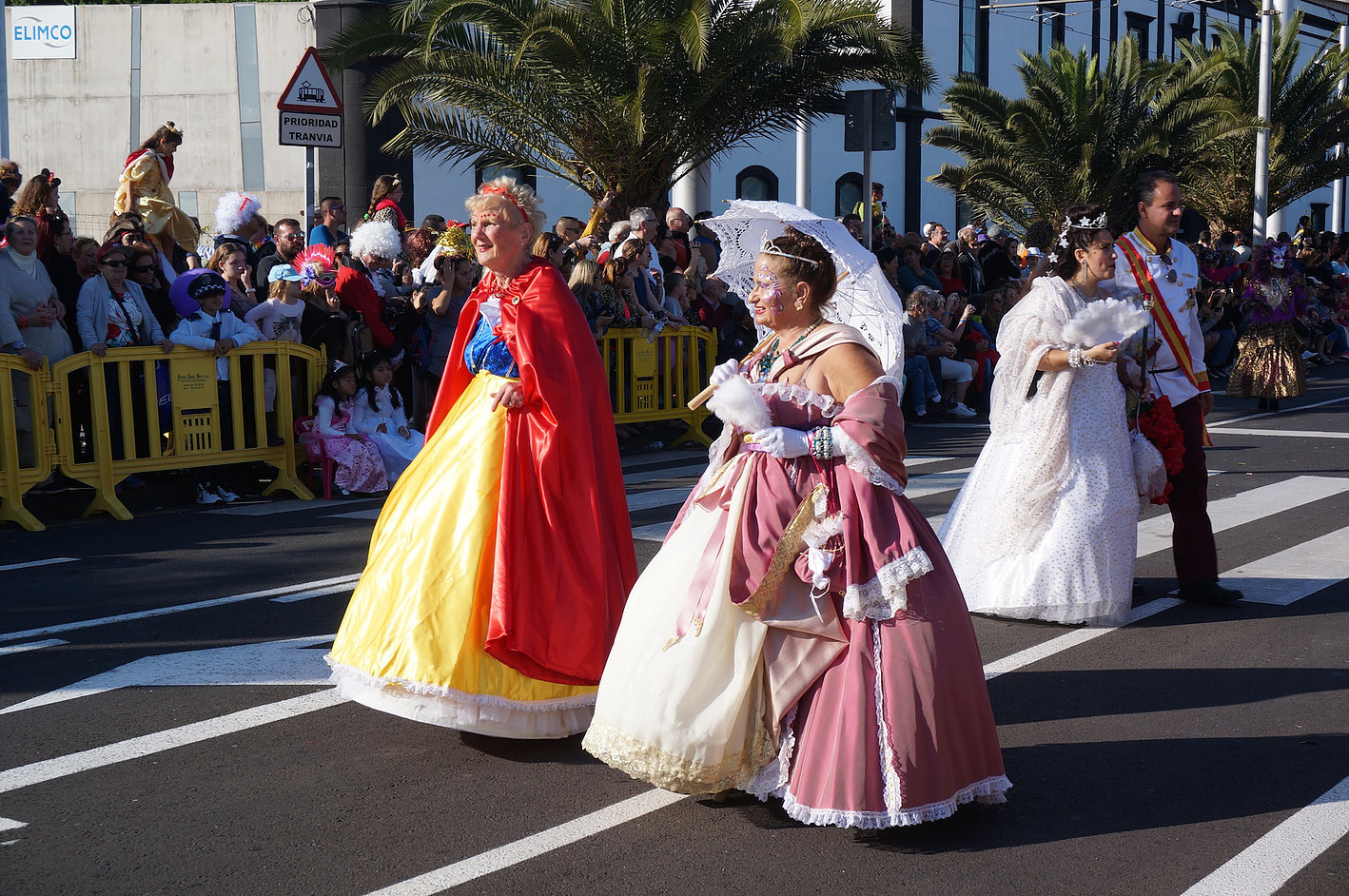
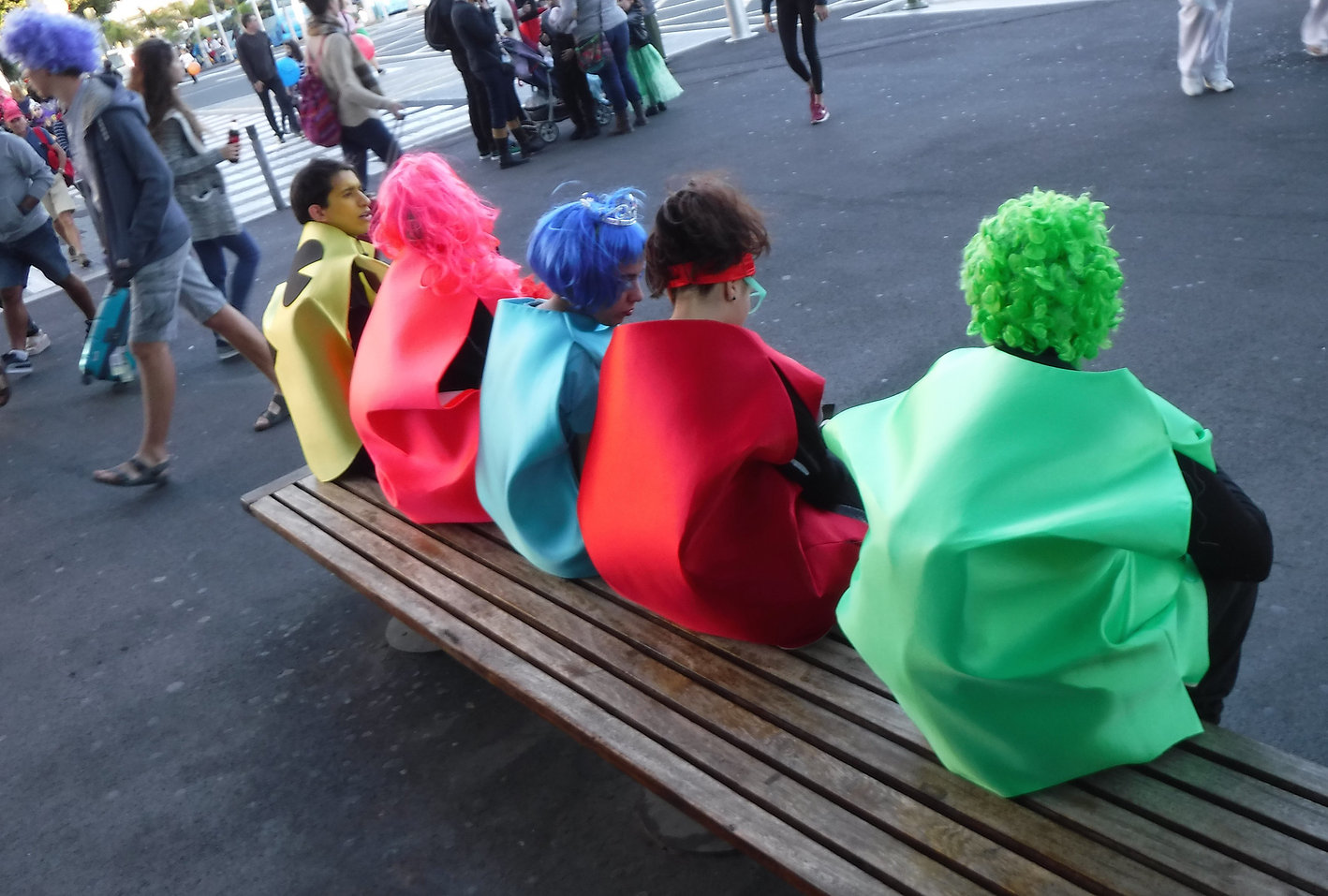
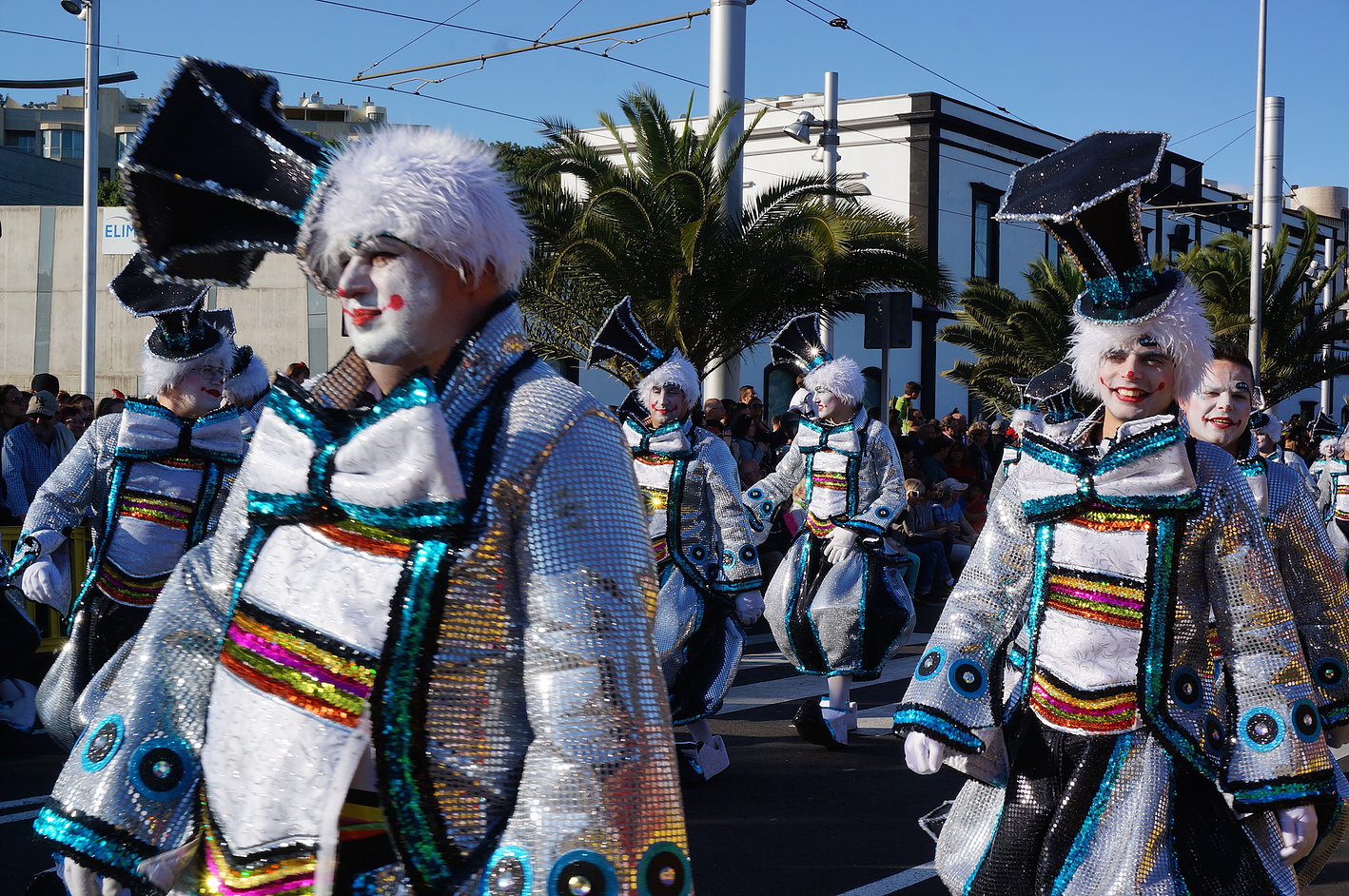
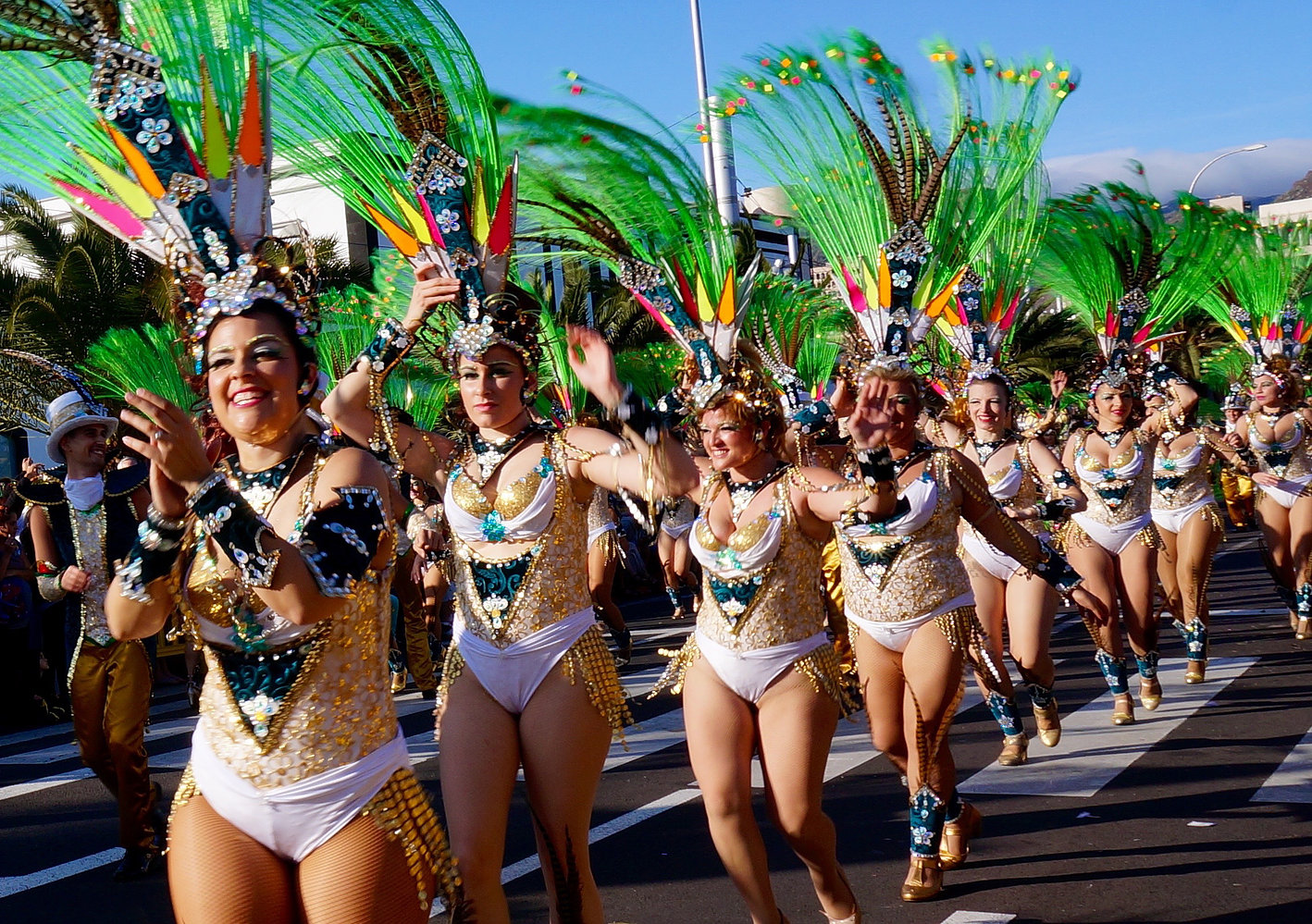
Employees of organisations large and small come out for the parade, dressed in magnificent and sometimes unexpected costumes that they have spent almost the entire previous year preparing. The costumes are, of course, brighter and more glamorous; there is no politics—only rousing salsa, boom-boom music, and plenty of half-naked flesh (our daughter, looking at the bare bodies and pretty bras, said they were all exotic beauties from the East).
It is warmer outside, and nobody on the reviewing stand shouts “Glory to the Communist Party of the Soviet Union!” into a microphone. Although it seemed to me that it would sometimes be helpful to let the crowd know that the float currently gliding past belonged to such-and-such a hotel chain. But if you give a Canarian a microphone at a festival, there is a danger that his jubilant patter will drown out all the Carnival music.
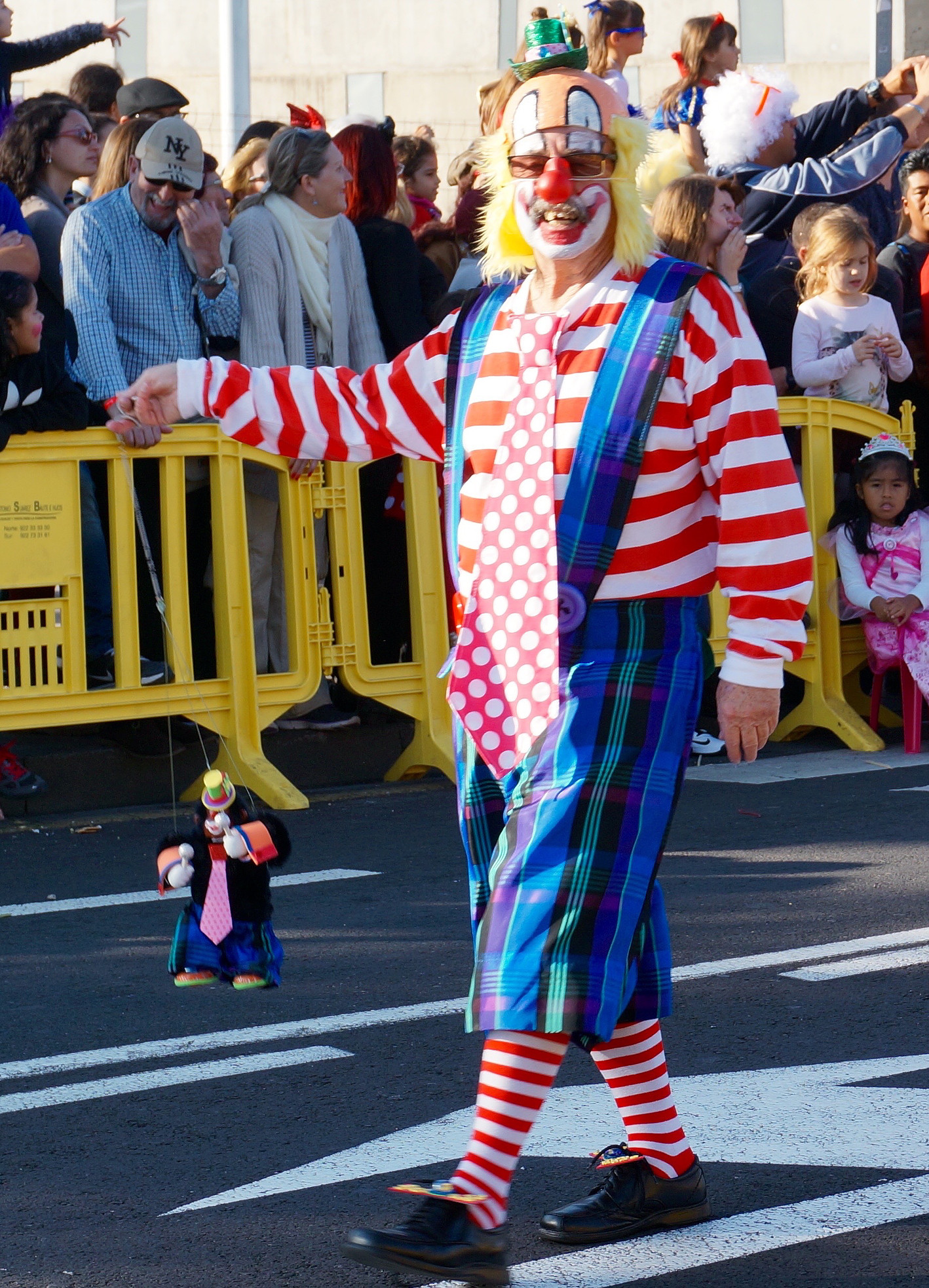
The Canary Carnival vividly demonstrates that anyone can be a star, a dancer, a performer, or even a clown 🙂
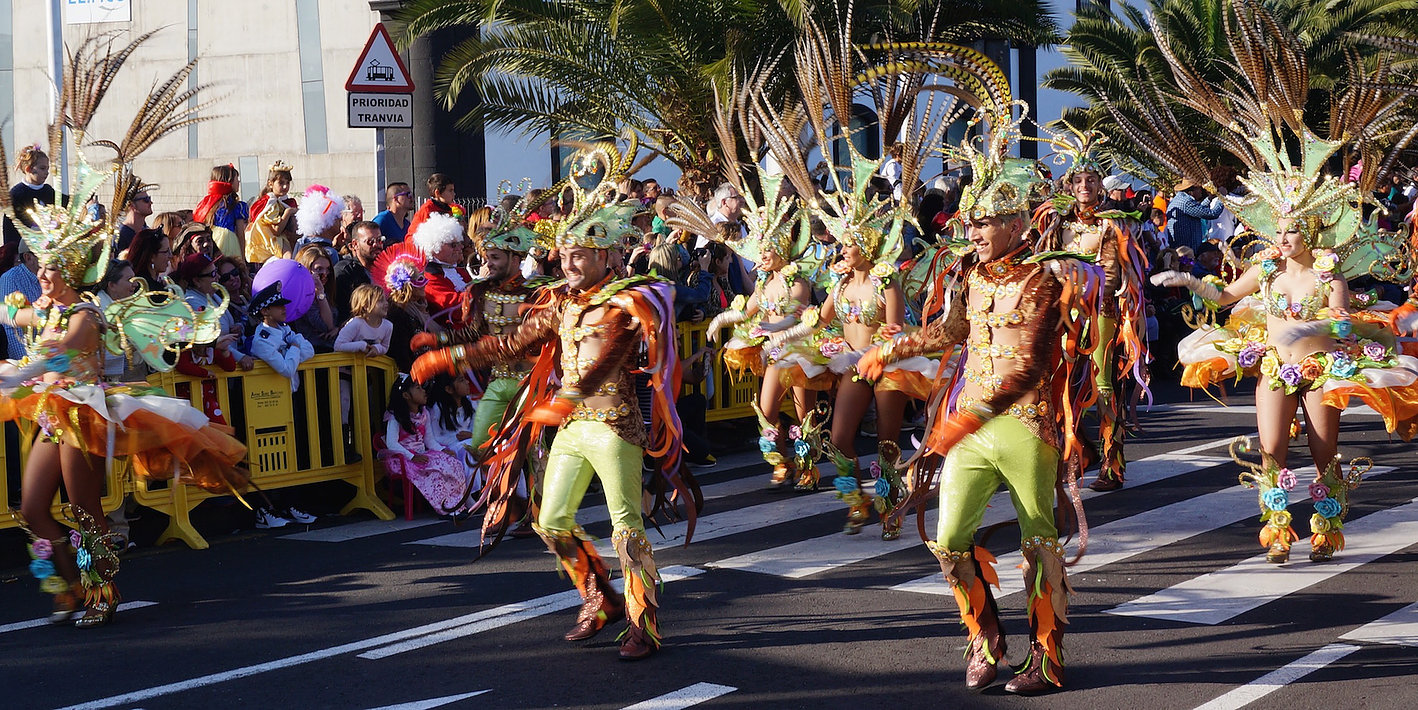
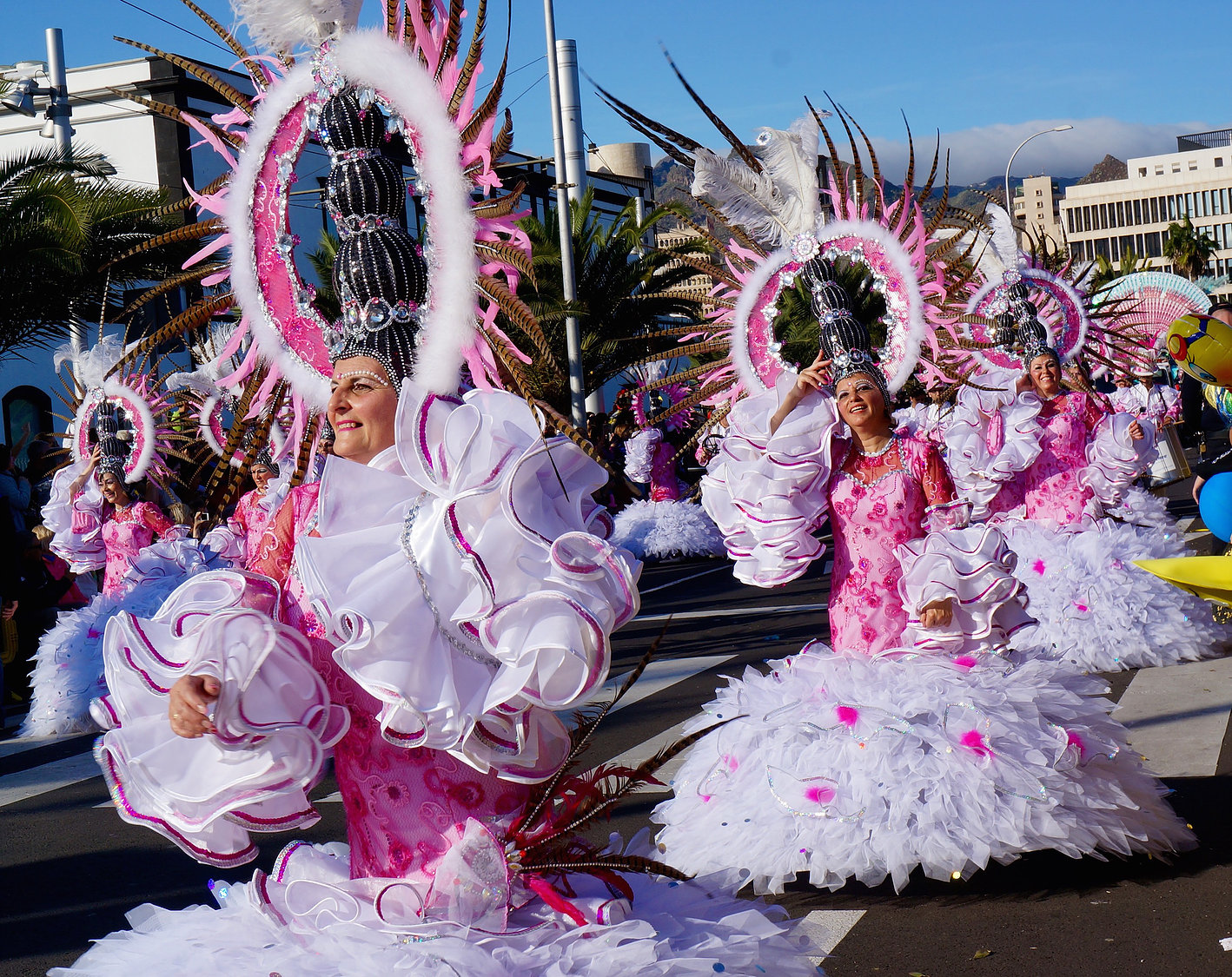
There are no age limits or weight divisions at Carnival:). Every office lady becomes a goddess on these days. That is how brightly they dress and how intensely they radiate youth and optimism.
The old guard ). Carnival costumes take a whole year to make, and afterwards they are carefully stored away or altered
Beauties—office workers from a large corporation at Carnival
By the very end of the route, many can barely drag their feet, but as though preparing for one final push, the most close-knit groups form up and once again perform their long-practised moves despite their exhaustion. Most still have enough strength to smile and dance along to the roll of the drums.
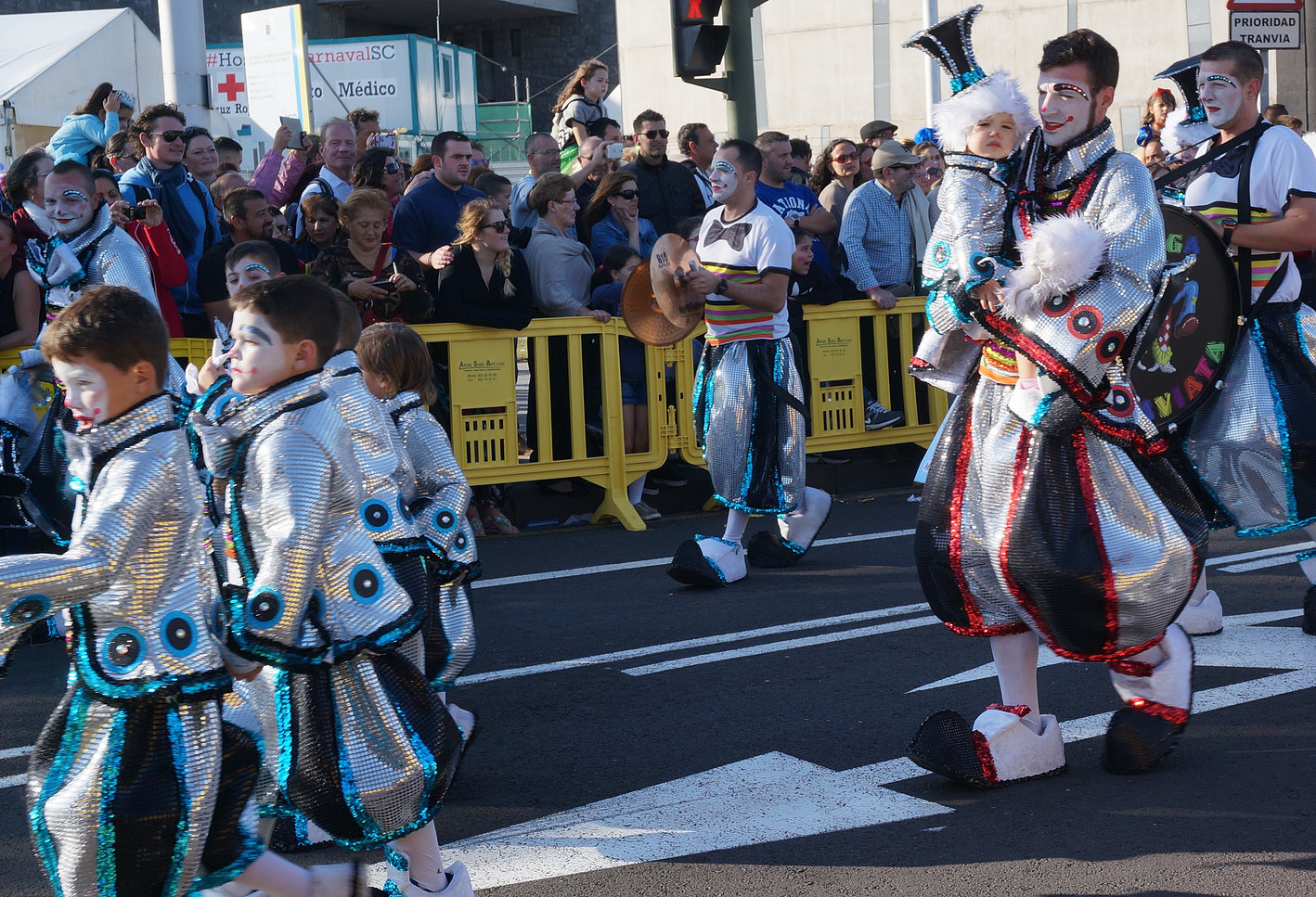
Two generations of clowns
The firebird parade
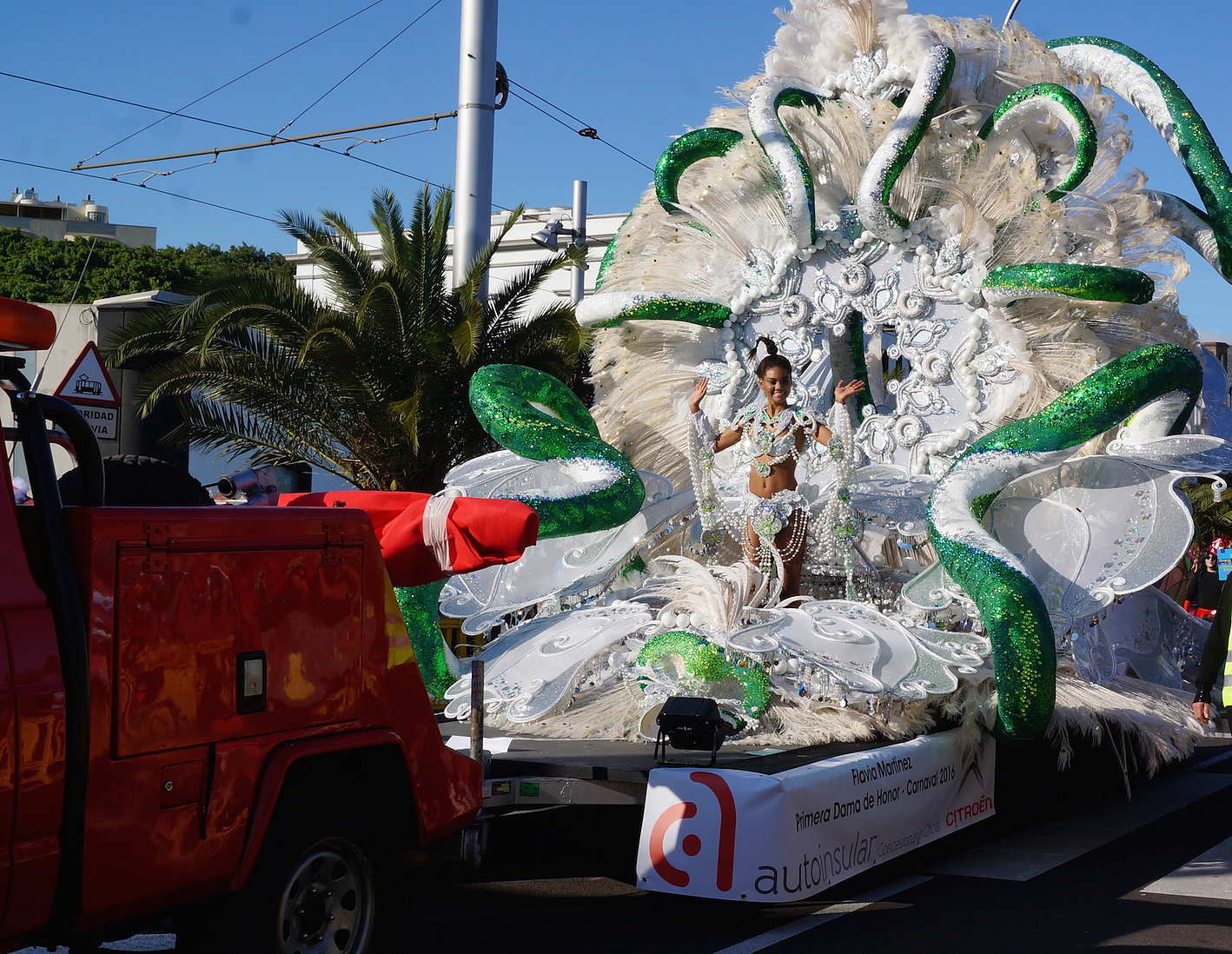
Here is another float with a queen. (We never did find out which of the beauties won this time) The Carnival Queen in Tenerife
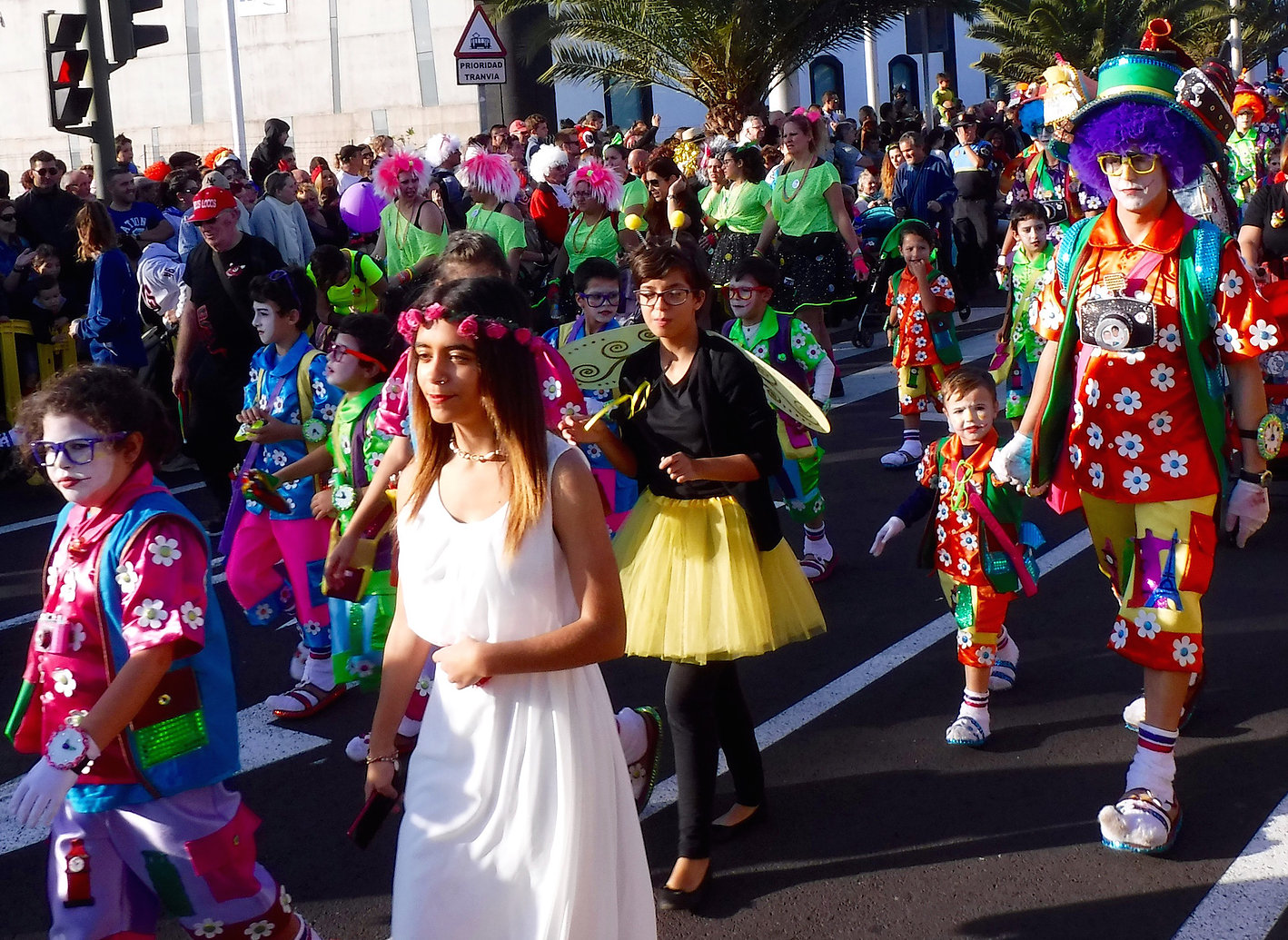
It occurred to me that it was not quite right to send out the floats, the grown-up municipal maintenance workers, and employees of various corporations first, and only then the children’s performing groups and schools. Because after waiting for several hours, the children were terribly tired and had lost their spark... And it showed.
All the people rejoice and make merry
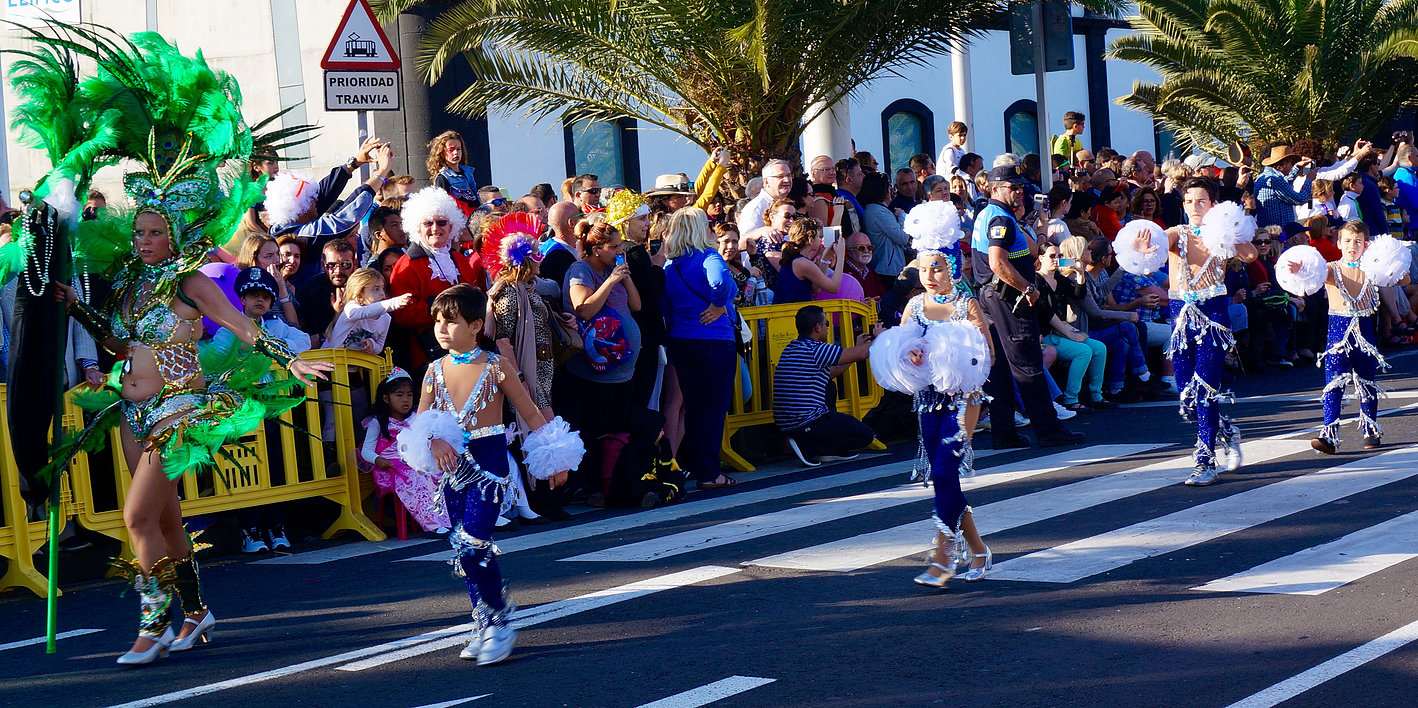
Canary Carnival marchers
Children at the Canary Carnival
In short, it was just like the demonstrations of our Soviet childhood. Only very bright and not Russian at all:).
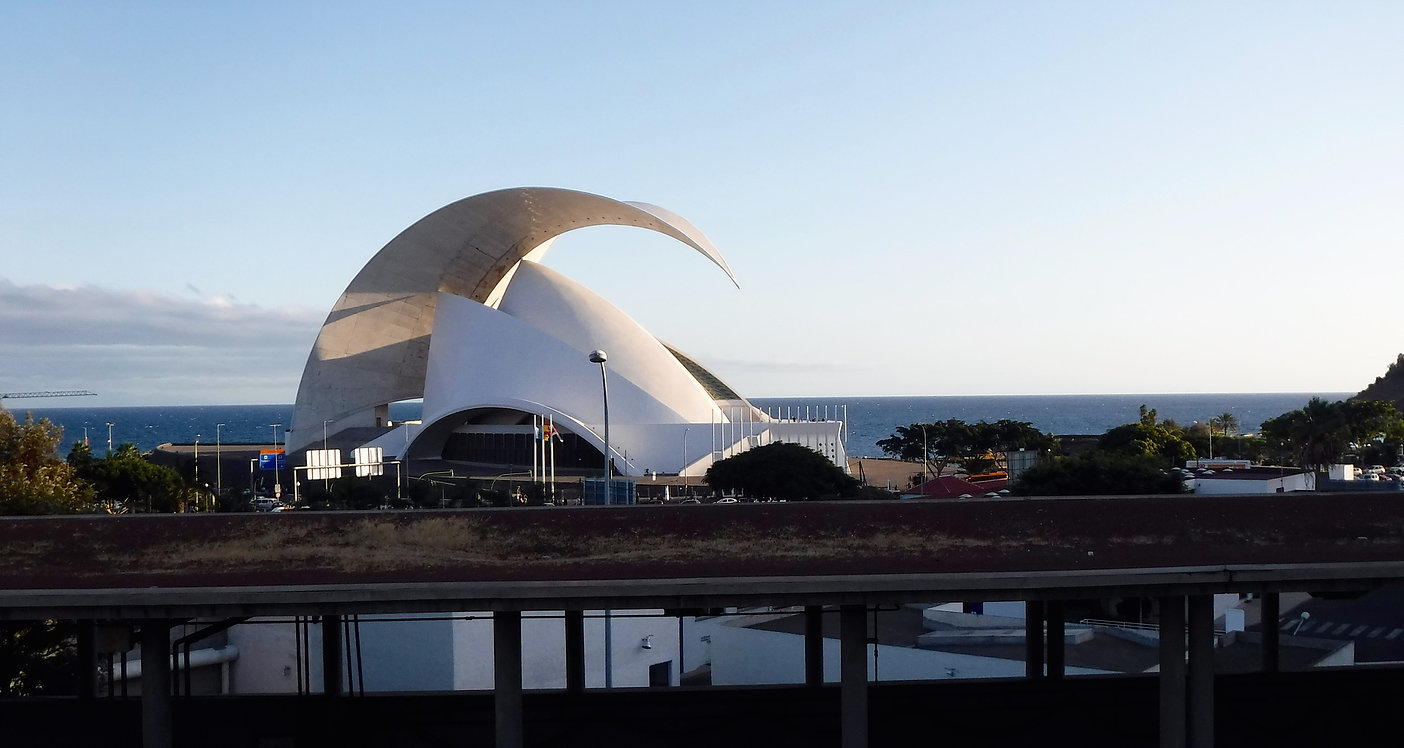
Santa Cruz de Tenerife. Auditorio