
From the Travely-Family archive · Central and South America
How We Scraped the Keel on Our First Reefs
An original publication from the former Travely-Family website. This English translation was preserved from the technical-site archive without editorial rewriting.
How we scraped the keel on our first reefs. From the shipyard to the Rosario Islands. Rosario means “rose,” doesn’t it? How we picked our way through the reefs, and how long the new paint lasted on our keel. Why the crew never went ashore. Are there crocodiles in Rosario?
Hooray! We’re out on the open water. The deck, which the gulls had perched all over during the night and which had finally been dusted with grit from the repair yard, was washed down once again, and after hugging our neighbours in the industrial zone, we cast off.
The 12 miles to Islas del Rosario promised by the captain turned out to be twenty-something, and with a headwind, we spent the whole blessed day covering those miles, zigzagging all the way. We tacked much the same way last winter from Grenada to Martinique: 20 miles on the rhumb line, 48 on the track.
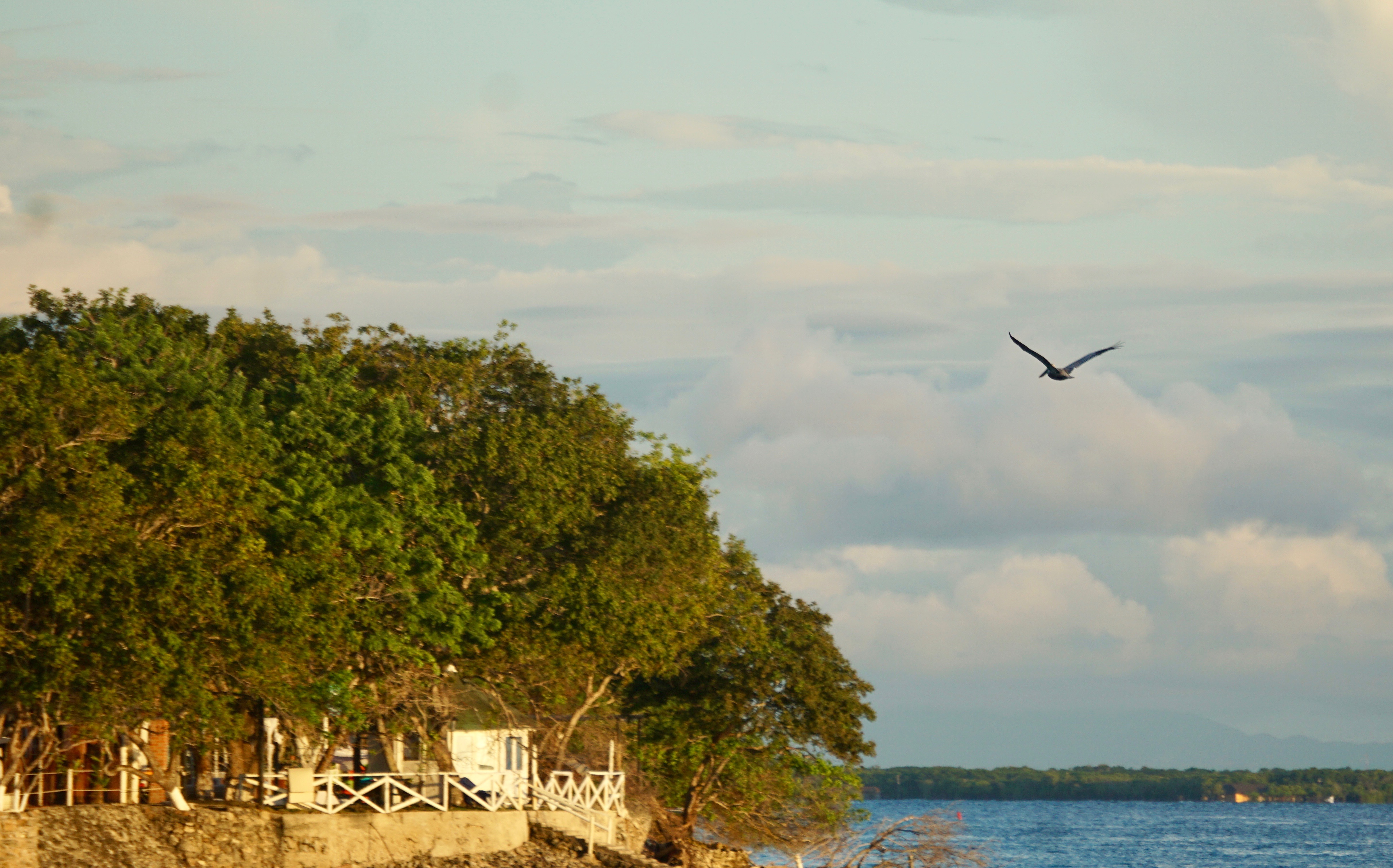
Leaving Cartagena
Islas del Rosario is a group of three or four fairly large islands, islets and reefs. Somewhere on the open-sea side of the largest island, one of Pablo Escobar’s 800 villas stands abandoned and crumbling. Escobar was the king of the drug trade, the richest, most famous and most wanted criminal in history. He came up with all the schemes still used today to transport drugs from Colombia to the States, and cocaine, which had previously trickled across the border in a thin stream, began pouring through by the megaton. We’ll write about Escobar and our own connection to the subject (yep, we can’t believe it ourselves) when we’re allowed to:).
But for now, here’s how we put the boat’s freshly repaired bottom through its paces..
No one has ever left Rosario (almost a quotation)
To reach the anchorage, you have to round the island on the mainland side and enter a bay formed by two islands. Nastya was sent up into the shrouds and I was sent out onto the bowsprit to watch for reefs. Well, we watched—they were very pretty:).... No matter how hard you stare into the watery depths, with the slanting sunlight glittering across the surface, you can judge the distance between the hull and a reef to within about three metres. When the depths range from 1.5 to 5 metres, that’s like shooting sparrows with a cannon—pretty useless, in short. But it makes plenty of noise.
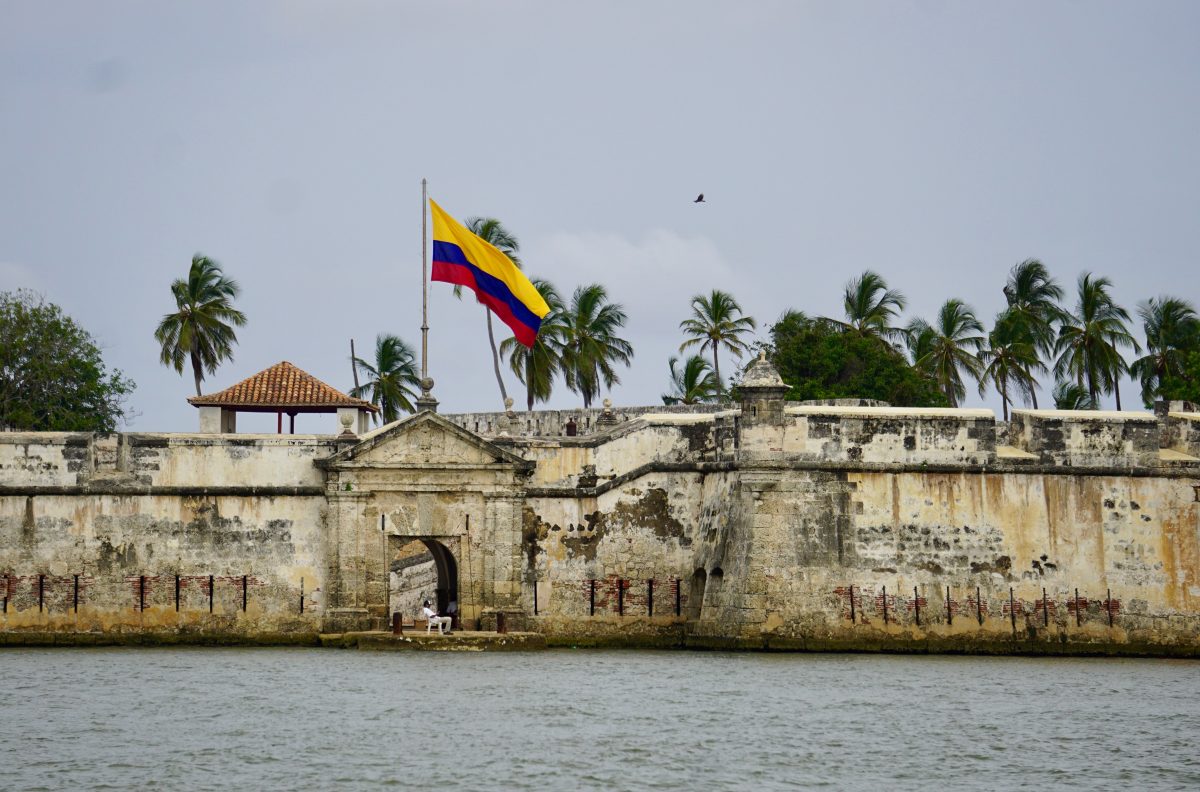
“Starboard!” I shout, relaying it through Nastya. While the captain is turning the helm, a scream rings out:
“Port!”
For a while, Lady Mary crawls along as if through a minefield. Commands from the “lookouts” fly aft: “Starb—”, “Po—”... “Boom!” The yacht shuddered and scraped her keel plaintively over the coral....
“Goodbye, lovely fresh paint!” I thought. This wasn’t like running aground in Senegal. There, we used to end up stuck in the middle of the river twenty times a day, sitting there with our hands on our hips. Why not settle into the mud and silt for a while? It’s nice and soft, and there are no waves. Here, though, you could sit down and stay there, skewered on one of the underwater world’s kebab sticks.
A grinding noise, a jolt—and the boat returned to an even keel. After that, we started shouting “port” and “starboard” with three times the enthusiasm, counting down the metres to shore. The captain spun the wheel as if he were on a dodgem track.
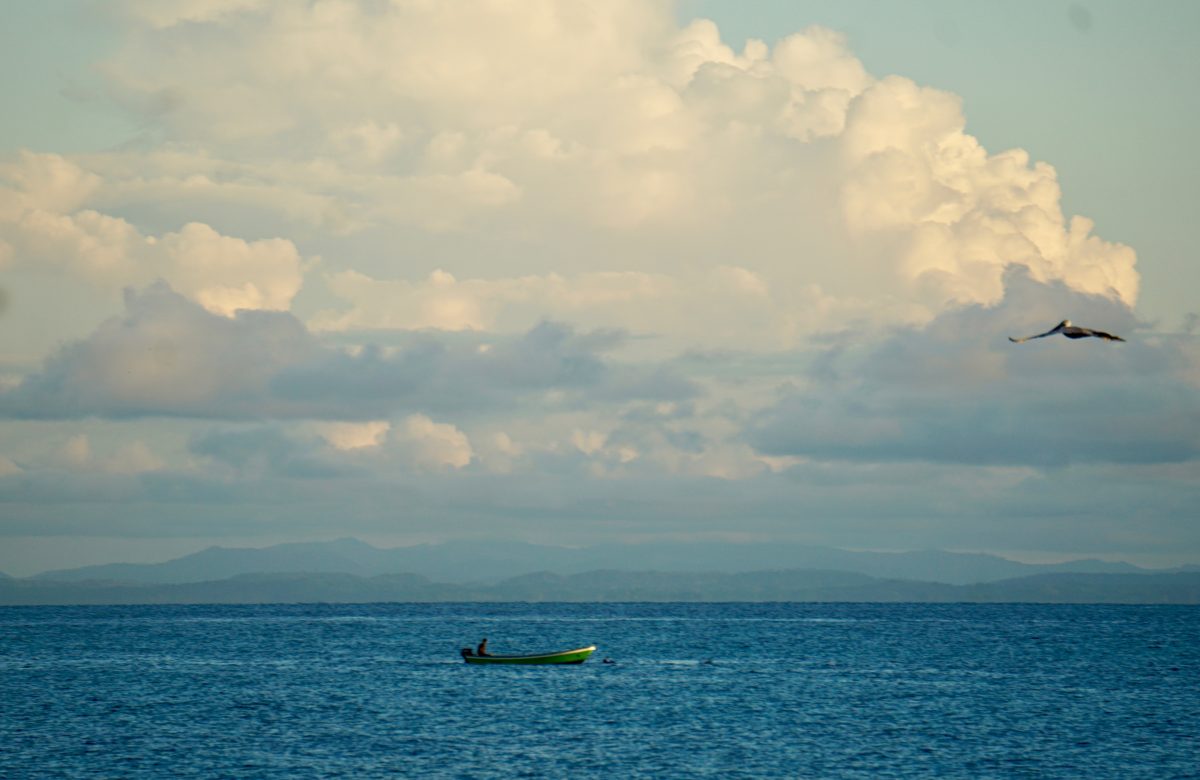
At last, a broad pale patch appeared among the coral heads. Not knowing how large the clear patch was, we tried to anchor three times: every time the chain came taut, the boat ended up directly over the reefs.
At last the anchor set. The captain went diving to assess the underwater situation and see what the keel looked like through the eyes of sharks and crocodiles, while we rushed to the galley to cook, in case we had to leave in a hurry while the crew’s stomachs were empty.
The crocodile story
They say there are crocodiles on these islands. Yes, yes, that’s exactly what they say. The islands are close to the mainland, and the mainland is certainly crawling with them—we remember that much from the film Romancing the Stone. I’m not sure about Rosario, but there definitely are caimans and alligators in Panama’s San Blas Archipelago. In fact, two years ago in San Blas, a crocodile attacked a woman who was snorkelling. Hmm... crocodiles in Africa may be freshwater creatures, but here they’re perfectly versatile: salt water is home sweet home to them. The woman in San Blas survived thanks to help arriving just in time and hauling her straight from the crocodile’s jaws into a dinghy—a yacht’s tender.
According to eyewitnesses, the anchorage, previously packed with boats, emptied in an instant after that. Our new French friends from the shipyard said the victim had been swimming too close to the grass where a female alligator was hiding her young, and that was why she attacked. Neither before nor since had crocodiles shown any interest in humans, and then—bam! Maternal instinct, you see.
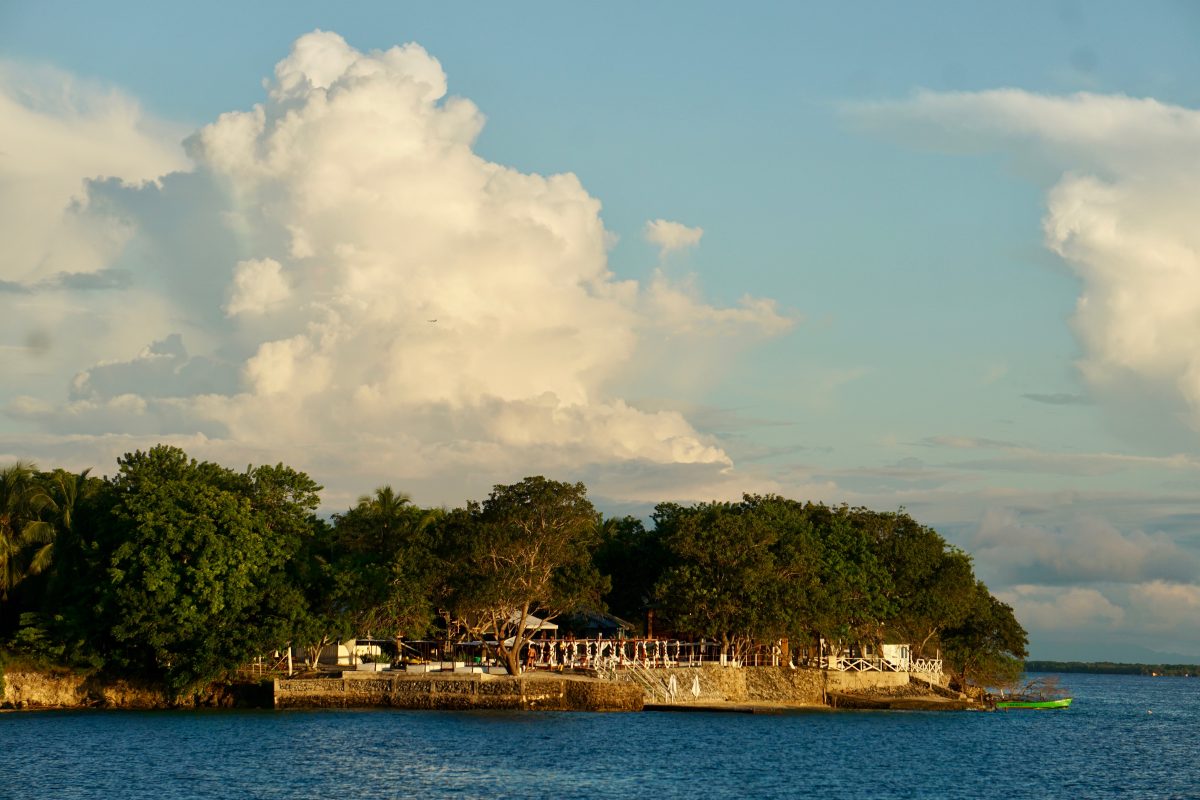
The thought that non-aggressive crocodiles might be sitting on their eggs somewhere around us does not exactly encourage carefree swimming. So the first time we went snorkelling around the islands, I was nervous and kept swivelling my head through 360 degrees. I’m a mother too, after all—I worry about my own little crocodiles. But the next day we spotted other swimmers in the bay, and it became less frightening: the reptiles now had a wider selection to choose from..
Do not leave the bus; do not take the guns out of their cases (from a joke about the peculiarities of the national hunt)
After a month at the shipyard and a three-week road trip around the country, we weren’t exactly yearning to take walks ashore, but we had missed swimming in clean water, which we hadn’t done since leaving Mexico.
So the dinghy continued warming its belly in the sun on deck, while we launched a flipper-and-mask assault on the nearest reefs. The swim brought all of us a revelation: the coral here only looks colourful when you view it from the bowsprit, wondering what sort of beauty you’re about to hit. Through a diving mask, the underwater world offers only bright living flecks against dark skeletons, plus the odd colourful fish passing through. Still, Laduska and I saw one rather scrawny sea anemone and swam through a soup of fry, while the captain uncovered a moray eel’s lair.
During our five days at anchor, we conscientiously observed the islets, mangroves, fishermen and tourists... but from a distance. From there, everything looks cleaner and more romantic. For the first two days, fishermen came over wanting to sell us lobsters or... jewellery. We wanted the lobsters right up until we found out the price: 1,200 roubles apiece in our money. At that point the crew displayed unimaginable fortitude and immediately asked about fish. But there are no fish in the sea these days, the fishermen sighed, and started their engine. So here we are, living on vegetarian food for days on end.
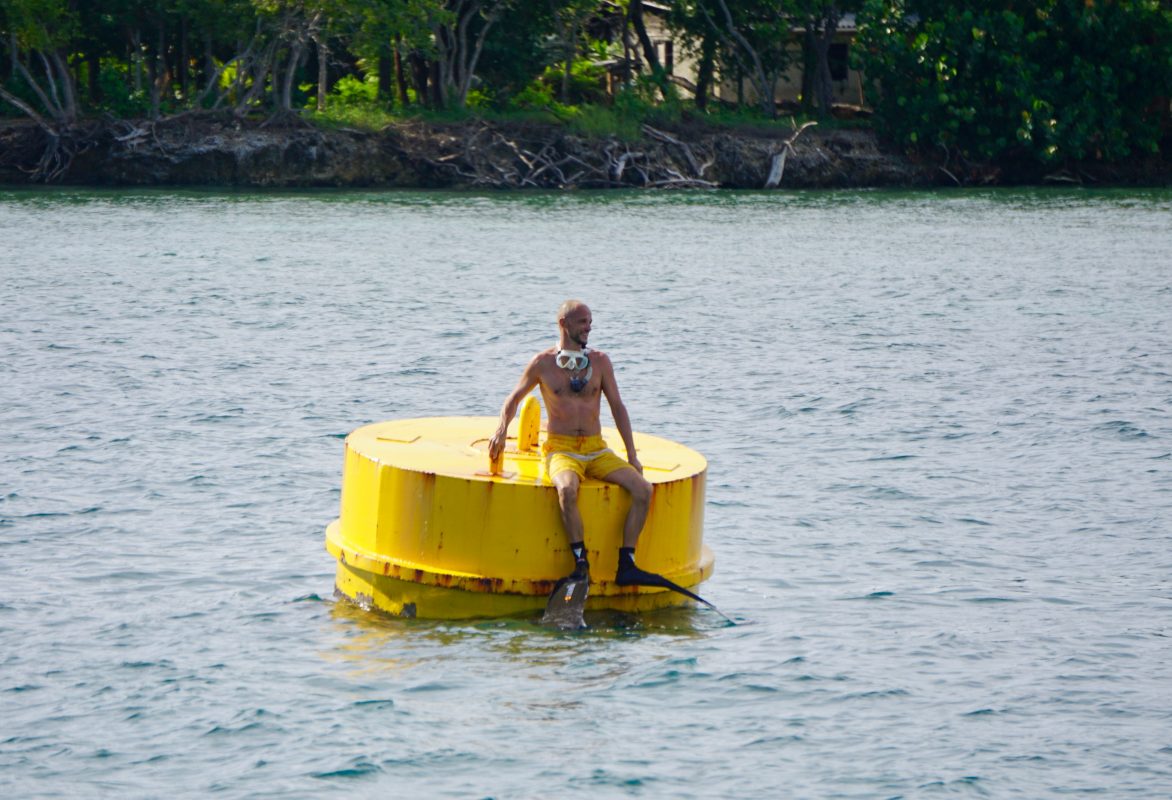
“Today we’ll have one more swim, and tomorrow we’ll definitely go ashore!” we mused, like Nif-Nif and Nuf-Nuf, never suspecting that tomorrow the wolf—force majeure—might arrive.
11 November. No one is going anywhere
We spend our island mornings just as we did on Mexico’s Isla Mujeres: first we swim, then we watch travel films over tea and porridge.
After yet another BBC film today, I suddenly remembered that submissions for the My Planet Travel Awards close in four days. Two years ago, we took second place and even won a windbreaker, which has served us faithfully ever since:).
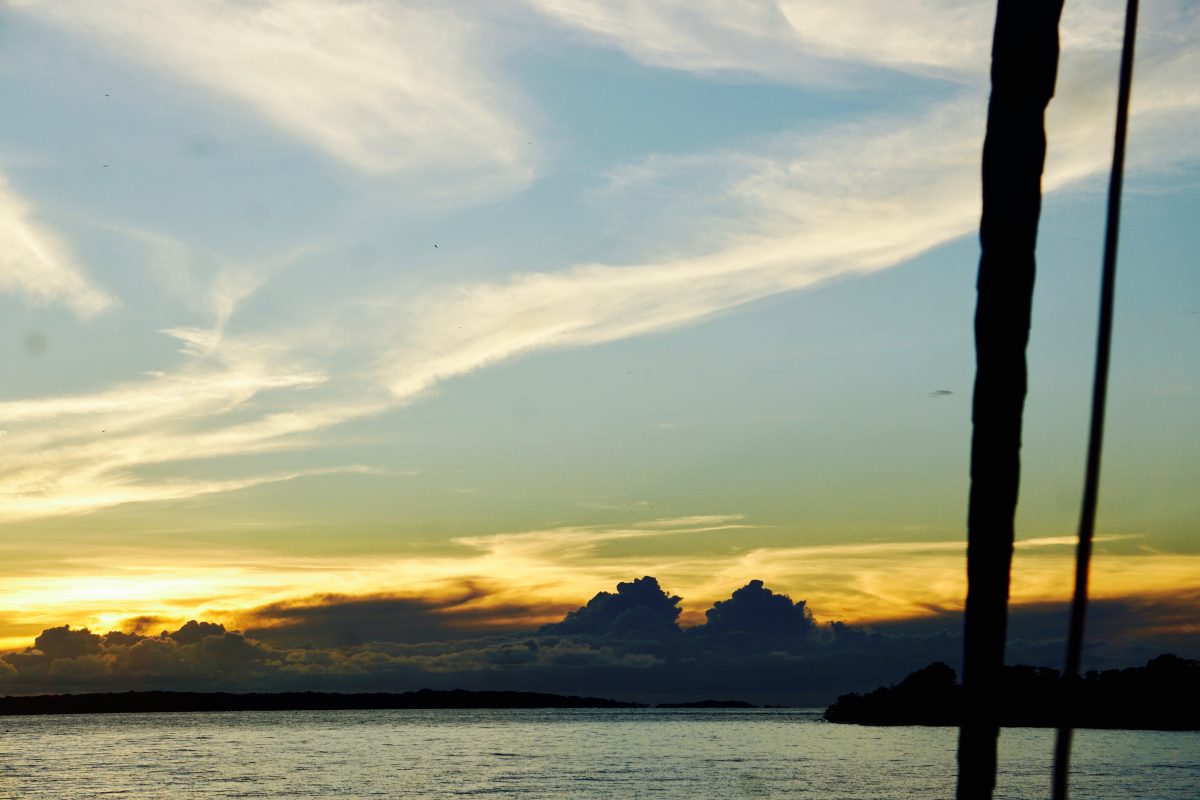
But it wasn’t about the prize. We’d already decided not to write any reports for the competition. And then there was also a category called “Amateur Travel Video.”....
We returned to the subject that evening. And that flash of insight turned all our subsequent plans upside down.
Here are the details >>....
Wednesday, 15 November. We leave
At nine, we began weighing anchor. To leave the bay and round the islands, we had to head into the wind and waves. And the elements were really kicking up today: 22 knots, with waves breaking over the bow. During the anchorage, Ladunya went out onto the bowsprit for a stroll and came back in tears, soaked from head to toe:).
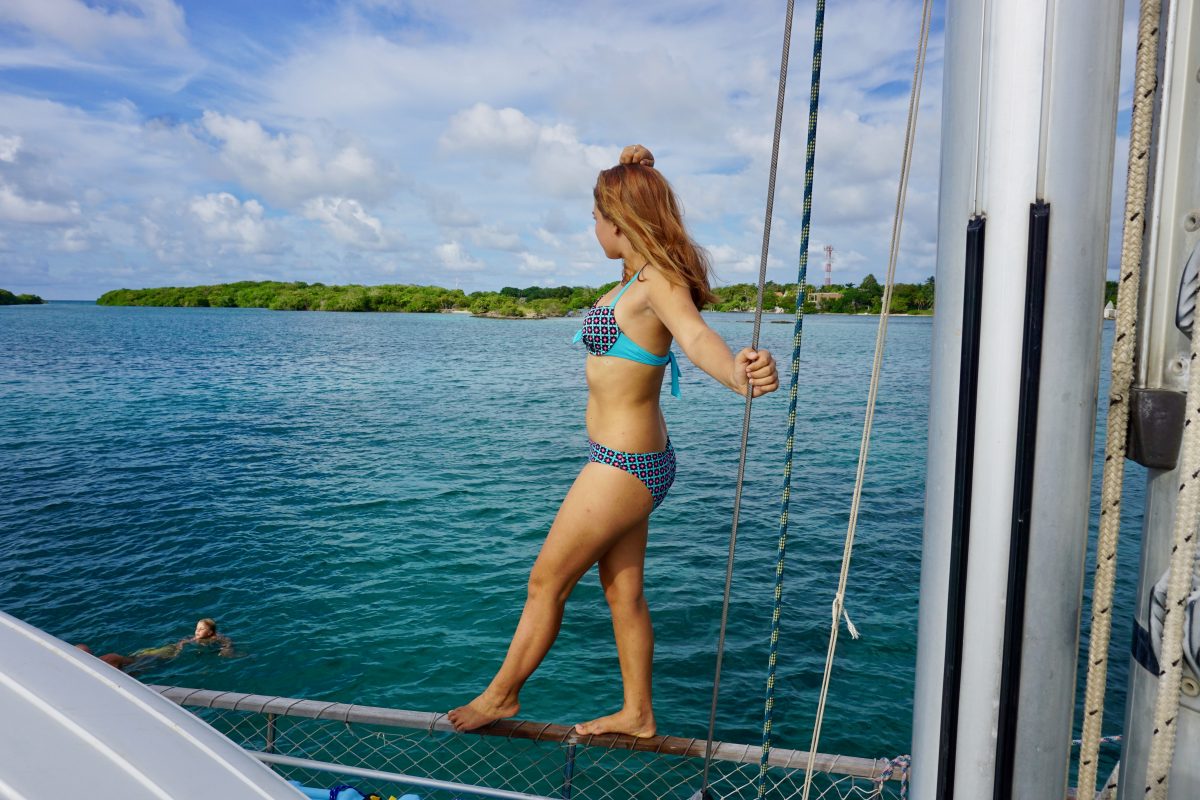
I thought, “Dear God, there are reefs here. We hit them on the way in, and in waves like these—Mamma mia!...I’m not going to think about it. Weigh anchor!”
While raising the anchor, Nastya and I took repeated saltwater showers squarely on the chest and with great dignity, but by some miracle the captain’s intuition guided us into the channel and around the reefs.
“Are we going to sail like this the whole way?” asked the young sailor, struggling to maintain a vertically seated position while the boat heeled.
“No,” I said. “Once we round the islands, the wind will be almost behind us.”
A couple of hours later, that was exactly what happened.
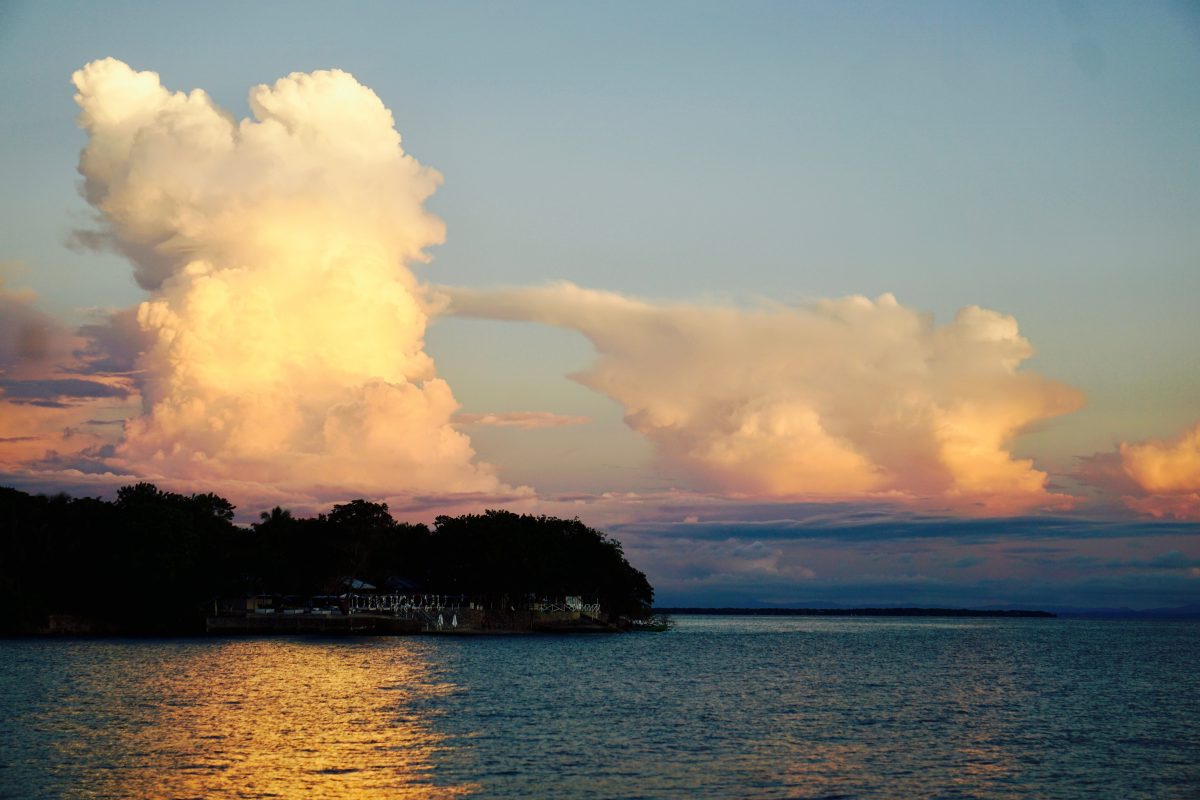
The mizzen and a small staysail were enough to make five knots. I took out my e-reader for educational purposes and admired the bright fabric cover Nastenka had sewn for it. I switched it on and glanced briefly at the horizon.... We were heading straight for the shore.
“Captain,” I said, “maybe we should change tack?” I started to get up. The e-reader cover flew off into the blue yonder and sank. Thank goodness it was only the cover....
A little epilogue 🙂
We arrived in Cartagena after lunch and managed to rig the awning before the downpour. The next morning, our work of cinematic art spent four solid hours trying to fly to Russia over the internet. By the end of the day, it finally made it.
We did what we could, as the saying goes. We’ve already replaced half of it, cleaned up the blunders we could fix, and added some funny moments and outtakes from the filming. We’ll upload an extended version soon. For now, here’s a link to the post about it on the My Planet website >>.
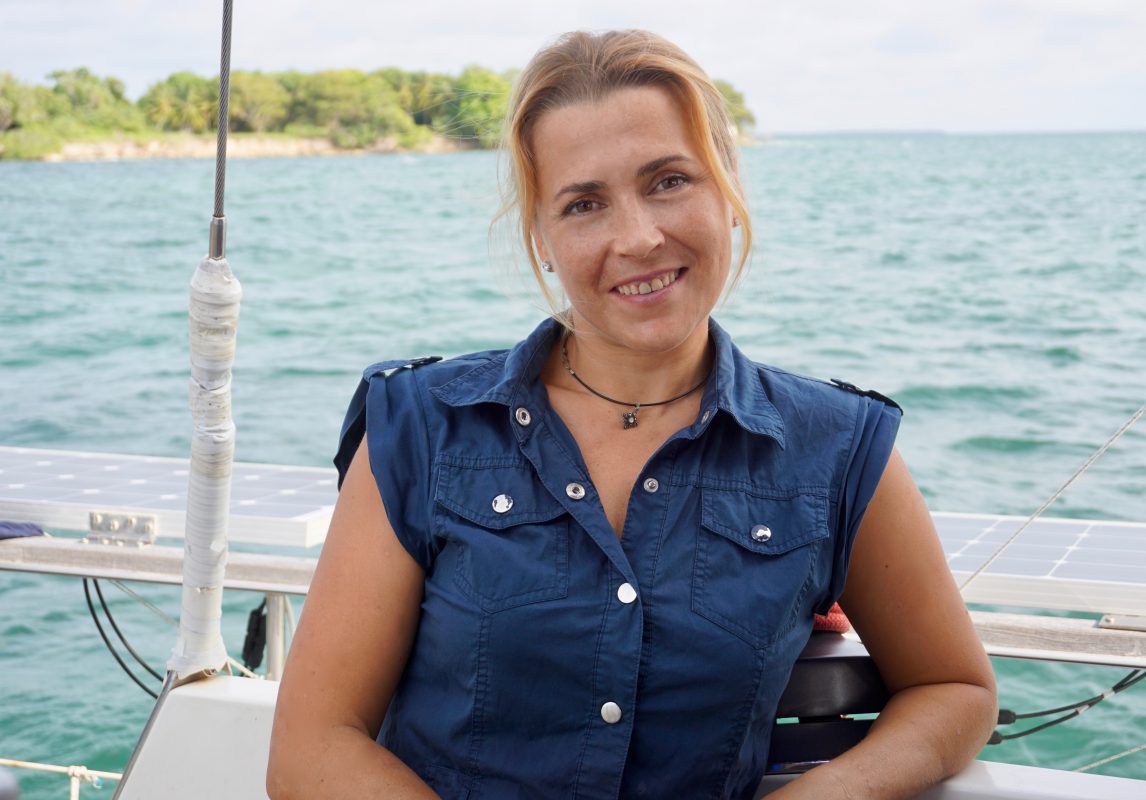
And here’s a link to our YouTube channel. At last, we’re starting to develop our video blog.
Subscribe, friends! Leave comments and likes. Do you know how motivating that is? Verrry motivating, yes. It warms the heart when you’re far from home. It brings joy and gives us new ideas. Do you know what you’ll be signing up for if you subscribe to our channel? It’ll be interesting! You’ll never be bored with us:).
Wishing everyone creativity and inspiration!