
From the Travely-Family archive · Pacific Ocean
Fatu Hiva. A French Holiday, Polynesian-Style, and a Hungry Young Sailor
An original publication from the former Travely-Family website. This English translation was preserved from the technical-site archive without editorial rewriting.
Fatu Hiva. A French Holiday, Polynesian-Style, and a Hungry Young Sailor.
You see the flames of Indian campfires dancing on the faces of chiefs from vanished tribes (from a song)...
We haven’t been eaten yet, though there are moments when you think we might be:). Darkness descends upon the fantastical gateway to Hanavave Bay. We get into the dinghy and head ashore to see how the islanders celebrate Bastille Day, which somehow found its way to the Marquesas Islands.
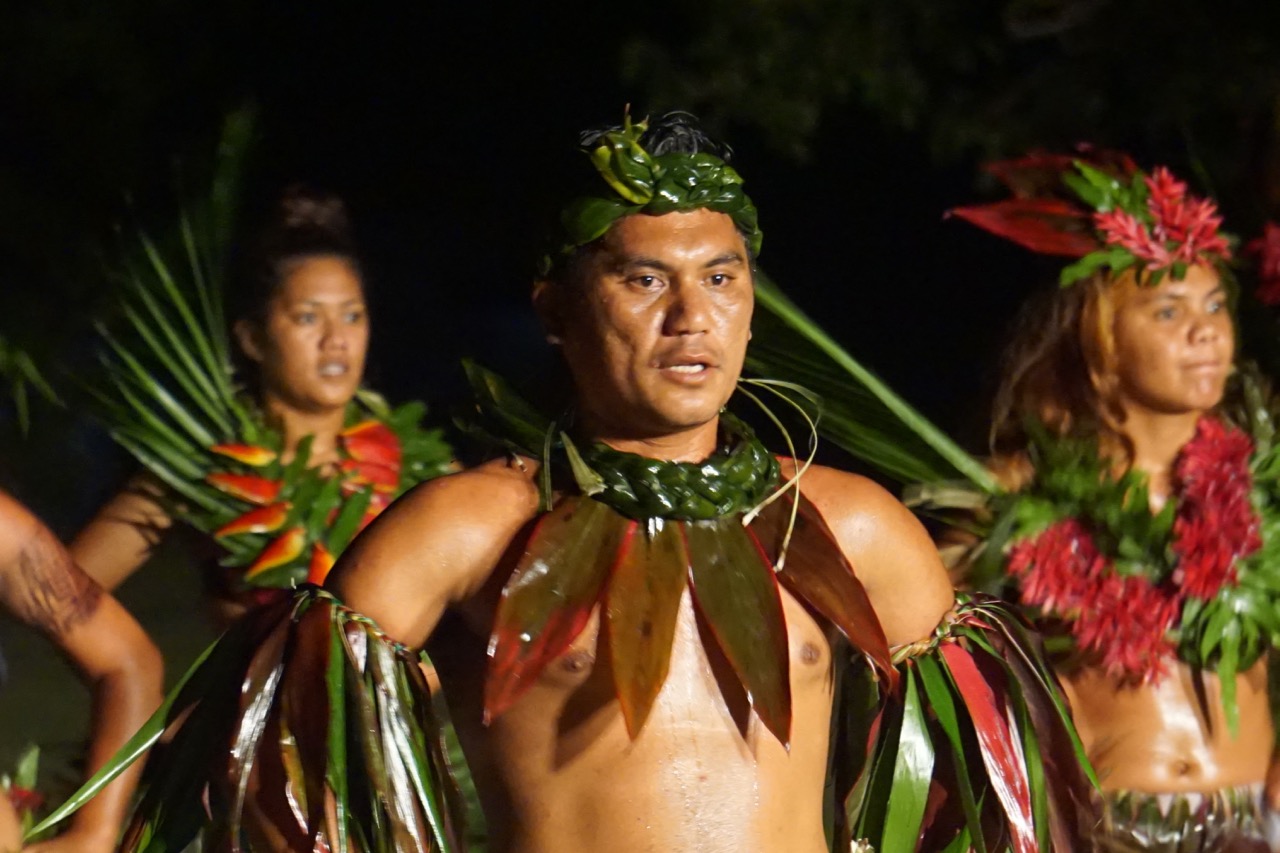
Dram! Dram! Tarara-dram! Boom! Boom! — the drumbeat pounds the most primitive of all animal instincts out of your very gut.
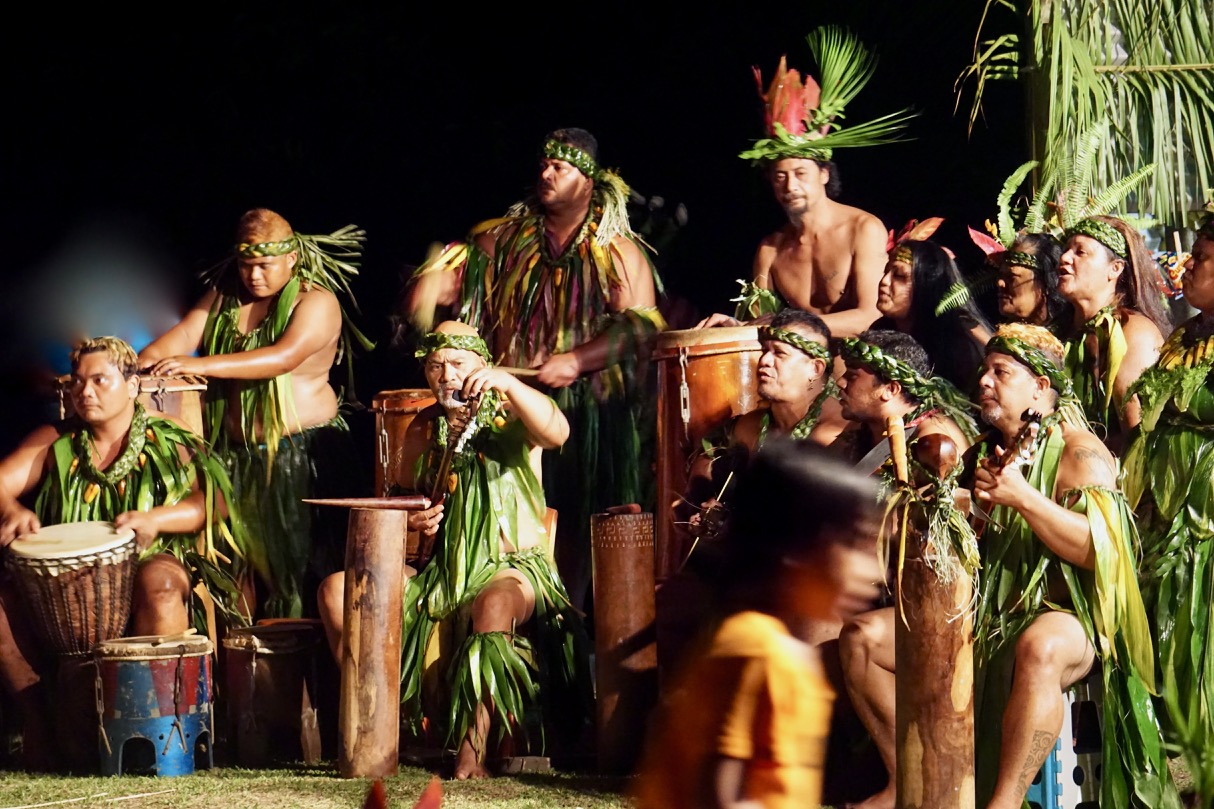
Oo-ooh-hoo! — a dozen men exhale gutturally. Tattooed shoulders, olive skin, bodies rubbed with coconut oil. Woven pandanus loincloths, glossy as plastic, leaves around their hips.
Boom! Boom! — the dancers strike the open palm of their left hand with a fist, bending their knees slightly.
Boom! He who comes against us with a spear... Boom! Boom!
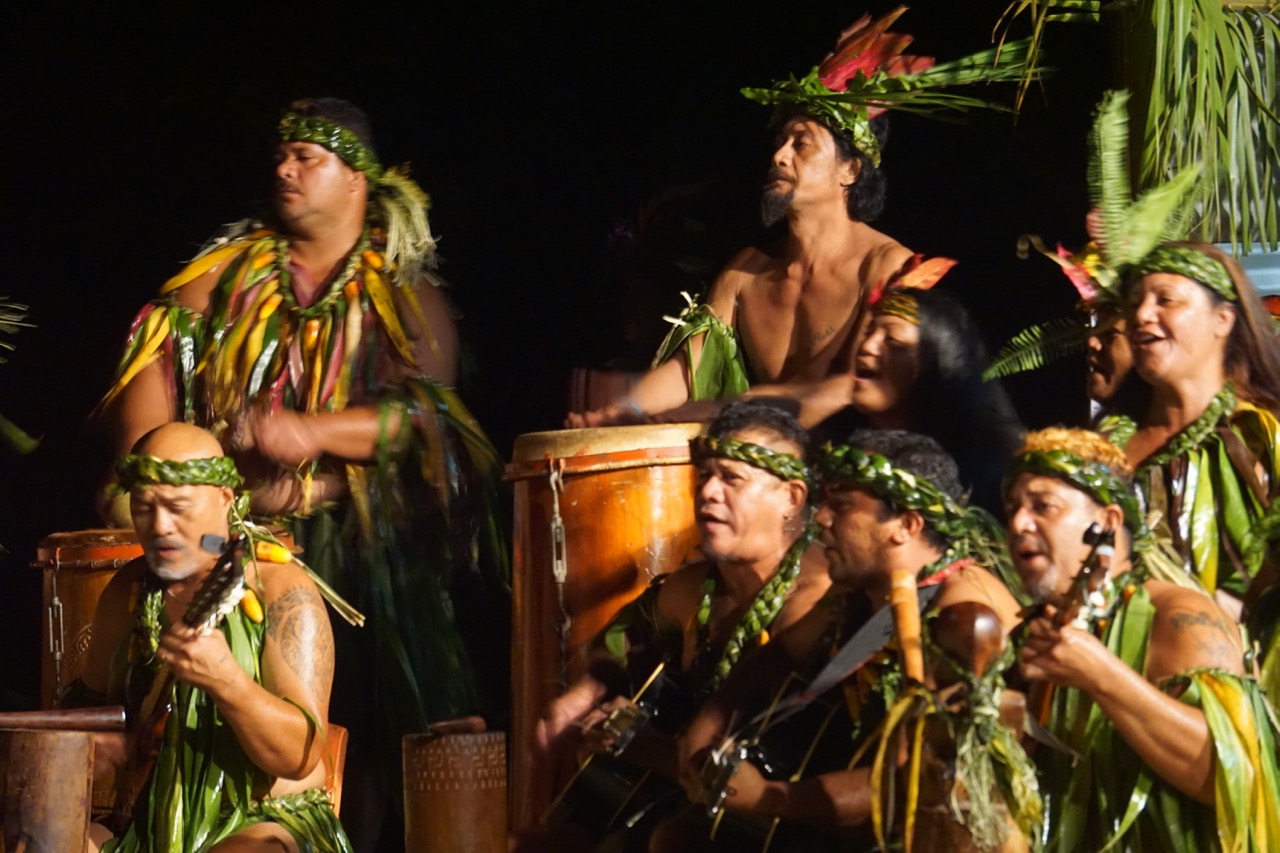
By the spear... ta-da-ram-tram!...shall perish!
Boom! Tadada-dramm!.
Bastille Day...
Throughout July, all of Polynesia and the island of Fatu Hiva celebrate Bastille Day. And something like a sacred awe flares up inside you. And you understand that only these rhythms, only dances like these, can live in this land. And that a Christian at prayer is as alien to these people as the way of life imposed on the natives a couple of hundred years ago.
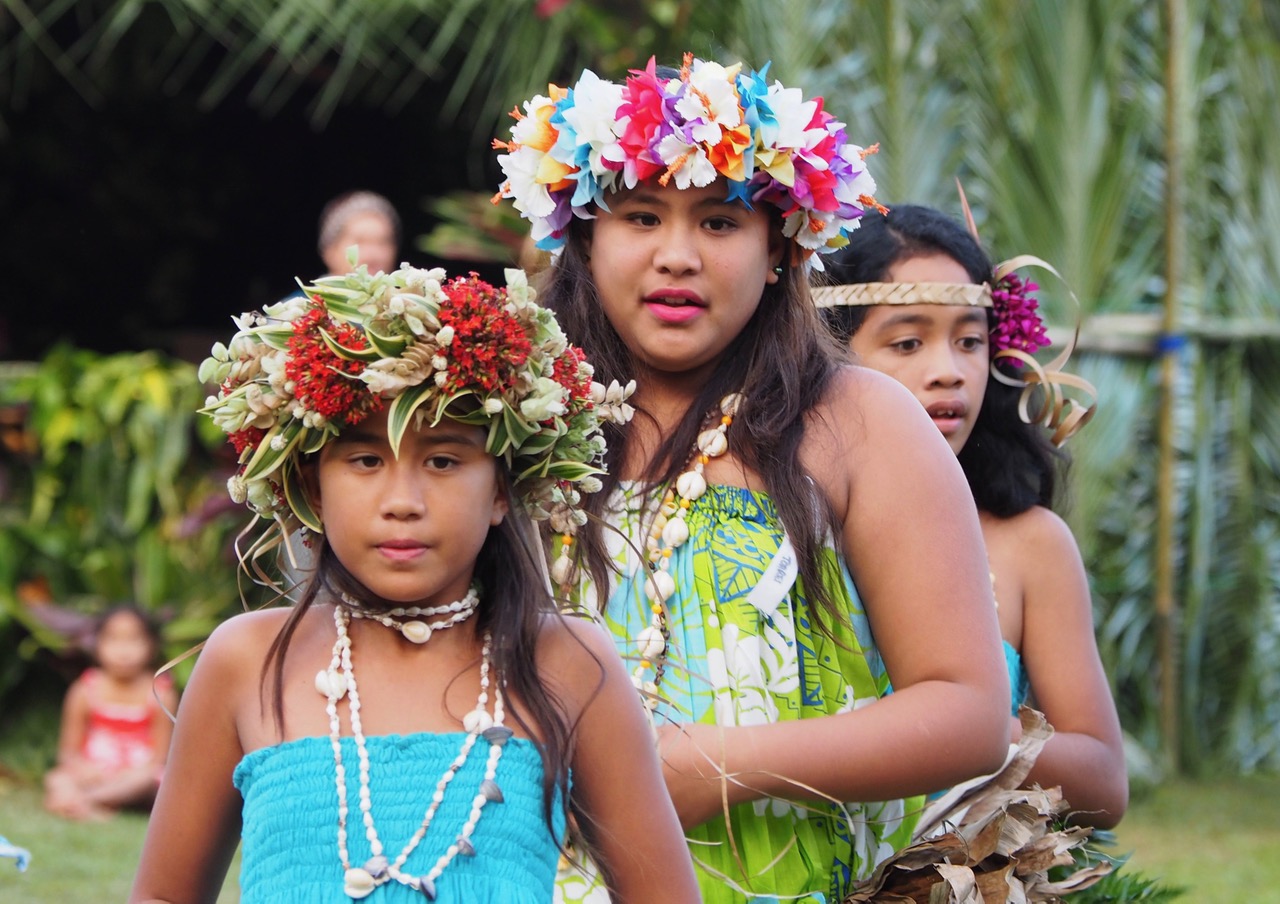
Along the edge of the field sit matrons in pareos and flower wreaths, children on bicycles and fleet little feet. The drummers have set up under the canopy of a breadfruit tree; along the wall stand what look like judges’ tables, with more of the same matrons in their finery. The spectators settle onto the grass. A portly lady in a wreath and pareo calls everyone to prayer in French.
Amen! — exhale the descendants of cannibals.
And she says: Off we go...
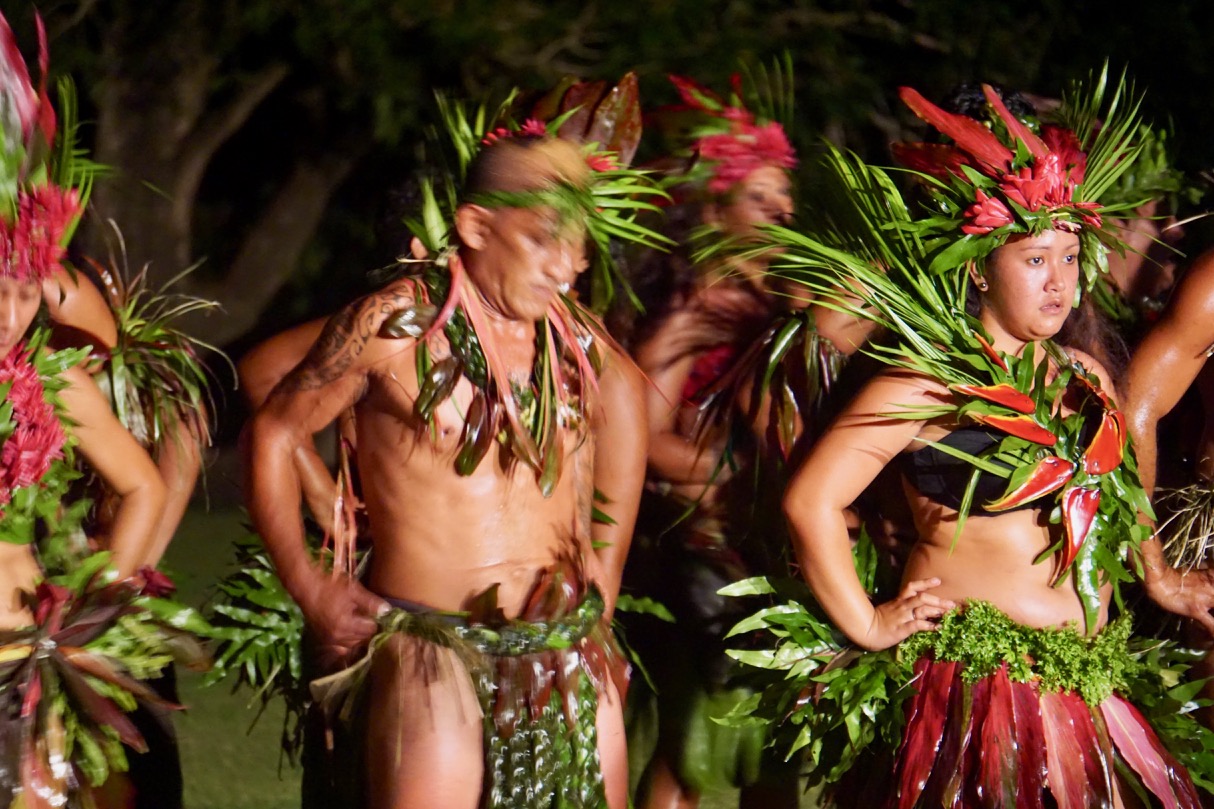
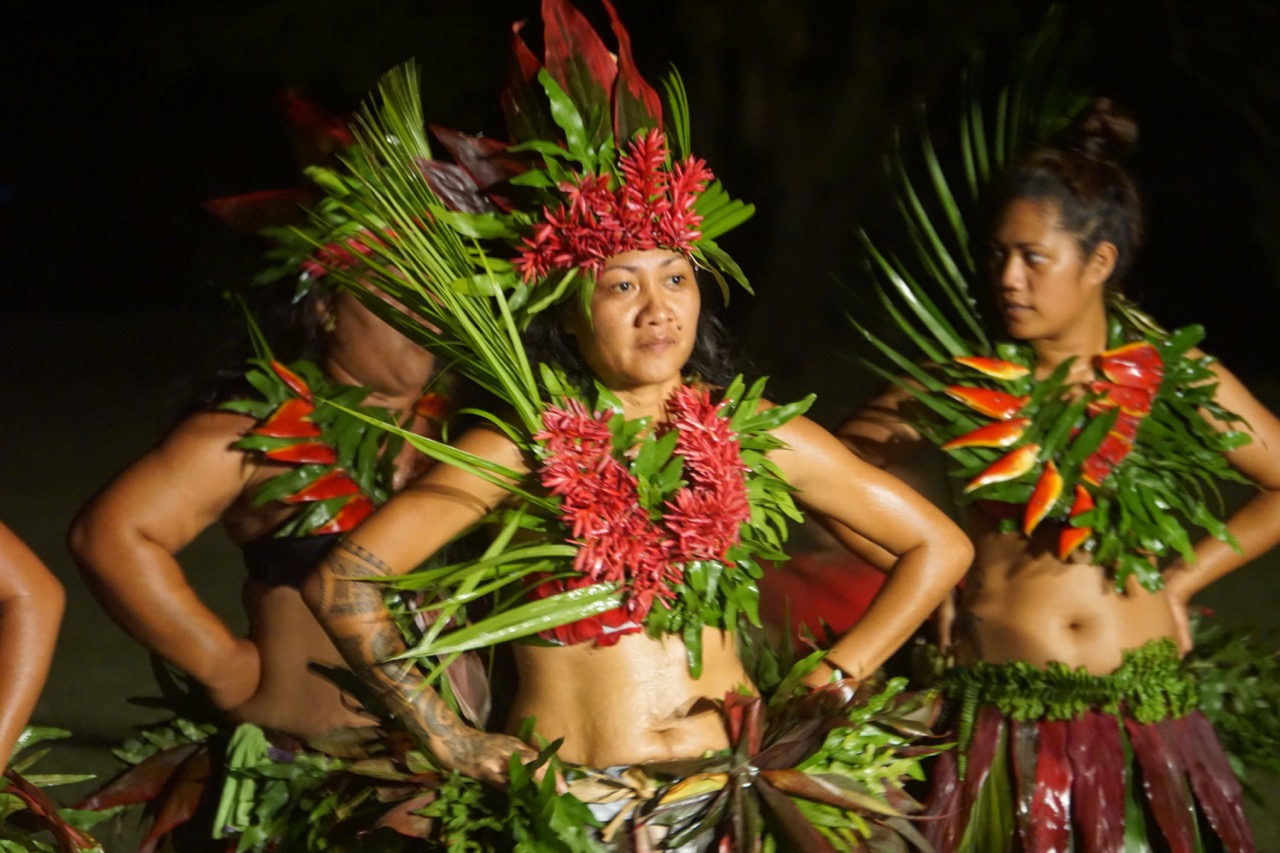
And off they all go, celebrating Polynesian-style. Not a word about the storming of the Bastille, Murat, or Robespierre. After all, where is the mother country, and where is Fatu Hiva?... Off we go. And the field booms in time with the roll of the drums. The first group of dancers, about 50 people, moves into the centre of the field, the leaves on their skirts, necklaces, and crowns gleaming glossily. An elderly chief launches into such elaborate twists of speech and dance that within a minute it becomes clear he is no chief at all, but very much a shaman. And the tribe answers him with a mounting rumble.
What are these drawn-out songs about?
The glory of their ancestors and native islands, fertility, love, and fishermen who went away across the sea. Fierce warriors and voluptuous vahines circle in a round dance and worship the sun. And even if you put up a hundred crosses around the perimeter, at the first beat of the drum you understand: nope, the island culture and wild spirit that the white man has spent centuries destroying have not gone anywhere. I set up the tripod and hope that at least 10 minutes of video will be of tolerable quality.
Boom! Boom! the bass thuds hollowly.
Tram-dadadam! — the others answer.
Kaoha oao, kaoha oe, kaoha eua! the dancers sing in drawn-out voices.
Hanavave! the male dancers roar menacingly.
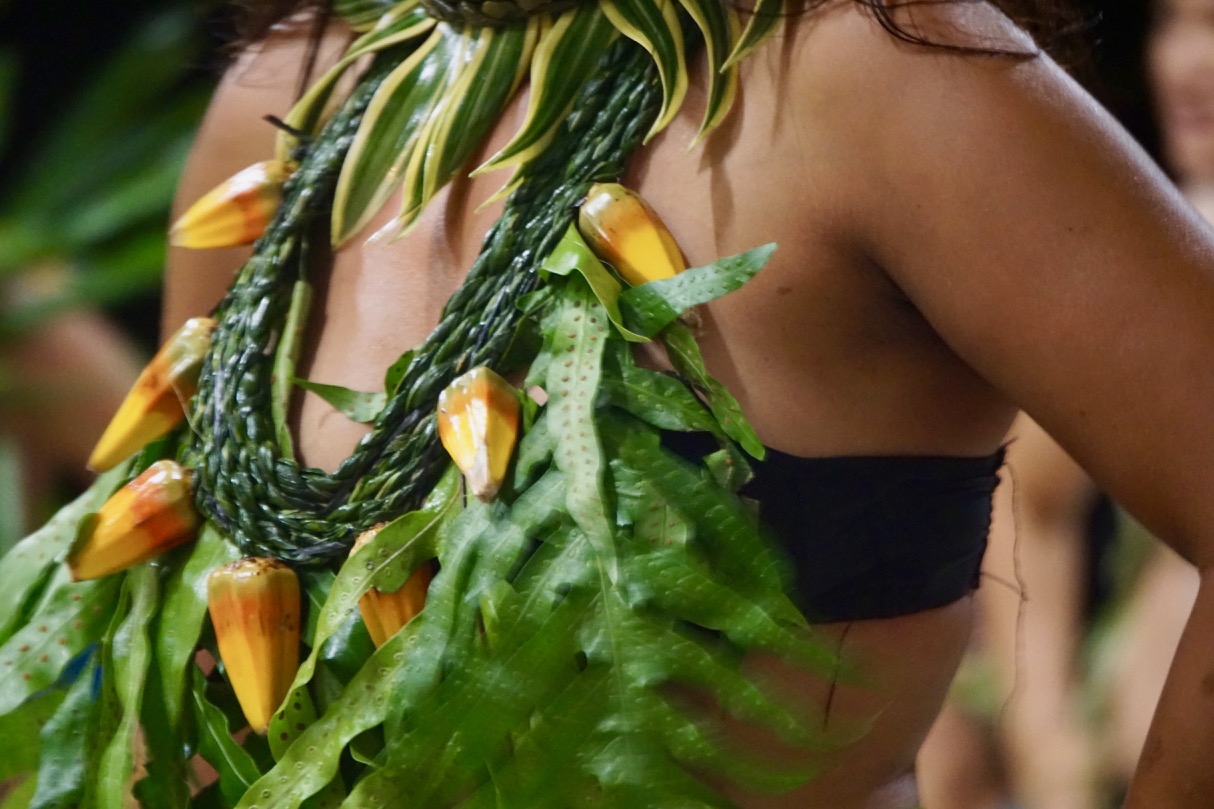
After about 40 minutes, there is a stir among the drummers and the dancers disappear, but the spectators know something and do not leave. A second group arrives — different drummers, different flower arrangements on their heads. Belts, sashes, and necklaces woven from plants, with glossy leaves cascading down — how can anyone make such a thing and keep it from falling apart during the dance?
At first I thought all this flora was artificial, but during the break the children rushed around the field gathering leaves and flowers that had fallen from the costumes, and our young sailor brought back a couple. — They’re real!
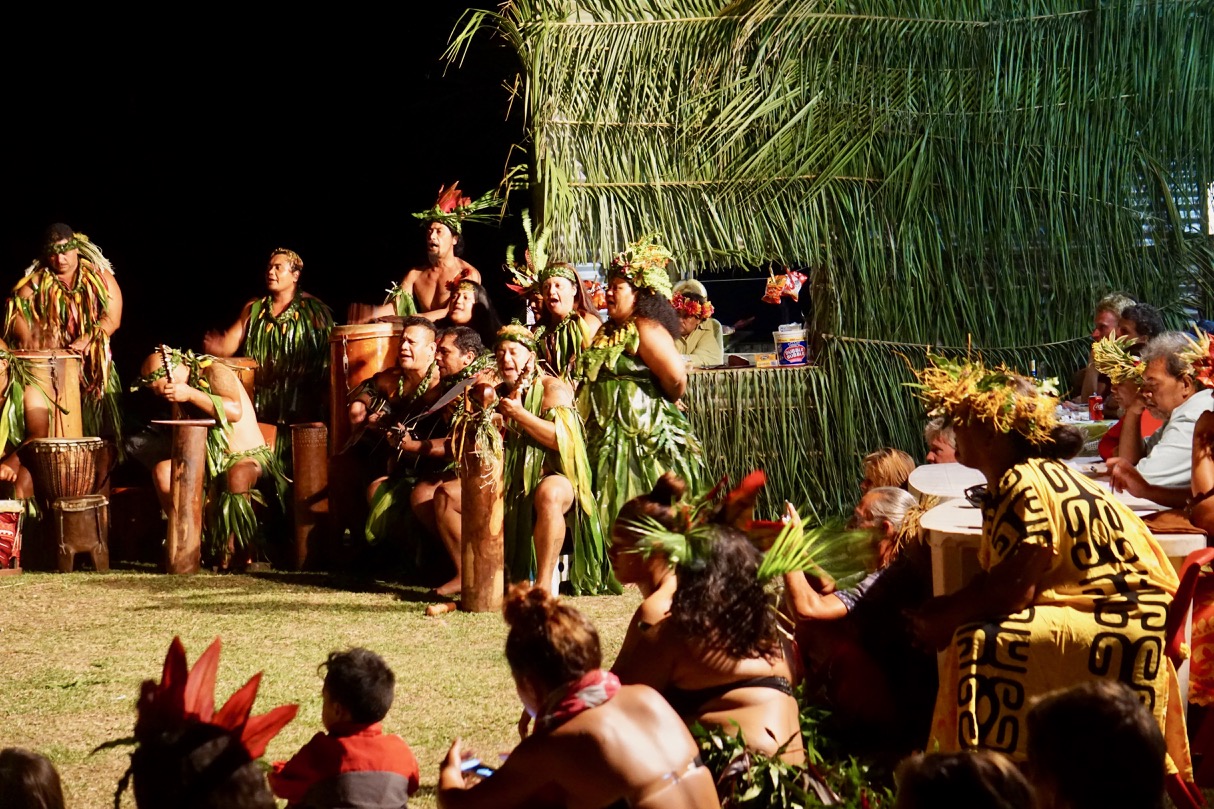
The second group’s wreaths are woven even more skilfully, but the dances are no longer quite so mesmerising: we got used to them during the first hour. Although a portly matron in a dress made of leaves holds court very convincingly: a dialogue in the Polynesian language, with her leading the chant and the tribe answering her at length, in rhythm. But why is a vahine in charge? As far as I have heard, women were hardly given a significant place in Polynesian tribes. Once there were as many as three warring tribes living on Fatu Hiva. Could these different groups of dancers be all that remains of a once numerous people?
Hanavave! — the tribe rumbles proudly.
Oao, oe, eua! — strong voices draw out the words.
Meanwhile, our young sailor wants something to eat. All around us is the tempting smell of meat cooked in an umu earth oven. That is exactly how ritual human flesh was once prepared. The aromas of more peaceable delicacies drift across the field as well. But we cannot buy anything, because dollars are not accepted here, the only currency exchange is in the other village, we have not yet met any locals, and in any case we brought no money with us, not even American dollars. The captain forgot that children at a festival always want to eat. And so, accompanied by our hungry young sailor’s plaintive squeaks, we head home.
The roll of the drums and the drawn-out songs do not fall silent on shore until morning. And it all draws us ever closer to nature and reminds us ever less of the great French Revolution that took place long ago.
What next?
And afterwards there were unexpected encounters, waterfalls, and a hike upriver, rain in the driest season (or so we thought), spearfishing, heaps of boat chores, and a smashed porthole. And we completely lost the will to write our satellite chronicles — you can’t upload photos there (. For, having created this wondrous island, God forgot one thing: to provide Fatu Hiva with anything remotely resembling decent internet.
P.S.: We were able to update this report and adorn it with photographs only after reaching the island of Nuku Hiva, almost a month later:).
Write to us, friends!
To be continued.